Gostilna Repolusk sits in the Mislinja valley in Slovenia's Koroška region, where the gostilna tradition means a kitchen rooted in what the surrounding farmland and forests produce. It represents the kind of regionally anchored dining that has quietly defined rural Slovenian cooking for generations, placing local sourcing at the centre of the plate rather than as an afterthought.
Pearl is the En Primeur Club membership app — saves, bookings, and concierge access live there. Same editors, same standards.
- Address
- Srednji Dolič 1, 2382 Mislinja, Slovenia
- Phone
- +38628855655
- Website
- facebook.com
- Directions
- Get directions
 Saves & bookings on Pearl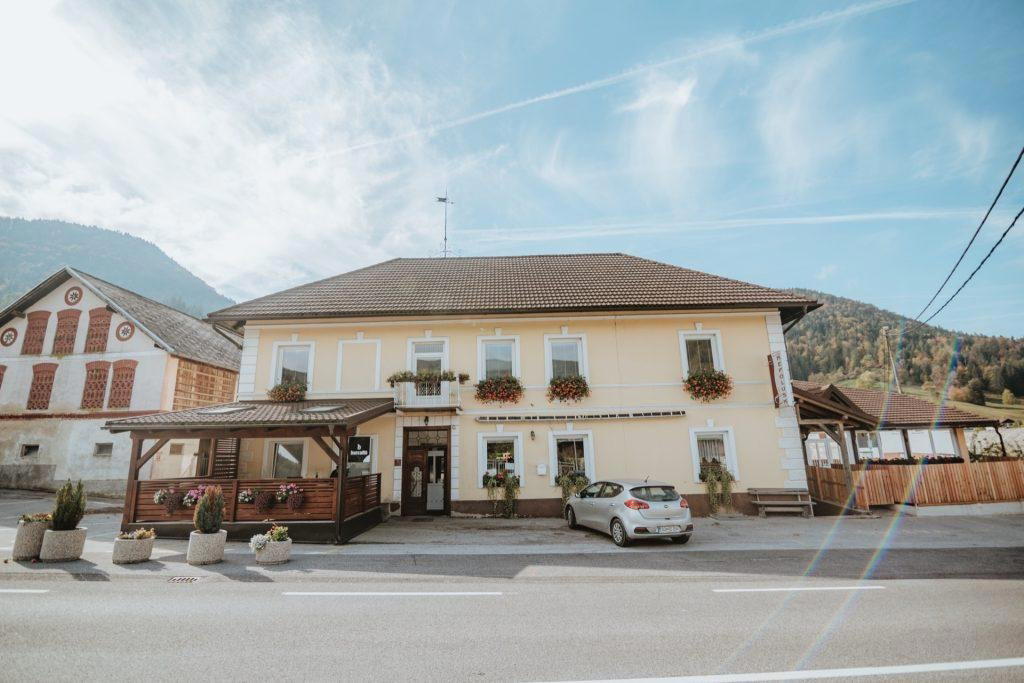
Where the Koroška Countryside Comes to the Table
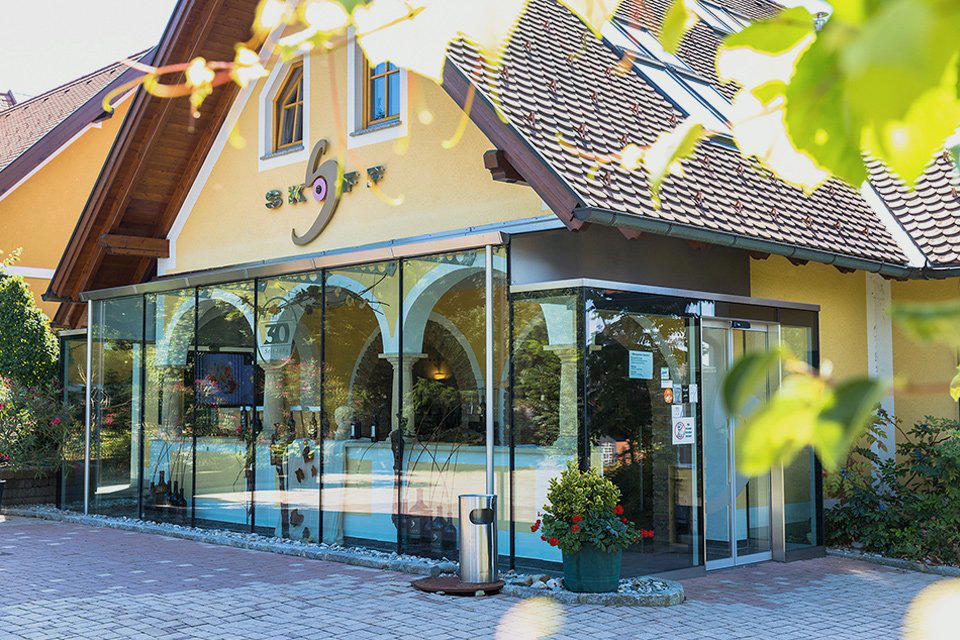
Gostilna Repolusk is a casual Modern Slovenian restaurant at Srednji Dolič 1, 2382 Mislinja, Slovenia. Arriving at Srednji Dolič 1, you are not approaching a restaurant in the urban sense. The gostilna format, a deeply Slovenian institution that sits somewhere between inn, tavern, and family kitchen, signals something different from the moment the building comes into view. These are spaces where the architecture, the cooking, and the supply chain are typically all drawn from the same tight radius, and Gostilna Repolusk belongs to that tradition.
Koroška, Slovenia's northernmost statistical region, does not generate the same international restaurant coverage as the Soča valley or the wine country around Brda. That relative obscurity is, in part, the point. The gostilnas that have endured here are not trading on tourism footfall; they are serving communities that have specific expectations about what regional cooking should taste and feel like. That accountability to a local audience tends to produce more disciplined sourcing decisions than the ones made in kitchens chasing broader critical attention.
The Gostilna Tradition and What It Asks of a Kitchen
To understand Gostilna Repolusk, it helps to understand what the gostilna format demands. Unlike a restaurant that can reinvent itself seasonally through supplier relationships, a gostilna is typically anchored to the produce calendar of its immediate geography. In Koroška, that means the mushrooms and game from surrounding forests, the dairy from highland farms, the river fish from alpine tributaries, and the root vegetables and legumes that define the cold-weather table across this part of central Europe.
This is a different sourcing model from the celebrated farm-to-table operations further west in Slovenia. Places like Grič in Šentjošt nad Horjulom have built a deliberate, documented farm-to-table identity into their editorial positioning. The gostilna approach is less programmatic, sourcing is embedded in habit and geography rather than declared as a philosophy, but the outcome is often the same: ingredients that have not traveled far and are cooked in ways that reflect how they have always been used in this landscape.
Across Slovenia's rural dining scene, this localism operates at different price points and levels of formal recognition. Hiša Franko in Kobarid and Hiša Denk in Zgornja Kungota sit at the summit of that spectrum, with Michelin recognition and international reservation demand. The restaurant operates in a different register, the neighbourhood anchor rather than the destination restaurant, but the underlying commitment to regional ingredients runs through both tiers of the Slovenian dining scene.
Mislinja's Place in the Slovenian Dining Map
Mislinja is a small municipality southeast of Slovenj Gradec, with an economy historically tied to industry and agriculture in roughly equal measure. It is not a wine town, nor a coastal resort, nor a mountain destination with international ski traffic. What it has is the food culture that emerges when a community eats what it grows and raises, without the mediation of a metropolitan supply chain.
For context, compare the ingredient priorities here to those of Dam in Nova Gorica, which pulls from a Mediterranean-inflected sourcing geography, or Gostišče Neptun in Piran, where Adriatic seafood defines the plate. Koroška kitchens work with a colder, more landlocked pantry: the meats are heavier, the preparations more strong in a literal sense, relying on smoking, curing, and slow cooking rather than the lighter techniques that Mediterranean proximity tends to encourage.
That distinction matters when you are deciding whether to drive north from Ljubljana or the Sava valley toward Mislinja. This is not a cuisine that competes with Gostilna Pri Lojzetu in Vipava or the creative modern cooking at Milka in Kranjska Gora. It occupies a different, older culinary register, and the gap in critical visibility between Koroška and those better-documented Slovenian dining destinations reflects a media geography that has not yet caught up with what the region actually produces.
Sourcing as Structure, Not Statement
The ingredient sourcing logic of Koroška's gostilnas is worth sitting with for a moment, because it is structurally different from the sourcing models that win awards and generate press. At places like Turistična Kmetija Breg in Brda or Gostilna Mlinar in Idrija, provenance is often named on the menu and built into the identity of the evening. In a traditional gostilna, the sourcing is structural rather than declarative: it shapes what appears on the menu each week without necessarily being announced.
This distinction has practical consequences for the visitor. You are unlikely to find a detailed supplier list or a seasonal tasting menu with course annotations at a Koroška gostilna. What you will find is a kitchen that is making decisions based on what is available locally and what the season permits, in ways that align more closely with how rural European cooking has always functioned than with the contemporary farm-to-table movement's more self-conscious iteration of the same idea.
For readers who have eaten at Restavracija Strelec in Ljubljana or Pavus in Lasko and want to understand how Slovenia's culinary identity connects back to its agricultural foundations, a gostilna in a small Koroška municipality offers a more direct line than any metropolitan fine-dining kitchen can.
Planning a Visit
Mislinja sits on the road between Slovenj Gradec and Velenje, making it accessible by car from both directions. Public transport connections to the valley are limited, and the area is leading approached with your own vehicle if you are coming from Ljubljana (roughly 90 minutes on the A1 and regional roads) or from the Austrian border near Dravograd.
Quick Comparison
Comparable venues nearby, for context on price, style, and recognition.
| Venue | Cuisine | Price | Notes |
|---|---|---|---|
| Gostilna RepoluskThis venue — the venue you are viewing | Modern Slovenian | $$ | Not listed |
| Slaščičarna Ilich | Traditional Slovenian Pastry Shop & Cafe | $$ | old town |
| Gostišče Dolinšek | Traditional Slovenian | $$ | Sevnica |
| Gostilna Kunstelj | Traditional Slovenian Gorenjska | $$ | Radovljica |
| Restaurant Šobec | Traditional Gorenjska with pizzas | $$ | Lesce |
| Gostilna pri lipi | Traditional Slovenian | $$ | Lackova cesta |
Continue exploring
More in Mislinja
Restaurants in Mislinja
Browse all →
Bars in Mislinja
Browse all →
Hotels in Mislinja
Browse all →
At a Glance
- Rustic
- Cozy
- Classic
- Family
- Casual Hangout
- Historic Building
- Local Sourcing
Current opening hours
- Monday
- Closed
- Tuesday
- 9 AM–9 PM
- Wednesday
- 9 AM–9 PM
- Thursday
- 9 AM–9 PM
- Friday
- 9 AM–9 PM
- Saturday
- 9 AM–9 PM
- Sunday
- 9 AM–8 PM
Hours can change for holidays and private events. Last verified .