
Michelin Plate
Our verdict
Osteria Frangipane sits on the edge of Trani's historic centre, where two brothers serve Adriatic seafood with genuine imagination within the mid-range tier. Michelin Plate recognition in 2025 confirms the kitchen's intent, while dishes like codfish mantecato with walnut bread and risotto with hairy mussels and Foggia pecorino show what local waters and southern pantry staples can produce together. This is Trani's mid-market seafood case made well.

Pearl is the En Primeur Club membership app — saves, bookings, and concierge access live there. Same editors, same standards.
- Address
- Osteria Frangipane, Trani, BT, Italy
- Phone
- +39 0883 585763
- Website
- osteriafrangipane.it
- Directions
- Get directions
The menu
What to order
- Codfish mantecato with walnut bread
Where the Adriatic Meets the Old City
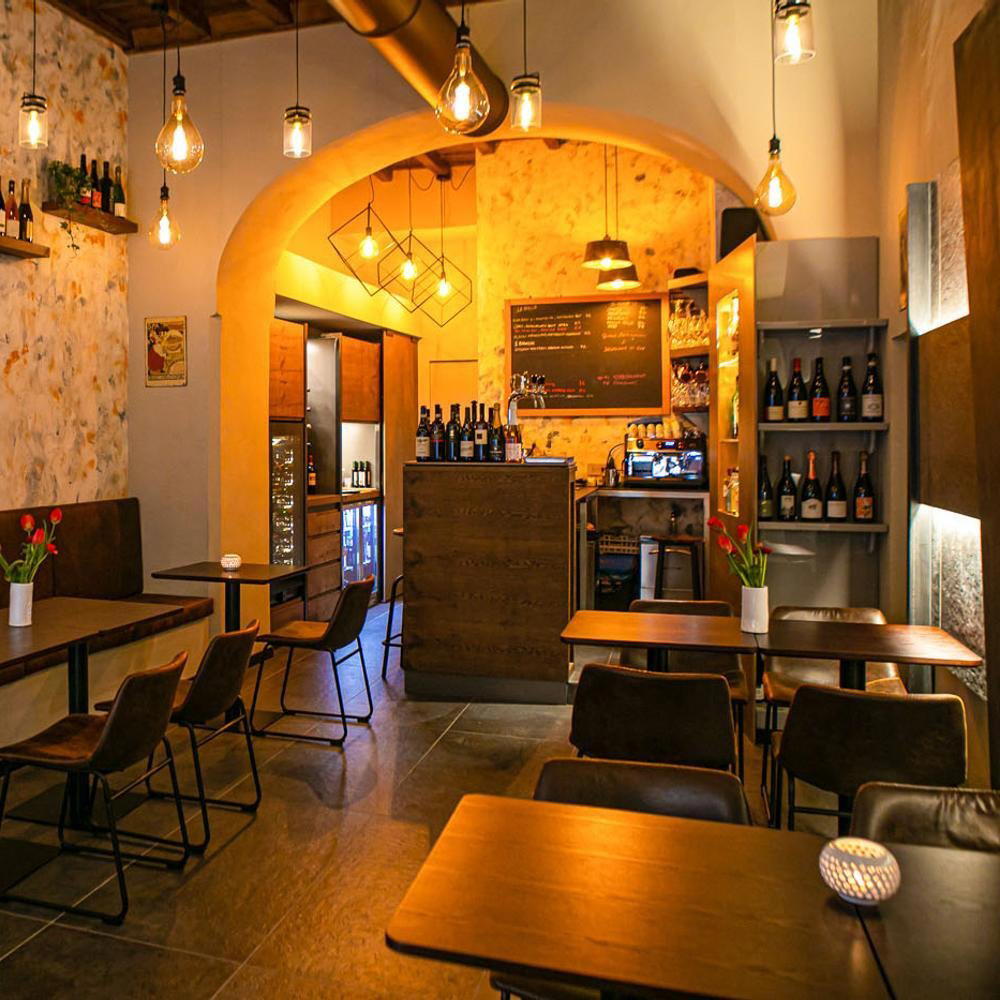
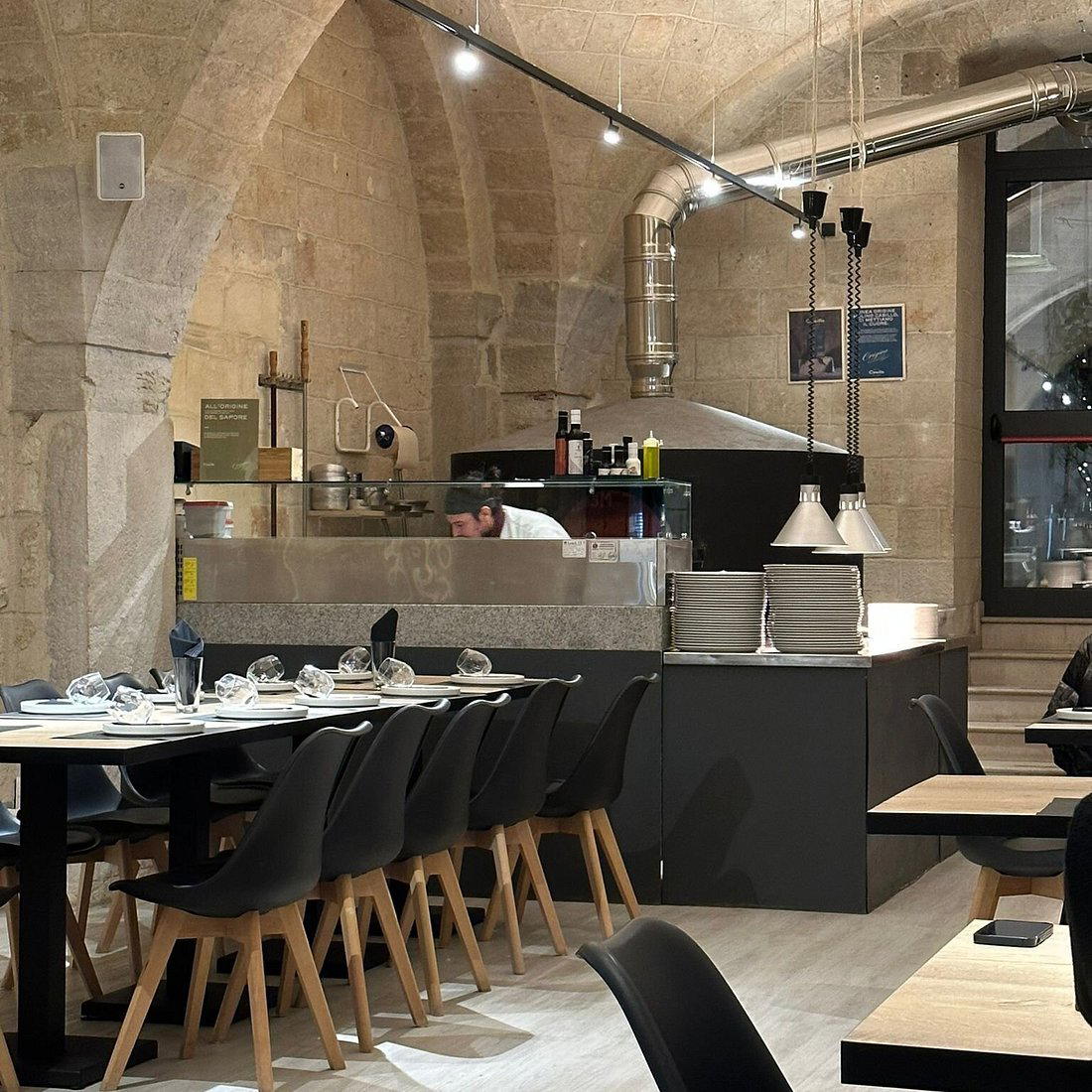
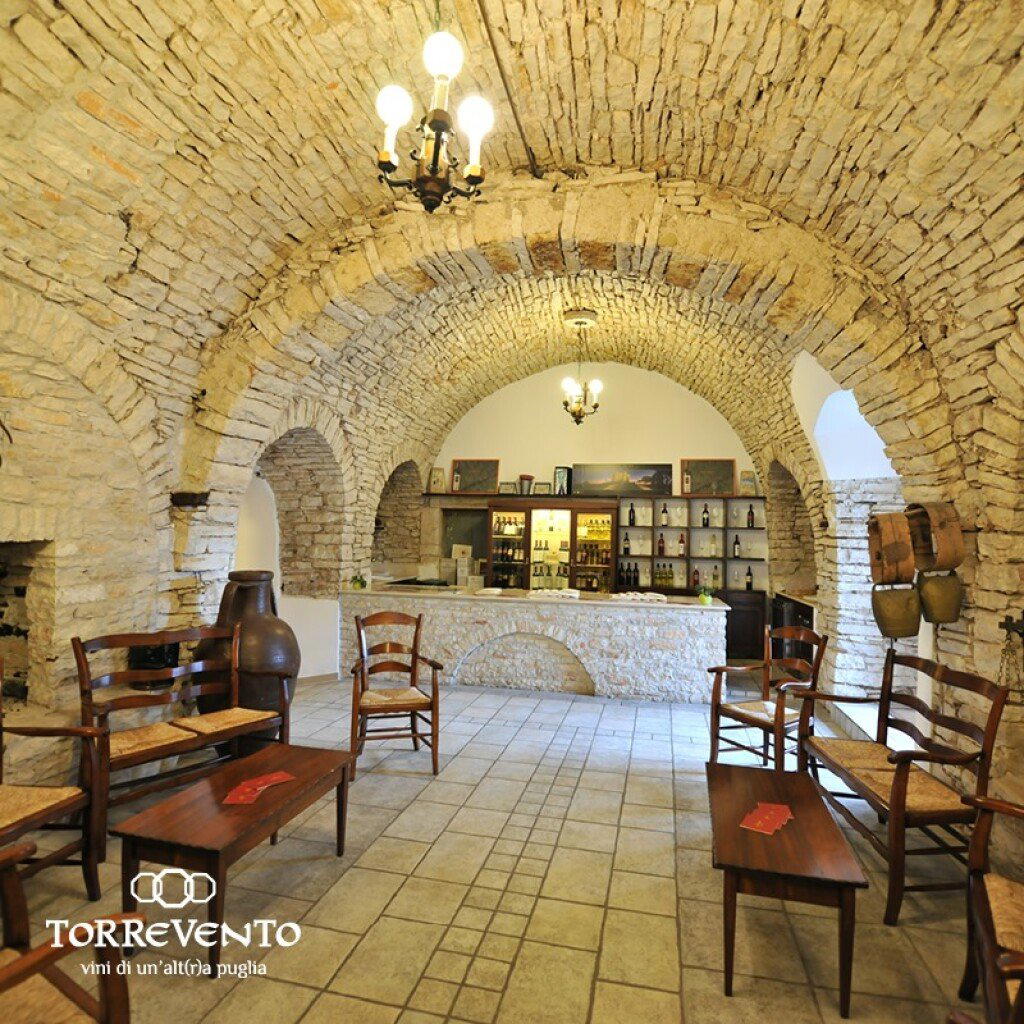
Trani's historic centre ends abruptly at the water. The cathedral pushes its Romanesque facade almost into the sea, and the port below it has supplied the city's kitchens for centuries. On the edge of that boundary, inside a room with light-washed walls and vaulted ceilings, Osteria Frangipane occupies a space that reads contemporary without abandoning the architectural grammar of the old town. The atmosphere is informal in the way that southern Italian osterie do informally leading: attentive without ceremony, warm without performance. Michelin inspectors noted the brothers' welcome specifically, describing how it puts customers at ease immediately, which is not a throwaway observation in a guide that rarely comments on hospitality unless it actively distinguishes the room.
The Waters Behind the Menu
Understanding what arrives on the plate at Frangipane requires a moment with the Adriatic itself. The upper Adriatic, from Venice southward, is a shallow, semi-enclosed sea with low salinity and cold winter currents. By the time you reach the lower Adriatic off Puglia's coast, the character shifts. The waters here are warmer and more saline, the currents fed partly by inflows from the Ionian, and the catch reflects that transition: sea bream, sea bass, octopus, cuttlefish, and the hairy mussels (cozze pelose) that are specific to this stretch of coastline. Those hairy mussels are not a marketing flourish. Cozze pelose are a regionally protected mollusc, farmed and harvested in the waters around Taranto and along the Pugliese coast, their slightly coarser shells and firmer flesh distinguishing them from the smoother Mytilus galloprovincialis found further north. When they appear in Frangipane's risotto alongside broad beans and Foggia pecorino, the dish is doing something precise: mapping three southern Apulian producers onto a single plate.
That specificity of provenance matters in a region where the default pitch for seafood restaurants is generic freshness. Puglia's coastline runs for over 800 kilometres, covering two seas, and the difference between what comes off a boat at Gallipoli and what a trawler lands at Trani is meaningful. The Adriatic catch here skews toward smaller, pelagic species and bivalves rather than the larger tuna and swordfish that define the Ionian side. Frangipane's menu, as described by Michelin, works within those parameters rather than importing ingredients to compete on scale.
Reading the Menu as a Document of Place
The Michelin inspector's specific recommendations are worth reading carefully because they reveal a kitchen that is doing technique work, not just sourcing well. Codfish mantecato, the Venetian-origin whipped salt cod emulsion, arrives here on walnut bread with bell pepper cream and caper mayonnaise. That is three distinct textural and acidic elements supporting a dish that in its original form is already a study in fat emulsification. Moving it south and pairing it with Apulian capers and sweet pepper suggests a kitchen comfortable with northern Italian reference points but unwilling to reproduce them without local argument.
The risotto with broad beans, hairy mussels, and Foggia pecorino follows a similar logic. Pecorino from Foggia is a semi-aged sheep's milk cheese with a salinity and funk that differs from the harder, drier pecorinos of Sardinia or Lazio. Using it in a seafood risotto rather than a meat or pasta application requires a considered balance of salt loads. Broad beans, at peak season in spring, add sweetness and body. The result, on paper, is a dish that depends on the cook understanding how all three main ingredients interact rather than relying on any single component to carry it. Both dishes earned Michelin recommendation, which in the Plate tier signals consistent execution rather than occasional brilliance.
Where Frangipane Sits in Trani's Dining Tier
Trani's restaurant scene is compact but internally stratified. At the €€€ level, Le Lampare al Fortino brings Mediterranean ambition and a dramatic setting near the fortino, while Terradimare, Quintessenza, and Casa Sgarra each operate at a higher price point with corresponding formality and ambition in Apulian and contemporary cuisine. Il Melograno shares Frangipane's seafood focus and €€ bracket, making the two natural comparison points within the mid-tier.
At €€, Frangipane is not trying to compete with the white-tablecloth tier. Its 2025 Michelin Plate reflects recognition within a different register: honest cooking, local sourcing, and a room that functions without theatrical service. For context, across Italy's more celebrated fine dining addresses, including Osteria Francescana in Modena, Enoteca Pinchiorri in Florence, and Enrico Bartolini in Milan, or the coastal seafood focus at Quattro Passi in Marina del Cantone and Alici Restaurant on the Amalfi Coast, a Michelin Plate at a mid-range osteria in a secondary city is a specific kind of signal: the guide found something worth marking, even without the formal tasting menu apparatus that typically draws stars. Further north, destination kitchens like Atelier Moessmer Norbert Niederkofler in Brunico or Dal Pescatore in Runate operate in a structurally different register, but the Michelin Plate at Frangipane demonstrates the guide's continued attention to cooking that earns recognition outside the starred conversation. Similarly, Gambero Rosso in Marina di Gioiosa Ionica shows how southern Italian coastal kitchens are drawing scrutiny across the south's full Adriatic and Ionian arc.
Planning a Visit
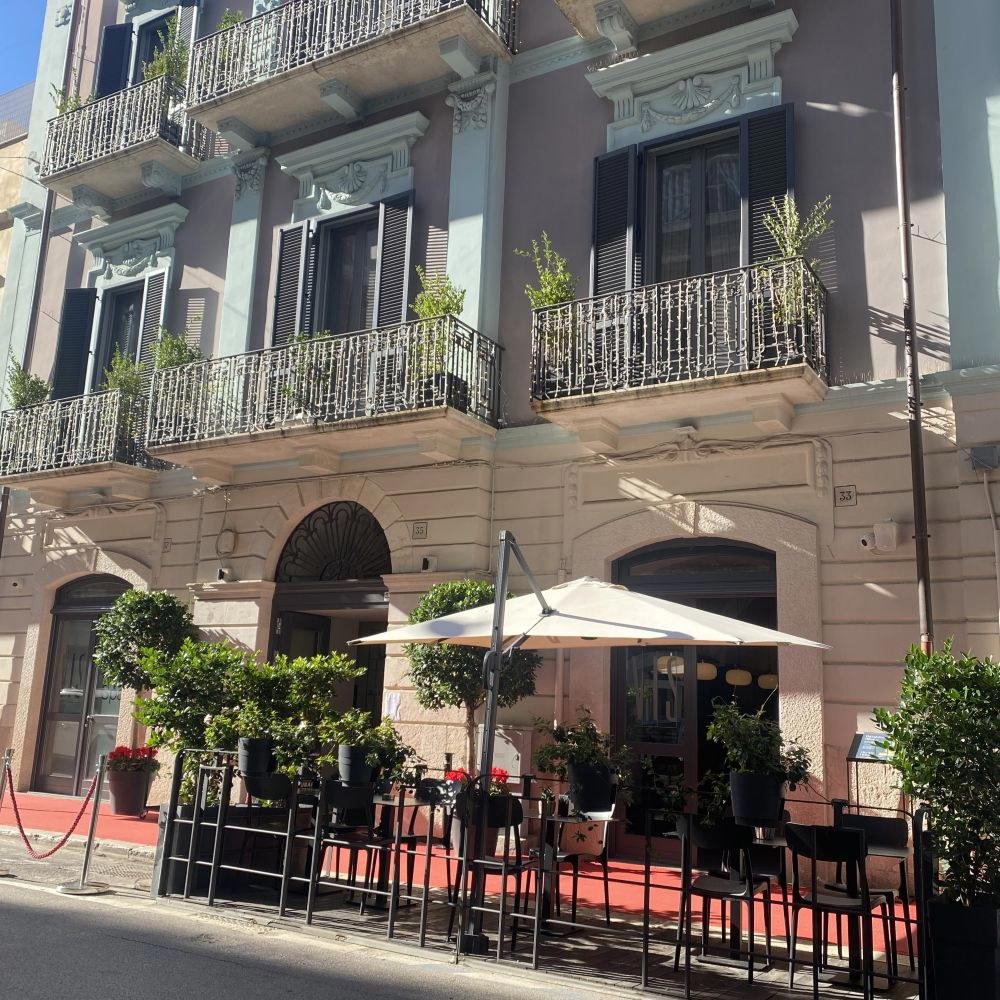
Osteria Frangipane sits on the edge of Trani's historic centre, within walking distance of the cathedral and port, which makes it a logical stop after time spent around the waterfront. The €€ price range places it within reach for lunch or a relaxed dinner without the commitment of a multi-course tasting menu. The atmosphere Michelin describes as pleasantly informal suggests this is a room that functions across meal lengths: a shorter visit for pasta and wine is as appropriate as a longer table. For a broader picture of what the city offers across categories, EP Club's full guides cover [Trani restaurants](), [Trani hotels](), [Trani bars](), [Trani wineries](), and Trani experiences in detail.
Frequently asked questions
Where is Osteria Frangipane located?
Osteria Frangipane is located at Osteria Frangipane, Trani, BT, Italy, Trani.
Do they take walk-ins at Osteria Frangipane?
Given the restaurant's Michelin Plate recognition in 2025 and its €€ price point — which tends to drive higher table turnover in Puglia's port towns — calling ahead is the practical approach, particularly on summer evenings when Trani's historic centre draws significant foot traffic.
Compact Comparison
| Venue | Cuisine | Price | Awards | Notes |
|---|---|---|---|---|
| Osteria FrangipaneThis venue — the venue you are viewing | Modern Italian Seafood Osteria | Not listed | Michelin Plate | Not listed |
| Casa Sgarra | Modern Apulian Fine Dining | $100–150 | 1 Michelin Star | Apulian |
| Il Melograno | Modern Seafood | $50–100 | Michelin Plate | Seafood |
| Le Lampare al Fortino | Puglian Seafood Fine Dining | $50–100 | Michelin Plate | Mediterranean Cuisine |
| Terradimare | Modern Apulian Seafood | Not listed | Michelin Plate | Contemporary |
| Quintessenza | Modern Italian Fine Dining | Not listed | 1 Michelin Star | Apulian |
Recognition history
Dated appearances from independent guides and award organizations, with the underlying list record or original source where available.
Michelin Plate
Michelin
Full recognition history (3 entries)
Michelin Plate
Michelin
Michelin Plate
Michelin
Continue exploring
More in Trani
Restaurants in Trani
Browse all →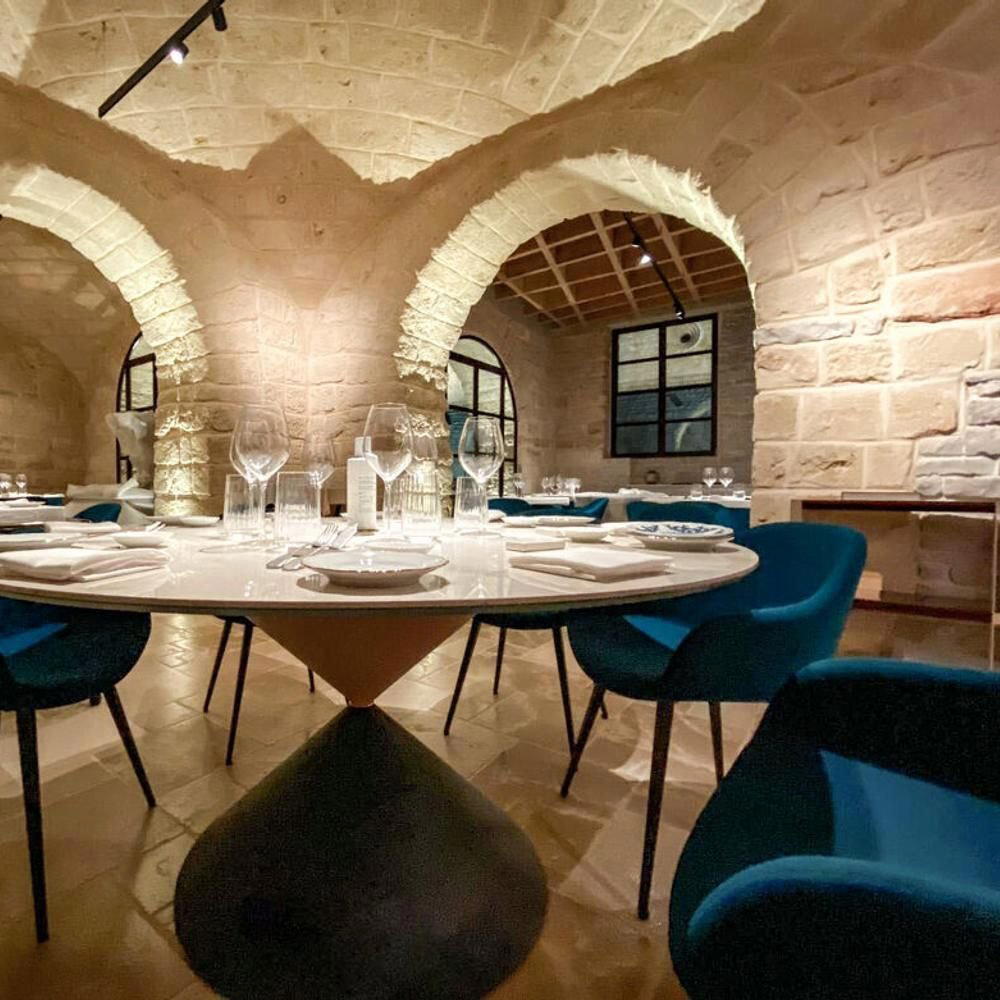


Details
- Elegant
- Rustic
- Intimate
- Cozy
- Date Night
- Special Occasion
- Historic Building
- A La Carte
pleasant contemporary tavern with light colors, vaulted ceilings, intimate and welcoming atmosphere marked by attentive service.