Osteria Boato
Our verdict
On the Swiss-Italian shore of Lake Maggiore, Osteria Boato occupies a position that few Ticino restaurants can match: a lungolago address in Brissago where the culinary logic follows the lake and the surrounding hills rather than any imported formula. The kitchen operates in a tradition where the border between Switzerland and Italy is more of a seasoning than a boundary, and the result is a table that rewards visitors who understand that context.

Pearl is the En Primeur Club membership app, where members save venues, book tables and use the concierge.
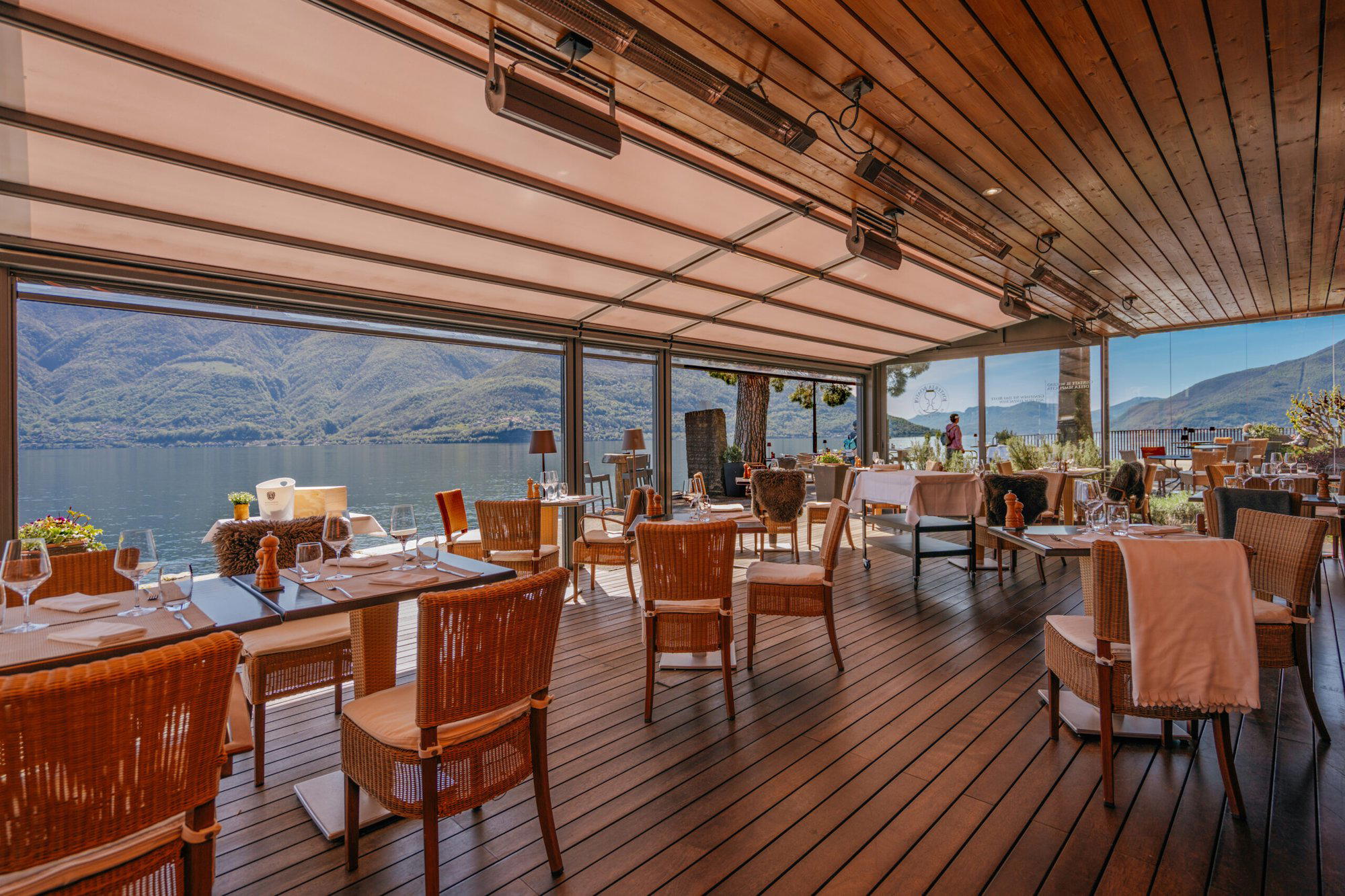
Where the Lake Sets the Terms
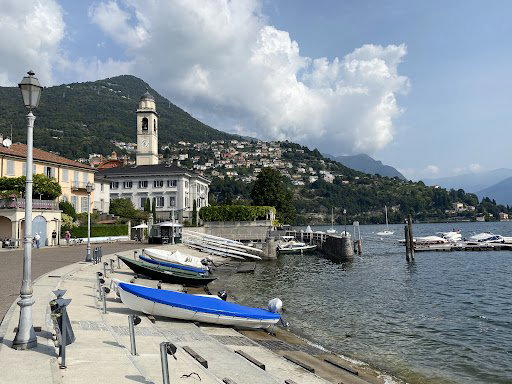
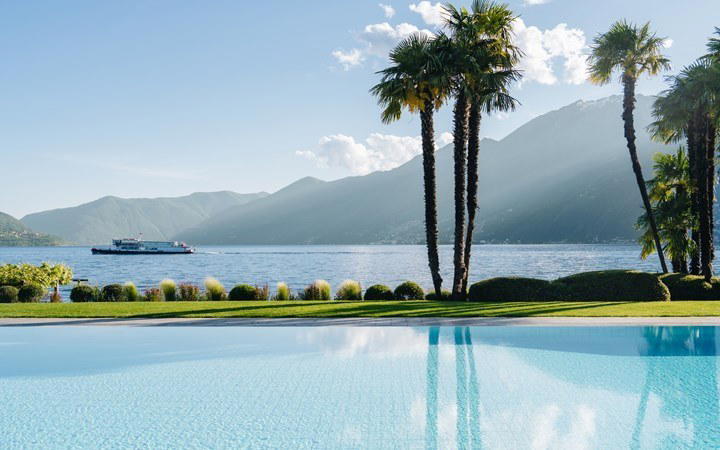
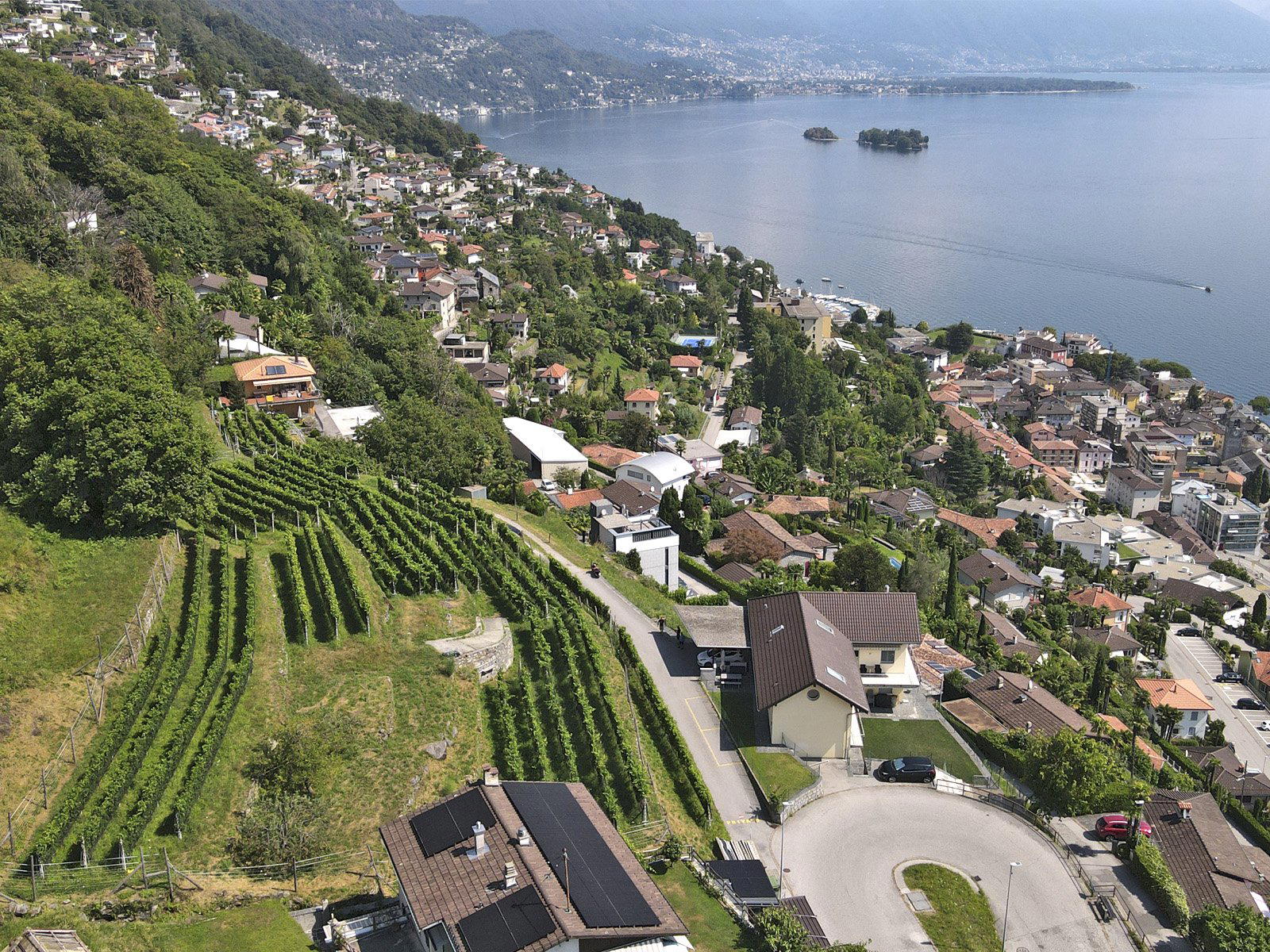
Brissago sits at the southernmost tip of Swiss Lake Maggiore, close enough to the Italian border that the light, the dialect, and the food all carry a Mediterranean inflection that the rest of Switzerland rarely produces. The town's lungolago strip faces the Brissago Islands and their botanical gardens across a narrow channel, and arriving at an address on Viale Lungolago means arriving with the lake already in your peripheral vision. That physical reality shapes how restaurants here think about their purpose: the setting is not incidental, it is structural. For Agorà (Italian) and other Brissago tables, the challenge is cooking in a way that earns the view rather than hiding behind it.
Osteria Boato holds a lungolago position in that tradition. In a town this small, with a lake this present, the sourcing conversation is inseparable from geography. The Canton Ticino pantry draws from mountain pastures above the valley, from the lake itself, and from the agricultural corridor that runs south across the Italian border into the Verbano-Cusio-Ossola. Any kitchen working honestly in this location has access to a supply chain that is genuinely short, not aspirationally so.
The Sourcing Logic of Lake Maggiore
The ingredient story in the Swiss-Italian lake district operates differently from alpine Switzerland. At altitude, the emphasis falls on cheese, cured meats, and root vegetables built for storage. On the lake shore, the tempo changes. Fresh-water fish from Lago Maggiore, including lavarello (whitefish), persico (perch), and agone, have fed the communities on both sides of the border for centuries. The agone, once dried in the lake wind and pressed into salt, was a working-class staple across the entire basin. In contemporary hands, these same species move between traditional preparations and lighter, more precise treatments that reflect how Italian-Swiss cooking has absorbed technique without abandoning its primary materials.
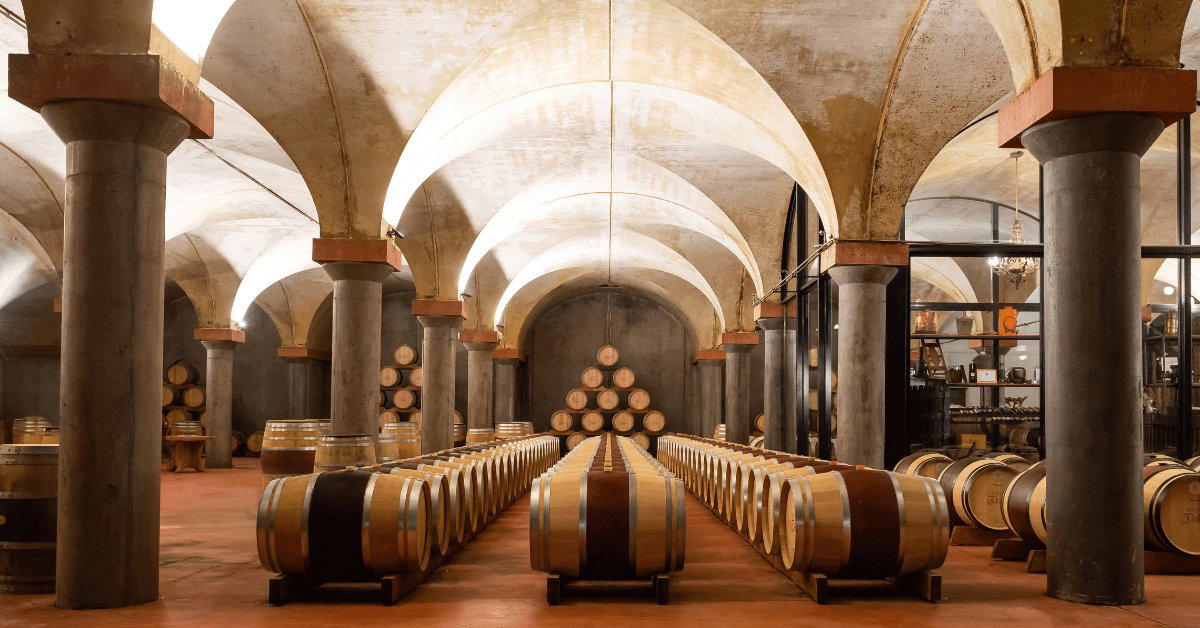
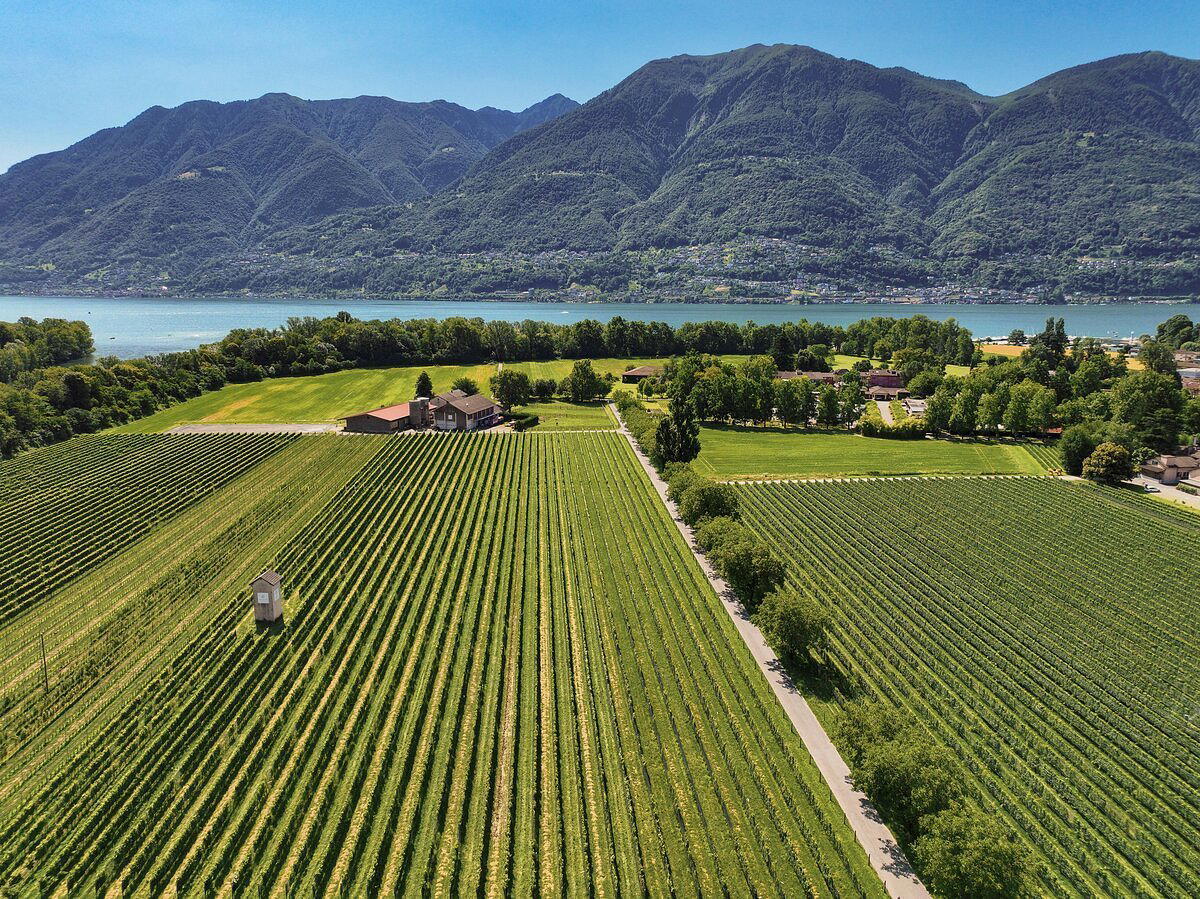
Ticino's wine production adds another layer to this sourcing picture. Merlot dominates the canton's vineyards, introduced in the early twentieth century after phylloxera destroyed the older stock. Well-made Ticino Merlot, particularly from producers in the Mendrisiotto, carries a structure and depth that pairs honestly with the lake fish and the region's mushroom-heavy autumn cooking. A table on Lake Maggiore that draws on local bottles is making a coherent sourcing argument rather than simply following a fashion. For broader context on how Swiss kitchens at different price points handle this regional-sourcing conversation, Schloss Schauenstein in Fürstenau and Memories in Bad Ragaz each represent the premium end of Swiss sourcing discipline in distinct regional registers.
The Osteria Format in a Swiss-Italian Context
The word osteria in Italian communicates something specific: a step down in ceremony from a ristorante, a step up in seriousness from a trattoria, and a format historically organised around wine as much as food. The osteria tradition prizes directness over elaboration, and the leading examples in northern Italy and in Ticino operate on the principle that the ingredient itself does most of the work. That format logic is worth understanding before you book, because it sets different expectations than the tasting-menu restaurants that dominate Swiss fine dining. Venues like Hotel de Ville Crissier in Crissier, Cheval Blanc by Peter Knogl in Basel, or focus ATELIER in Vitznau operate in an entirely different register, one defined by multi-course progression and brigade formality. An osteria on the lungolago is a different proposition, and the gap is not about quality but about intent.
Within that format, the ingredient becomes the primary credential. A kitchen that sources perch from the lake rather than from a national distributor, that uses polenta from a Ticino mill rather than a commodity product, and that treats the season as a hard constraint rather than a suggestion is making an argument about cooking that the osteria format is well suited to communicate.
Brissago in the Wider Swiss Dining Picture
Switzerland's fine dining conversation tends to concentrate on its larger cities and resort destinations. IGNIV Zürich by Andreas Caminada, L'Atelier Robuchon in Geneva, and La Table du Lausanne Palace in Lausanne attract international attention partly because their cities do. Brissago does not operate in that visibility tier. It is a small town with roughly two thousand residents, accessible from Locarno by boat or by the lakeside road, and its dining scene is proportionally intimate. That scale has a practical consequence: the restaurants that survive here do so because they have genuine local standing, not because they benefit from tourist overflow that forgives mediocrity. See our full Brissago restaurants guide for a map of where Osteria Boato sits within the town's current options.
The Ticino restaurant category that Brissago tables inhabit sits alongside peers like La Brezza in Ascona, a short distance up the lake. Ascona carries more resort infrastructure and a higher seasonal tourist volume than Brissago, which means its restaurants operate with a slightly different commercial logic. Brissago's quieter position gives its tables a different character, one that tends to favour local repeat custom over the transient high-spend visitor.
Planning a Visit
Brissago is reachable from Locarno by the Navigazione Lago Maggiore ferry service, which runs on a seasonal schedule with the most frequent departures between April and October. The drive along the lakeside road is direct. Given the town's small size and the lungolago location of the address, parking on or near Viale Lungolago follows standard Swiss lakeside patterns. For comparable experiences across the broader Swiss lake and mountain circuit, Einstein Gourmet in Sankt Gallen, Colonnade in Lucerne, Magdalena in Schwyz, Da Vittorio in St. Moritz, and 7132 Silver in Vals each represent distinct positions in the Swiss restaurant range. At the international level, Le Bernardin in New York City and Atomix in New York City illustrate how ingredient-sourcing arguments translate into very different formats and price points in other contexts.
Frequently asked questions
Is Osteria Boato suitable for children?
Brissago's dining culture, shaped by Italian-Swiss traditions, tends toward relaxed, family-oriented formats, and the osteria category is typically more accommodating than a formal ristorante. Osteria Boato sits on Viale Lungolago in Brissago, a lakeside setting that suits a range of ages. For specific seating arrangements or menu flexibility for children, contacting the venue directly before visiting is advisable.
How would you describe the vibe at Osteria Boato?
Brissago is the southernmost Swiss town on Lake Maggiore, close enough to the Italian border that the atmosphere reads more Piedmontese than alpine Swiss. An osteria by definition operates with less formality than a ristorante but more culinary intent than a simple trattoria, so expect a convivial room where the cooking takes precedence over ceremony. The lakefront address on Viale Lungolago adds an outdoor, waterside dimension that defines the rhythm of the experience.
Can you reach Osteria Boato by boat from Locarno?
Yes. Brissago is served by the Navigazione Lago Maggiore ferry, which connects Locarno to the village on a seasonal schedule with the most frequent departures running in summer. Osteria Boato's address on Viale Lungolago places it within walking distance of the Brissago ferry landing, making a boat arrival a practical option rather than a novelty. Check the ferry timetable in advance, as off-season departures run less frequently.
What's the must-try dish at Osteria Boato?
What the Swiss-Italian lake district does consistently well is freshwater fish from Lake Maggiore alongside Ticinese preparations that borrow from Lombard and Piedmontese traditions. Checking directly with Osteria Boato on arrival or in advance will give the most accurate picture of what the kitchen is leading with that season.
Fast Comparison
Comparable venues nearby, for context on price, style, and recognition.
| Venue | Cuisine | Price | Awards | Notes |
|---|---|---|---|---|
| Osteria BoatoThis venue (the venue you are viewing) | Italian Seafood Osteria | $50–100 | Not listed | Not listed |
| Agorà | Italian Classic Bistro | $50–100 | Michelin Bib Gourmand | Brissago |
| La Brasera | Italian Fine Dining with French and Swiss Influences | $50–100 | Not listed | San Vittore |
| Pitschna Scena | Italian-Graubünden Fusion | $50–100 | Not listed | Pontresina |
| Cantinetta Antinori | Traditional Tuscan Italian | Not listed | Not listed | Aussersihl |
| Ristorante Al Bosco | Italian & Swiss Alpine | $50–100 | Not listed | Riffelalp |
Continue exploring
More in Brissago
Restaurants in Brissago
All restaurants in Brissago →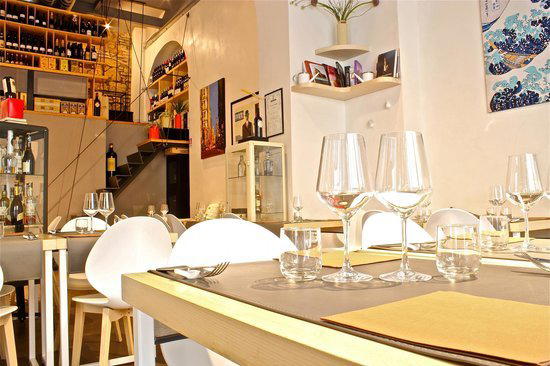
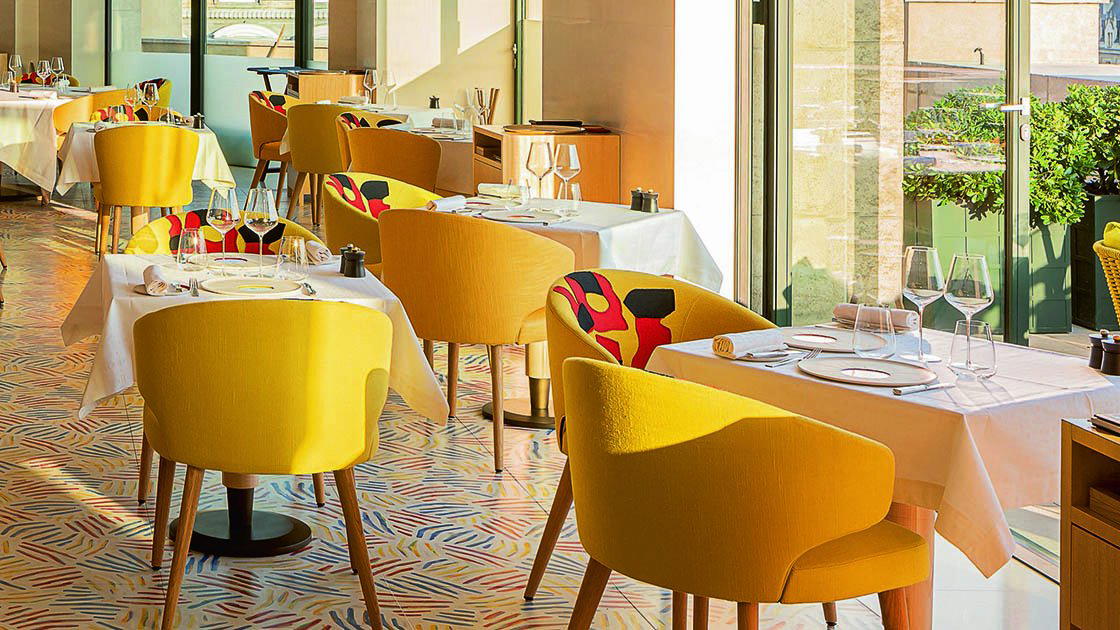
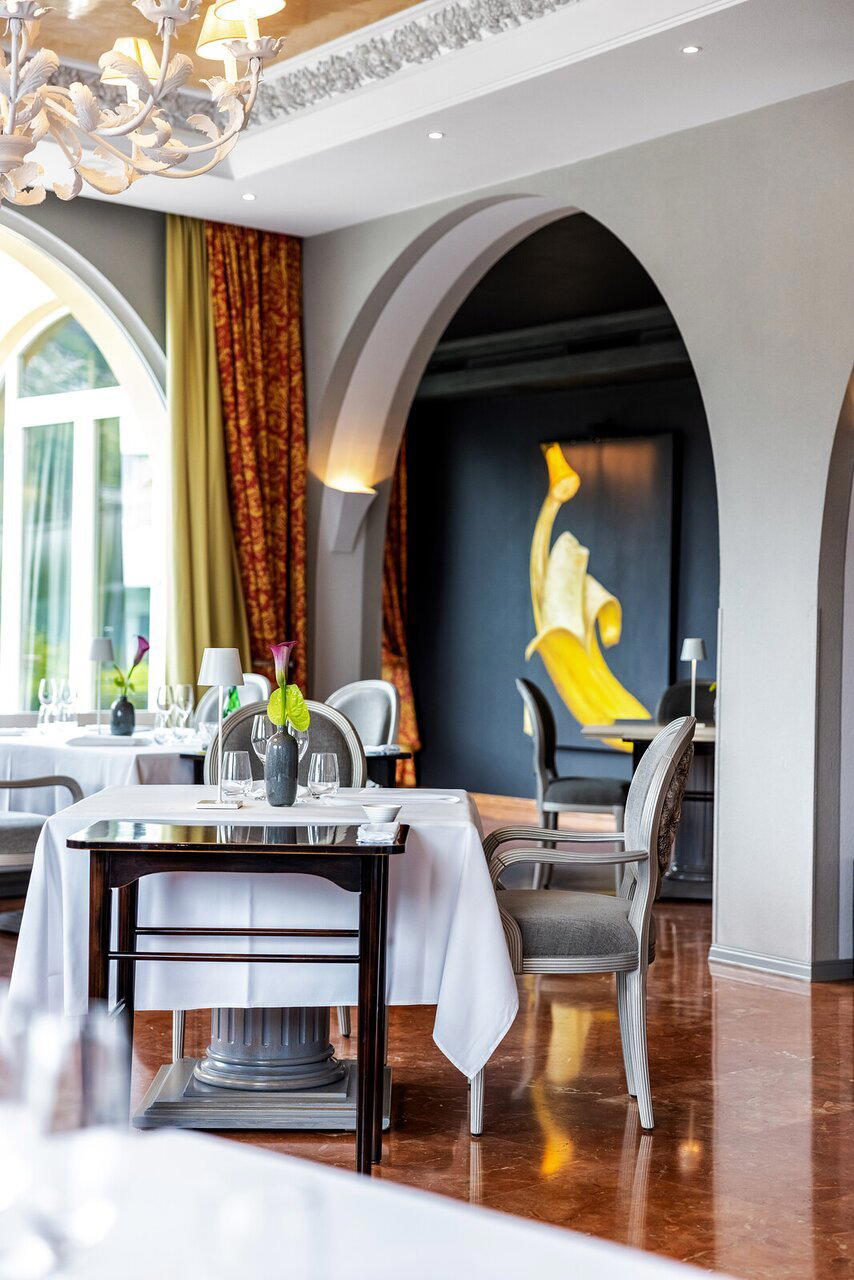
Bars in Brissago
Browse all →

Details
- Romantic
- Cozy
- Scenic
- Elegant
- Date Night
- Special Occasion
- Group Dining
- Waterfront
- Terrace
- Extensive Wine List
- Local Sourcing
- Waterfront
- Mountain
- A La Carte
- Regional Wines
- Vegetarian Friendly
Current opening hours
- Monday
- Closed
- Tuesday
- Closed
- Wednesday
- 11:30 AM–2:30 PM, 6–9:30 PM
- Thursday
- 11:30 AM–2:30 PM, 6–9:30 PM
- Friday
- 11:30 AM–2:30 PM, 6–9:30 PM
- Saturday
- 11:30 AM–2:30 PM, 6–9:30 PM
- Sunday
- 11:30 AM–2:30 PM, 6–9:30 PM
Hours can change for holidays and private events. Hours as of .
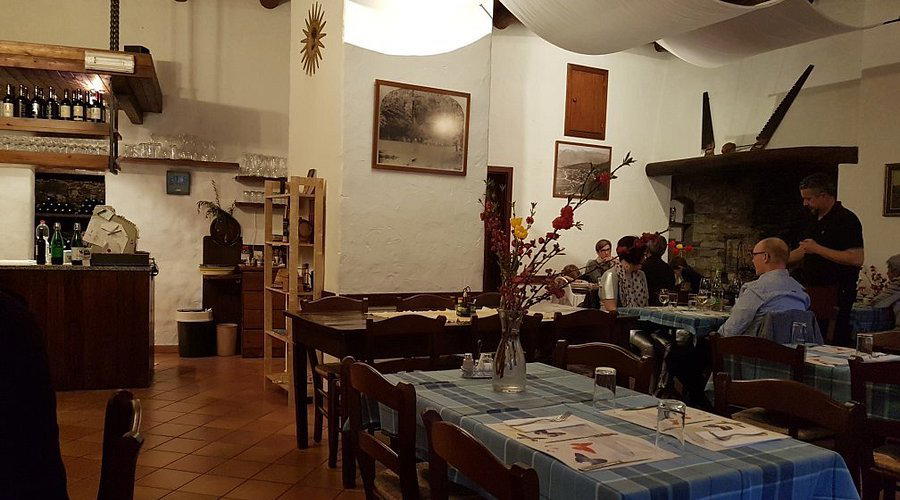
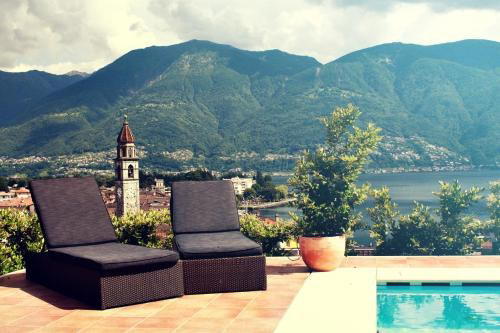
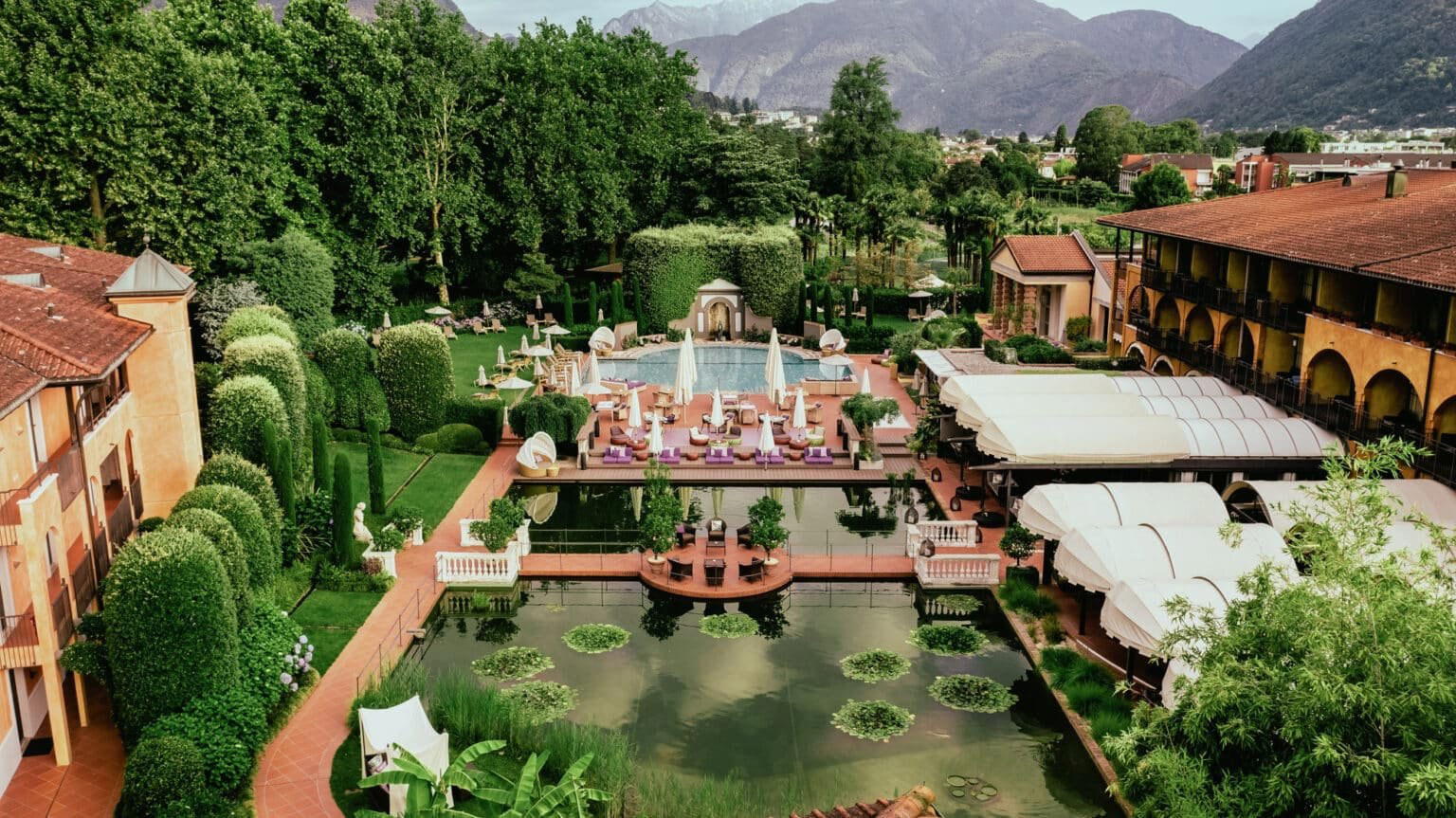
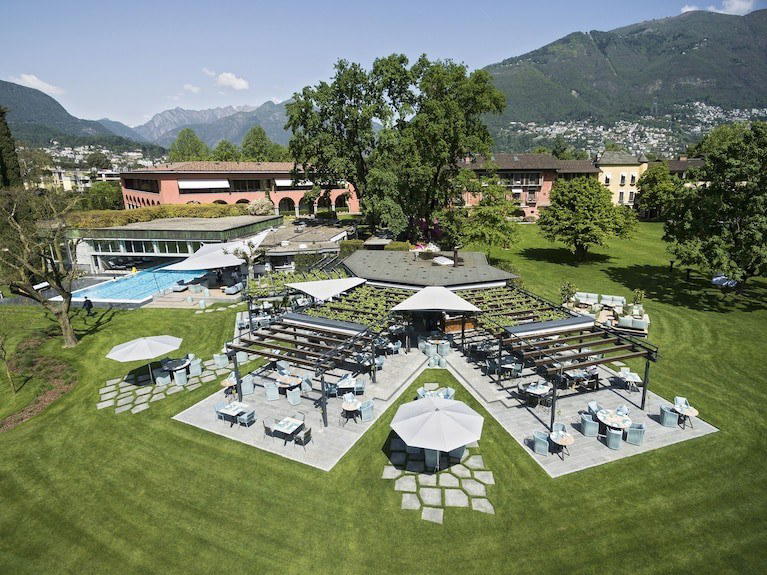
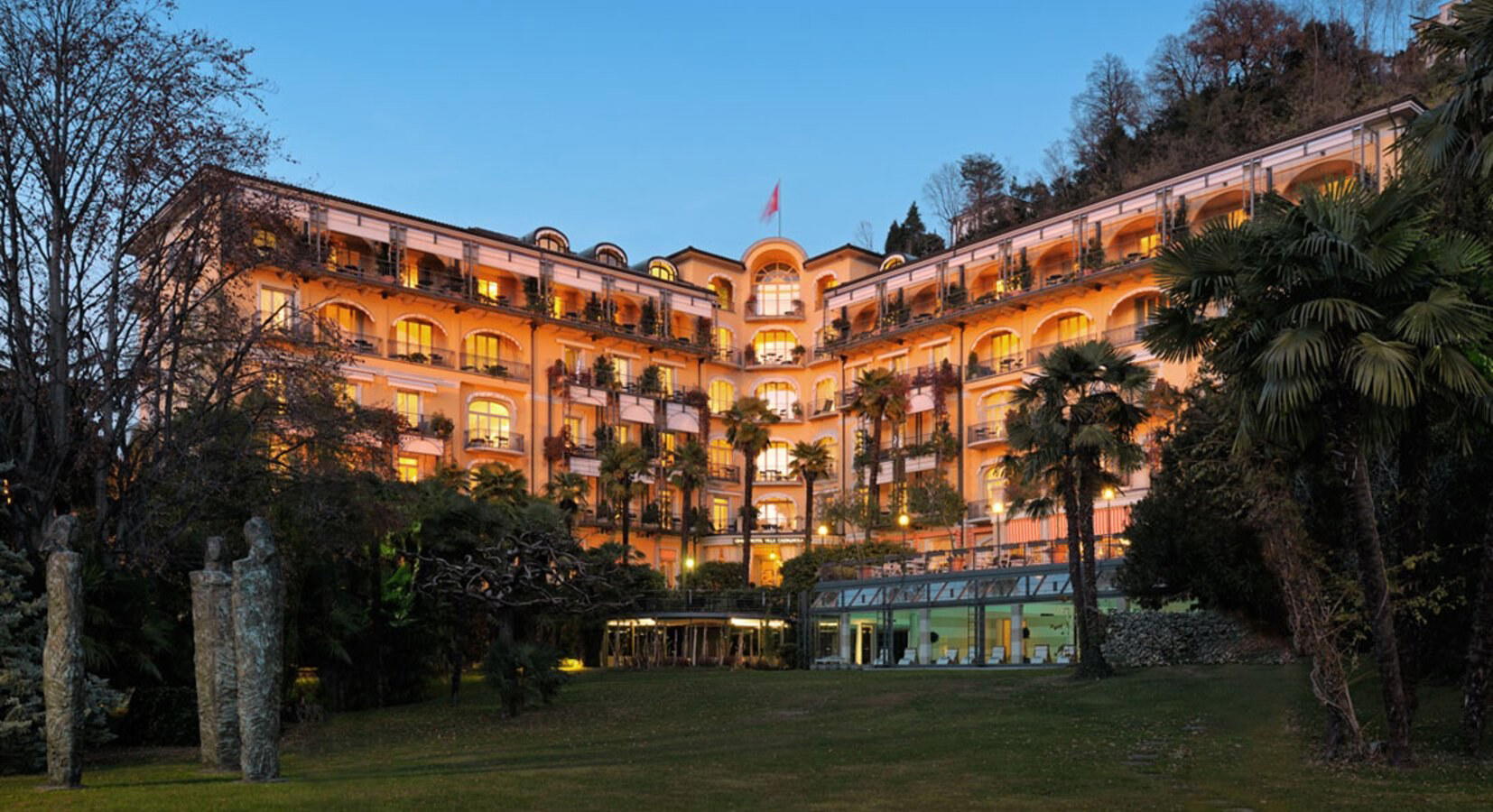
Comfortably furnished with a peaceful, tranquil atmosphere on the quiet lake promenade, enhanced by dramatic views of Lake Maggiore and surrounding mountains.