Belle Époque Bar
Belle Époque Bar sits on Riva Antonio Caccia in Lugano, placing it in the city’s lakefront social circuit rather than the late-night club lane. With, its appeal is best read through setting: a polished Swiss-Italian bar address where the room, timing, and aperitivo tradition matter as much as what lands in the glass.

Pearl is the En Primeur Club membership app — saves, bookings, and concierge access live there. Same editors, same standards.
- Address
- Riva Antonio Caccia 7, 6900 Lugano, Switzerland
- Phone
- +41 91 985 77 11
- Directions
- Get directions
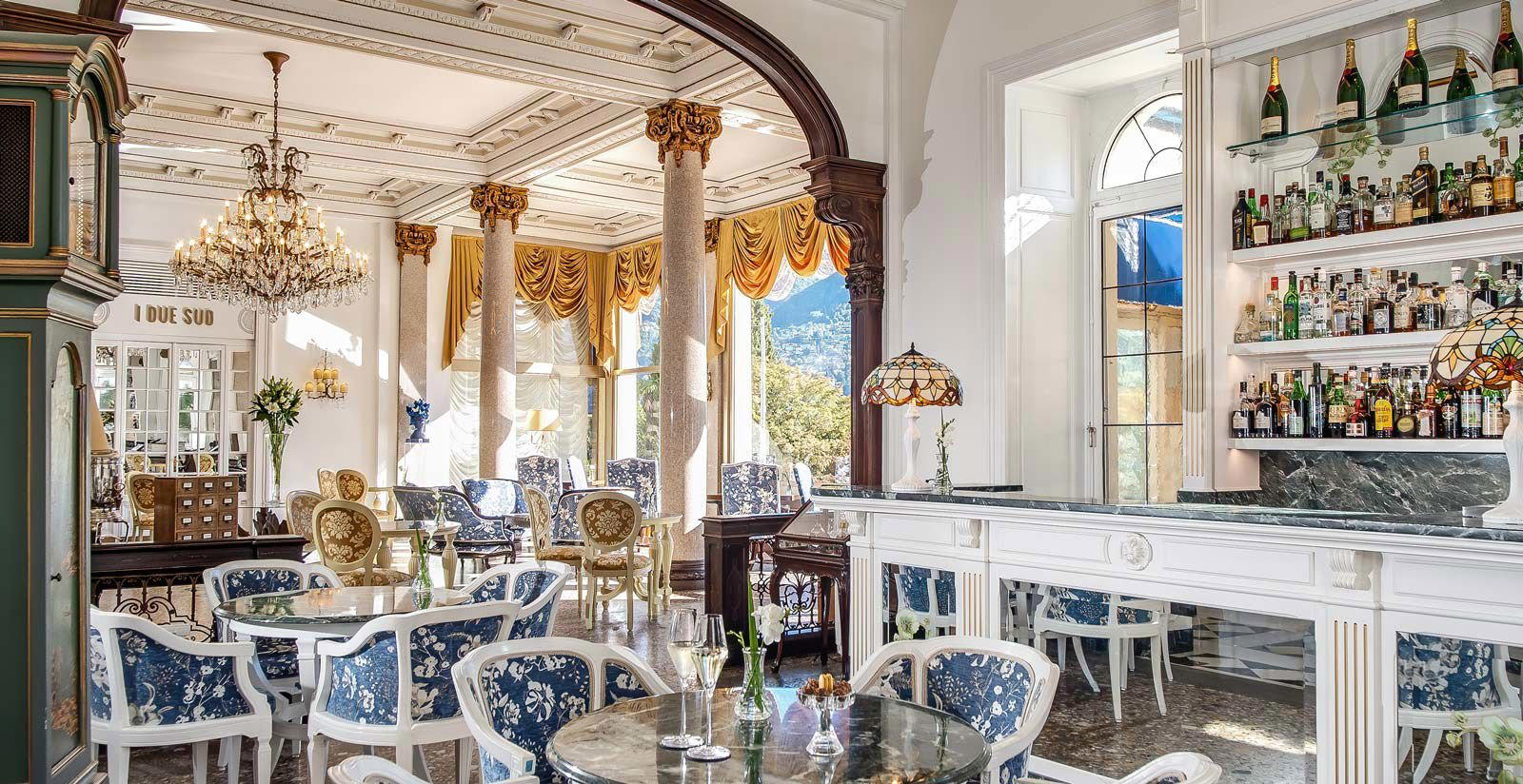
Lakefront polish, Swiss timing, Italian instinct
Approaching Riva Antonio Caccia, Lugano’s mood changes from businesslike Swiss order to something softer and more theatrical. The lake is close, the façades become more formal, and the evening rhythm feels closer to northern Italy than to Zürich. In that setting, Belle Époque Bar belongs to a particular category of Swiss drinking room: not a hidden-door cocktail den, not a beer hall, not a restaurant bar treated as an afterthought, but a composed address where the pre-dinner hour carries cultural weight.
Lugano is a useful city for understanding how Swiss bar culture bends under Italian influence. The aperitivo here is not merely a drink before dinner; it is a social interval with its own pace. The city’s bars tend to reward timing more than volume. Arrive too early and the room can feel ceremonial. Arrive after the first wave of evening arrivals and the same space reads more naturally, with hotel guests, local regulars, and visitors using the lakefront as a shared stage. That is the context in which this bar should be judged.
It does not list a phone number, website, hours, price range, bartender, awards, seat count, or signature drinks. That absence matters editorially. Here, the practical reading is more old-world: the address and city context carry more public information than the programme itself.
The cocktail programme, read through restraint rather than spectacle
Contemporary European cocktail culture has split into two visible directions. One direction is laboratory-led: clarified serves, ferments, house distillations, printed manifestos, and international ranking language. The other is quieter and more embedded in hospitality: classic structures, polished service, and a drinking occasion shaped by the room rather than by a bartender’s biography. Lugano’s lakefront bars often sit closer to the second camp, especially where the address suggests formality and the city’s Italian-speaking culture encourages aperitivo before dinner.
What can be said with confidence is that the venue’s editorial interest lies less in novelty language and more in how a Swiss-Italian bar address frames the cocktail hour. In cities such as Lugano, Ascona, and parts of Zürich, the Martini, Negroni, spritz family, Champagne aperitif, and digestivo vocabulary remain part of the grammar of a room, even when the venue does not publicise a technical programme. That does not make the format conservative; it makes it accountable to a different audience.
The comparison is useful. A bar such as Grande Café & Bar in Zürich sits in a larger urban drinking economy, where café culture and cocktail traffic overlap throughout the day. Bar Bassa Selim und Cortile Barbarossa in Ascona reflects Ticino’s courtyard and resort-town drinking patterns, a useful parallel for understanding how Italianate Switzerland treats the evening drink as a social ritual. Lugano’s lakefront version is more buttoned-up, with the promenade and hotel district shaping the tempo.
That distinction matters because not every good bar announces itself through awards, tasting menus, or technical jargon. Some bars work because the occasion is legible. A guest knows when to arrive, what kind of conversation the room supports, and how the first drink should behave before dinner. In that sense, the cocktail programme here should be understood as part of a broader Lugano grammar: composed, lake-facing, and more attuned to aperitivo order than to theatrical reinvention.
What the setting tells you before the menu does
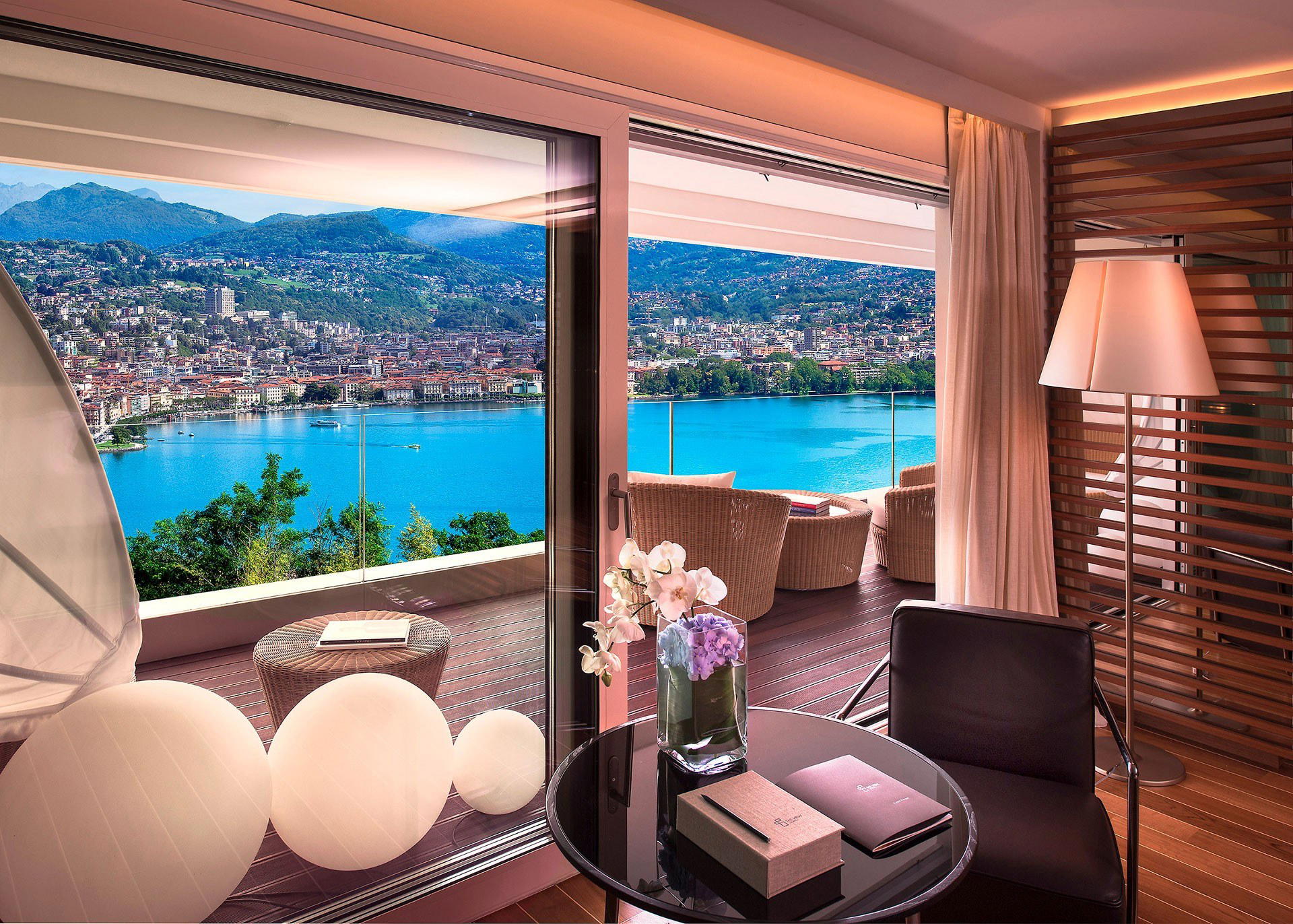
Riva Antonio Caccia is one of the more telling pieces of information in the record. In Lugano, the lakefront is not a neutral location. It draws visitors who are moving between hotels, galleries, restaurants, and the waterside promenade, and it gives bars a mixed audience: local professionals after work, travellers staying nearby, and guests who want a drink before a longer dinner rather than a night built around cocktails alone. That produces a different kind of bar pressure from a backstreet mixology room.
Swiss hospitality also changes the expectations. Service tends to be measured, pacing matters, and formality can sit beside informality without much friction. In the Italian-speaking canton of Ticino, that structure meets a warmer aperitivo culture. The result is a style of drinking that prizes the threshold moment: the hour when daylight fades over the lake, menus are not yet the main event, and the bar becomes a place to calibrate the evening.
This is where Belle Époque Bar has its clearest editorial position. The name points toward period glamour, but the stronger fact is spatial: a Lugano lakefront address. Without published awards or a listed bartender, it should not be forced into the international cocktail-awards conversation.
For travellers mapping the city more broadly, the bar sits naturally beside wider Lugano planning rather than in isolation. The drinking scene is only one layer of the city’s hospitality culture; the broader picture is easier to read through Our full Lugano restaurants guide, Our full Lugano hotels guide, and Our full Lugano bars guide. Wine-country context also matters in this part of Switzerland, so Our full Lugano wineries guide and Our full Lugano experiences guide give the drinking culture a wider frame.
How it compares within Switzerland's bar circuit
Switzerland does not have a single bar identity. St. Moritz, Basel, Zürich, Ticino, and the Bernese Oberland all produce different drinking rooms because their guest flows are different. Resort bars have seasonal intensity. Grand hotel bars lean on continuity and ritual. City bars absorb after-work crowds and cocktail specialists. Café-bars serve as social infrastructure, especially where the day begins with coffee and ends with a digestivo.
That variety is clear when comparing Lugano with other Swiss addresses. Altitude Bar in St. Moritz belongs to an alpine resort context, where weather, ski seasons, and high-spend travel shape the room. Grand Hotel Les Trois Rois in Basel is tied to the grand hotel tradition and a Rhine-side city with a different cultural tempo. The Aarburg Hotel & Café in Unterseen reflects a café-hotel hybrid in a gateway setting, while Alex Bar in Thalwil reads through the quieter lakeside communities around Zürich.
Lugano’s distinction is the Italian inflection. The city is Swiss in systems and service, but its social language is southern: later dinners, promenade habits, espresso culture, and a clear sense that a drink can be a transition rather than a destination. That makes the bar category less dependent on mixology claims than in cities where cocktail technique is the main selling point. It also means the absence of public awards should not be read as absence of relevance. Some rooms are local fixtures because they fit the city’s rhythm, not because they travel well on international lists.
There is a transatlantic comparison too. Café La Trova in Miami shows how a bar can be defined by music, cultural memory, and a strong drinking tradition rather than by quiet hotel polish. Lugano is not Miami, and the comparison is not about style mimicry. It clarifies the point: cocktail programmes should be judged against their cultural setting. A Swiss-Italian lakefront bar has different obligations from a Cuban-American cantinero room, a St. Moritz winter bar, or a Zürich café-bar.
The practical information is limited, and that should shape expectations. The confirmed address is Riva Antonio Caccia 7 in Lugano. For a reader, that means planning should be conservative: treat the venue as a polished lakefront bar, verify current opening details through local sources before anchoring an evening around it, and avoid assuming late-night availability or reservation requirements from the available record alone.
The more reliable strategy is to place it in the early-evening part of a Lugano itinerary. The city rewards a slower sequence: lakeside walk, aperitivo, dinner, then a final drink only if the room’s hours and atmosphere support it on the night. Lakefront Swiss hospitality generally sits in a higher-cost environment than casual backstreet drinking, and Lugano’s hotel-adjacent zones rarely behave like student districts.
Seasonality also matters, even without venue-specific seasonal claims. Lugano’s lakefront has a different feel in warm months, when the promenade carries evening movement, than in winter, when indoor rooms carry more of the social weight. Spring and early autumn often suit the city’s aperitivo culture because the light, temperature, and dinner timing align naturally. Those are city-level observations, not venue-specific promises, but they are useful for deciding when a lakefront bar address will show itself clearly.
Because the record does not list awards, chef, bartender, or cocktail signatures, the bar should not be approached as a checklist venue. Its appeal is contextual: a Lugano drinking room at a formal address, useful for reading how Ticino folds Italian social habits into Swiss hospitality. That is a narrower claim than international cocktail fame, and a more honest one.
Continue exploring
More in Lugano
Bars in Lugano
Browse all →
Restaurants in Lugano
Browse all →
Hotels in Lugano
Browse all →
Details
- Elegant
- Classic
- Scenic
- Romantic
- Well Known
- Sophisticated
- Date Night
- After Work
- Celebration
- Special Occasion
- Casual Hangout
- Group Outing
- Waterfront
- Terrace
- Historic Building
- Design Destination
- Hotel Bar
- Seated Bar
- Lounge Seating
- Outdoor Terrace
- Classic Cocktails
- Craft Cocktails
- Conventional Wine
- Low Abv
- Zero Proof
- Waterfront
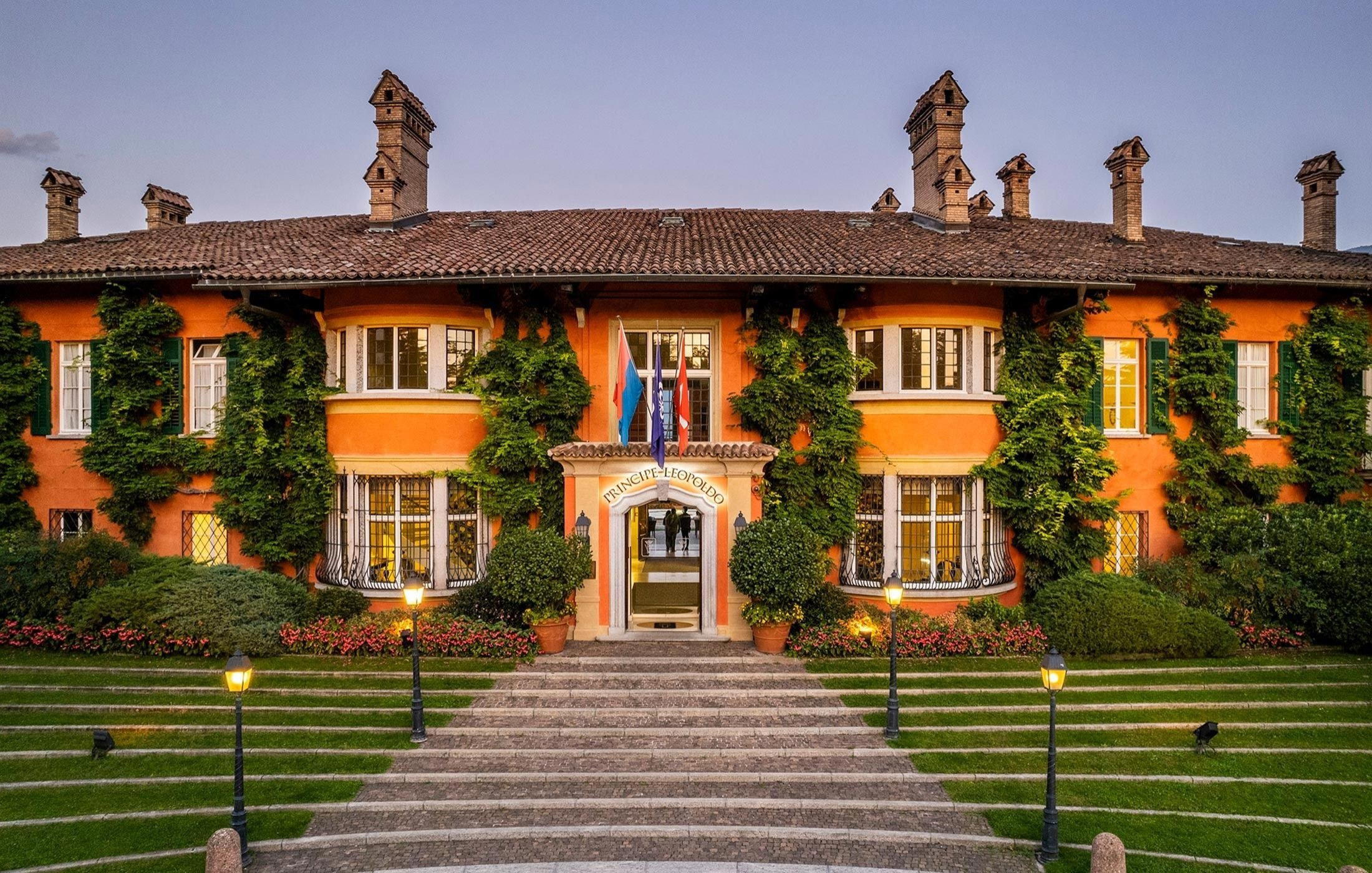
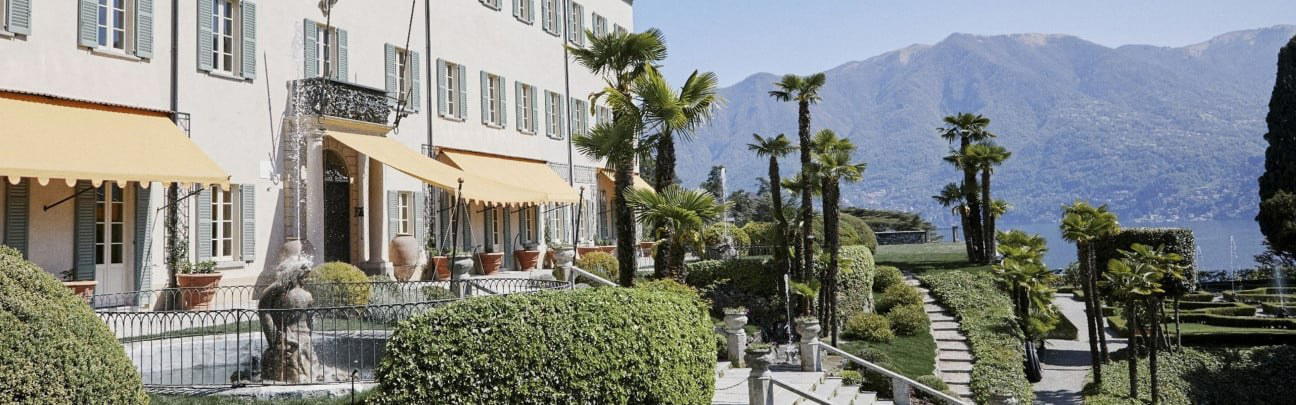
Refined and historic Belle Époque setting with grand-hotel elegance, soft lighting, and polished service; a relaxed but upscale atmosphere suited to aperitifs, afternoon tea, and informal yet elegant dinners, often enhanced by live piano music in the evenings.