La Brasera
Our verdict
La Brasera sits in San Vittore, a small commune in Switzerland's Italian-speaking canton of Graubünden, where the culinary register tilts toward the hearth-driven traditions of the Ticino and northern Italian border. Located at Via Mataldin 1, the restaurant occupies a dining scene shaped more by regional character than by metropolitan ambition, placing it in a distinct tier from Switzerland's Michelin-circuit destinations.

Pearl is the En Primeur Club membership app, where members save venues, book tables and use the concierge.
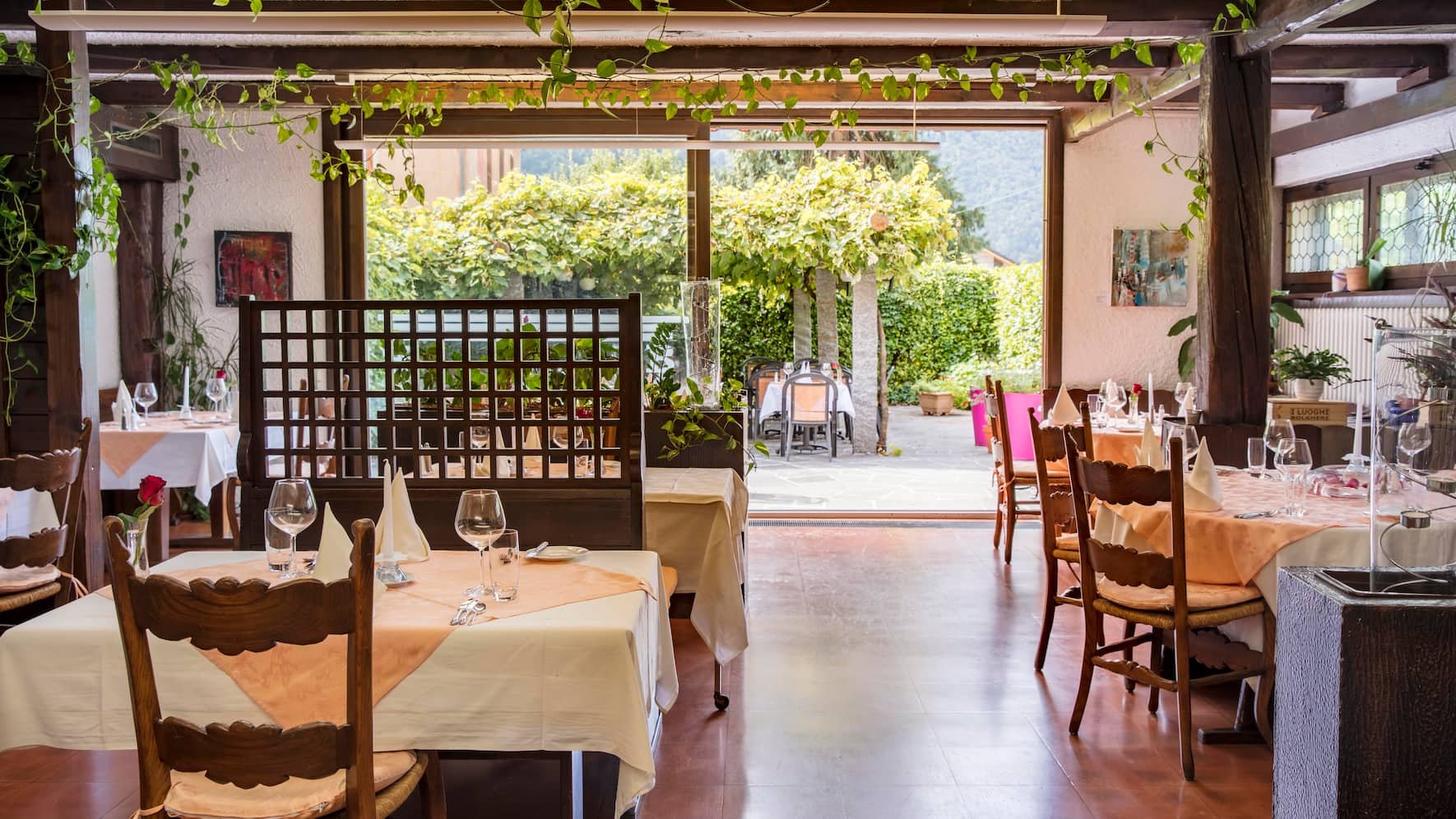
The menu
What to order
- Sella di capriolo alla Baden-Baden
- Tagliolino in bisque di crostacei
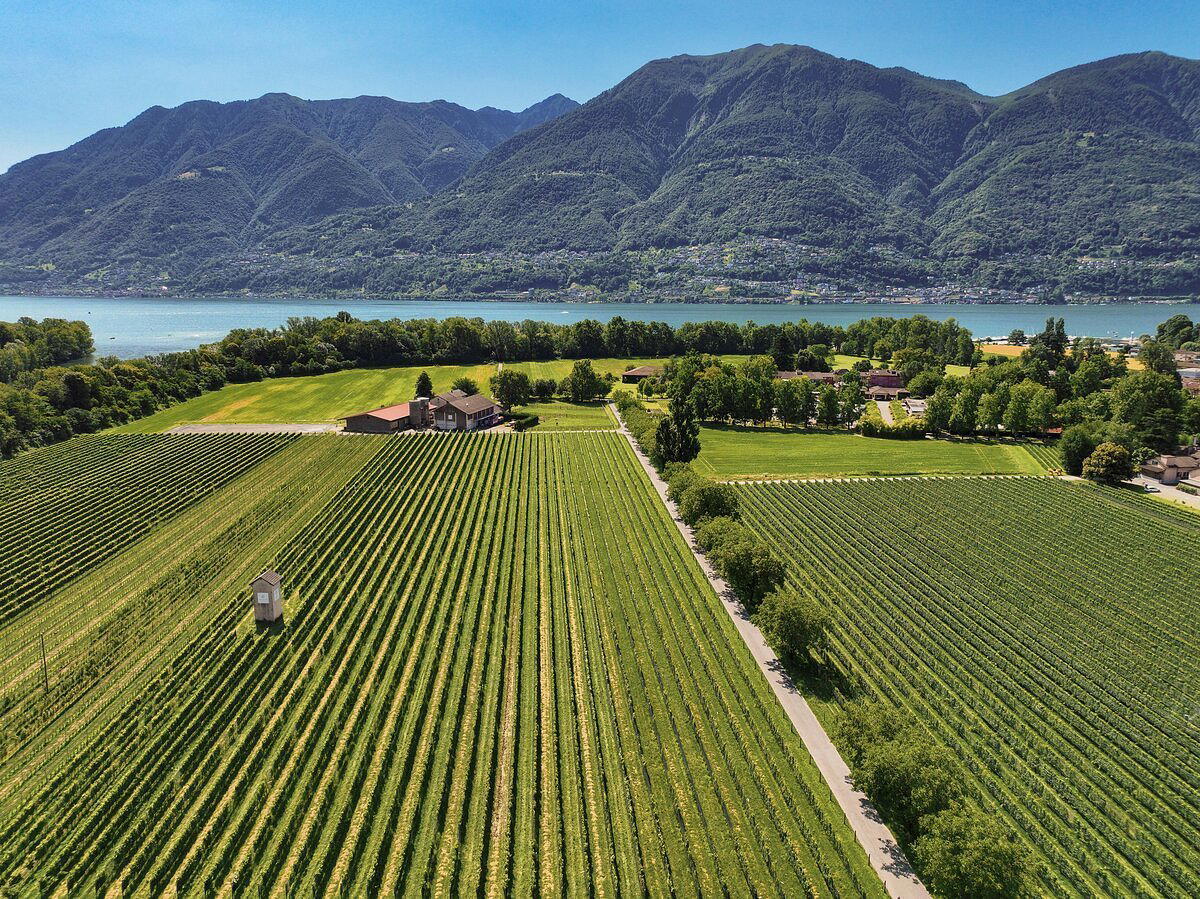
In the Italian-speaking Swiss cantons, this mode has specific cultural anchors. The Sunday grill, the communal fire, the shared carafe of local red: these are not pastoral clichés but actual structural features of how households and local restaurants have organised eating for generations. A restaurant named for the brasera in this geography is making a statement about where its loyalty lies. It is not positioning itself against the Michelin circuit; it is operating on a different set of values entirely. Approaching along the valley floor from Bellinzona in the south or Grono to the north, the scale remains domestic: stone buildings, vines climbing the lower slopes, the rhythm of a working agricultural valley rather than a tourist corridor. Restaurants in towns like this tend to read the room correctly or not at all. The ones that survive do so because they have understood the local register and committed to it.
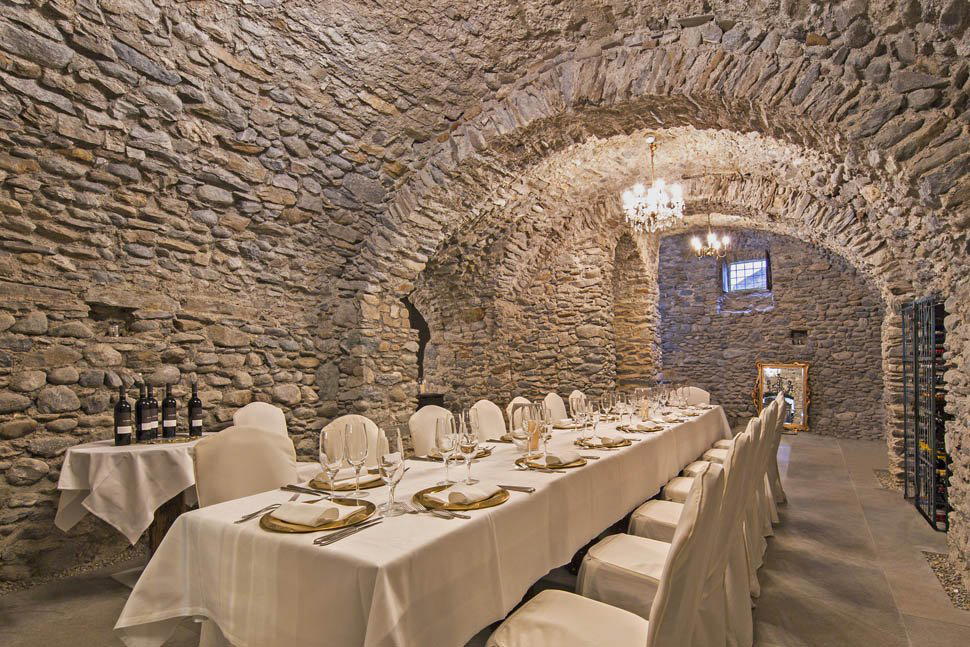
The physical environment here lends itself to the kind of dining that La Brasera's name invokes: closed-in warmth, the smell of wood smoke, a visual anchor in the form of the fire itself. What can be stated is that the architectural and cultural context of the Mesolcina valley makes the brasera format legible and appropriate in a way that it would not be in a purpose-built urban dining room. The setting does work that a menu alone cannot. focus ATELIER in Vitznau, Einstein Gourmet in Sankt Gallen, and IGNIV Zürich by Andreas Caminada in Zurich represent the country's formal fine dining tier. Colonnade in Lucerne, La Table du Lausanne Palace in Lausanne, and 7132 Silver in Vals fill out the mid-to-upper range in their respective cantons. La Brasera does not compete in that tier. It operates in the more localised category of trattoria-style southern Swiss cooking, where the peer reference points are the valley's own traditions rather than the national awards circuit.
That positioning is not a limitation. In a country where gastronomy is frequently discussed through the lens of starred kitchens and hotel dining rooms, the village restaurant with a clear cultural identity fills a different but equally meaningful role. For travellers moving through the Mesolcina on the way between Bellinzona and the passes to the north, or for those staying in the canton's rural accommodation, the local brasera table is the appropriate and honest choice. The nearby Le Bernardin in New York City or Atomix in New York City, require weeks or months of advance planning; a southern Swiss valley restaurant occupies a very different position on that scale. Similarly, Da Vittorio in St. Moritz and Magdalena in Schwyz sit at a different tier of demand and formality than local Mesolcina dining. L'Atelier Robuchon in Geneva rounds out the Swiss fine dining comparison set. La Brasera belongs to a different register, one shaped by the valley rather than the national or international awards conversation.
Frequently asked questions
Is La Brasera okay with children?
San Vittore is a small, community-oriented commune in the Mesolcina valley, and restaurants in this setting tend to operate as neighbourhood institutions rather than formal dining rooms. La Brasera sits at Via Mataldin 1, in a village of modest scale where family dining is part of the local rhythm.
What should I expect atmosphere-wise at La Brasera?
San Vittore is wedged between the Moesa river and the valley walls of southern Graubünden, and La Brasera reflects the character of that setting, a canton where Italian inflection in language, food, and hospitality is the norm rather than an exception. The address at Via Mataldin 1 places it within the commune itself, away from major tourist corridors, which typically means a room oriented toward local regulars rather than passing visitors. Expect a grounded, informal register rather than a production-heavy dining room.
Is La Brasera a good dining option when travelling the Bellinzona to Chur rail route?
The Bellinzona-Chur rail line threads the Mesolcina valley and stops within reach of San Vittore, making La Brasera at Via Mataldin 1 a plausible stop for travellers on that corridor. The route passes through one of Switzerland's most linguistically and culturally distinct stretches, where the Italian table tradition of Graubünden differs noticeably from the German-Swiss dining mainstream further north. It represents one of the few sit-down options in the valley with a grill-rooted identity, though hours and seasonal availability should be confirmed before planning around it.
What dish is La Brasera famous for?
The name La Brasera refers directly to the brasera, a traditional grill or hearth central to the culinary tradition of this part of Italian-speaking Switzerland. For precise dish information, reaching the venue at Via Mataldin 1, San Vittore is the most reliable route.
What's the address for La Brasera?
La Brasera is located at Via Mataldin 1, 6534 San Vittore, Switzerland, S Vittore.
How hard is it to get a table at La Brasera?
San Vittore is a small commune rather than a dining destination drawing regional traffic, which suggests La Brasera operates at a more local pace than the award-circuit restaurants further north and west in Switzerland. Given its scale and location, walk-ins may be feasible outside peak seasonal periods, but calling ahead remains the practical approach.
Pricing, Compared
Comparable venues nearby, for context on price, style, and recognition.
| Venue | Cuisine | Price | Awards | Notes |
|---|---|---|---|---|
| La BraseraThis venue (the venue you are viewing) | Italian Fine Dining with French and Swiss Influences | $50–100 | Not listed | Not listed |
| Osteria Fagetti | Swiss-Italian Osteria | $50–100 | Not listed | San Vittore, Swiss-Italian Osteria |
| Da Carlo | Traditional Italian restaurant with pasta, pizza, and live music | $30–50 | Gambero Rosso 1 Forchetta | Not listed |
| Portofino | Modern Italian Mediterranean | $50–100 | Not listed | Messe, Modern Italian Mediterranean |
| Ristorante Al Bosco | Italian & Swiss Alpine | $50–100 | Not listed | Riffelalp, Italian & Swiss Alpine |
| Klingler's Zürich | Modern Italian Mediterranean | $50–100 | Not listed | Enge, Modern Italian Mediterranean |
Continue exploring
More in S Vittore
Restaurants in S Vittore
All restaurants in S Vittore →
Bars in S Vittore
Browse all →


Details
- Cozy
- Intimate
- Elegant
- Date Night
- Special Occasion
- Open Kitchen
- Extensive Wine List
- Local Sourcing
- A La Carte
- Prix Fixe
- Wine
- Vegetarian Friendly
- Vegan Options
Current opening hours
- Monday
- 9:30 AM–2 PM
- Tuesday
- Closed
- Wednesday
- 9:15 AM–11:45 PM
- Thursday
- 9:15 AM–11:45 PM
- Friday
- 9:15 AM–11:45 PM
- Saturday
- 5:30–11:45 PM
- Sunday
- 9:15 AM–11:45 PM
Hours can change for holidays and private events. Hours as of .
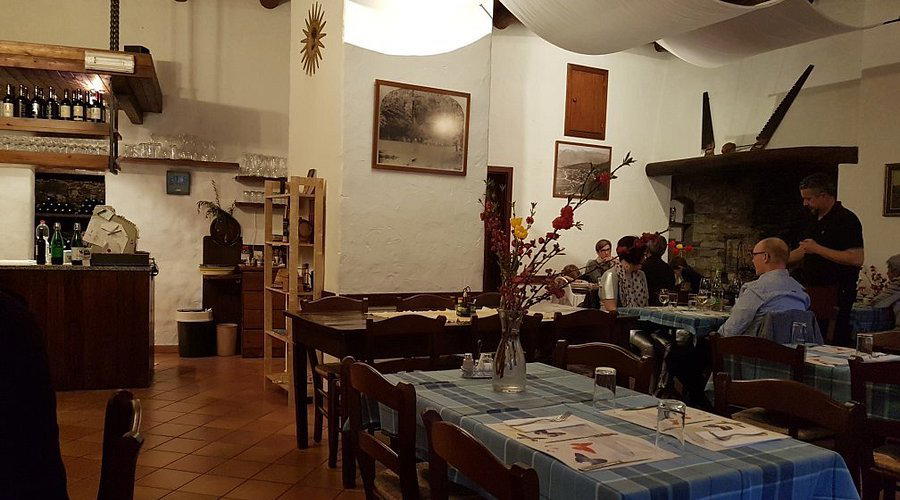
Warm and welcoming with a lit fireplace creating an intimate, refined family atmosphere.