Cantinetta Antinori
Our verdict
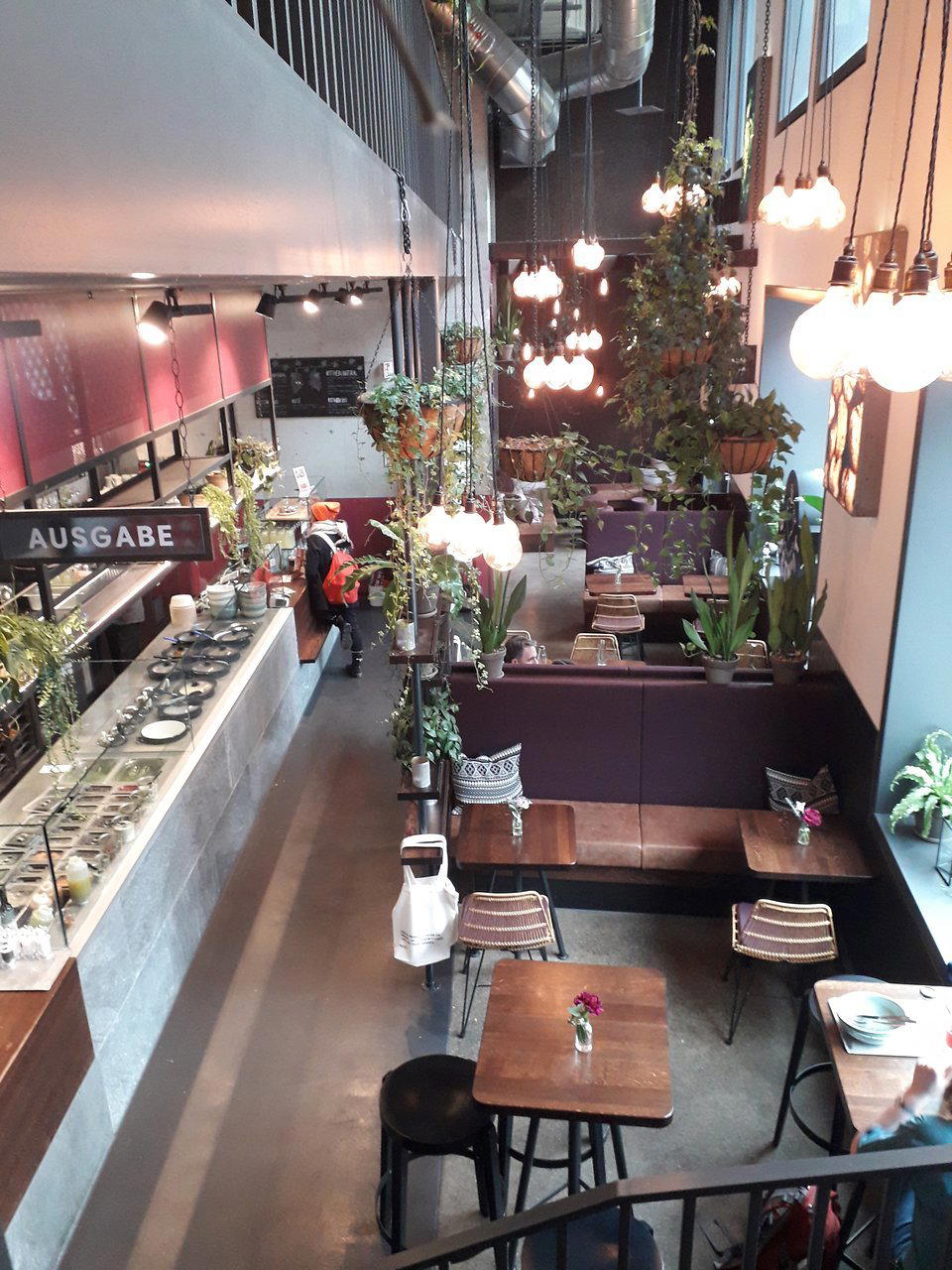
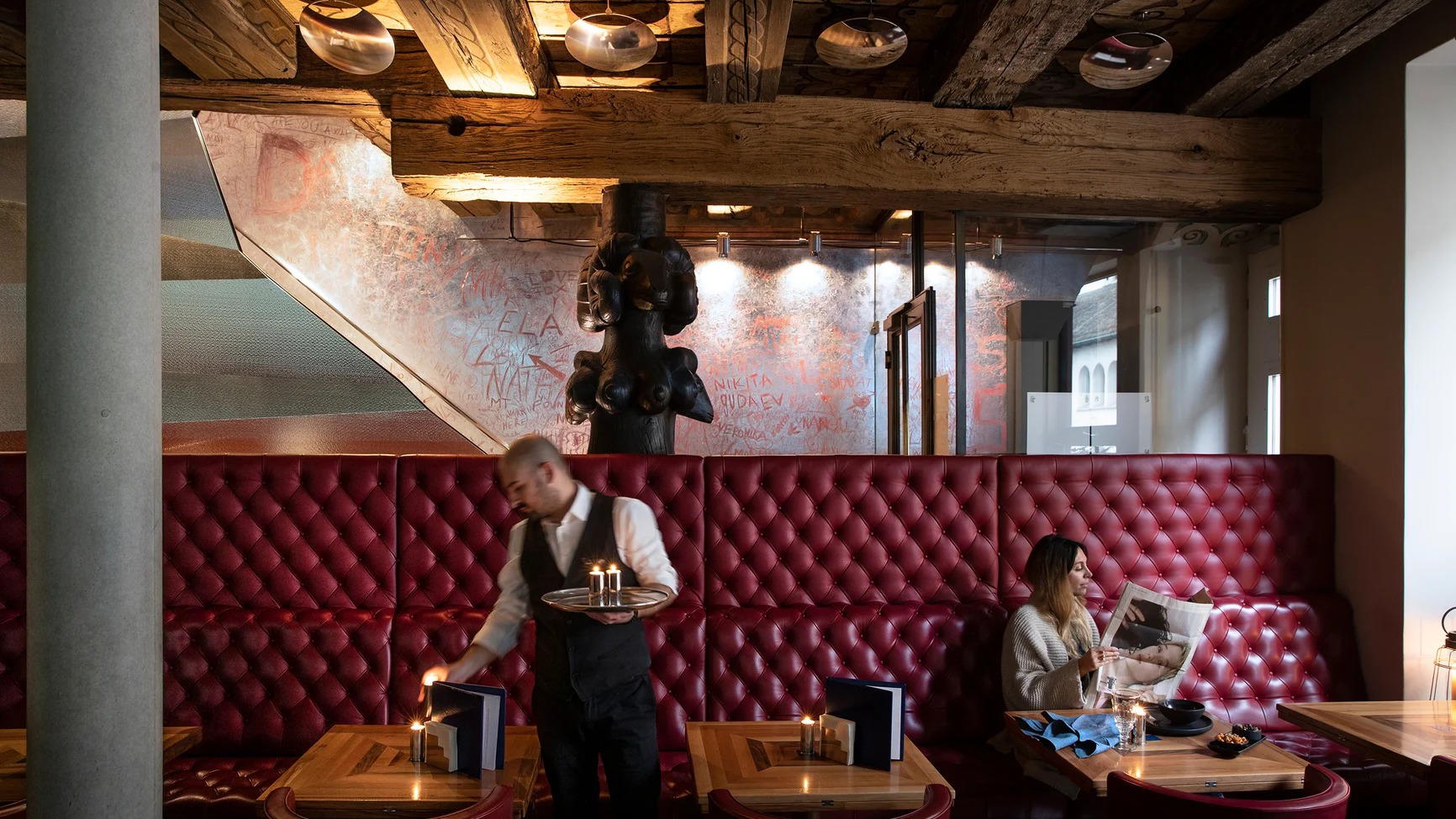
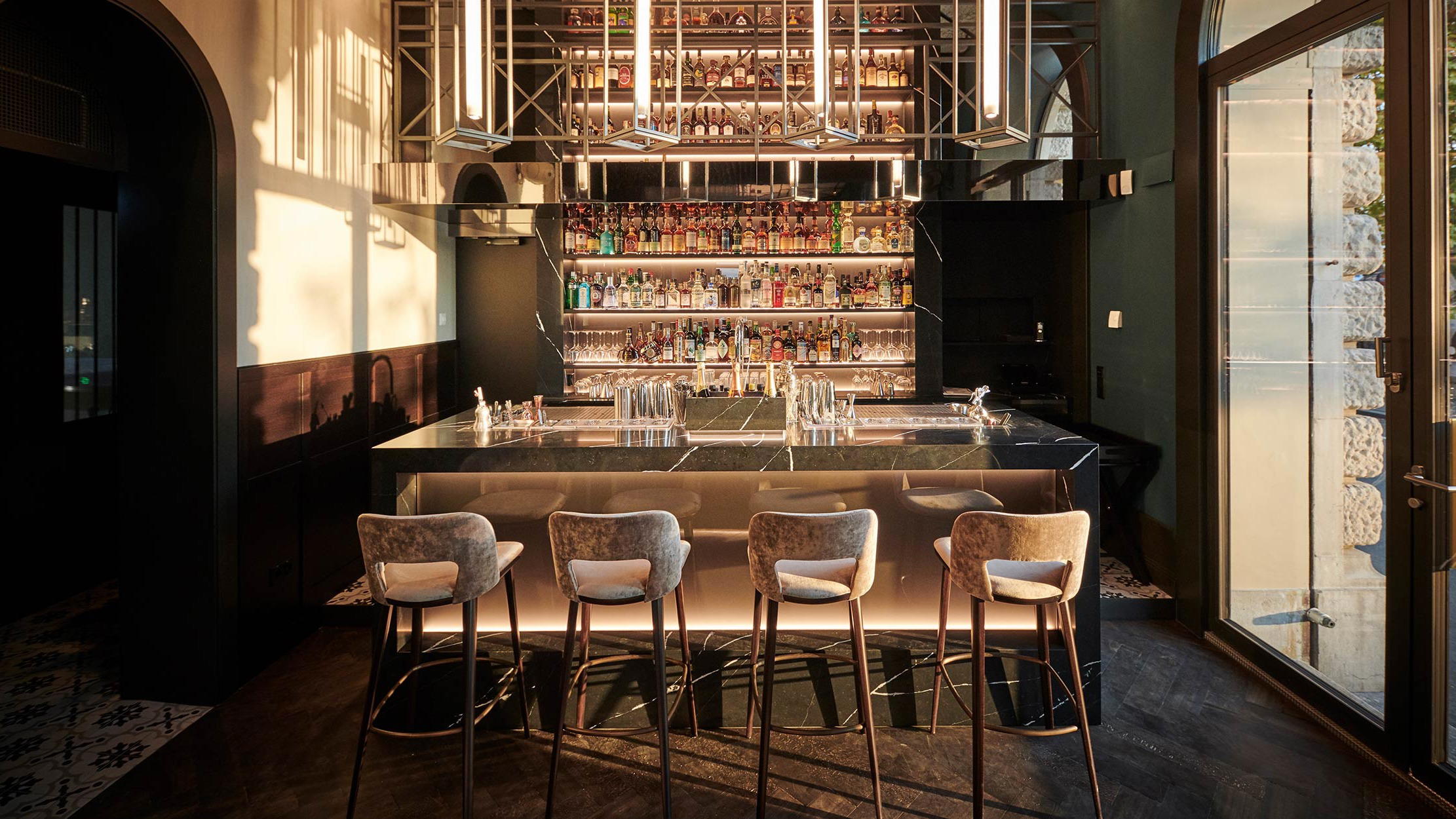
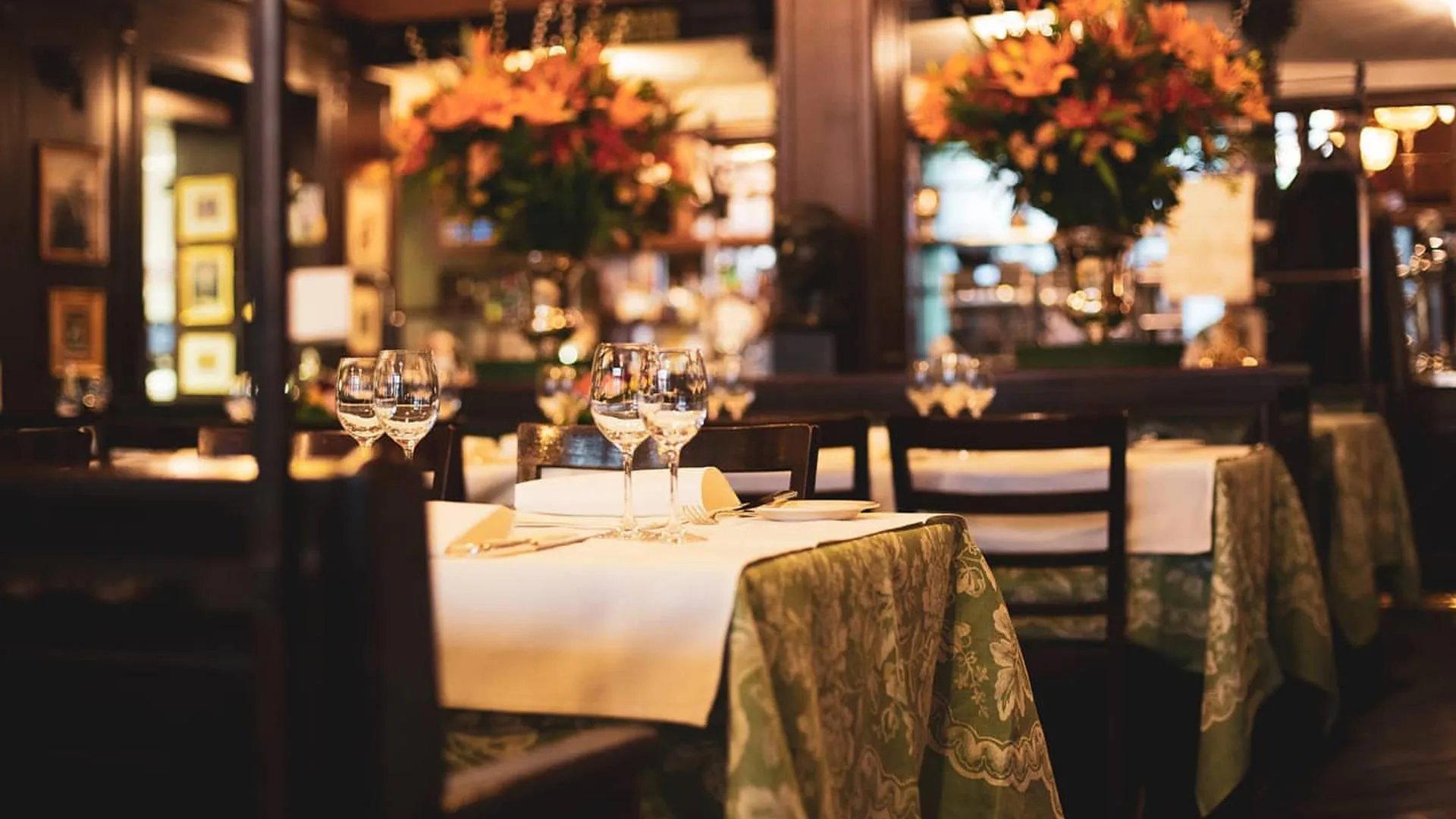
Cantinetta Antinori serves Traditional Tuscan Italian in a historic building with a terrace, an extensive wine list, and a leisurely, conversational pace.

Pearl is the En Primeur Club membership app, where members save venues, book tables and use the concierge.

A Florentine Ritual in the Old Town
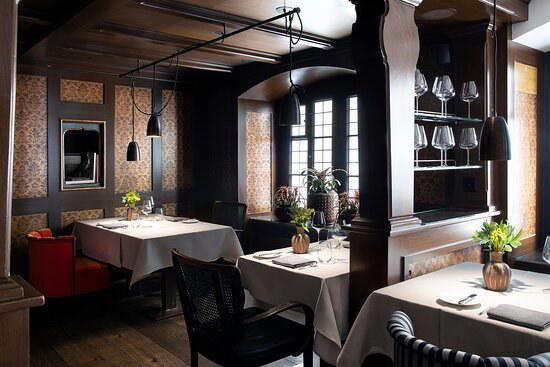
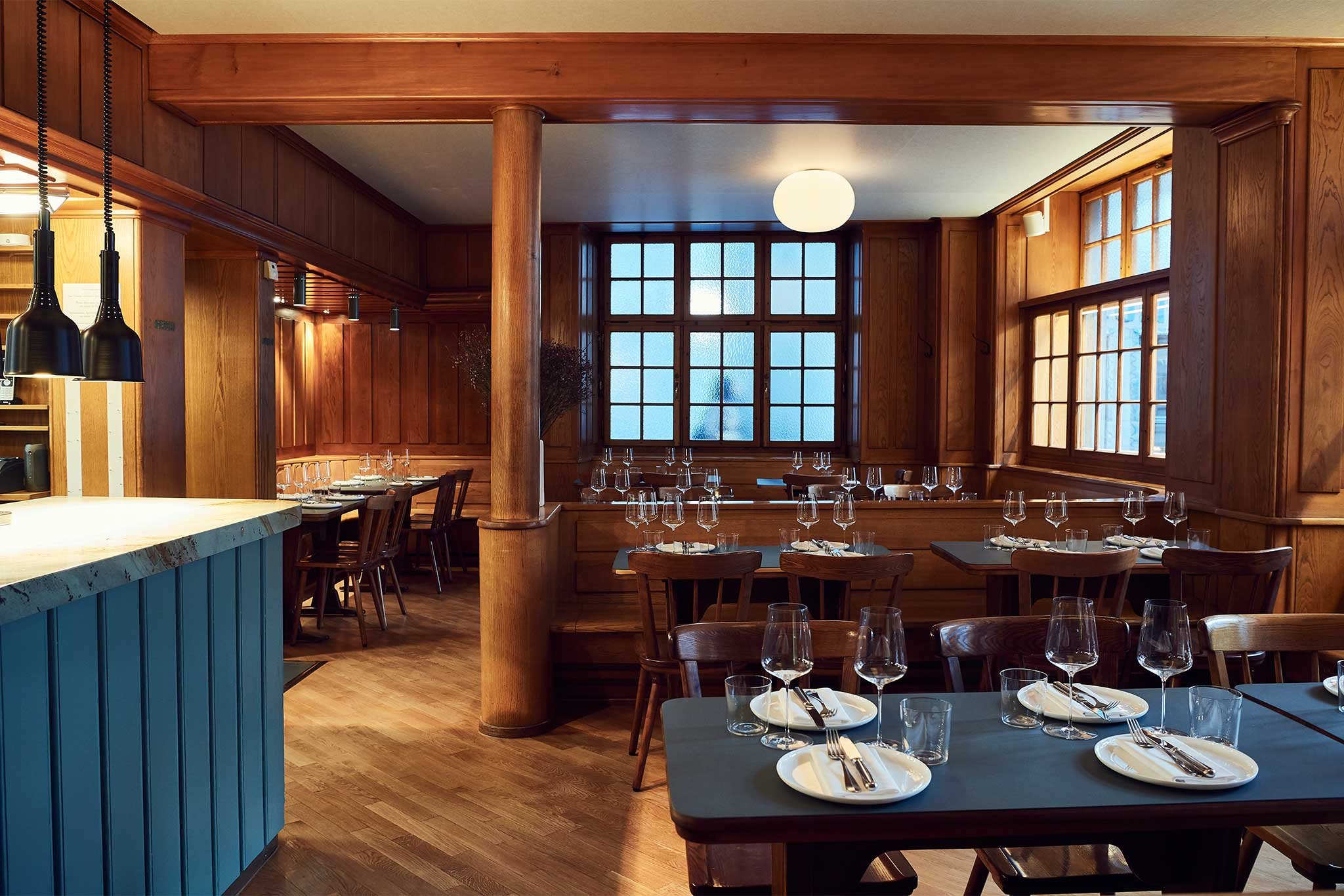
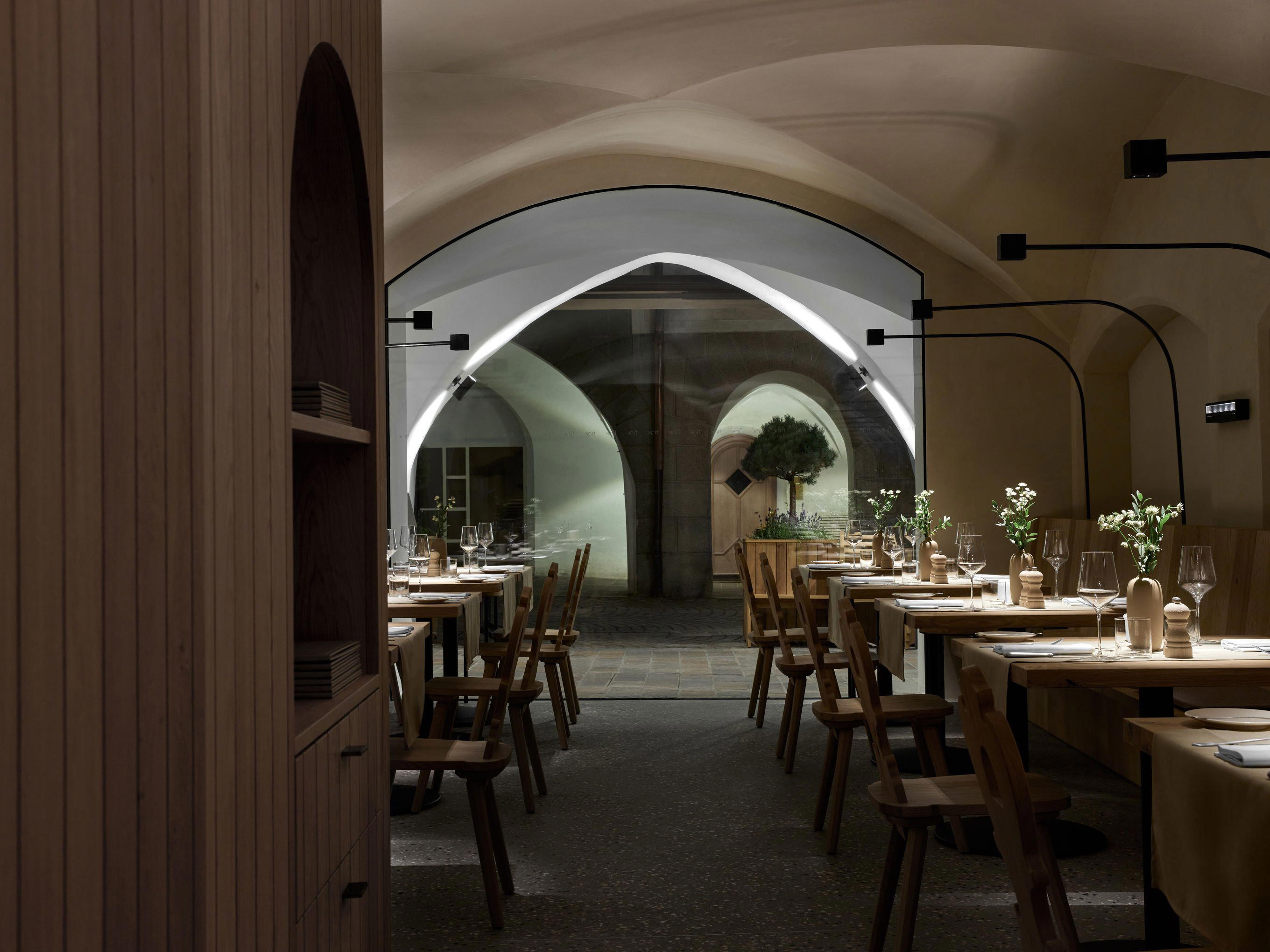
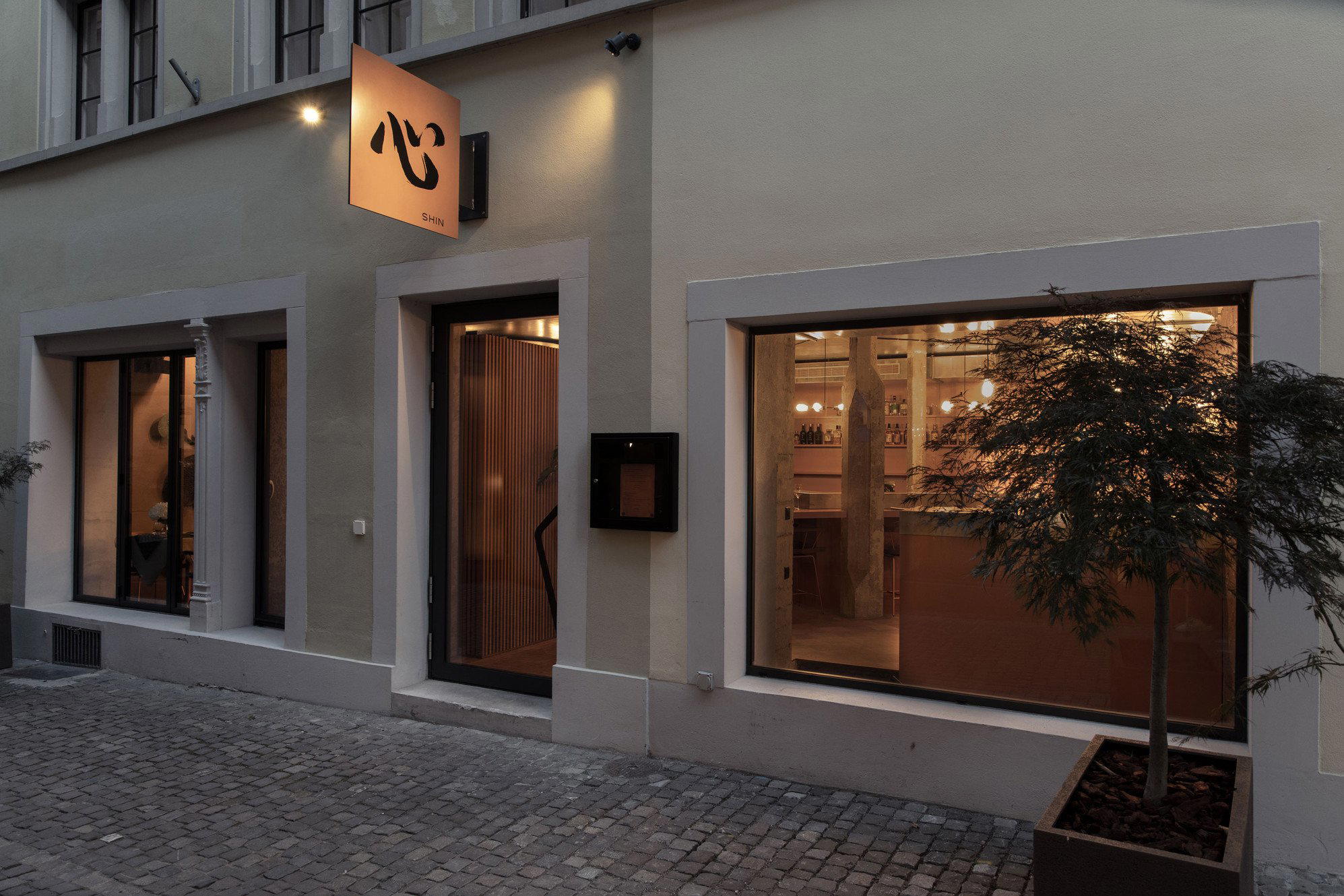
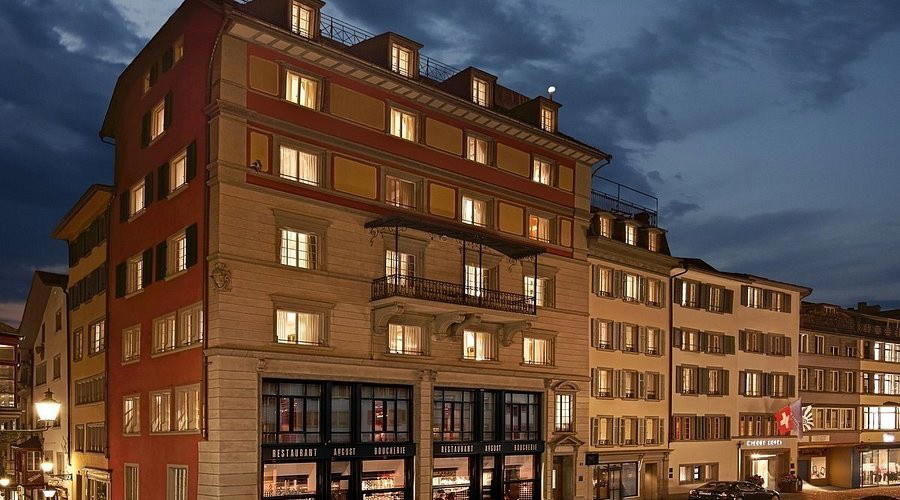
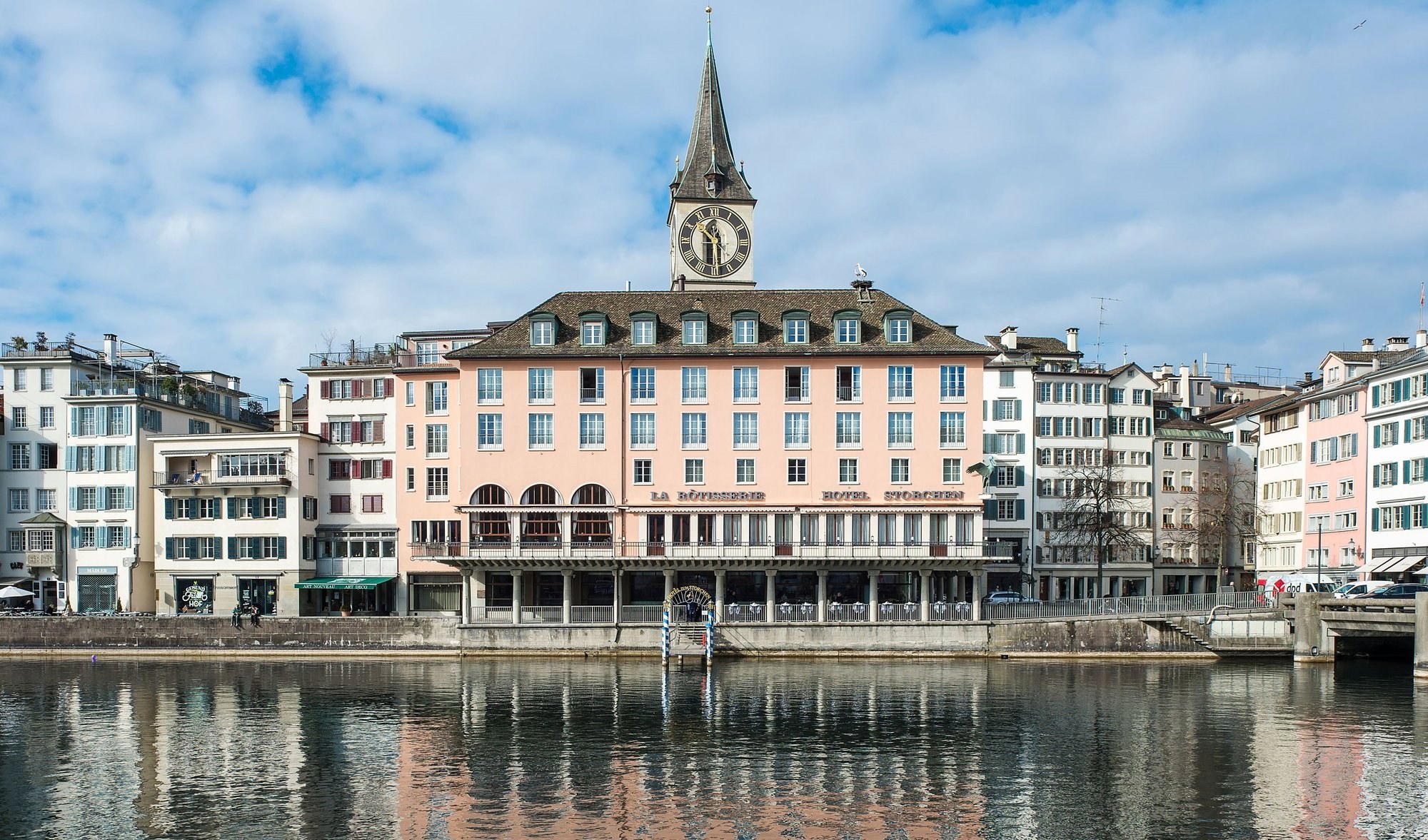
Augustinergasse is one of Zurich's most preserved medieval lanes, where the guild-house facades and narrow cobblestones push the city's banking-district pace to one side. Cantinetta Antinori occupies a ground-floor space along this corridor, and arriving here already involves a particular kind of deceleration. The Antinori family's Florentine cantinetta format, which the Tuscany-based wine estate has replicated in select European cities since the 1990s, is built around a specific premise: that wine and food should be encountered together, at a pace set by the wine list rather than the kitchen's throughput. That principle shapes every element of the experience here in Zurich, from the room's warmth to the way a meal tends to extend well past the two-hour mark.
The Cantinetta Format and What It Demands of the Guest
Across the Antinori cantinetta locations in Florence, Vienna, and Zurich, the operating model sits in the same tier: an Italian wine-estate dining room where the wine program anchors the experience rather than accompanies it. This is a meaningful distinction in a city like Zurich, where the Italian restaurant category ranges from quick-service neighbourhood trattorie to the €€€€-bracket Italian rooms such as Eden Kitchen & Bar. The cantinetta sits closer to that upper tier in format and intent, even when it does not chase the same degree of kitchen innovation.
The dining ritual here follows a Tuscan-inflected logic. Antipasti arrive to give the table time to settle into the wine selections; the progression through pasta, secondi, and cheese or dessert tracks what the Italians call the convivio, the idea that a table should be occupied long enough for a genuine conversation to occur. Guests who arrive expecting the lighter, course-efficient pacing of a modern European tasting menu will find the rhythm different here. The room is not austere; it is warm and deliberately unhurried. That pacing is, in effect, the product being offered.
For context on how Zurich's leading creative kitchens approach a different kind of structural pacing, IGNIV Zürich by Andreas Caminada works through a sharing format at the €€€€ tier, and The Counter and The Restaurant both pursue more technically driven creative menus. Cantinetta Antinori does not compete on those terms. It competes on provenance, on the depth of an estate wine list, and on a room that treats the meal as an end in itself rather than a vehicle for technique.
Wine First, Then Food
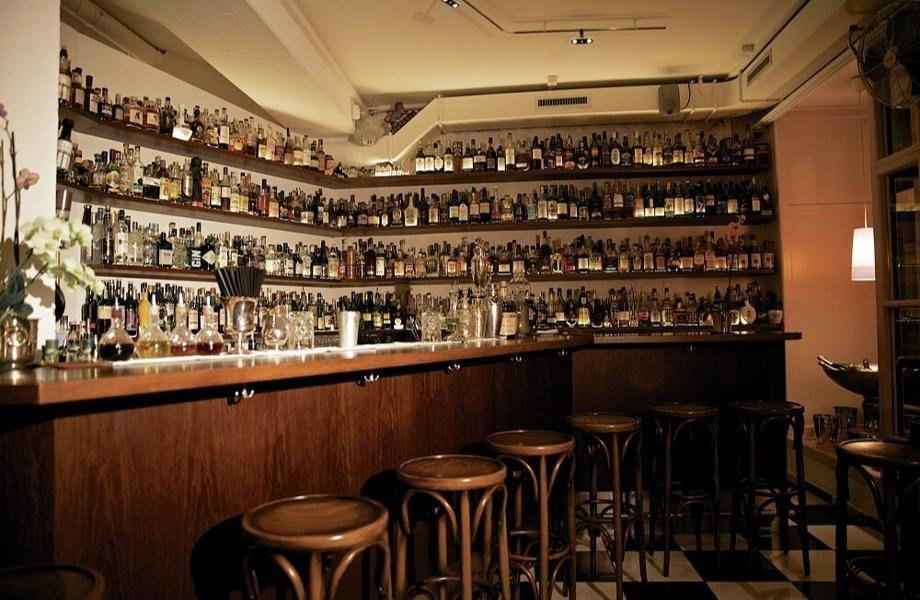
The Antinori family's wine estate was established in Tuscany in 1385 and today operates across multiple Italian regions, including Chianti Classico, Bolgheri, and Umbria, as well as holdings in Washington State and California. That depth of production means the wine list at a cantinetta location carries range that a standalone Italian restaurant in Zurich could not assemble from the same source. Tignanello, the estate's flagship Super Tuscan blend, sits alongside Solaia, Guado al Tasso, and the Cervaro della Sala white from Umbria, among many others. For the wine-led guest, this is the primary reason to choose this address over other Italian options in the city.
Zurich's Italian-wine market is well-stocked through specialist importers, but access to a curated vertical of a single estate's wines in a restaurant context is a different proposition. Guests inclined toward structured Italian wine programs, particularly those covering Antinori's Super Tuscan tier, will find this to be among the more focused collections available in the city by the glass and bottle. The food is designed to support rather than compete with those selections, which is a deliberate orientation that the cantinetta format has maintained across its locations.
Neighbourhood and Table Strategy
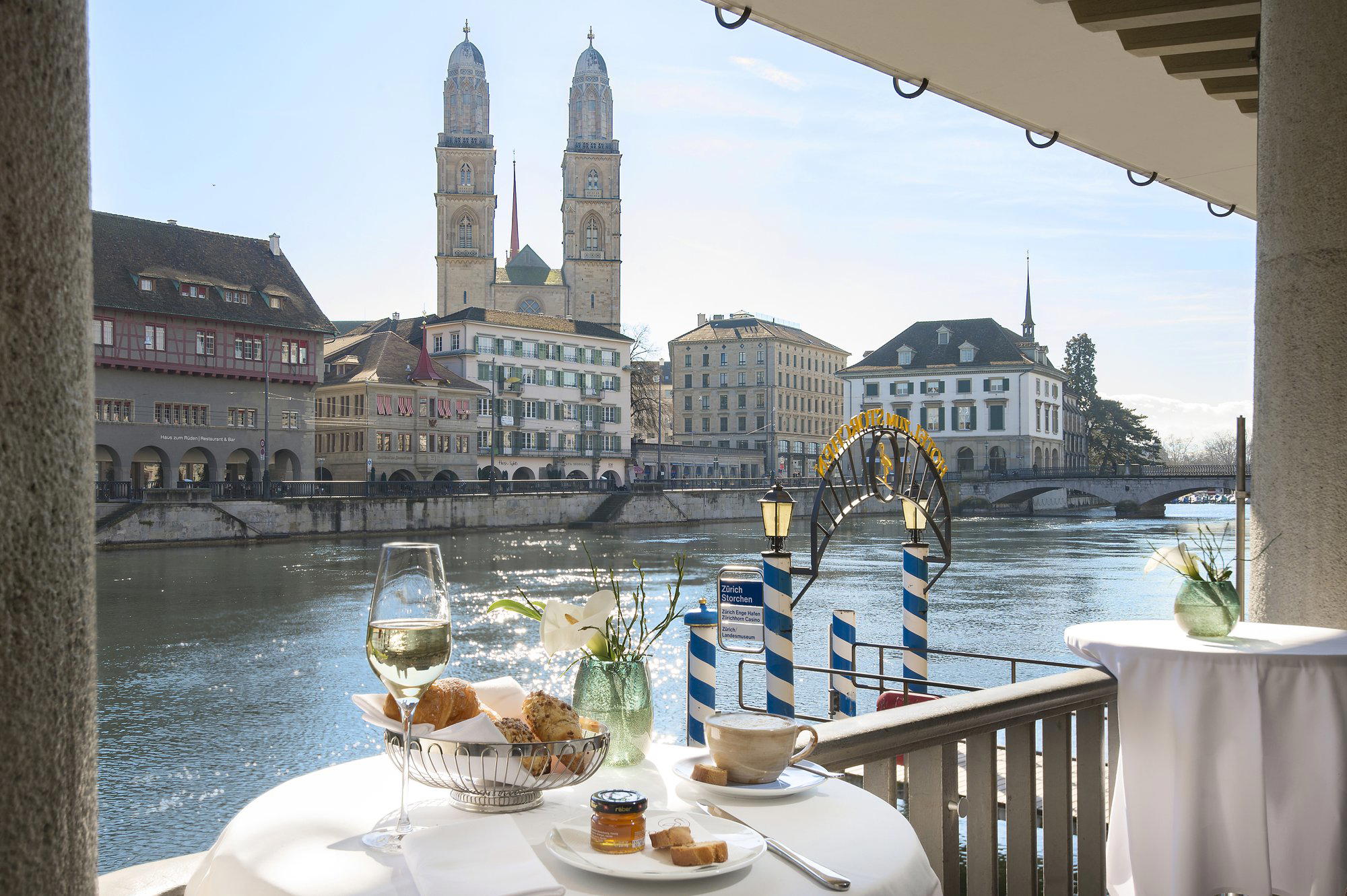
Augustinergasse 25 sits within walking distance of Zurich's Lindenhügel and the Grossmünster quarter, making it a natural endpoint to an afternoon in the old town. The lane itself is pedestrian-friendly and relatively quiet by early evening, which suits the unhurried entry the cantinetta experience is designed around. For visitors cross-referencing against other Swiss addresses before or after a Zurich stay, the country's three-Michelin-star tier is represented by Hotel de Ville Crissier, Schloss Schauenstein in Fürstenau, and Memories in Bad Ragaz, each representing a different culinary register than the cantinetta's Tuscan-estate model. Within Zurich, Widder offers a different take on the city's established dining tier.
Table availability at Cantinetta Antinori in Zurich should be treated as a planning exercise rather than a walk-in assumption, particularly for evening slots. The cantinetta format, with its longer average dining duration, means turnover is lower than at more mainstream restaurants in the same neighbourhood. The Zurich location draws both local regulars and wine-focused visitors, so mid-week slots tend to be easier to secure than Friday or Saturday evenings. Advance reservation is the standard approach.
Placing This Against Zurich's Italian and Wine-Led Dining
Zurich's Italian dining category has narrowed and sharpened over the past decade. The city now supports a smaller number of serious Italian rooms at the upper tier, with a much larger casual-Italian middle market below. The cantinetta's position is somewhat distinct from both: it is formal enough in its wine seriousness and room character to sit above the trattoria tier, but its menu philosophy, rooted in Tuscan estate cooking rather than inventive modern Italian, separates it from the kitchen-led €€€€ Italian rooms. For the guest whose priority is the wine list and the meal's social rhythm rather than technical cooking, that positioning is the point.
Other Italian-influenced wine experiences across Switzerland at a comparable elevation of intent include Da Vittorio in St. Moritz, which operates at the three-Michelin-star level but with a very different kitchen focus, and Cheval Blanc by Peter Knogl in Basel, which leans French-classical. The cantinetta occupies a space none of these fill: the estate-sourced wine room with Florentine dining customs as its structural logic.
For guests building a broader Swiss itinerary around serious wine and food experiences, the EP Club's guides to Maison Wenger in Le Noirmont, Einstein Gourmet in Sankt Gallen, Mammertsberg in Freidorf, La Table du Valrose in Rougemont, and focus ATELIER in Vitznau cover the country's most notable destinations across different regional and stylistic registers. The full Zurich restaurants guide maps the city's dining tier in detail.
Know Before You Go
- Address: Augustinergasse 25, 8001 Zürich, Switzerland
- Neighbourhood: Old Town (Altstadt), central Zurich
- Reservations: Advance booking recommended, particularly for evenings and weekends
- Wine program: Antinori estate-focused list covering Chianti Classico, Bolgheri, Super Tuscans, and Umbrian whites
- Dining pace: Extended; plan for a full evening rather than a quick sitting
- Contact: Details available directly via the venue or booking platforms
Frequently asked questions
What's the address for Cantinetta Antinori?
Cantinetta Antinori is located at Augustinergasse 25, 8001 Zürich, Switzerland, Zurich.
How does Cantinetta Antinori in Zurich compare to the original Florence location?
The Zurich outpost at Augustinergasse 25 follows the same cantinetta operating model as the Florence original: an Italian wine-estate dining room where the Antinori portfolio anchors the list and the kitchen supports rather than competes with it. The Old Town setting gives Zurich its own neighbourhood logic, positioned within walking distance of the Grossmünster quarter, whereas Florence's Palazzo Antinori carries the weight of a historic family seat. Both locations draw from the same estate production base, established in Tuscany in 1385.
What should I order at Cantinetta Antinori?
The cantinetta format across Antinori's locations in Florence, Vienna, and Zurich centres the wine list around estate-produced bottles, so the food order follows the wine selection rather than the other way around. Dishes lean toward the Tuscan register: antipasti, pasta, and meat-forward secondi that hold up against structured reds from Chianti Classico and Bolgheri. Let the sommelier guide the pairing before committing to a menu path.
How hard is it to get a table at Cantinetta Antinori?
Augustinergasse 25 sits in one of Zurich's most visited medieval lanes, drawing both local regulars and visitors to the Old Town, which puts consistent pressure on the room. Booking ahead is advisable, particularly for dinner on weekdays and across the lunch window on Saturdays. The Antinori cantinetta network operates the same reservation logic across its Florence and Vienna outposts, so walk-in availability is limited at peak periods.
What makes Cantinetta Antinori worth seeking out?
The Antinori family's wine estate dates to 1385 in Tuscany, making the cantinetta format one of the few wine-dining concepts in Zurich backed by a producer with that depth of documented history. At Augustinergasse 25, you are drinking directly from the estate's portfolio across multiple Italian regions, not selecting from a third-party list. That direct producer-to-table relationship is the structural distinction against Zurich's broader Italian category.
Can Cantinetta Antinori adjust for dietary needs?
The kitchen operates within a Tuscan-Italian framework, which is built around meat, pasta, and dairy, so the menu has structural limits for guests avoiding those categories. Specific dietary accommodation details are not available in current documentation for the Zurich location at Augustinergasse 25. check the venue's official channels before booking if dietary requirements are a primary concern.
Is Cantinetta Antinori worth it?
Against Zurich's Italian dining category, which has contracted toward a smaller number of serious rooms at the upper price tier, Cantinetta Antinori occupies a position defined by its estate wine access rather than celebrity chef credentials. If Antinori's Tuscan and multi-regional portfolio is your reference point for Italian wine, this is the only address in Zurich where you drink it in a room the family directly operates. The value calculation depends on how much weight you place on producer provenance.
Recognition, Side-by-Side
Comparable venues nearby, for context on price, style, and recognition.
| Venue | Cuisine | Price | Awards | Notes |
|---|---|---|---|---|
| Cantinetta AntinoriThis venue (the venue you are viewing) | Traditional Tuscan Italian | Not listed | Not listed | Not listed |
| Enoteca Riviera | Contemporary Italian Enoteca & Cucina povera | $50–100 | Gambero Rosso 1 Bottiglia · Falstaff Restaurant - 94 Falstaff Points | Seefeld / Kreis 8 |
| La Zagra | Sicilian-Italian | Not listed | Not listed | Riesbach |
| Capri Bistrot | Contemporary Italian Bistro | $50–100 | Not listed | Riesbach |
| Da Angela | Traditional Italian-Mediterranean | $50–100 | Gambero Rosso 1 Forchetta | Industriequartier |
| Klingler's Zürich | Modern Italian Mediterranean | $50–100 | Not listed | Enge |