46° Parallelo
Where the Parallel Runs Through The 46th parallel cuts across northern Italy at roughly the latitude of Lake Lugano, passing through a band of territory that belongs as much to Swiss alpine culture as to the Italian lake tradition. Cima di Porlezza sits at the Italian end of this corridor, a small comune at the head of Lake Piano, separated from Switzerland by a short drive through the Val Cavargna. The geography here is specific: the light arrives differently than it does on Como's western shore, the air carries less tourist noise, and the venues that operate in this zone tend to reflect the quieter, more considered character of the borderland. 46° Parallelo, addressed at Località Cini on the edge of Cima, occupies that register. The approach matters at a place like this. The lake district between Como and Lugano has a long history of hospitality built around the view rather than the room, and bars and restaurants in the area have traditionally oriented themselves toward the water. What distinguishes the borderland strip around Cima di Porlezza from the busier sections of Lake Como is the absence of the grand hotel infrastructure that defines Bellagio or Varenna. The venues here operate on a smaller, more local scale, which tends to mean less performance and more precision. For a full picture of what the area offers, see our full Cima di Porlezza restaurants guide. The Cocktail Logic of the Borderland Northern Italian bar culture has evolved significantly over the past decade, moving away from the aperitivo-as-default model toward more deliberate drink programmes. In Milan, venues like Moebius Milano have pushed the city toward technically focused menus built around clarification, fermentation, and produce-led sourcing. The same shift has reached smaller cities: in Verona, Bistro del Borgo applies a similar precision ethic within a more relaxed setting. What happens in places like Cima di Porlezza is a version of this trend filtered through proximity to Switzerland, where the cocktail culture carries a different set of references, and through the seasonal rhythms of a lake town rather than an urban bar strip. The 46th parallel itself is a meaningful coordinate for anyone who thinks about fermentation geography. It runs through Bordeaux, the northern Rhône, Friuli, and the Valais. Bars and restaurants that operate under that name in Italian alpine contexts tend to use the latitude as a framing device, connecting the glass to the agricultural and viticultural traditions of the zone rather than importing a programme wholesale from a city model. That framing, when executed with discipline, produces drink menus that feel earned by their location rather than borrowed from it. Italy's broader cocktail conversation has been shaped by a handful of reference points. In Rome, Salotto 42 built its reputation on a combination of serious spirits selection and an atmosphere that rewards staying. In Naples, L'Antiquario operates as one of the more technically disciplined programmes in the south. In Florence, Gucci Giardino demonstrates how a strong concept identity can anchor a cocktail programme in a high-footfall tourist city without collapsing into novelty. What these venues share is a willingness to commit to a clear programme identity. The question for any bar in a low-footfall location like Cima di Porlezza is whether the concept travels well enough to justify the journey for a visitor not already in the area. Small-town and village bars in northern Italy occupy a different competitive tier from urban cocktail destinations. They rarely carry the awards profile of a Cugini di Torino in Nizza Monferrato, which has built recognition precisely by operating a serious programme in a market town context. They are not positioned against the historic coffee-bar tradition represented by Caffé Al Bicerin in Turin, where the product is a single, centuries-old recipe. What they can do, when they are well-run, is offer a drink experience shaped by local ingredients, genuine hospitality, and the particular quality of being somewhere that has not been optimised for maximum throughput. Comparisons outside Italy are useful for calibrating the category. Lost & Found in Nicosia has shown how a bar in a mid-sized, under-visited city can build a cocktail programme with real craft ambition and attract an audience willing to seek it out. Farmacia dei Sani in Ruffano works in a similar register in Puglia, using a strong concept identity to give purpose to a programme that would otherwise be invisible on the national radar. In Positano, Ristorante Da Adolfo demonstrates that the combination of setting, food, and drink can create a destination effect even without urban density. The throughline is that location-specific commitment, whether to a local botanical, a regional spirit, or a culinary tradition embedded in the drink programme, tends to do more to define a bar outside a major city than awards or press coverage alone. In a transatlantic comparison, Café La Trova in Miami has built its identity around a specific cultural reference that anchors the entire programme. The lesson for any bar operating in a geographically distinctive location, as 46° Parallelo does in the alpine-lake corridor, is that the location itself is the argument, but only if the programme is built to reflect it rather than ignore it. Visiting: What to Know Before You Go Cima di Porlezza is not on the main Lake Como tourist circuit, which means access requires intent. The town sits at the northern end of Lake Piano, accessible by car from Como via the SS340 or from Lugano across the Swiss border. Public transport options are limited and connections from the main lake towns involve changes. Visitors arriving from Milan typically drive, which places Cima within a two-hour radius of the city. The borderland location also means that the area draws a dual Italian-Swiss clientele, particularly on weekends, when the Swiss day-trip traffic from Lugano is noticeable. Before visiting, direct contact with the venue is advisable to confirm opening schedules, particularly in shoulder seasons when lake-district venues often reduce their hours. The address at Località Cini, 31a, Cima CO places it at the edge of the commune rather than in the village centre, which is worth factoring into arrival planning. Frequently Asked Questions What is the atmosphere like at 46° Parallelo?The atmosphere reflects the borderland geography of Cima di Porlezza, where Swiss alpine sensibility and Italian lake-town character occupy the same space. The venue sits outside the main tourist flow of Lake Como, which tends to produce a quieter, more local register than bars in Bellagio or Varenna.What is the leading thing to order at 46° Parallelo?What the latitude framing and alpine-lake location suggest is a programme with some orientation toward local botanicals, regional spirits, or produce tied to the Val Cavargna and Lake Piano area.Is the bar worth visiting specifically for the drinks programme if you are travelling from outside the lake district?The 46th parallel address and the alpine-lake borderland setting position the bar as a venue whose identity is tied to geography rather than urban bar-circuit visibility. For travellers already based in the Lugano or Como area, it represents a clear detour candidate. For those travelling specifically from Milan or further afield, the case strengthens considerably if the bar is operating a programme that directly engages its location through local botanicals, Swiss-Italian spirits, or seasonal lake-district produce. Confirming the current programme before the journey is the practical step that determines whether the visit works as a destination experience.
Pearl is the En Primeur Club membership app — saves, bookings, and concierge access live there. Same editors, same standards.
- Address
- Località Cini, 31a, 22018 Cima CO, Italy
- Directions
- Get directions
 Saves & bookings on Pearl
Where the Parallel Runs Through
The 46th parallel cuts across northern Italy at roughly the latitude of Lake Lugano, passing through a band of territory that belongs as much to Swiss alpine culture as to the Italian lake tradition. Cima di Porlezza sits at the Italian end of this corridor, a small comune at the head of Lake Piano, separated from Switzerland by a short drive through the Val Cavargna. The geography here is specific: the light arrives differently than it does on Como's western shore, the air carries less tourist noise, and the venues that operate in this zone tend to reflect the quieter, more considered character of the borderland. 46° Parallelo, addressed at Località Cini on the edge of Cima, occupies that register.
The approach matters at a place like this. The lake district between Como and Lugano has a long history of hospitality built around the view rather than the room, and bars and restaurants in the area have traditionally oriented themselves toward the water. What distinguishes the borderland strip around Cima di Porlezza from the busier sections of Lake Como is the absence of the grand hotel infrastructure that defines Bellagio or Varenna. The venues here operate on a smaller, more local scale, which tends to mean less performance and more precision. For a full picture of what the area offers, see our full Cima di Porlezza restaurants guide.
The Cocktail Logic of the Borderland
Northern Italian bar culture has evolved significantly over the past decade, moving away from the aperitivo-as-default model toward more deliberate drink programmes. In Milan, venues like Moebius Milano have pushed the city toward technically focused menus built around clarification, fermentation, and produce-led sourcing. The same shift has reached smaller cities: in Verona, Bistro del Borgo applies a similar precision ethic within a more relaxed setting. What happens in places like Cima di Porlezza is a version of this trend filtered through proximity to Switzerland, where the cocktail culture carries a different set of references, and through the seasonal rhythms of a lake town rather than an urban bar strip.
The 46th parallel itself is a meaningful coordinate for anyone who thinks about fermentation geography. It runs through Bordeaux, the northern Rhône, Friuli, and the Valais. Bars and restaurants that operate under that name in Italian alpine contexts tend to use the latitude as a framing device, connecting the glass to the agricultural and viticultural traditions of the zone rather than importing a programme wholesale from a city model. That framing, when executed with discipline, produces drink menus that feel earned by their location rather than borrowed from it.
Italy's broader cocktail conversation has been shaped by a handful of reference points. In Rome, Salotto 42 built its reputation on a combination of serious spirits selection and an atmosphere that rewards staying. In Naples, L'Antiquario operates as one of the more technically disciplined programmes in the south. In Florence, Gucci Giardino demonstrates how a strong concept identity can anchor a cocktail programme in a high-footfall tourist city without collapsing into novelty. What these venues share is a willingness to commit to a clear programme identity. The question for any bar in a low-footfall location like Cima di Porlezza is whether the concept travels well enough to justify the journey for a visitor not already in the area.
Small-town and village bars in northern Italy occupy a different competitive tier from urban cocktail destinations. They rarely carry the awards profile of a Cugini di Torino in Nizza Monferrato, which has built recognition precisely by operating a serious programme in a market town context. They are not positioned against the historic coffee-bar tradition represented by Caffé Al Bicerin in Turin, where the product is a single, centuries-old recipe. What they can do, when they are well-run, is offer a drink experience shaped by local ingredients, genuine hospitality, and the particular quality of being somewhere that has not been optimised for maximum throughput.
Comparisons outside Italy are useful for calibrating the category. Lost & Found in Nicosia has shown how a bar in a mid-sized, under-visited city can build a cocktail programme with real craft ambition and attract an audience willing to seek it out. Farmacia dei Sani in Ruffano works in a similar register in Puglia, using a strong concept identity to give purpose to a programme that would otherwise be invisible on the national radar. In Positano, Ristorante Da Adolfo demonstrates that the combination of setting, food, and drink can create a destination effect even without urban density. The throughline is that location-specific commitment, whether to a local botanical, a regional spirit, or a culinary tradition embedded in the drink programme, tends to do more to define a bar outside a major city than awards or press coverage alone.
In a transatlantic comparison, Café La Trova in Miami has built its identity around a specific cultural reference that anchors the entire programme. The lesson for any bar operating in a geographically distinctive location, as 46° Parallelo does in the alpine-lake corridor, is that the location itself is the argument, but only if the programme is built to reflect it rather than ignore it.
Visiting: What to Know Before You Go
Cima di Porlezza is not on the main Lake Como tourist circuit, which means access requires intent. The town sits at the northern end of Lake Piano, accessible by car from Como via the SS340 or from Lugano across the Swiss border. Public transport options are limited and connections from the main lake towns involve changes. Visitors arriving from Milan typically drive, which places Cima within a two-hour radius of the city. The borderland location also means that the area draws a dual Italian-Swiss clientele, particularly on weekends, when the Swiss day-trip traffic from Lugano is noticeable.
Before visiting, direct contact with the venue is advisable to confirm opening schedules, particularly in shoulder seasons when lake-district venues often reduce their hours. The address at Località Cini, 31a, Cima CO places it at the edge of the commune rather than in the village centre, which is worth factoring into arrival planning.
Continue exploring
More in Cima di Porlezza
Bars in Cima di Porlezza
Browse all →
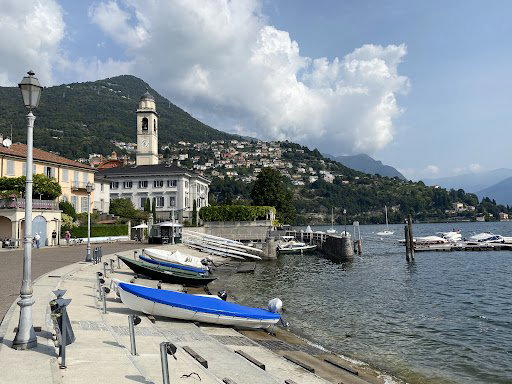
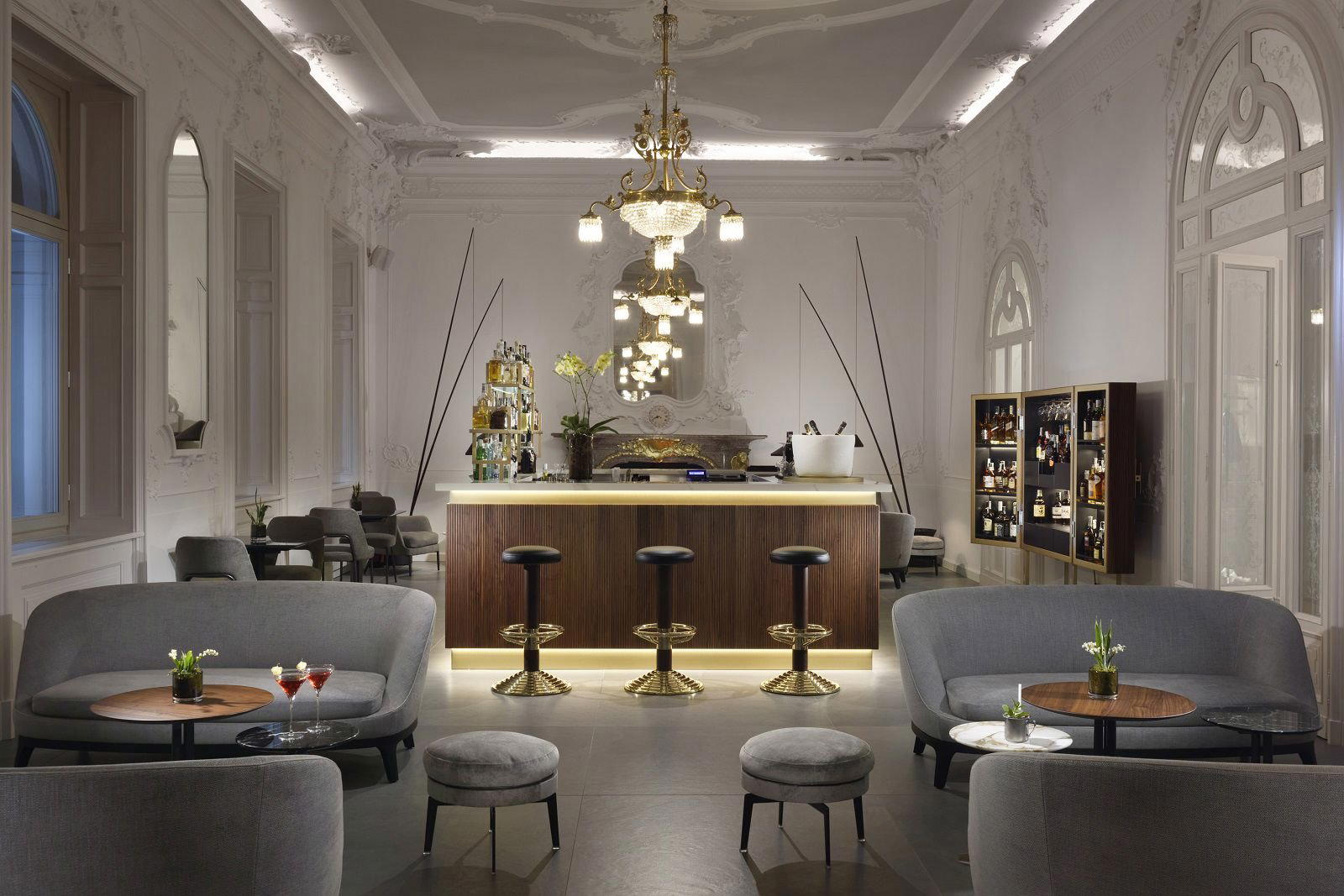
Restaurants in Cima di Porlezza
Browse all →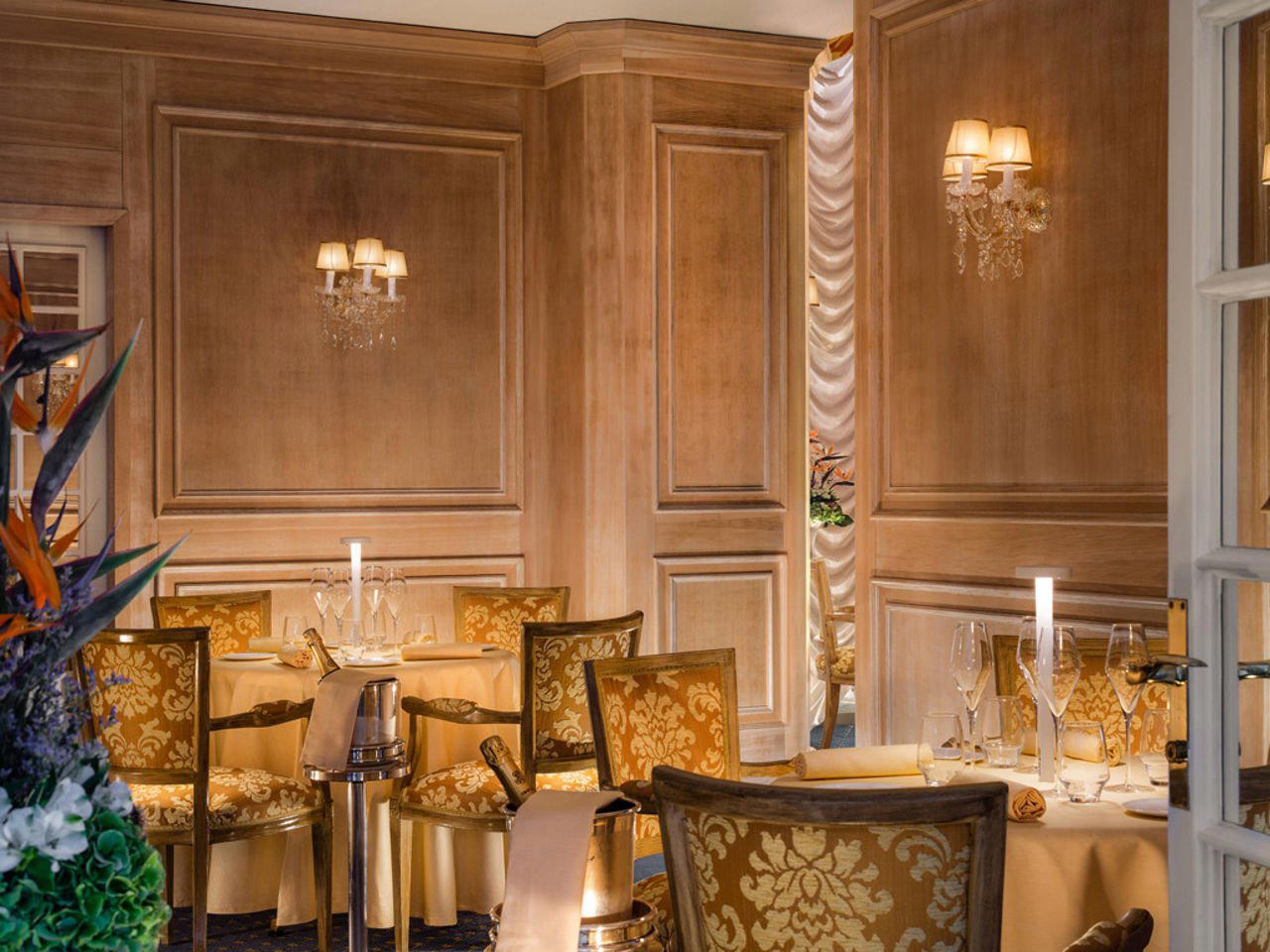
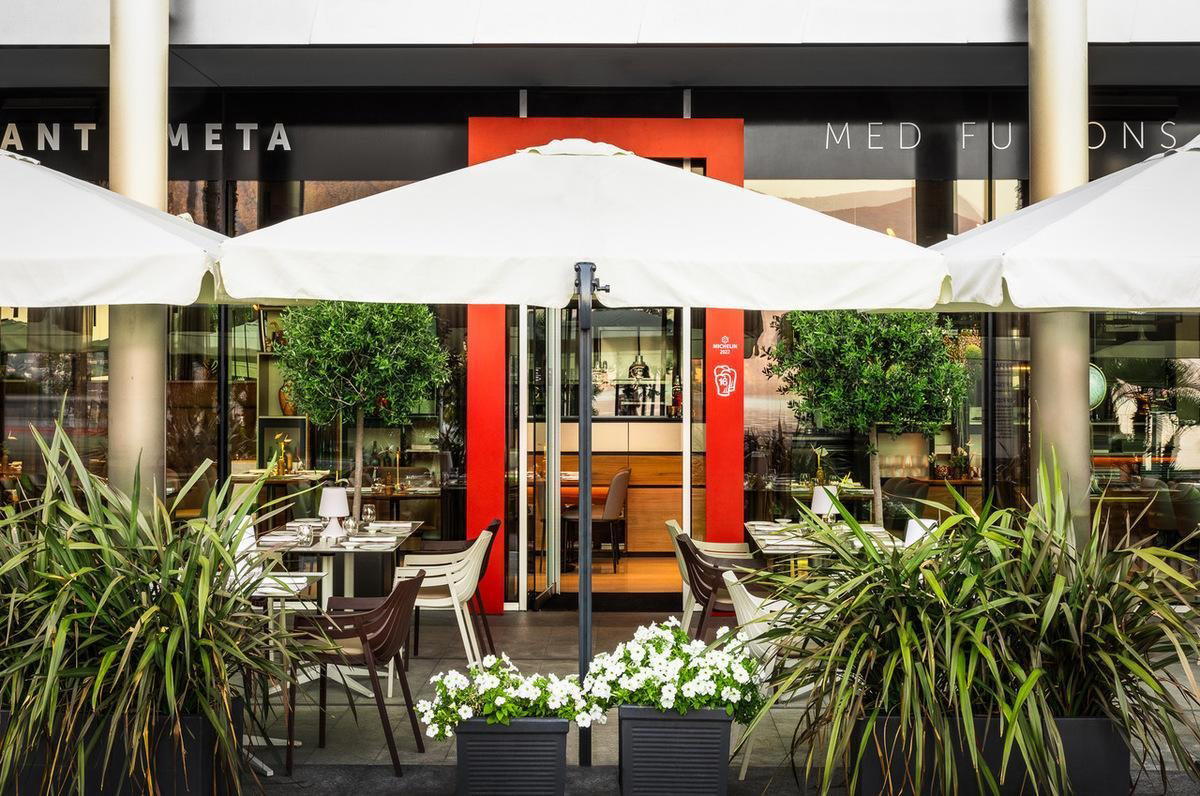
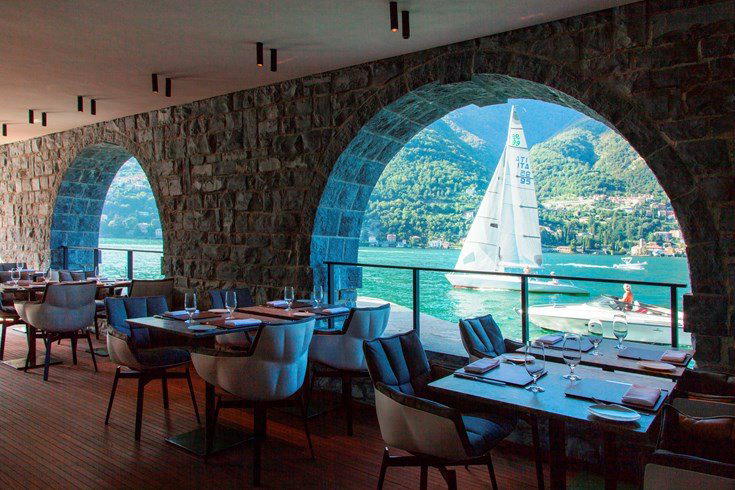
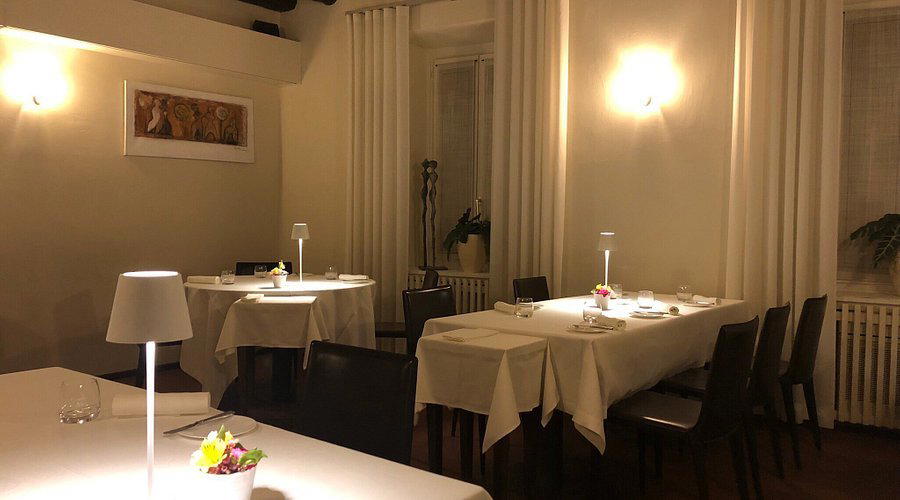
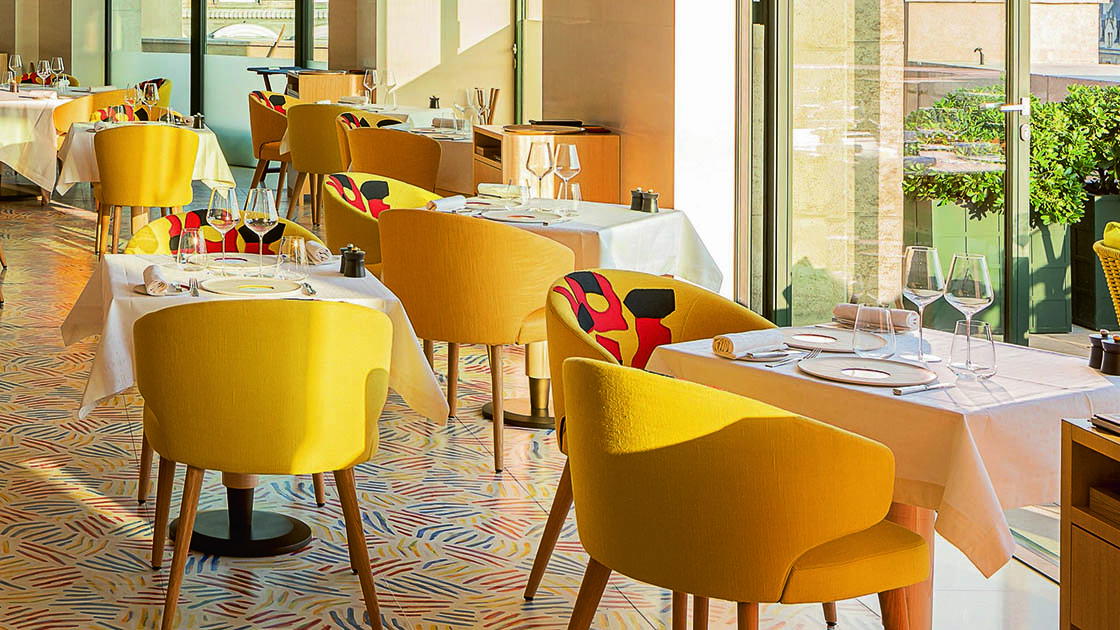
Hotels in Cima di Porlezza
Browse all →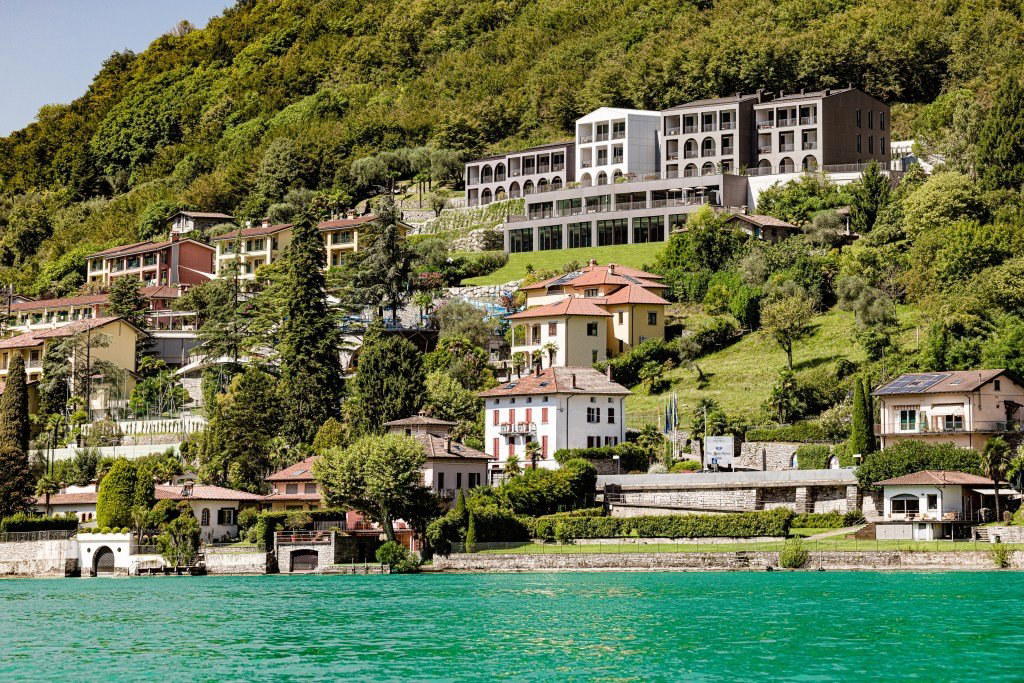
Wineries in Cima di Porlezza
Browse all →
At a Glance
- Scenic
- Romantic
- Elegant
- Lively
- After Work
- Casual Hangout
- Group Outing
- Celebration
- Waterfront
- Terrace
- Panoramic View
- Hotel Bar
- Outdoor Terrace
- Lounge Seating
- Standing Room
- Waterfront
- Mountain
Relaxed beach lounge atmosphere with direct lake views, surrounded by mountains, designed for leisurely aperitivos and social gatherings in a resort setting.