
Osteria Ardenga sits in the small village of Diolo on the Parma-Piacenza border, serving Emilian cooking anchored in home-grown produce and tradition. A Michelin Plate holder in both 2024 and 2025, it operates at the budget end of the price spectrum for the region, making it one of the more accessible entry points into serious Emilian cooking. Homemade pickles and chutneys sold on-site signal the depth of its larder-first approach.
Pearl is the En Primeur Club membership app — saves, bookings, and concierge access live there. Same editors, same standards.
- Address
- Str. Circonvallazione Chiesa, 43019 Diolo PR, Italy
- Phone
- +39 0524 599337
- Website
- osteriardenga.com
- Directions
- Get directions
 Saves & bookings on Pearl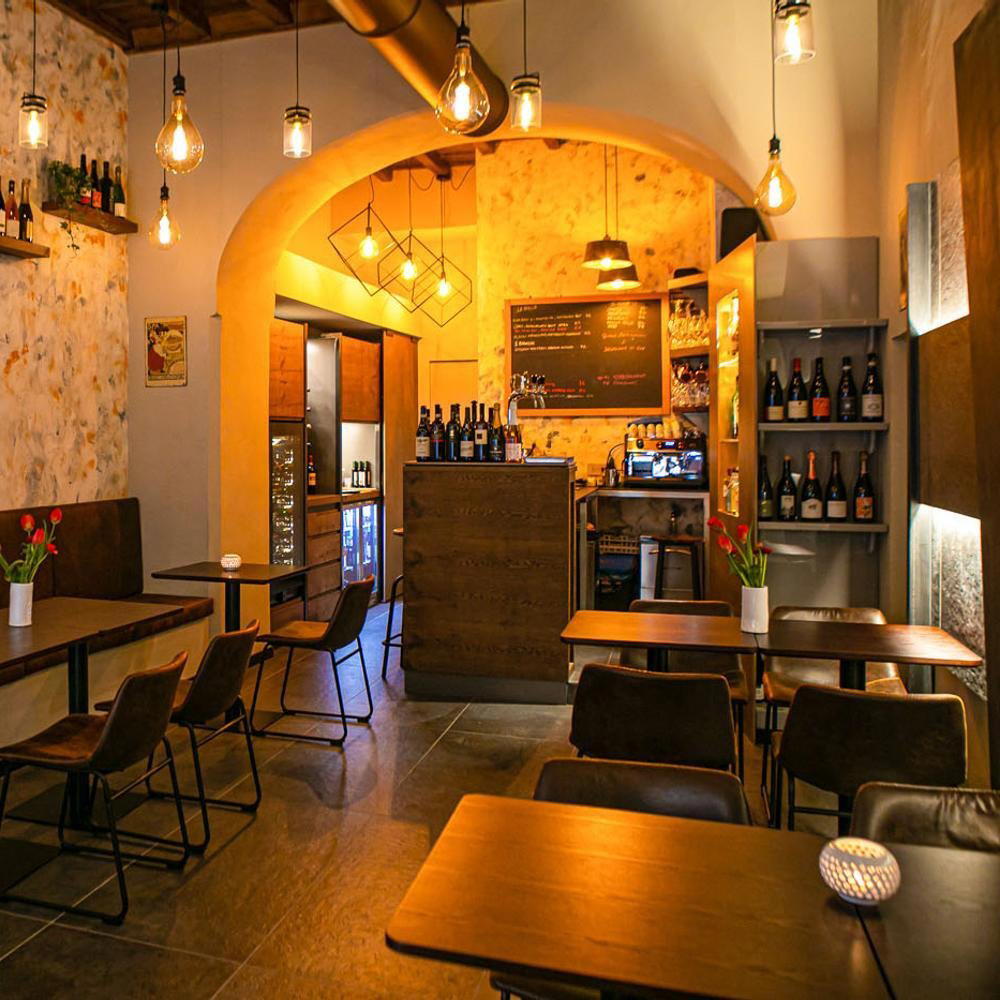
Where the Province Meets the Plate
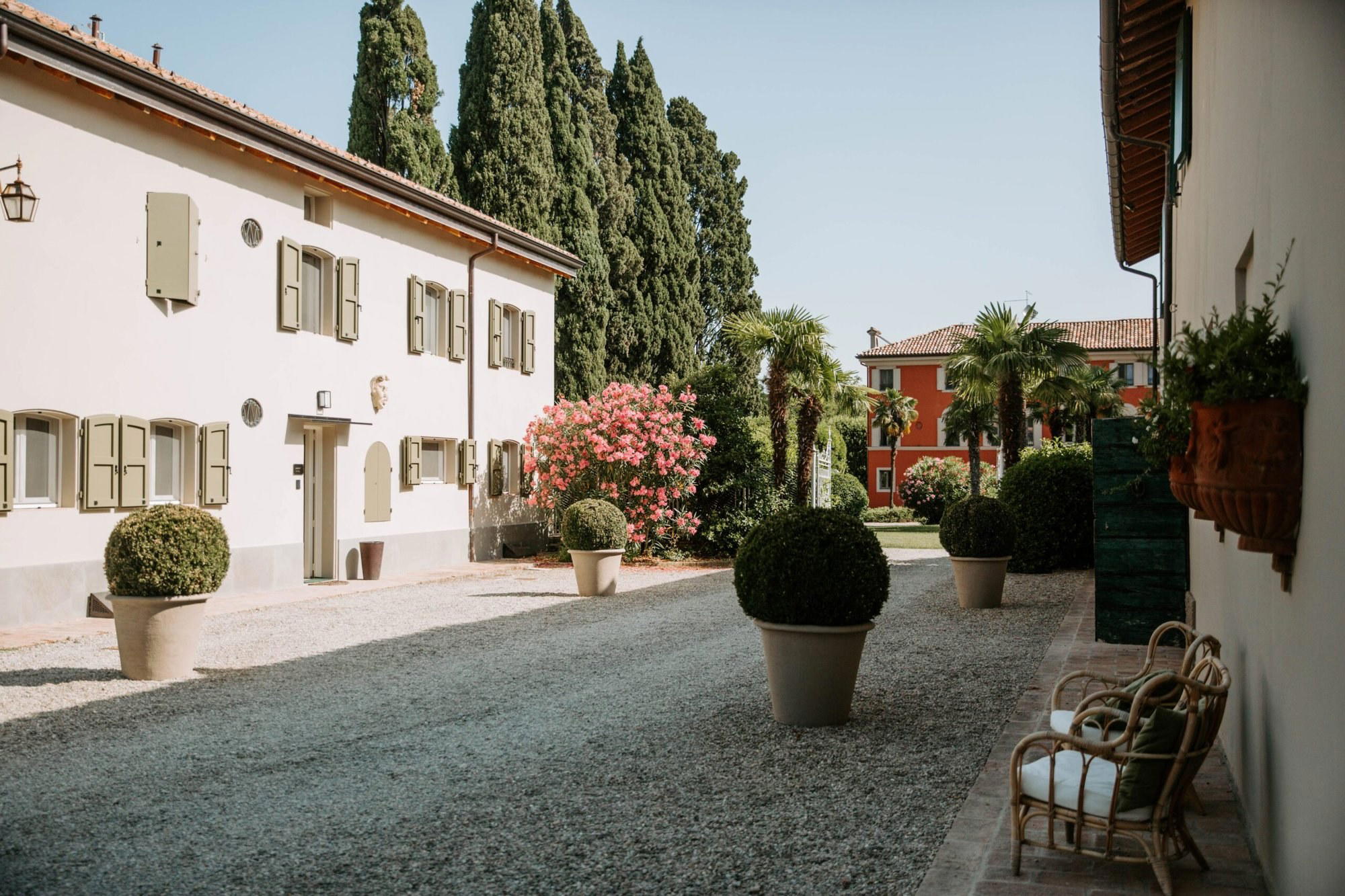
The road into Diolo, a fraction of the comune of Soragna in the province of Parma, does not prepare you for a dining destination. The surrounding flatlands of the Po Valley are agricultural in character: low-rise farmhouses, rows of poplars, and fields that feed one of Italy's most produce-intensive food cultures. Arriving at Osteria Ardenga on the Strada Circonvallazione Chiesa, the building reads like the village itself: unpretentious, settled, and indifferent to trend. That architectural modesty is part of the point. In a region where the cooking is already doing the talking, rooms that feel preserved rather than designed tend to signal something worth paying attention to.
This is the context in which Emilian osterie operate at their most honest. Unlike the tasting-menu format that defines restaurants such as Osteria Francescana in Modena or the multi-starred ambition of Enrico Bartolini in Milan, the traditional trattoria-osteria model in the Parma provinces runs on repetition and sourcing depth rather than invention. The menu changes with what the land produces, and the kitchen's credibility rests on its relationship with suppliers and its own garden, not on a culinary narrative constructed for outside audiences.
The Larder as Foundation
In this part of Emilia-Romagna, the question of where ingredients come from is not a marketing talking point, it is a structural fact of cooking. The territory between Parma and Piacenza produces some of Italy's most protected and geographically specific ingredients: Parmigiano-Reggiano aged in local caseifici, Prosciutto di Parma from farms within the prescribed zone, and cured meats whose character is tied directly to the microclimates of the hills above the plain. Osteria Ardenga sits on the border between these two provinces, and the menu reflects that positioning, drawing on specialities from the Parma side while operating within a broader Emilian grammar.
The detail that distinguishes Ardenga's sourcing practice is the home-grown produce. Many osterie in the region buy from local markets or co-operatives; fewer maintain their own kitchen garden as a primary supply line. When a restaurant sells its homemade pickles and chutneys directly to guests, it signals that the preservation and fermentation happening on-site are not incidental garnishes but part of how the kitchen thinks about flavour across seasons. A jar of pickled vegetables sold at the counter is evidence of a larder built for depth, not decoration. For the visitor, it also functions as a take-home argument for the cooking philosophy: what you ate at the table, you can approximate at home.
This approach to self-sufficiency is not distinctive to Ardenga within the region, but it is increasingly rare in an era when even rural osterie often outsource prep work. The 2025 and 2024 Michelin Plate recognitions acknowledge a standard of cooking that justifies attention without requiring the formal apparatus of starred dining. The Plate is not a consolation in the Michelin hierarchy, it denotes food worth a detour within its category, evaluated against what that category promises. For a single-euro-sign address in a village of this size, the recognition carries weight.
The Emilian Trattoria Tradition
The trattoria format in Emilia-Romagna has its own competitive set, one that operates largely outside the starred economy. Restaurants like Arnaldo - Clinica Gastronomica in Rubiera and Osteria del Viandante, also in Rubiera, represent the same regional category: places where the cuisine is Emilian, the prices are grounded, and the point of difference lies in the quality of raw material and the fidelity of execution rather than in presentation or concept. Ardenga belongs to this peer group while occupying a more rural position, geographically further from the Via Emilia corridor that links the region's larger towns.
That rurality matters. Restaurants in Parma city or Reggio Emilia operate within a tourist economy that rewards accessibility and visibility. Ardenga's location in Diolo means its customer base is composed substantially of people who chose it specifically, locals who return regularly and visitors who have done their research.4 across 467 reviews at this price point and in this location represents a consistency that is harder to fake in a small village than in a city restaurant with high table turnover.
The comparison to higher-budget Italian fine dining elsewhere in the country underlines what makes the mid-tier Emilian osteria a distinct proposition. Dal Pescatore in Runate and Le Calandre in Rubano operate at the summit of the Italian regional fine-dining spectrum, with price structures and service formats to match. Ardenga's single-euro-sign pricing puts it at the opposite end of that spectrum while drawing from the same tradition of ingredient-led Italian cooking. For those planning a broader tour of northern Italian dining, the contrast between these tiers is itself instructive: the raw materials in this part of Italy are often identical; what changes is the labour, presentation, and ceremony built around them.
Planning a Visit to Diolo
Diolo is small enough that a visit here requires deliberate planning. The nearest transport hub is Parma, roughly 30 kilometres to the south, making a car the practical option for reaching the restaurant. Given the village's location and the restaurant's neighbourhood character, lunch tends to be the more natural format for a day trip from Parma or the surrounding area, arriving mid-morning to explore the flatland villages before sitting down at the table. For those building a longer itinerary around the region, Soragna's Rocco dei Meli Lupi and the surrounding Bassa Parmense area offer enough cultural context to justify an overnight stay, with accommodation options in Parma itself serving as the base.
Booking in advance is advisable given the restaurant's size and the fact that. The single-euro-sign price range places a full meal here well below the threshold of the region's more visible dining destinations, which makes it an accessible anchor for a day spent in the Parma provinces. The homemade products sold on-site mean a visit doubles as a direct engagement with the kitchen's sourcing practice, a more concrete souvenir than most dining destinations offer.
Comparable Venues
Comparable venues nearby, for context on price, style, and recognition.
| Venue | Cuisine | Price | Awards | Notes |
|---|---|---|---|---|
| Osteria ArdengaThis venue — the venue you are viewing | Traditional Emilian Trattoria | $$ | Michelin Plate | Not listed |
| Osteria del Trentino - Da Marco | Traditional Emilian Trattoria | $$ | Michelin Plate | Centro Storico |
| La Cucina dei Frigoriferi Milanesi | Modern Milanese Italian | $$ | Michelin Plate | Corsica |
| Selvatico | Traditional Northern Italian Lombardy Cuisine | $$ | Michelin Plate | Rivanazzano Terme |
| Il Cortiletto | Modern Italian Mediterranean | $$ | Michelin Plate | Toscolano-Maderno |
| I Pifferi | Emilian Parma Cuisine | $$ | Michelin Plate | Sala Baganza |
Recognition history
Dated appearances from independent guides and award organizations, with the underlying list record or original source where available.
Michelin Plate
Michelin
Michelin Plate
Michelin
Michelin Plate
Michelin
At a Glance
- Rustic
- Cozy
- Classic
- Family
- Group Dining
- Celebration
- Casual Hangout
- Wine Cellar
- Historic Building
- Standalone
- Farm To Table
- Local Sourcing
Current opening hours
- Monday
- 12–2 PM
- Tuesday
- 12–2 PM
- Wednesday
- Closed
- Thursday
- 12–2 PM
- Friday
- 12–2 PM
- Saturday
- 12–2 PM, 7:30–10 PM
- Sunday
- 12–2:30 PM
Hours can change for holidays and private events. Last verified .
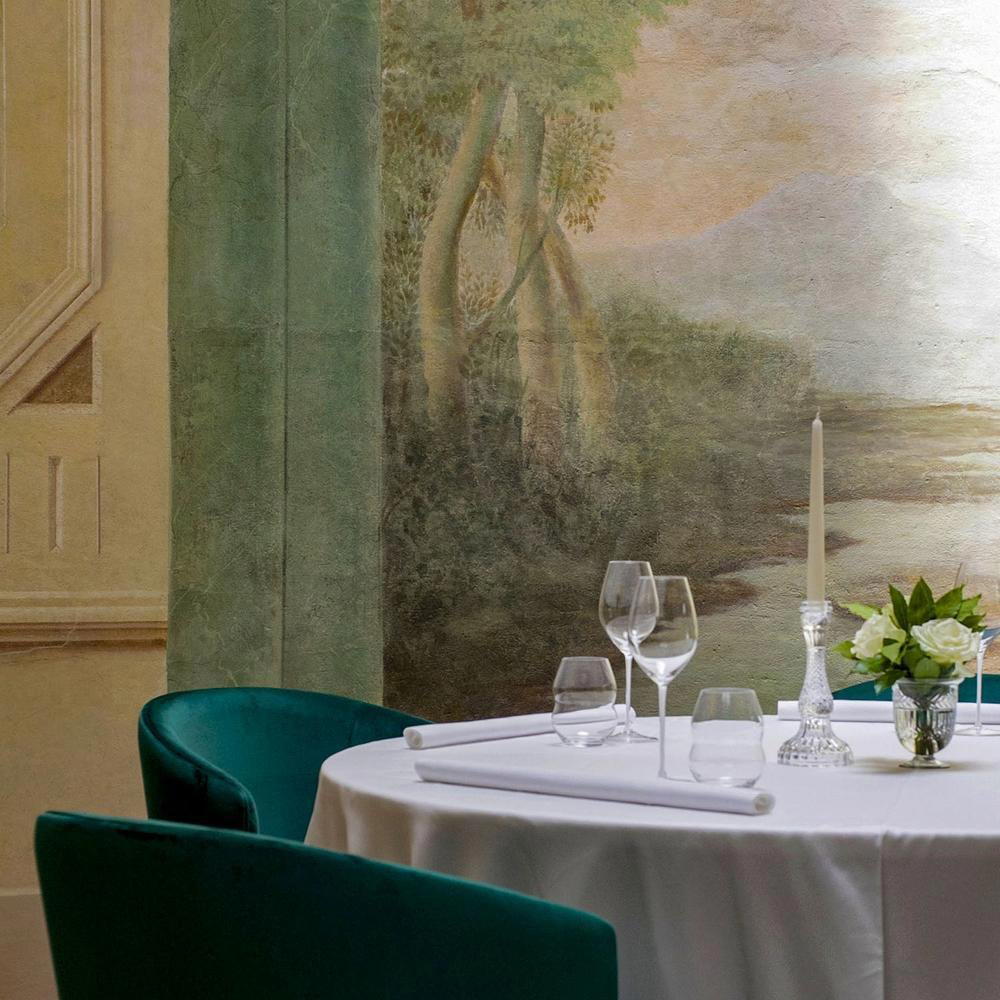
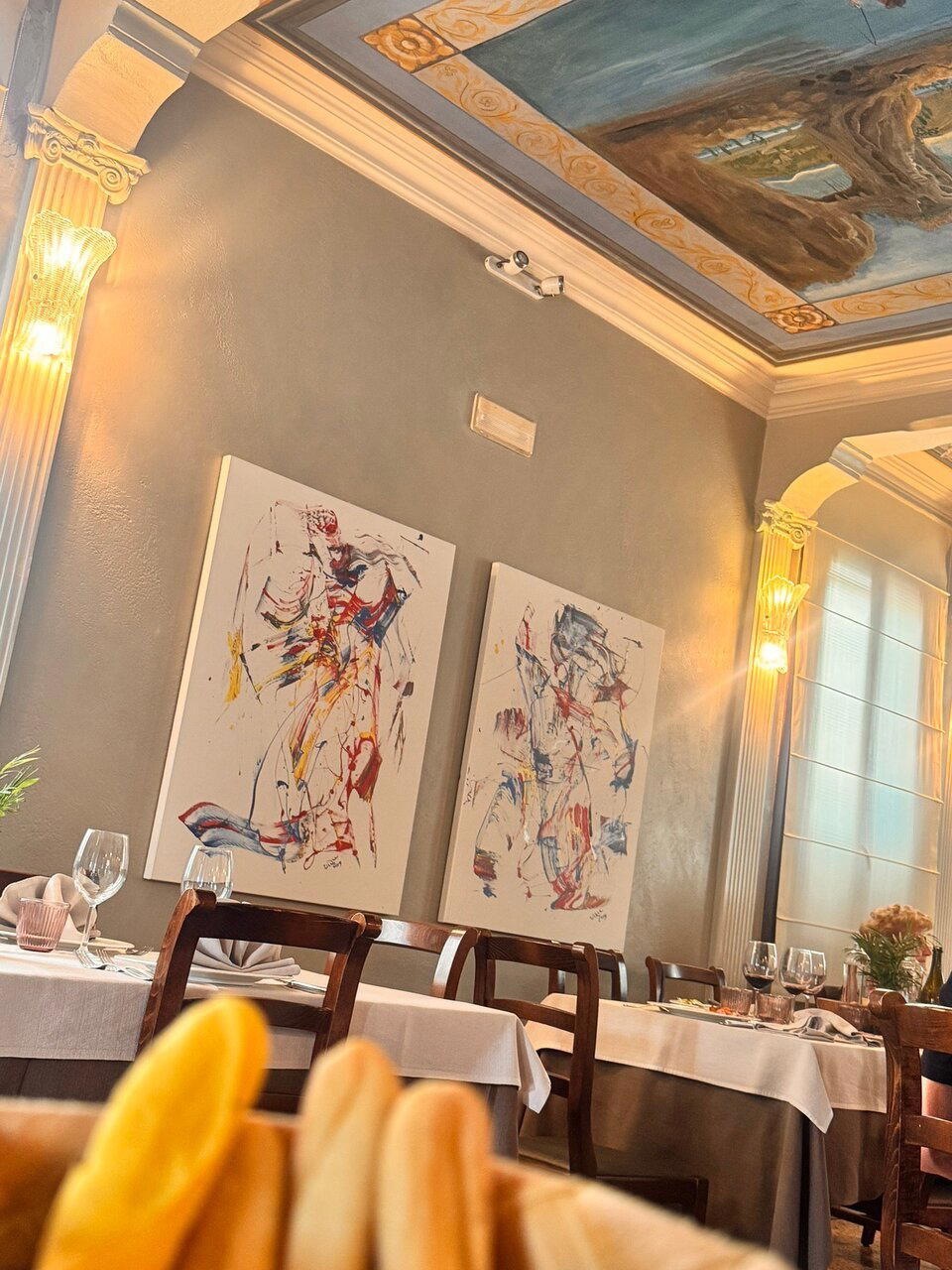
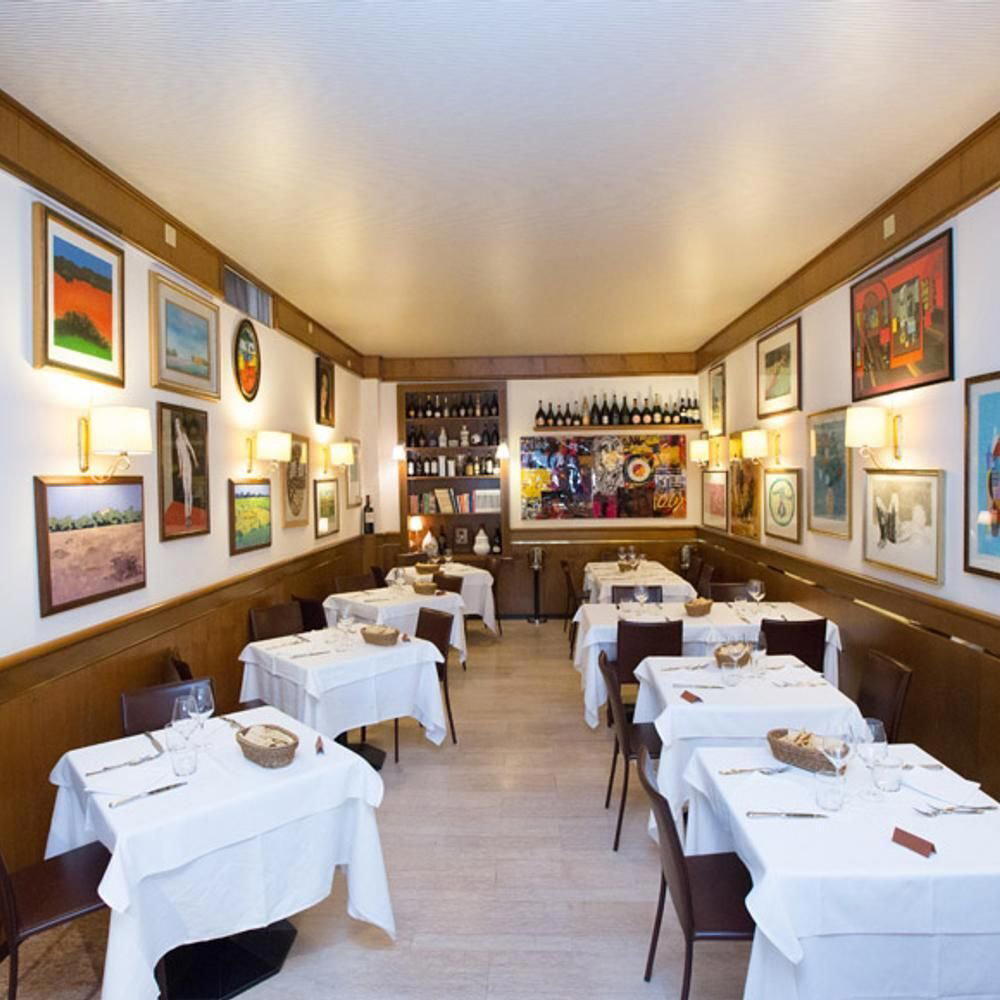
Warm wooden furnishings with a rustic, nostalgic atmosphere reminiscent of a grandmother's home; spotlessly clean local-style rooms with an open stove visible to guests.