Osteria Alle Nazioni
Osteria Alle Nazioni sits in San Quirino, a small town in Friuli's Pordenone province where the northeastern Italian kitchen still draws directly from the surrounding foothills and farmland. The setting is quiet, the approach traditional, and the sourcing tied closely to what the Friulian interior produces across its seasons. For travellers passing through Friuli rather than beelining for the coast, it represents the region's unhurried, produce-led dining character.
Pearl is the En Primeur Club membership app — saves, bookings, and concierge access live there. Same editors, same standards.
- Address
- Via San Rocco, 51, 33080 San Quirino PN, Italy
- Phone
- +393943491005
- Website
- ristorantelaprimula.it
- Directions
- Get directions
 Saves & bookings on Pearl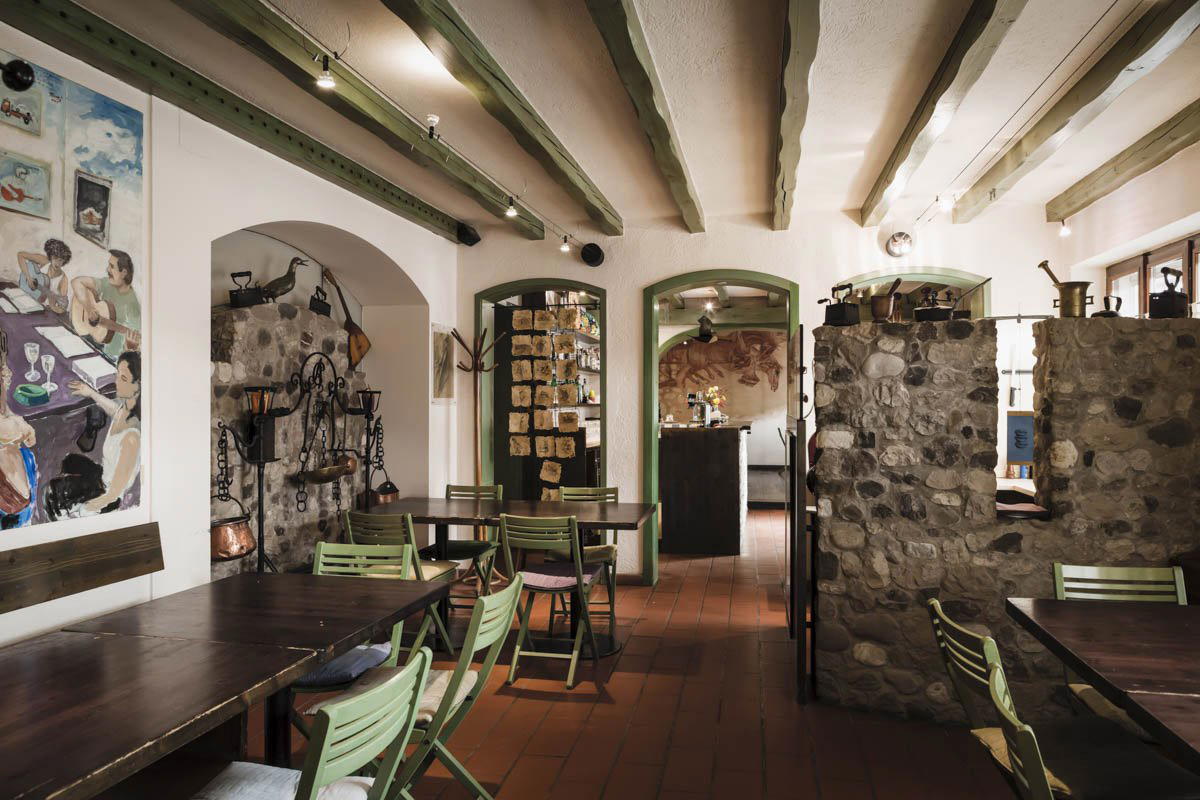
Where Friuli's Interior Kitchen Begins
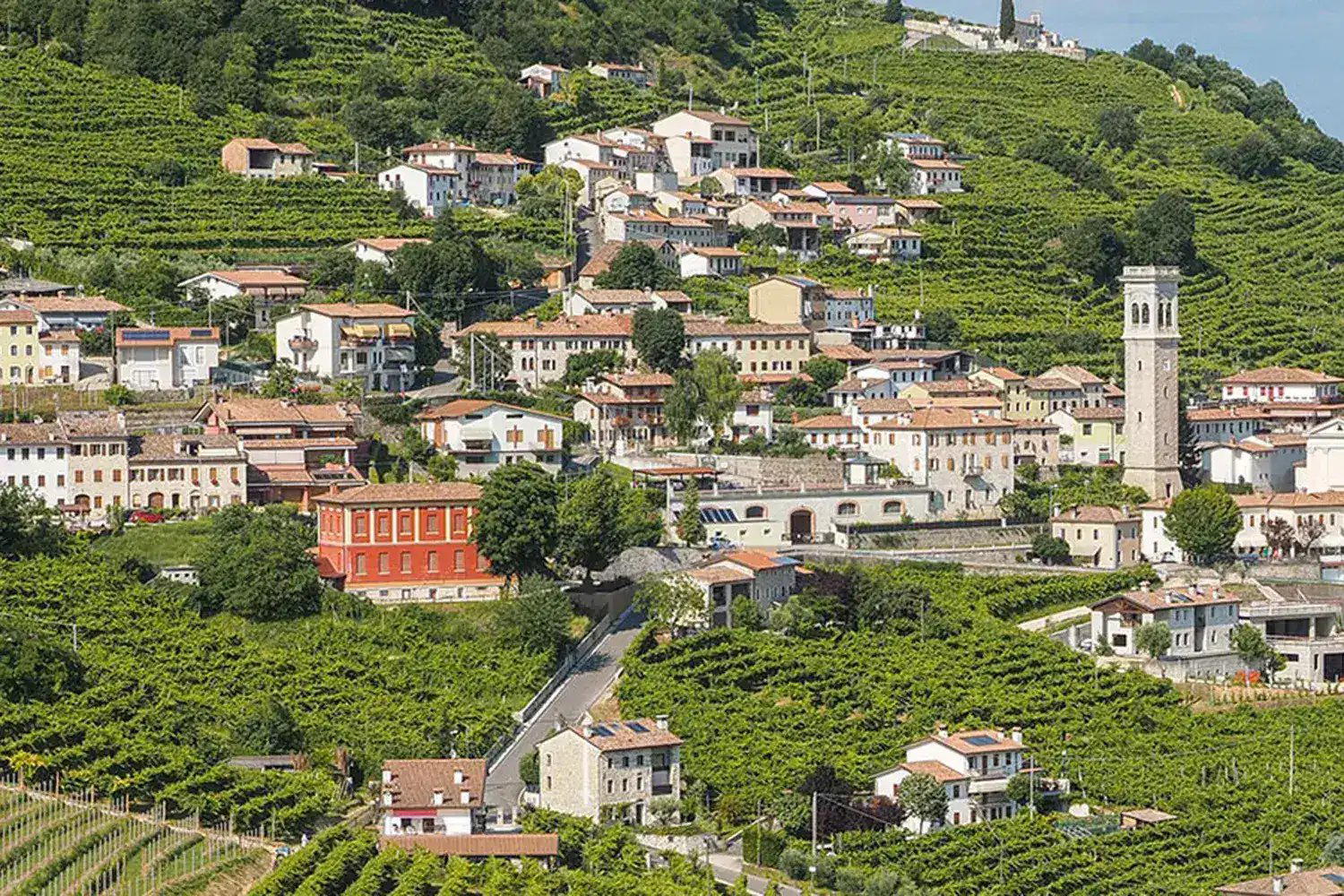
San Quirino is the kind of Friulian town that doesn't signal its presence loudly. It sits in the Pordenone province, inland from the Adriatic and below the Carnian Alps, in a stretch of northeastern Italy where the landscape shifts from flat alluvial plains to the first serious gradients of the pre-Alps. The towns along this corridor have always eaten according to what the land gives: cured meats from mountain pigs, fungi from beech and chestnut woodland, freshwater fish from the Noncello and Meduna rivers, and produce grown in the particular microclimate that the foothills create. Via San Rocco sits within that geography, and Osteria Alle Nazioni on that street reflects the eating tradition its address implies.
This part of Friuli occupies an unusual position in the broader Italian dining hierarchy. The region holds genuine culinary depth, but it rarely generates the kind of national attention that gravitates toward Venice, Bologna, or Modena. The result is a dining culture that has remained relatively close to its source materials: kitchens sourcing from proximate farms and forests rather than assembling ingredients around trend or spectacle. For comparison, high-profile northeastern Italian restaurants like Le Calandre in Rubano or Casa Perbellini 12 Apostoli in Verona operate at the progressive or creative end of the spectrum with corresponding price points and international reach. Osteria Alle Nazioni functions in a different register entirely: the everyday osteria format that Friuli has maintained as a working institution rather than a destination category.
The Sourcing Logic of the Friulian Interior
Ingredient sourcing in northeastern Italy follows geography with unusual fidelity. The Friuli-Venezia Giulia region borders both Austria and Slovenia, and its kitchen carries traceable influence from all three culinary traditions: cured pork preparations that align with Central European charcuterie, polenta and bean cooking from the Venetian inheritance, and a taste for souring agents and fermented elements that appears more prominently here than in most Italian regions. The proximity to the mountains means that autumn funghi, including porcini and finferli (chanterelles), arrive in quantity and feature heavily in seasonal menus across the province.
The osteria format in this part of Italy is not a diminished version of the ristorante. It is its own institution, historically tied to agricultural communities that needed places to eat simply and well near the land they worked. The ingredients that flow through an osteria kitchen in Pordenone province are often the same ingredients that flow through the area's more formal dining rooms: the sourcing logic does not change, only the preparation register. What changes is the expectation around ceremony, the absence of tasting menus and sommeliers in tailored jackets, and the presence instead of a wine list that skews toward regional Friulian DOC and DOCG bottles.
Friuli's wine production is one of the region's most significant contributions to Italian viticulture, and an osteria that serves it well is making a genuine editorial statement. The Friuli Colli Orientali and Collio zones produce some of Italy's most interesting white wines, with Ribolla Gialla, Friulano, and skin-contact wines having attracted serious international attention over the past two decades. A list that anchors to these producers places any table in relationship to one of Italy's most discussed wine conversations.
San Quirino in the Context of the Region's Dining Tier
Italy's fine dining tier is well documented through Michelin, 50 Best, and sustained critical attention. Restaurants like Osteria Francescana in Modena, Dal Pescatore in Runate, Enoteca Pinchiorri in Florence, and Piazza Duomo in Alba sit at the apex of recognizable Italian dining, each with multi-star Michelin positions and international booking demand. Below that tier, Italy operates a vast and largely unremarked-upon middle layer of regional dining that receives almost no international press coverage but sustains the actual eating culture of its communities. Osteria Alle Nazioni occupies this layer in San Quirino.
That position is not a consolation ranking. In a region like Friuli, the osteria layer is where one authentic expression of local sourcing and traditional technique survives, uncomplicated by the pressure to internationalize a menu for a global tasting-menu audience. The same argument applies elsewhere in northern Italy: the trattorias of Emilia-Romagna or the osterias of Piedmont that never appear in Michelin guides are frequently the leading evidence of how those regions actually eat. In Friuli, that function falls to the kind of establishment the restaurant represents.
Visitors to the area who are oriented around high-recognition dining may find the more starred expressions of the northeastern Italian kitchen at venues like Atelier Moessmer Norbert Niederkofler in Brunico or Uliassi in Senigallia, both of which carry Michelin recognition and operate at premium price points. But the decision to eat at an osteria in a small Pordenone town is a different kind of decision, one oriented toward place and season rather than chef profile and technique demonstration.
Eating in This Part of Friuli: What to Expect
San Quirino's nearest major town is Pordenone, which sits roughly seven kilometres to the southeast and serves as the practical base for the area. The town itself is accessible by road from Pordenone; the address on Via San Rocco places the osteria within the compact residential core. Visitors arriving from further afield typically pass through Pordenone by rail before continuing by local transport or car. The broader region has regular rail connections from Venice, which sits roughly 120 kilometres to the southwest, making a day trip or overnight stay in the Pordenone province logistically manageable from the Veneto.
The osteria category in Italy tends toward lunch-centred service with dinner available but less central to the operation. Booking ahead is advisable in the autumn months when regional produce peaks and local dining demand increases with the hunting and harvest season. Anyone planning a broader Friulian or northeastern Italian itinerary can use our full San Quirino restaurants guide to map additional stops, including La Primula, which represents the more formal, Italian Contemporary end of the town's dining offer and holds a notably different position in the regional hierarchy.
Side-by-Side Snapshot
Comparable venues nearby, for context on price, style, and recognition.
| Venue | Cuisine | Price | Awards | Notes |
|---|---|---|---|---|
| Osteria Alle NazioniThis venue — the venue you are viewing | Traditional Friulian Osteria | $$ | Not listed | Not listed |
| La Primula | Italian Contemporary Creative | $$$$ | Michelin 1 Star | San Quirino |
| Venchi Cioccogelateria | Italian Chocolate Gelateria | $$ | Not listed | San Marco |
| Officine del Buon Gusto | Modern Italian Regional | $$ | Not listed | industrial estate |
| Atmosphera | Italian Pizza and Seafood | $$ | Not listed | Bibione |
| Trattoria Da Carmelo | Traditional Veneto-Friulian Trattoria | $$ | Not listed | Pasiano di Pordenone |
Continue exploring
More in San Quirino
Restaurants in San Quirino
Browse all →
Hotels in San Quirino
Browse all →

At a Glance
- Cozy
- Rustic
- Intimate
- Business Dinner
- Casual Hangout
- Standalone
- Extensive Wine List
- Local Sourcing
Current opening hours
- Monday
- Closed
- Tuesday
- Closed
- Wednesday
- 11 AM–2 PM, 6 PM–12 AM
- Thursday
- 11 AM–2 PM, 6 PM–12 AM
- Friday
- 11 AM–2 PM, 6 PM–12 AM
- Saturday
- 11 AM–2 PM, 6 PM–12 AM
- Sunday
- 11 AM–2 PM
Hours can change for holidays and private events. Last verified .
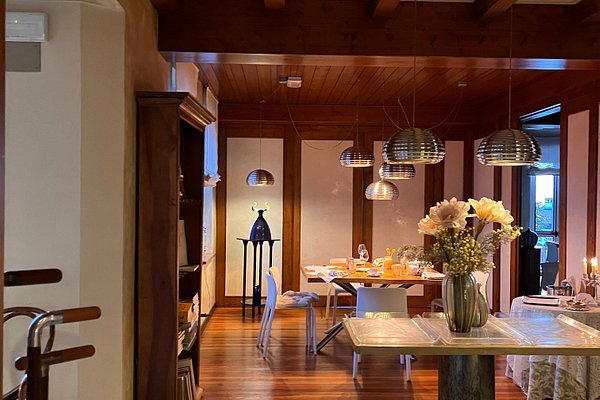
Warm, comfortable, and cozy atmosphere with friendly and informal vibes.