Osha Thai Kitchen & Sushi
Our verdict
Osha Thai Kitchen & Sushi occupies a Main Street address in Holly Springs, NC, where the town's growing dining scene has pushed beyond the expected suburban formats. The menu combines Thai kitchen cooking with a sushi program, placing it in a dual-cuisine category that is increasingly common in mid-size American suburbs. For residents of the Triangle area looking for weeknight range without the drive to Raleigh, it fills a practical gap.

Pearl is the En Primeur Club membership app — saves, bookings, and concierge access live there. Same editors, same standards.
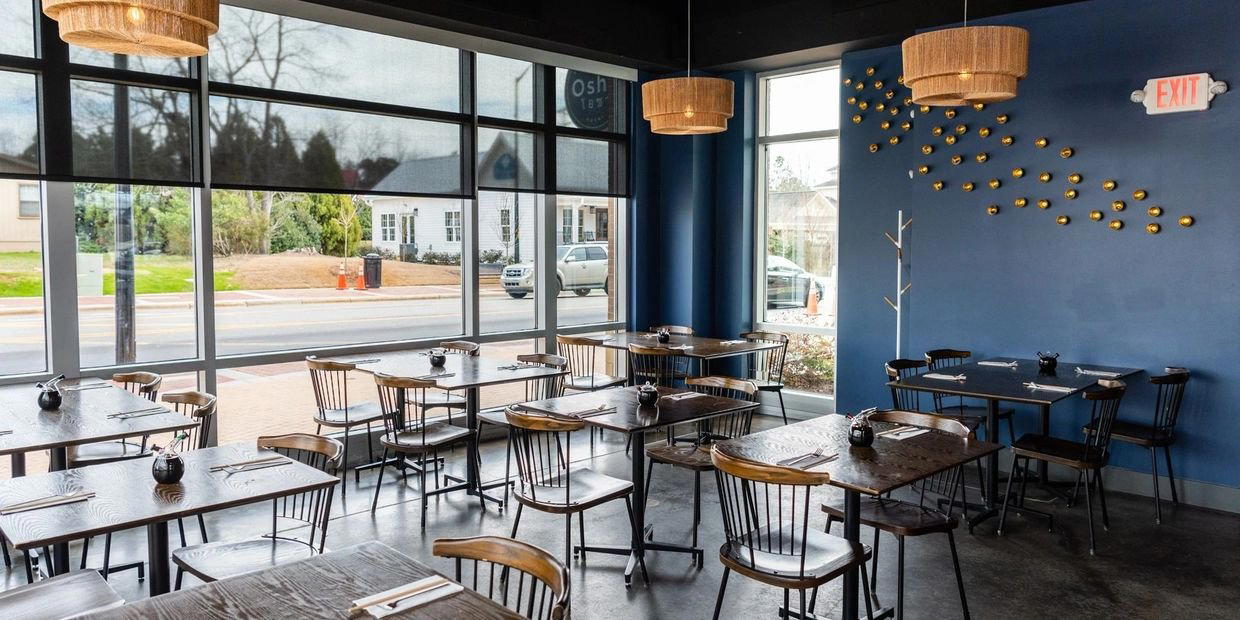
Thai and Japanese Cooking Under One Roof: A Suburban Format With Urban Ambitions
Across the suburban Triangle, a specific restaurant format has taken hold: the dual-concept Thai-sushi house that serves both a full Thai kitchen menu and a Japanese raw bar, often within the same dining room. The logic is direct from a market perspective. Thai and Japanese cooking share a reliance on fresh aromatics, precise knife work, and high-quality fish, which allows a kitchen to run both programs without splitting its supply chain. Osha Thai Kitchen & Sushi, at 242 S Main St in Holly Springs, operates within that format, sitting in a suburb that has added population and dining demand faster than its restaurant supply has kept up.
Holly Springs itself has changed considerably over the past decade. Once a commuter town at the edge of the Triangle, it now registers as a self-sufficient community with residents who expect dining options that do not require a forty-minute drive to Durham or Raleigh. The Main Street corridor where Osha sits has become the de facto anchor for that local dining scene. For a broader map of what else is opening and operating along that stretch, our full Holly Springs restaurants guide tracks the active field. Osha's neighbors on that strip include Bellini Italian Cuisine, which occupies the Italian end of the local casual-to-mid-range spectrum.
What the Ingredient Model Tells You About the Menu
The dual Thai-sushi format lives or dies on ingredient quality, particularly fish. In a kitchen that runs pad Thai alongside a tuna roll program, the sourcing question matters more than in single-cuisine operations: the same fish that goes through a hot wok station might also appear raw at the sushi counter, which demands a tighter cold chain and faster turnover than a pure Thai kitchen requires. Suburban sushi programs in the American Southeast have historically struggled with this, relying on pre-portioned frozen fish distributed through broadline suppliers. The better suburban operators in this tier have moved toward direct relationships with regional seafood distributors, particularly for salmon, yellowtail, and tuna, which are the highest-turnover items at most American sushi counters.
Thai kitchen programs in this format typically source aromatics locally when possible, including galangal, lemongrass, Thai basil, and kaffir lime leaf. The proximity of the Triangle region to North Carolina's agricultural base, which includes both produce farms and coastal seafood landing points, gives restaurants in this market a logistical advantage over similar operations in landlocked metro suburbs. Whether any given restaurant in this tier is actually using that advantage depends on operational choices that vary considerably from kitchen to kitchen.
This kind of sourcing discipline is what separates the format's stronger practitioners from its weaker ones. At the high end of the American sourcing-forward restaurant spectrum, operations like Blue Hill at Stone Barns in Tarrytown and Single Thread Farm in Healdsburg have made ingredient provenance the organizing principle of the entire dining experience. Bacchanalia in Atlanta applies a similar sourcing philosophy within the American South. Those are different price brackets and dining formats entirely, but the underlying principle, that where the food comes from determines what the food can be, applies at every tier.
Placing Osha in Its Competitive Set
The relevant comparison for Osha Thai Kitchen & Sushi is not the omakase counters of New York or the Michelin-recognized tasting menus that define the upper end of the American dining conversation. Le Bernardin in New York City, Atomix in New York City, and The French Laundry in Napa operate in a category defined by chef credentials, multi-year reservation queues, and ingredient programs built around direct farm and fishing-boat relationships. Alinea in Chicago, Lazy Bear in San Francisco, and Providence in Los Angeles occupy similar tiers in their respective cities. Osha operates in a different register entirely: the accessible, neighborhood-anchored, dual-format casual restaurant that serves as a reliable weeknight option for a growing suburb.
The more instructive comparisons are with other dual-concept Thai-sushi restaurants in the Triangle and in similar fast-growing suburban markets in the Southeast, where the format has expanded rapidly over the past several years. In those markets, the differentiators tend to be consistency rather than innovation, and reliability of the fish program rather than menu ambition. Restaurants in this tier that hold their position in a competitive local market typically do so by maintaining ingredient quality above what their price point would suggest, rather than by expanding into more complex cooking.
The Holly Springs Dining Context
Holly Springs is part of a broader pattern across the American Southeast in which suburban growth has outpaced restaurant supply, creating pockets of genuine local demand for formats that would typically require a city address. Similar dynamics have played out in suburban Atlanta, suburban Nashville, and the outer belts of Charlotte. In those markets, dual-concept restaurants that cover multiple cuisine bases within a single visit have performed well, particularly where the competition from specialist single-cuisine operations is still limited.
For residents deciding between a weeknight Thai order and a sushi craving, the dual format resolves the question within a single reservation. That is the practical logic of the Osha model, and it is a logic that has worked in comparable suburban markets across the region. Further afield, the diversity of the American dining scene in mid-size and secondary cities is tracked across the EP Club network: see Frasca Food & Wine in Boulder, Causa in Washington, D.C., Brutø in Denver, Addison in San Diego, The Inn at Little Washington in Washington, and Emeril's in New Orleans for the broader range of what serious American regional dining looks like at multiple price points. 8 1/2 Otto e Mezzo Bombana in Hong Kong illustrates what the dual-influence model looks like when resources and market depth allow it to operate at the top of the market.
Planning a Visit
Osha Thai Kitchen & Sushi is at 242 S Main St, Suite 100, in Holly Springs, NC 27540, positioned along the main commercial corridor that anchors the town's walkable dining options. The Main Street location makes it accessible from central Holly Springs without requiring a car once you are in the downtown area. For a first visit, the dual-menu format suggests ordering across both programs to assess which side of the kitchen is operating at the higher level on a given night.
Frequently asked questions
Is Osha Thai Kitchen & Sushi suitable for children?
The dual Thai-sushi format at 242 S Main St lends itself to family visits — Thai staples like pad Thai sit alongside accessible sushi rolls, giving younger diners familiar options. The suburban Holly Springs setting and suite-style layout suggest a casual, low-pressure environment rather than a formal dining room.
What kind of setting is Osha Thai Kitchen & Sushi?
Osha occupies Suite 100 at 242 S Main St along Holly Springs' main commercial corridor, placing it in the kind of strip-adjacent suburban format common across the Triangle. The space runs a full Thai kitchen alongside a sushi program, which shapes the room toward everyday dining rather than occasion-only visits.
How does Osha Thai Kitchen & Sushi fit into the Holly Springs restaurant scene?
Holly Springs sits inside a pattern of suburban Triangle growth where incoming residents have outpaced local restaurant supply, making a dual-concept Thai-sushi kitchen at 242 S Main St a practical and appealing offer. Osha's format — covering both cooked Thai dishes and a sushi menu — addresses a range of occasions that a single-cuisine restaurant in the same footprint could not. That breadth is the relevant competitive position here, not comparison to urban omakase counters or Michelin-recognized tasting menus.
What do people recommend at Osha Thai Kitchen & Sushi?
Because the kitchen runs both a Thai menu and a sushi program, the crowd tends to split between the cooked Thai dishes and the roll selection. In dual-concept houses like this, the Thai kitchen items — curries, noodle dishes — typically draw repeat visitors, while the sushi side handles the broader appeal.
How do I find Osha Thai Kitchen & Sushi?
Osha Thai Kitchen & Sushi is located at 242 S Main St Suite 100, Holly Springs, NC 27540, Holly Springs.
Do they take walk-ins at Osha Thai Kitchen & Sushi?
Walk-in availability at Osha Thai Kitchen & Sushi in Holly Springs is not confirmed in current documentation, so contacting them directly before visiting is advisable. The Holly Springs dining corridor has seen growing demand as suburban growth in the area continues to outpace restaurant supply.
What is Osha Thai Kitchen & Sushi known for?
Osha Thai Kitchen & Sushi is known for running both a Thai kitchen and a sushi program under a single roof — a format that has gained traction across the suburban Triangle in North Carolina. That combination gives it broader menu range than a single-concept restaurant, with Holly Springs residents drawing on both sides of the menu.
A Quick Peer Check
Comparable venues nearby, for context on price, style, and recognition.
| Venue | Cuisine | Price | Notes |
|---|---|---|---|
| Osha Thai Kitchen & SushiThis venue (the venue you are viewing) | Thai & Sushi | $20–30 | Not listed |
| Bellini Italian Cuisine | Authentic Italian Trattoria | $20–30 | Holly Springs |
| SAAP | Authentic Laotian Cuisine | $30–50 | Downtown Cary |
| Thai House - Cotswold | Authentic Thai Cuisine | $20–30 | Cotswold |
| Khao Sen | Authentic Homestyle Thai | $20–30 | Bengal Towne Center |
| Zayka Indian Cuisine | Authentic Punjabi Northern Indian | $20–30 | North Raleigh |
Osha Thai Kitchen & Sushi
Featured Guides
Continue exploring
More in Holly Springs
Restaurants in Holly Springs
All restaurants in Holly Springs →


Details
- Modern
- Lively
- Family
- Casual Hangout
- Craft Cocktails
- Sake Program
- Street Scene
- A La Carte
- Craft Cocktails
- Sake
- Vegetarian Friendly
- Vegan Options
Current opening hours
- Monday
- Closed
- Tuesday
- 11:30 AM–3 PM, 4:30–9 PM
- Wednesday
- 11:30 AM–3 PM, 4:30–9 PM
- Thursday
- 11:30 AM–3 PM, 4:30–9 PM
- Friday
- 11:30 AM–3 PM, 4:30–10 PM
- Saturday
- 11:30 AM–3 PM, 4:30–10 PM
- Sunday
- 11:30 AM–9 PM
Hours can change for holidays and private events. Last verified .
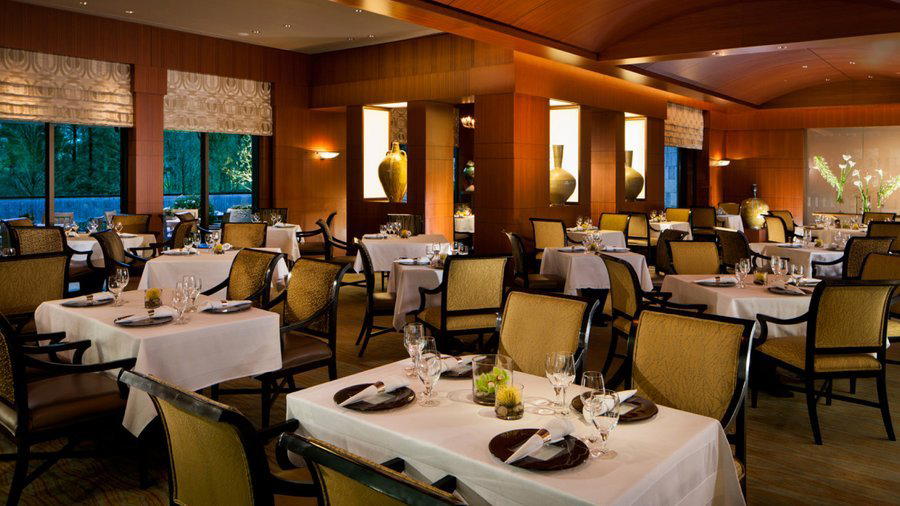
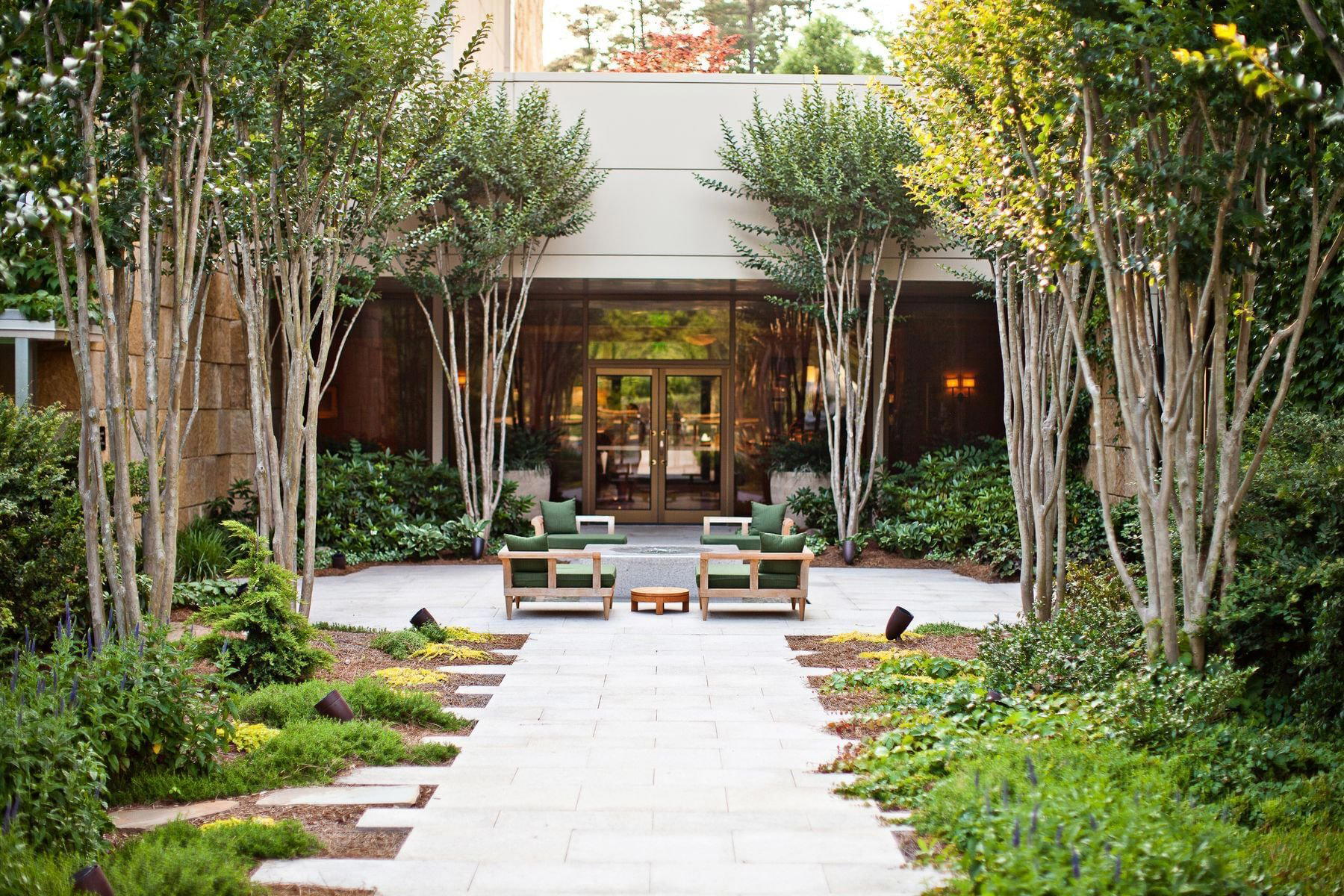
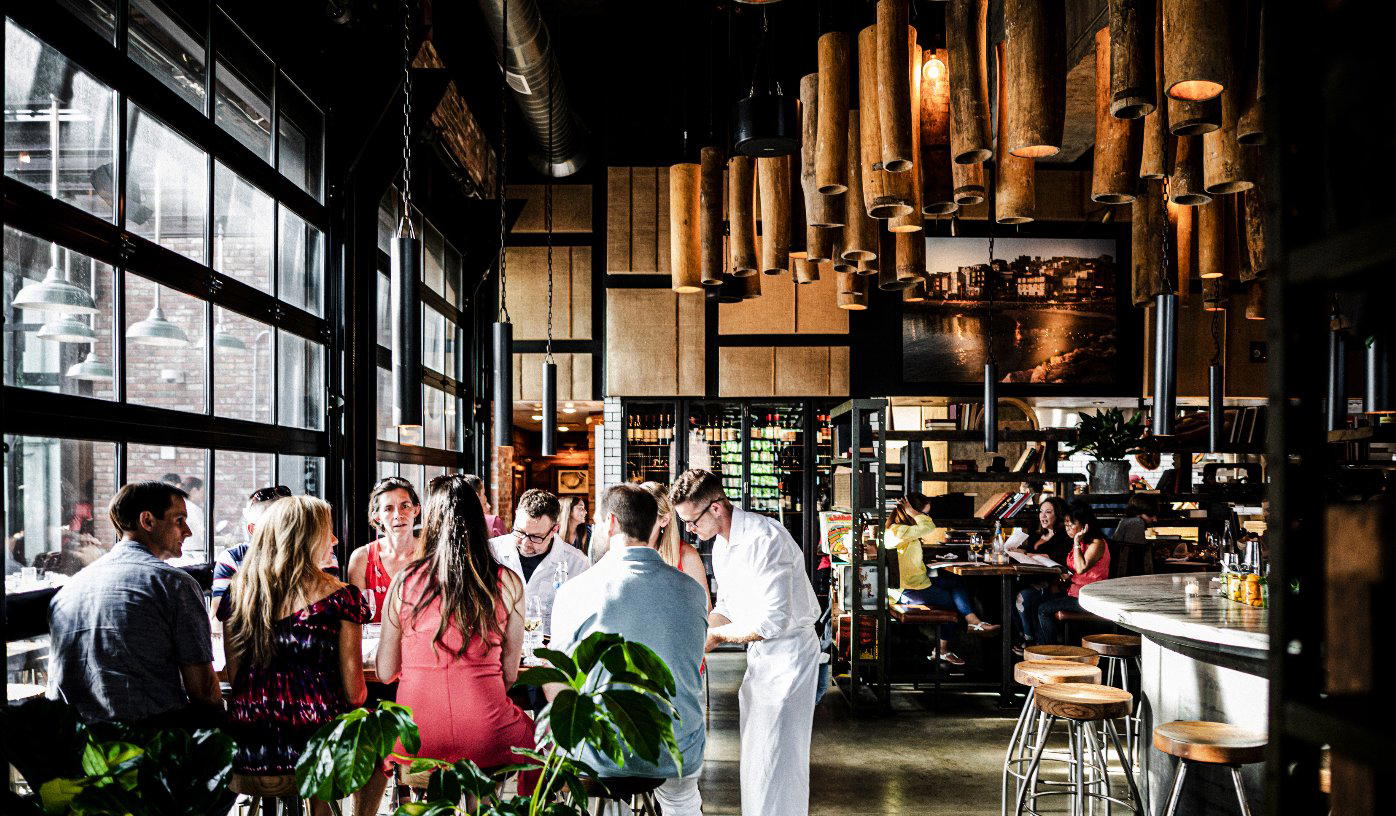
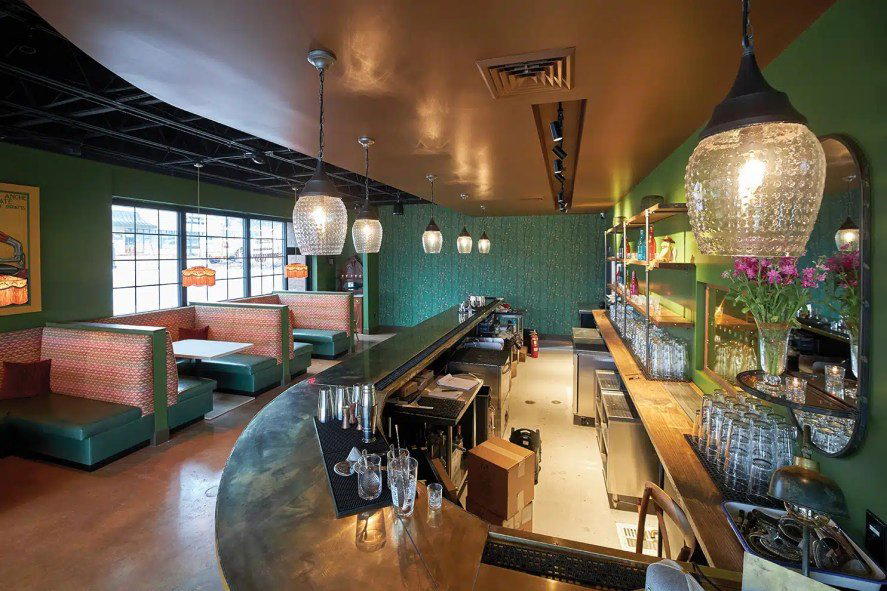
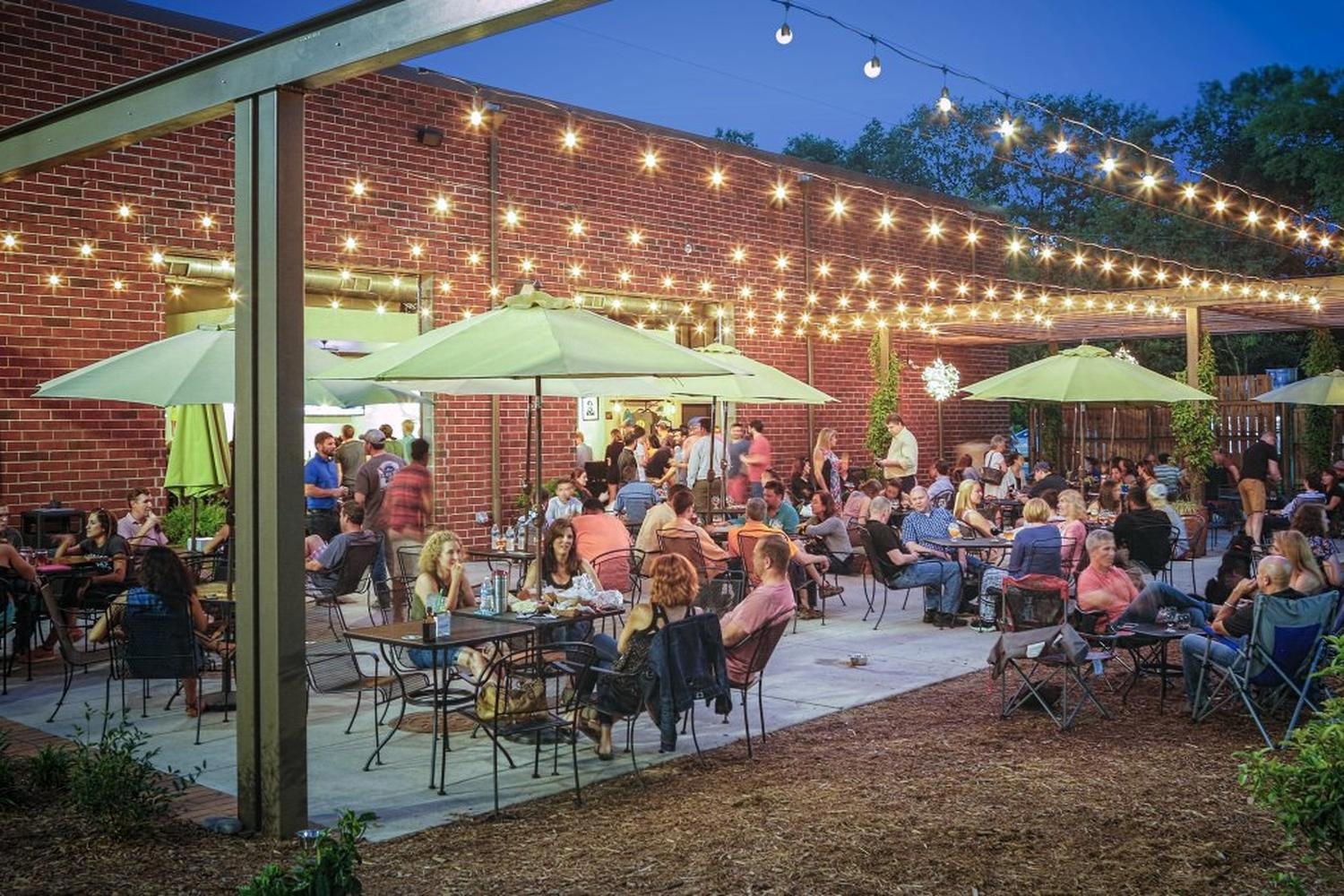
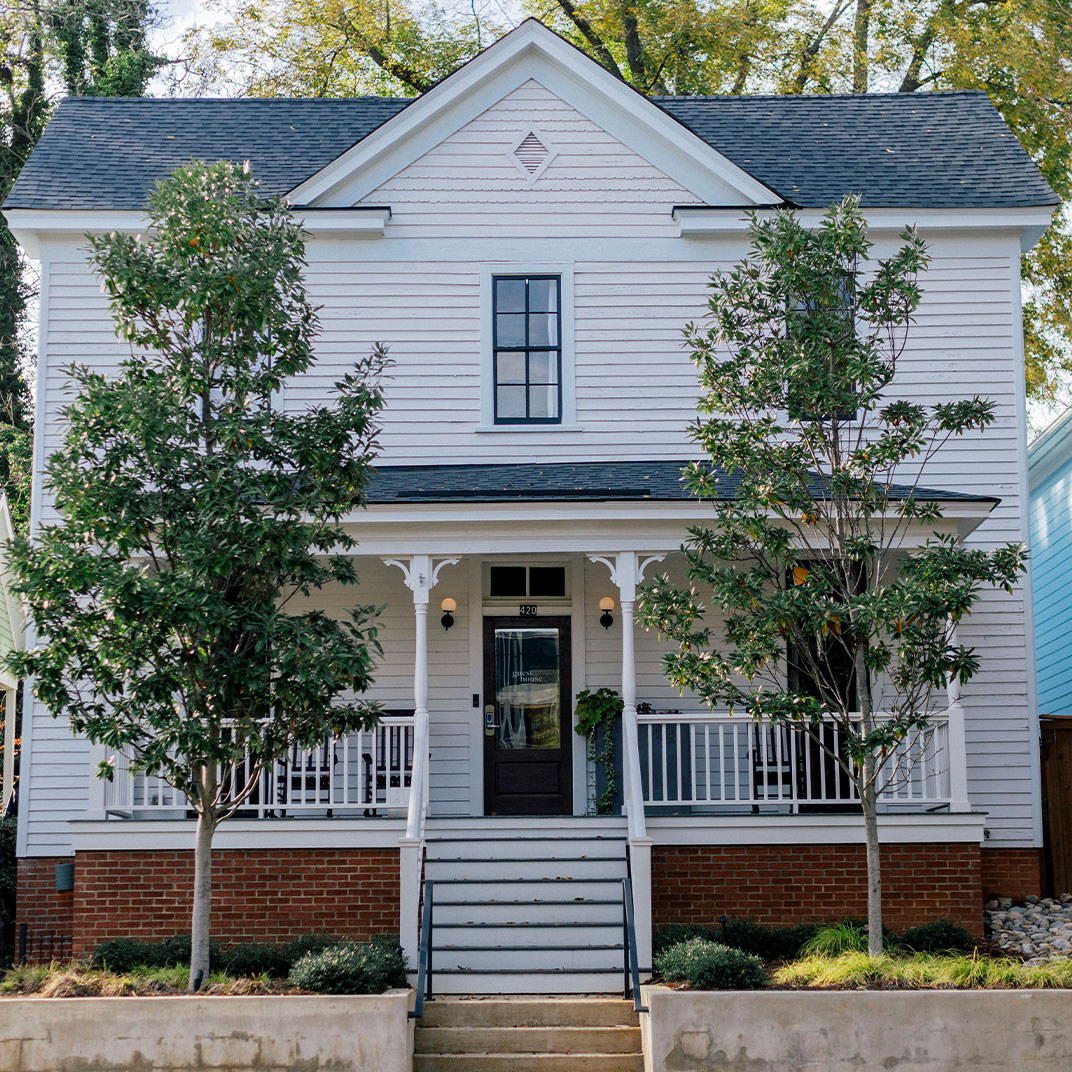
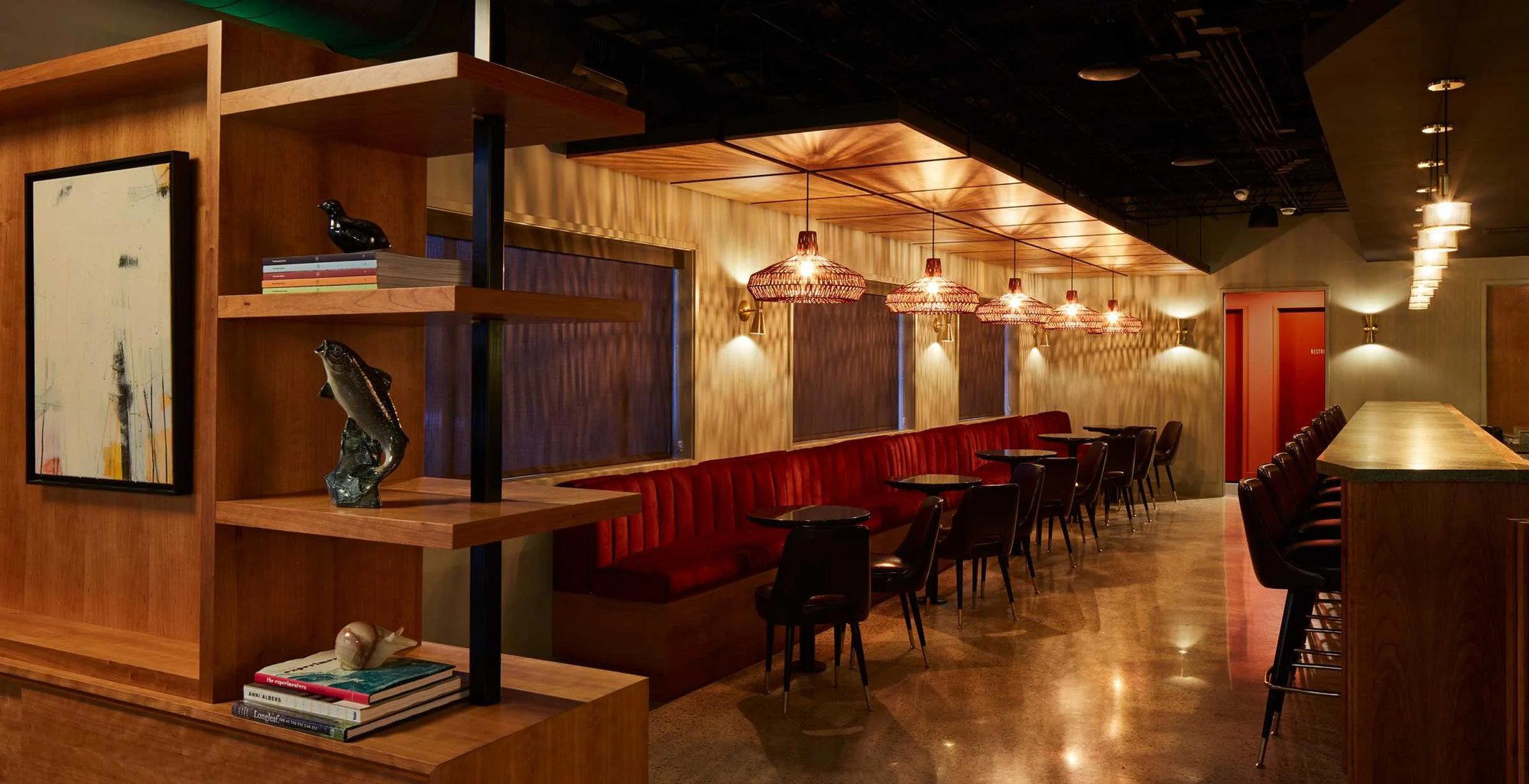
Modern and welcoming with busy dining room and fountain-lit patio.