Osaka Nikkei
Our verdict
Osaka Nikkei brings the Peruvian-Japanese culinary tradition to Chicago's West Loop, translating a cuisine born from a century of Japanese immigration to South America into a format suited to the city's communal dining culture. The address at 1101 W Lake St places it squarely in one of Chicago's most competitive restaurant corridors, where the Nikkei concept earns its place through specificity rather than novelty.

Pearl is the En Primeur Club membership app, where members save venues, book tables and use the concierge.
The menu
What to order
- Octopus tiraditos
- Wagyu nigiri
- Seabass misoyaki
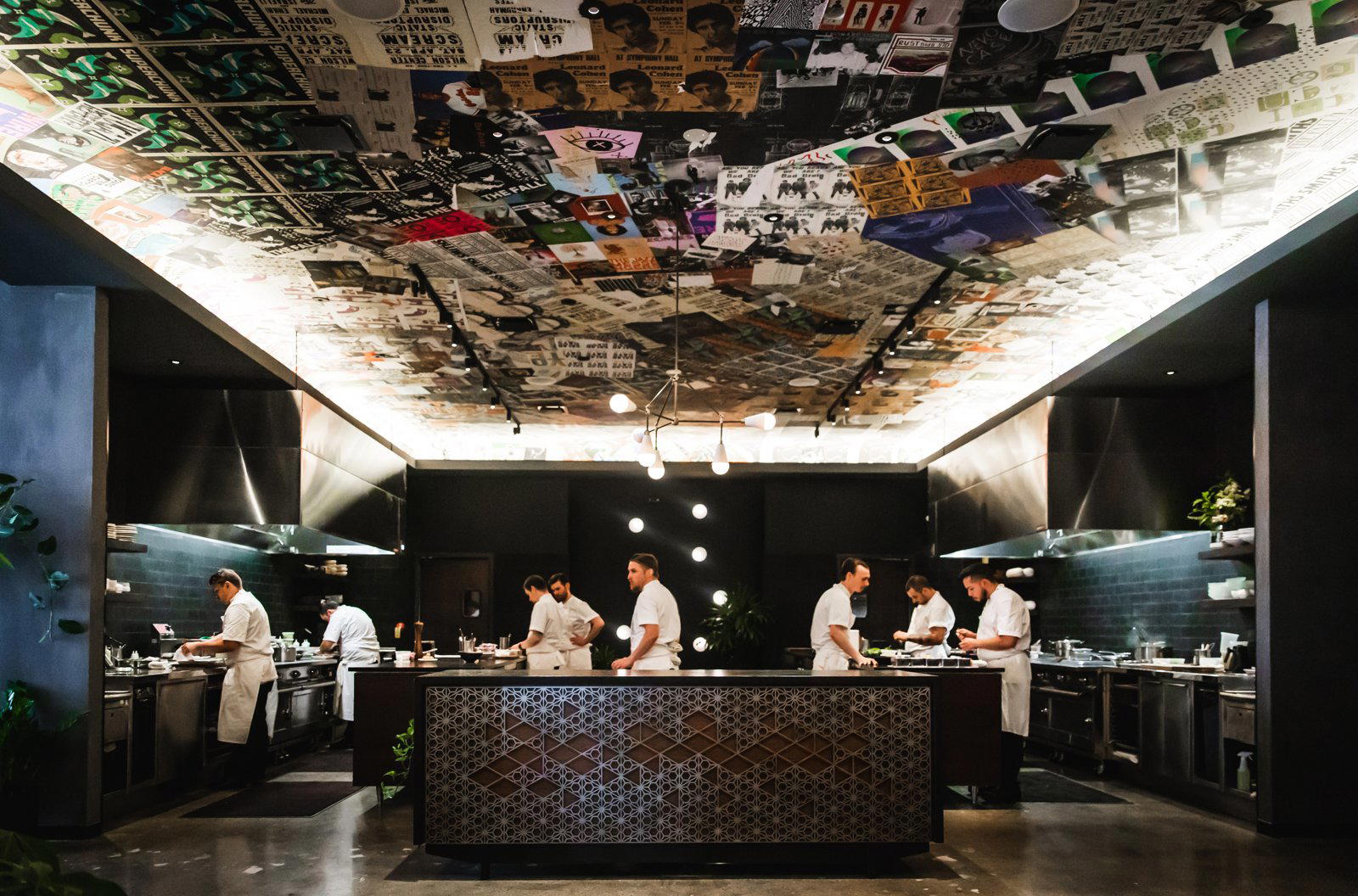
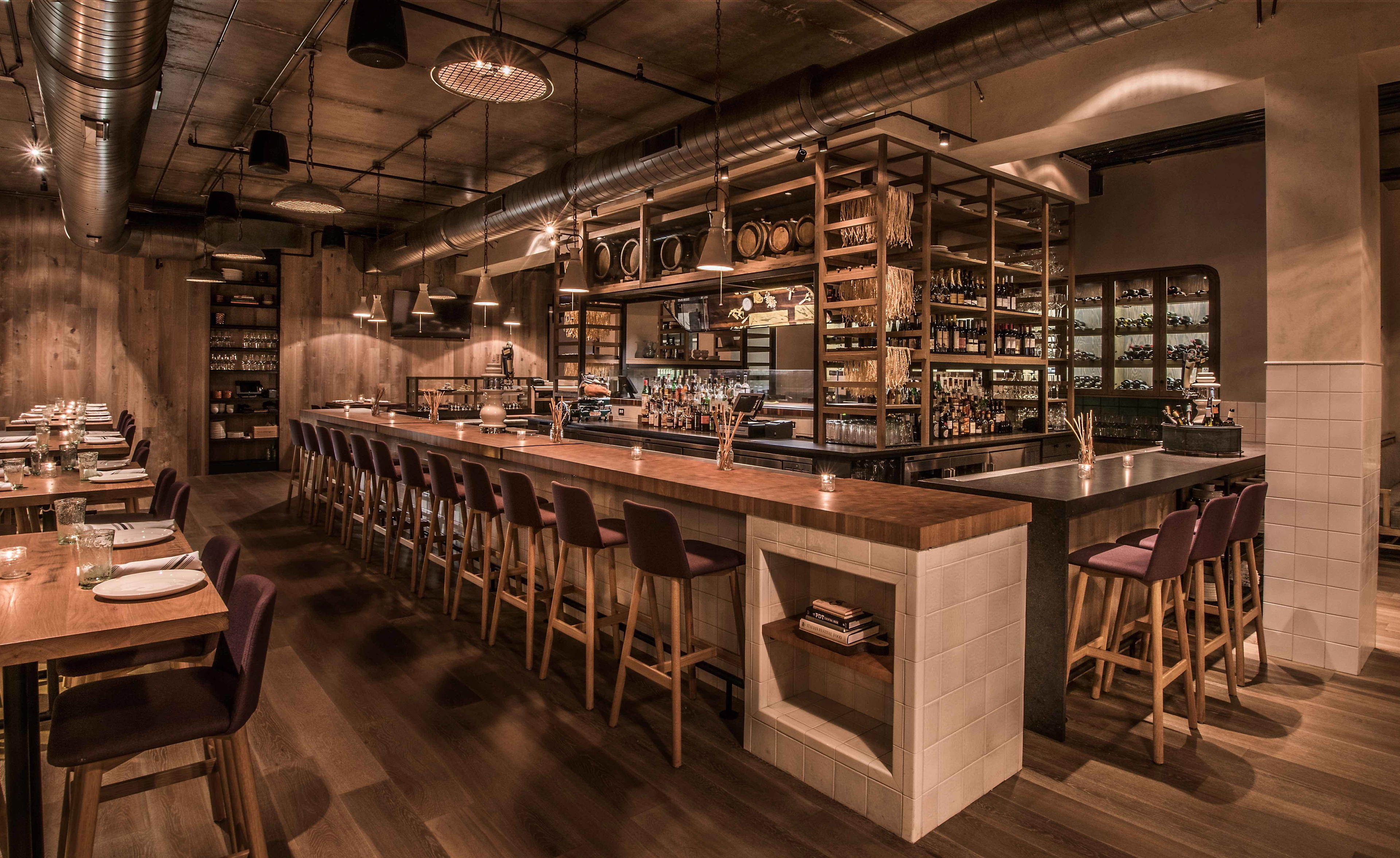
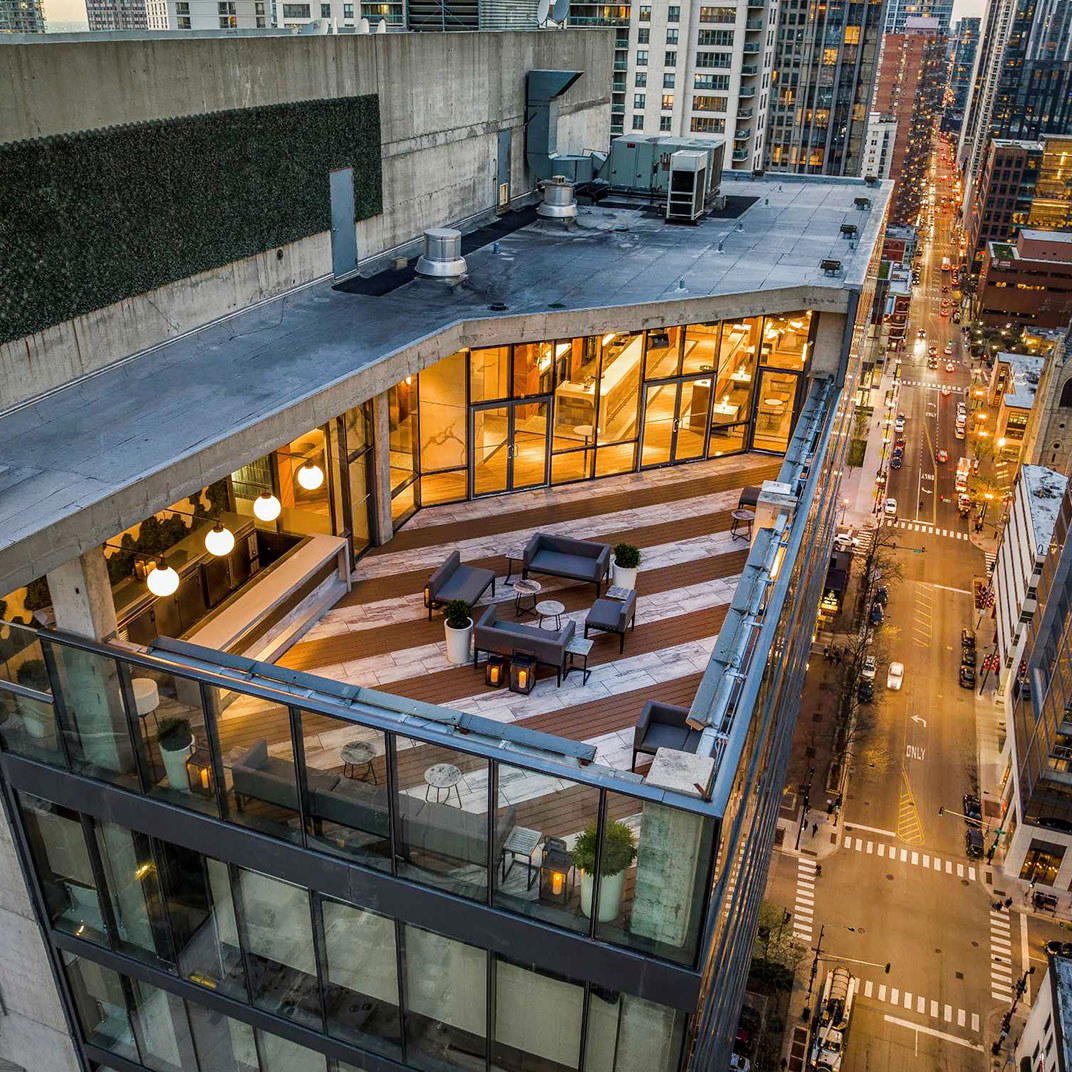
Walk west along Lake Street into the West Loop on a Thursday evening and you read the neighbourhood by its light and noise: open kitchens throwing heat through glass, bar counters filling before seven, the particular ambient din of a dining district that has absorbed several cycles of hype and settled into something more durable. Osaka Nikkei sits inside that corridor at 1101 W Lake St, and the address alone signals intent. This is not a neighbourhood where a restaurant survives on concept alone.
A Cuisine With a Century Behind It
Nikkei cooking, the fusion tradition born from Japanese immigration to Peru beginning in the 1890s, has spent most of its history overlooked outside of Lima and Tokyo. That changed as chefs in both cities began treating it as a serious culinary category rather than a curio, and by the mid-2010s restaurants in London, New York, and eventually Chicago were building menus around its logic: Japanese technique applied to South American ingredients, or Peruvian seasoning frameworks applied to Japanese proteins and preparations. The result is a cuisine defined by productive tension rather than compromise. Tiradito is not sashimi and not ceviche; it occupies its own formal territory. The same applies across the menu wherever the two traditions meet.
Chicago has developed an appetite for this kind of category-specific cooking. The city's most-discussed restaurants in recent years, from Kasama in Ukrainian Village to Oriole in the West Loop itself, have built their identities around coherent culinary traditions rather than broad American eclecticism. Nikkei fits that direction. It is specific enough to reward attention and flexible enough to sustain a full menu across proteins, vegetables, and fermented elements without losing its logic.
The Izakaya Register
The most useful frame for Osaka Nikkei is not the tasting-menu counter or the formal dining room but the izakaya tradition: a social eating format built around sharing, sequencing, and the relationship between food and drink. Japanese izakayas have always been places where the meal is a pretext for extended company, where dishes arrive according to the kitchen's rhythm rather than a fixed structure, and where the drink program earns equal status to the food. That format transplants well to the Nikkei context because Peruvian drinking culture, anchored to pisco-based cocktails and the social ritual around them, shares similar values. Neither tradition treats the meal as a performance to be observed from a fixed position.
In a city where the dominant fine-dining conversation runs through tasting-menu heavyweights like Alinea, Smyth, and Next Restaurant, Osaka Nikkei occupies a different register. It is not competing for the choreographed evening market. The communal, izakaya-inflected format asks something different of the table: a willingness to order across multiple courses, to share, to return. That positions it closer to the social dining model than the event dining model, which in practice means a more forgiving and more repeatable experience.
West Loop Context
The West Loop has absorbed more restaurant openings per block than almost any other Chicago neighbourhood over the past decade, and the market has been brutal in separating sustained concepts from trend-dependent ones. That competitive pressure is relevant context for any new entry in the area.
For a full picture of what else the neighbourhood and the city offer, EP Club's Chicago restaurants guide covers the broader dining scene across price tiers and neighbourhoods. The Chicago bars guide, hotels guide, wineries guide, and experiences guide round out the city's premium offer for visitors planning a longer stay.
Nikkei in a Global Context
The Nikkei category has earned serious attention at the international level. Restaurants building on this tradition in Lima and Tokyo have accumulated significant critical recognition, and the format has expanded into major dining cities including London and New York. For reference points in other American cities, Le Bernardin in New York City and Providence in Los Angeles represent how serious seafood-forward cooking gets positioned in major markets, while Lazy Bear in San Francisco and Single Thread Farm in Healdsburg illustrate the West Coast's appetite for format-disciplined, produce-driven restaurants. Internationally, the cross-cultural precision on display at 8 1/2 Otto e Mezzo Bombana in Hong Kong or Alain Ducasse's Louis XV in Monte Carlo offers a sense of how cuisine-specific identity operates at its most refined. Nikkei sits in a different tradition from all of these, but the competitive standard the category aspires to is set by that kind of precision.
Closer to home in Chicago's own progressive dining tier, Kasama's approach to Filipino cooking and Smyth's commitment to ingredient-led American cuisine both demonstrate that the city's dining public responds to specificity and culinary conviction. Emeril's in New Orleans and The French Laundry in Napa represent how established American restaurants have built lasting reputations on culinary identity rather than novelty, a relevant model for any newer concept finding its footing.
Planning Your Visit
Osaka Nikkei is located at 1101 W Lake St in Chicago's West Loop. The neighbourhood is well-served by the CTA Green and Pink lines at Morgan Station, placing the restaurant within a short walk of the transit stop. As with most West Loop restaurants operating in the communal-dining format, arrival closer to opening is advisable for securing preferred seating without a long wait. For the most current booking information, hours, and menu details, checking the restaurant directly is the most reliable approach, as these details are subject to change in the months following an opening.
Frequently asked questions
Is Osaka Nikkei good for families?
The izakaya format at Osaka Nikkei is built around shared plates and a social eating pace, which suits groups of mixed ages better than a tasting-menu counter would. Families with older children who are open to Peruvian-Japanese flavour combinations will find the format accommodating. The West Loop location at 1101 W Lake St is accessible via the CTA Green and Pink lines at Morgan Station, which removes parking pressure for multi-person groups.
What is the atmosphere like at Osaka Nikkei?
Osaka Nikkei operates on the izakaya register: a format designed for sharing, ordering across multiple rounds, and extended table time rather than a structured progression of courses. The West Loop address on Lake Street places it in one of Chicago's densest concentrations of restaurant openings over the past decade, so the surrounding streetscape runs active on most evenings. Expect a convivial, mid-volume room rather than the hushed precision of a formal Nikkei counter.
What makes Osaka Nikkei different from other Japanese restaurants in Chicago?
Osaka Nikkei operates in the Nikkei category, which is distinct from both standard Japanese and Peruvian cooking: it reflects the culinary tradition that developed after Japanese immigration to Peru beginning in the 1890s, producing a cuisine that merges Japanese precision with Peruvian produce and seasoning logic. Most Japanese restaurants in Chicago work within sushi, ramen, or izakaya formats without this South American culinary thread. That cross-continental heritage makes Osaka Nikkei one of the few Chicago addresses representing this specific tradition.
What dish is Osaka Nikkei famous for?
What is clear from the restaurant's Nikkei positioning is that the cooking draws on a tradition where Japanese technique meets Peruvian ingredients, a combination that has produced dishes like tiradito and causa at other Nikkei restaurants globally. For confirmed current menu details, checking directly with the restaurant at 1101 W Lake St is the reliable path.
Where the Accolades Land
Comparable venues nearby, for context on price, style, and recognition.
| Venue | Cuisine | Price | Awards | Notes |
|---|---|---|---|---|
| Osaka NikkeiThis venue (the venue you are viewing) | Peruvian-Japanese Nikkei | Not listed | Not listed | Not listed |
| Kayao | Peruvian-Asian Fusion | Not listed | Not listed | Old Town |
| Casa Chi | Nikkei (Japanese-Peruvian Fusion) | $50–100 | Not listed | Magnificent Mile |
| Nic + Junior's | Italian-Brazilian Fusion | Not listed | James Beard Award Semi Finalist | River North |
| Class Act | Avant-Garde Fusion Tasting Menu | Not listed | James Beard Award Semi Finalist · Wine Spectator Award of Excellence | Bucktown |
| Butcher and the Bear | Modern Steakhouse Speakeasy | Not listed | Not listed | Lincoln Park |