Oru
Our verdict
On the edge of the Heights, Oru occupies a deliberate position within Houston's upscale Japanese dining scene, where sashimi precision and omakase-influenced pacing replace the speed of the city's more casual sushi corridors. The kitchen works within a tradition that prizes ingredient quality and timing above novelty. For those tracking where Houston's Japanese dining has moved in recent years, Oru is part of that conversation.

Pearl is the En Primeur Club membership app — saves, bookings, and concierge access live there. Same editors, same standards.
- Address
- 746 W 24th St, Houston, TX 77008
- Phone
- (281) 974-5170
- Hours
- Mon ClosedTue–Thu 4–10 PMFri–Sat 4–11 PMSun Closed
- Website
- commahospitality.com
- Directions
- Get directions
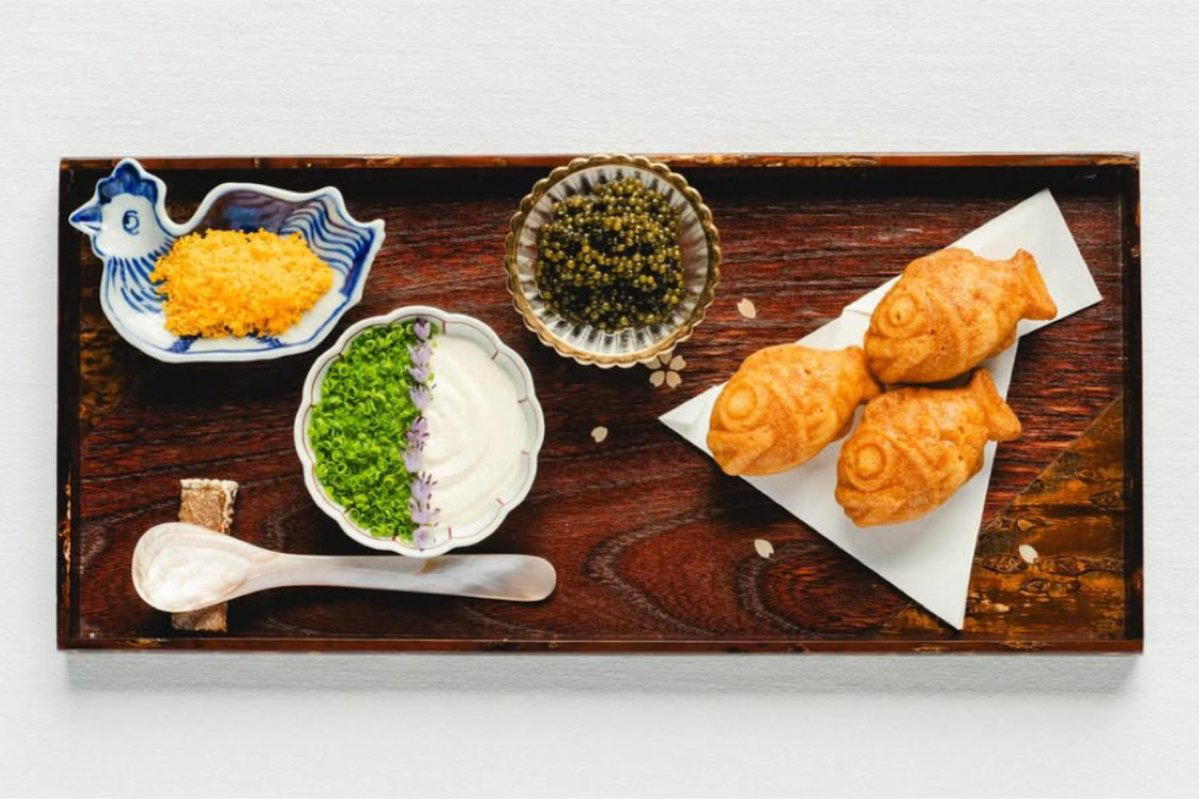
The menu
What to order
- Trout nigiri with creme fraiche and chives
- Caviar service with taiyaki
- Pistachio coulant
The Heights neighbourhood in Houston has changed its dining register significantly over the past decade, shifting from a corridor of neighbourhood staples into a stretch that now includes kitchens working at serious levels of technical ambition. At 746 West 24th Street, Oru sits within that movement, operating as an upscale Japanese address where the organizing principle is the meal's architecture rather than its individual components. The room arrives before the food does, as it should in this format: the approach, the threshold, the transition from the street's ambient heat into something quieter and more deliberate all set the terms for what follows.
The Ritual Logic of Japanese Dining in Houston
Across American cities, Japanese dining has split into two legible tiers. The first is high-volume, where speed and turnover define the experience. The second, smaller tier is pacing-led: courses arrive with intervals, cuts are presented rather than stacked, and the relationship between diner and kitchen has a choreography to it. Houston has developed a genuine version of this second tier, with omakase and sashimi-forward formats accumulating a following among diners who have moved past the novelty and now attend to the details. Oru belongs to this pacing-led cohort.
The Japanese dining tradition that Oru draws from is not a recent American invention. Kaiseki and omakase formats have a structural logic rooted in agricultural seasonality, ingredient scarcity, and the idea that a meal should mark the passage of time rather than compress it. When that tradition migrates, the leading versions retain the intentionality even if they adapt the ingredients and the setting. In Houston's case, the city's proximity to Gulf Coast seafood and its cosmopolitan sourcing infrastructure give kitchens working in this idiom real material to work with, beyond what fly-in fish alone could provide.
Where Oru Sits in Houston's Upscale Japanese Scene
Houston's upscale Japanese options now form a small but distinct peer group. Hidden Omakase operates at the counter-only, multi-course format with pricing at the top of the market. Oru's cuisine type, described as Japanese with sashimi and omakase influences, positions it within that same general orbit without being an identical format. The distinction matters: a kitchen that draws on omakase principles without committing to a single fixed counter progression has more flexibility in how it paces and composes a meal, though it also requires more editorial discipline from the kitchen to hold the experience together.
For comparative orientation: Houston's top-tier Japanese addresses compete on sourcing, technique, and service tempo rather than on novelty of concept. Diners who move between this category and the city's other serious kitchens, such as March in its Venetian framework or Musaafer's refined Indian format, recognise that these rooms share a common approach to hospitality even across very different culinary traditions. The pacing is deliberate, the service is attentive without being intrusive, and the meal is framed as an event rather than a transaction. BCN Taste and Tradition and Le Jardinier Houston operate from very different culinary traditions, but their dining room logic is recognizably similar.
Sashimi as a Discipline, Not a Category
In omakase-influenced formats, sashimi is not a starter or a section of a menu. It is a demonstration of the kitchen's sourcing and knife work, presented at the moment in the meal when the palate is clearest. The cut, the temperature of the fish, the ceramic it arrives on, and the interval before the next course are all load-bearing elements. Restaurants that treat sashimi as mere raw fish miss the point; those that understand it as a form of editing, where the selection of species, the thickness of the slice, and the accompaniment each carry meaning, are operating in a different register entirely.
Nationally, this discipline sits at the core of counters like Atomix in New York City, which applies similar principles of intentional pacing and presentation to Korean fine dining. The framework is shared even when the culinary tradition is different: the belief that each course should be worth stopping for, that the meal's rhythm is as important as any single dish. For readers familiar with Single Thread Farm in Healdsburg or Lazy Bear in San Francisco, the editorial disposition at Oru will feel recognizable, even if the ingredient set and price register differ.
The Heights Context
The 77008 zip code, which covers much of the Heights, has a density of serious dining addresses that would have seemed unlikely fifteen years ago. The neighbourhood's residential character keeps the street-level energy lower than Midtown or downtown corridors, which works in favour of formats that require quiet and attention. A kitchen like Oru's benefits from being in a setting where diners arrive with purpose rather than wandering in from a bar strip. The surrounding streets have enough other food destinations to make an evening in the area a full itinerary, but Oru's format is self-contained enough that it does not depend on what comes before or after.
For those building a broader Houston itinerary, the city's drinking culture has developed in parallel with its dining ambitions. EP Club's full Houston bars guide maps that progression, and the full Houston restaurants guide places Oru within the wider field of options across price points and culinary traditions. The full Houston hotels guide covers accommodation options for those arriving from outside the city.
How Oru Compares to the National Omakase Tier
Nationally, the omakase format has stratified. Counters in New York and Los Angeles with Michelin recognition and years-long waitlists set the ceiling for the category. Le Bernardin in New York City represents what sustained critical consensus looks like for a seafood-forward kitchen operating at the top of its market. Houston's omakase-influenced tier, of which Oru is a part, operates below that national ceiling but above the city's casual sushi volume, in a band where technique and sourcing are serious but the formality and price are calibrated for a market that is still developing its appetite for full counter-only formats.
This positioning is not a limitation. Cities like New Orleans, where Emeril's helped establish a template for serious dining that was not simply importing New York or Paris, show that regional fine dining markets develop their own logic over time. Houston is doing the same. Kitchens like Oru are part of the infrastructure that makes that development possible. For reference points at the technical ceiling of the national market, The French Laundry in Napa and Alinea in Chicago represent what sustained investment in precision looks like over decades. Oru's framing is different in scale and format, but the underlying orientation toward intentional dining is shared. Alain Ducasse at Louis XV in Monte Carlo and Tatemó in Houston are also useful reference points for understanding how the discipline of a cuisine tradition shapes a room's identity, regardless of geography.
Planning a Visit
Oru is located at 746 West 24th Street in the Heights, a neighbourhood most easily reached by car or rideshare from central Houston. Given the format and the deliberate pacing of the meal, reservations are the appropriate approach; walk-in availability at omakase-influenced addresses in this tier is rarely reliable, and the experience is designed around an arrival that is expected. Diners should allow a full evening rather than a compressed window. Those building a broader Houston experience across wine and cultural programming will find the Heights a workable base for that kind of itinerary.
Frequently asked questions
What's Oru's location?
Oru is located at 746 W 24th St, Houston, TX 77008, Houston.
How does Oru's omakase-influenced format differ from a traditional omakase counter in Houston?
Oru sits at 746 W 24th Street in Houston's Heights and operates with an omakase-influenced approach rather than a strict counter-only, multi-course omakase format. That distinction matters: the kitchen applies the sequencing logic and sourcing discipline of omakase without necessarily locking guests into a single fixed progression at a chef's counter. Within Houston's upscale Japanese peer group, which includes counter-only operations with set multi-course pricing, Oru's format offers a closer read on Japanese dining traditions while remaining more accessible in structure for guests new to the format.
What do regulars order at Oru?
Oru's format is organized around sashimi precision and omakase-influenced sequencing, so the kitchen's selection of cuts carries more weight than any individual dish request. Regulars generally surrender to that structure, letting the progression of fish and preparation do its work rather than arriving with a fixed order in mind. The discipline is in the sourcing and knife work, which means the most-returned diners are those who trust the kitchen's sequence rather than redirect it.
Where the Accolades Land
Comparable venues nearby, for context on price, style, and recognition.
| Venue | Cuisine | Price | Notes |
|---|---|---|---|
| OruThis venue — the venue you are viewing | Modern Japanese A La Carte Sushi | Not listed | Not listed |
| Kata Robata | Modern Japanese Robata and Sushi | $50–100 | Upper Kirby |
| Aburi Sushi | Modern Aburi Sushi | $50–100 | Upper Kirby |
| Aiko | Modern Japanese Omakase | $30–50 | Neartown |
| KA Sushi | Modern Japanese Sushi | $30–50 | Greater Heights |
| Hachi | Fine Dining Omakase Sushi | $100–150 | Galleria |
Continue exploring
More in Houston
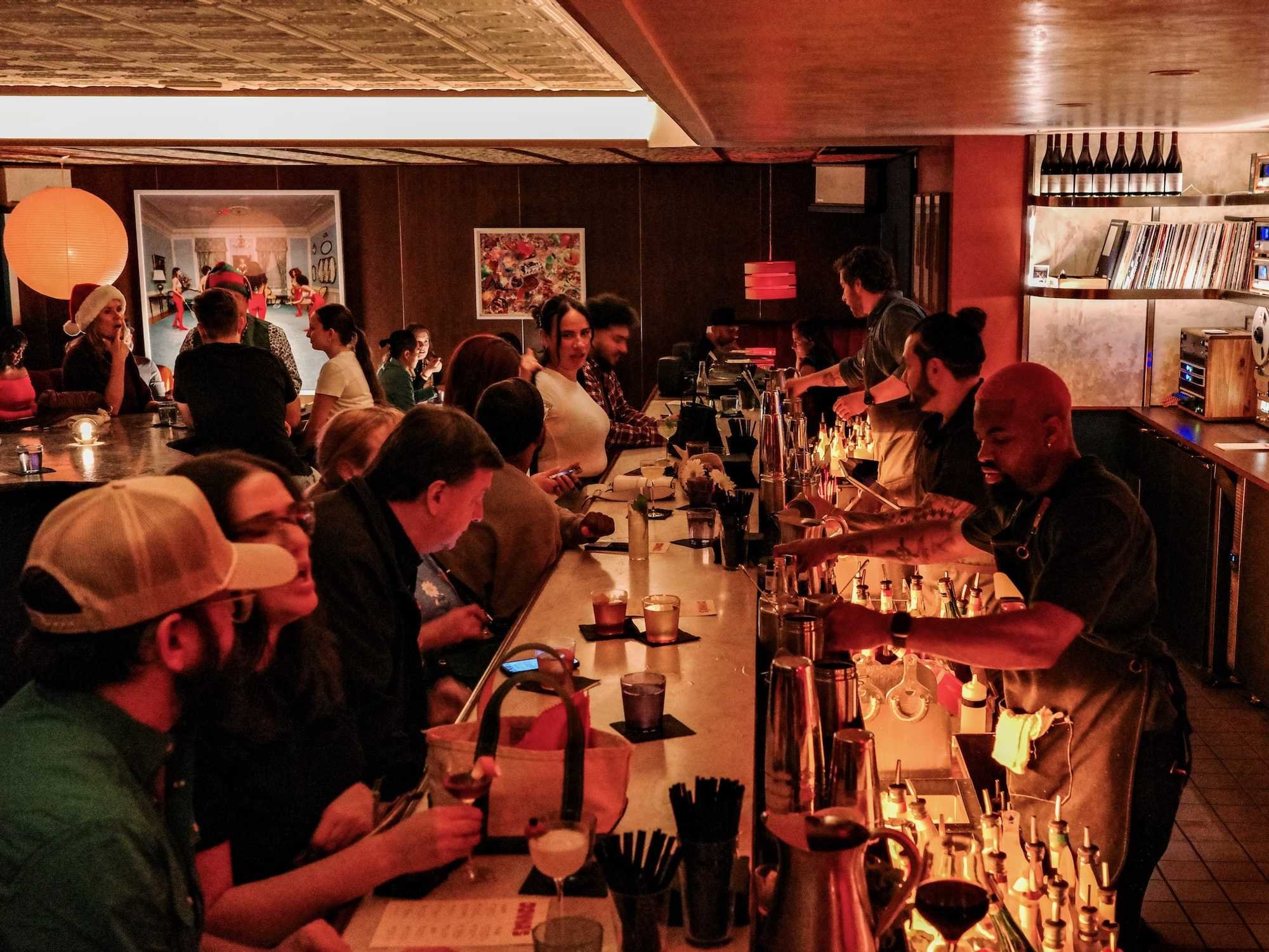
Restaurants in Houston
Browse all →
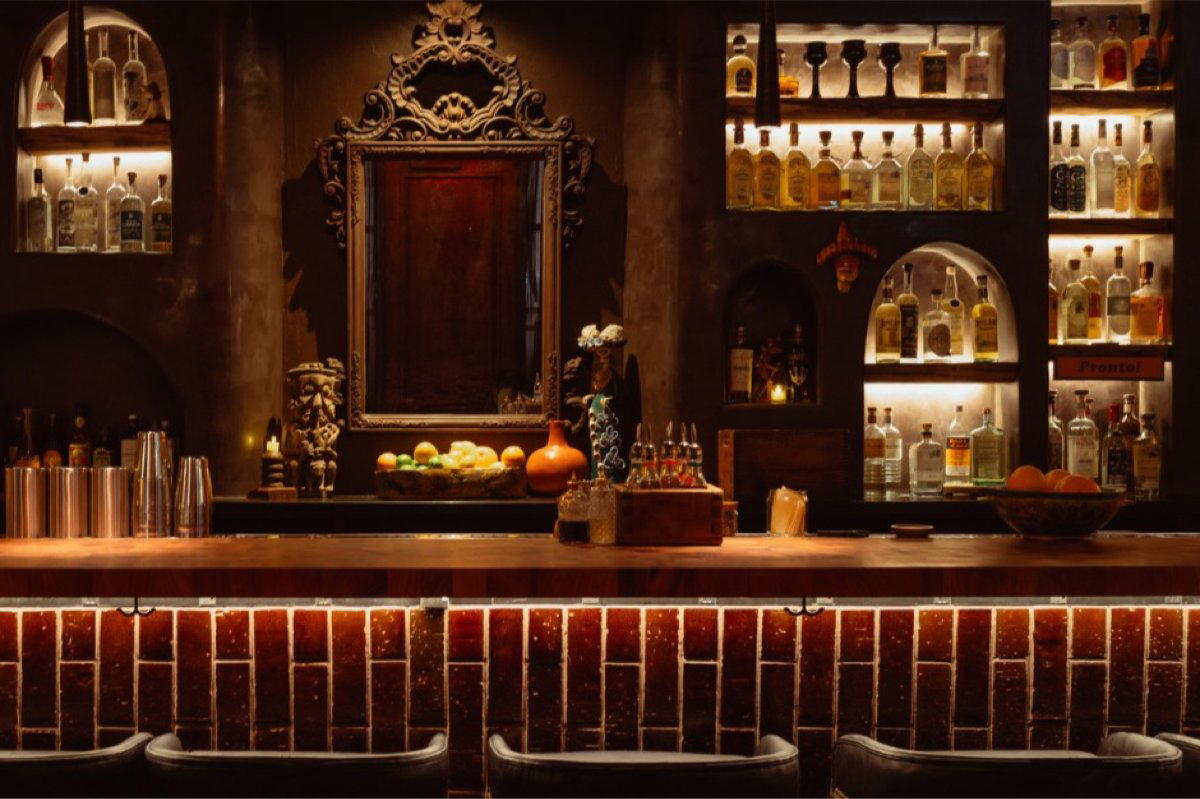
Bars in Houston
Browse all →
Hotels in Houston
Browse all →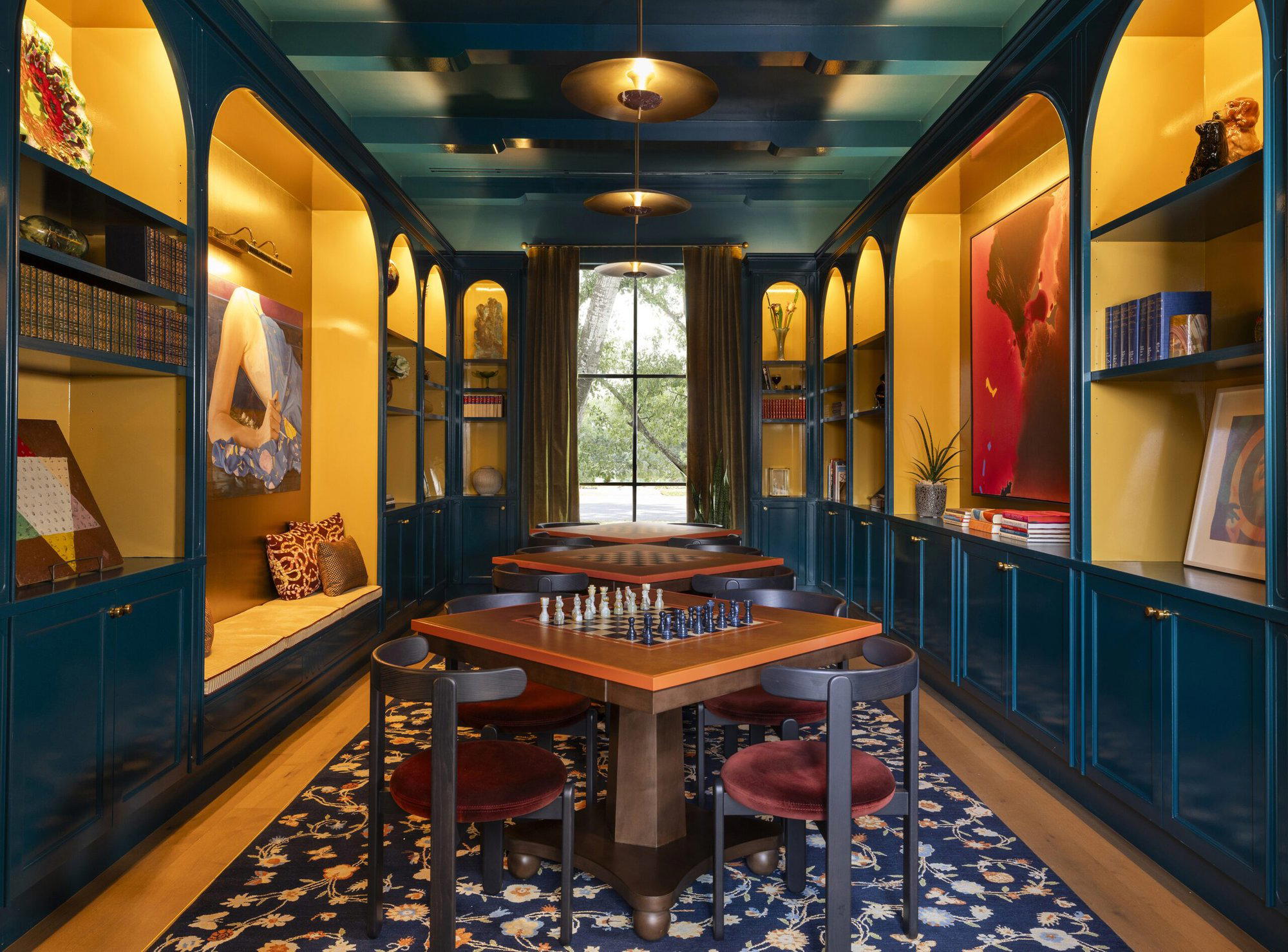
Details
- Modern
- Elegant
- Intimate
- Date Night
- Special Occasion
- Chefs Counter
- Open Kitchen
- Standalone
- A La Carte
- Counter Dining
Current opening hours
- Monday
- Closed
- Tuesday
- 4–10 PM
- Wednesday
- 4–10 PM
- Thursday
- 4–10 PM
- Friday
- 4–11 PM
- Saturday
- 4–11 PM
- Sunday
- Closed
Hours can change for holidays and private events. Last verified .
Minimalist and refined, centered around a 24-seat hinoki counter where diners can observe chefs at work in an intimate setting.