Orsa & Winston



1 Michelin Star · LA Times 101 Best Restaurants #25
Our verdict
Inside the Farmers and Merchants Bank Building in downtown Los Angeles, Orsa & Winston holds a Michelin star and a top-20 place on the LA Times 101 Best Restaurants list for its five-course pescatarian tasting menu that draws equally from Japanese and Italian traditions. At $150 per person, it sits at the more accessible end of the city's fine-dining tier, with dishes built around peak-season California produce and a counter format that puts the kitchen on full display.

Pearl is the En Primeur Club membership app — saves, bookings, and concierge access live there. Same editors, same standards.
- Address
- FARMERS AND MERCHANTS BANK BUILDING, 122 4th St, Los Angeles, CA 90013
- Phone
- (213) 687-0300
- Hours
- Mon ClosedTue–Sat 5–10 PMSun Closed
- Website
- orsaandwinston.com
- Directions
- Get directions
- Booking
- Book on OpenTable
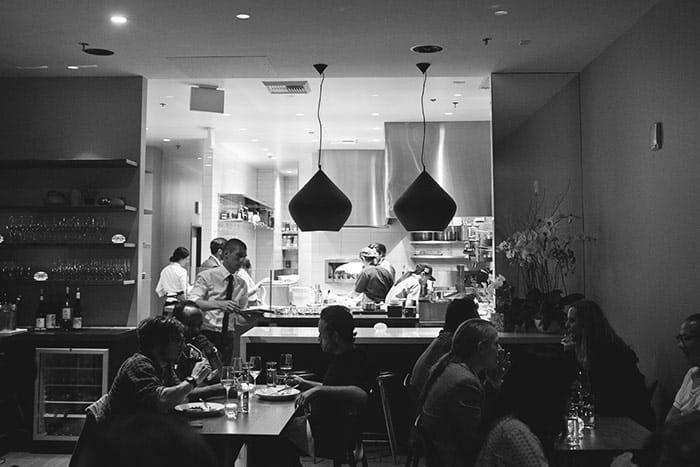
The menu
What to order
- Satsuki porridge with parmesan cream and Santa Barbara uni
- Squid ink spaghetti with Maine lobster
- Black cod arancini with black truffle
- Snapper with corn polenta
Downtown's Unlikely Fine-Dining Address
The Farmers and Merchants Bank Building on 4th Street in downtown Los Angeles is not where most visitors expect to find one of the city's more decorated tasting-menu restaurants. Downtown LA's dining identity has shifted considerably over the past decade, moving from a handful of lunch-trade spots serving the financial district toward a denser, more ambitious cluster of evening destinations that draw from across the city. That shift created the conditions in which Orsa & Winston could take root: a neighbourhood with enough foot traffic to sustain a serious kitchen but without the saturated fine-dining competition of West Hollywood or Beverly Hills. The address matters. It places the restaurant inside a working city block rather than a purpose-built dining corridor, and that context shapes the experience before you sit down.
Within downtown's current restaurant mix, Orsa & Winston occupies a distinct tier. The counter format and open kitchen are common to a certain kind of serious tasting-menu operation, but the format here is oriented toward a pescatarian menu that draws in equal measure from Japanese and Italian culinary traditions, a combination that is less common at the Michelin level than its apparent simplicity might suggest. For comparison, Hayato represents the city's kaiseki tradition in its strictest form, while Kato works through a New Taiwanese lens. Orsa & Winston sits in a different lane: a California restaurant that uses Japanese technique and Italian structure as co-equal frameworks rather than as accent or garnish.
The Menu as a Study in Cross-Tradition Cooking
The five-course tasting menu runs at $150 per person, which places it at the more accessible end of LA's serious fine-dining tier. That price point is notable in a market where comparable tasting-menu formats at Somni or the more elaborate counters push well beyond that figure. The LA Times, which ranked Orsa & Winston 17th on its 2024 list of 101 Best Restaurants in the city, characterised it as the most accessible fine-dining experience in LA at its price. Opinionated About Dining, which ranked the restaurant at #111 in North America in 2025 (up from #123 in 2024 and #97 in 2023), corroborates that assessment from a different critical vantage point: consistent upward movement in a ranking that rewards precision and repeatability over novelty.
The menu's cross-tradition logic becomes clearest in the dishes that have become associated with it over time. A crudité course built around snap peas, green beans, and pink radish sounds direct until the dressing arrives: miso and anchovy vinaigrette under shaved black truffle. The Japanese fermented base and the Italian-adjacent anchovy form a flavour compound that neither tradition would produce alone. A crudo course of bluefin tuna in watermelon aguachile with finger lime, pluot, and cucamelons moves further out, incorporating Mexican citrus techniques into what reads structurally as a Japanese raw-fish course. Snapper with crisp skin over sweet corn polenta, and squid ink spaghetti with Maine lobster, fava greens, peas, pine nuts, and roasted tomato, demonstrate the Italian side of the ledger more directly.
Satsuki porridge, positioned as an optional add-on, is the dish that critics return to most often. The LA Times described it as a cross between congee and risotto, held in a moat of Parmesan cream, with toppings that on a given visit have included uni, caviar, ikura, scallop, and abalone. The combination lands somewhere between restorative and opulent, drawing on congee's functional warmth and risotto's richness simultaneously. Dishes at this level of conceptual coherence take years of iteration to arrive at, and the porridge's sustained presence on the menu signals that it has reached a settled form.
Where Orsa & Winston Fits in the California Fine-Dining Conversation
California's fine-dining tier has always been harder to categorise than the coasts might suggest. The state's produce advantages are significant enough that restaurants can build serious tasting menus around ingredients that would cost considerably more to source in New York or Chicago. Comparisons with The French Laundry in Napa or Single Thread Farm in Healdsburg highlight a northern California approach built on land-to-table integration; Orsa & Winston operates differently, as an urban kitchen that processes the same regional abundance through a city-dweller's cross-cultural frame.
At the national level, comparisons with Alinea in Chicago or Le Bernardin in New York City illuminate what Orsa & Winston is and is not. Le Bernardin's seafood focus is deep, classical, and French in its structural logic. Orsa & Winston's seafood focus is more laterally assembled, borrowing from multiple traditions without any one of them functioning as the primary grammar. Alinea deploys conceptual rupture as a recurring device; Orsa & Winston's cross-tradition cooking is more integrative than disruptive. The experience reads as coherent rather than challenging, which at the $150 price point is a considered editorial position.
Orsa & Winston's cross-tradition position means it does not compete directly with either, operating instead in a niche that its Michelin recognition now formally acknowledges. For context on cross-cultural tasting formats operating at comparable ambition levels, Atomix in New York City and Lazy Bear in San Francisco represent different expressions of the same broader impulse: kitchens that treat culinary tradition as material to work with rather than doctrine to follow.
Chef Josef Centeno's broader track record in the city is relevant here as context rather than biography. The LA Times characterised him as a figure whose career has tracked the rhythms of Los Angeles itself, a chef who built vegetable-centred menus and fermented his own shrubs before either practice became standard in the city's restaurant culture. That context is worth noting not because it explains the food but because it situates Orsa & Winston as a long-standing position rather than a recent calculation: the restaurant reflects a set of convictions about what LA fine dining can be that predate the current wave of tasting-menu openings in the city. The counter format, the open kitchen, the pescatarian constraint, and the Japanese-Italian axis are all structural commitments, not trend responses.
For readers building a broader LA itinerary, our full Los Angeles restaurants guide maps the city's current fine-dining tier in full. Supplementary planning across categories is available through our Los Angeles hotels guide, our bars guide, our wineries guide, and our experiences guide. For comparison with other regional contemporary formats, Madera in Menlo Park and Emeril's in New Orleans represent different takes on the American contemporary tasting format at comparable price tiers.
Planning Your Visit
Orsa & Winston operates Tuesday through Friday, 9am to 5pm based on listed hours, with Saturday and Sunday closed. Given the counter format and the restaurant's consistent placement on national and city-level rankings, advance booking is advisable. The five-course tasting menu is priced at $150 per person, with the satsuki porridge available as an optional add-on. The restaurant is located at 122 4th Street in the Farmers and Merchants Bank Building, downtown Los Angeles, CA 90013.
Quick reference: Michelin one star (2025) | OAD #111 North America (2025) | LA Times 101 Best Restaurants #17 (2024) | $150 per person for five courses | Counter seating with open kitchen | Downtown LA, 122 4th St, CA 90013 | Tuesday to Friday service.
Frequently asked questions
What should I order at Orsa & Winston?
The five-course pescatarian tasting menu is the format here, so ordering is largely handled by the kitchen. The satsuki porridge, a congee-risotto hybrid held in Parmesan cream and topped with Santa Barbara uni, is the dish most consistently cited by critics and is available as an optional add-on worth taking. The crudo course, typically bluefin tuna in watermelon aguachile with finger lime and seasonal fruit, demonstrates the Japanese-Italian cross-tradition logic most clearly in a single course. If you are visiting for the first time, take the full menu without modification: the sequence is designed to move through the kitchen's range, and individual courses make more sense in context than in isolation. The Michelin committee, the LA Times, and Opinionated About Dining have all cited the menu as a coherent whole rather than a collection of standout dishes, which is the relevant editorial signal for first-time visitors.
Cuisine-First Comparison
Comparable venues nearby, for context on price, style, and recognition.
| Venue | Cuisine | Price | Awards | Notes |
|---|---|---|---|---|
| Orsa & WinstonThis venue — the venue you are viewing | Japanese-Italian Fusion Omakase | $150–200 | 1 Michelin Star · LA Times 101 Best Restaurants #25 | Not listed |
| Sushi Kaneyoshi | Edomae Omakase | $300–500 | 1 Michelin Star · LA Times 101 Best Restaurants #24 | Little Tokyo |
| Meteora | Modern Californian Live-Fire Fine Dining | $150–200 | 1 Michelin Star | Hollywood |
| Shin Sushi | Traditional Omakase Sushi | $100–150 | 1 Michelin Star | Encino |
| Shibumi | Japanese Small Plates, Japanese | Not listed | 1 Michelin Star | Downtown |
| Gwen | Contemporary American Steakhouse | $50–100 | Michelin Plate · Wine Spectator Best of Award of Excellence | Hollywood |
Recognition history
Dated appearances from independent guides and award organizations, with the underlying list record or original source where available.
Michelin 1 Star
Michelin
Opinionated About Dining Top Restaurants in North America Ranked #124
Opinionated About Dining
LA Times 101 Best Restaurants #25
LA Times
Full recognition history (9 entries)
Michelin 1 Star
Michelin
Opinionated About Dining Top Restaurants in North America Ranked #111
Opinionated About Dining
LA Times 101 Best Restaurants #17
LA Times
Michelin 1 Star
Michelin
Opinionated About Dining Top Restaurants in North America Ranked #123
Opinionated About Dining
Opinionated About Dining Top Restaurants in North America Ranked #97
Opinionated About Dining
Orsa & Winston
Featured Guides
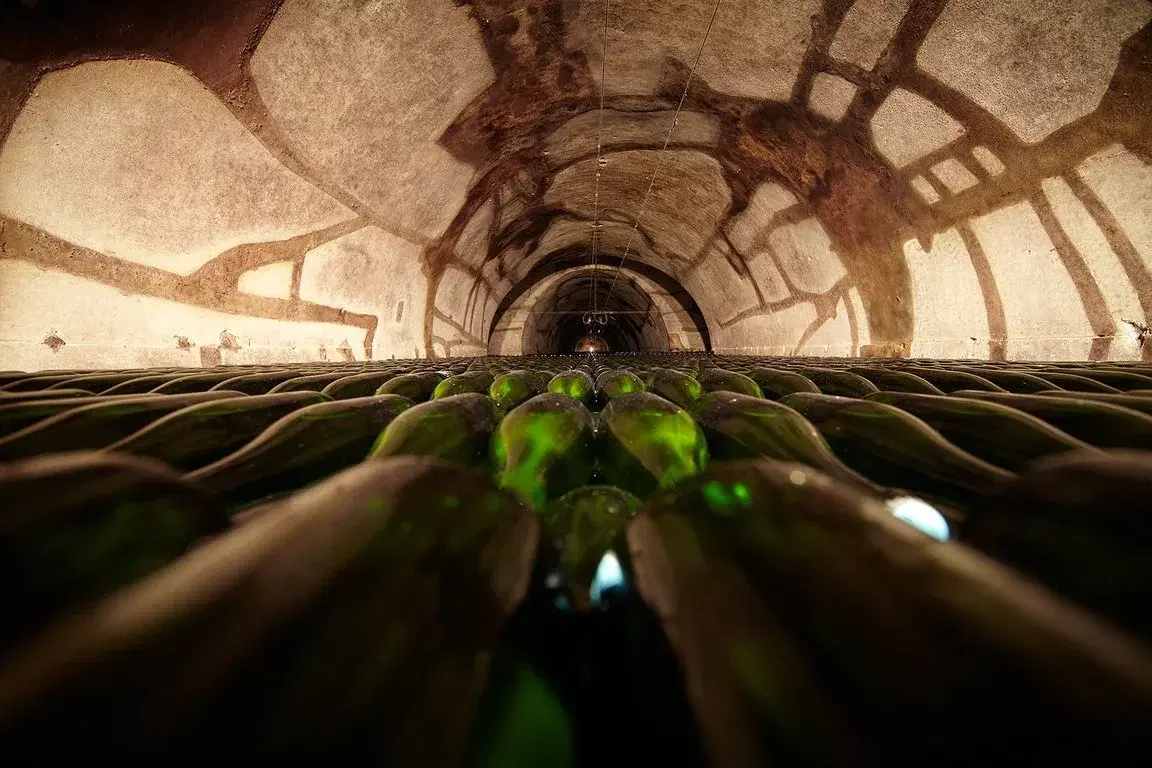
Continue exploring
More in Los Angeles
Restaurants in Los Angeles
Browse all →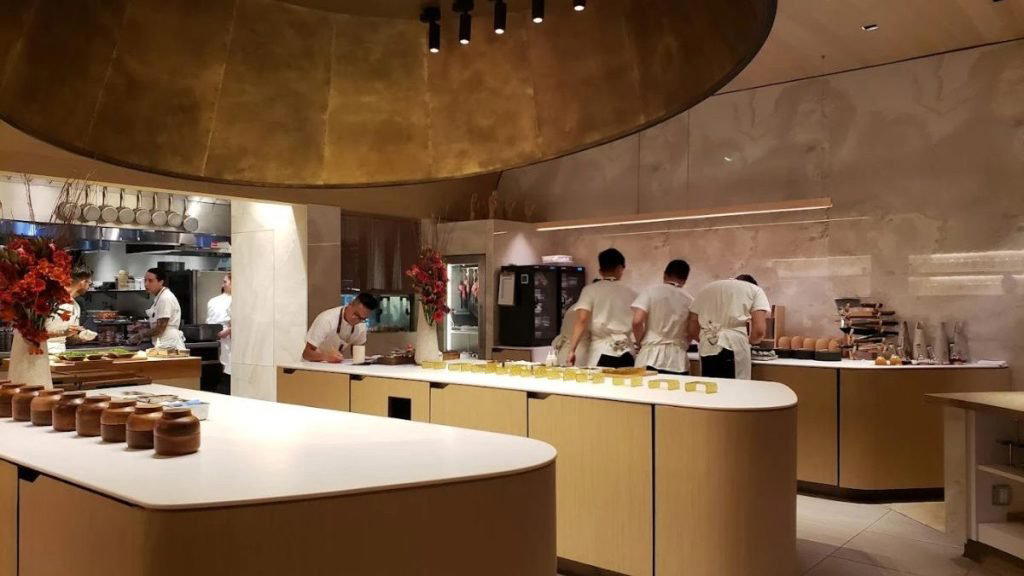
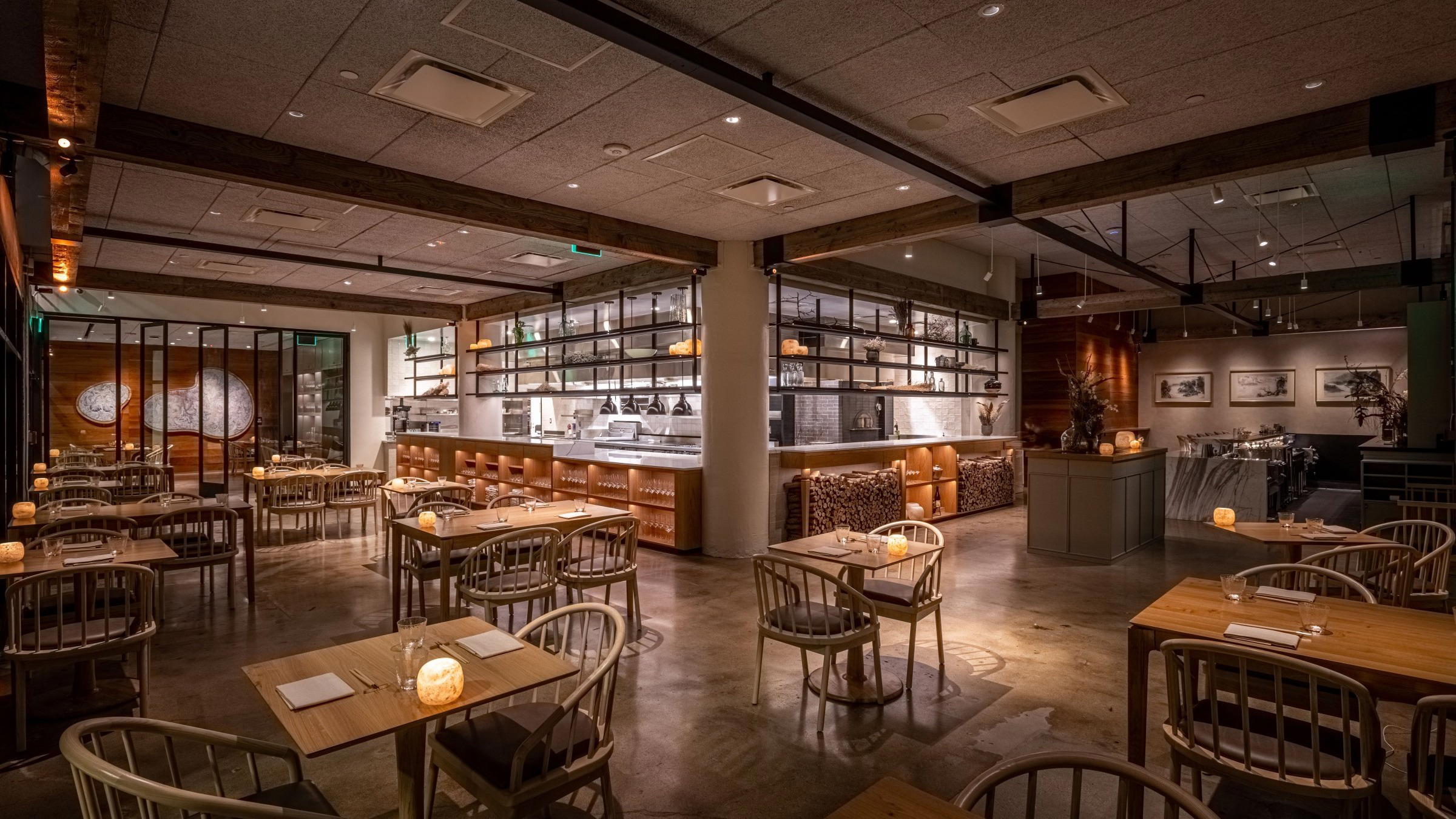
Bars in Los Angeles
Browse all →

Hotels in Los Angeles
Browse all →

Wineries in Los Angeles
Browse all →
Orsa & Winston
The wine
- Wine program
- Curated wine list
- Sommelier-led
- Sake program
Details
- Intimate
- Elegant
- Sophisticated
- Minimalist
- Modern
- Date Night
- Special Occasion
- Celebration
- Open Kitchen
- Chefs Counter
- Sommelier Led
- Sake Program
- Local Sourcing
- Tasting Menu
- Omakase
- Prix Fixe
- Wine
- Sake
- Pescatarian Friendly
- Vegetarian Friendly
- Allergy Accommodating
Current opening hours
- Monday
- Closed
- Tuesday
- 5–10 PM
- Wednesday
- 5–10 PM
- Thursday
- 5–10 PM
- Friday
- 5–10 PM
- Saturday
- 5–10 PM
- Sunday
- Closed
Hours can change for holidays and private events. Last verified .
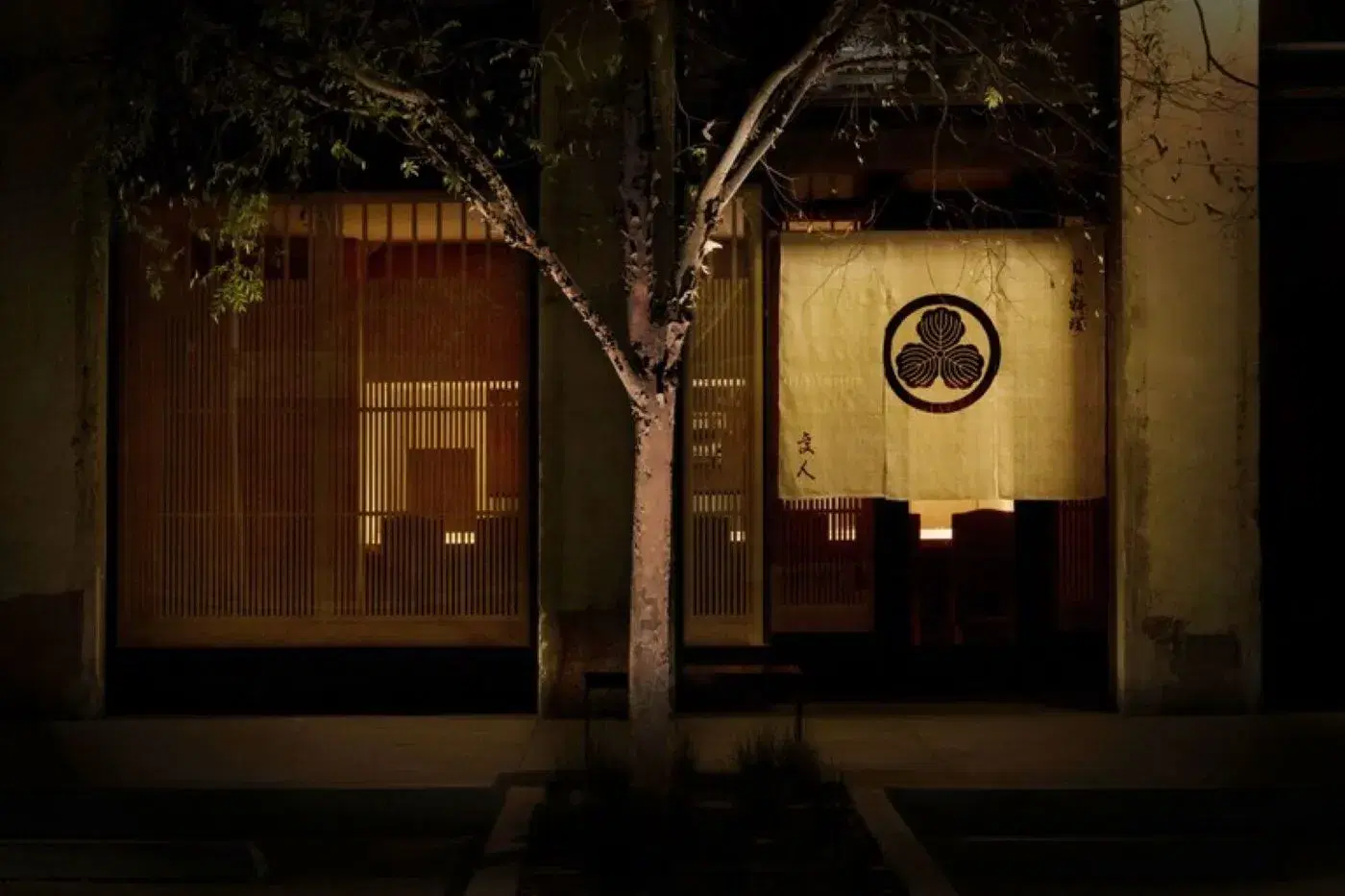
Serene and welcoming with minimalist design, clean lines, wooden accents, subdued lighting, soft jazz music, and an open kitchen that creates an intimate, tranquil atmosphere.