Orsa & Winston

<strong>Orsa & Winston</strong> belongs to <strong>Los Angeles</strong>’s small-format tasting-menu conversation rather than the city’s louder dining circuits. With <strong>Josef Centeno</strong> attached and a 2026 <strong>Opinionated About</strong> Dining North America Top Restaurants ranking at No. 124, it reads as a downtown counterpoint to LA’s larger, more theatrical destination restaurants: compact, chef-led, and shaped by <strong>Asian Fusion</strong> as a serious creative vocabulary rather than a catchall label.
 Discover on Pearl
Pearl is the En Primeur Club membership app — saves, bookings, and concierge access live there. Same editors, same standards.
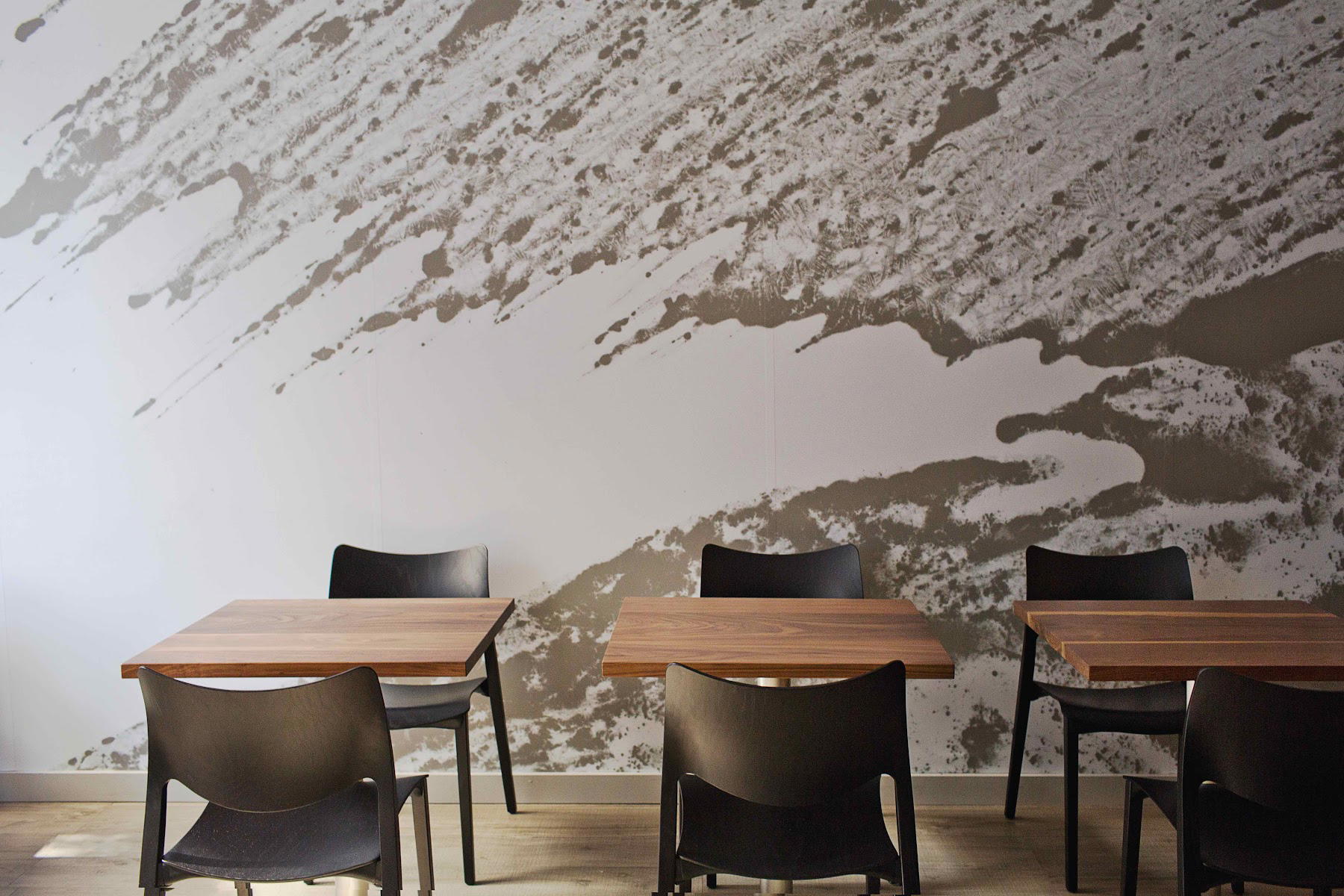
Downtown LA, seen through a tasting-menu lens
Downtown Los Angeles changes character block by block: old bank buildings, office towers with emptied-out lobbies after dark, theatres with long civic memory, and restaurant rooms that feel detached from the beach-city mythology outsiders still attach to LA. A meal in this part of the city begins before the first course, because the approach is urban rather than resort-like. The context matters for Orsa & Winston, which belongs to a downtown dining pattern built on destination intent rather than casual neighborhood drift. Diners come with a plan, usually after comparing the city’s chef-led rooms, tasting formats, and cross-cultural kitchens.
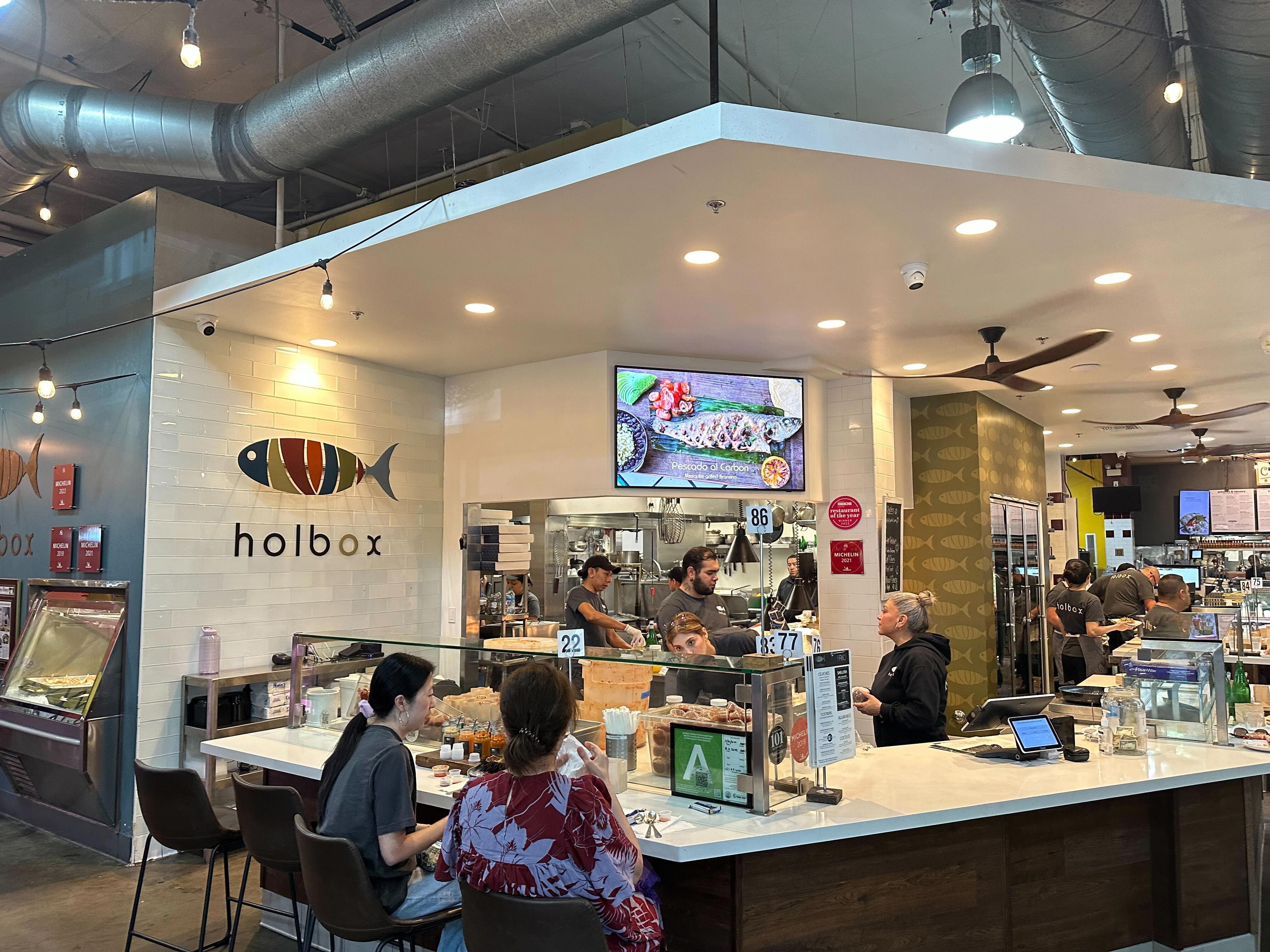
That planning mindset separates this address from the broader Los Angeles restaurant sprawl. LA can make serious food feel informal, and informal food feel serious. The city’s defining strength is not a single fine-dining district but a series of culinary arguments running in parallel: seafood precision at Providence (Contemporary Seafood), New Taiwanese tasting-menu structure at Kato (New Taiwanese, Asian), high-concept technique at Somni (Molecular), market-driven Mexican seafood at Holbox (Mexican Seafood, Mexican), and Italian institutional confidence at Osteria Mozza (Italian). Orsa & Winston sits in that conversation as an Asian Fusion restaurant, but the term needs careful handling in Los Angeles, where fusion has a complicated history and a better present.
In the 1990s and early 2000s, fusion often meant aesthetic borrowing: a little soy, a little wasabi, a Pacific Rim garnish, and a menu that flattened culinary traditions into a lifestyle mood. Los Angeles helped create that language, then outgrew it. The stronger contemporary version is more disciplined. It uses Japanese, Italian, Filipino, Korean, Chinese, Mexican, and Californian references not as decorative signals but as structural tools: acidity, broth depth, rice as architecture, seafood handling, fermentation, restrained sweetness, and vegetable seasonality. Within that newer frame, Orsa & Winston’s category is less about novelty than about translation.
The Centeno thread: evolution without autobiography
Josef Centeno is the named chef in the available record, and his relevance is less biographical than civic. Los Angeles dining has often rewarded chefs who can move between registers: casual and formal, regional and personal, immigrant pantry and classical technique. Centeno’s name places Orsa & Winston within that LA lineage of chef-restaurateurs whose work helped make downtown a credible dining destination rather than merely a post-office-hours district. The point is not a personal origin story. The point is that the city’s serious restaurants have increasingly been built by cooks fluent in more than one grammar.
That matters because Asian Fusion, when treated seriously, requires editorial restraint. It can collapse into a menu of references without hierarchy. The more convincing version asks which traditions are being used for structure and which are being used for accent. A chef-led tasting format gives that question sharper edges, because courses are sequenced rather than selected à la carte. The diner reads the meal as a progression. If one course leans toward Japanese minimalism, another toward Californian produce logic, and another toward Italian pacing or texture, the order has to make sense. In that sense, the format is a test of culinary editing.
Los Angeles is unusually hospitable to that test because its diners are accustomed to cultural overlap without needing every influence explained. The city’s food culture is built on Korean barbecue plazas, sushi counters, Armenian bakeries, Persian grills, Oaxacan moles, Cantonese seafood rooms, Baja-style seafood, and farmers-market cooking existing in the same metropolitan routine. A restaurant like this does not need to teach Angelenos that cuisines meet. It needs to show why the meeting has discipline.
Where Orsa & Winston fits among LA's serious rooms
The trust signal here is specific: Opinionated About Dining placed Orsa & Winston at No. 124 on its 2026 North America Leading Restaurants list, released May 19, 2026. OAD is not Michelin, and it does not carry the same public shorthand, but among restaurant obsessives it functions as a useful peer-set indicator. A ranking at that level does not say the restaurant is trying to dominate mass attention. It says the room has entered a North American conversation where chef-led sequencing, originality, and repeat diner enthusiasm matter.
That distinction is useful in Los Angeles, a city where attention can be distorted by celebrity proximity, architectural budgets, and opening-week noise. The dining room that lasts in this market usually does so by serving a clear audience: regulars who track chefs, travelers who build trips around reservations, and locals who want tasting-menu seriousness without the stiffness associated with older fine dining. Orsa & Winston belongs to that narrower group. Its competition is not every ambitious restaurant in the city; it is the subset of LA restaurants where the meal is intentionally paced, the chef’s authorship is visible, and the category resists easy comparison.
For travelers, the sharper comparison may be with other North American tasting-menu rooms rather than with neighboring restaurants alone. Benu in San Francisco shows how Asian and American fine-dining languages can be shaped into a highly controlled format. Le Bernardin in New York City represents a different kind of seafood classicism, where restraint is codified through French technique. Emeril’s in New Orleans carries the weight of a regional American dining identity built over decades. The French Laundry in Napa, Single Thread Farm in Healdsburg, and Smyth in Chicago each define tasting-menu ambition through place, produce, and service rhythm. Orsa & Winston is smaller in public mythology than several of those names, but the relevant point is category alignment: it is part of the same North American discussion about authored meals.
Internationally, the Asian Fusion label can also be read against restaurants that use cross-cultural technique with more explicit informality. Dos Palilos — Asian Fusion in Barcelona approaches the category through tapas-bar energy and Asian technique, while Gado Gado — Asian Fusion in Portland reflects a looser, regional American version of Indonesian and broader Asian influences. Those comparisons help clarify the LA case. Here, the strength of the category is not in surprise for its own sake but in the city’s long fluency with culinary hybridity.
Atmosphere, pace, and the downtown decision
The available record does not provide a seat count, hours, dress code, price range, phone number, or booking method, so practical expectations should be set with restraint. What can be said with confidence is that a ranked, chef-led downtown restaurant in Los Angeles asks for more advance planning than a casual walk-in meal. Travelers should verify current service details directly through current booking channels before building an evening around it, especially because downtown dining patterns can vary by day of week and pre-theatre traffic.
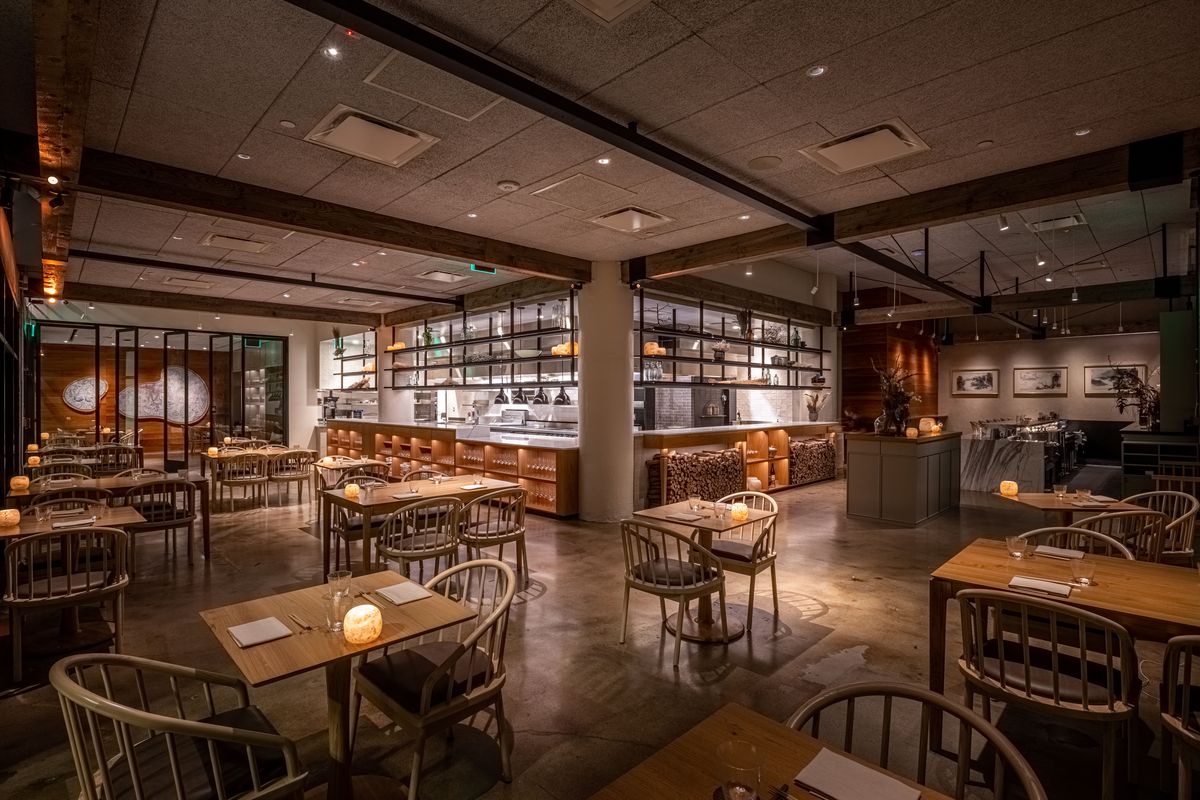
The vibe is better understood as intentional rather than showy. In LA, the serious dining room no longer needs to announce itself with heavy formality. The city has normalized expensive meals in rooms that may feel quieter, smaller, or less ceremonious than equivalent restaurants in New York or Paris. That cultural baseline shapes expectations. Orsa & Winston’s OAD recognition places it in a diner-aware bracket, but its downtown setting keeps the experience tied to the city’s practical rhythms: parking decisions, rideshare timing, and the question of where the night continues afterward.
That last point is not incidental. Downtown LA rewards diners who think in clusters. A restaurant evening can sit near hotel stays, cocktail stops, gallery programming, theatre plans, or a broader exploration of the city’s central districts. For wider planning, EP Club’s city pages are useful companions: Our full Los Angeles restaurants guide maps the broader dining field, while Our full Los Angeles hotels guide, Our full Los Angeles bars guide, Our full Los Angeles wineries guide, and Our full Los Angeles experiences guide help place the meal inside a complete itinerary. That is particularly valuable in LA, where distance and timing are part of the dining decision rather than afterthoughts.
Asian Fusion in Los Angeles has grown up
The phrase Asian Fusion can still make serious diners cautious, and for good reason. It has been used for restaurants that treated Asia as a flavor shelf rather than a set of culinary systems. Los Angeles has helped rehabilitate the term because the city contains both deep Asian dining communities and an audience comfortable with hybrid formats. The standard is higher here. A restaurant cannot rely on novelty when the city already has specialist excellence in sushi, Korean cooking, Chinese regional cuisines, Thai food, Filipino cooking, Vietnamese cooking, and Japanese-Italian crossover. The fusion restaurant has to justify itself through composition.
That is where a chef’s evolution becomes relevant without turning into personality writing. Centeno’s association signals a restaurant built around authorial control, and authorial control is the difference between a menu that collects influences and one that edits them. In a city with abundant specialist restaurants, the cross-cultural tasting menu must offer a reason to leave the specialist lane. The reason is not authenticity in a narrow sense. It is synthesis: the ability to make a sequence feel coherent when its sources are multiple.
For the experienced diner, that makes Orsa & Winston a useful LA address because it speaks to the city’s actual culinary condition. Los Angeles is not a monoculture, and its high-end dining is at its strongest when it admits that. The restaurant’s ranking by OAD in 2026 gives an external marker for that ambition, but the more interesting signal is category maturity. Asian Fusion here is not a throwback label. It is a field in which technique, identity, and California produce culture can be tested in a controlled room.
How to plan the evening
Because the database record does not list current hours, price range, booking method, or dress code, diners should treat those details as live variables and confirm them before committing. That is not a minor caveat in Los Angeles. A downtown dinner can change shape depending on traffic from the Westside, post-work congestion, events, and the timing of a second stop. The sensible plan is to anchor the meal first, then choose the rest of the evening around that reservation window rather than trying to squeeze the restaurant into a crowded cross-city itinerary.
Children require a conditional answer. If the current format is a longer tasting menu at a higher price, families should assume it is more suitable for older children who are comfortable with paced service and limited menu flexibility. If current service offers a shorter or more flexible format, the calculation changes, but that information is not present in the record and should be verified directly. In LA, price and format usually tell the truth about family comfort faster than décor does.
The same applies to dress. Without a listed dress code, the safest read is polished Los Angeles casual: intentional, comfortable, and not beachwear. Serious restaurants in the city rarely demand old-formality signals, but diners do themselves no favors by arriving as if the room were an errand stop. The better approach is to match the intent of the meal. Orsa & Winston sits in a ranked, chef-led bracket, and the evening should be planned with that level of attention.
Continue exploring
More in Los Angeles
More from Chef Josef Centeno
Browse all →
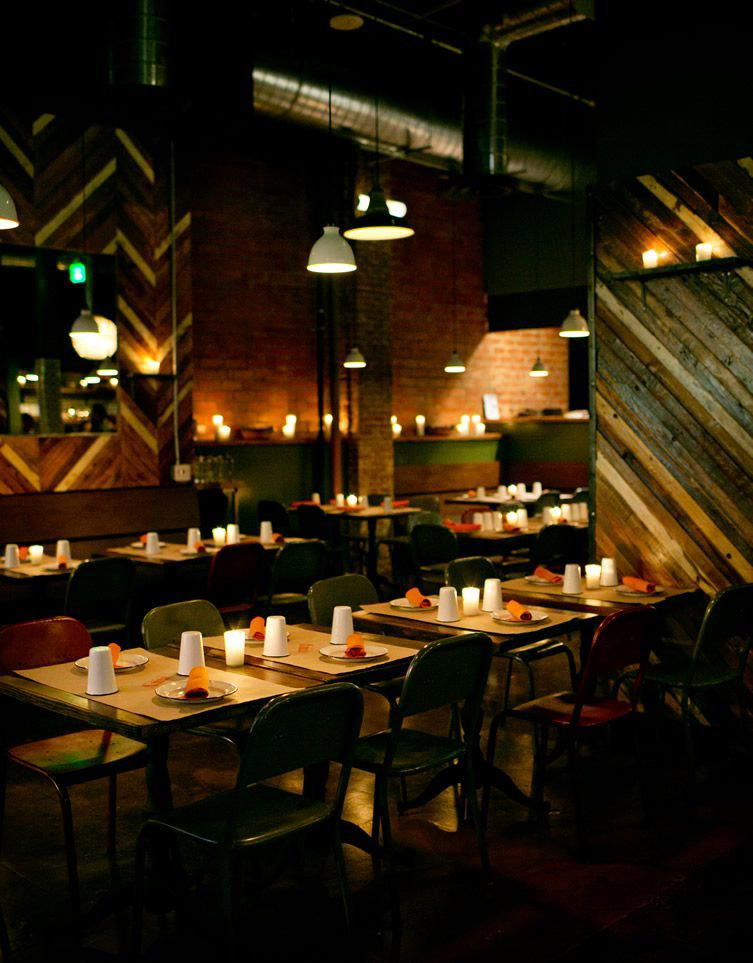
Restaurants in Los Angeles
Browse all →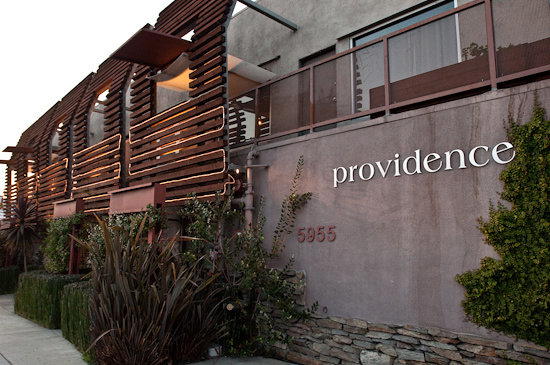
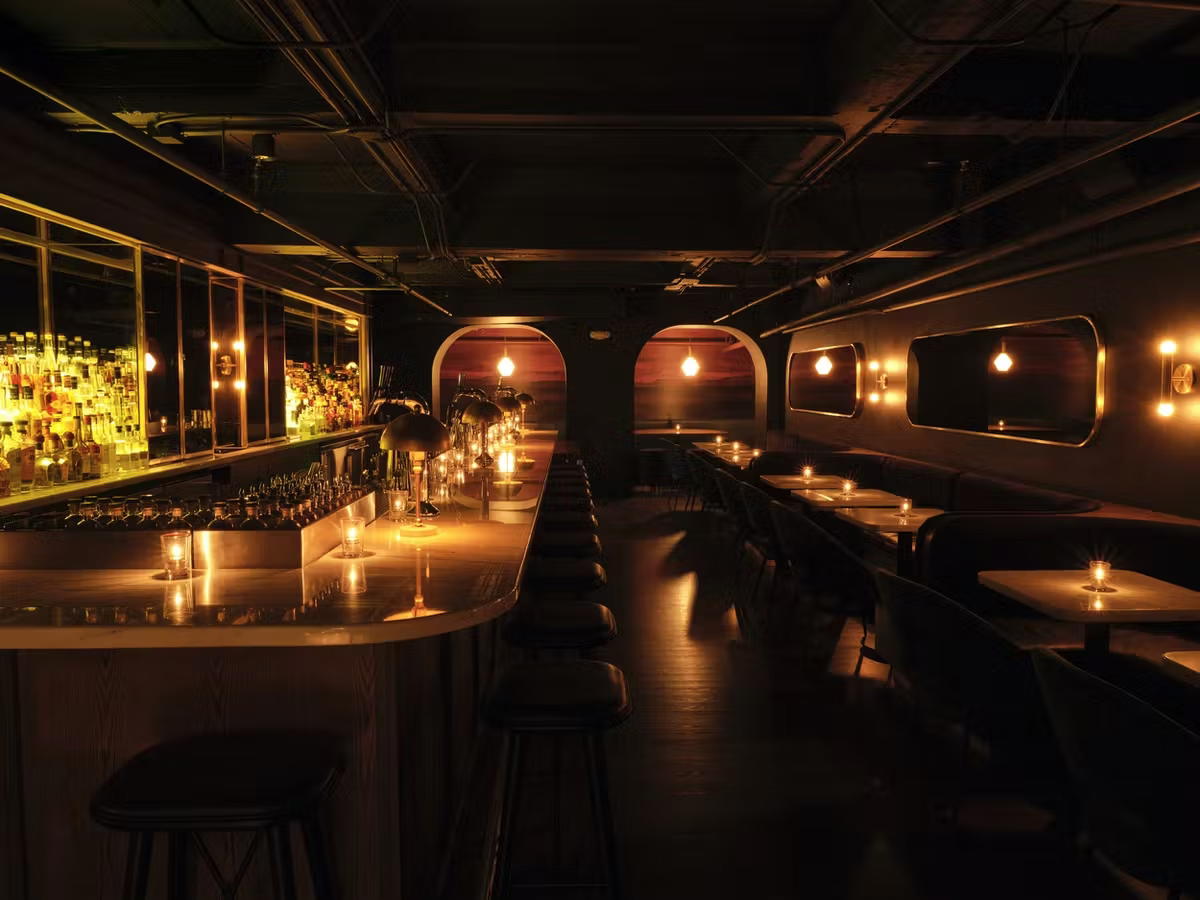
Bars in Los Angeles
Browse all →
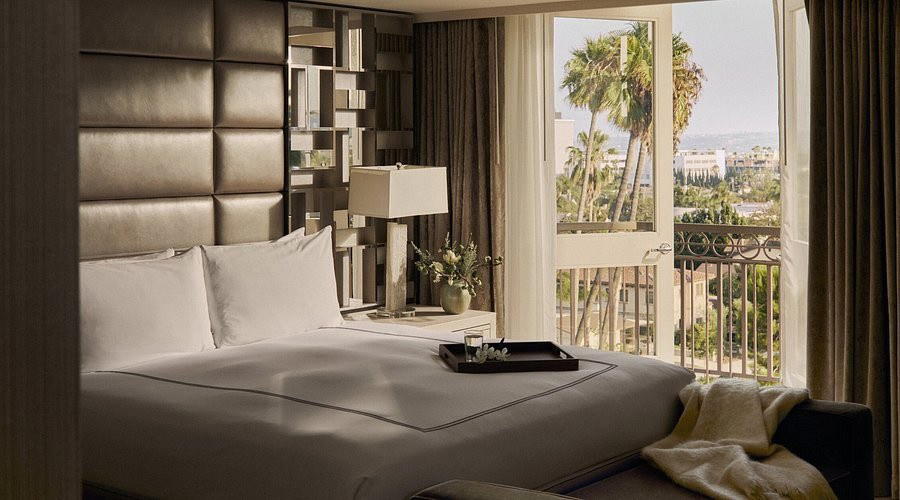
Hotels in Los Angeles
Browse all →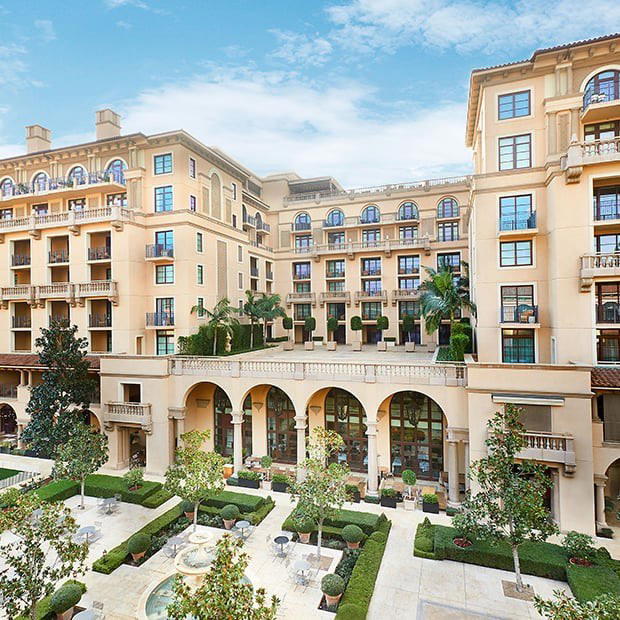
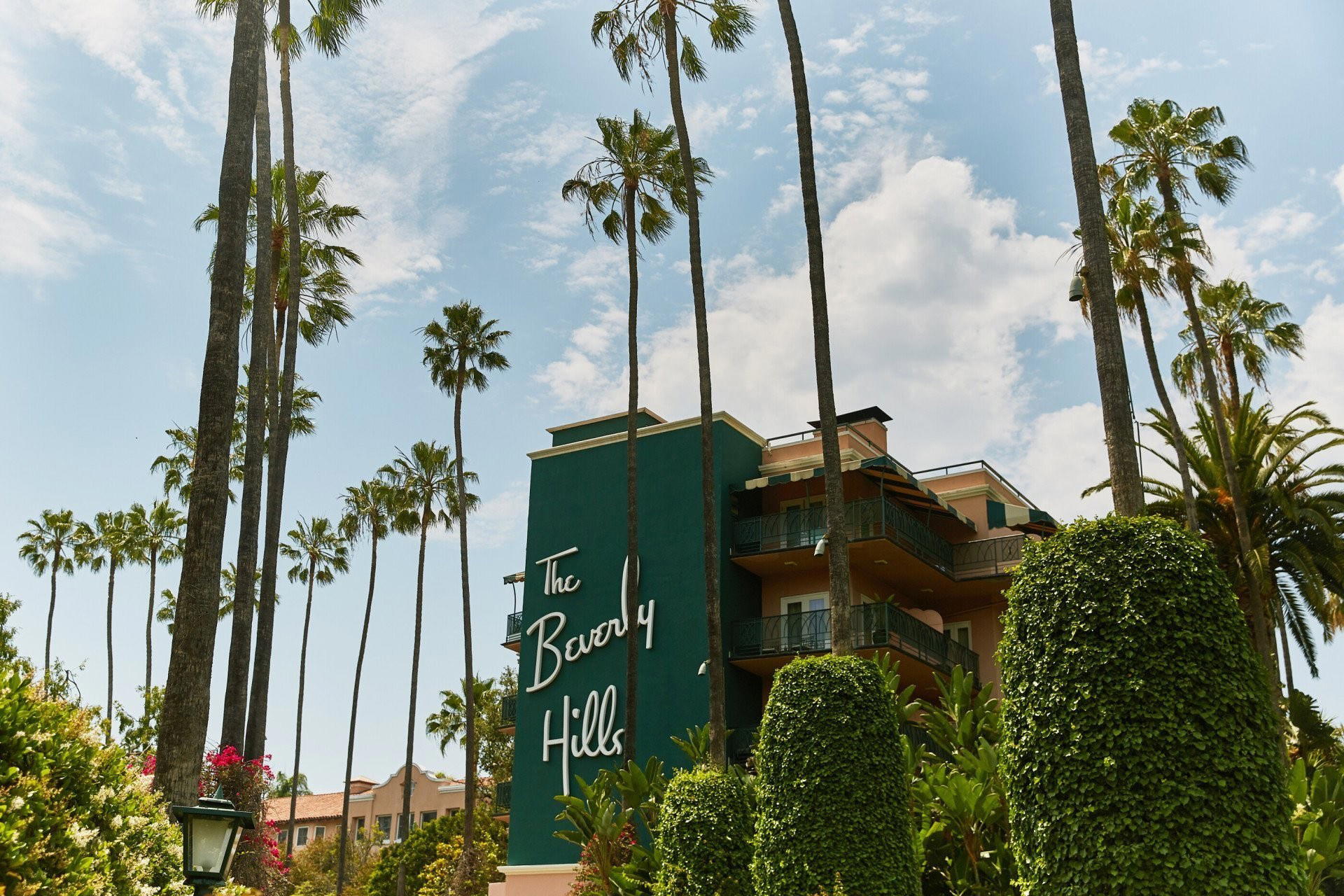

Wineries in Los Angeles
Browse all →
At a Glance
- Intimate
- Elegant
- Romantic
- Sophisticated
- Cozy
- Special Occasion
- Date Night
- Business Dinner
- Group Dining
- Solo
- Chefs Counter
- Private Dining
- Standalone
- Extensive Wine List
- Corkage Allowed
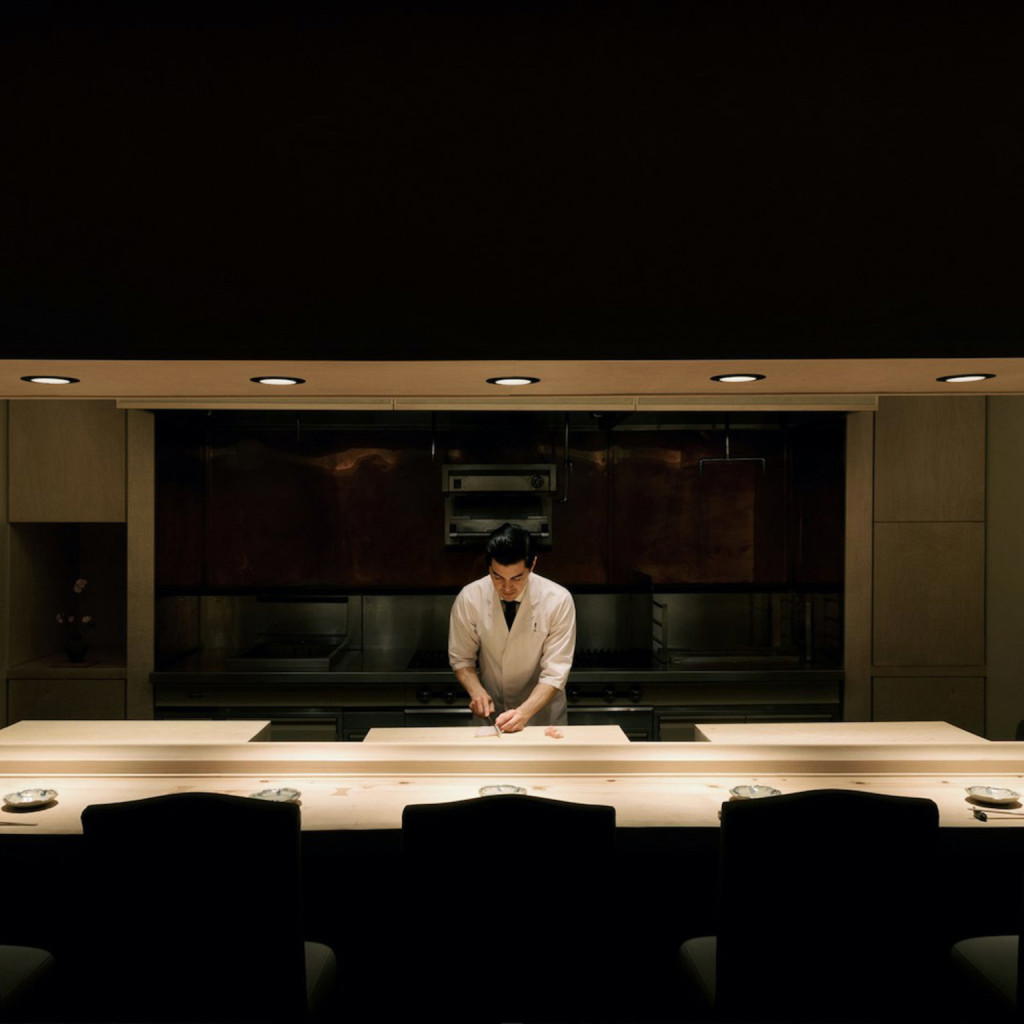
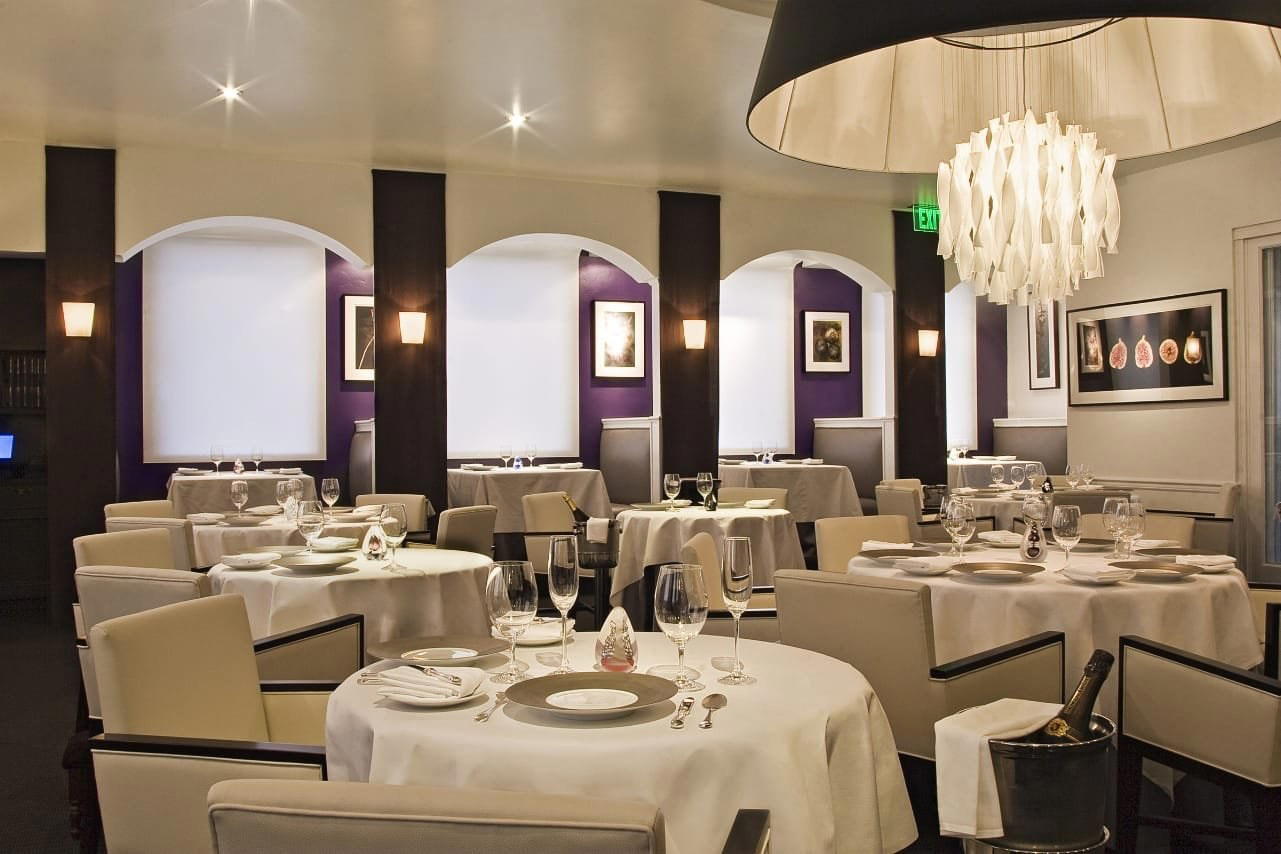
Fine-dining but relaxed, with a small, softly lit dining room that feels intimate and polished rather than flashy, emphasizing the food and service over décor for a calm, sophisticated atmosphere suitable for special occasions and date nights.[2][3][8]