Orrery By Pierre Minotti
Orrery By Pierre Minotti belongs to London’s French dining conversation, a category shaped by produce discipline, regional technique, and the city’s long appetite for polished continental cooking.With no published award, chef, price, or booking data in public sources, it is assessed here through cuisine, context, and the practical caution that serious London dining usually rewards advance planning.
 Discover on Pearl
Pearl is the En Primeur Club membership app — saves, bookings, and concierge access live there. Same editors, same standards.
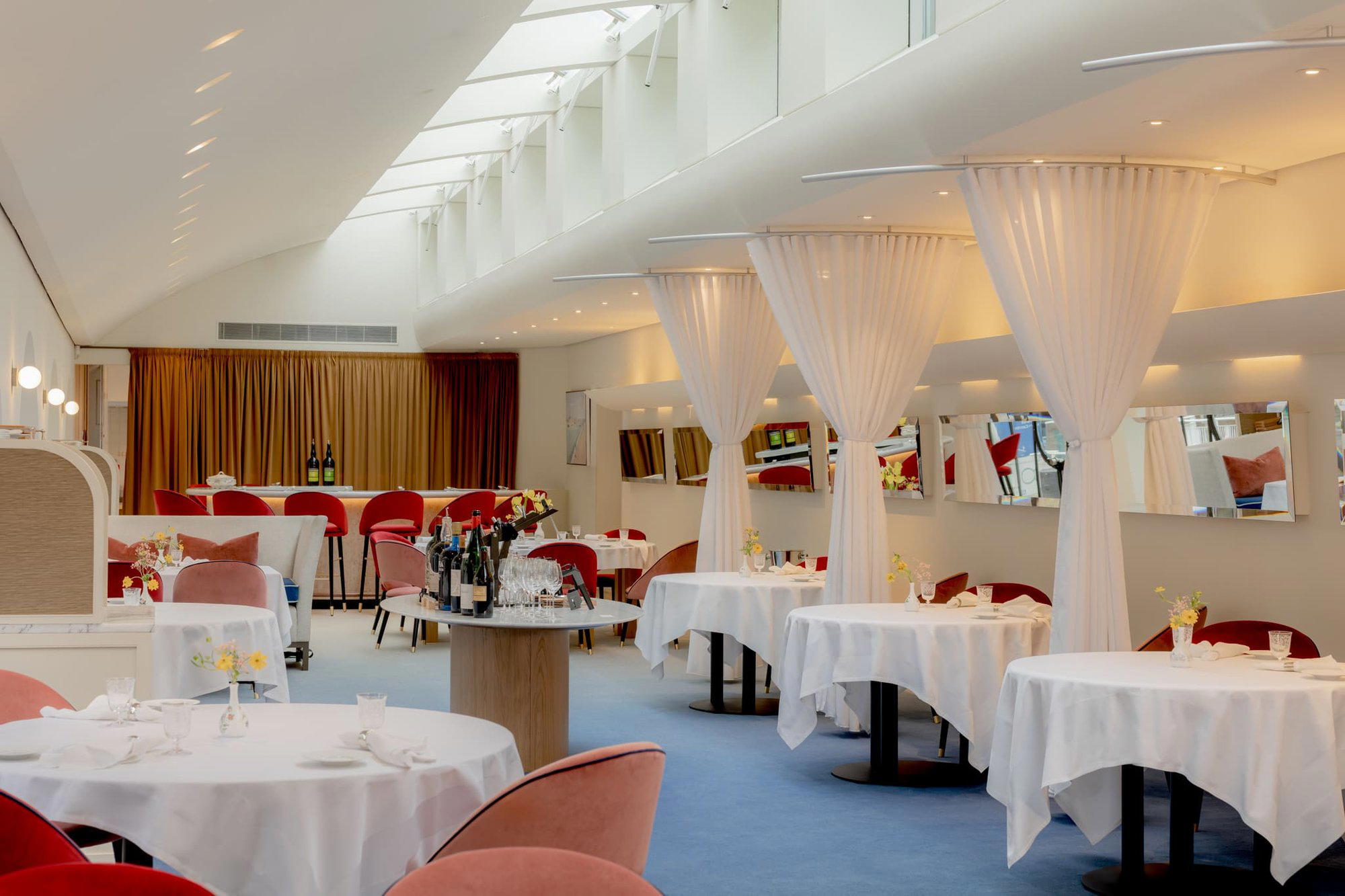
French dining in London begins with the room
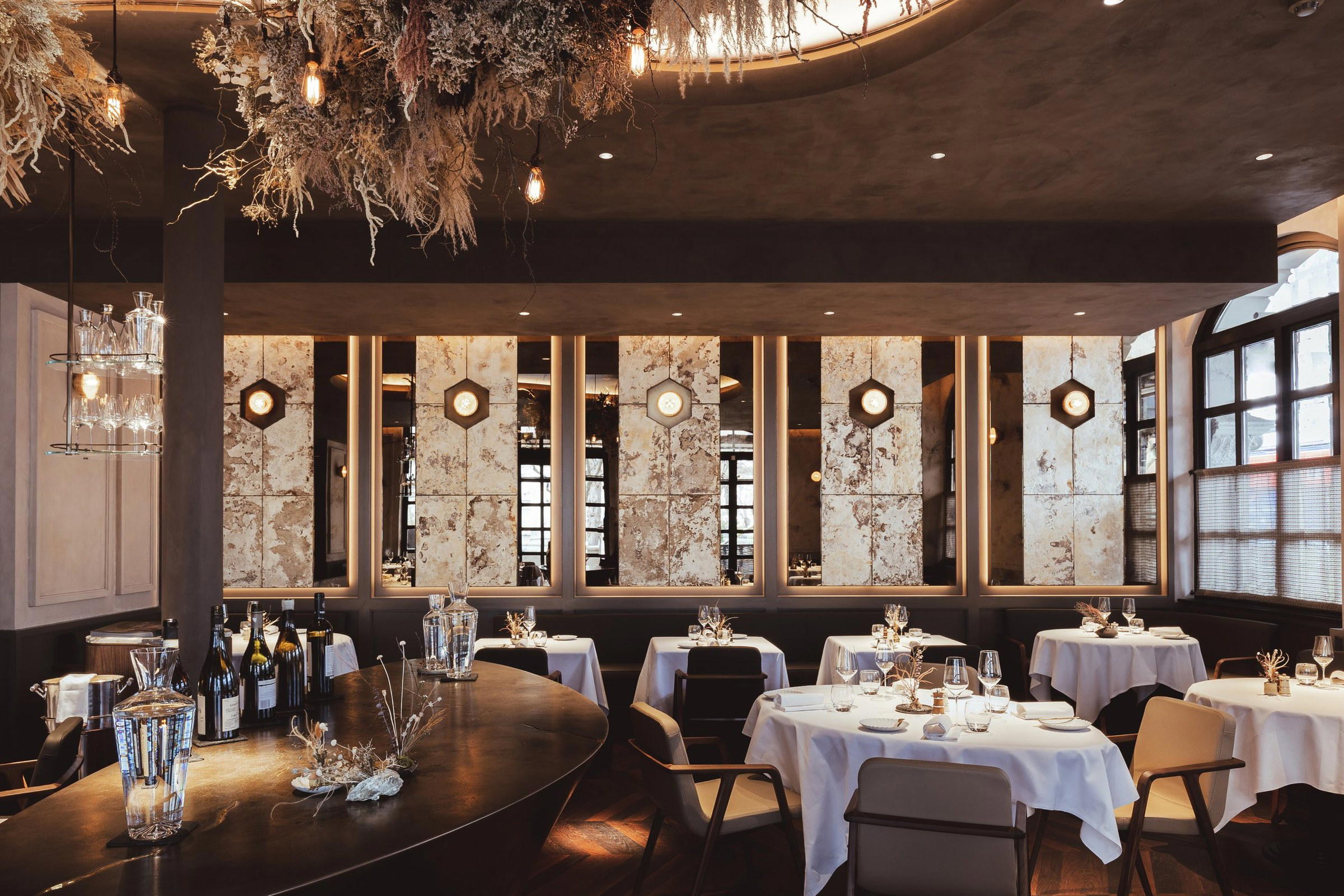
London’s French restaurants tend to announce their intentions before the first plate arrives: linen, light levels, glassware, the pace of the room, the quiet choreography between kitchen and floor. In a city where French cooking has long functioned as both technique and social code, setting matters because it tells the diner which branch of the tradition is being pursued. A brasserie works through movement and familiarity; a formal restaurant works through restraint, spacing, and the impression that dinner has been edited before it reaches the table. Orrery By Pierre Minotti sits inside that second conversation by virtue of category alone: French cooking in London carries expectations about sauce work, seasonality, cheese, wine service, and a certain respect for produce that has survived several decades of trend cycles.
The stronger way to read this restaurant is not as an isolated address. It is more useful to place it against London’s broader French table: a field that stretches from neighbourhood bistros to destination dining rooms, from revivalist cooking to menus that borrow from regional French markets while using British ingredients. In that company, the question is not whether a restaurant feels French on the surface. The sharper test is whether provenance drives the plate: where the vegetables, fish, dairy, poultry, and wine logic appear to come from, and whether the cooking gives those origins enough space to register.
Terroir as a London question
French cuisine is often discussed through technique, but terroir is the more useful lens. The word is overused when it becomes romance; it becomes precise when it describes the link between land, climate, producer, and plate. In London, that link is never simple. The city is not Burgundy, Brittany, Alsace, Provence, or the Basque Country. It is a trading capital whose French restaurants have historically translated regional ideas through British supply chains, European wine lists, and the demands of an international dining public. That translation is where the interest lies.
At the polished end of London’s French scene, provenance tends to show itself in quiet decisions rather than slogans. Butter has to taste of dairy rather than decoration. Fish cookery has to respect texture. Vegetables need enough attention to avoid becoming garnish. Sauces should clarify the dish rather than bury it. These are not decorative preferences; they are the grammar of French cooking. A restaurant in this category asks to be judged by how consistently that grammar supports ingredients with recognizable origin, season, and purpose.
London has several reference points for this conversation. Chez Bruce keeps the capital connected to a modern neighbourhood expression of French technique, where comfort and discipline matter more than ceremony. 64 Goodge Street shows how the bistro format can be sharpened for contemporary London without abandoning the pleasures of sauce, wine, and tightly edited menus. At a more formal register, Galvin La Chapelle demonstrates the city’s appetite for French cooking in grand architectural settings. The now-closed Le Gavroche remains a historical marker because it trained diners to associate French dining in London with service hierarchy, luxury ingredients, and technical seriousness. Those comparisons matter because they define the comparable set into which Orrery By Pierre Minotti is inevitably read.
What the name signals, and what it does not
The name carries a classical French cue, but names are not evidence. The record lists the cuisine type as French and the city as London. A serious assessment should focus on the dining room and the cooking. The reliable point is narrower and cleaner: this is a London French restaurant positioned for readers who care about provenance, technique, and the difference between French cooking as nostalgia and French cooking as a living urban language.
In London, French dining has become more plural than its old reputation suggests. There are white-tablecloth rooms, wine-led bistros, ingredient-first counters, hotel dining rooms, and restaurants that use French technique as a base layer for British seasonality. That pluralism has made provenance more important, not less. When a menu claims Burgundy, the Rhône, Gascony, Normandy, or the Loire in spirit, the diner should expect those references to carry through wine, fat, acidity, and the way protein is handled. When a restaurant chooses London sourcing instead, the Frenchness needs to appear through technique and structure rather than imported sentiment.
This is also where price becomes relevant. London’s French restaurants can range from accessible set-menu bistros to serious dining rooms where wine and service push the final bill well beyond the menu price. Treat it as a planned meal rather than an improvised quick bite, especially if the occasion depends on timing, budget, or dietary flexibility.
The London French comparable set
London’s French dining hierarchy is not defined only by awards. Recognition helps, but a city this deep also depends on longevity, neighbourhood loyalty, wine culture, and the capacity to cook classical food without turning it into museum work. Pétrus by Gordon Ramsay represents the luxury end of the conversation, where French technique is tied to a high-service Mayfair model and serious wine expectations. At the other end, smaller bistros have given London diners a less ceremonial route into the same tradition: terrines, fish cookery, poultry, offal, tarts, and cheese handled with confidence rather than theatre.
That spread makes London an unusually demanding city for French restaurants. Diners have historical memory, high expectations, and plenty of alternatives. A restaurant cannot rely on French vocabulary alone. It has to decide whether it is about regional fidelity, London produce, polished occasion dining, or relaxed bistro pleasure. Orrery By Pierre Minotti should be approached with that framework in mind: as a French address in a city where the category is crowded with references and judged by details.
British country-house and destination restaurants sharpen the comparison further. Waterside Inn in Bray has long connected French cooking in Britain with riverside formality and continuity. Le Manoir aux Quat'Saisons in Oxford links French technique to gardens, seasonality, and the country-house model. Produce-led British destinations such as Moor Hall in Aughton and L'Enclume in Cartmel have changed the terms of the argument by making local ecosystems part of the meal’s architecture. Even when a London French restaurant is not competing in the same format, those venues affect expectations: diners now ask where ingredients come from, not just how neatly they are cooked.
Regional identity without costume
The challenge for French restaurants outside France is avoiding costume. Regional references can become a prop if they appear only as menu language. Terroir-led cooking demands more: acidity that makes sense for the region being invoked, sauces that carry the right weight, bread and dairy treated with seriousness, and a wine list that does not treat France as a single mood. London diners have become fluent enough to notice when a restaurant is using French terms without regional logic.
For Orrery By Pierre Minotti, the right editorial stance is to measure it against the tradition rather than attach it to a specific province. The restaurant enters a category where Burgundy implies structure, Normandy suggests dairy and apple acidity, Provence brings herbs and olive oil, and the Atlantic coast changes the conversation around fish and shellfish. A London room working in this idiom has to choose how much of that map it wants to show.
International comparisons clarify the stakes. Les Amis, French in Singapore reflects how French fine dining travels through another global city with luxury service and cellar culture attached. Hotel de Ville Crissier, French in Crissier belongs to a Swiss tradition where French technique is treated with intense precision and institutional continuity. London is looser, more commercially varied, and more cosmopolitan. Its French restaurants have to carry tradition while competing with Italian, Japanese, Indian, modern British, and Nordic-influenced rooms within the same evening economy.
How to plan the meal
The practical details for Orrery By Pierre Minotti are limited. No address, phone number, website, opening hours, booking method, dress code, price range, or seat count is listed. That does not make planning impossible, but it does change the level of certainty. In London, a serious French restaurant should be treated as an advance-plan reservation. This is especially relevant for Friday evenings, Saturday dinners, pre-theatre windows, and holiday weeks, when dining rooms across the city absorb both local regulars and visitors.
Families should apply the same logic. If the meal involves younger guests, check the current policy before committing. Lunch, where available, is often the more flexible service for family dining in London, but no lunch service is confirmed in the record here.
Dress code is also unlisted. For this category, smart casual clothing is the safer assumption until the restaurant confirms otherwise. That does not mean formality for its own sake. It means matching the expectations of a French dining room where pacing, glassware, and table setting may be part of the experience. In a city as varied as London, underdressing is rarely a crisis, but dressing with intention reduces friction at the door and at the table.
Where it fits in a wider London itinerary
French dining in London rarely exists in isolation from the rest of the trip. The city’s stronger itineraries tend to link restaurants with neighbourhood rhythm: a gallery afternoon before dinner, a hotel bar before a late table, or a quieter lunch after a market morning. Because no address is listed for Orrery By Pierre Minotti, neighbourhood-specific planning cannot be responsibly supplied here. Readers building a broader stay should use our London restaurants guide to compare French options with modern British, Japanese, Italian, and tasting-menu formats across the capital.
The same applies beyond dinner. London’s hospitality scene is increasingly integrated, with hotel dining rooms, cocktail bars, and private cultural formats shaping how visitors structure an evening. our London hotels guide is the better starting point for choosing a base near the restaurant once the address is confirmed. our London bars guide helps calibrate a pre- or post-dinner drink without assuming the restaurant’s own bar arrangements. For collectors and wine-focused travellers, our London wineries guide and our London experiences guide broaden the frame beyond the table, useful in a city where wine merchants, tastings, members’ rooms, and cultural programming often sit close to serious dining.
For a wider British comparison, Gidleigh Park in Chagford and Restaurant Andrew Fairlie in Auchterarder show how French technique changes when the setting becomes rural, estate-based, or hotel-led. Those references are useful because they show what London cannot replicate: proximity to gardens, countryside pacing, and the sense of destination built around a single property. London compensates with range, competition, wine access, and the ability to eat across several traditions in one trip.
In Context
Comparable venues nearby, for context on price, style, and recognition.
| Venue | Cuisine | Price | Awards | Notes |
|---|---|---|---|---|
| Orrery By Pierre MinottiThis venue — the venue you are viewing | Marylebone, Modern French Fine Dining | $$$$ | , | |
| Alex Webb On Park Lane | $$$$ | , | Mayfair, Modern French with British Ingredients | |
| The Connaught Pâtisserie by Nicolas Rouzaud | Mayfair, French Patisserie | $$$$ | 1 recognition | |
| La Poule Au Pot | Belgravia, Classic French Bistro | $$$ | , | |
| Bob Bob Cite | Bishopsgate, French Brasserie | $$$$ | , | |
| Coda Restaurant | $$$$ | , | Kensington Gardens, Modern French Fine Dining |
Continue exploring
More in London
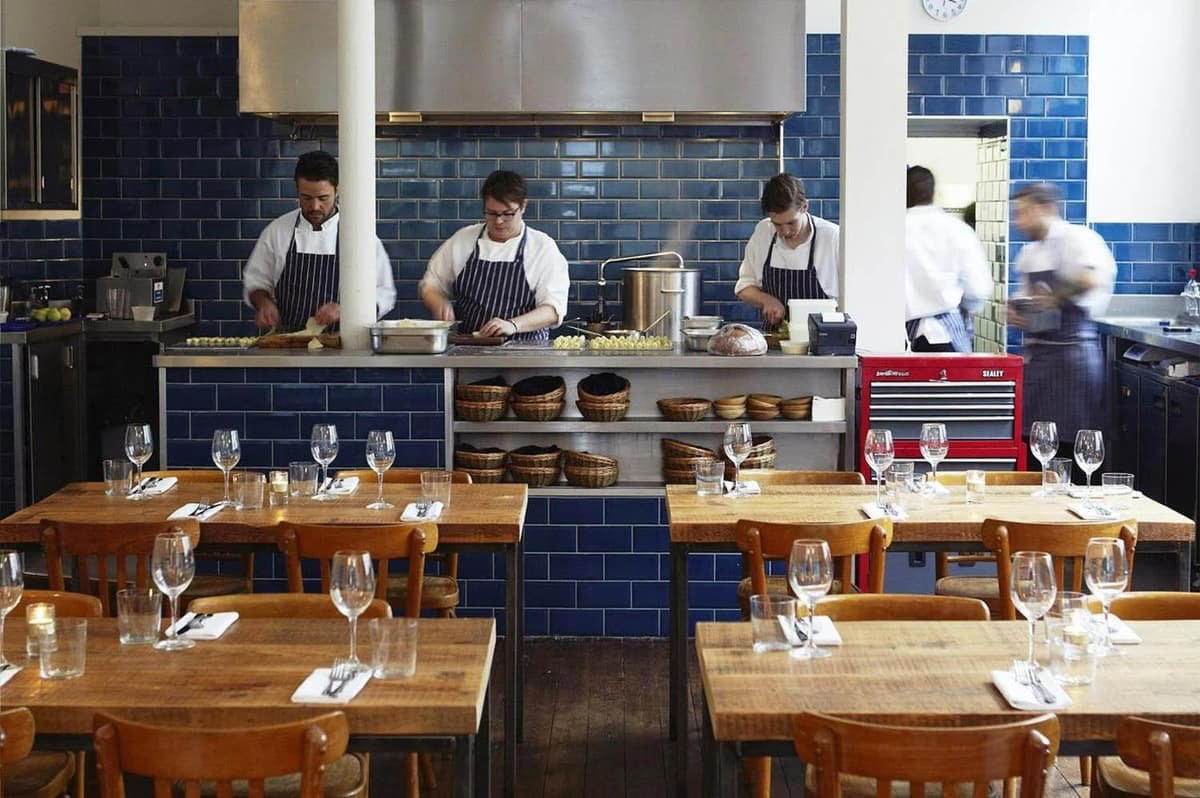
Restaurants in London
Browse all →
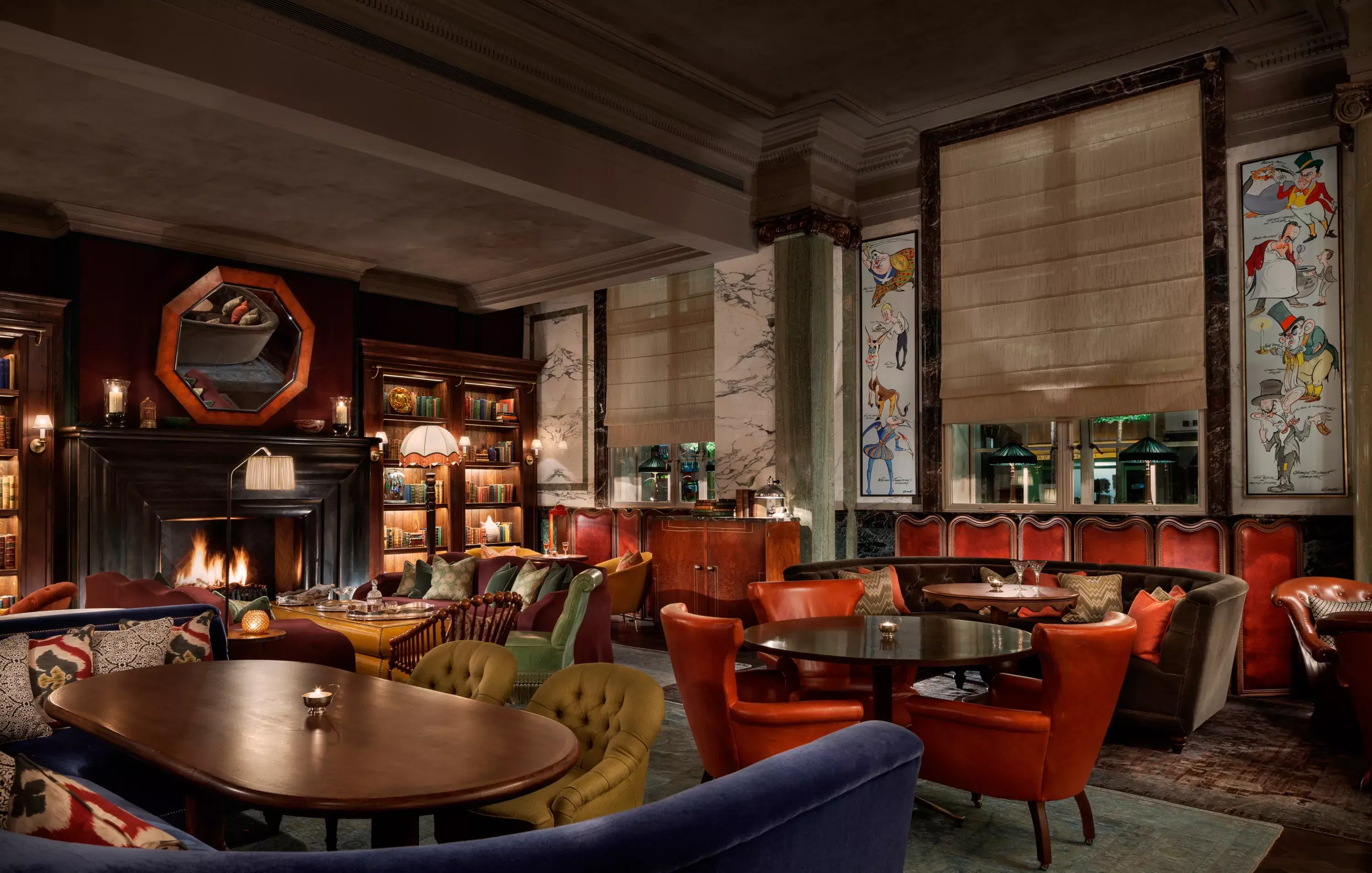
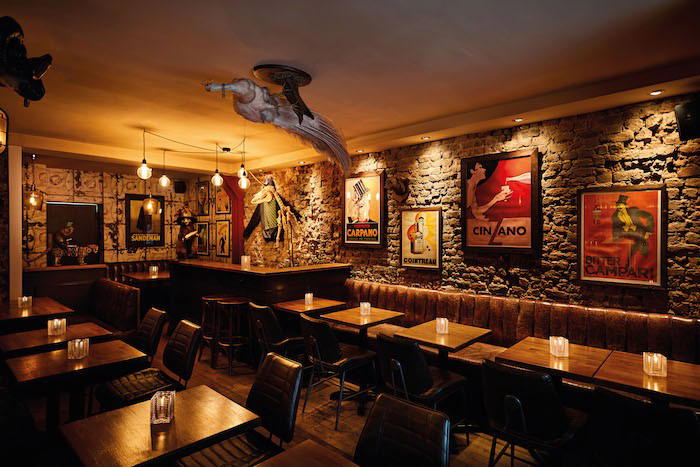
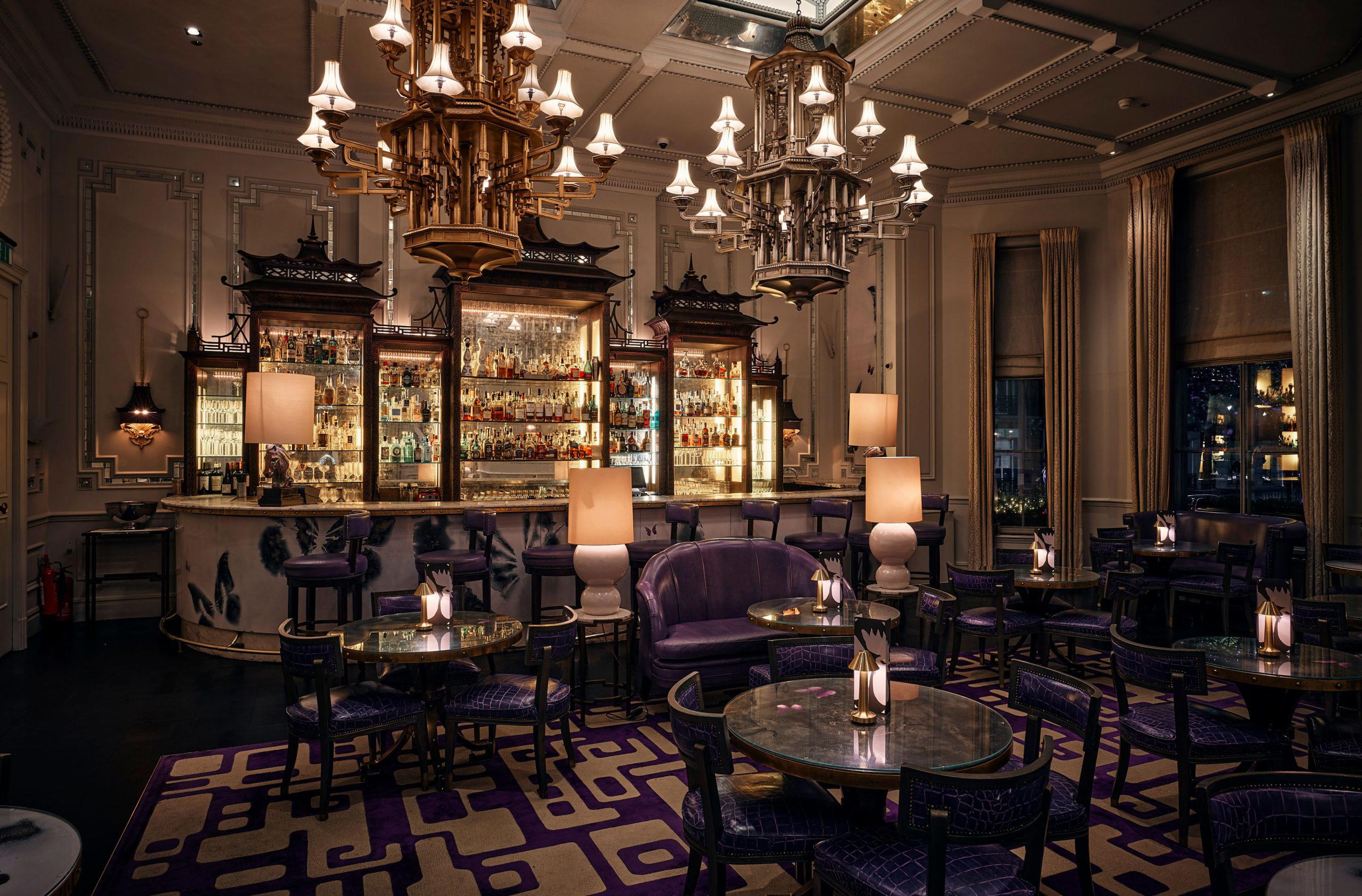
Bars in London
Browse all →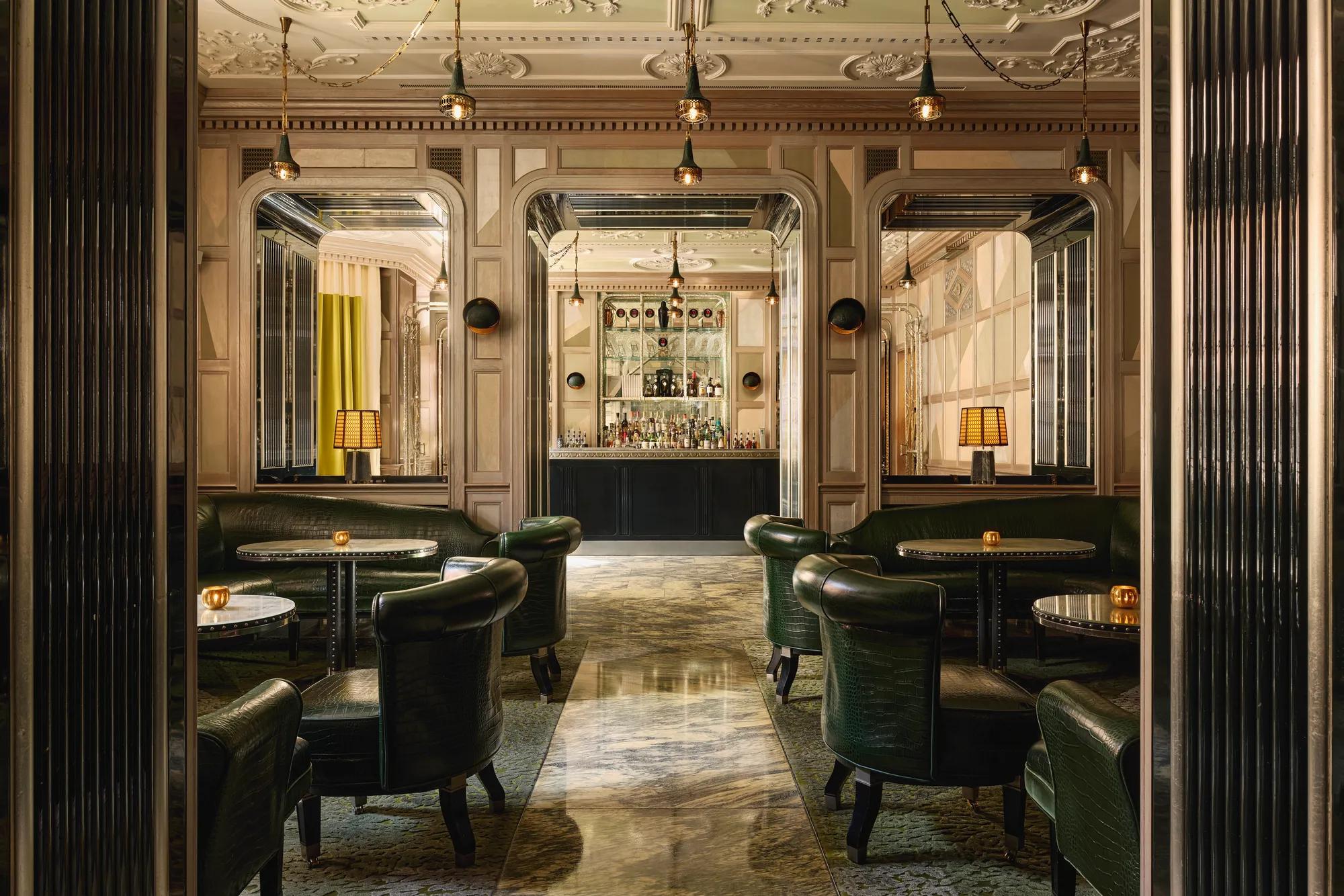
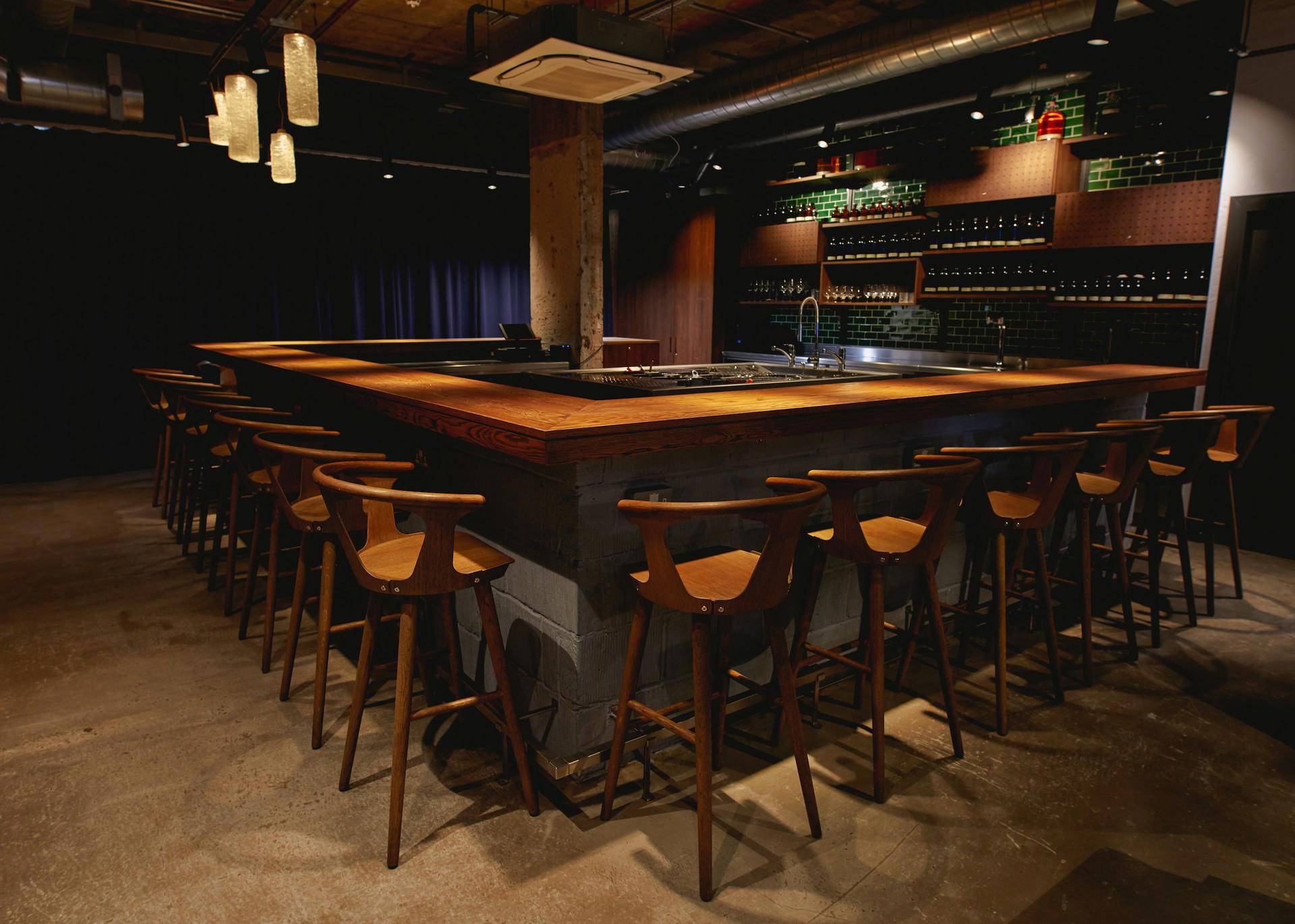
Hotels in London
Browse all →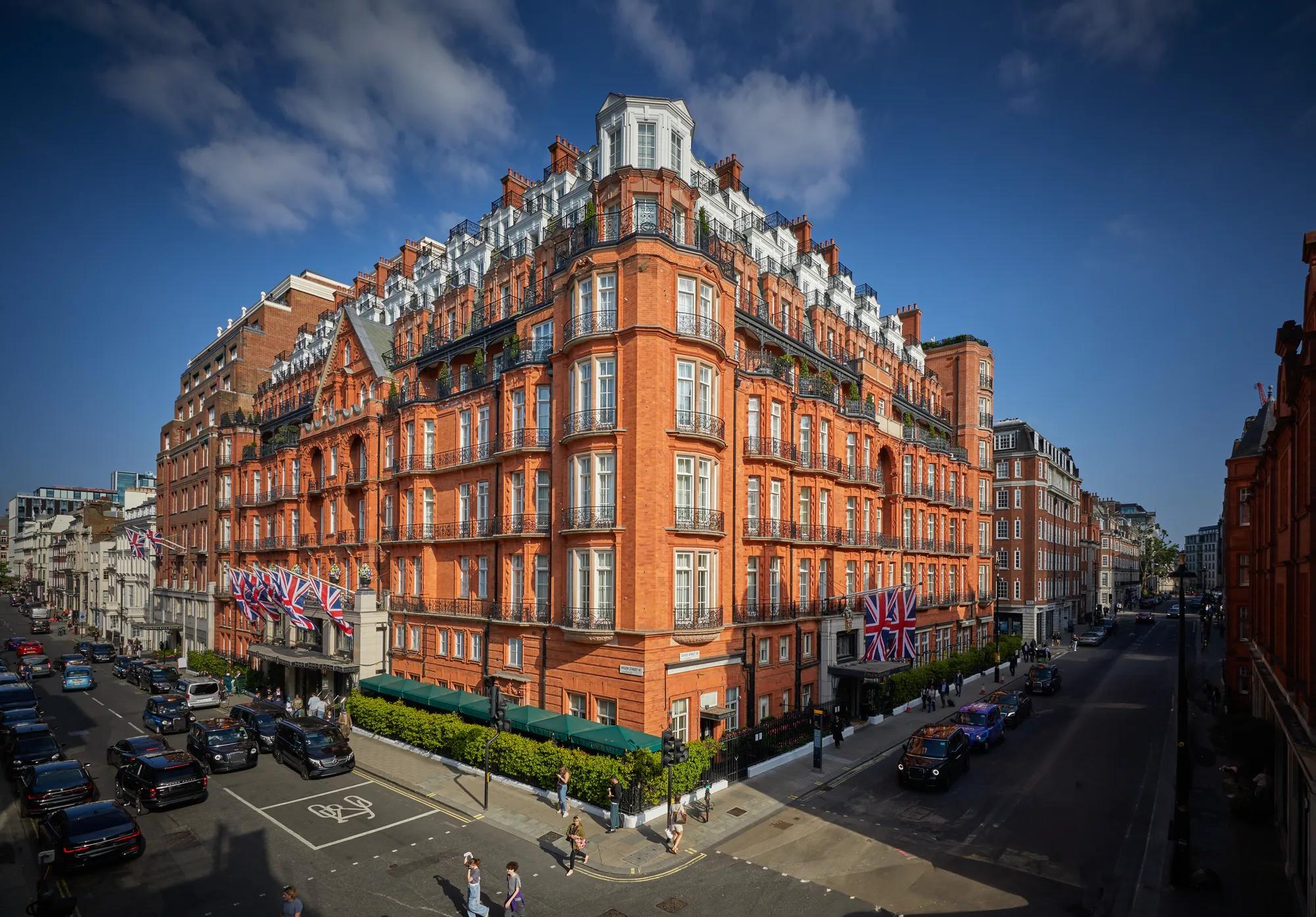
Wineries in London
Browse all →
At a Glance
- Elegant
- Sophisticated
- Modern
- Classic
- Intimate
- Romantic
- Date Night
- Business Dinner
- Group Dining
- Celebration
- Special Occasion
- Terrace
- Design Destination
- Standalone
- Craft Cocktails
- Sommelier Led
- Extensive Wine List
- Local Sourcing
- Farm To Table
- Sustainable Seafood
- Garden
- Street Scene
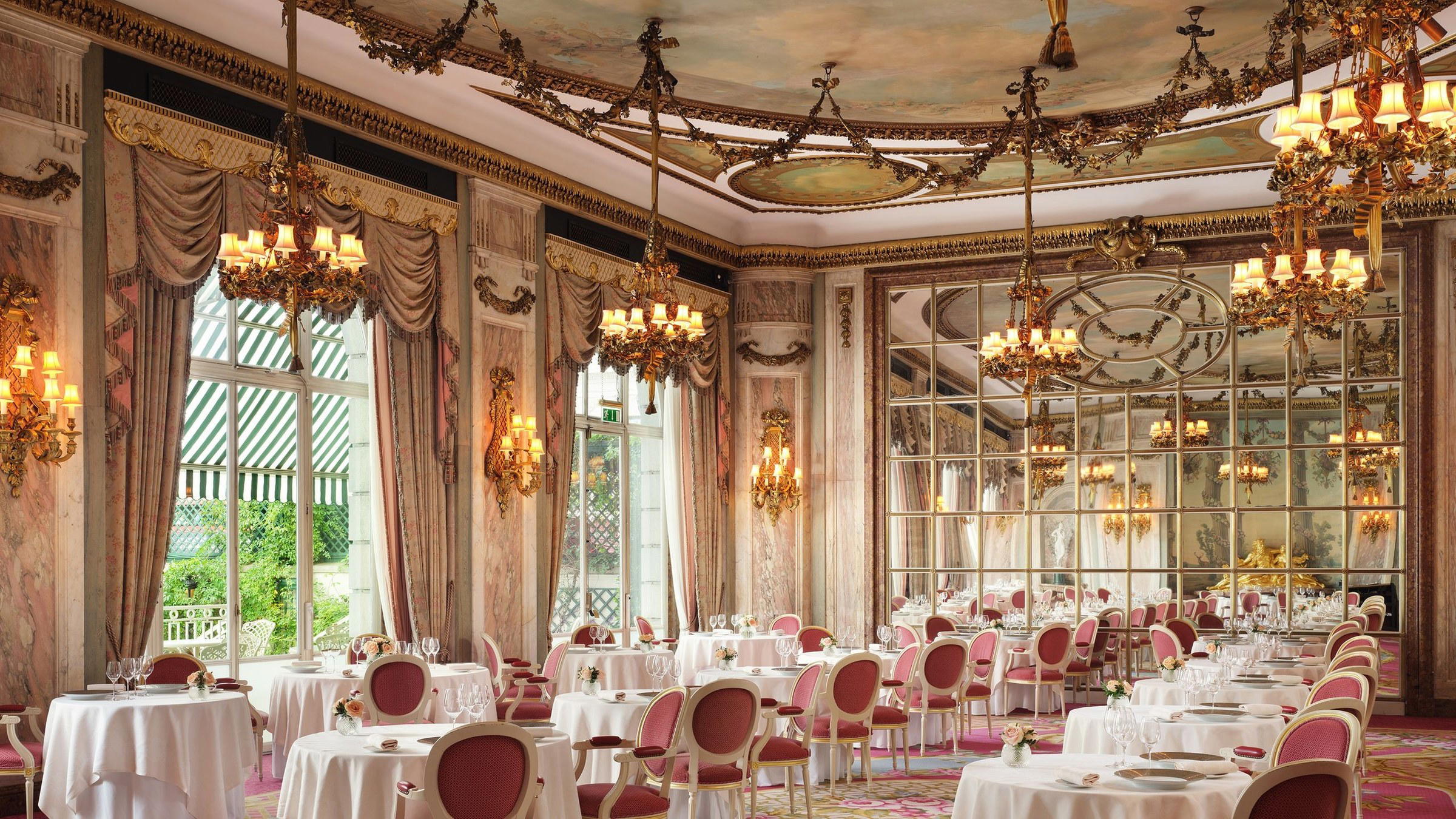
Bright, refined, and design-led, with a calm fine-dining atmosphere that blends classical elegance with contemporary restraint and garden-facing views.