Orochon Ramen
Orochon Ramen sits on Onizuka Street in the heart of Little Tokyo, one of Los Angeles's most concentrated corridors for Japanese comfort food. The shop is known locally for its spice-level system, a format borrowed from Japanese chain ramen culture and applied to a Southern California neighborhood that rewards repeat visitors willing to work up the ladder.
Pearl is the En Primeur Club membership app — saves, bookings, and concierge access live there. Same editors, same standards.
- Address
- 123 Astronaut Ellison S Onizuka St #303, Los Angeles, CA 90012
- Phone
- +1 213 617 1766
- Website
- orochonramenla.com
- Directions
- Get directions
 Saves & bookings on Pearl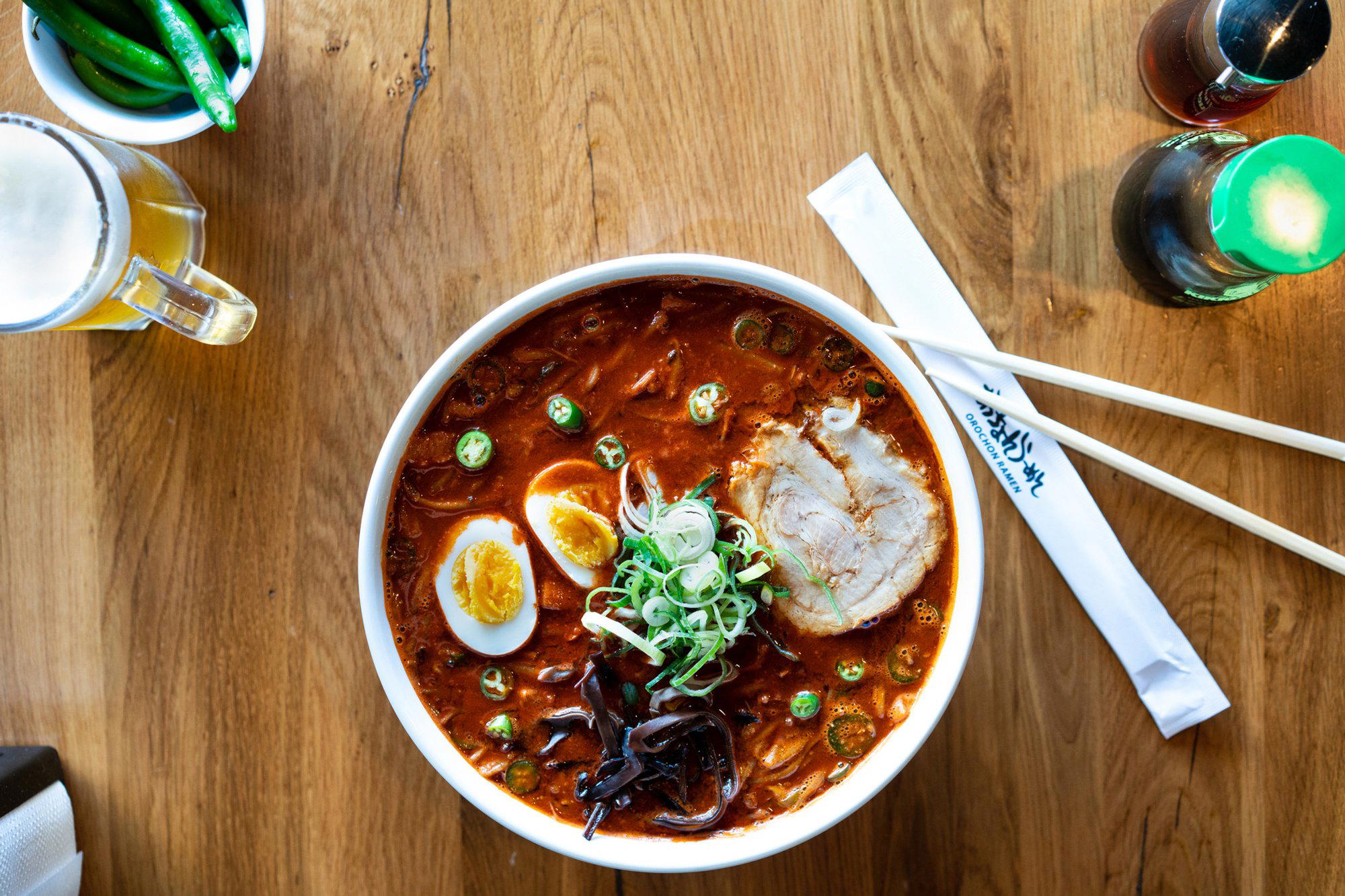
Little Tokyo's Ramen Strip and Where Orochon Sits in It
Little Tokyo's Onizuka Street is home to Orochon Ramen, a casual Los Angeles restaurant serving traditional Japanese ramen at about $18 per person. The block draws a mix of Japanese-American community regulars, downtown workers on a lunch clock, and visitors arriving from the Japanese American National Museum two blocks away. Within that strip, ramen shops compete on a narrow band of criteria: broth depth, customization range, and the unspoken credibility that comes from longevity in a neighborhood with a long institutional memory.
Orochon Ramen sits at 123 Astronaut Ellison S. Onizuka Street, a location whose street name alone signals the neighborhood's layered identity. The shop occupies a position in the casual end of Los Angeles's Japanese dining spectrum, a tier well below the omakase counters at Hayato or the kaiseki-level precision at Kato, but one that serves a different purpose in the city's food geography. Where high-end Japanese dining in Los Angeles has moved toward austere, reservation-only formats, Orochon represents the walk-in, counter-culture lineage that originally defined the neighborhood's food identity.
The Spice System as a Cultural Artifact
Orochon's most discussed feature is its numbered spice scale, a format familiar to anyone who has spent time in the Sapporo-style ramen shops of Hokkaido or the challenge-eating culture that Japanese ramen chains exported globally in the 1980s and 1990s. In its Los Angeles context, the system functions as both a practical ordering tool and a piece of participatory theater. Regulars know their number; first-timers ask the person at the next seat. The format rewards repeat visits in a way that a single static menu rarely does.
This kind of graduated heat system reflects a broader pattern in how Japanese culinary formats travel. When Japanese ramen culture arrived on the West Coast, it arrived in fragments: the shoyu shops of the postwar Nisei generation, the tonkotsu wave of the 1990s, and the more recent ramen-as-fine-dining push that has produced particularly discussed bowls in Los Angeles. Orochon's spice-forward approach sits in a distinct sub-tradition: the challenge-and-customization format, which is less about broth refinement and more about the relationship between the diner and their own tolerance thresholds. This is ramen as a recurring test rather than a single transcendent bowl.
Los Angeles as a Ramen Context
Los Angeles has the diverse ramen scene outside Japan, a consequence of its Japanese-American population density, its geography as a Pacific Rim entry point, and the concentration of Japanese nationals and students who sustain demand for format authenticity. The city's ramen shops range from highly technical broth-focused operations to fast-casual chains to neighborhood institutions that have been running the same menu for decades. Orochon belongs to the institution category, a type of venue that persists not because it chases trends but because it has embedded itself in a community's eating habits.
That institutional quality is worth understanding in comparative terms. Particularly discussed Japanese restaurants in Los Angeles right now, places like Hayato in the Arts District or the high-precision counters concentrated in the mid-city corridor, operate on allocation and reservation infrastructure that places them closer to the planning burden of The French Laundry in Napa or Le Bernardin in New York City than to anything casual. Orochon operates on an entirely different logic: the value is availability, familiarity, and the specific comfort of a bowl that does not require a three-week advance window.
That said, Los Angeles's broader fine dining ecosystem is worth mapping for anyone building a longer itinerary. The city's leading table tier includes Providence for contemporary seafood, Somni for molecular tasting menus, and Osteria Mozza for Italian that has maintained critical and commercial relevance for well over a decade. Orochon addresses none of those needs and does not try to.
Imported Format, Local Anchoring
The editorial angle that matters most for Orochon is the intersection of imported method and local rootedness. The spice-challenge ramen format is a Japanese export, structured around a system that originated in specific regional ramen cultures and was then transplanted into diaspora communities worldwide. In Little Tokyo, that format has been running long enough to become part of the neighborhood's own identity rather than feeling like an import. That is a meaningful distinction. Many Los Angeles restaurants with Japanese DNA read as recent transplants serving a contemporary trend market. Orochon reads as part of the neighborhood's accumulated character.
For context on how this kind of localization works at the fine dining end of the spectrum, Atomix in New York City offers one instructive comparison: Korean technique meeting a New York omakase format, producing something that belongs fully to neither tradition. At the casual end, Orochon performs a similar hybridization, less consciously and over a longer time horizon, embedding a Japanese chain-derived format into a California neighborhood until the two are no longer separable. Elsewhere in the US, similar patterns appear at Emeril's in New Orleans and Frasca Food & Wine in Boulder, where specific culinary traditions have been absorbed into local identity over enough time to feel native.
Orochon occupies the opposite end of that spectrum, where price accessibility is the point and the technique is the tradition rather than an innovation.
Know Before You Go
| Address | 123 Astronaut Ellison S. Onizuka St #303, Los Angeles, CA 90012 |
|---|---|
| Neighborhood | Little Tokyo, Downtown Los Angeles |
| Hours | Mon to Thu and Sun, 11:30 AM to 10 PM; Fri and Sat, 11:30 AM to 10:30 PM |
| Reservations | Walk-in friendly |
| Price range | Casual; about $18 per person |
| Getting there | Accessible via Metro A Line (Little Tokyo/Arts District station) |
| Ideal time to visit | Lunch hours on weekdays tend to draw the neighborhood's working population; weekends attract a broader mix |
Pricing, Compared
Comparable venues nearby, for context on price, style, and recognition.
| Venue | Cuisine | Price | Notes |
|---|---|---|---|
| Orochon RamenThis venue — the venue you are viewing | Little Tokyo, Traditional Japanese Ramen | $ | Not listed |
| necco (Omusubi Project By Necco) | Not listed | $ | Little Persia, Japanese Fusion Tapas & Omusubi |
| Ramenya | Sawtelle, Japanese Ramen | $ | Not listed |
| Ten Ramen | Wilshire Center, Japanese Ramen | $$ | Not listed |
| Konbi Ni | Not listed | $$ | Echo Park, Japanese Konbini-Style Sandwiches & Breakfast |
| Ramen Nagi | Century City, Authentic Japanese Ramen | $$ | Not listed |
Continue exploring
More in Los Angeles
Restaurants in Los Angeles
Browse all →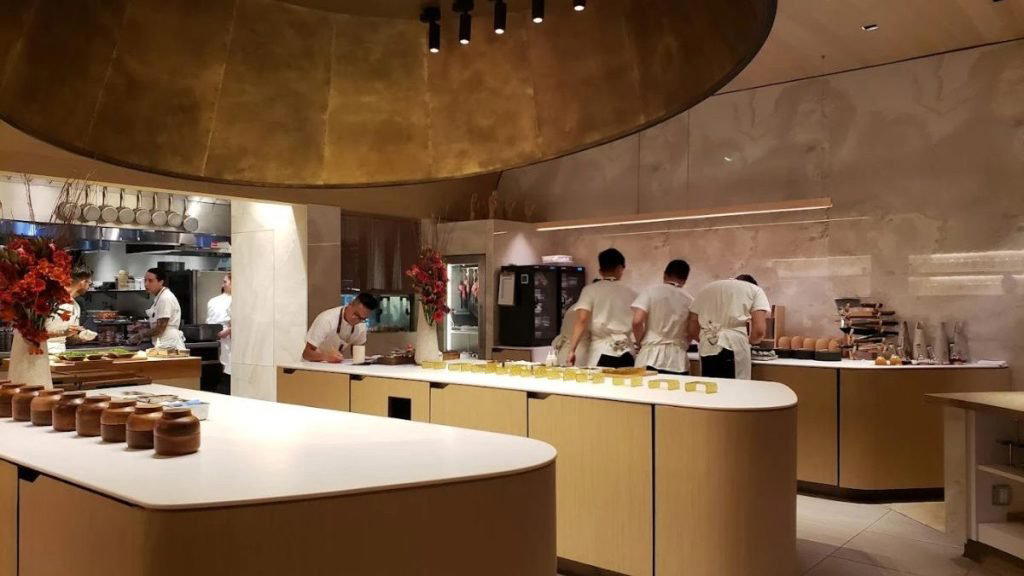
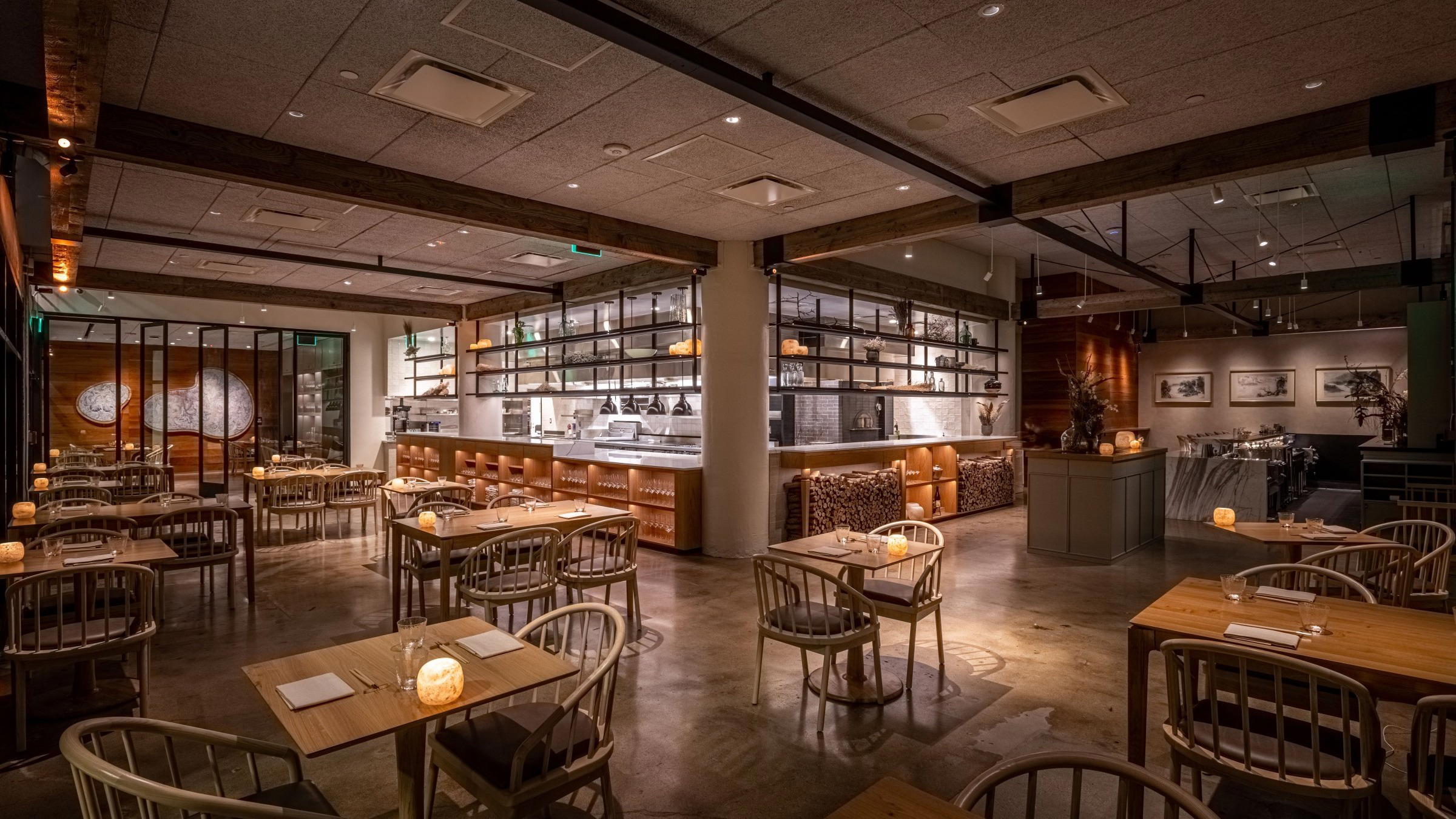
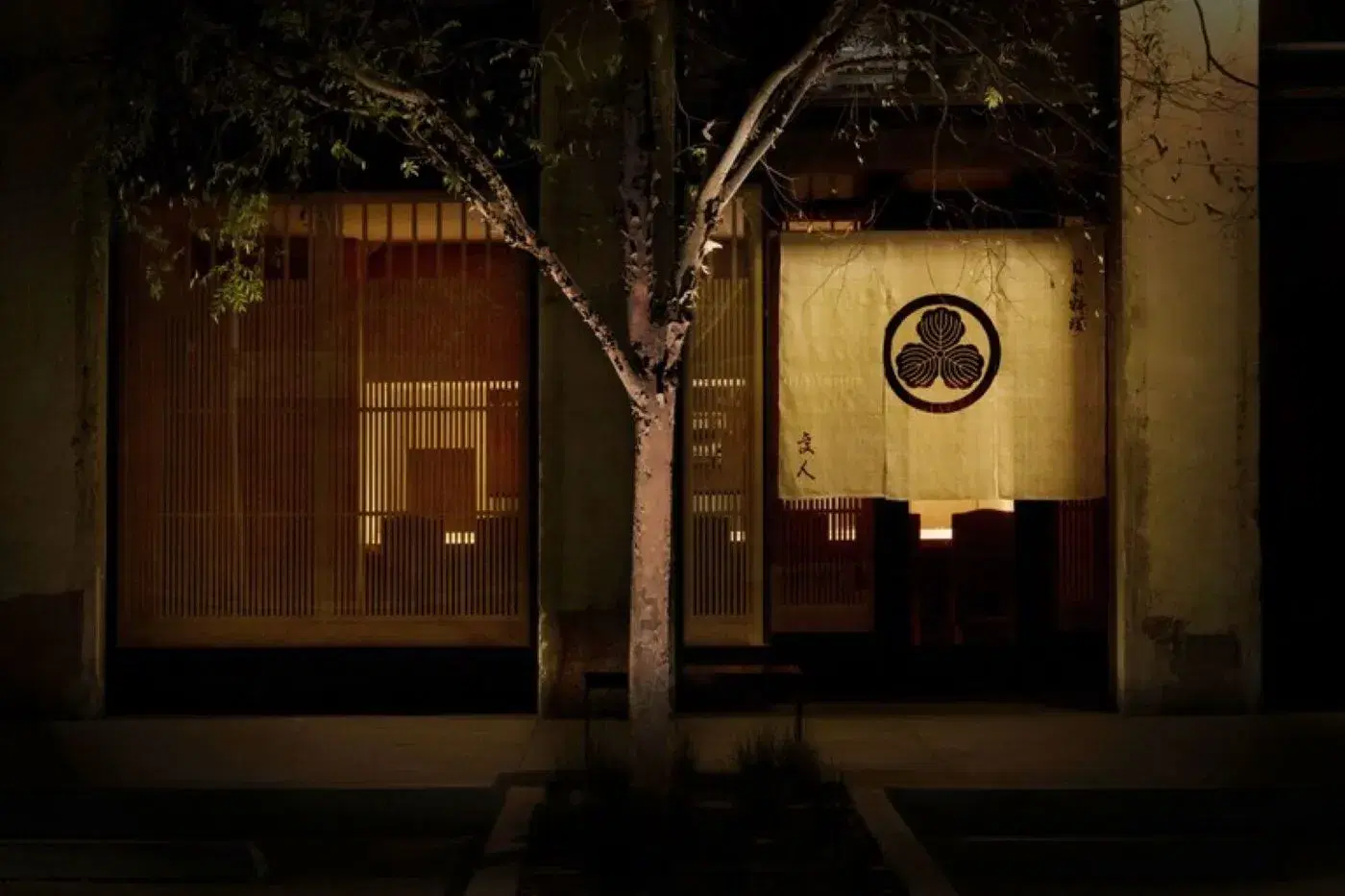
Bars in Los Angeles
Browse all →
Hotels in Los Angeles
Browse all →

Wineries in Los Angeles
Browse all →
At a Glance
- Lively
- Casual
- Energetic
- Casual Hangout
- Late Night
- Group Dining
- Open Kitchen
- Beer Program
Current opening hours
- Monday
- 11:30 AM–10 PM
- Tuesday
- 11:30 AM–10 PM
- Wednesday
- 11:30 AM–10 PM
- Thursday
- 11:30 AM–10 PM
- Friday
- 11:30 AM–10:30 PM
- Saturday
- 11:30 AM–10:30 PM
- Sunday
- 11:30 AM–10 PM
Hours can change for holidays and private events. Last verified .
Casual, energetic atmosphere with a simple no-frills interior; known for quick turnover and lively crowds, especially during peak hours.