Origine

Michelin Plate
Our verdict
At a mid-range price point, it occupies a category gap that larger cities rarely produce: precise, sourcing-led cooking without the formality or cost of a metropolitan fine-dining room.

Pearl is the En Primeur Club membership app, where members save venues, book tables and use the concierge.
The menu
What to order
- Caviar and chocolate pairing
- Tartelette audomaroise
Where Northern France Feeds the Plate
The Pas-de-Calais countryside does not announce itself the way Burgundy or Provence do. The land between Arras and the Somme is agricultural, quietly productive, and largely ignored by the restaurant press that circles Paris and the grands établissements. That neglect has created room for a different kind of ambition. In the village of Gouy-en-Artois, at 16 Rue de Monchiet, Origine works inside that gap, a Michelin Plate-recognised creative kitchen operating at a mid-range price point (see our full Gouy-en-Artois restaurants guide
Arriving in Gouy-en-Artois, the village itself sets the register. There is no urban noise to cut through, no density of competing signs. The approach is quiet farmland, and the restaurant sits within it on a village street, a setting that carries an immediate implication about what the kitchen values. Creative cooking rooted in a specific agricultural territory tends to read differently when you can see that territory outside the window. The room does not need to perform provenance; the provenance is literal.
The Sourcing Logic of Artois
Northern France has one of Europe's most underappreciated agricultural profiles. The Pas-de-Calais produces endive, leek, potato, beetroot, and cereal crops at scale; its coastal proximity means shellfish and flat-fish are a short supply chain away; and the bocage farmland between Arras and Saint-Pol carries livestock that rarely appears on menus south of the region. Creative kitchens working in this territory, rather than importing the reference points of Breton or Norman cooking, have access to a larder that is specific enough to carry a menu's identity on its own.
Origine's Michelin Plate recognition in 2025 signals that the kitchen is cooking at a level worth noting, even if it sits below the star tier occupied by the grandes maisons of northern France. For comparison, the Artois and Picardy region's relationship with Michelin recognition has historically been thin relative to Alsace, the Rhône valley, or the Côte d'Azur. A Plate designation here, in a village of this scale, represents a category of restaurant that is genuinely difficult to find: technically ambitious cooking, priced accessibly, in a rural setting that has no reason to inflate costs to match a city postcode. The mid-range price bracket (€€) positions Origine well below the €€€€ tier occupied by the Paris creative rooms, Alléno Paris au Pavillon Ledoyen being the obvious northern French benchmark, while delivering a comparable seriousness of intent at the plate.
That gap between technical ambition and accessible pricing is the defining characteristic of France's most interesting regional restaurants. Bras in Laguiole and Auberge du Vieux Puits in Fontjoncouse established a model of serious rural cooking that operates on the produce logic of its immediate geography rather than the status logic of metropolitan supply chains. Origine operates within that tradition, even if it functions at a different scale and recognition tier.
Creative Cooking at the Village Register
The cuisine classification is creative, which in the French regional context usually means a kitchen that is not bound by a single classical tradition but that draws on the full vocabulary of contemporary technique, fermentation, precise temperature control, contrasting textures within a single plate, applied to locally sourced material. This approach differs from the classical French cooking that still defines houses like Auberge de l'Ill in Illhaeusern or the more architecturally complex tasting formats of Mirazur in Menton. The creative category at the village level tends to produce menus that are more direct: fewer courses, clearer ingredient logic, less reliance on the luxury-goods signifiers (truffle, caviar, foie gras) that anchor metropolitan fine dining.
For a reader considering the wider northern French creative scene, Assiette Champenoise in Reims and Au Crocodile in Strasbourg represent the eastern corridor of ambitious regional cooking, while Flocons de Sel in Megève and Troisgros - Le Bois sans Feuilles in Ouches anchor the mountain and Burgundy registers. Origine belongs to a different axis: the flat agricultural north, where the produce story is about abundance and seasonality rather than altitude or terroir in the viticultural sense.
Internationally, the creative-at-village-scale model finds parallels in Enrico Bartolini's work in Milan and JAN in Munich, both operating with strong sourcing discipline within the creative classification. The comparison is useful not because the kitchens share geography but because the category logic is similar: technical precision applied to a defined ingredient vocabulary, without the overhead of a destination-city address.
Planning a Visit
Gouy-en-Artois sits in the rural Pas-de-Calais, accessible from Arras (roughly 15 kilometres to the southeast) and within reasonable driving distance of Lille. The village is not served by rail directly, so a car is the practical approach for most visitors. The mid-range price point makes Origine a realistic proposition for a standalone lunch or dinner without the budget commitment that a multi-star room requires. For visitors planning a broader stay, the Gouy-en-Artois hotels guide covers accommodation options in the area, and the bars, wineries, and experiences guides map out the broader territory. For those building a northern France food itinerary, Paul Bocuse - L'Auberge du Pont de Collonges and AM par Alexandre Mazzia in Marseille anchor the southern end of the French creative circuit, providing useful reference points for what Origine is doing at the northern extreme of the country, at a fraction of the cost.
Frequently asked questions
Is Origine child-friendly?
At the €€ price point, the kitchen leans creative, which tends to suit curious eaters of any age rather than a conventional children's offering. Calling ahead is the practical step before visiting with young children.
Is Origine formal or casual?
Origine holds a 2025 Michelin Plate, which signals kitchen seriousness without necessarily requiring a formal dining code. The €€ pricing and village address in Gouy-en-Artois point toward a relaxed but considered atmosphere, closer to convivial rural French than white-tablecloth Parisian.
Is Origine award-winning?
Origine has received recognition including: Michelin Plate (2025).
What's the signature dish at Origine?
The cuisine classification is creative, set within a region defined by endive, leek, beetroot, and cereal crops, so the cooking likely engages directly with Pas-de-Calais produce. The 2025 Michelin Plate indicates the kitchen has earned editorial attention for its output.
Side-by-Side Snapshot
Comparable venues nearby, for context on price, style, and recognition.
| Venue | Cuisine | Price | Awards | Notes |
|---|---|---|---|---|
| OrigineThis venue (the venue you are viewing) | Modern French Seasonal | $50–100 | Michelin Plate | Not listed |
| Maison Renard | Modern French Fine Dining | $50–100 | Michelin Plate | Centre historique de Béthune |
| La Baratte | Modern French Gastronomique | $30–50 | Michelin Plate | Tourcoing residential area |
| Faubourg Daimant | Modern Plant-Based French Bourgeois | $30–50 | Michelin Plate | 10th arrondissement |
| L'Arbre | Bistronomique French | Not listed | Michelin Plate | Gruson |
| Au Flaméron | French-Japanese Fusion Bistro | $30–50 | Michelin Plate | centre historique |
Recognition history
Dated appearances from independent guides and award organizations, with the underlying list record or original source where available.
Michelin Plate
Michelin
Continue exploring
More in Gouy-en-Artois
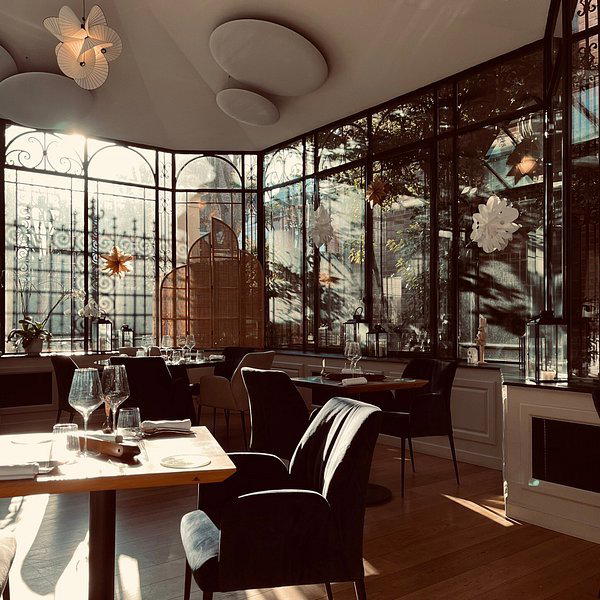
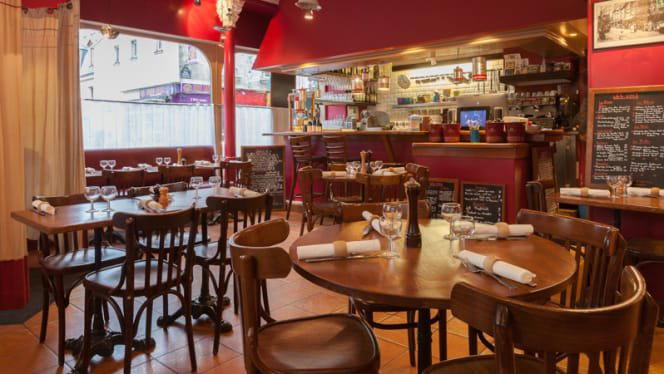
Restaurants in Gouy-en-Artois
All restaurants in Gouy-en-Artois →
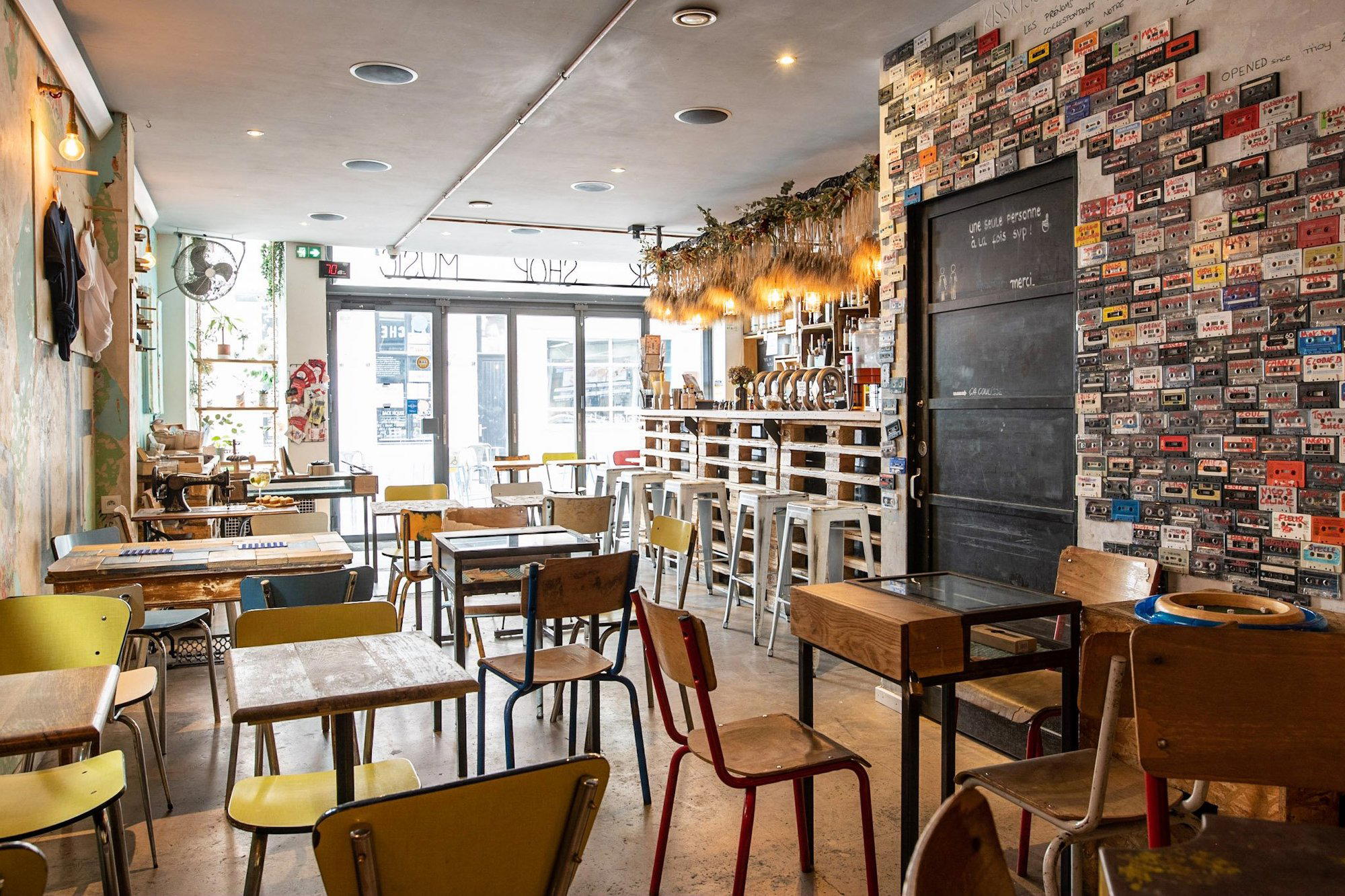
Bars in Gouy-en-Artois
Browse all →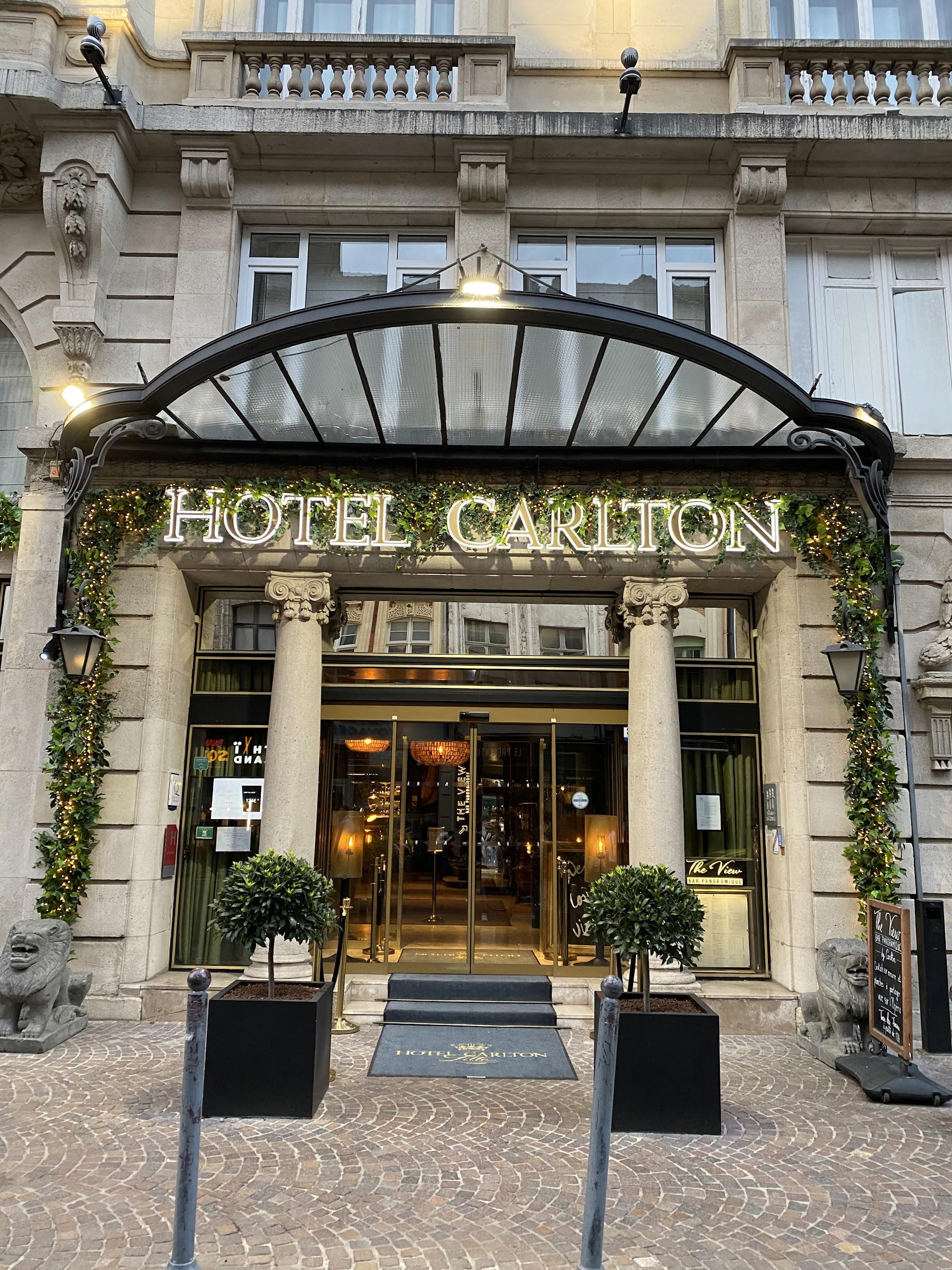
Hotels in Gouy-en-Artois
Browse all →
Wineries in Gouy-en-Artois
Browse all →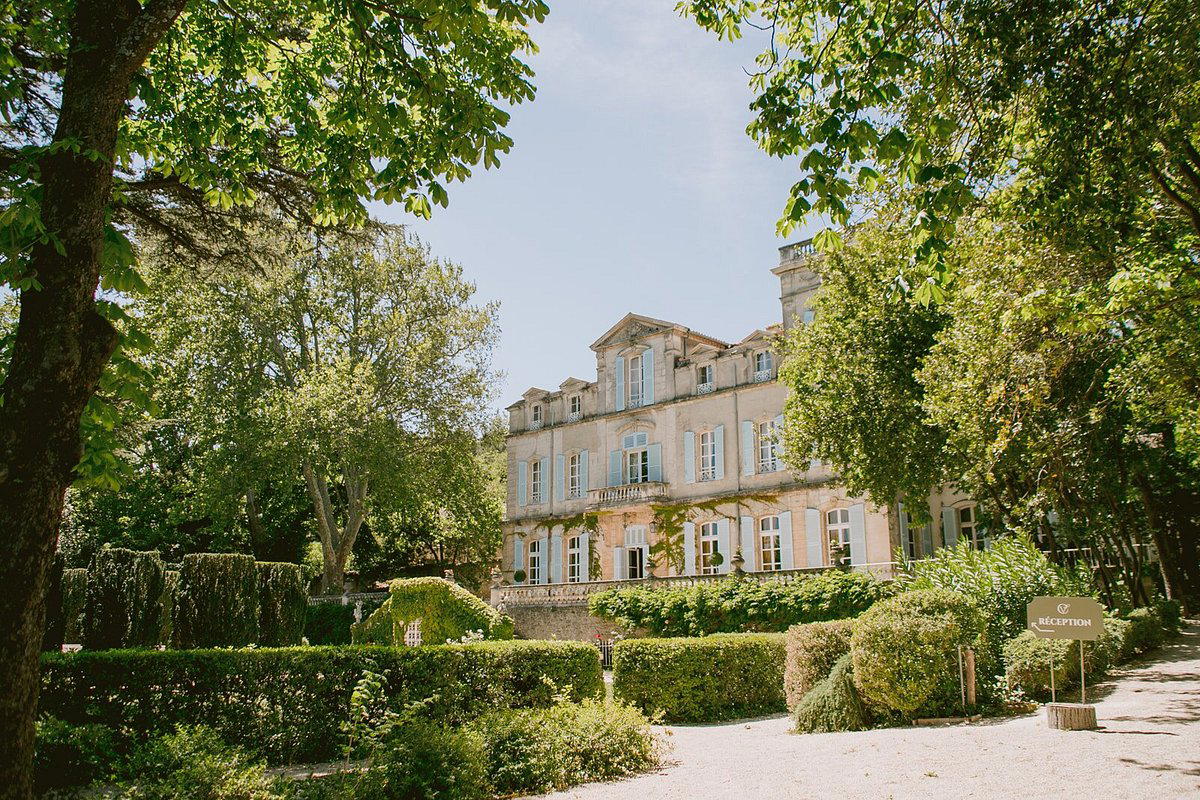
Details
- Intimate
- Elegant
- Quiet
- Rustic
- Sophisticated
- Special Occasion
- Date Night
- Celebration
- Terrace
- Garden
- Standalone
- Historic Building
- Natural Wine
- Sommelier Led
- Farm To Table
- Local Sourcing
- Organic
- Biodynamic
- Garden
- Tasting Menu
- Prix Fixe
- Natural Wine
- Local Vignerons
- Vegetarian Friendly
- Organic Focus
Current opening hours
- Monday
- Closed
- Tuesday
- Closed
- Wednesday
- 12:15–2:30 PM
- Thursday
- 12:15–2:30 PM, 7:15–10:30 PM
- Friday
- 12:15–2:30 PM, 7:15–10:30 PM
- Saturday
- 7:15–10:30 PM
- Sunday
- 12:15–2:30 PM
Hours can change for holidays and private events. Hours as of .
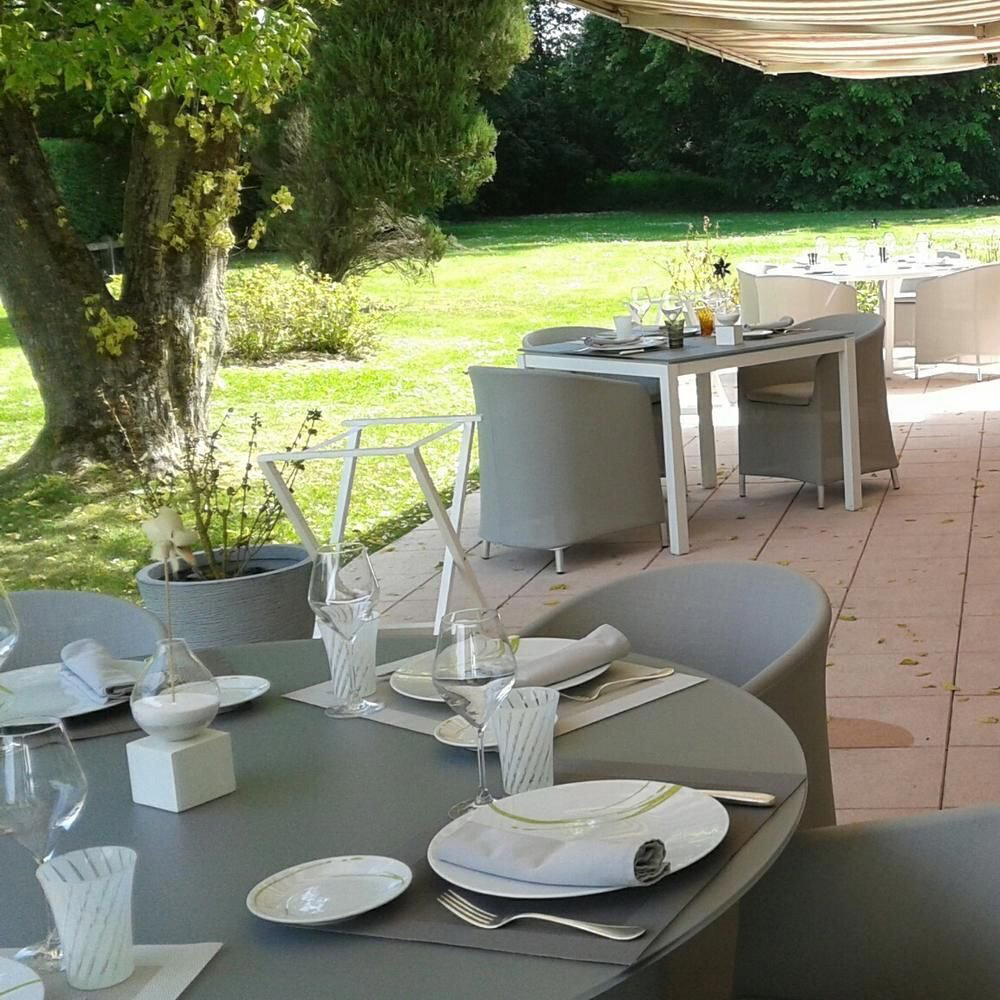
Serene and refined countryside setting with a contemporary interior, peaceful pace, and warm hospitality in an intimate, converted farmhouse with terrace and garden views.