
Michelin Plate
Our verdict
L'Arbre holds a Michelin Plate in both 2024 and 2025, placing it among a small tier of recognised modern cuisine addresses in the Lille metropolitan fringe. Set in Gruson, a quiet commune southeast of Lille, it offers a considered alternative to the city's more central dining scene.

Pearl is the En Primeur Club membership app, where members save venues, book tables and use the concierge.

The Village Edge, Not the City Centre
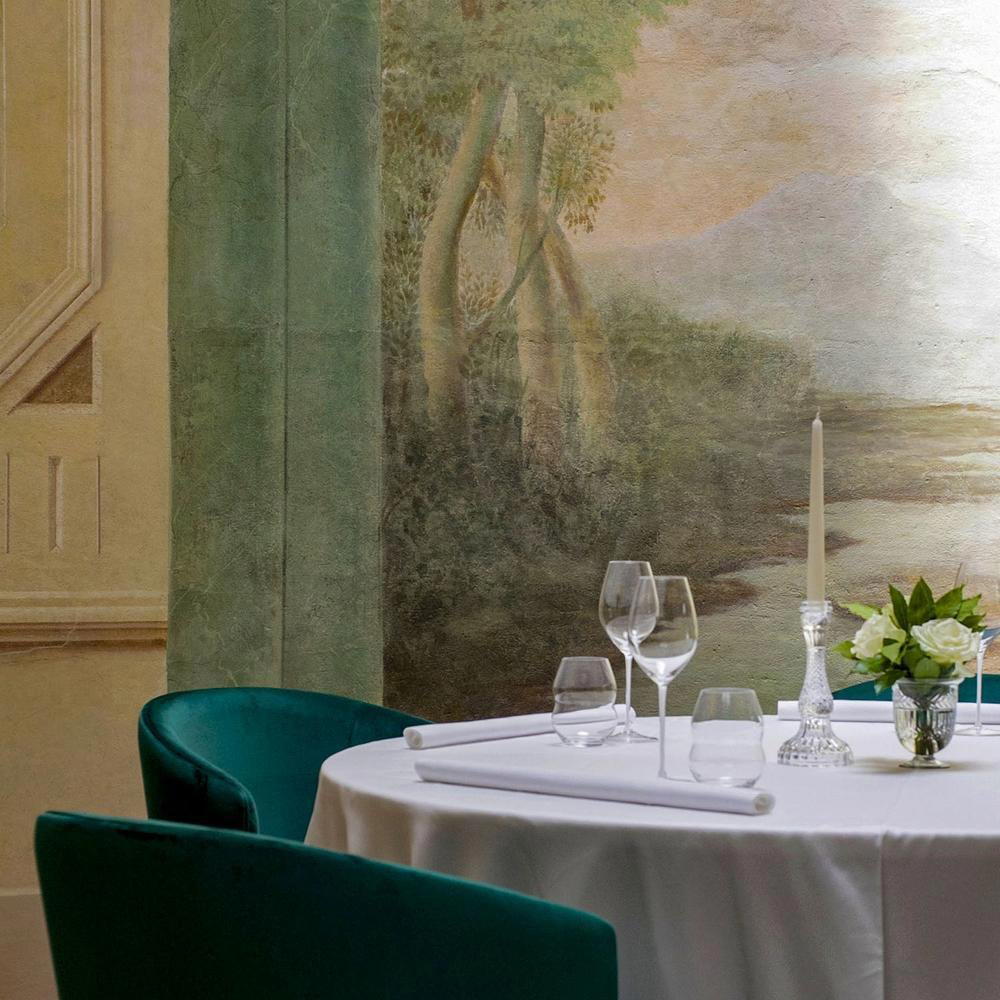
The modern cuisine movement in northern France has never been exclusively urban. While Lille concentrates most of the region's dining attention, a parallel circuit of recognised addresses operates in the communes that ring the city, drawing residents and travellers willing to trade convenience for a different register entirely. Gruson, a small village southeast of Lille, sits inside that circuit. Arriving at 1 Pavé Jean Marie Leblanc, the setting signals immediately that this is not a destination built around metropolitan foot traffic. The address is rural in character, the pace slower, and the proposition shifts accordingly: this is a meal you travel to, rather than one you fall into.
That deliberate remove from the centre is worth noting because it shapes everything about how L'Arbre functions. In cities like Paris, where three-star tables such as Alléno Paris au Pavillon Ledoyen or Mirazur in Menton operate inside a competitive, high-visibility environment, the room itself performs as part of the offer. At a village-edge address, the physical surroundings anchor the experience differently: the expectation of theatre recedes, and the food is asked to carry more weight on its own terms.
Michelin Recognition in Context
L'Arbre has held a Michelin Plate in both 2024 and 2025. Within the Michelin system, the Plate designation marks a restaurant the guide considers worth knowing: the inspectors found cooking of sufficient quality to include it, without awarding the star-level distinction reserved for a smaller group. That consistency across two consecutive editions matters. A single-year listing can reflect a strong moment; a repeat signals that the kitchen is operating at a dependable standard rather than peaking sporadically.
For a point of comparison within the broader French modern cuisine tier: addresses like Bras in Laguiole, Auberge de l'Ill in Illhaeusern, and Flocons de Sel in Megève sit at the star level, where sourcing, technique, and consistency are held to a higher and more publicly scrutinised standard. L'Arbre operates in the tier below that ceiling, but the Plate listing in a region where Michelin coverage is selective positions it clearly within the recognised addresses of the Nord department.
The Sourcing Logic Behind Northern French Modern Cuisine
Modern cuisine in the north of France draws on a sourcing geography that differs from its Alpine, Mediterranean, or Atlantic counterparts. The Nord-Pas-de-Calais region has access to the produce rhythms of Flemish agricultural land, Channel seafood, and a tradition of market-driven cooking that predates the contemporary farm-to-table framing now common across European fine dining. Chicory, endive, hop shoots in spring, coastal grey shrimp, and beef from the plains around Cambrai are ingredients with deep regional identity here, and they have historically shaped what northern kitchens reach for when they want to cook with place.
For a restaurant at the €€€ price tier in a village setting, that sourcing logic carries particular weight. Unlike the flagship urban tables where sourcing can be imported prestige, sourcing at this level in this geography tends to be more directly tied to proximity: what the local markets offer, what relationships the kitchen has built with producers across the surrounding Flemish countryside, and how those decisions translate into a menu that reads as distinctly northern rather than generically contemporary. That connection between land and plate is the defining axis of modern cuisine in this part of France, and it is the standard against which a Michelin-endorsed address in Gruson should be assessed.
Comparable properties operating at the regional level in France, including Au Crocodile in Strasbourg, Assiette Champenoise in Reims, and Auberge du Vieux Puits in Fontjoncouse, each anchor their modern cuisine approach in a specific regional ingredient identity. The expectation at L'Arbre is that its Michelin recognition reflects a similar commitment to the northern French larder rather than a cuisine that could be transplanted elsewhere without loss of meaning.
Planning a Visit
Gruson sits in the Métropole Européenne de Lille and is most practically reached by car from the city centre. For visitors combining L'Arbre with broader regional exploration, the Flemish towns of the surrounding area, the city of Lille itself, and the cross-border proximity to Belgium make the locale a sensible base for a short stay. For accommodation and further orientation in the area, our full Gruson hotels guide covers the relevant options, and our full Gruson restaurants guide maps the wider dining picture.
The €€€ pricing places L'Arbre in the mid-to-upper range for the region, below the €€€€ tier occupied by the major starred addresses but above casual dining. That positioning means a considered occasion meal rather than a spontaneous midweek dinner. Booking ahead is the practical approach for any weekend visit. Visitors looking to round out a stay with bars, wine producers, or cultural experiences in the area can also reference our full Gruson bars guide, our full Gruson wineries guide, and our full Gruson experiences guide.
For those building a broader modern cuisine itinerary across France, the contrast between a village-scale address like L'Arbre and the major urban tables, including AM par Alexandre Mazzia in Marseille, Paul Bocuse in Collonges-au-Mont-d'Or, or Troisgros in Ouches, illustrates a structural truth about how the French fine dining tier is organised: recognition travels well beyond the capital, and the Michelin inspectors continue to find cooking worth noting in places that most visitors never think to look. International comparisons can extend further still, to Frantzén in Stockholm or FZN by Björn Frantzén in Dubai, both of which represent the modern cuisine category at the global level and illustrate how much range sits within the same broad classification.
Frequently asked questions
Would L'Arbre be comfortable with kids?
What should I expect atmosphere-wise at L'Arbre?
What's the signature dish at L'Arbre?
At-a-Glance Comparison
| Venue | Cuisine | Price | Awards | Notes |
|---|---|---|---|---|
| L'ArbreThis venue (the venue you are viewing) | Bistronomique French | Not listed | Michelin Plate | Not listed |
| Alléno Paris au Pavillon Ledoyen | Modern French Fine Dining | $150–200 | 3 Michelin Stars · World's 50 Best #79 | Creative |
| Kei | Contemporary French, Modern Cuisine | Not listed | Michelin 3 Star | Not listed |
| L'Ambroisie | Classic French Haute Cuisine | $300–500 | 2 Michelin Stars · World's 50 Best #23 | French, Classic Cuisine |
| Le Cinq - Four Seasons Hôtel George V | Modern French Fine Dining | $300–500 | 3 Michelin Stars · World's 50 Best #24 | French, Modern Cuisine |
| Plénitude | Modern French Sauce-Led Fine Dining | $300–500 | 3 Michelin Stars · World's 50 Best #14 | Contemporary French |
Recognition history
Dated appearances from independent guides and award organizations, with the underlying list record or original source where available.
Michelin Plate
Michelin
Full recognition history (3 entries)
Michelin Plate
Michelin
Michelin Plate
Michelin
Continue exploring
More in Gruson
Restaurants in Gruson
All restaurants in Gruson →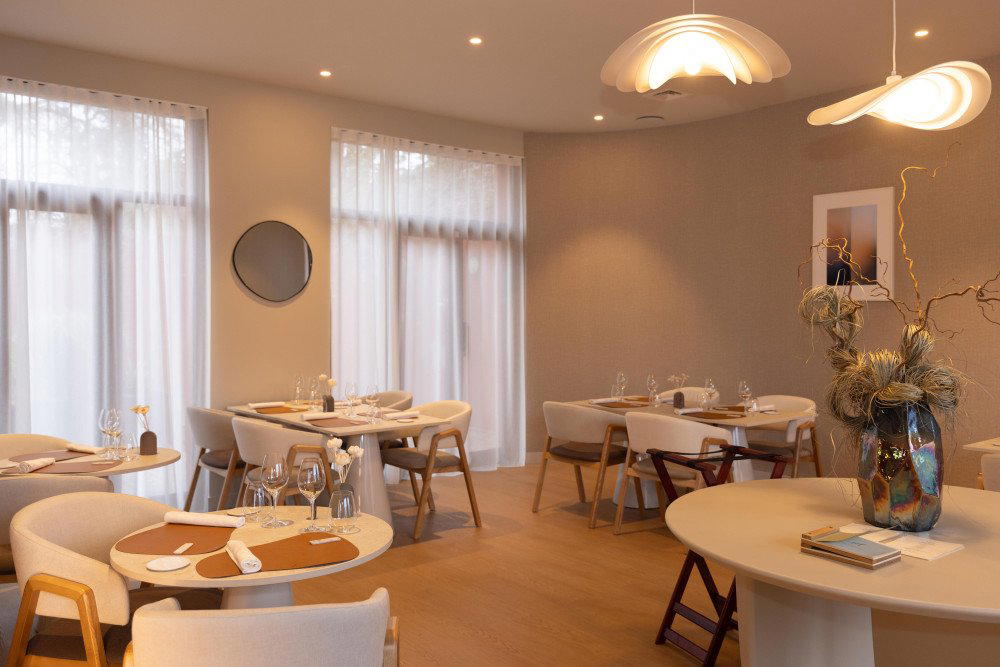
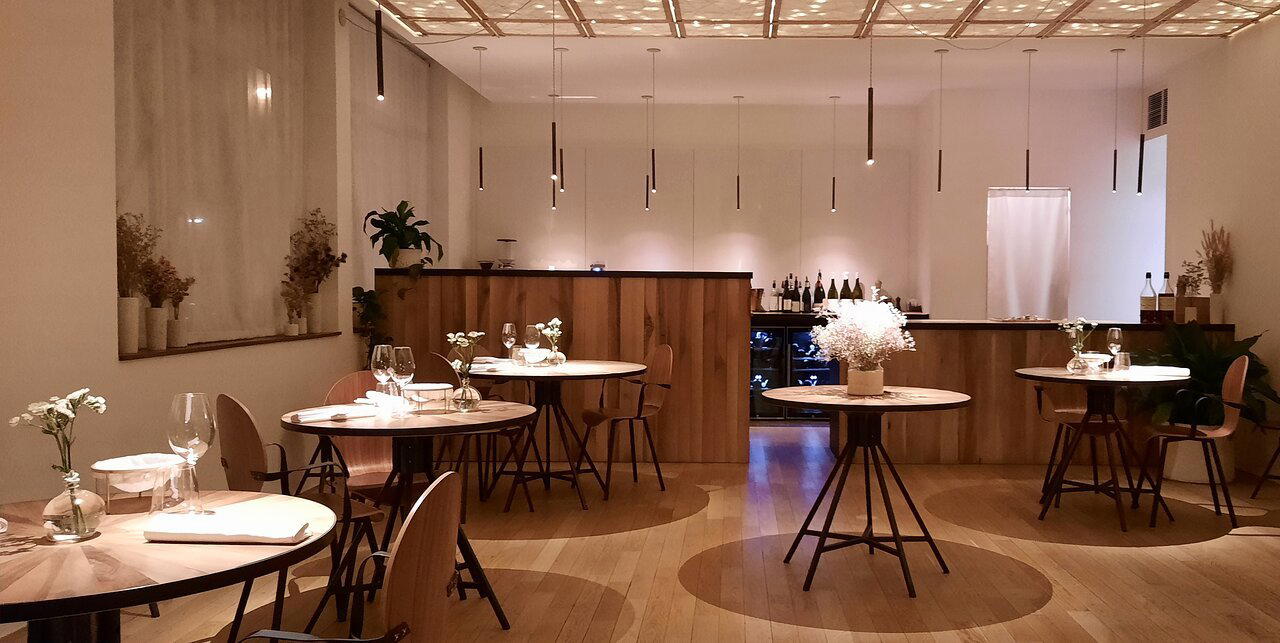
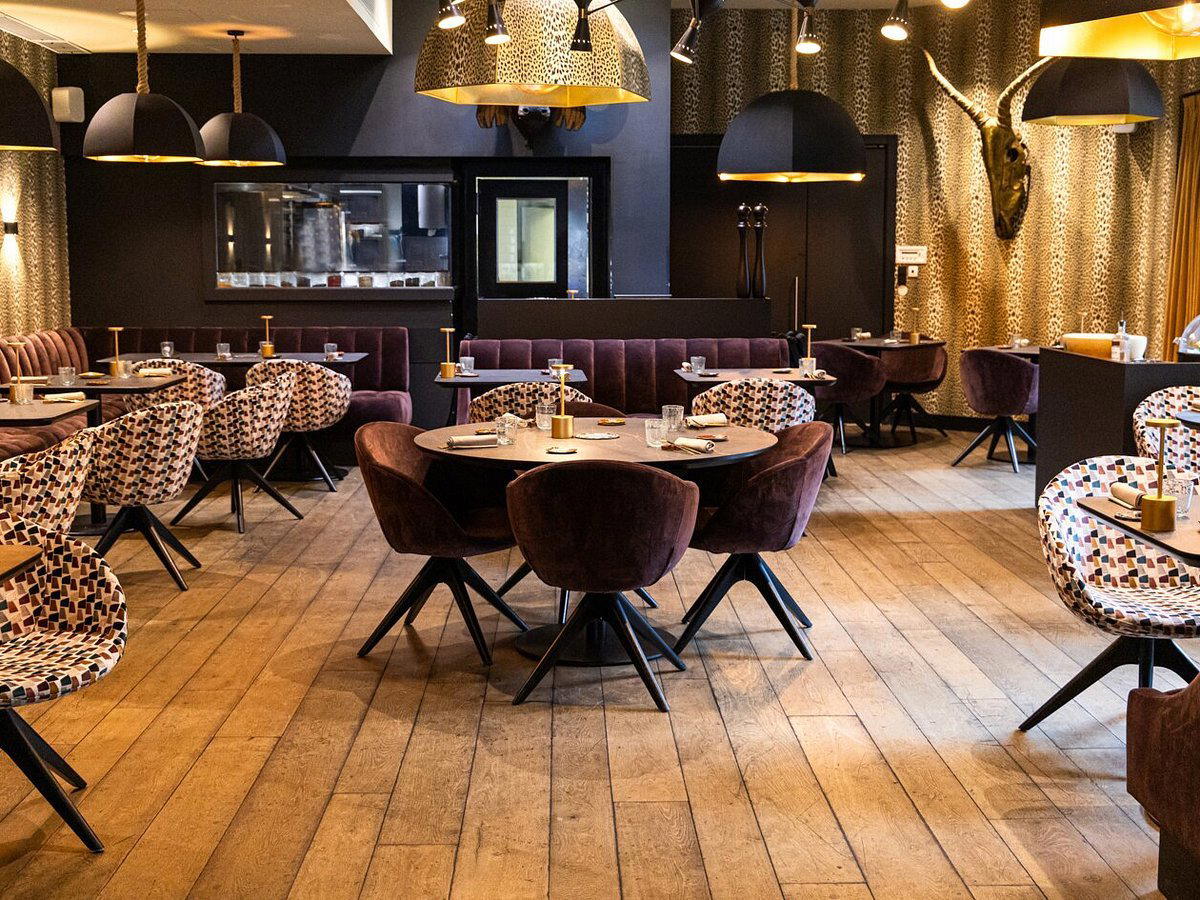
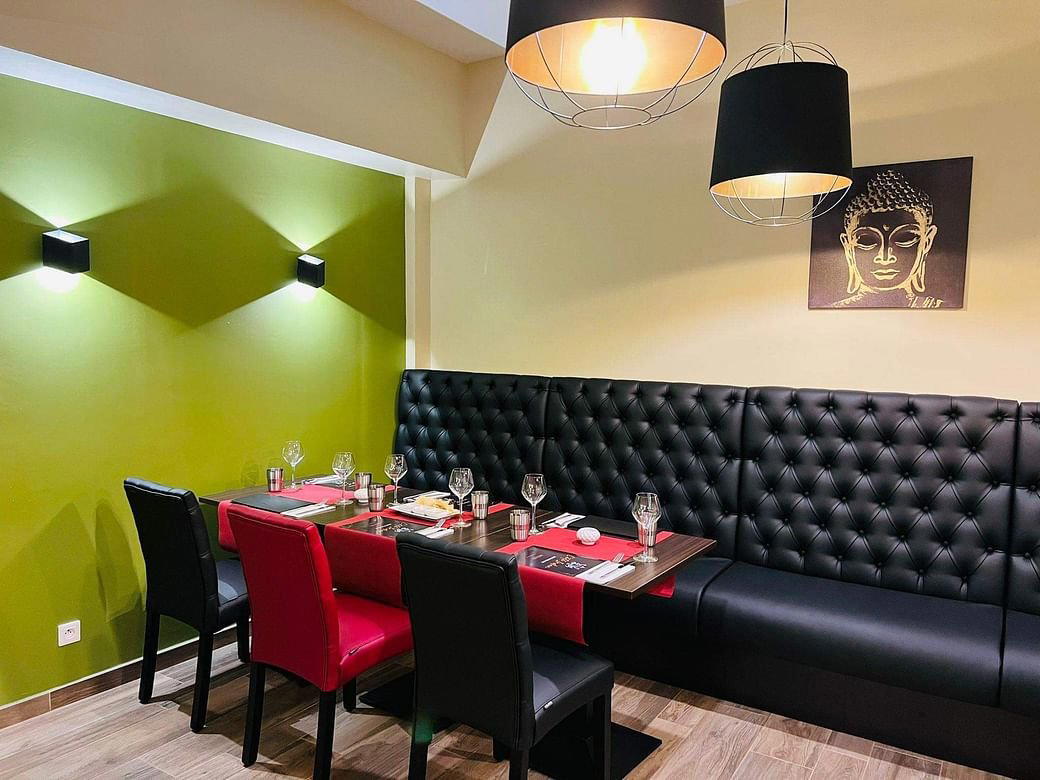
Bars in Gruson
Browse all →
Hotels in Gruson
Browse all →
Wineries in Gruson
Browse all →
Details
- Rustic
- Elegant
- Cozy
- Intimate
- Date Night
- Special Occasion
- Terrace
- Historic Building
- Local Sourcing
- Street Scene
- A La Carte
- Vegetarian Friendly
Current opening hours
- Monday
- Closed
- Tuesday
- Closed
- Wednesday
- 12–2:30 PM, 7–9:30 PM
- Thursday
- 12–2:30 PM, 7–9:30 PM
- Friday
- 12–2:30 PM, 7–9:30 PM
- Saturday
- 12–2:30 PM, 7–9:30 PM
- Sunday
- 12–2:30 PM
Hours can change for holidays and private events. Hours as of .
Chaleureuse traditional Northern French brick building with large bay windows opening to surrounding fields and terrace for serene countryside dining.