
Tabelog 100
Our verdict
A 29-seat kissaten in Hirai, One More belongs to Tokyo’s older coffee-shop culture rather than the city’s specialty-coffee circuit. Its Tabelog Kissaten 100 selection in 2021 and 2022 places it among a documented group of Japanese cafés where pancakes, counter seats, sofa seating, and daytime rhythms matter as much as espresso technique.

Pearl is the En Primeur Club membership app — saves, bookings, and concierge access live there. Same editors, same standards.
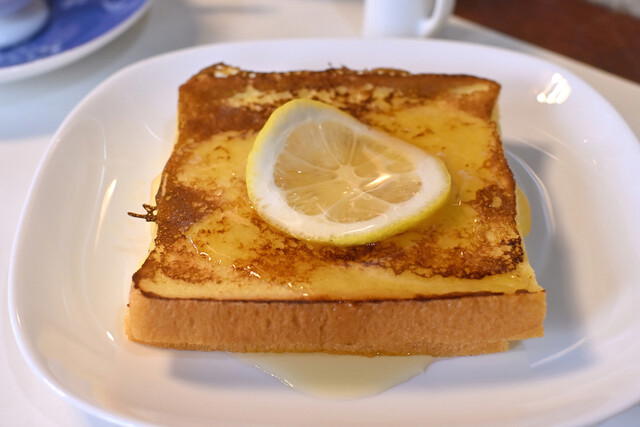
Tokyo is not always best understood through the areas most visitors plan around first. Away from the central hotel districts, the city often moves at a local tempo: station exits, shopping streets, apartment blocks, and small rooms that serve regulars before they serve itineraries. One More fits that grammar. The category is kissa, the Japanese coffee-shop form that sits between café, light-meal counter, neighbourhood salon, and daytime refuge. In a city increasingly fluent in contemporary roasters, brew bars, and design-led patisserie cafés, the older kissaten register carries a different kind of authority.
That distinction matters because Tokyo’s café culture is not a single scene. Specialty coffee often prizes sourcing, extraction, and technical language. Kissaten culture is built around duration, routine, and a menu of dependable comforts, with coffee and simple daytime orders anchoring the day. The appeal is less about novelty than continuity. A recognised kissa can be as revealing as a more formal dining room because it shows how Tokyo eats when ceremony drops away.
Tokyo's daytime kissa culture, measured against Tokyo's louder food circuits
Tokyo dining coverage often bends toward scarcity: counters with few seats, international attention, and tasting menus priced for visitors who plan months ahead. The city also tells another story. Across Tokyo, small restaurants work on frequency rather than spectacle. Kameido Gyoza Honten occupies an everyday register, while Menya Ittou and Men Fujisaki show how focused casual dining can still command destination attention. A kissaten in the JPY 1,000 to JPY 1,999 band belongs to that practical Tokyo: modest spend, clear purpose, neighbourhood repeatability.
One More’s Tabelog Hyakumeiten recognition in 2022 gives the room a useful trust signal without turning it into a luxury address. Tabelog’s kissaten recognition is valuable precisely because the category can be hard to read from outside Japan. These are not always venues with bilingual websites, biographical restaurant language, or global awards language. Recognition in a dedicated kissaten context says the café is being judged within its own tradition, not against omakase counters or hotel lounges.
The format is modest by nature rather than theatrical. That matters in a kissa, where the room has to support solo customers, family use, and friends lingering over coffee or pancakes. The appeal is closer to a social coffee shop than a takeaway café. For visitors, the useful read is not luxury or spectacle, but a Tokyo room whose value lies in routine, pacing, and the comfort of a familiar daytime form.
Pancakes, coffee, and the case for old-form Tokyo cafés
The listed categories are Kissa, Pancake, and Cafe, a combination that places the kitchen inside a familiar Japanese daytime pattern. Pancakes in this context are not just a dessert trend. They belong to the coffee-shop vocabulary of Western-style comfort adapted to Japanese pacing: sweet, soft, shareable, and suitable before late afternoon. The menu category gives the venue a clearer identity than a generic café label would.
That is why the comparison with Coffee Dojo Samurai is useful. Both sit within the broader kissa field, but that field is not monolithic. Some rooms lean into theatrical interiors, some into old-school coffee service, others into sweets or breakfast-adjacent plates. One More occupies the pancake-and-coffee lane, which makes it a better daytime stop than a full meal anchor. It is not competing with other Tokyo dining rooms built around different formats. Its usefulness is narrower and, for the right reader, sharper.
The editorial read is simple: come for a Tokyo café tradition that has not been flattened into international coffee-bar style. The spend is listed at JPY 1,000 to JPY 1,999, which makes the cultural payoff relatively accessible for a Tokyo stop. The trade-off is to treat the visit as a compact daytime café stop rather than a heavily engineered restaurant booking.
Where it fits in a Tokyo food itinerary
For visitors building a day around Tokyo, the smarter move is to treat this as a daytime cultural stop rather than a destination dinner. The café belongs to the city’s everyday dining map rather than the hotel-heavy circuit, so it pairs better with a broader Tokyo food day than with an itinerary built only around formal meals.
The strongest itineraries use contrast. A morning or early afternoon kissa stop can sit beside a later noodle run, a casual local dinner, or another deliberately different Tokyo food subculture. Readers comparing broader city options can place it against other Tokyo dining rooms for a sense of how casual Japanese formats shift by time of day, budget, and purpose.
For Tokyo planning, keep the category boundaries clear. This is a kissa, not a bar, winery, hotel lounge, or tasting-menu restaurant. Broader city research belongs in Our full Tokyo restaurants guide, with separate context in Our full Tokyo hotels guide, Our full Tokyo bars guide, Our full Tokyo wineries guide, and Our full Tokyo experiences guide. For comparison, other casual Japanese formats show how food identities change once they leave the Tokyo neighbourhood frame.
Frequently asked questions
What's the pricing like at One More?
Pricing at One More is listed as JPY 1,000 - JPY 1,999 JPY 1,000 - JPY 1,999 View spending breakdown.
What time does One More open and close?
Current opening hours are not provided in the available venue details.
Where is One More in Tokyo?
Tokyo.
What is One More known for?
One More is listed as a Kissa, Pancake, and Cafe venue in Tokyo, with Tabelog Hyakumeiten recognition in 2022 and a listed score of 3.68.
Where the Accolades Land
Comparable venues to calibrate price, style, and recognition.
| Venue | Cuisine | Price | Awards | Notes |
|---|---|---|---|---|
| One MoreThis venue (the venue you are viewing) | Traditional Japanese kissaten café | $10–20 | Tabelog 100 | Not listed |
| Uogashi Nihon-ichi (魚がし日本一) | Standing Sushi Bar | $10–20 | Not listed | Shibuya |
| Teuchi Ren | Handmade ramen shop | $10–20 | Tabelog 100 #91 | Sumida |
| Kitchen Nankai Chiyoda kanda jinbou ten | Japanese Yoshoku | $1–10 | Tabelog 100 #88 | Chiyoda |
| Curry no Mise Ganji | Japanese curry shop | Not listed | Tabelog 100 #47 | Minato |
| レベル | Modern Japanese Fine Dining | Not listed | Not listed | Shinjuku |
Recognition history
Dated appearances from independent guides and award organizations, with the underlying list record or original source where available.
Tabelog 100
Tabelog · Tabelog 100 - Kissaten - 2026
Full recognition history (2 entries)
Tabelog 100 #29 · No. 29
Tabelog · Tabelog 100 - Kissaten - 2022
Continue exploring
More in Tokyo
Restaurants in Tokyo
All restaurants in Tokyo →

Bars in Tokyo
All bars in Tokyo →


Details
- Classic
- Cozy
- Quiet
- Well Known
- Solo
- Family
- Casual Hangout
- After Work
- Brunch
- Historic Building
- Standalone
- A La Carte
- Counter Dining
- Coffee
- Tea
Current opening hours
- Monday
- Closed
- Tuesday
- 9:30 AM–4:30 PM
- Wednesday
- 9:30 AM–4:30 PM
- Thursday
- 9:30 AM–4:30 PM
- Friday
- 9:30 AM–4:30 PM
- Saturday
- 9:30 AM–4:30 PM
- Sunday
- Closed
Hours can change for holidays and private events. Last verified .
A nostalgic Showa-style kissaten with counter and sofa seating, softly lit and quiet, creating a warm, retro café atmosphere suited to relaxed coffee and sweets breaks.