Omar

Star Wine List
Our verdict
Omar sits on Refsnæsgade in Copenhagen's Nørrebro district, operating as the neighbourhood counterpoint to the city's high-concept fine dining circuit. The menu reads as a study in casual precision: dishes that draw from Middle Eastern and Mediterranean traditions without performing either. For visitors working through Copenhagen's broader restaurant scene, Omar represents the less-documented tier where cooking quality outpaces reputation.

Pearl is the En Primeur Club membership app — saves, bookings, and concierge access live there. Same editors, same standards.
- Address
- Refsnæsgade 32, 2200 København, Denmark
- Phone
- +45 27 51 52 57
- Hours
- Mon–Thu 12 PM–12 AMFri–Sat 12 PM–1 AMSun 12 PM–12 AM
- Website
- restaurantomar.dk
- Directions
- Get directions
The menu
What to order
- 8-course menu
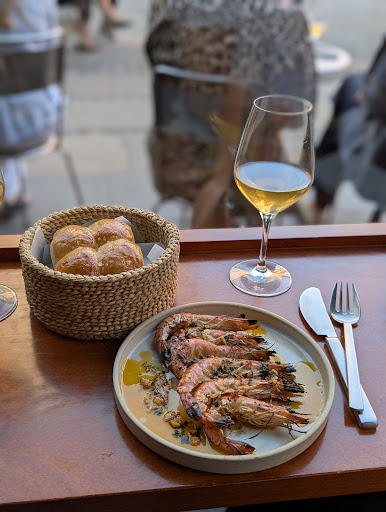
- Stracciatella, baked grapes & sage
- Tuna with green salsa & pickled chili
- Steamed fish with white beans, kale & pil pil
The Street, the Room, the Register
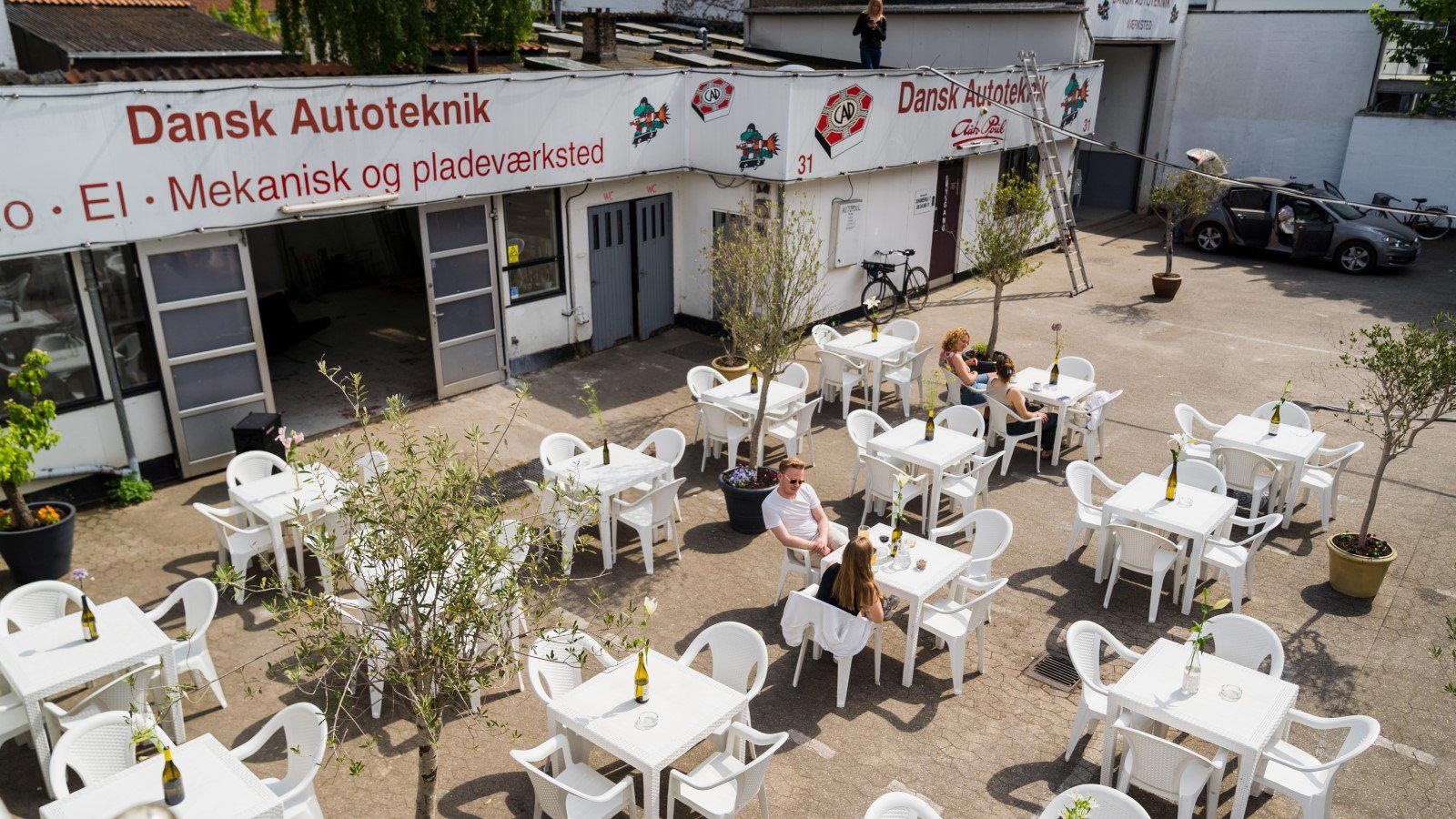
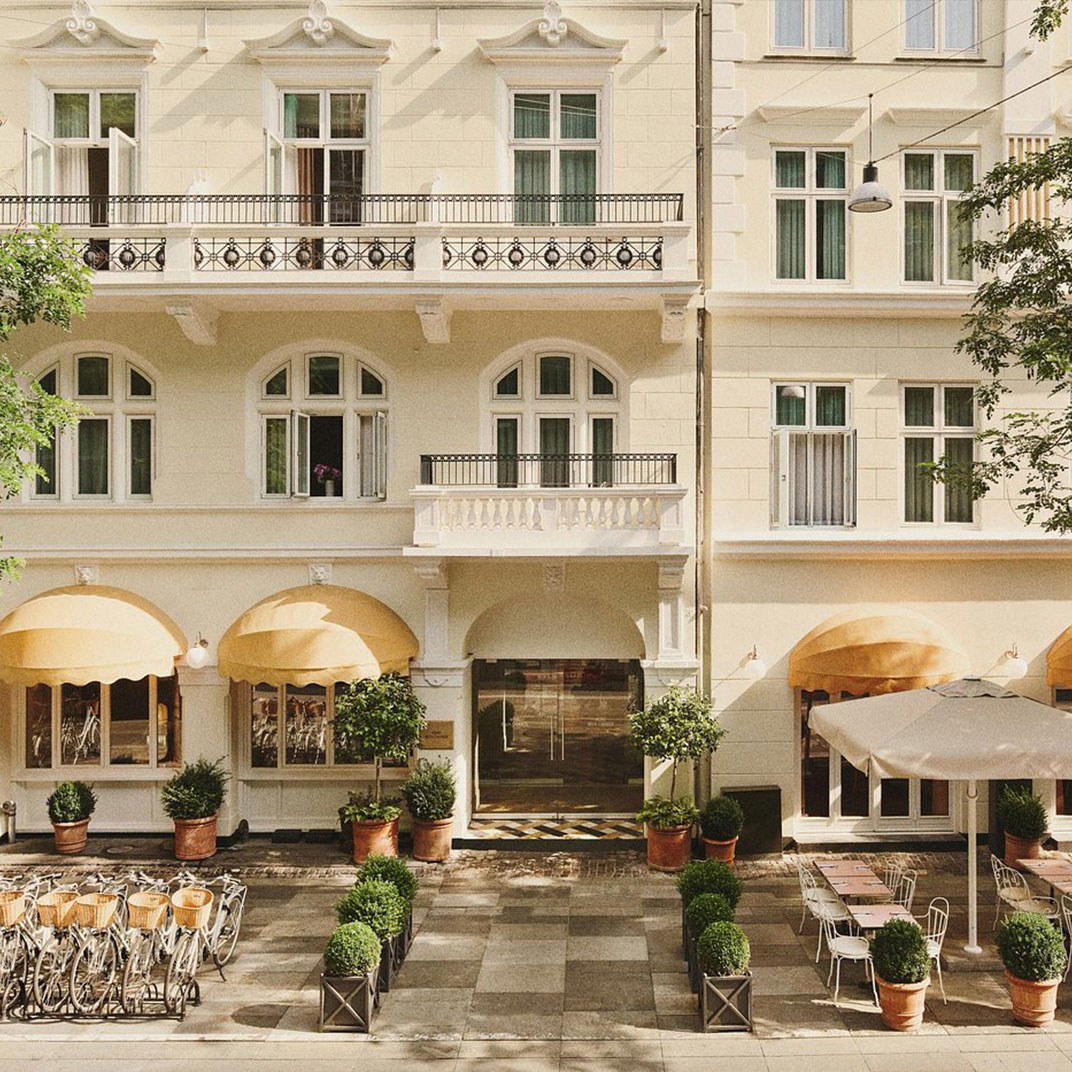
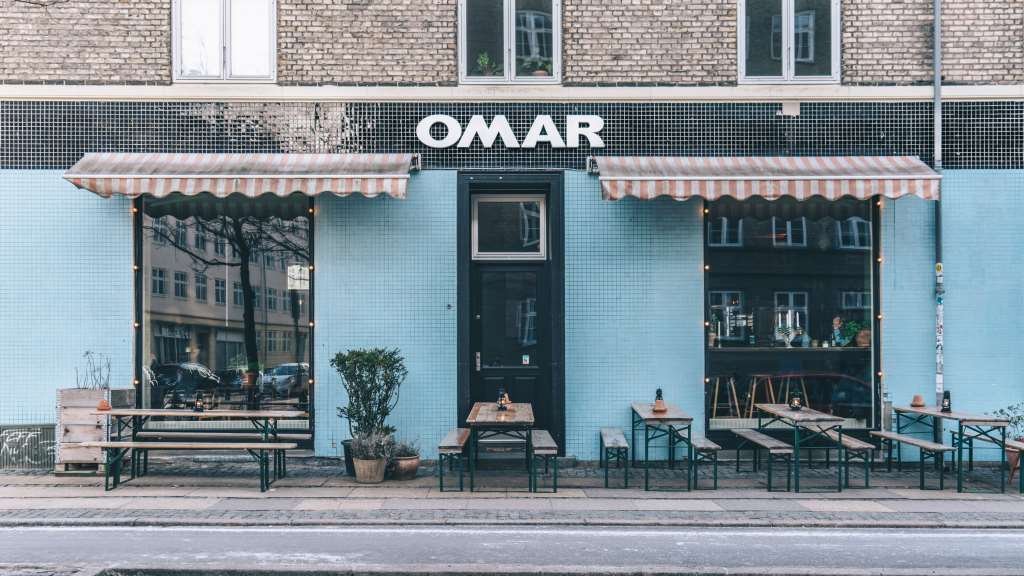
Nørrebro has long functioned as Copenhagen's most culinarily democratic neighbourhood. Where Indre By and the inner harbour districts concentrate the city's Michelin-weighted addresses — Geranium, Alchemist, and the various successors to Noma's influence — Nørrebro tends to absorb the cooking that doesn't require a tasting menu to make its point. Refsnæsgade 32 sits inside that tradition. The approach from the street gives little away: a low-key facade on a residential block, the kind of address that filters out anyone expecting ceremony. That filtering is partly the point. Restaurants at this register in Copenhagen operate on neighbourhood trust rather than destination traffic, which tends to concentrate the room with regulars who already know what they're ordering.
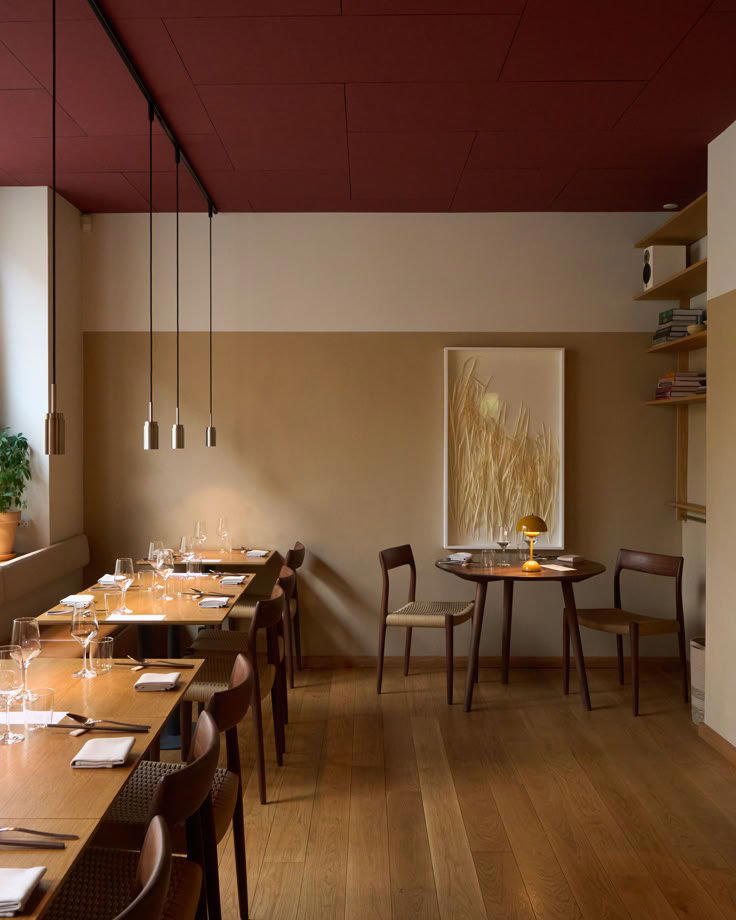
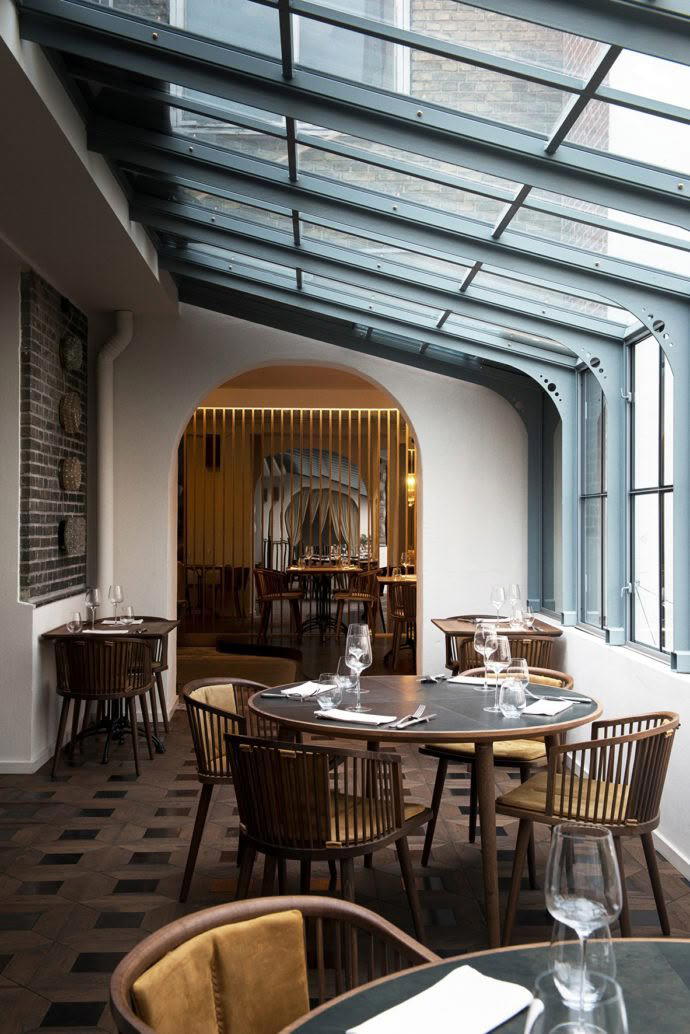
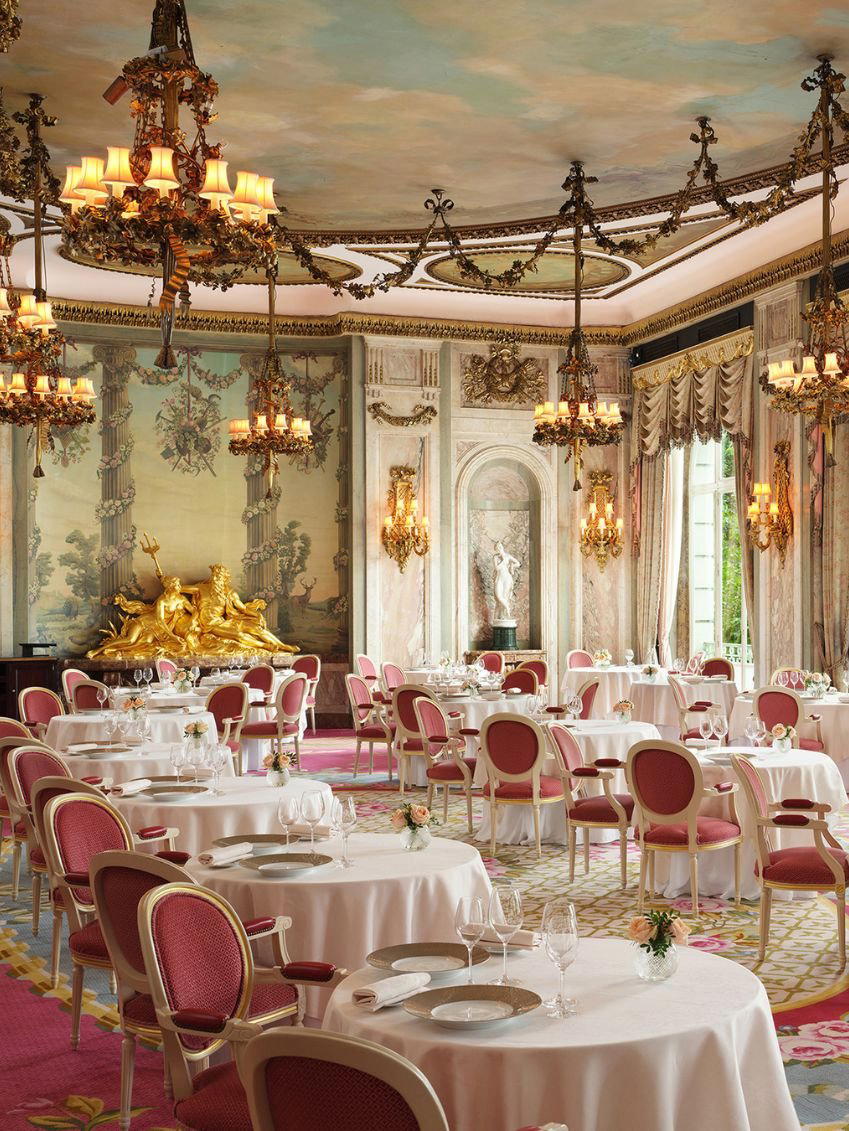
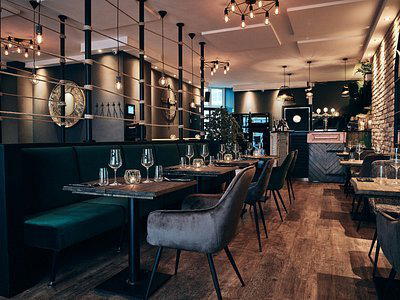
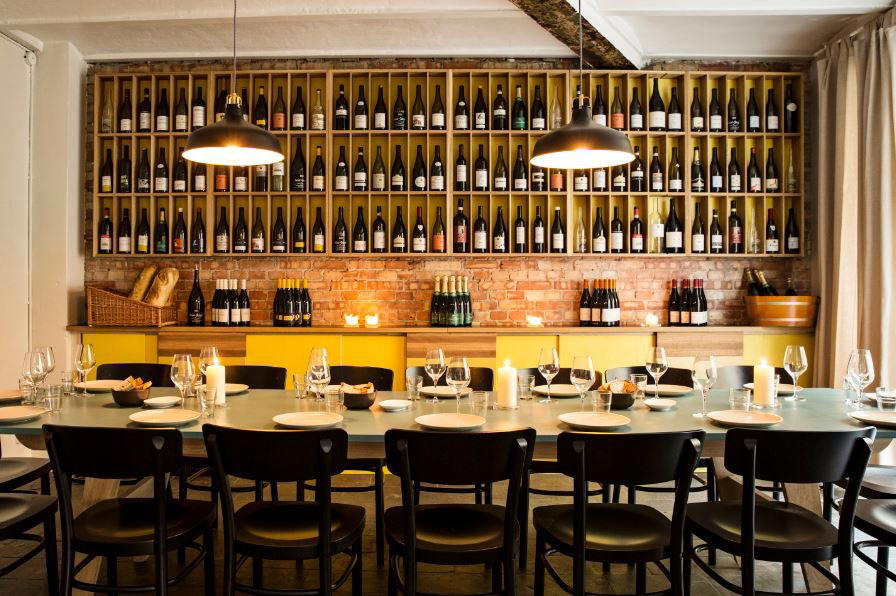
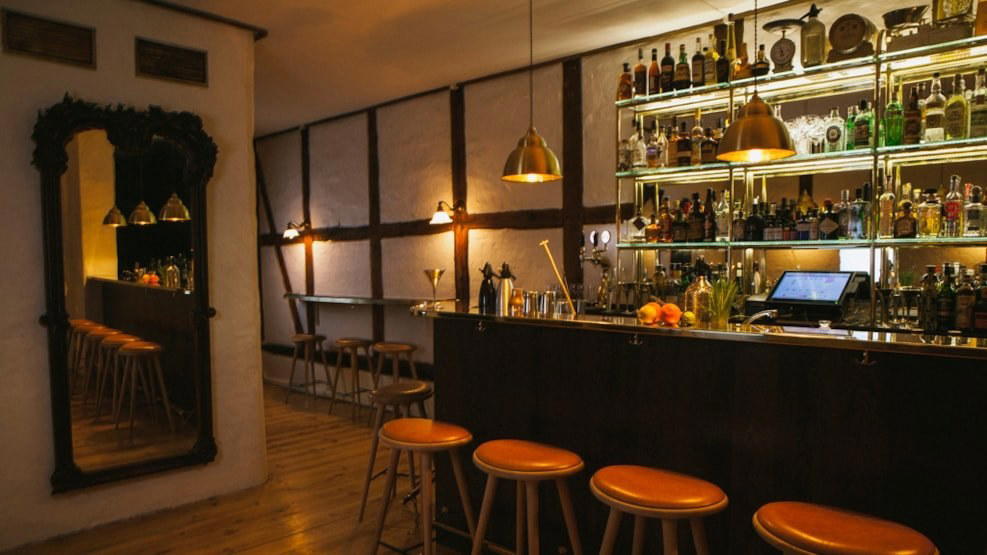
Inside, the atmosphere follows the exterior's logic. There is no performance of concept, no design language borrowed from the city's more theatrical dining rooms. What the room does offer is the particular ease of a place that has found its format and stopped adjusting it. That stability, in a city where the fine dining tier is in near-constant creative flux, see Koan's Nordic-kaiseki synthesis or Kadeau's hyper-seasonal Bornholm frame, reads as a deliberate editorial position rather than a lack of ambition.
How the Menu Is Built
The most instructive thing about Omar's format is what the menu structure reveals about the kitchen's priorities. Copenhagen's dominant fine dining grammar is still largely shaped by the New Nordic movement: tasting menus, foraged or hyper-local ingredients, and a progression that moves from snack to dessert in a choreographed arc. Omar operates outside that grammar. The menu here draws from Middle Eastern and wider Mediterranean sources, organising dishes around sharing and accumulation rather than sequence and revelation.
That structural difference matters because it changes the relationship between the kitchen and the table. A sharing-format menu built around this culinary tradition asks the kitchen to produce dishes that hold their own individually and work in combination, a harder problem than building a linear tasting sequence where each course is framed by what precedes and follows it. The leading kitchens working in this register in Europe (and the comparison set extends well beyond Copenhagen, to addresses in London, Paris, and further) tend to show their quality in the precision of seasoning and the confidence of restraint: knowing when a dish is finished, and not adding to it.
For visitors arriving from Copenhagen's prestige circuit, having already covered Geranium or worked through the progressive sequences at Alchemist, Omar offers a different kind of reading experience. The question is not what the kitchen can do with technique and time, but what it chooses to do with a shorter, more direct format. That compression tends to be more honest than a twelve-course tasting menu about where a kitchen's actual strengths lie.
Where Omar Sits in the Copenhagen Picture
Copenhagen's restaurant culture has developed a pronounced split between the internationally recognised fine dining tier and everything below it. The prestige addresses are well-documented: the restaurants with Michelin stars, the entries on the World's 50 Best list, the places that generate advance booking queues months deep. Elsewhere in Denmark, this tier extends to addresses like Jordnær in Gentofte, Frederikshøj in Aarhus, and Henne Kirkeby Kro further west. Further down the list, Alimentum in Aalborg, ARO in Odense, and Domæne in Herning show how the country's serious cooking culture extends well beyond the capital.
Within Copenhagen itself, the gap between the Michelin tier and the neighbourhood-format restaurants is not primarily a quality gap. It is a format gap. Omar occupies the neighbourhood-format side of that divide. Its competitive set is not Geranium or Koan. It is the cluster of Nørrebro addresses where the cooking is taken seriously but the surrounding architecture of service, wine programme, and prix-fixe structure is not the primary communication. In this peer group, reputation travels through word of mouth and repeat visits rather than through award cycles.
The comparison also extends internationally. The tradition of serious, unpretentious Middle Eastern and Mediterranean-inflected cooking in an urban neighbourhood setting has produced some of the most consistently rewarding dining in European cities over the past decade. In that context, Omar belongs to a category that generates loyalty precisely because it does not require the ritual investment that a destination tasting menu demands. The same impulse, at a different price point and in a different culinary language, drives the continued relevance of addresses like Le Bernardin in New York at the formal end, and the neighbourhood bistro at the informal end, of the spectrum that places cooking above theatre.
Planning a Visit
Omar's address on Refsnæsgade puts it within Nørrebro, a neighbourhood that warrants time beyond a single meal. Visitors building a Copenhagen itinerary around the full dining and drinks picture should consult our full Copenhagen restaurants guide alongside the bars guide and hotels guide; the experiences guide and wineries guide round out the picture for longer stays. Given the neighbourhood-format nature of the address, booking policy and hours are best confirmed directly; phone and website details were not available at the time of writing. Nørrebro is well-served by cycling infrastructure, and the walk from most central Copenhagen hotels is manageable in good weather. The restaurant sits closer in character to a local address than a destination booking, which means the planning overhead is lower than for the city's prestige tier, and the experience is correspondingly less mediated.
For the reader who has already worked through the tasting menu circuit in Copenhagen, or who is consciously assembling a trip that balances high-concept cooking with something less structured, Omar represents the kind of address that earns its place not through accolades but through the quality of what arrives at the table. That distinction, in a city as well-documented as Copenhagen, is worth more than it might appear. See also Emeril's in New Orleans for a parallel example of a restaurant whose value is leading understood through the lens of what the local dining culture demands of it, rather than through comparison with a different format entirely.
Frequently asked questions
Where is Omar in Copenhagen?
Omar is located at Refsnæsgade 32, 2200 København, Denmark, Copenhagen.
Is Omar award-winning?
Omar has received recognition including: Omar is your typical.
What's the signature dish at Omar?
Omar's kitchen priorities are shaped by Nørrebro's democratic food culture rather than a single showpiece dish. The menu structure reflects what the neighbourhood does well: ingredient-led cooking without the formality of Copenhagen's fine dining tier. Specific dishes rotate, so checking directly with the restaurant before visiting is advisable.
Is Omar reservation-only?
Omar is located at Refsnæsgade 32 in Nørrebro, a neighbourhood where walk-in culture and advance booking coexist depending on the night and season. Given the area's growing draw for Copenhagen diners, booking ahead for weekend visits is the practical approach. Contact details are best confirmed through current listings.
Awards and Standing
Comparable venues nearby, for context on price, style, and recognition.
| Venue | Cuisine | Price | Awards | Notes |
|---|---|---|---|---|
| OmarThis venue — the venue you are viewing | Seasonal European | $50–100 | Star Wine List | Not listed |
| Manfreds | Nordic Vegetable-Focused Small Plates with Natural Wine | Not listed | Not listed | Nørrebro |
| Sonny | Scandinavian Café & Healthy Bites | $10–20 | Not listed | Indre By |
| Paté Paté | Southern French Mediterranean Fusion | $30–50 | Star Wine List | Vesterbro-Kongens Enghave |
| Pico Pizza | Modern Sourdough Pizza | $20–30 | Not listed | Vesterbro-Kongens Enghave |
| Nyhavns Færgekro | Traditional Danish Smørrebrød & Herring Specialties | $30–50 | Not listed | Indre By |
Recognition history
Dated appearances from independent guides and award organizations, with the underlying list record or original source where available.
Star Wine List
Star Wine List