

Star Wine List · Gourmet Traveller Best New Talent
Our verdict
Situated in Wunderlich Lane off Baptist Street, Olympus brings a serious wine program to Redfern's evolving dining precinct, earning a White Star recognition from Star Wine List in early 2026. The address places it within one of Sydney's most interesting hospitality corridors, where industrial-era architecture frames a new generation of considered, produce-led dining rooms.

Pearl is the En Primeur Club membership app — saves, bookings, and concierge access live there. Same editors, same standards.
- Address
- Wunderlich Lane, 2 Baptist St, Redfern NSW 2016, Australia
- Phone
- +61 2 8354 0649
- Hours
- Mon–Fri 12 PM–12 AMSat–Sun 11:30 AM–12 AM
- Website
- olympusdining.com.au
- Directions
- Get directions
- Booking
- Book on OpenTable
The menu
What to order
- Saganaki
- Taramasalata
- Roasted lamb shoulder
Wunderlich Lane and the New Shape of Redfern Dining
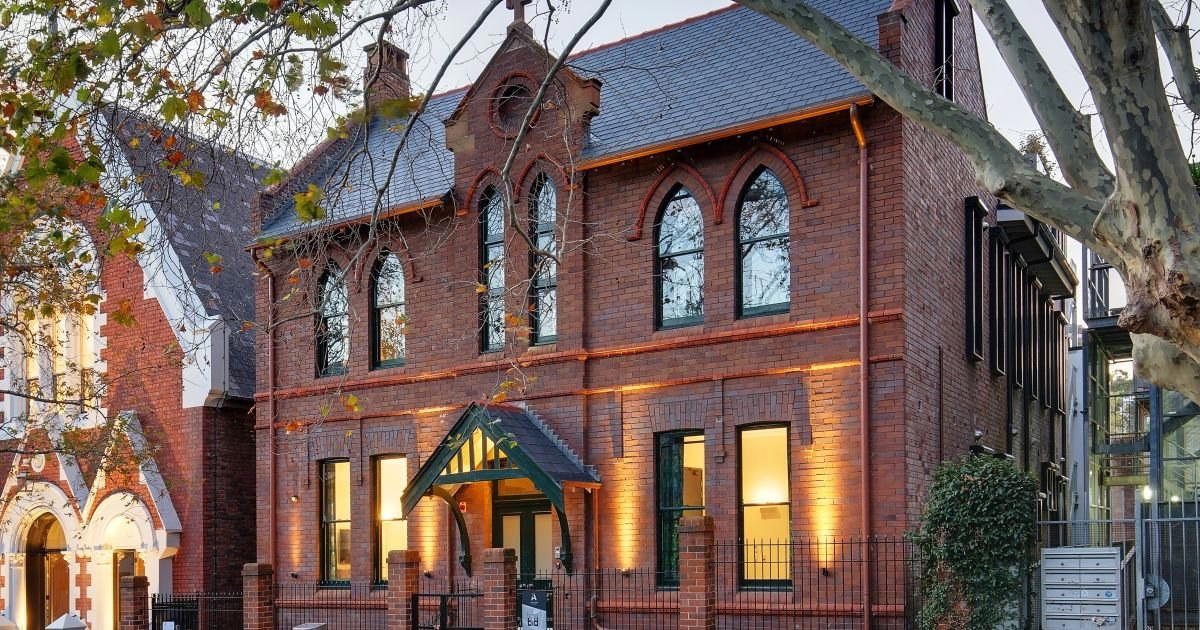
Redfern has spent the better part of a decade shedding its transitional-suburb reputation, and the stretch around Baptist Street now reads as one of the more considered pockets of Sydney hospitality. The laneway format has become a deliberate choice for operators here, offering a removed quality that filters for committed diners rather than passing foot traffic. Wunderlich Lane, where Olympus sits at 2 Baptist Street, has that character: the approach is architectural and slightly industrial, and the sense of arrival is earned rather than accidental. It belongs to a broader shift in Sydney dining where the inner suburbs, rather than the CBD, have become the addresses that serious wine and food programs choose. For context on how Redfern's broader hospitality offer is taking shape, see our full Redfern restaurants guide.
A White Star Wine Program in an Inner-City Laneway
In January 2026, Star Wine List published Olympus and awarded it a White Star, the platform's marker for restaurants with a genuinely serious wine offer. That designation matters as a calibration tool: Star Wine List's White Star tier sits above everyday lists and signals depth, range, and evidence of a considered program rather than a default selection of commercial labels. The credential places Olympus alongside a cohort of Australian restaurants where wine is a structural part of the proposition, not a secondary concern. Across the country, that category includes addresses like Carlton Wine Rooms in Carlton and Hentley Farm in Seppeltsfield, where the list defines the visit as much as the food does. Olympus entering that conversation from a Redfern laneway in 2026 says something about where the suburb is heading.
Where the Food Comes From and Why That Framing Matters
Sydney's most compelling restaurants over the past decade have increasingly organised themselves around provenance as a first principle. The question of where ingredients originate, and how directly the kitchen connects to those sources, has separated the more interesting dining rooms from venues that simply execute technique on anonymous produce. This is visible at the level of peer comparison: Saint Peter in Sydney built its entire identity around day-boat fish and a granular understanding of Australian seafood seasons, while Brae in Birregurra operates its own farm as the literal source of the menu. The Agrarian Kitchen in Hobart has taken that further still, making the supply chain part of the dining experience itself.
Olympus operates in a Sydney neighbourhood that has access to some of the country's more interesting small producers, from the market gardens of the Southern Highlands to the oyster leases of the NSW coast. Inner-Sydney dining rooms that earn serious wine recognition tend to align their food programs with sourcing discipline, because a considered wine list without equally considered produce creates an imbalance that informed diners notice quickly. The White Star designation, earned this early in Olympus's public life, suggests a kitchen that understands this pairing.
The broader pattern across Australian fine dining is that ingredient sourcing has shifted from a marketing point to a structural commitment. Restaurants at Amaru in Armadale and Kadota in Daylesford have each made provenance legible on the plate, not just in the press material. The venues that hold their position in this tier over time are those where the sourcing story is embedded in what actually arrives at the table, not framed as a separate narrative the kitchen tells about itself.
The Laneway Format as Editorial Choice
Internationally, the distinction between high-visibility restaurant real estate and deliberately removed locations has become a meaningful signal. Addresses that require a degree of intent to reach, whether through a laneway, a courtyard, or an unmarked door, self-select for guests who have already committed to the experience. In Sydney, this dynamic is well-established: some of the city's more serious rooms operate from addresses that would not benefit from passing trade even if they wanted it. Wunderlich Lane follows that logic. The laneway setting creates a physical context that shapes expectation before the meal begins, which is partly why venues at this address tend to invest heavily in the arrival experience: what you see and hear on approach does preparatory work that a street-facing room cannot replicate.
That atmospheric architecture aligns naturally with a serious wine program. The White Star venues on Star Wine List's Australian roster tend to occupy spaces where the physical environment matches the intentionality of the list, where the surroundings make the act of sitting with a well-sourced glass feel appropriate rather than incongruous. For those planning a full evening in the area, our full Redfern bars guide maps the neighbourhood's broader drinks offer, and our full Redfern hotels guide covers overnight options nearby.
Placing Olympus in the Australian Wine-Dining Tier
The Australian restaurant scene has produced a coherent upper tier of wine-forward dining rooms over the past decade, and the competitive set is worth understanding. Flower Drum in Melbourne has maintained one of the country's most respected cellars alongside a kitchen with genuine longevity. Bacchus in Brisbane and Dan Arnold in Fortitude Valley represent Queensland's version of the same ambition: serious lists in rooms that treat the wine program as a co-equal to the food. Internationally, the framework for this kind of integration has precedents at addresses like Le Bernardin in New York City, where the list operates at the same tier of seriousness as the kitchen, and Emeril's in New Orleans, which established a model for regional American cooking with an equally regional cellar. 400 Gradi in Brunswick East takes the model in a different direction, using a focused regional Italian framework to anchor both food and wine. Olympus, with its White Star credential from January 2026, is positioning itself within this conversation from a Redfern address that gives it both the urban access of Sydney and the laneway separation that supports a more focused dining proposition.
Planning a Visit
Olympus is at 2 Baptist Street in Wunderlich Lane, Redfern NSW 2016, which is walkable from Redfern Station and accessible by multiple bus routes along Regent Street. Given the White Star wine recognition and the laneway format, the room is likely to operate at a pace that suits advance planning rather than walk-ins; contacting the venue directly before visiting is the practical approach given that booking and hours information is not published centrally at this stage. For those extending the visit into the neighbourhood, our full Redfern experiences guide and our full Redfern wineries guide cover further options in the area.
Frequently asked questions
Is Olympus child-friendly?
Olympus is a White Star-rated wine restaurant in a Redfern laneway, a format that tends to suit adults focused on a wine-led meal. That said, specific policies on children are not published. Contacting the venue directly before visiting with young children is advisable.
What is the atmosphere like at Olympus?
Olympus sits down Wunderlich Lane off Baptist Street, which gives arrivals a sense of deliberate remove from the main street traffic of Redfern. The laneway address signals a considered room rather than a casual drop-in, consistent with the serious wine program that earned Olympus a White Star from Star Wine List in January 2026. Expect a setting calibrated around the wine list as much as the food.
Is Olympus Michelin-listed?
Olympus has received recognition including: Olympus is a restaurant in Redfern, Australia. It was published on Star Wine List on January 14, 2026 and is a White Star..
What dish is Olympus famous for?
No signature dish has been centrally published for Olympus at this stage. The restaurant's White Star recognition from Star Wine List in January 2026 points to the wine program as the defining draw, with the food offering understood to work in service of that focus. Menu details are best confirmed with the venue directly.
Where is Olympus located?
Olympus is located at Wunderlich Lane, 2 Baptist St, Redfern NSW 2016, Australia, Redfern.
Comparable Spots, Quickly
Comparable venues nearby, for context on price, style, and recognition.
| Venue | Cuisine | Price | Awards | Notes |
|---|---|---|---|---|
| OlympusThis venue — the venue you are viewing | Modern Greek Taverna | Not listed | Star Wine List · Gourmet Traveller Best New Talent | Not listed |
| House of Crabs | Louisiana-Inspired Seafood Boil | Not listed | Not listed | Redfern |
| Alpha Dining | Modern Greek Mediterranean | $50–100 | Not listed | Sydney |
| The Apollo Restaurant | Modern Greek | $50–100 | Not listed | Elizabeth Bay |
| Myras Taverna | Modern Greek Taverna | $20–30 | Not listed | Newtown |
Recognition history
Dated appearances from independent guides and award organizations, with the underlying list record or original source where available.
Star Wine List
Star Wine List
Gourmet Traveller Best New Talent
Gourmet Traveller
Continue exploring
More in Redfern
Restaurants in Redfern
Browse all →
Bars in Redfern
Browse all →
Hotels in Redfern
Browse all →

Details
- Trendy
- Elegant
- Lively
- Date Night
- Group Dining
- Special Occasion
- Open Kitchen
- A La Carte
- Small Plates
- Set Menu
- Gluten Free Options
Current opening hours
- Monday
- 12 PM–12 AM
- Tuesday
- 12 PM–12 AM
- Wednesday
- 12 PM–12 AM
- Thursday
- 12 PM–12 AM
- Friday
- 12 PM–12 AM
- Saturday
- 11:30 AM–12 AM
- Sunday
- 11:30 AM–12 AM
Hours can change for holidays and private events. Last verified .
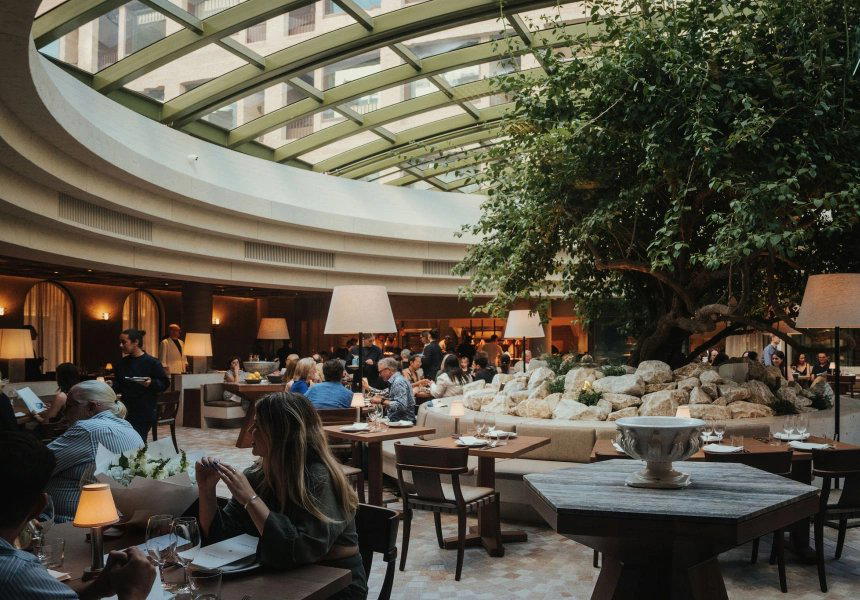
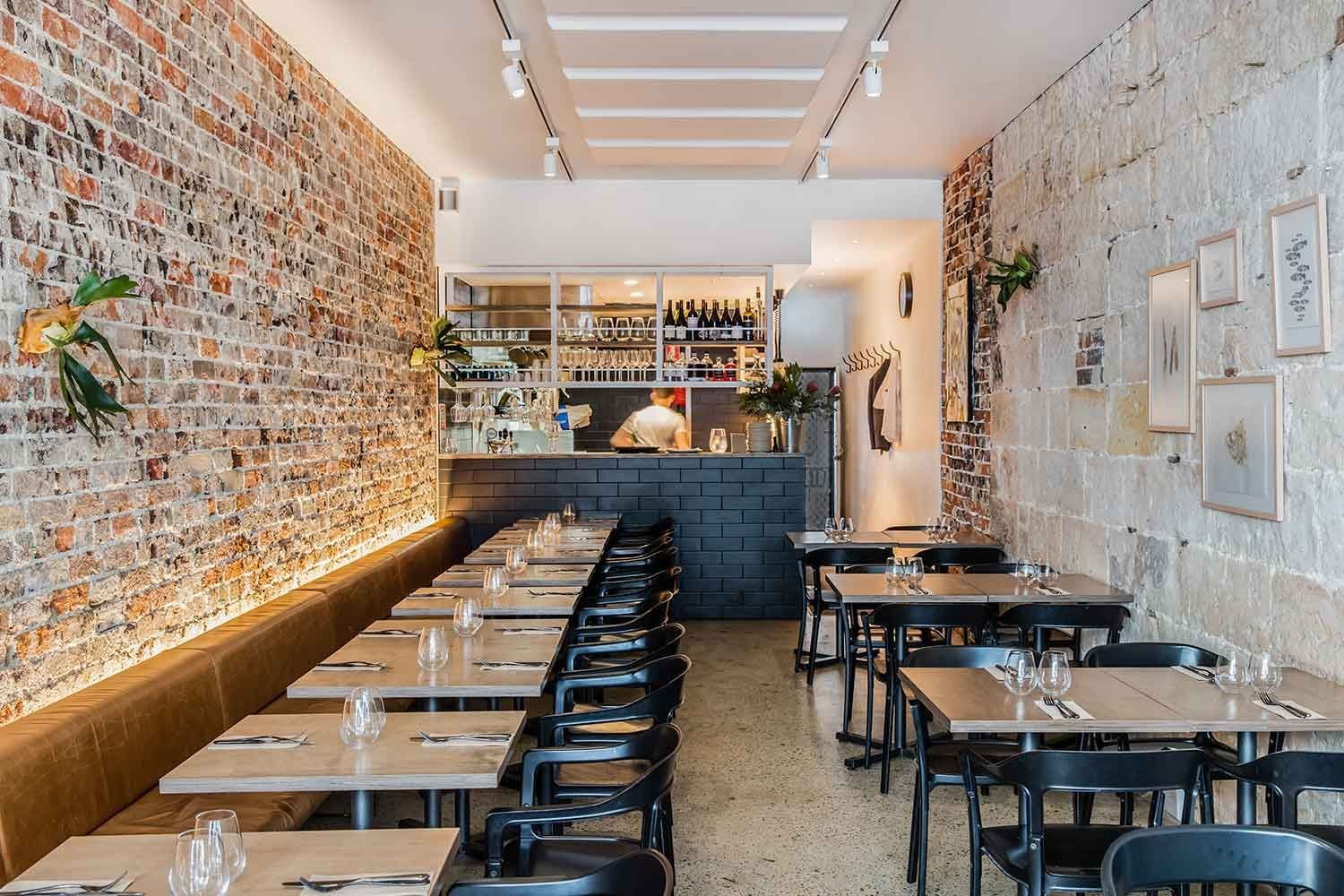
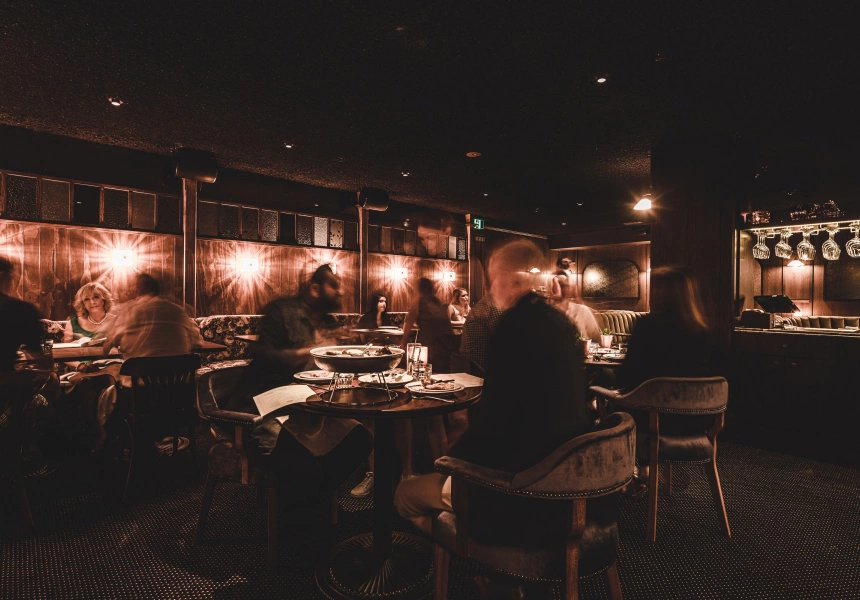
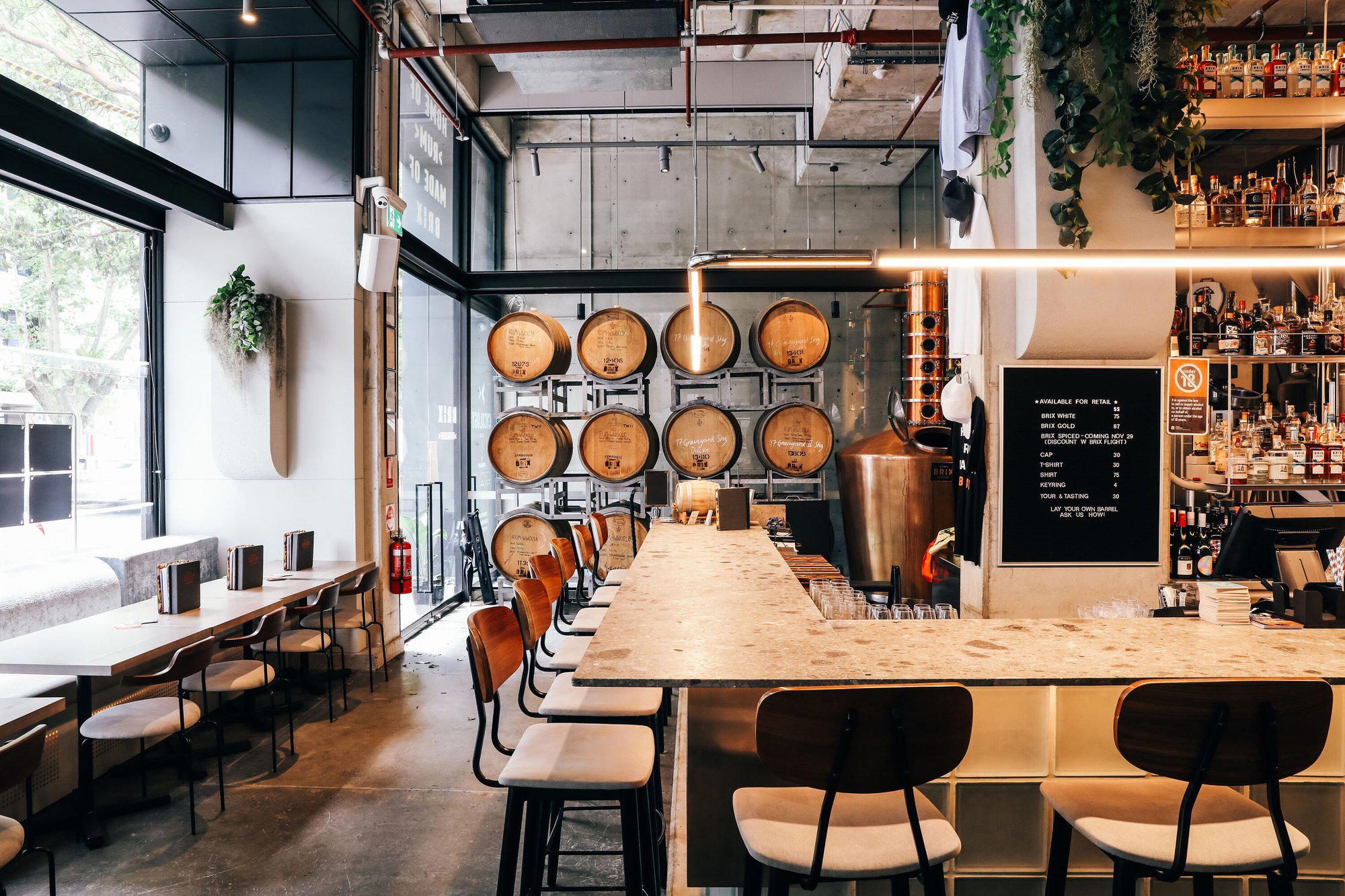
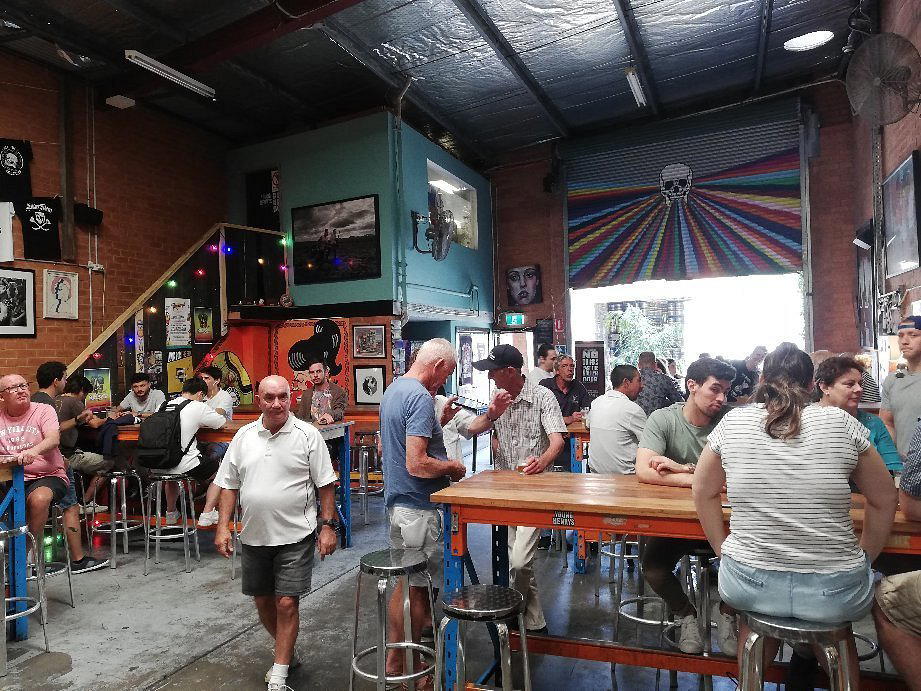
Warm lighting, elegant decor with nature-inspired elements like a central tree, creating a relaxed yet stylish and summery vibe.