Olivo - Pine Brook
Our verdict
Olivo in Pine Brook sits along US-46 in Morris County, New Jersey, drawing from a regional Italian-American dining tradition where ingredient sourcing and neighborhood loyalty matter more than destination fanfare. The room positions itself as a local anchor rather than a drive-from-Manhattan affair, which shapes both the menu philosophy and the pace of service. For travelers moving through northern New Jersey, it represents the kind of suburban dining that rewards attention.

Pearl is the En Primeur Club membership app — saves, bookings, and concierge access live there. Same editors, same standards.
- Address
- 58 US-46, Pine Brook, NJ 07058
- Phone
- (973) 287-7387
- Hours
- Daily 11:30 AM–10 PM
- Website
- olivonj.com
- Directions
- Get directions
- Booking
- Book on OpenTable
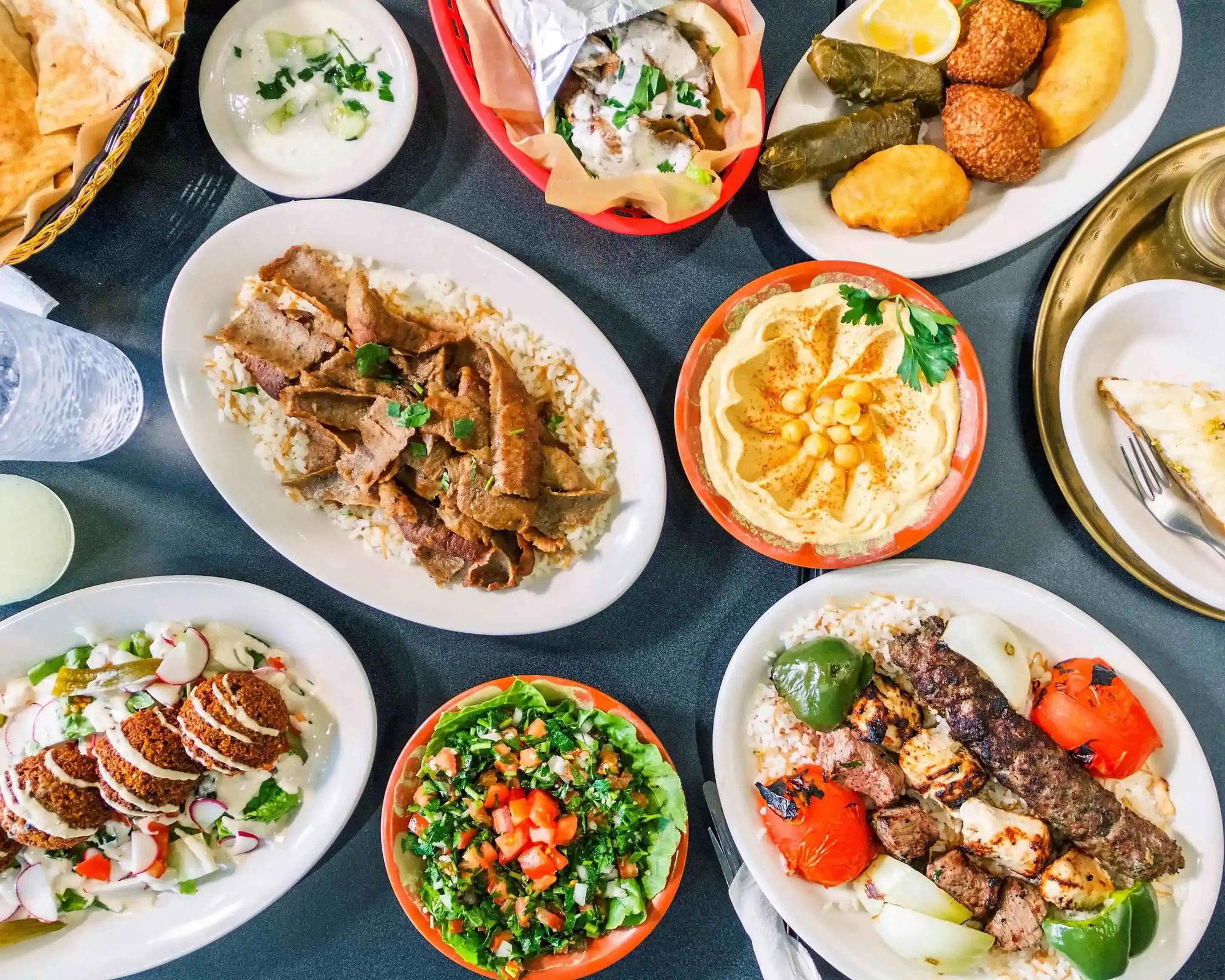
The menu
What to order
- Paella Valenciana
- Shrimp in Garlic
- Spanish Octopus
Along US-46: Suburban Italian and the Question of Provenance
Northern New Jersey's dining corridor along US-46 doesn't announce itself with the confidence of a Manhattan address or the pastoral romance of farm-country Healdsburg, where Single Thread Farm builds its menu around hyper-local agricultural cycles. What it offers instead is a different kind of relationship between restaurant and community: one built over years of repeat customers, consistent sourcing relationships, and a room that doesn't need to perform for out-of-town critics. Olivo in Pine Brook operates within this tradition, at 58 US-46 in Morris County, where the suburban strip gives way to a dining room that takes its cues from Italian-American cooking's more ingredient-conscious strand.
The question of where food comes from has restructured how serious diners evaluate restaurants across every price tier. At the high end, places like Blue Hill at Stone Barns in Tarrytown have made sourcing a near-theological commitment, running their own farm and treating the dining room as an extension of agricultural practice. That model requires scale, capital, and a certain kind of diner. The more interesting question is what happens to ingredient sourcing at the neighborhood level, where the economics are tighter and the audience is local rather than destination-seeking.
The Ingredient Argument in Italian-American Cooking
Italian-American cuisine occupies an ambiguous position in the American dining hierarchy. On one side sits the red-sauce institution, comfort-coded and portion-generous, where sourcing conversations rarely surface. On the other sits the neo-Italian fine dining room, where DOP certifications and single-origin olive oils become part of the menu narrative. Olivo's positioning along US-46 places it in Morris County's mid-market Italian tier, a bracket where the most meaningful differentiator is often what arrives in the kitchen rather than how it's plated.
This sourcing question matters more than it might appear. Italian cooking, at its core, is a cuisine of raw material quality: the acidity of a tomato, the fat content of a ricotta, the cure on a cut of pork. A kitchen working with better base ingredients doesn't need to intervene much, and the results tend to read as more honest rather than more elaborate. This is the tradition that informs the better suburban Italian rooms in New Jersey, where proximity to New York's wholesale markets and a dense Italian-American population have kept ingredient standards higher than comparable suburban corridors in other regions.
The contrast with destination restaurants is instructive rather than competitive. Le Bernardin in New York City operates at a different register entirely, where sourcing is documented, celebrated, and built into a $$$$ price structure. The French Laundry in Napa treats provenance as a point of theater. At the neighborhood level, sourcing tends to be quieter and less curated for the diner, but no less consequential in what ends up on the plate.
Pine Brook's Dining Position Within Northern New Jersey
Pine Brook sits within a cluster of Morris County communities that have developed a functional, if unglamorous, dining infrastructure over the past several decades. The area draws from a suburban population with genuine appetite for Italian cooking rooted in family tradition, and the restaurant density along US-46 reflects that demand. This is not a neighborhood where experimental tasting menus gain traction, the way they might at Alinea in Chicago or Lazy Bear in San Francisco. It is, instead, a corridor where consistency and quality of execution at accessible price points define competitive standing.
The broader New Jersey Italian-American dining tradition has long benefited from the state's agricultural output, particularly from farms in the southern counties that supply tomatoes, peppers, and leafy vegetables through much of the growing season. This supply chain, less visible than the farm-to-table narratives attached to restaurants like Bacchanalia in Atlanta or Addison in San Diego, operates through wholesale relationships that have been built over generations. The restaurants that take these relationships seriously tend to produce food that reflects it, even when there's no marketing language around it.
Comparisons Across American Dining
The American dining scene has spent the last decade rewarding transparency around sourcing and technique, from the Korean-inflected precision of Atomix in New York City to the Peruvian-Japanese sourcing discipline at ITAMAE in Miami. Regional Italian-American cooking hasn't always surfaced in these conversations, partly because its sourcing practices are less documented and partly because the cuisine's comfort associations make it harder to frame as a serious culinary project.
That framing gap doesn't reflect the actual quality of the better neighborhood Italian rooms. Restaurants like Frasca Food and Wine in Boulder have demonstrated that Italian regional cooking, when handled with discipline and sourced carefully, sits comfortably in refined dining company. The same principle applies at the neighborhood level, even if the price point and critical attention look nothing alike. Causa in Washington, D.C. and Brutø in Denver both show that sourcing conviction translates across cuisine types and price tiers when the kitchen commits to it.
For context on how Italian cooking is treated at the top of the American market, 8 1/2 Otto e Mezzo Bombana in Hong Kong and Emeril's in New Orleans represent different international and regional expressions of what European culinary tradition looks like when transplanted and adapted. Providence in Los Angeles and The Inn at Little Washington round out the American fine dining picture against which suburban Italian is leading understood as a distinct, parallel tradition rather than a lesser one.
Planning a Visit
Olivo is located at 58 US-46 in Pine Brook, New Jersey 07058, accessible by car from the surrounding Morris County communities and from the wider Route 46 corridor. For those traveling from New York City, the drive through northern New Jersey's highway network makes Pine Brook a practical stop rather than a destination in its own right. Current hours, pricing, and booking availability are best confirmed directly, as none of those details are publicly indexed at this time. For a broader look at what Pine Brook's dining scene offers, our full Pine Brook restaurants guide maps the area's options with the same editorial specificity applied here.
Frequently asked questions
Is Olivo - Pine Brook child-friendly?
Italian-American restaurants along the US-46 corridor in Morris County generally serve a family demographic, and Olivo's location at 58 US-46 in Pine Brook places it within a suburban dining context where family groups are common. Calling ahead before visiting with young children is advisable.
How would you describe the vibe at Olivo - Pine Brook?
Olivo sits on US-46 in Pine Brook, a stretch of Morris County that functions as a practical dining corridor rather than a destination strip. The setting is suburban New Jersey in the most grounded sense: accessible by car, oriented toward local regulars rather than out-of-town visitors. Expect a neighborhood Italian tone rather than a city-facing scene.
Is Olivo in Pine Brook good for a casual weeknight dinner in northern New Jersey?
Olivo's address at 58 US-46 in Pine Brook puts it squarely on one of Morris County's most accessible dining routes, reachable from surrounding communities without requiring a trip into Manhattan or a major destination town. The Italian cuisine format suits a low-commitment weeknight outing for local residents. For hours and reservation options, contacting the venue directly is recommended as that data is not currently published.
What should I order at Olivo - Pine Brook?
Given the Italian cuisine context along the US-46 corridor in Morris County, pasta-forward dishes and red-sauce staples are common anchors at restaurants in this category.
Side-by-Side Snapshot
Comparable venues nearby, for context on price, style, and recognition.
| Venue | Cuisine | Price | Awards | Notes |
|---|---|---|---|---|
| Olivo - Pine BrookThis venue — the venue you are viewing | Spanish Mediterranean Tapas & Paella | Not listed | Not listed | Not listed |
| Don Pepe Restaurant | Classic Spanish Seafood | $50–100 | Not listed | Ironbound |
| Spanish Sangria | Authentic Spanish & Portuguese Seafood | $20–30 | Not listed | North Ironbound |
| Halcyon | Modern New American Seafood Brasserie | $50–100 | Not listed | Montclair |
| Nisiotis Taverna | Authentic Greek Taverna | Not listed | Not listed | old downtown |
| The River Palm Terrace | Steakhouse with Seafood and Sushi | $50–100 | Wine Spectator Best of Award of Excellence | Edgewater |
Continue exploring
More in Pine Brook
Restaurants in Pine Brook
Browse all →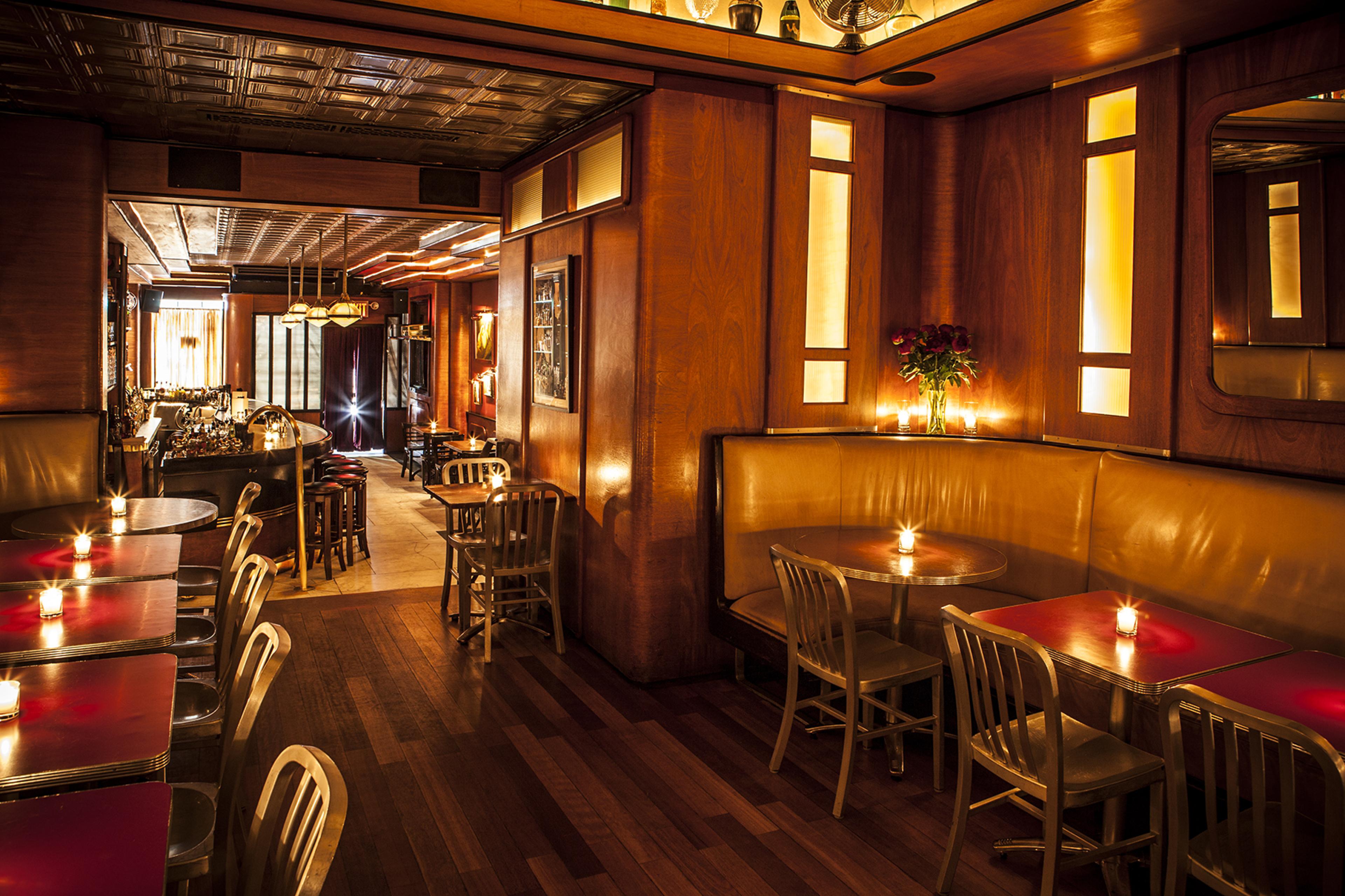
Bars in Pine Brook
Browse all →
Hotels in Pine Brook
Browse all →



Details
- Elegant
- Cozy
- Modern
- Date Night
- Group Dining
- Special Occasion
- A La Carte
- Small Plates
Current opening hours
- Monday
- 11:30 AM–10 PM
- Tuesday
- 11:30 AM–10 PM
- Wednesday
- 11:30 AM–10 PM
- Thursday
- 11:30 AM–10 PM
- Friday
- 11:30 AM–10 PM
- Saturday
- 11:30 AM–10 PM
- Sunday
- 11:30 AM–10 PM
Hours can change for holidays and private events. Last verified .
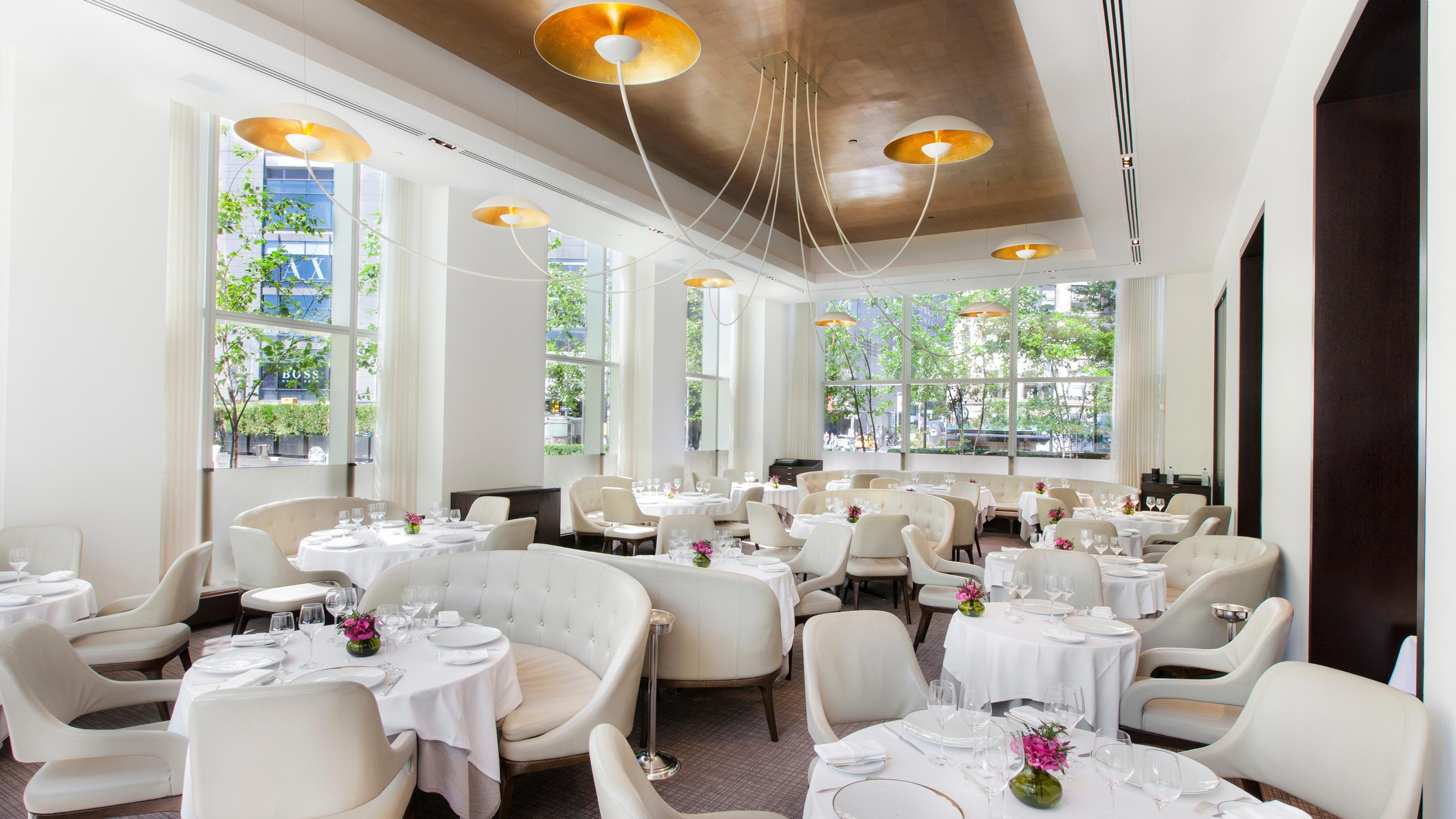
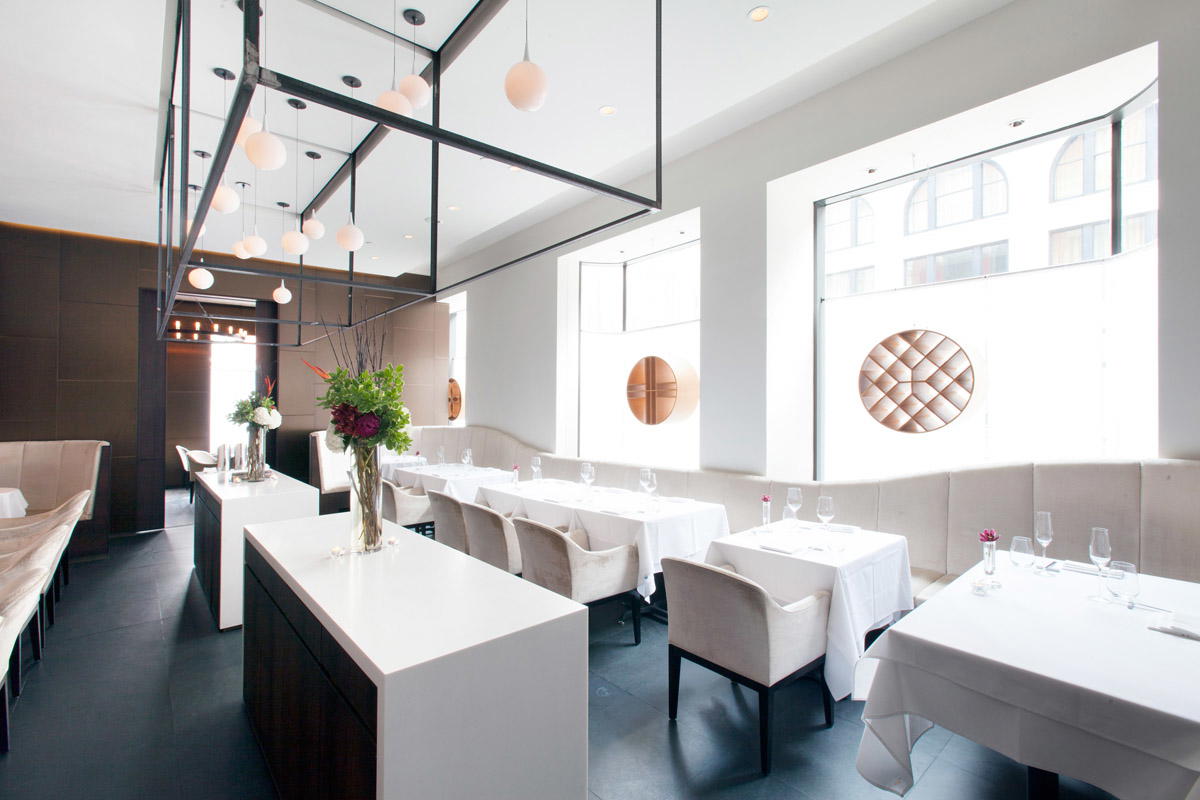
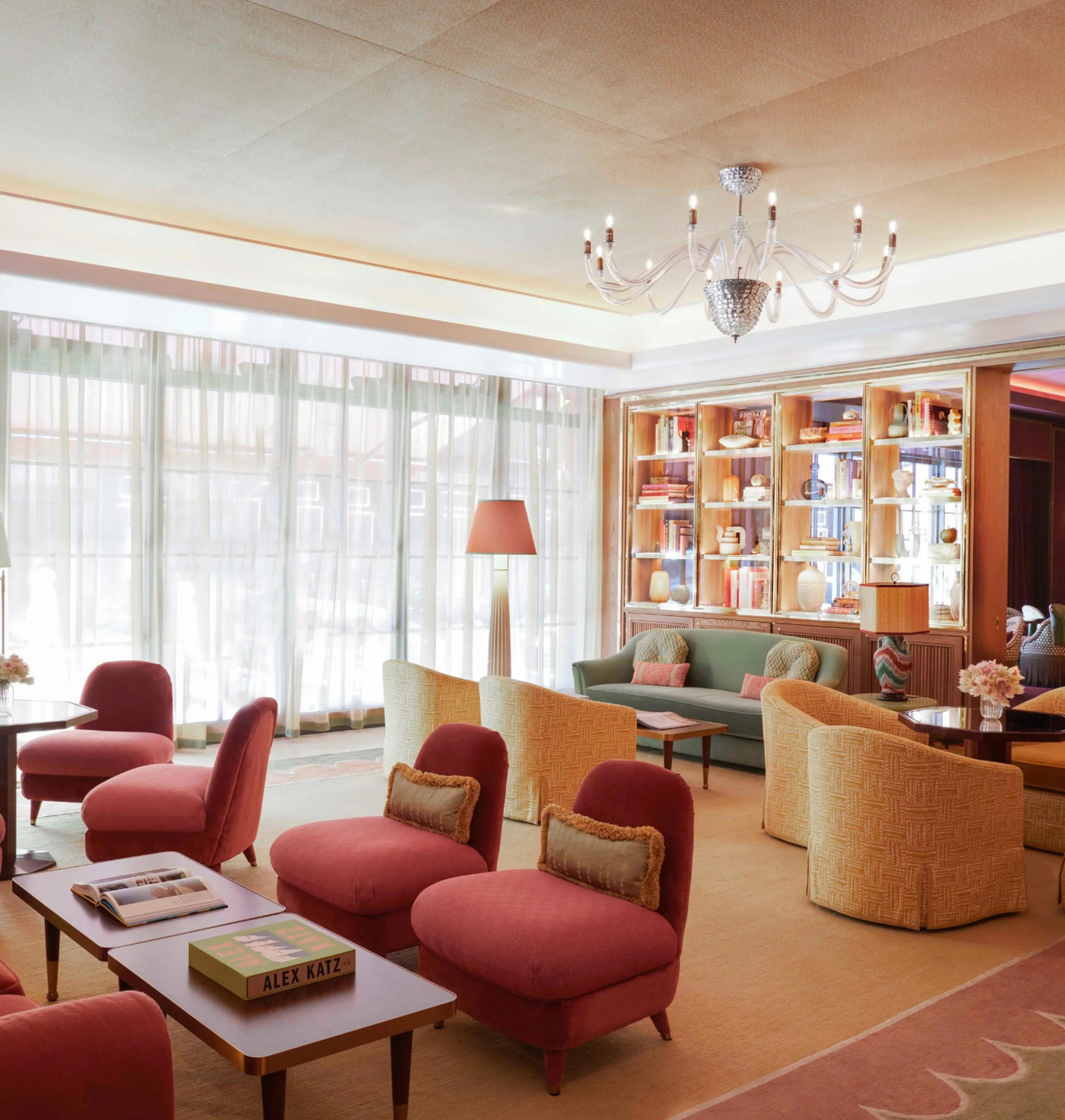
Elegant and cozy ambiance with contemporary design, stylish decor, distinctive wine wall, and natural lighting from large windows.