Our verdict
O-Ku sits at 502 1st St N in Jacksonville Beach, bringing a format more commonly associated with coastal urban dining to a stretch of Florida's Atlantic shore. The menu draws on Japanese-influenced preparation applied to Gulf and Atlantic sourcing, positioning it distinctly within a local scene that otherwise tilts heavily toward fried seafood and casual beach fare. For visitors moving between the beach strip and the broader First Coast food corridor, it occupies a niche that few local addresses fill.

Pearl is the En Primeur Club membership app, where members save venues, book tables and use the concierge.
The menu
What to order
- Crispy Rice
- Maguro Takaki
- Hotate Passion
- Karaage
- Pork Belly Buns
Where Jacksonville Beach Meets a Different Seafood Register
First Street North in Jacksonville Beach runs parallel to the Atlantic, a block or two back from the sand, lined with the kind of addresses that serve the beach crowd: casual, loud, salt-aired. O-Ku, at number 502, sits in that physical context but operates in a different register. The approach here, Japanese-influenced technique applied to coastal American seafood, belongs to a category that has found strong footing in cities like Charleston, Charlotte, and Washington D.C. where the O-Ku name first built recognition. Bringing that format to Jacksonville Beach places it in a part of the Florida coast that has not historically attracted this style of dining, which is precisely what makes the address worth attention.
Jacksonville Beach's dining scene is anchored by seafood, but the dominant idiom is fried, sauced, and casual. Venues like Beachside Seafood Restaurant & Market and Sandbar Jax Bch represent that tradition well, and for good reason: the Atlantic and Gulf supply chains that feed this stretch of Florida coast are among the more productive on the eastern seaboard. What O-Ku adds is a preparation framework, precision cutting, temperature discipline, ingredient-first composition, that positions raw and lightly treated fish as the lead rather than a supporting element. That shift in emphasis changes what the sourcing conversation is actually about.
The Sourcing Argument Along Florida's Atlantic Coast
Japanese-influenced seafood restaurants in the American South have quietly made a case over the past fifteen years that Gulf and Atlantic fish, when handled with the same care as Pacific varieties, produce results that hold up against any coastal sourcing tradition. The argument rests on provenance transparency and handling speed: fish that travels a short distance from water to counter retains texture and flavor that longer cold chains erode. Florida's Atlantic coast, with consistent access to grouper, amberjack, yellowfin, and local shellfish, gives a venue in this format genuine material to work with.
This is the lens through which O-Ku at Jacksonville Beach becomes interesting beyond its novelty. Formats built around raw and minimally processed seafood are only as good as their supply relationships. In coastal Florida, those relationships exist at the dock level in ways that are harder to replicate in landlocked cities. The ingredient sourcing argument that underpins Japanese-influenced American seafood restaurants, that local, traceable, fresh-handled fish is the product, has more structural support here than it might in, say, a midwestern interpretation of the same concept.
For editorial comparison: venues like Providence in Los Angeles and Le Bernardin in New York City built their reputations on the premise that sourcing rigor and technical discipline produce different outcomes than volume seafood supply chains. Single Thread Farm in Healdsburg extends that argument to land-based ingredients as well. The ambition at O-Ku operates at a different scale than those addresses, but the underlying logic, that where the fish comes from and how it is handled between water and plate matters more than sauce complexity, runs through the same tradition.
The Format in Context: Japanese-American Seafood on the Atlantic Shore
The broader category O-Ku belongs to has expanded significantly in American coastal dining over the past decade. Omakase and omakase-adjacent formats, izakaya-style small plates, and sushi bars with a sourcing narrative have moved well beyond gateway cities. What was once largely confined to New York, Los Angeles, and San Francisco now appears in secondary coastal markets, often with local sourcing claims that are structurally more credible than those made by urban counterparts. Atomix in New York City sits at the prestige end of Korean-Japanese fusion; O-Ku occupies a more accessible price tier and broader geographic reach, but both reflect the same category expansion.
Jacksonville Beach sits within a wider First Coast dining corridor that includes downtown Jacksonville's more established restaurant scene. The beach strip has historically been the casual satellite. O-Ku's presence suggests that gap is closing, at least partially, as the demographic profile of the beach zone has shifted toward year-round residents with different dining expectations than the seasonal tourist base. Eleven South and Refinery Jax Beach have contributed to that shift, each working a different format within the same evolving local scene. Oaxaca Club adds a Mexican-leaning counterpoint that further signals a local appetite for formats outside the fried seafood default.
Nationally, the most instructive comparisons for what O-Ku is attempting in a resort-adjacent coastal market might be Addison in San Diego or, at a more accessible register, the Charleston original, venues where resort geography and high culinary ambition coexist without one undermining the other. The trick is that beach markets demand flexibility: the crowd shifts seasonally, price sensitivity varies sharply between weekday locals and weekend visitors, and the competition for dinner decisions includes the beach itself.
Planning a Visit: What to Know Before You Go
O-Ku is located at 502 1st St N, Jacksonville Beach, FL 32250, positioned within walking distance of the main beach access points and the central beach commercial strip. For Japanese-influenced seafood formats in this category, weekend bookings in peak Florida beach season (March through August) typically require advance planning; weeknight tables in the shoulder season are generally more accessible.
Visitors building a broader Jacksonville Beach itinerary can reference our full Jacksonville Beach restaurants guide for context across the local scene. For readers using O-Ku as a benchmark for the category nationally, Blue Hill at Stone Barns in Tarrytown, Lazy Bear in San Francisco, Alinea in Chicago, The French Laundry in Napa, The Inn at Little Washington, Emeril's in New Orleans, and 8 1/2 Otto e Mezzo Bombana in Hong Kong represent the upper register of ingredient-led, technique-forward dining that informs the same broad tradition.
Frequently asked questions
Where exactly is O-Ku?
O-Ku is located at 502 1st St N, Jacksonville Beach, FL 32250, Jacksonville Beach.
Is O-Ku in Jacksonville Beach a good option for a seafood dinner near the beach?
O-Ku at 502 1st St N is within walking distance of the main Jacksonville Beach access points, making it one of the few restaurants in that immediate stretch applying Japanese technique to locally sourced Atlantic seafood. That combination, proximity to the shore plus a menu built around Japanese-American seafood discipline, is relatively uncommon in the northeast Florida coastal market. It fits a specific brief: a sit-down dinner with culinary intent, a short walk from the sand.
What do people recommend at O-Ku?
O-Ku's reputation along Florida's Atlantic coast centers on Japanese-influenced seafood preparations that highlight Gulf and Atlantic fish. Regulars tend to gravitate toward the raw and lightly treated formats, which align with the broader omakase-adjacent approach the restaurant occupies. Specific dish recommendations shift with sourcing and season, so the counter or server guidance on arrival carries real weight.
How hard is it to get a table at O-Ku?
O-Ku sits at 502 1st St N in Jacksonville Beach, a block from the main beach access, which means foot traffic and weekend demand run higher than at comparable inland spots. Booking ahead, particularly on Friday and Saturday evenings, is advisable during peak coastal season. Walk-in availability tends to open up on weekday evenings outside summer months.
What has O-Ku built its reputation on?
O-Ku operates within the Japanese-American seafood category that has expanded across American coastal dining over the past decade, applying Japanese technique and sourcing discipline to Atlantic and Gulf fish. That positioning separates it from the standard Florida seafood house and from purely traditional Japanese restaurants. The address in Jacksonville Beach, rather than a major metro, gives it a specific coastal identity within that format.
Can O-Ku adjust for dietary needs?
Japanese-influenced seafood menus at this register typically carry significant fish and shellfish content by design, and raw preparations are central to the format. Guests with specific dietary restrictions should check the venue's official channels before booking, as menu flexibility at sourcing-led counters varies by what is available and how the kitchen structures a given service.
Is O-Ku good value for money?
The sourcing argument, Atlantic fish handled with Japanese technique, is where the value case sits, not in portion volume. Checking current menu pricing directly with the restaurant at 502 1st St N, Jacksonville Beach, gives the clearest picture.
In Context: Similar Options
Comparable venues nearby, for context on price, style, and recognition.
| Venue | Cuisine | Price | Awards | Notes |
|---|---|---|---|---|
| O-KuThis venue (the venue you are viewing) | Modern Japanese Sushi & Omakase | $50–100 | Not listed | Not listed |
| Eleven South | New American Seafood & Steaks | $50–100 | Wine Spectator Award of Excellence | Jacksonville Beach |
| Oaxaca Club | Elevated Oaxacan Mexican with Seafood & Steaks | $50–100 | Not listed | Jacksonville Beach |
| Refinery Jax Beach | Euro-American Seafood | $30–50 | Not listed | Jacksonville Beach |
| Beachside Seafood Restaurant & Market | Fresh Coastal Seafood | $20–30 | Not listed | Jacksonville Beach |
| Sandbar Jax Bch | Beachfront American | Not listed | Not listed | Jacksonville Beach |
Continue exploring
More in Jacksonville Beach
Restaurants in Jacksonville Beach
All restaurants in Jacksonville Beach →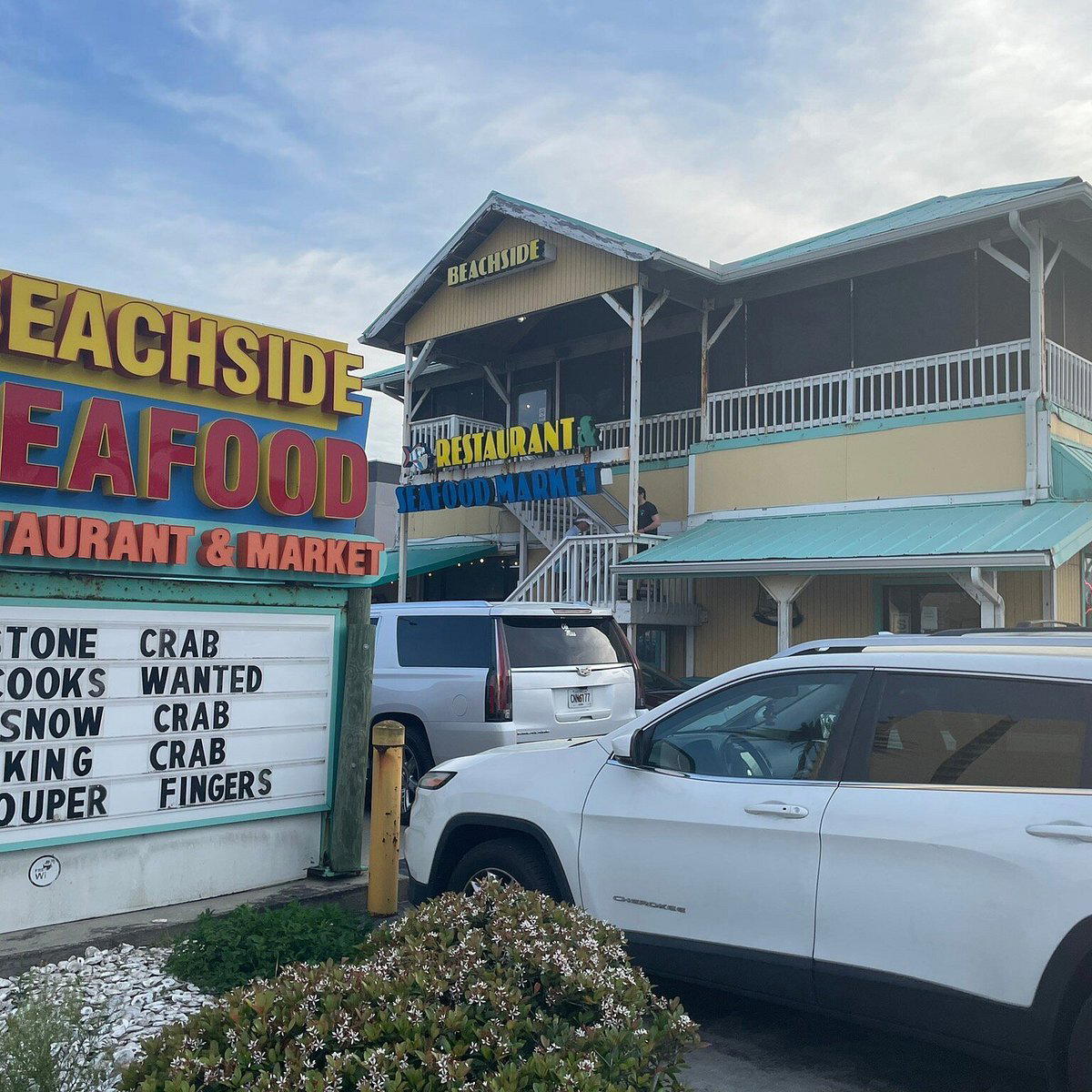


Details
- Modern
- Elegant
- Scenic
- Sophisticated
- Date Night
- Special Occasion
- Celebration
- Rooftop
- Waterfront
- Open Kitchen
- Chefs Counter
- Sake Program
- Craft Cocktails
- Beer Program
- Sustainable Seafood
- Local Sourcing
- Waterfront
- A La Carte
- Omakase
- Small Plates
- Sake
- Specialty Cocktails
- Japanese Whiskey
- Pescatarian Friendly
Current opening hours
- Monday
- 5–10 PM
- Tuesday
- 5–10 PM
- Wednesday
- 5–10 PM
- Thursday
- 5–10 PM
- Friday
- 5–10 PM
- Saturday
- 12–10 PM
- Sunday
- 12–9 PM
Hours can change for holidays and private events. Last verified .
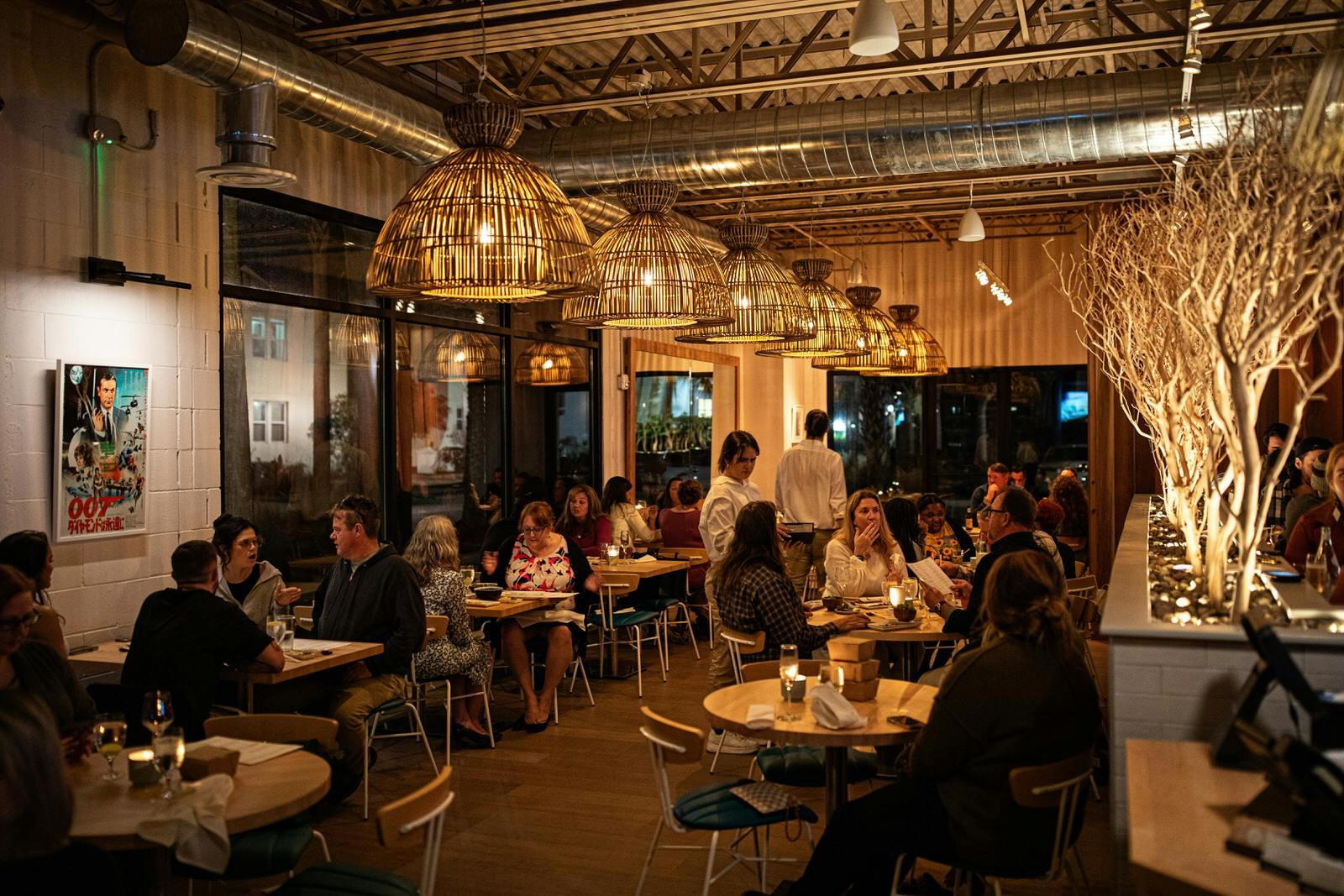
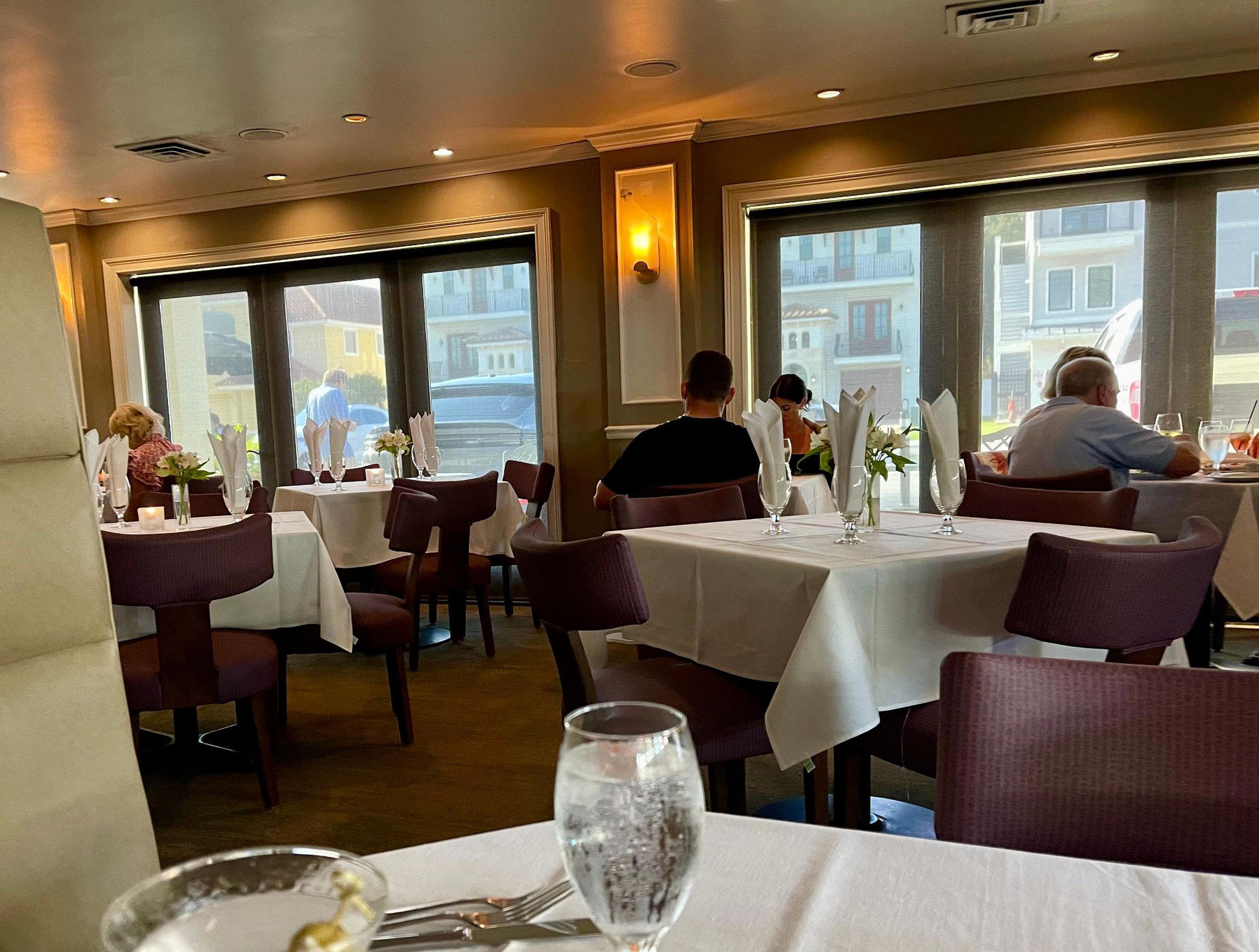
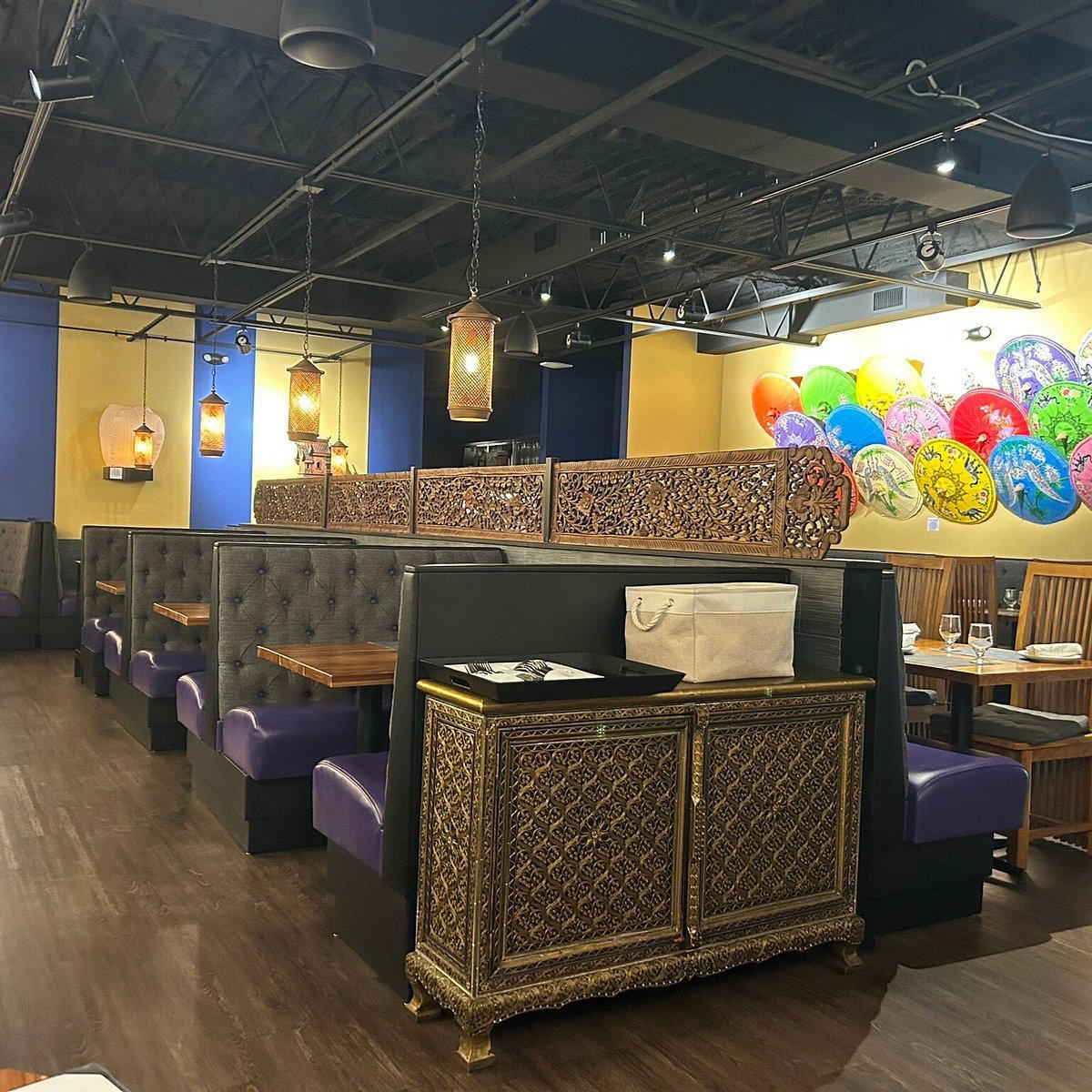
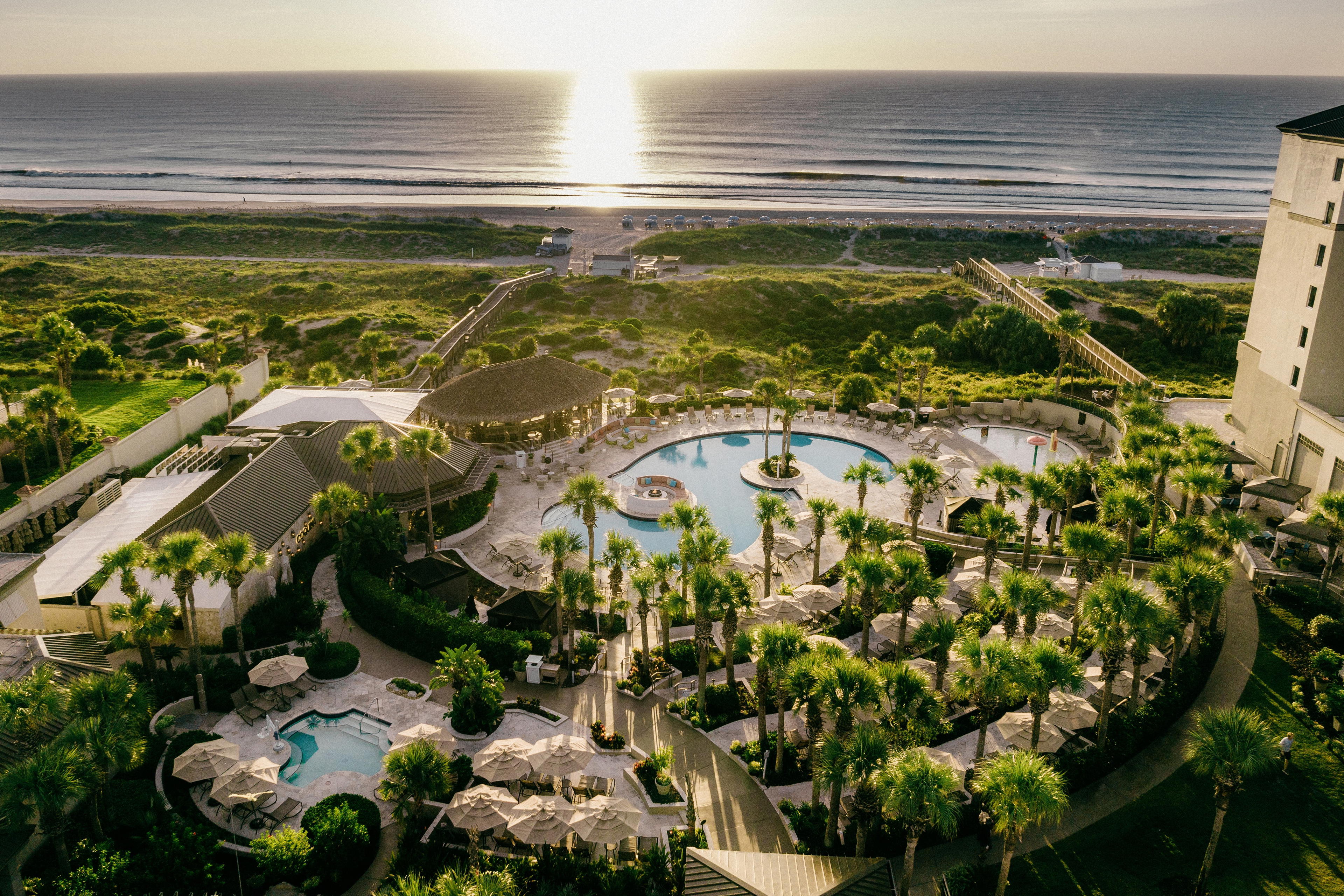
Modern, elegantly designed space with waterfront views and rooftop seating that reflects contemporary Japanese aesthetics.