Our verdict
Oklacà sits in Chochlakas, on the edge of Skala harbour, where Patmos's monastic restraint shapes the dining culture as much as the Aegean does. The kitchen draws on the island's own produce and fishing traditions, placing it within the small tier of Dodecanese restaurants that treat sourcing as the primary editorial statement. For an island this size and this serious about its character, the address matters.

Pearl is the En Primeur Club membership app, where members save venues, book tables and use the concierge.
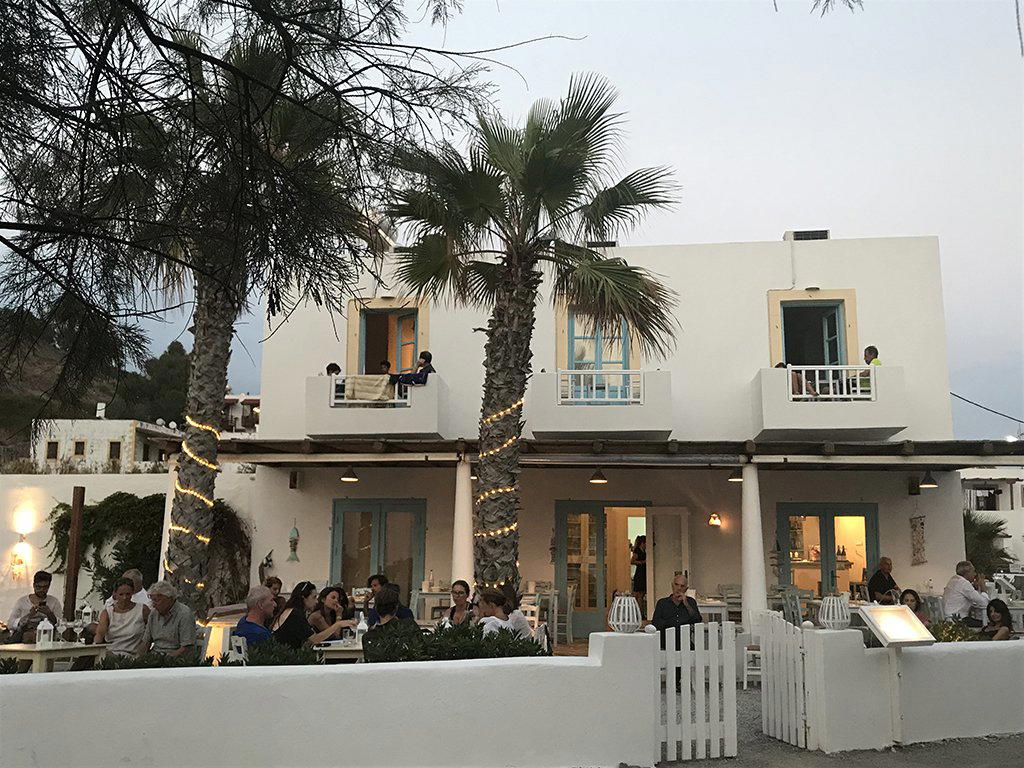
Where the Aegean Dictates the Menu
Patmos operates differently from the Cycladic circuit. Where Mykonos and Santorini have built their dining identities around spectacle and sunset positioning, Patmos moves at a slower frequency, shaped by UNESCO recognition as a place of cultural and religious significance, by a population that thins sharply outside summer, and by an island geography that makes supply logistics genuinely difficult. That context matters when you sit down to eat at Oklacà, located in the Chochlakas district of Skala, Patmos's main port. The address places it within the working harbour side of the island, where fishermen and ferry schedules set the rhythm rather than cocktail hours. See our full Patmos restaurants guide for broader context on how the island's dining scene is structured.
Sourcing as the Central Argument
Greek island kitchens divide broadly into two camps: those that import consistency from the mainland and those that absorb the irregularities of whatever the island produces. The Aegean islands in the Dodecanese chain, Patmos included, have a tradition of the latter. Octopus dried on lines in the harbour wind, capers from the scrubland, local olive oil pressed from trees that have survived the rocky terrain for generations, these are not decorative gestures toward provenance. They are the actual building blocks of the cuisine, and their seasonality imposes a menu discipline that a more centralised supply chain would erase.
Patmos's fishing community is small enough that what arrives at a kitchen like Oklacà's is genuinely tied to what was caught and when. The island's position in the eastern Aegean, north of Kos and closer to the Turkish coast than to Athens, means it operates in a microclimate with its own fish populations and seasonal patterns. That specificity is the ingredient argument the kitchen works with. Compare this to something like Jimy's Fish in Piraeus, where proximity to a major port gives access to a wider and more consistent supply, or the Cretan sourcing traditions you find at Knossos Greek Taverna Gouves, each model reflects geography as much as culinary intention.
The Chochlakas Setting
Skala is the functional centre of Patmos: ferry port, market, the narrow streets where daily life concentrates before the monastery hill takes over. The Chochlakas area within Skala sits on the water side, and eating there means the harbour is the visual field rather than a postcard backdrop engineered from a clifftop terrace. This is a more embedded experience than the view-first dining that defines places like Lure Restaurant in Oia or Aktaion in Firostefani, both fine rooms, but places where the caldera does most of the atmospheric work. At sea level in a working port, the atmosphere is more contingent, more alive to the day's actual conditions.
Arriving at Oklacà from the ferry or from Skala's main strip is a short walk through the port district. The setting is quieter than the main harbour frontage while remaining connected to it, the kind of positioning that rewards guests who are not optimising for visibility but for the texture of actually being on the island.
How Oklacà Fits the Dodecanese Dining Pattern
The smaller Greek islands have not produced a restaurant culture that competes on the tasting-menu or molecular register. The prestige markers in Athenian dining, the kind you find at Delta in Athens or at Hytra, both operating at the contemporary Greek fine-dining tier, are largely absent on islands like Patmos. What the island offers instead is a different kind of authority: specificity of place, seasonal constraint, and a cooking tradition that has not been industrialised because the economics of a small island make that impossible.
Oklacà sits within this pattern. The absence of Michelin recognition or documented awards is not unusual for this category of Aegean dining; the guide's coverage of the outer Dodecanese remains thin, which means that sourcing credentials and local reputation carry more weight as trust signals than formal accolades. For comparison, Santorini's more documented restaurant scene, including addresses like Bony Fish Santorini in Imerovigli or Cacio e Pepe in Thira Municipality, benefits from far greater visitor volume and the critical attention that comes with it. Patmos operates with less of both, which keeps places like Oklacà working for a more locally embedded audience.
Planning Your Visit
Patmos is a seasonal island. The dining calendar contracts sharply between October and April, when ferry connections thin and many establishments close entirely. Summer, from June through September, is when Oklacà and its peers operate at full capacity, and the island's combination of religious pilgrims, yacht traffic, and design-conscious visitors creates a demand spike that makes advance planning worthwhile. Skala's port location means the restaurant is accessible directly from the ferry landing, a practical advantage for visitors arriving by boat from Kos, Rhodes, or the Athens-Piraeus ferry route. Those arriving by private charter or sailing the Dodecanese chain, a common route that takes in stops along the western coast before crossing east, will find Skala a natural overnight anchorage.
Booking details, current hours, and pricing are best confirmed directly through local channels or on arrival in Skala, as online booking infrastructure for this category of Patmos restaurant remains inconsistently maintained. The island's unhurried pace extends to its reservations culture, walk-ins are more viable here than on Santorini or in Athens dining rooms like Cash in Kifisia, where demand is more concentrated and predictable.
Frequently asked questions
Is Oklacà Patmos good for families?
Patmos as an island runs at a pace that suits mixed-age groups, and Skala, where Oklacà sits in the Chochlakas district, is compact and walkable rather than nightlife-driven. The neighbourhood context suggests a relaxed, community-facing setting rather than a formal or adults-only one.
Is Oklacà Patmos formal or casual?
Oklacà is located in Chochlakas, a working part of Skala rather than a resort strip, which points toward an informal register. Patmos dining generally sits outside the white-tablecloth conventions of the Athenian tasting-menu circuit, the island's prestige comes from produce and setting, not ceremony. Dress for a warm Aegean evening rather than a black-tie occasion.
What is Oklacà Patmos and how does it differ from typical Cycladic restaurants?
Oklacà Patmos is a restaurant in the Chochlakas district of Skala, the main port town on Patmos in the Dodecanese, a separate island group from the Cyclades, which includes Mykonos and Santorini. Where Cycladic dining has increasingly organised around spectacle and international visibility, Dodecanese tables like those in Patmos tend to operate on a quieter register shaped by local sourcing and island rhythm. Patmos itself carries a distinct cultural weight as a UNESCO World Heritage island, drawing visitors who arrive for contemplation rather than the festival circuit, and its restaurant scene reflects that.
What's the signature dish at Oklacà Patmos?
Specific menu details for Oklacà are not available in current documentation, and on a seasonal Dodecanese island the menu shifts with what arrives from local fishermen and nearby farms. The broader context of Patmos kitchens that source locally means the day's catch typically anchors the table. Check directly with the restaurant on arrival or via local inquiry for what is being served that week.
Where is Oklacà Patmos in Patmos?
Oklacà Patmos is located at Chochlakas, Skala, Patmos 855 00, Greece, Patmos.
Do I need a reservation for Oklacà Patmos?
Patmos draws a concentrated flow of visitors during the summer months, roughly May through September, when ferry connections are frequent and accommodation fills quickly. Seating in Skala's smaller establishments tends to be limited, and Oklacà's Chochlakas address puts it in a neighbourhood where foot traffic peaks in high season. Booking ahead is a practical precaution; contact details are best sourced through local accommodation or the Patmos port authority listings.
What's the signature at Oklacà Patmos?
The defining character of Oklacà appears rooted in its Chochlakas location within Skala, the functional, non-touristic heart of Patmos, rather than in a single headline technique or dish. On an island where the Dodecanese supply chain dictates what reaches the kitchen, the approach is one of absorption rather than prescription: what's available shapes what's served. That positions Oklacà within a Greek island tradition where the season, not the menu, leads.
Fast Comparison
Comparable venues nearby, for context on price, style, and recognition.
| Venue | Cuisine | Notes |
|---|---|---|
| Oklacà PatmosThis venue (the venue you are viewing) | Authentic Neapolitan Italian | Not listed |
| Cava di Pietra Italian Restaurant | Open-air Italian restaurant overlooking ancient quarry ruins | Rhodes |
| Σκουμπρί | Traditional Greek Seafood Taverna | Κουκάκι |
| Blue Note | Traditional Greek & Mediterranean Seafood | Imerovigli |
| Salt & Pepper (Αλάτι & Πιπέρι) | Traditional Greek Taverna | Fira |
| Restaurant 21 Olive | Traditional Greek | Kalambaka |
Continue exploring
More in Patmos
Restaurants in Patmos
All restaurants in Patmos →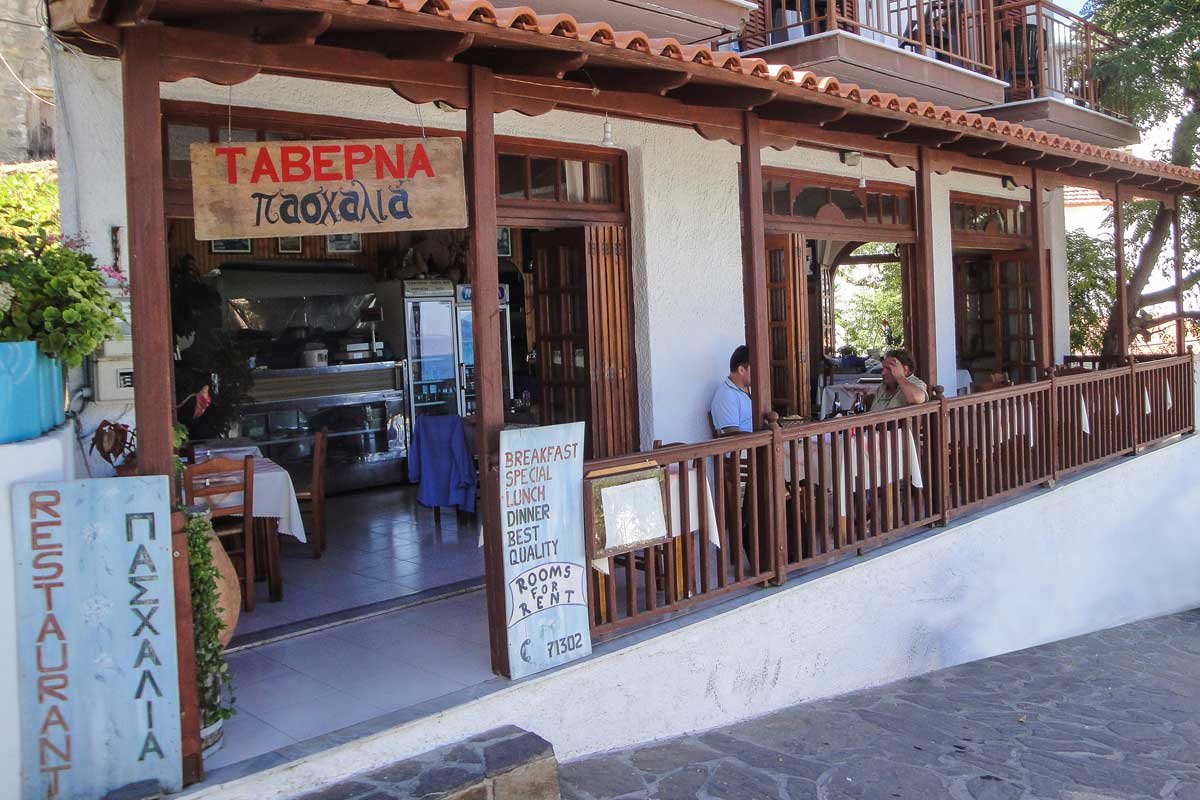
Hotels in Patmos
All hotels in Patmos →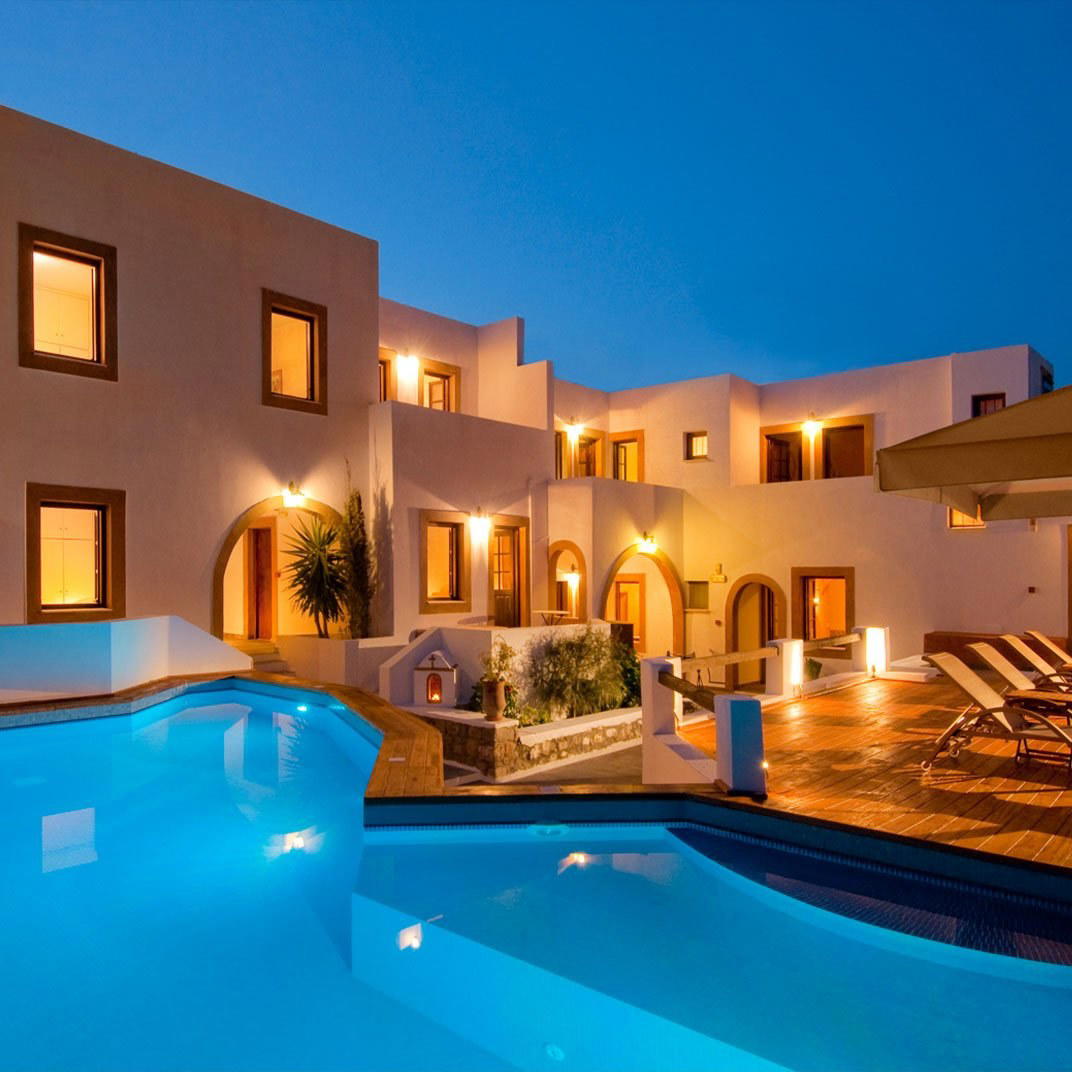
Wineries in Patmos
Browse all →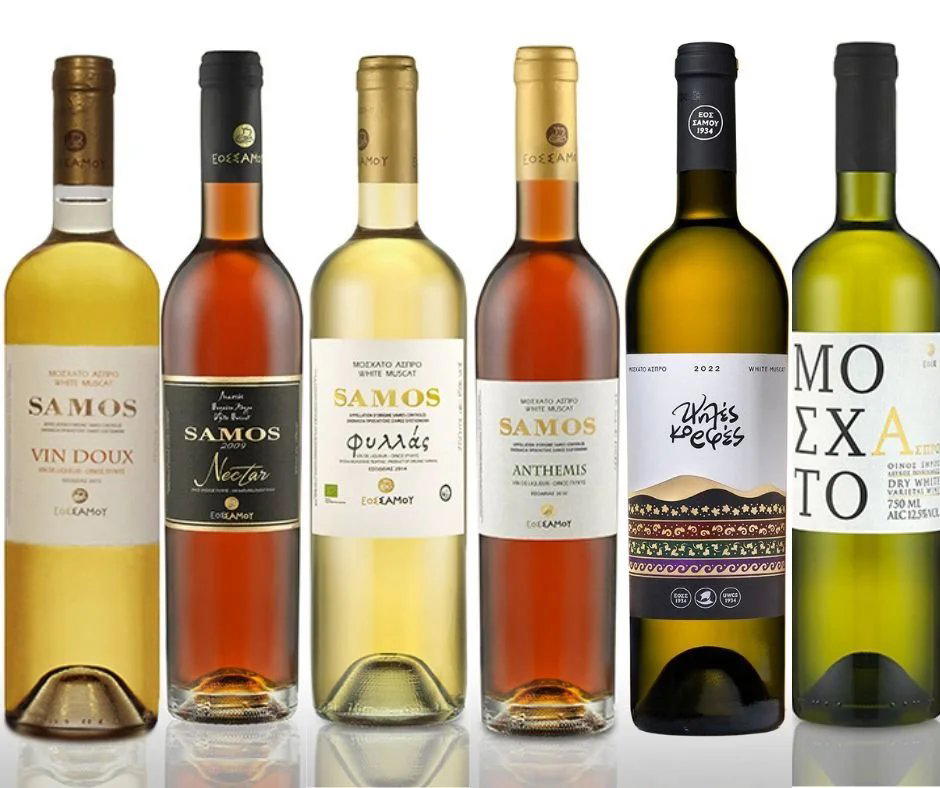
Details
- Romantic
- Scenic
- Cozy
- Elegant
- Date Night
- Special Occasion
- Waterfront
- Terrace
- Extensive Wine List
- Local Sourcing
- Waterfront
- A La Carte
- Vegetarian Friendly
- Vegan Options
Romantic beachside atmosphere with sunset views, garden seating, and a magical evening vibe.