Michelin Plate
Our verdict
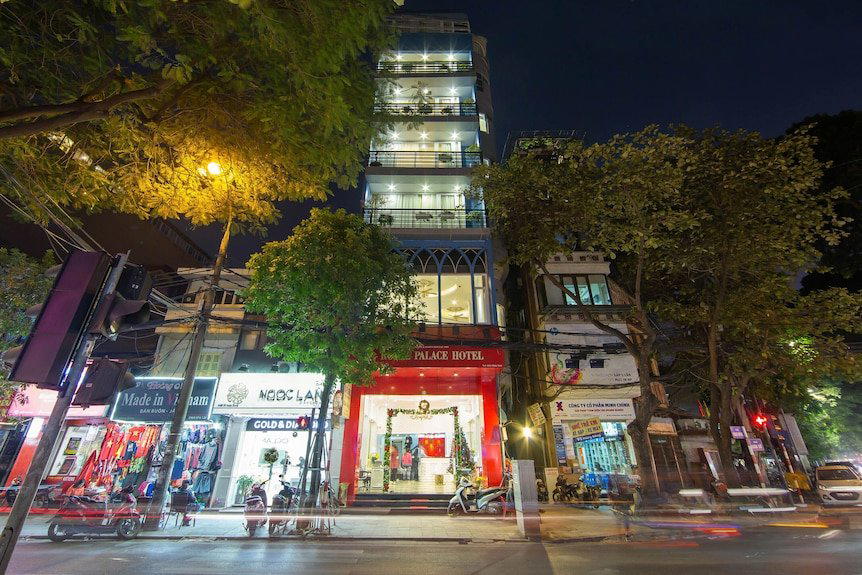
A Michelin Plate-recognised seafood address in Ba Đình, Ốc Di Tú has held its recognition in both 2024 and 2025, placing it among the few dedicated shellfish restaurants in Hanoi to earn sustained Michelin attention. Located on Quán Thánh street, it operates at the mid-range price tier, making it one of the more accessible entries in the city's growing roster of noted seafood specialists.

Pearl is the En Primeur Club membership app, where members save venues, book tables and use the concierge.
The menu
What to order
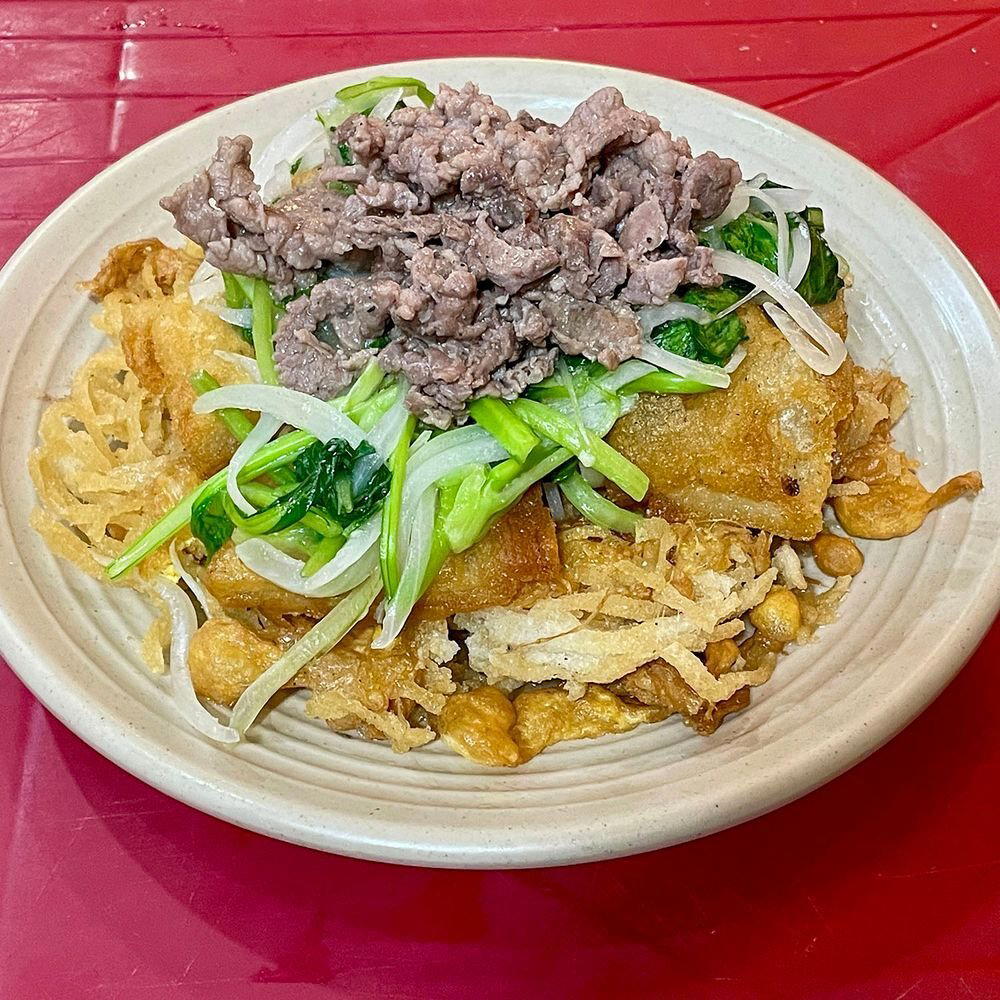
- Grilled melo melo snail
- Steamed Venus clams with lemongrass chili pineapple
Shellfish Culture on Quán Thánh
Hanoi's street-level shellfish scene is one of the more underappreciated threads in northern Vietnamese food culture. While the capital's international dining conversation tends to orbit high-format Vietnamese Contemporary rooms like Gia or teppanyaki venues such as Hibana by Koki, the ốc tradition, built around snails, clams, mussels, and a rotating cast of molluscs prepared simply and served fast, operates on entirely different terms. These are communal, tactile meals: cracked shells, dipping sauces, cold beer, and the particular pleasure of eating something that takes more effort to extract than to chew. Ốc Di Tú, at 144C Phố Quán Thánh in Ba Đình, sits inside that tradition while holding a level of consistency that two consecutive Michelin Plate recognitions, in 2024 and again in 2025, confirm is not accidental.
The street itself frames the experience before you enter. Quán Thánh runs close to Trúc Bạch Lake in a part of Ba Đình that sits slightly apart from the denser tourist corridors of the Old Quarter. The neighbourhood has a quieter residential texture, and the restaurant's address places it among locals rather than in the thick of guided-tour foot traffic. That positioning matters for a venue operating at the ₫₫ price tier, it is not calibrated for passing visitors who want a quick reference point, but for repeat custom that understands what to order.
What the Menu Reveals
The editorial lens through which Ốc Di Tú reads most clearly is menu architecture. Vietnamese shellfish restaurants are structured around a logic that differs from European seafood formats. Rather than the composed plate or the chef-driven tasting sequence, the ốc menu is a matrix: species on one axis, preparation method on the other. Diners navigate combinations rather than a curated progression. Grilled with scallion oil, steamed with lemongrass, stir-fried with tamarind, sautéed with butter and garlic, each method carries its own flavour register, and the skill of the kitchen lies in calibrating heat, seasoning, and timing to the specific mollusk on the grill or in the wok.
This structure places more interpretive responsibility on the diner, which partly explains why regulars return. First visits are often orientation; second and third visits are where preferences sharpen.
The ₫₫ pricing places Ốc Di Tú well below the formal dining tier. For context, venues like Gia operate at ₫₫₫₫, while street-category addresses such as Bun Cha Ta hold a single-₫ position. The mid-range bracket here means the experience is neither a quick street snack nor a considered tasting menu, it occupies the sociable middle ground where groups order broadly, share across the table, and the bill scales naturally with appetite.
Hanoi Seafood in a Wider Frame
Michelin's presence in Hanoi since 2023 has recalibrated how the city's food scene reads to international visitors, and the Plate designation, awarded to restaurants where inspectors find food worth stopping for, without the star tier's additional criteria, has particular relevance for casual-format kitchens. Globally, some of the most interesting Michelin Plate seafood addresses are precisely those working in vernacular idioms rather than fine-dining codes: Gambero Rosso in Marina di Gioiosa Ionica, Cañabota in Seville, and La Buca in Cesenatico all work within local seafood traditions that predate any fine-dining framework. Ốc Di Tú belongs to that broader category of places where the Michelin signal reflects mastery of a specific, locally grounded format rather than alignment with international haute cuisine conventions.
Across Vietnam, the shellfish-focused restaurant has a different geography than, say, the high-end Vietnamese Contemporary room. Ho Chi Minh City's more developed dining scene produces addresses like Anan Saigon that reframe Vietnamese ingredients through a contemporary lens, while Da Nang's colonial-hotel dining at La Maison 1888 operates in an entirely different register. The ốc format, by contrast, has evolved with minimal reference to international fine-dining logic, which gives venues like Ốc Di Tú a coherence that is hard to manufacture: the menu does what it does because that is how the cuisine works, not because a concept was designed around it.
Other seafood specialists drawing comparable attention internationally include Alici on the Amalfi Coast, Jellyfish in Hamburg, and Conchas de Piedra in Valle de Guadalupe, each operating inside a specific regional seafood tradition with a defined product focus. The common thread is that the menu architecture expresses a point of view about the ingredient, and the kitchen's job is to protect that logic with consistent execution.
Who Orders What, and Why It Matters
Regulars at Vietnamese shellfish restaurants tend to develop a standing order, not because the menu is limited, but because the matrix of options rewards familiarity. The grilled preparations, which are common anchor orders at ốc establishments across Hanoi, typically show a kitchen's control of heat and timing most directly. Tamarind-based sauces, common in southern Vietnamese cooking but adapted in northern kitchens, often appear in stir-fried shellfish dishes and carry a sweet-sour sharpness that distinguishes them from the saltier, simpler profiles of pure northern-style preparations.
What the Michelin Plate does confirm, twice, is that the kitchen maintains a standard that makes the question worth asking when you arrive.
Planning a Visit
Ốc Di Tú is at 144C Phố Quán Thánh, in the Ba Đình district, within reach of Trúc Bạch Lake and the broader West Lake area. The ₫₫ price point makes it accessible for most budgets, and the communal format suits groups of two or more. Phone and booking details are not listed, which suggests walk-in access is the operating model, standard for this category of Hanoi restaurant. For the surrounding dining context in Ba Đình and beyond, our full Hanoi restaurants guide maps the city's broader range, while our Hanoi hotels guide, bars guide, wineries guide, and experiences guide cover the wider visit. For a mid-range Vietnamese option at the same price tier, Tầm Vị represents another ₫₫ address with Michelin attention.
What Do Regulars Order at Ốc Di Tú?
Regular orders at Vietnamese ốc establishments typically anchor around the grilled and tamarind-stir-fried preparations, the formats that leading demonstrate a kitchen's control, and diners tend to orient toward the shellfish varieties that are freshest on a given day.
Frequently asked questions
What price level is Ốc Di Tú?
Pricing at Ốc Di Tú is listed as ₫₫.
How would you describe the cuisine at Ốc Di Tú?
Has Ốc Di Tú won any awards?
Ốc Di Tú has received recognition including: Michelin Plate (2025); Michelin Plate (2024).
What do regulars order at Ốc Di Tú?
At a ₫₫ price point, the format rewards repeat visits: low enough to experiment across several items in one sitting. The Michelin Plate recognition in both 2024 and 2025 points to consistency in preparation rather than a rotating-menu approach, which is exactly the condition that allows regulars to lock in favourites.
What's the address for Ốc Di Tú?
Ốc Di Tú is located at 144C P. Quán Thánh, Quán Thánh, Ba Đình, Hà Nội, Vietnam, Hanoi.
Cuisine Lens
| Venue | Cuisine | Price | Awards | Notes |
|---|---|---|---|---|
| Ốc Di TúThis venue (the venue you are viewing) | Vietnamese Snail & Seafood | Not listed | Michelin Plate | Not listed |
| Hibana by Koki | Michelin-Starred Japanese Teppanyaki | $200–300 | 1 Michelin Star · La Liste Top Restaurants | Teppanyaki, ₫₫₫₫ |
| Tầm Vị | Northern Vietnamese Home-Style | $10–20 | 1 Michelin Star | Vietnamese, ₫₫ |
| Gia | Modern Vietnamese Fine Dining | $100–150 | 1 Michelin Star · La Liste Top Restaurants | Vietnamese Contemporary, ₫₫₫₫ |
| 1946 Cua Bac | Northern Vietnamese | $10–20 | Michelin Bib Gourmand | Vietnamese, ₫ |
| Bun Cha Ta (Nguyen Huu Huan Street) | Authentic Vietnamese Bun Cha | $1–10 | Michelin Bib Gourmand | Noodles, ₫ |
Recognition history
Dated appearances from independent guides and award organizations, with the underlying list record or original source where available.
Michelin Plate
Michelin
Full recognition history (3 entries)
Michelin Plate
Michelin
Michelin Plate
Michelin