Obstmühle
Our verdict
Obstmühle serves Swiss market-fresh cuisine in a historic building on Grundstrasse 13 in Schwyz, with an extensive wine list and local sourcing.

Pearl is the En Primeur Club membership app, where members save venues, book tables and use the concierge.
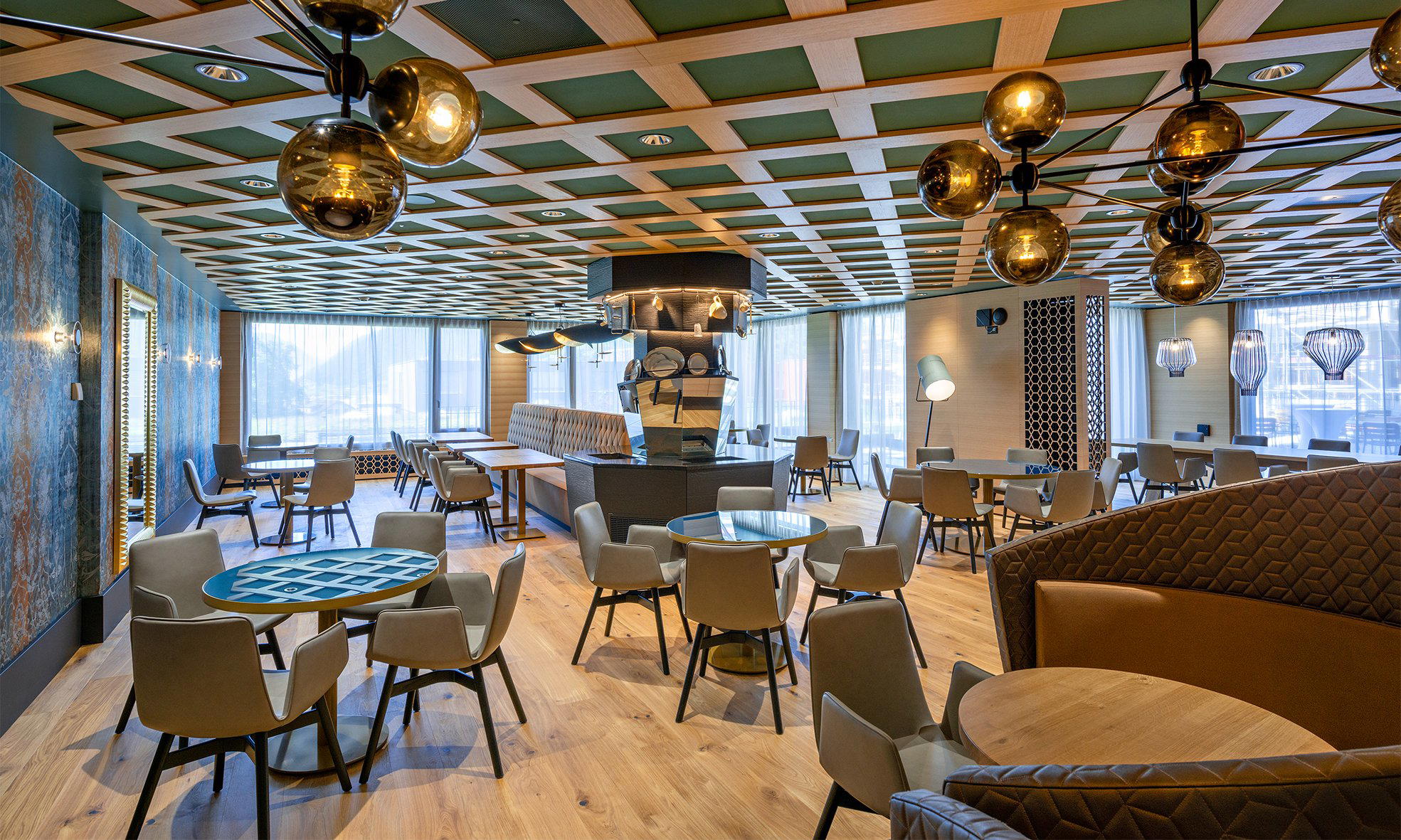
A Mill House in Canton Schwyz, Where the Ingredient Comes First
Grundstrasse 13 sits at the quieter residential edge of Schwyz, the small cantonal capital that gives Switzerland its name. The address is a converted mill building, and that architectural fact matters: in central Switzerland, mill conversions carry a particular kind of culinary logic. They tend to attract kitchens oriented around process and provenance, where the building's original purpose, transforming raw material into something useful, shapes how the food is conceived. Obstmühle follows that pattern. The name translates directly as fruit mill, a signal from the outset that what grows in this region is the starting point, not an afterthought.
The Ingredient-Led Tradition in Central Switzerland
Swiss German dining has long occupied an interesting middle ground between the precision-driven haute cuisine of the French-speaking cantons and the hearty, product-focused cooking of the Alpine interior. The cantons around Lake Lucerne and the Schwyz highlands sit within easy reach of both traditions, and the restaurants that work leading here tend to draw on local orchards, alpine dairy, and lake fisheries rather than importing the aesthetic of either Geneva or Zurich. The fruit mill heritage of Obstmühle places it within a specific strand of that tradition: kitchens that frame seasonality through what can be grown, pressed, fermented, or preserved at altitude.
That regional orientation is worth holding in mind when comparing the Swiss dining spectrum. At one end sit the three-Michelin-star houses, places like Hotel de Ville Crissier in Crissier or Schloss Schauenstein in Fürstenau, where the sourcing story is subordinate to technical ambition. At the other are venues like Obstmühle, where the sourcing story is often the main event. Neither approach is categorically superior; they answer different questions about what a meal is for.
Schwyz as a Dining Address
Schwyz does not attract the dining tourism that Zurich, Basel, or Lucerne generate. That relative obscurity is partly geographical: the town sits about forty minutes south of Zurich by rail, close enough for a day trip but rarely treated as a dining destination in its own right. What that means in practice is that the restaurants here, including Obstmühle, Magdalena (which works within an alpine-vegetarian framework at the higher end of the local market), and Engel, are not primarily calibrated to outside visitors. They serve a local and regional clientele, which tends to produce a different kind of hospitality register: less performative, more consistent, and anchored in repeat custom rather than first impressions.
For the visitor arriving from outside the canton, that dynamic is worth knowing. You are not entering a venue designed around your expectations. You are entering a room that has its own social rhythm, and the food is likely to reflect the preferences and seasonal patterns of the people who come back regularly. In the context of ingredient-led cooking, that is usually a reliable indicator of quality: kitchens cooking for returning locals have to be honest about what is on the plate, because their regulars will notice when it is not.
The Fruit Mill Logic: Why Provenance Shapes the Menu
Central Switzerland's fruit-growing tradition is older and more specific than most visitors realize. The orchards around the lake districts produce varieties of apple, pear, plum, and cherry that rarely reach urban markets, and the pressing and fermentation culture around them has shaped local cooking for centuries. A kitchen operating under the Obstmühle identity is making a statement about that inheritance, whether explicitly or structurally: the seasons here are defined by what comes off the trees and out of the ground, not by what a supplier can import.
That kind of provenance logic does not require the vocabulary of fine dining to work. It operates equally well at a mid-market table where the menu changes because the orchard demands it. The comparison set that matters here is not Cheval Blanc by Peter Knogl in Basel or Memories in Bad Ragaz, both of which operate within a formal tasting-menu framework at the upper end of Swiss pricing.
Across Switzerland, that cohort includes addresses like 7132 Silver in Vals, Colonnade in Lucerne, and further afield in the alpine Italian-influenced south, La Brezza in Ascona. Each sits within a regional ingredient story rather than importing a metropolitan formula. Obstmühle's address in Schwyz places it at the centre of that logic geographically, in the canton that gave the country its identity.
How to Approach a Visit
Getting to Schwyz from Zurich is direct by train, with connections via Arth-Goldau taking under fifty minutes. From Lucerne the journey is comparable, and the town is accessible by car from the A4 motorway. Grundstrasse is in the residential zone, removed from the tourist core around the federal archives and the main square, which means arrivals by foot from the station take around fifteen minutes.
Restaurants in smaller Swiss towns often maintain limited service days, and a venue of this size and character may close on certain weekdays. That is worth verifying, not assuming. For broader context on where Obstmühle sits within the local dining picture, our full Schwyz restaurants guide covers the current options across price points and formats.
Visitors with wider Swiss itineraries who want to benchmark the central Swiss dining register against other regional traditions might also consider focus ATELIER in Vitznau, which sits on the lake and operates in a modern-Swiss creative mode, or Einstein Gourmet in Sankt Gallen to the east. For those planning trips that extend to Geneva, L'Atelier Robuchon in Geneva or La Table du Lausanne Palace in Lausanne represent the French-speaking canton's approach to the same question of what Swiss dining can be. The contrast is instructive. For points of international reference outside Switzerland, IGNIV Zürich by Andreas Caminada in Zurich and globally, Da Vittorio in St. Moritz, Le Bernardin in New York City, and Atomix in New York City all demonstrate how provenance and technique intersect at different levels of ambition and price.
Frequently asked questions
Is Obstmühle a family-friendly restaurant?
The converted mill house setting at Grundstrasse 13 in Schwyz suggests a grounded, residential character rather than a formal dining room, which tends to suit mixed-age groups.
What kind of setting is Obstmühle?
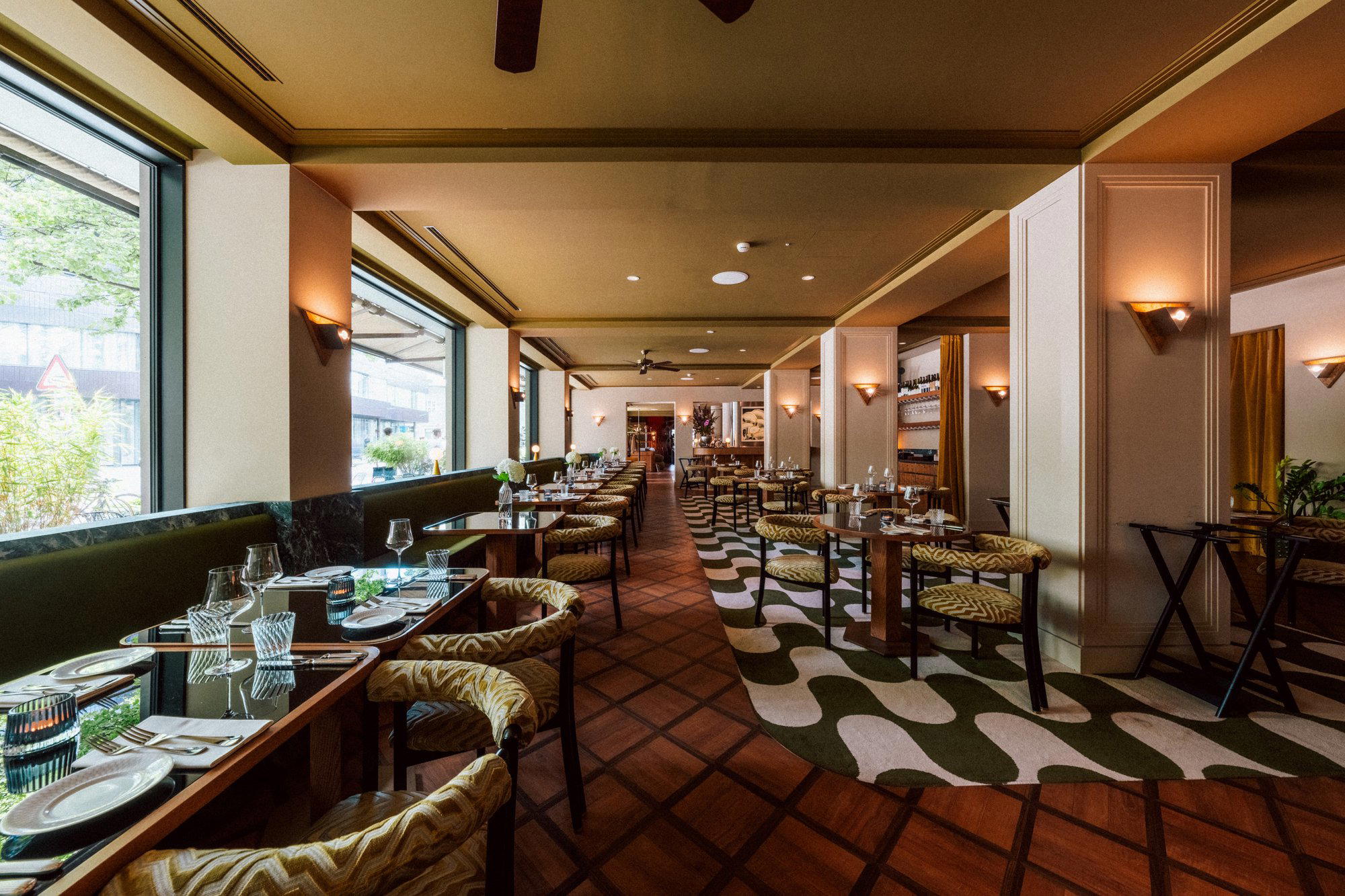
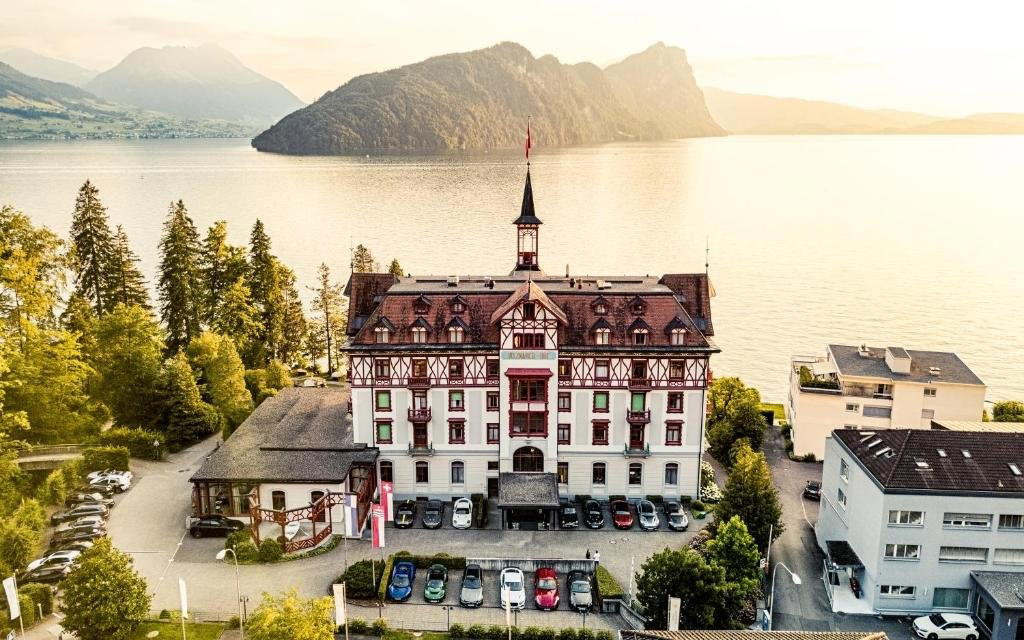
Obstmühle occupies a converted mill building on Grundstrasse 13, at the quieter residential edge of Schwyz, the small cantonal capital that gives Switzerland its name. The address sits away from the tourist centre, giving it a local, working character rather than a destination-restaurant atmosphere. Expect a setting shaped by the building's agricultural past rather than contemporary restaurant design.
What makes Obstmühle different from other restaurants in Canton Schwyz?
The address at Grundstrasse 13 is a converted fruit mill, a building type directly tied to Central Switzerland's historic orchard economy around the lake districts, a context that few other dining addresses in the canton share. Where most Swiss German restaurants in the region draw on a generalised alpine produce tradition, a mill-house origin implies a more specific relationship to fruit cultivation and local processing heritage. This gives Obstmühle a provenance anchor that is structural, not decorative.
What should I eat at Obstmühle?
The venue's identity as a former fruit mill points toward cooking rooted in Central Switzerland's orchard and produce traditions, where seasonal ingredients from the lake district orchards historically set the agenda.
How do I find Obstmühle?
Obstmühle is located at Grundstrasse 13, 6430 Schwyz, Switzerland, Schwyz.
Should I book Obstmühle in advance?
Schwyz draws a local rather than tourist dining crowd, and smaller converted-building venues in cantonal towns of this size frequently operate with limited covers. No online booking platform or phone number is currently listed in public records for Obstmühle.
A Quick Peer Check
Comparable venues nearby, for context on price, style, and recognition.
| Venue | Cuisine | Price | Awards | Notes |
|---|---|---|---|---|
| ObstmühleThis venue (the venue you are viewing) | Swiss Market-Fresh Cuisine | Not listed | Not listed | Not listed |
| Engel | French Brasserie with Swiss Regional | Not listed | Not listed | centre |
| Magdalena | Modern Vegetarian Fine Dining | $200–300 | 2 Michelin Stars · La Liste Top Restaurants | Rickenbach |
| Hotel Restaurant Hammer | Regional Alpine Cuisine with Mediterranean Influences | Not listed | Not listed | Eigenthal |
| Rossberg | Swiss Seasonal Cuisine | Not listed | Not listed | Kemptthal |
| Äss Gass | Swiss Brasserie with Mediterranean Influences | Not listed | Not listed | Old Town |
Continue exploring
More in Schwyz
Restaurants in Schwyz
All restaurants in Schwyz →
Bars in Schwyz
Browse all →

Details
- Cozy
- Rustic
- Special Occasion
- Date Night
- Historic Building
- Extensive Wine List
- Local Sourcing
- A La Carte
Current opening hours
- Monday
- 8:30 AM–1:30 PM, 4:30–11:30 PM
- Tuesday
- 8:30 AM–1:30 PM, 4:30–11:30 PM
- Wednesday
- 8:30 AM–1:30 PM, 4:30–11:30 PM
- Thursday
- Closed
- Friday
- 8:30 AM–1:30 PM, 4:30–11:30 PM
- Saturday
- 8:30 AM–1:30 PM, 4:30–11:30 PM
- Sunday
- 9:30 AM–1:30 PM, 4:30–11:30 PM
Hours can change for holidays and private events. Hours as of .
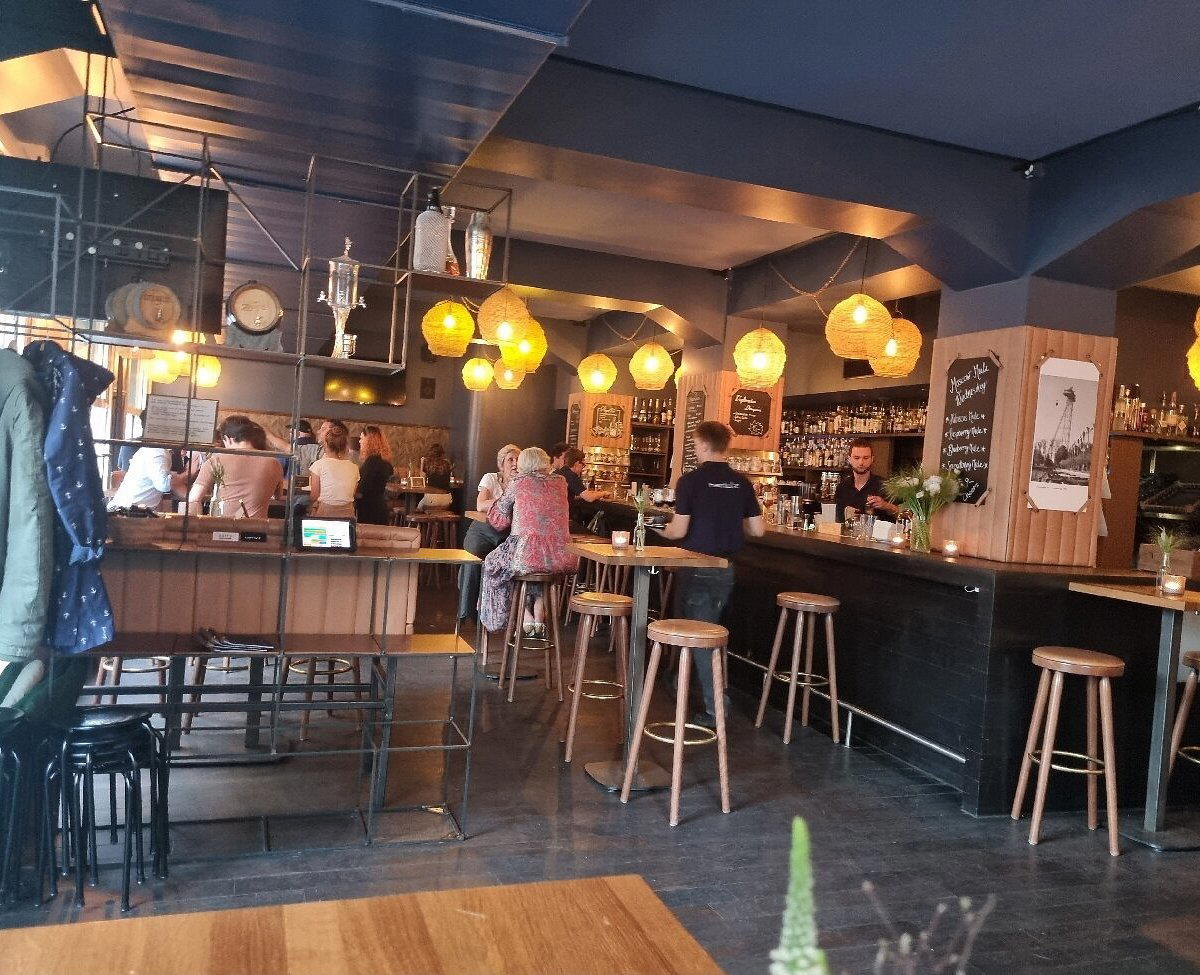
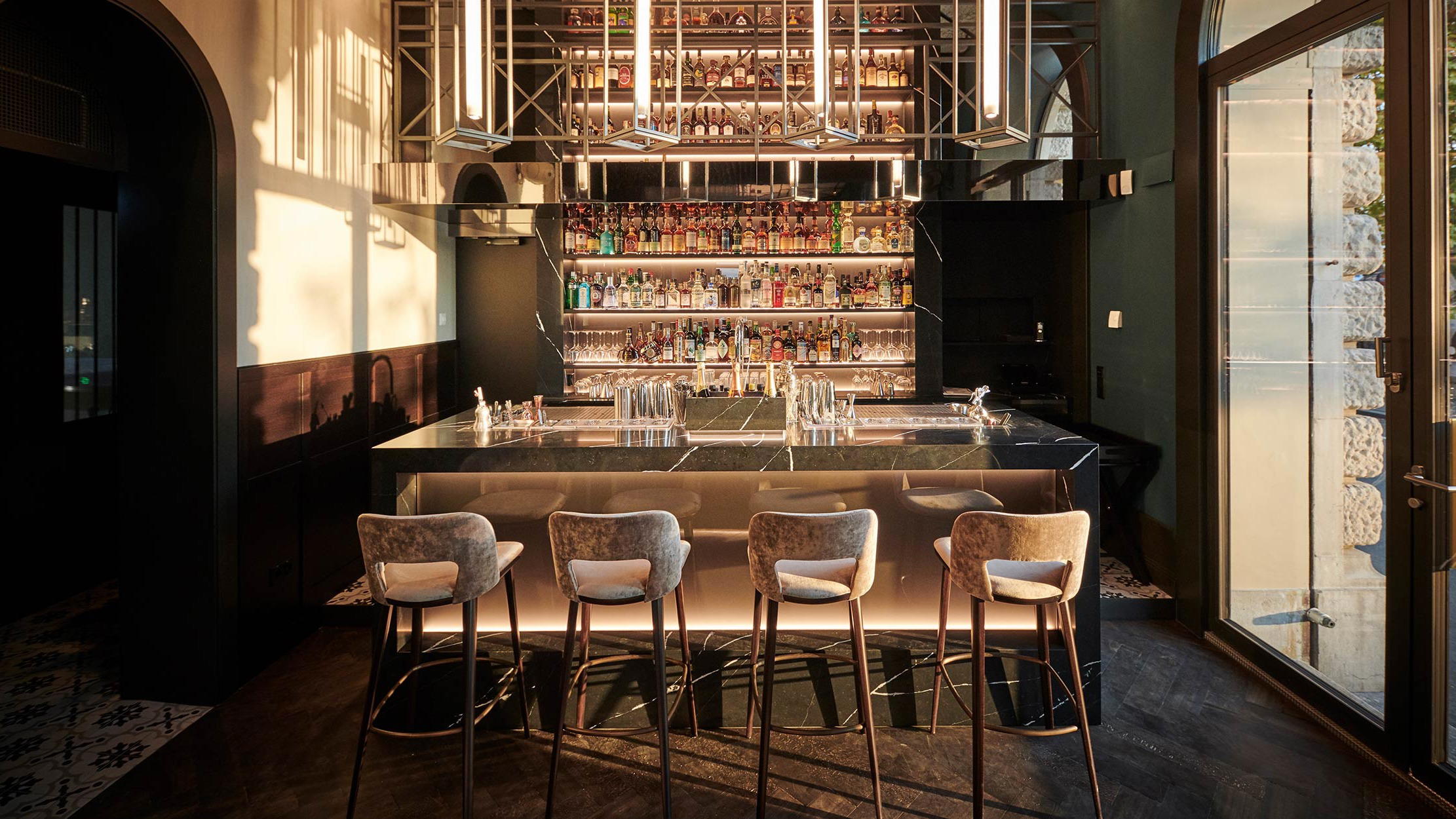
Cozy and relaxed atmosphere in a charming historic setting with warm hospitality.