Engel
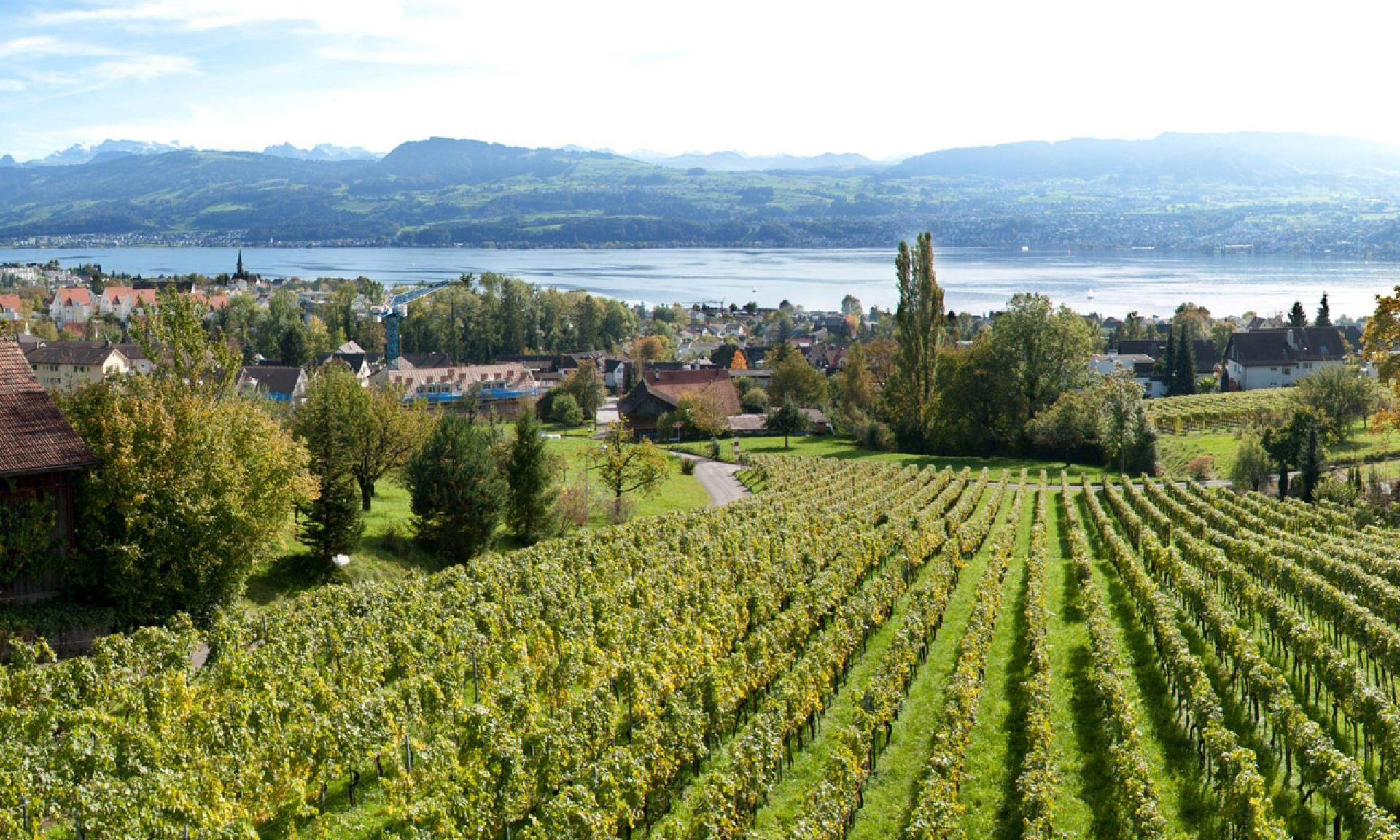
Engel sits on Schulgasse in the canton capital of Schwyz, where central Switzerland's alpine food traditions run deep. The address places it in a town that predates the Swiss Confederation itself, and the surrounding agricultural landscape — valley dairy farms, mountain herb pastures, forested slopes — shapes what ends up on the plate in establishments across this canton.
Pearl is the En Primeur Club membership app — saves, bookings, and concierge access live there. Same editors, same standards.
- Address
- Schulgasse 13, 6430 Schwyz, Switzerland
- Phone
- +41418111242
- Website
- restaurant-engel-schwyz.ch
- Directions
- Get directions
 Saves & bookings on Pearl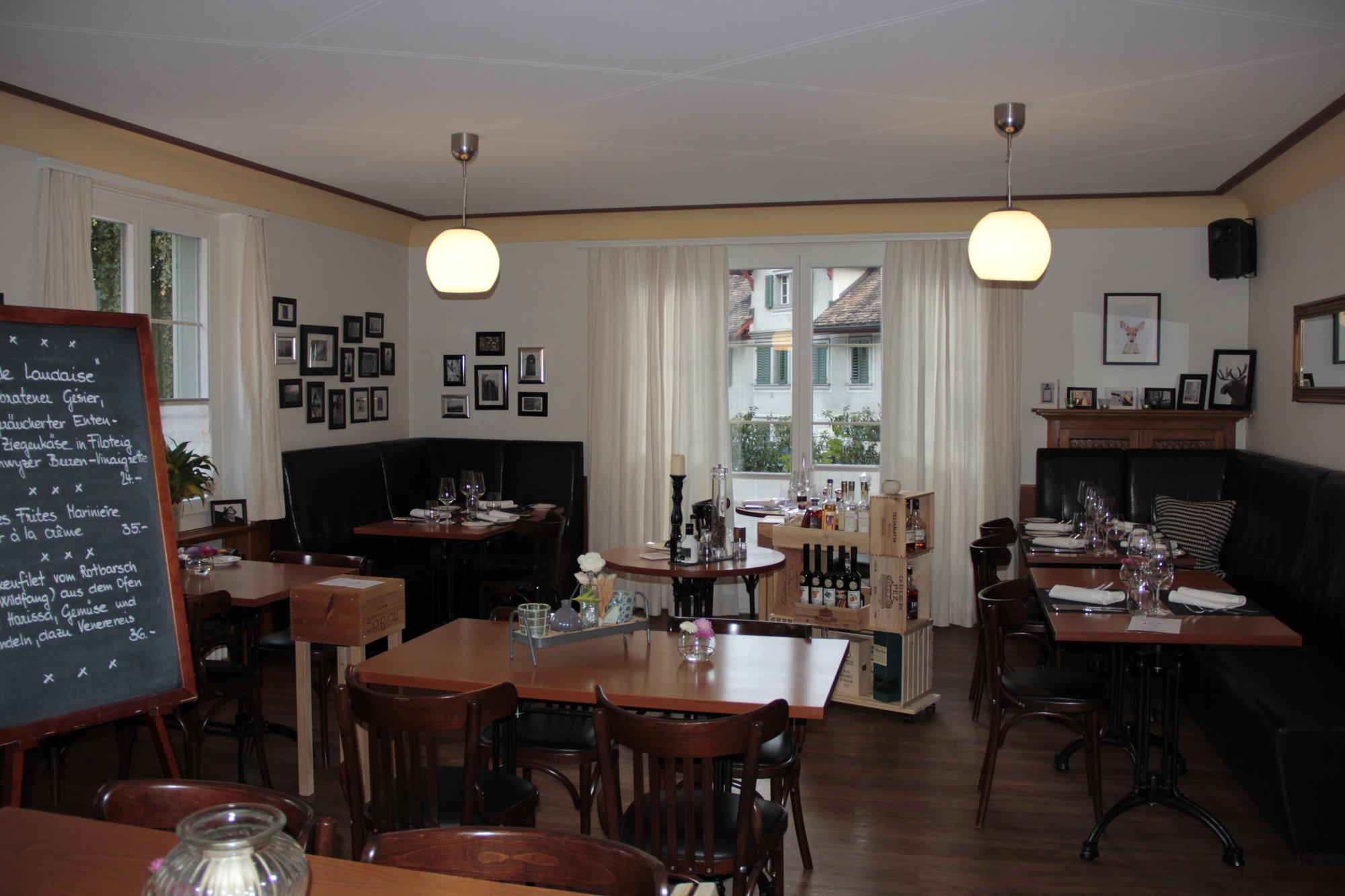
Where the Canton Feeds Itself
Schwyz sits at the geographic and historical centre of Switzerland in a way that few Swiss towns can claim without exaggeration. The canton gave the Confederation its name, its federal archives, and — less celebrated but equally formative — a food culture shaped by proximity to Lake Lucerne, the Muota valley's dairy farms, and alpine pasture stretching up toward the Mythen. In a town of this character, the restaurants that survive across generations do so by maintaining a relationship with their immediate supply geography. Engel, at Schulgasse 13, occupies precisely that kind of address: a historic-core location in a canton capital where the distance between field and table has always been shorter than in urban Swiss centres.
The broader pattern across central Switzerland is one of agricultural specificity. This is not a region that imports its identity. The Muota valley produces milk and cheese under conditions, altitude, grass composition, seasonal grazing, that distinguishes its output from lowland equivalents. That raw material specificity is what separates a Schwyzer kitchen from a generic alpine one, and it is the operative context for understanding what a restaurant at this address draws upon.
The Physical Register of Schulgasse
Arriving on Schulgasse, you pass through the kind of Swiss small-city streetscape that has been neither sanitised into a heritage museum nor eroded into commercial anonymity. The Hauptplatz is a few steps away; the Bundesbriefmuseum, home to the original 1291 Confederation charter, is close enough to orient you temporally. Engel's position on this street places it within a civic fabric that predates almost every restaurant tradition in Western Europe. That physical context matters because it shapes expectation: guests arriving here are not arriving at a destination restaurant abstracted from its setting. They are arriving at a place that is, in the most literal sense, inside Swiss history.
The streetscape also signals something about the competitive environment. Schwyz does not have the density of fine dining that Zurich, Basel, or Geneva sustains. What it has instead is a smaller number of establishments operating with genuine local anchoring, serving a community that has its own expectations about what Swiss food should taste and feel like. For visitors planning time here, the practical advice is direct: Schwyz is most accessible by rail from Zurich (roughly forty-five minutes on the S2 line to Schwyz station, then a short connection or taxi to the town centre), and the town rewards an overnight stay rather than a day trip.
Ingredient Geography and What It Implies
The editorial angle for any serious restaurant review in central Switzerland is, ultimately, sourcing. Across Switzerland's gastronomy tier, the venues that have held sustained recognition, Schloss Schauenstein in Fürstenau, Memories in Bad Ragaz, focus ATELIER in Vitznau, share a commitment to ingredient geography as a structural principle, not a marketing claim. The question for any restaurant in a canton as agriculturally coherent as Schwyz is whether the kitchen is actually using what the landscape provides, or whether it is simply operating within the landscape without engaging with it.
Central Switzerland's alpine dairy culture produces ingredients that require relatively little culinary intervention to distinguish themselves: aged alpine cheese with a complexity that lowland equivalents cannot replicate, butter from high-summer pasture milk, mountain herbs with higher essential oil concentrations than valley-grown equivalents. A kitchen that sources honestly from this geography arrives at a menu with built-in character. Compare this to the approach at Magdalena, Schwyz's Alpine-Vegetarian destination, where the plant-forward menu explicitly articulates the regional sourcing logic, or Obstmühle, another local address that works within the canton's produce traditions. Engel operates in this same sourcing environment, with Schulgasse as its physical base and the surrounding agricultural canton as its implicit pantry.
For context beyond the immediate region: the Swiss fine dining circuit at its higher tiers, Hotel de Ville Crissier in Crissier, Cheval Blanc by Peter Knogl in Basel, Maison Wenger in Le Noirmont, operates with national and international supplier networks that reflect their Michelin-level ambitions. Schwyz operates in a different register: smaller scale, tighter geography, a guest base that skews toward residents and regional visitors rather than international food-tourism. That is not a limitation; it is a different kind of coherence. Restaurants in Einstein Gourmet in Sankt Gallen or Da Vittorio - St. Moritz in St. Moritz serve a partly different guest profile. Schwyz restaurants serve Schwyz.
How Engel Sits in the Local Set
Within the Schwyz dining context, Engel's Schulgasse address gives it a central-town positioning that contrasts with more destination-oriented addresses. The comparison set in the canton is small but coherent: Magdalena has established a clear identity around Alpine-Vegetarian cuisine at the €€€€ tier; Obstmühle holds its own local position. Engel sits within this geography as a town-centre address, the kind of establishment that a Swiss market town of Schwyz's standing sustains as a matter of civic continuity. For the wider EP Club Switzerland picture, our full Schwyz restaurants guide maps the canton's dining character more completely.
Elsewhere in the Swiss alpine and semi-alpine circuit, the sourcing-led model has found different expressions: Mammertsberg in Freidorf and Taverne zum Schäfli in Wigoltingen both operate within the Swiss-creative tradition at the €€€€ tier, while La Table du Valrose in Rougemont demonstrates what happens when a mountain address takes a genuinely fine dining approach to alpine ingredients. Skin's - the restaurant in Lenzburg and The Japanese Restaurant in Andermatt represent the kind of format diversity that the Swiss dining circuit now sustains at its premium tier. Internationally, the sourcing discipline that defines the leading Swiss mountain kitchens finds parallels in the rigorous product-first philosophy at Le Bernardin in New York City and the community-anchored format at Lazy Bear in San Francisco.
Planning Your Visit
Schwyz is served by regular rail connections from Zurich, with the journey running under an hour on direct services. The town centre, including Schulgasse, is walkable from Schwyz station or the closer Seewen-Schwyz stop depending on the service. Given the limited publicly available information on Engel's current booking method, hours, and pricing, contacting the venue directly via the Schulgasse 13 address or through local accommodation concierge services is the practical approach for reservation confirmation. The town's compact scale means that combining a visit to Engel with the Bundesbriefmuseum and the Hauptplatz covers the historical core within half a day.
How Engel Schwyz compares with similar nearby venues.
| Venue | Cuisine | Price |
|---|---|---|
| Magdalena | Alpine-Vegetarian, Modern Cuisine | €€€€ |
| Birdy's by Achtien | Creative | €€ |
| Adler | Country cooking | €€ |
Continue exploring
More in Schwyz
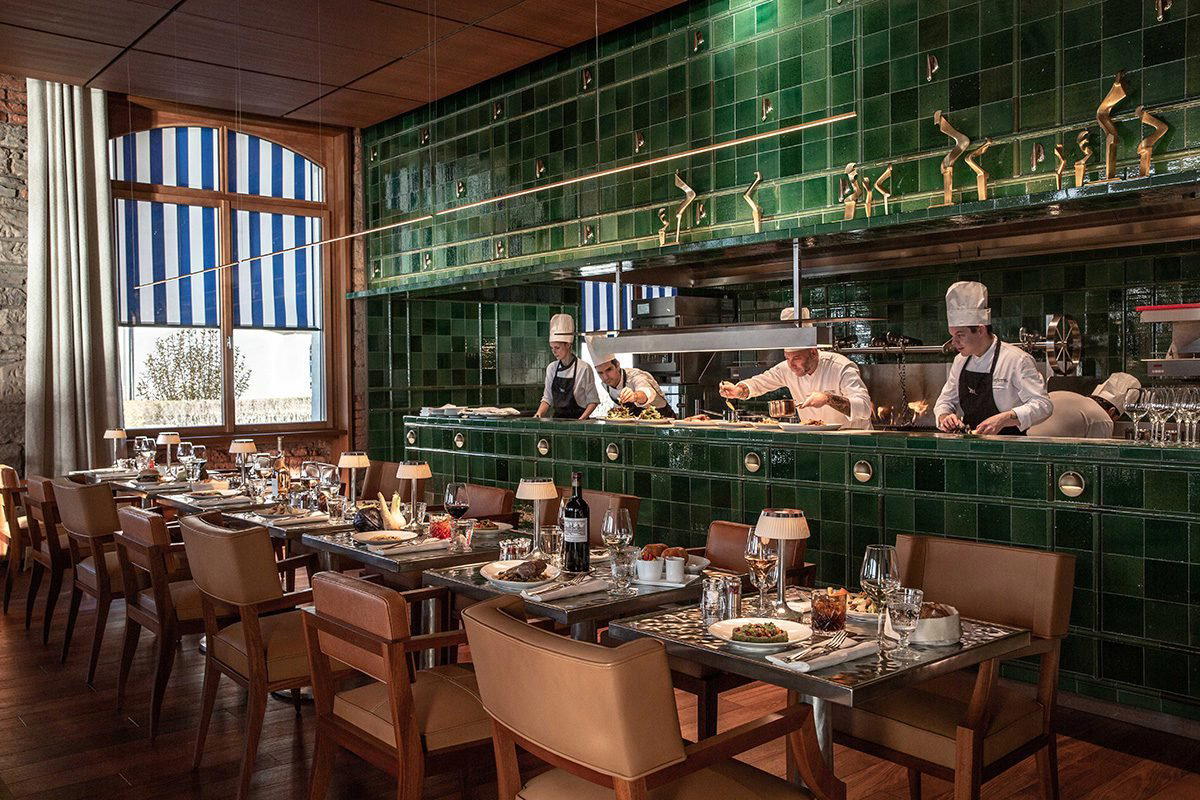
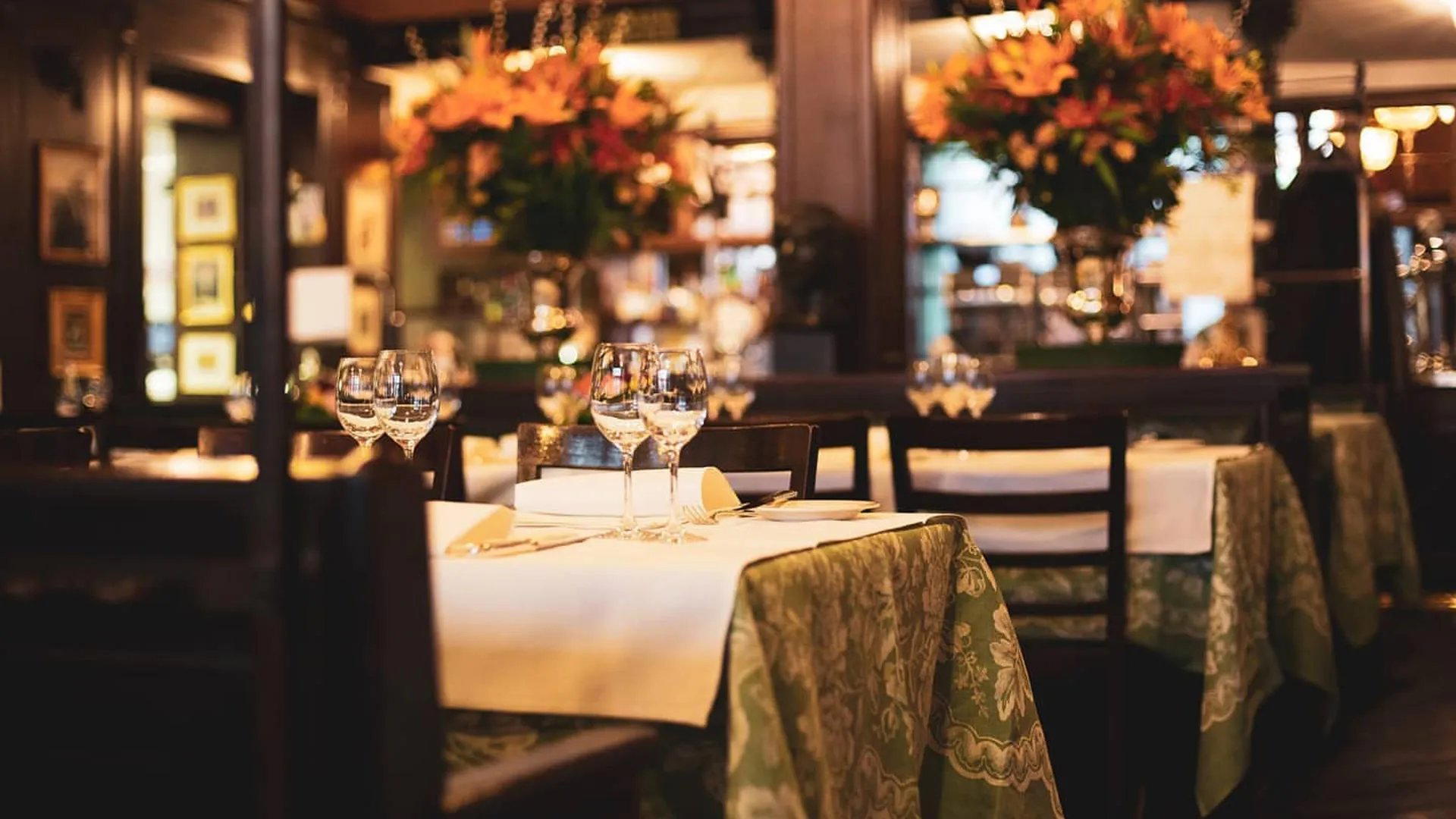
Restaurants in Schwyz
Browse all →
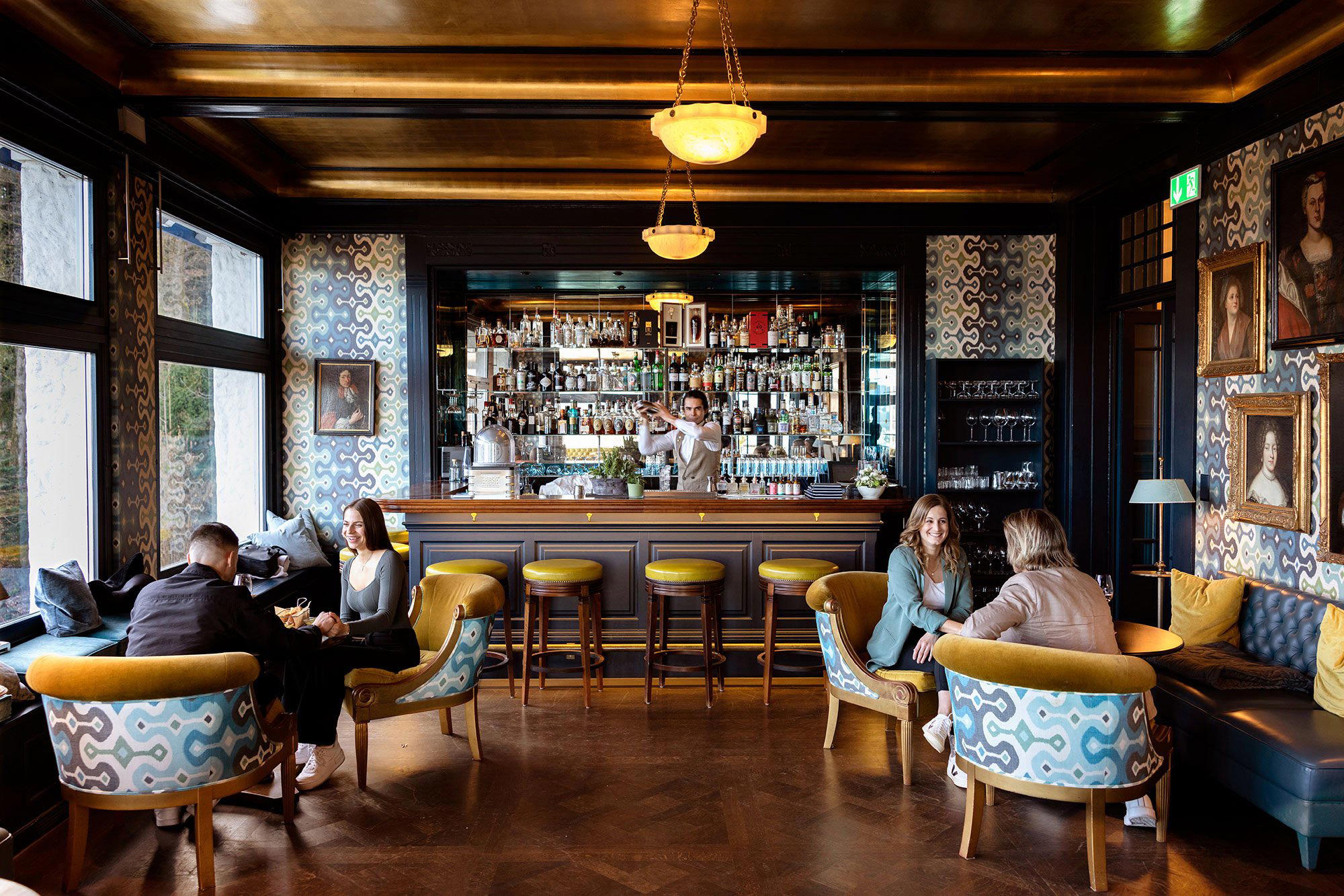
Bars in Schwyz
Browse all →
Hotels in Schwyz
Browse all →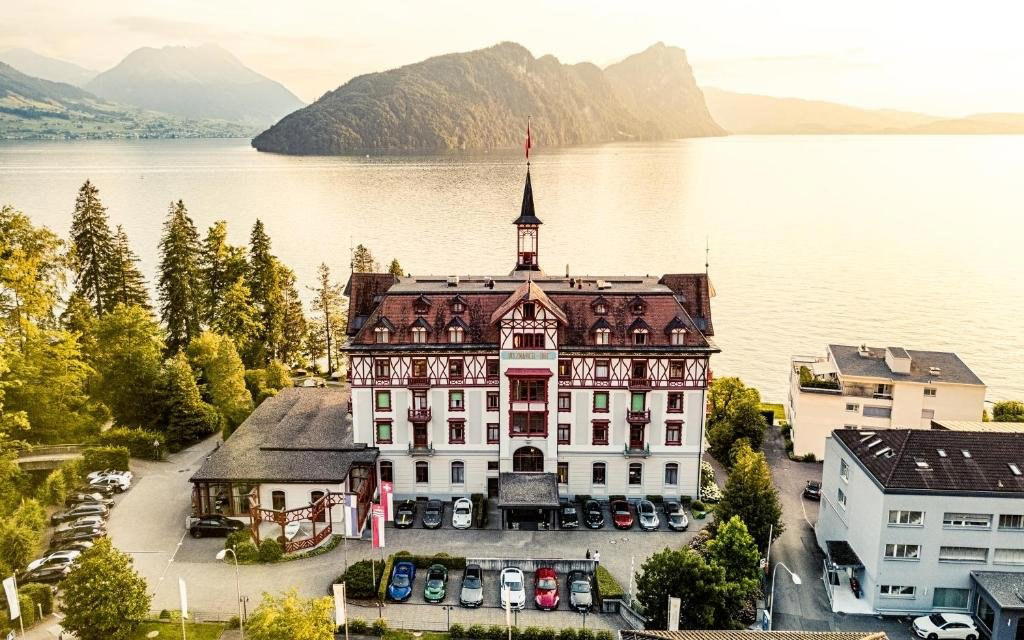

At a Glance
- Classic
- Cozy
- Elegant
- Date Night
- Business Dinner
- Family
- Terrace
- Extensive Wine List
- Organic
- Local Sourcing
Stylish and inviting atmosphere with elegant bistro charm.
Know Before You Go
- Getting there
- Schulgasse 13, 6430 Schwyz, Switzerland