O Bistrot
Our verdict
A neighbourhood bistrot on Avenue Emile Morin in Lamotte-Beuvron, O Bistrot sits at the quieter end of French provincial dining, where the Sologne's hunting forests and market gardens shape what ends up on the plate. It operates in a town better known as the birthplace of tarte Tatin than as a dining destination, which makes it an honest reference point for the region's everyday table.

Pearl is the En Primeur Club membership app — saves, bookings, and concierge access live there. Same editors, same standards.
- Address
- 1 Av. Emile Morin, 41600 Lamotte-Beuvron, France
- Phone
- +33254767481
- Hours
- Mon–Tue ClosedWed–Sat 12–1:30 PM, 7:30–8:30 PMSun 12–1:30 PM
- Directions
- Get directions
The menu
What to order
- Foie gras maison
- Steak tartare
- Marbled rabbit with foie gras
The Sologne at the Table
Provincial France has always run on two parallel tracks: the grand maison with its cellar and ceremony, and the neighbourhood bistrot that simply cooks what the season and the land provide. Lamotte-Beuvron sits firmly in the second world. The town, a short drive south of Orléans in the heart of the Sologne, is surrounded by flat forested hunting country, shallow ponds, and the kind of market gardens that supply kitchens without fanfare. That agricultural context is what gives a restaurant like O Bistrot its reason to exist.
The Sologne is one of the more self-contained food regions in central France. Its forests produce wild boar, deer, and hare in autumn; its waters carry pike, perch, and tench. Market stallholders in Lamotte-Beuvron and nearby Romorantin deal in asparagus in spring, mushrooms through autumn, and root vegetables through the winter months. For a bistrot cooking at this address, the question of where the food comes from is rarely an abstract one. The supply chain is, in most cases, a short drive rather than a logistics operation.
What the Setting Tells You
Avenue Emile Morin is a quiet road in a quiet town. Lamotte-Beuvron draws visitors mainly because of the Hotel Tatin connection — the celebrated tarte Tatin originated here in the nineteenth century, at what is now the Hotel de France on the same main street. That origin story has kept the town on the culinary map without turning it into a tourist circuit, which means the restaurants that operate here do so for a local and regional clientele rather than for passing coach parties.
That demographic shapes the format. A bistrot in this context is not performing French cuisine for international visitors; it is serving the town's residents and the weekend hunters and cyclists who move through the Sologne's forest trails. The format tends toward honest plating, regional wine lists, and a menu that changes with what is available rather than what is fashionable. Visiting outside of the August holiday period and on a weekday generally gives the most accurate read of the local character, though weekend lunch in autumn, when the hunting season is in full swing, is when the Sologne's table is at its most expressive.
Sourcing as Structure
The Sologne's ingredient profile is specific enough to make a regional menu genuinely different from what you would find two hours north in Paris or two hours east toward the Loire châteaux circuit. Gibier — game, drives the autumn kitchen here in ways that are harder to replicate in urban settings where the supply arrives frozen and portioned. In the Sologne, a local restaurant with the right supplier relationships can receive whole animals and use them across the menu in ways that reflect the broader French tradition of using the whole carcass rather than the prestige cuts alone.
This is the tradition that separates small-town French cooking from the more curated approach of the starred houses. Compare it with the sourcing philosophy at Bras in Laguiole, where the Aubrac plateau defines every plate, or Auberge du Vieux Puits in Fontjoncouse, where the surrounding garrigue functions as an extended larder. The principle is the same at different levels of formality: geography as menu. In a Sologne bistrot, that principle simply operates without the white tablecloths.
The Loire Valley wine corridor runs close enough to Lamotte-Beuvron to make regional wine a practical default. Cheverny and Cour-Cheverny appellations, both within forty kilometres, produce whites from Romorantin, one of France's rarest indigenous grape varieties, and reds and rosés from Gamay and Pinot Noir. A bistrot in this position has natural access to appellations that rarely appear on wine lists in Paris or abroad, which is an argument for ordering local rather than defaulting to familiar names.
Placing O Bistrot in the Regional Frame
France's starred dining circuit tends to pull attention toward the major cities and high-profile rural addresses: Alléno Paris au Pavillon Ledoyen, Mirazur in Menton, Flocons de Sel in Megève, Troisgros in Ouches. These are the reference points that define French haute cuisine at the national level. But France's real culinary breadth lives in the tier below, in the auberges and bistrots that cook with regional specificity rather than international ambition. Auberge de l'Ill in Illhaeusern and Georges Blanc in Vonnas represent the formal end of that regional tradition. A town bistrot like O Bistrot operates further down the register, closer to the everyday, further from ceremony.
That positioning is not a limitation. It is a different proposition entirely. The reader who has spent a day at the Chambord or Cheverny châteaux and is looking for dinner in Lamotte-Beuvron is not choosing between O Bistrot and Paul Bocuse's Auberge du Pont de Collonges.
Planning a Visit
Lamotte-Beuvron is accessible by train on the Paris-Austerlitz to Vierzon line, with a journey time of roughly ninety minutes from the capital. By road from Paris, the A10 motorway via Orléans puts the town about one hour forty-five minutes south. The town itself is compact and walkable. O Bistrot's address on Avenue Emile Morin places it in the central part of town, close to the main market area. As with most French provincial bistrots, booking ahead for weekend service, particularly in autumn when the Sologne attracts hunting parties and foliage-season visitors, is sensible. The restaurant's contact details are not listed in current public databases, so a direct approach via local tourism office or arrival in person to check the board is the practical option for confirming service hours. Those travelling with the wider Loire Valley dining circuit in mind may also want to reference Christopher Coutanceau in La Rochelle or La Marine in Noirmoutier-en-l'île for coastal counterpoints to the Sologne's forest-and-field cooking.
Frequently asked questions
Is O Bistrot a family-friendly restaurant?
The bistrot format on Avenue Emile Morin in Lamotte-Beuvron is built around the kind of unpretentious, communal dining that tends to work well for families. Neighbourhood bistrots in provincial France typically operate at a pace and noise level that accommodates children without issue. Booking ahead is advisable given the small-town setting where covers are limited.
What kind of setting is O Bistrot?
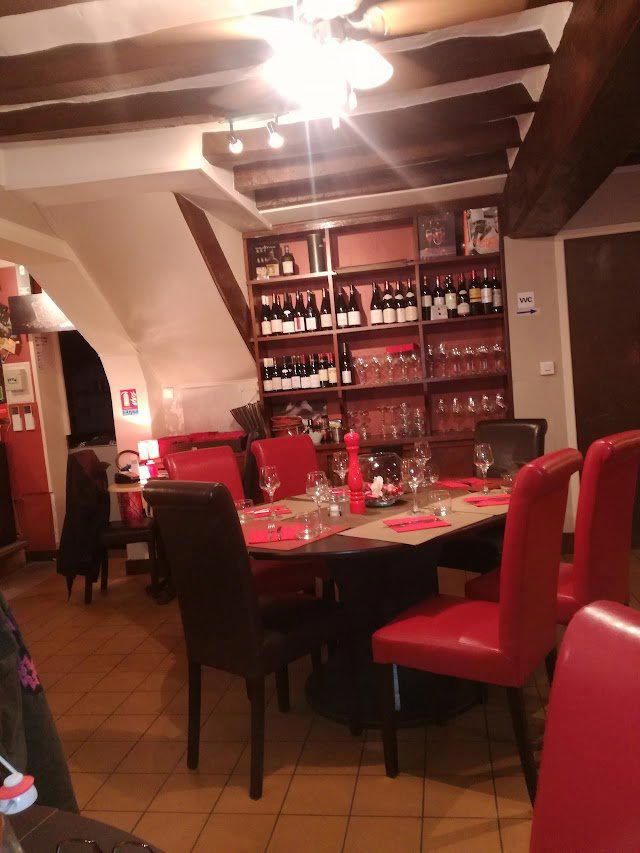
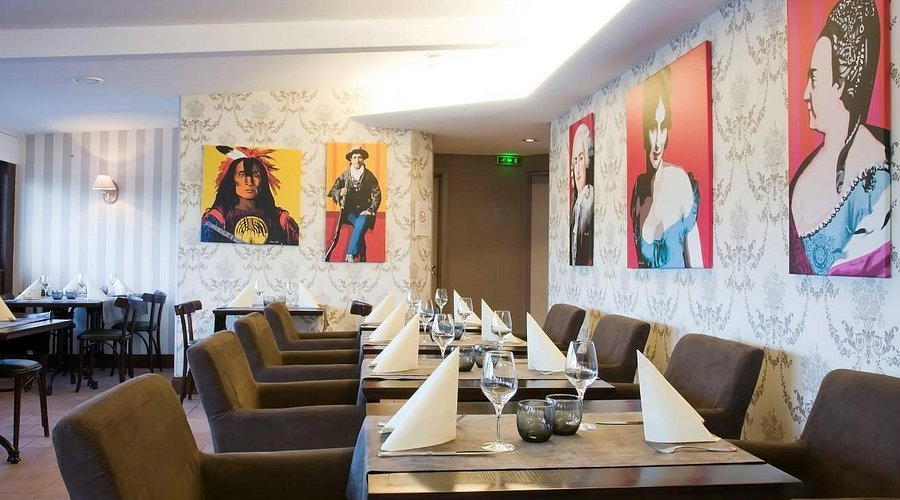
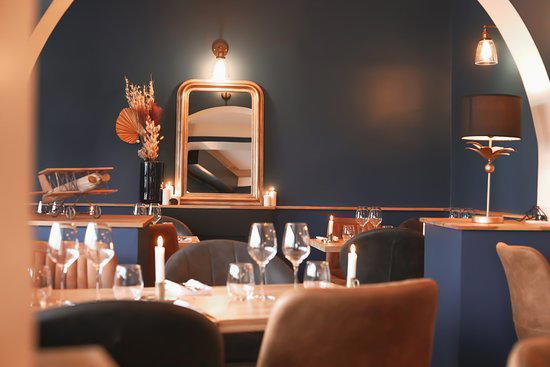
O Bistrot sits on Avenue Emile Morin, a quiet road in Lamotte-Beuvron, a town in Loir-et-Cher most visitors associate with the Hotel Tatin and the origin of the tarte Tatin. The setting is provincial rather than destination-restaurant theatrical — a neighbourhood address where the room takes a back seat to what arrives at the table. That positioning places it firmly in the category of the working French bistrot rather than the maison de cuisine.
Is O Bistrot worth a trip from Paris for Sologne regional cooking?
Lamotte-Beuvron is on the Paris-Austerlitz to Vierzon rail line, roughly ninety minutes from the capital, which makes O Bistrot a realistic day-trip or stopover target. The Sologne's larder — game, woodland mushrooms, freshwater fish from the étangs — produces a regional table that Paris restaurants rarely replicate with the same proximity to source. For travellers already tracing the Loire Valley or the Tatin heritage in Lamotte-Beuvron itself, the bistrot on Avenue Emile Morin is the logical place to eat while in town.
What's the best thing to order at O Bistrot?
The Sologne region has a specific ingredient profile — game, freshwater fish, mushrooms, and produce from the forest-edged agricultural plain — that gives a regionally-focused menu here a different character from what Paris kitchens produce two hours north. Any dish drawing on those local sources is the honest reason to make the journey. Specific menu details are best confirmed directly with the restaurant before visiting.
What's O Bistrot's location?
O Bistrot is located at 1 Av. Emile Morin, 41600 Lamotte-Beuvron, France, Lamotte Beuvron.
How It Stacks Up
Comparable venues nearby, for context on price, style, and recognition.
| Venue | Cuisine | Price | Awards | Notes |
|---|---|---|---|---|
| O BistrotThis venue — the venue you are viewing | Traditional French Bistro | $20–30 | Not listed | Not listed |
| Le Signal 2108 | Bistronomic French with Regional Alpine Specialties | $30–50 | Not listed | Signal Mountain |
| La Chopine | French Wine Bar | $20–30 | Star Wine List | Centre-ville |
| La Grande Épicerie de Paris | Classic French Bistro | $20–30 | Not listed | 7e Arr. |
| KOKORO | Franco-Japanese Fusion Bistro | $30–50 | Not listed | Quartier Latin |
| Chez Mademoiselle | Traditional French Bistro | $20–30 | Not listed | Saint-Gervais |
Continue exploring
More in Lamotte Beuvron
Restaurants in Lamotte Beuvron
Browse all →
Hotels in Lamotte Beuvron
Browse all →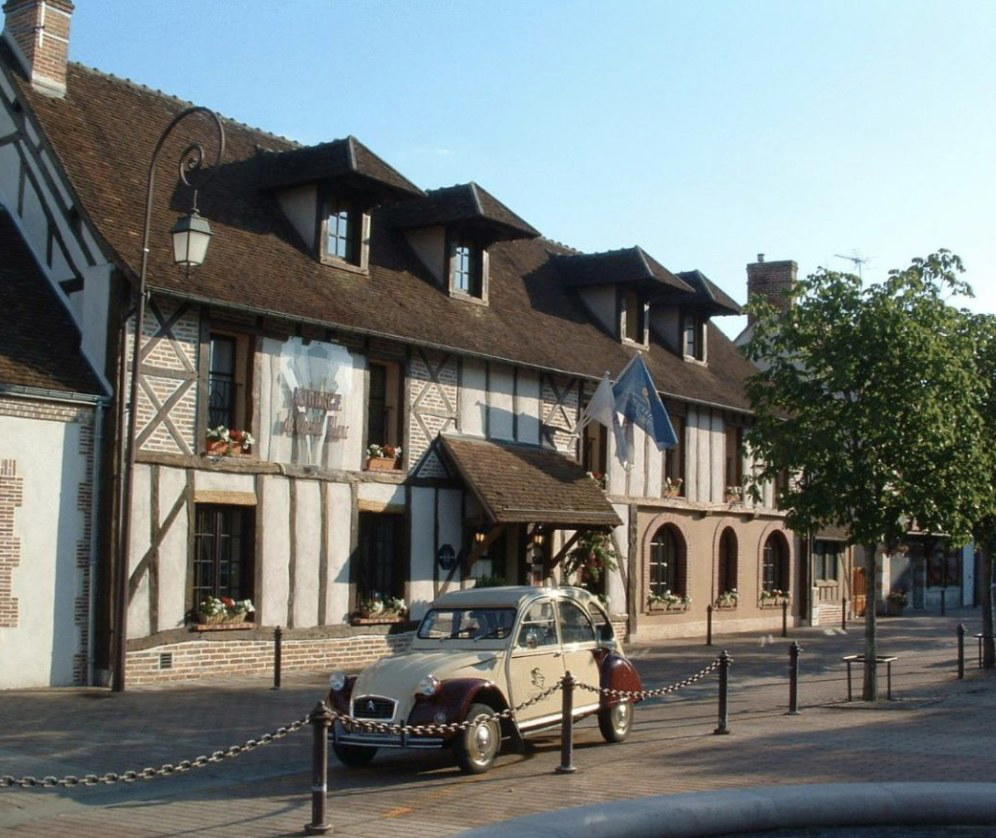

Details
- Cozy
- Classic
- Intimate
- Family
- Casual Hangout
- Open Kitchen
- A La Carte
Current opening hours
- Monday
- Closed
- Tuesday
- Closed
- Wednesday
- 12–1:30 PM, 7:30–8:30 PM
- Thursday
- 12–1:30 PM, 7:30–8:30 PM
- Friday
- 12–1:30 PM, 7:30–8:30 PM
- Saturday
- 12–1:30 PM, 7:30–8:30 PM
- Sunday
- 12–1:30 PM
Hours can change for holidays and private events. Last verified .
Pleasant and relaxed atmosphere with friendly service and open kitchen views.