
Michelin Plate
Our verdict
A Michelin Plate recipient for 2024 and 2025, Le Pavillon Bleu brings modern French cooking to Olivet, the quiet riverside commune that borders Orléans to the south. Priced accessibly at the €€ tier, it occupies a distinct position in a region where serious kitchen ambition rarely comes without a serious bill.

Pearl is the En Primeur Club membership app — saves, bookings, and concierge access live there. Same editors, same standards.
- Address
- 351 Rue de la Reine Blanche, 45160 Olivet, France
- Phone
- +33 2 38 66 14 30
- Website
- logishotels.com
- Directions
- Get directions
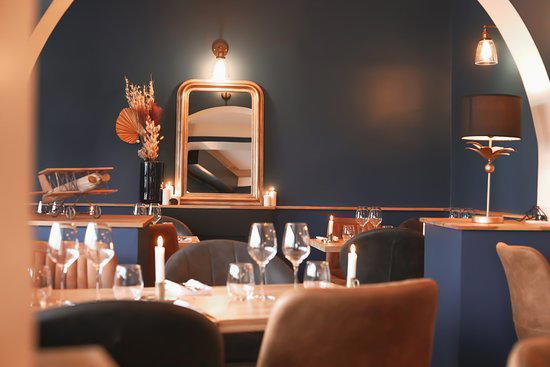
Where the Loire Valley Table Begins
The Loire Valley's culinary reputation tends to get absorbed into its wine story — Muscadet to the west, Sancerre and Pouilly-Fumé to the east, and a broad corridor of Chenin Blanc and Cabernet Franc threading between them. What gets discussed less often is the regional kitchen tradition that runs parallel: a cooking style built on the valley's own agricultural backbone, where freshwater fish from the Loire itself, game from the Sologne forests, asparagus from the sandy loam south of Orléans, and soft-ripened chèvre from the Touraine all define what ends up on a plate. Le Pavillon Bleu sits inside that tradition, operating in Olivet — a commune of around 20,000 that runs along the Loiret river's northern bank, directly south of Orléans, where the sourcing geography is embedded in the landscape rather than marketed as a selling point.
For broader context on dining in the area, see our full Olivet restaurants guide, and for planning the rest of a visit, our full Olivet hotels guide, our full Olivet bars guide, our full Olivet wineries guide, and our full Olivet experiences guide cover the full picture.
The Michelin Plate and What It Signals
Two consecutive Michelin Plate recognitions, awarded in 2024 and again in 2025, confirm a kitchen operating at a consistent standard without yet crossing into the starred tier. In the Michelin framework, the Plate designation means the inspectors found cooking that is genuinely good: technically sound, ingredients treated with care, a menu with direction. It sits below the star threshold but clearly above the undifferentiated middle of the market. For a €€ restaurant in a secondary commune rather than a city centre, two consecutive Plates represent meaningful external validation. The guide's assessors do not return to mediocre rooms.
To understand where that places Le Pavillon Bleu in the wider French fine-dining picture, consider that the country's upper tier includes houses like Alléno Paris au Pavillon Ledoyen in Paris, Mirazur in Menton, Troisgros - Le Bois sans Feuilles in Ouches, Bras in Laguiole, Auberge de l'Ill in Illhaeusern, Flocons de Sel in Megève, Assiette Champenoise in Reims, AM par Alexandre Mazzia in Marseille, Au Crocodile in Strasbourg, Paul Bocuse - L'Auberge du Pont de Collonges in Collonges-au-Mont-d'Or, and Auberge du Vieux Puits in Fontjoncouse. Those houses operate at €€€€ with multi-course tasting formats and international reservation waitlists. Le Pavillon Bleu is not competing in that tier, it occupies a different position entirely, one where the Michelin recognition functions as a quality floor rather than a ceiling, and where the accessible price point makes it the kind of place locals return to rather than save for a single annual occasion. Internationally, the modern cuisine format also has notable representation beyond France, from Frantzén in Stockholm to FZN by Björn Frantzén in Dubai, which underscores how the format has spread across dining markets at very different price points.
Ingredient Geography: The Loiret on the Plate
Modern cuisine as a format is applied differently depending on where a kitchen is situated. In a Paris arrondissement, it often means imported produce filtered through classical French technique. In the Loire Valley, the same label carries a different set of raw material assumptions. The Sologne, the forested plateau that extends south and southeast of Orléans, is one of France's primary game-hunting territories, producing venison, wild boar, and waterfowl with a seasonal calendar that shapes menus from autumn through winter. The Loiret river and the Loire itself have historically provided pike, perch, zander, and crayfish to regional kitchens, though quantities have fluctuated with conservation pressures. Market gardens in the flat plain around Orléans, particularly around Saint-Hilaire-Saint-Mesmin, immediately west of Olivet, supply early vegetables to the city's kitchens, and the proximity to Sologne game larders gives Loire Valley restaurants a sourcing specificity that their Parisian counterparts must work harder to replicate. A Michelin-recognised kitchen at the €€ level in this geography has both the incentive and the proximity to draw on that supply chain.
Olivet as a Dining Address
Olivet tends to be treated as Orléans' southern suburb rather than a destination in its own right, which understates its character. The commune runs along the Loiret, a short, spring-fed river that branches from the Loire and rejoins it, and the waterside sections have long attracted weekend visitors from the city for their calm rather than their cuisine. Restaurants here operate in a different register from Orléans' city-centre dining rooms: lower rents, a more local clientele, and less pressure to perform for tourists. That context matters for understanding why a Michelin Plate restaurant at the €€ price tier exists here rather than in the more competitive Orléans market. The economics of a quieter commune can support serious cooking without requiring the pricing that the same ambition would demand in a higher-cost location.
Planning a Visit
Le Pavillon Bleu is located at 351 Rue de la Reine Blanche, 45160 Olivet, within easy reach of central Orléans by car or local transport. Booking ahead is advisable given the recognition, tables at Michelin Plate restaurants in mid-sized French cities tend to fill Thursday through Saturday with little notice.
Frequently asked questions
Would Le Pavillon Bleu be comfortable with kids?
At the €€ price point, Le Pavillon Bleu sits in a register that is approachable rather than ceremonial. Olivet is a residential commune rather than a high-footfall tourist centre, which tends to produce dining rooms with a neighbourhood ease that formal starred venues in Paris or Lyon do not share. That said, the Michelin Plate recognition signals a kitchen with a degree of culinary intention, so it is worth gauging the specific room format and service style before arriving with very young children.
What should I expect atmosphere-wise at Le Pavillon Bleu?
Two consecutive Michelin Plate awards (2024 and 2025) place this kitchen above the everyday bistro tier without pushing it into the high-ceremony register of a starred room. Expect a setting where the cooking is taken seriously but the formality is calibrated to Olivet's scale as a mid-sized Loire commune rather than a capital-city address. The €€ pricing confirms that the room is not built around occasion dining at distance from daily life.
Is Le Pavillon Bleu Michelin-listed?
Le Pavillon Bleu has received recognition including: Michelin Plate (2025); Michelin Plate (2024).
What's the must-try dish at Le Pavillon Bleu?
Specific dishes are published details are limited, and menus at this level shift with season and supply. What the Michelin Plate classification for modern cuisine does indicate is a kitchen applying considered technique to its ingredient sourcing, and in the Loiret context that points toward regional Loire Valley produce. The practical move is to ask the kitchen directly what is driving the menu on the day of your visit. Check the venue's official channels for the latest details.
Side-by-Side Snapshot
| Venue | Cuisine | Price | Awards |
|---|---|---|---|
| Le Pavillon BleuThis venue — the venue you are viewing | French Gastronomic | $50–100 | Michelin Plate |
| Alléno Paris au Pavillon Ledoyen | Creative | Not listed | Michelin 3 Star |
| Kei | Contemporary French, Modern Cuisine | Not listed | Michelin 3 Star |
| L'Ambroisie | French, Classic Cuisine | Not listed | Michelin 3 Star |
| Le Cinq - Four Seasons Hôtel George V | French, Modern Cuisine | Not listed | Michelin 3 Star |
| Plénitude | Contemporary French | Not listed | Michelin 3 Star |
Recognition history
Dated appearances from independent guides and award organizations, with the underlying list record or original source where available.
Michelin Plate
Michelin
Full recognition history (2 entries)
Michelin Plate
Michelin
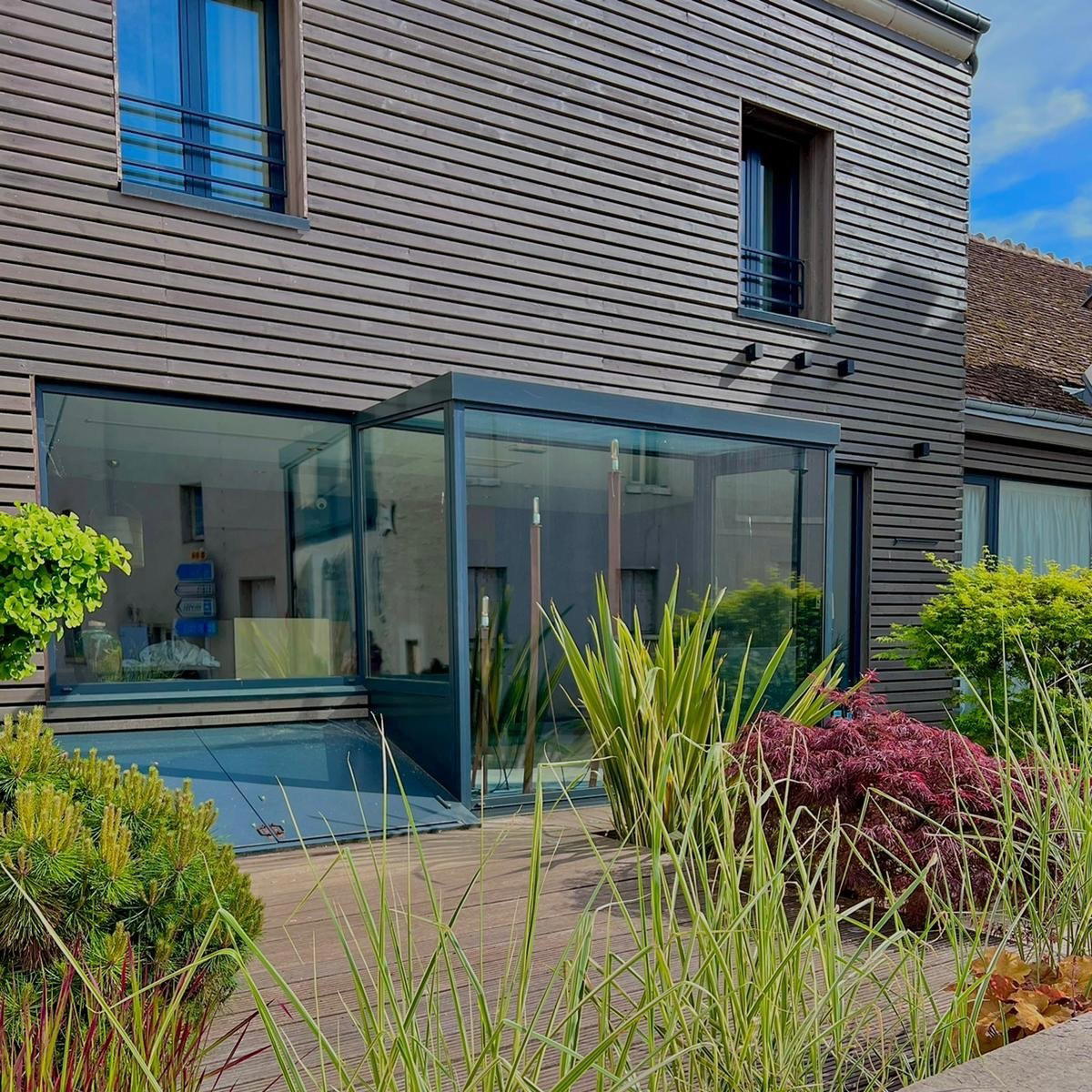
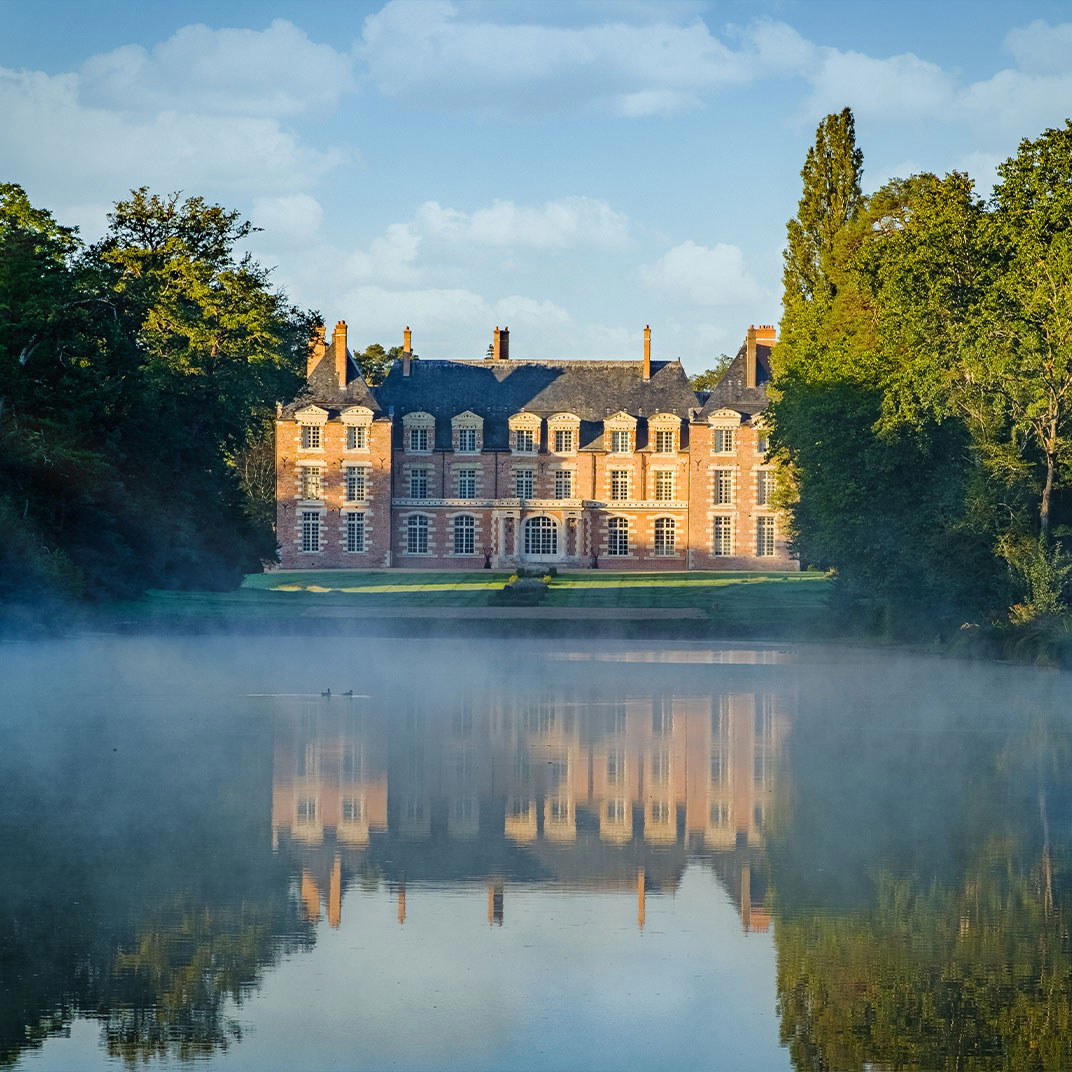
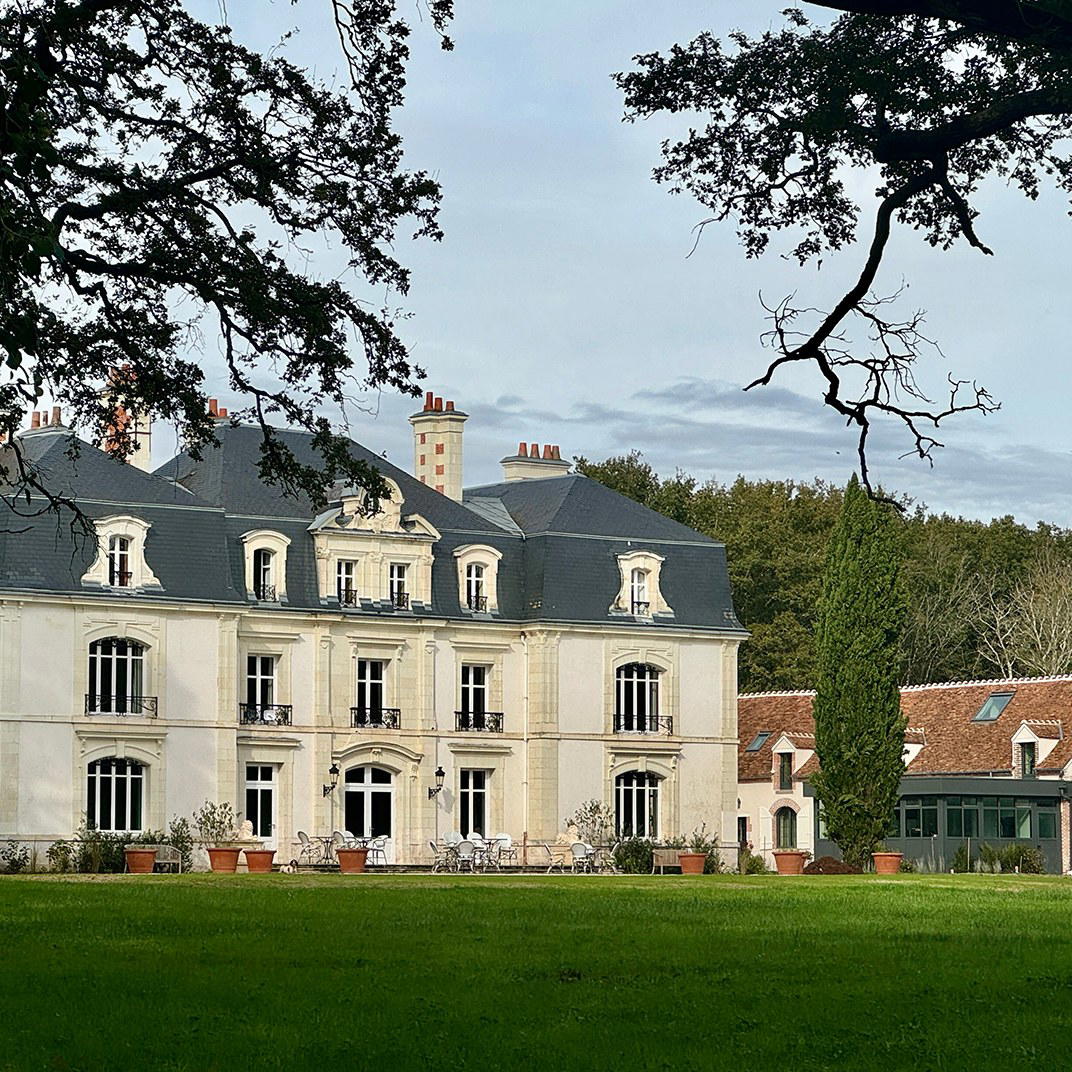

Le Pavillon Bleu
The wine
- Wine program
- Curated wine list
- Extensive wine list
Details
- Elegant
- Romantic
- Scenic
- Classic
- Date Night
- Special Occasion
- Celebration
- Waterfront
- Terrace
- Historic Building
- Extensive Wine List
- Local Sourcing
- Waterfront
- A La Carte
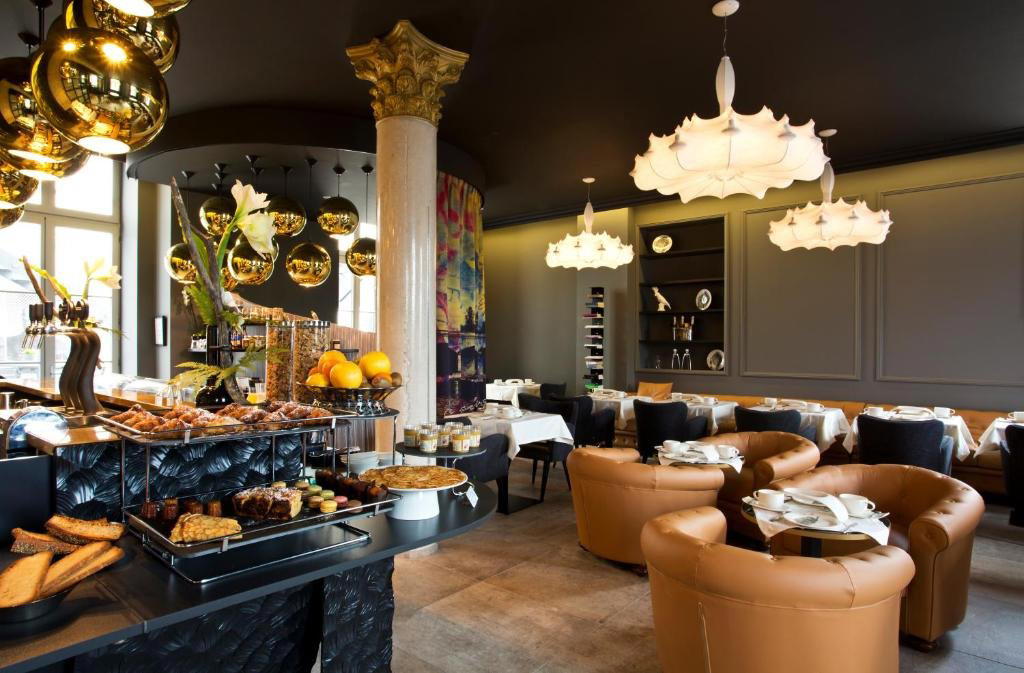
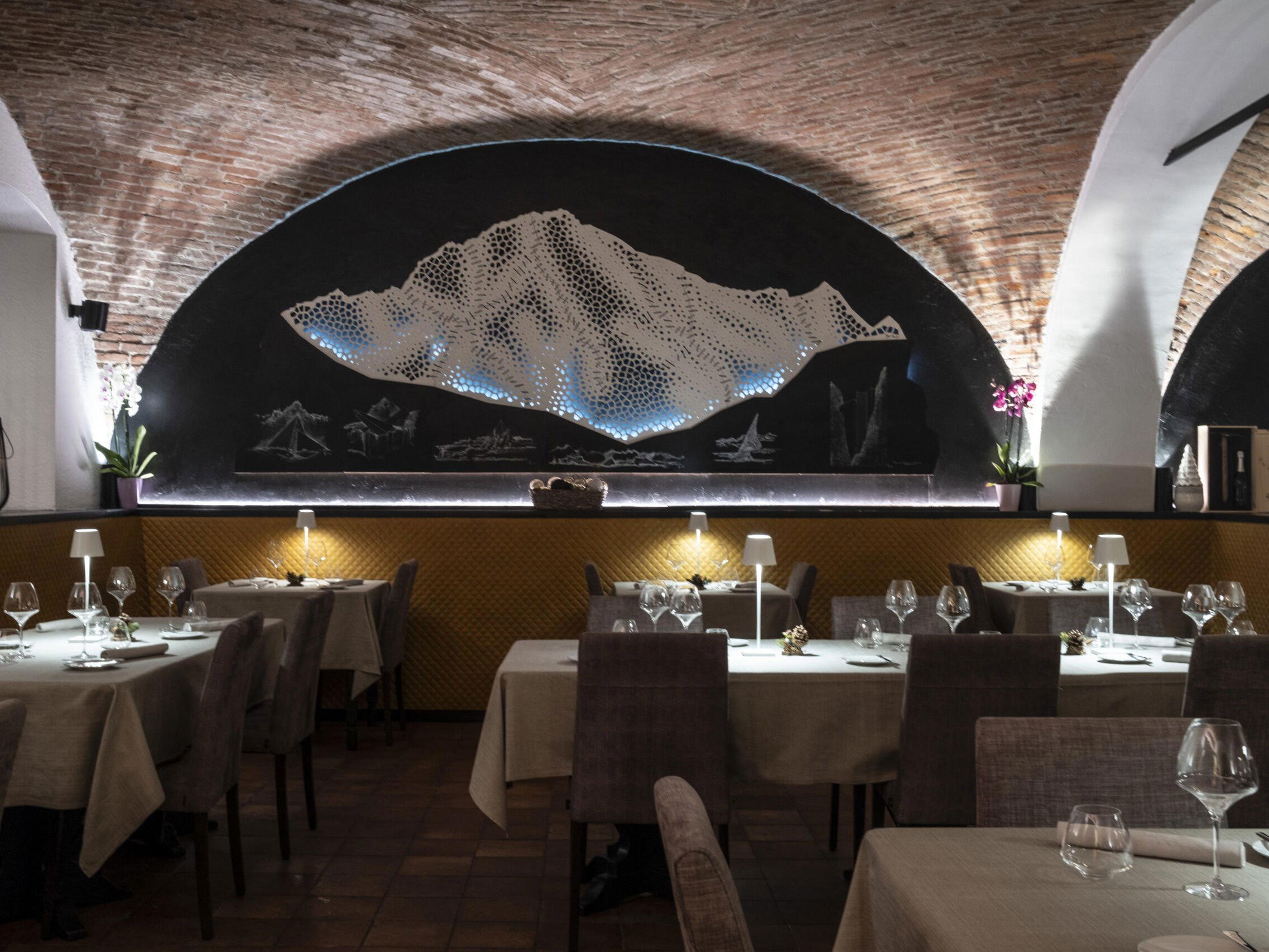
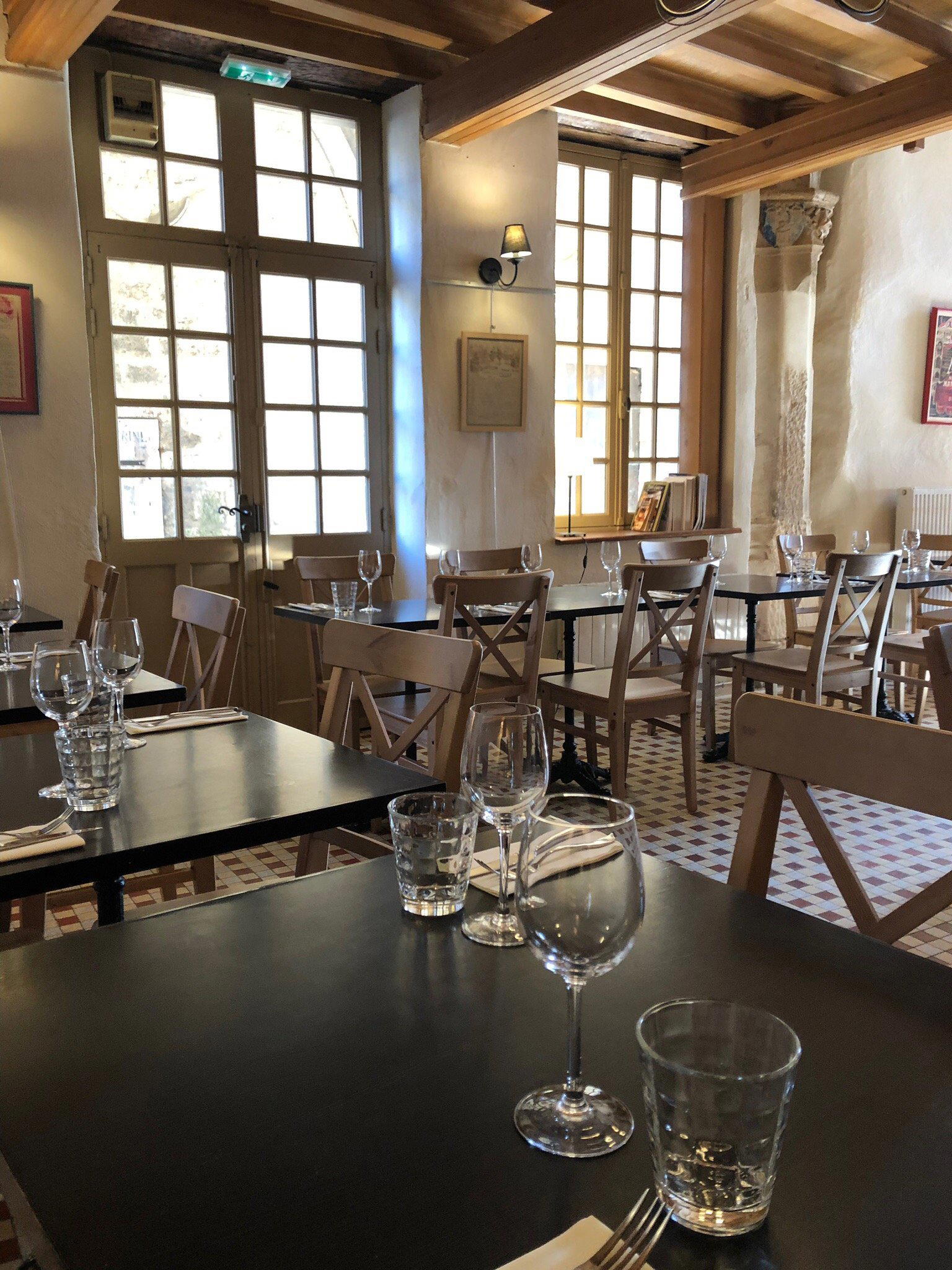
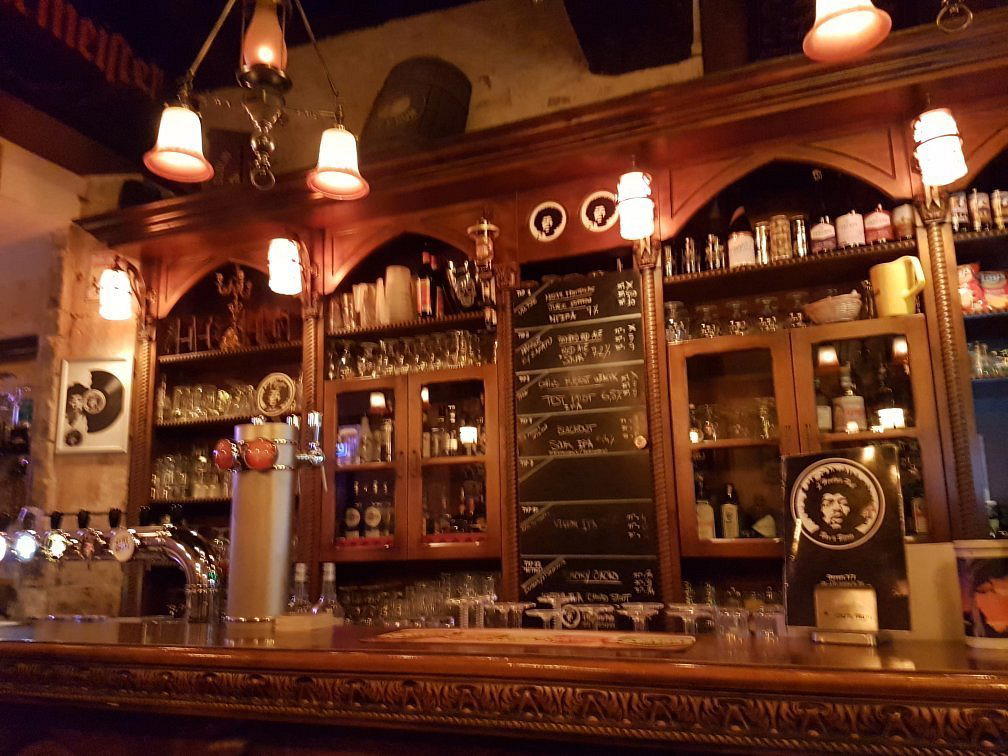
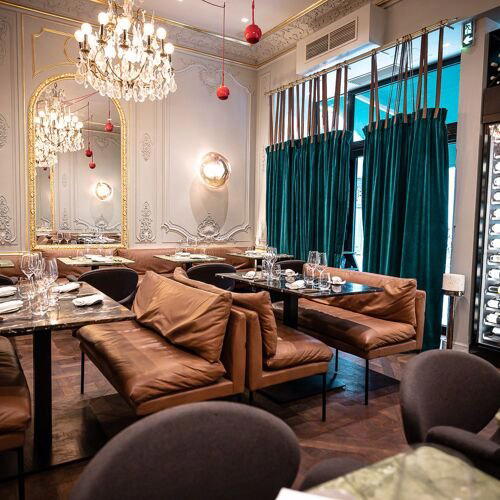
Cozy room in historic setting with terrace views of the river; atmosphere described as elegant yet sometimes noisy.