Our verdict
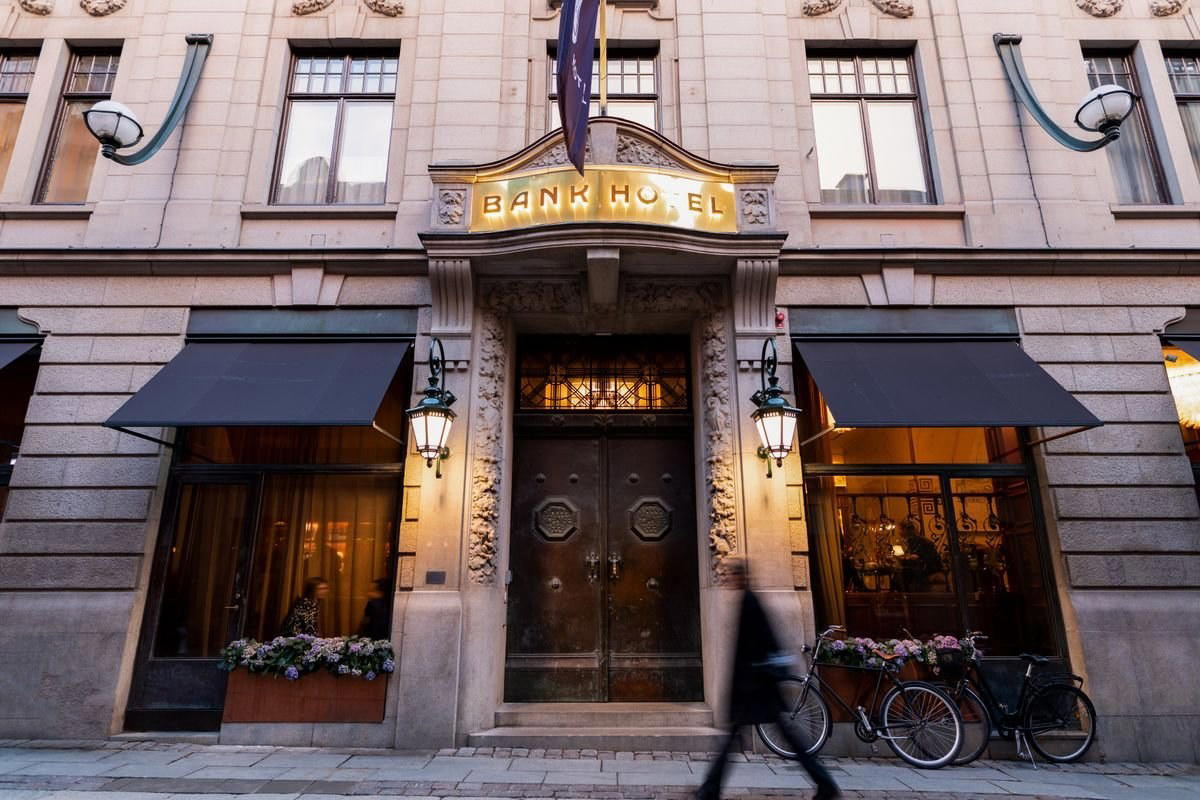
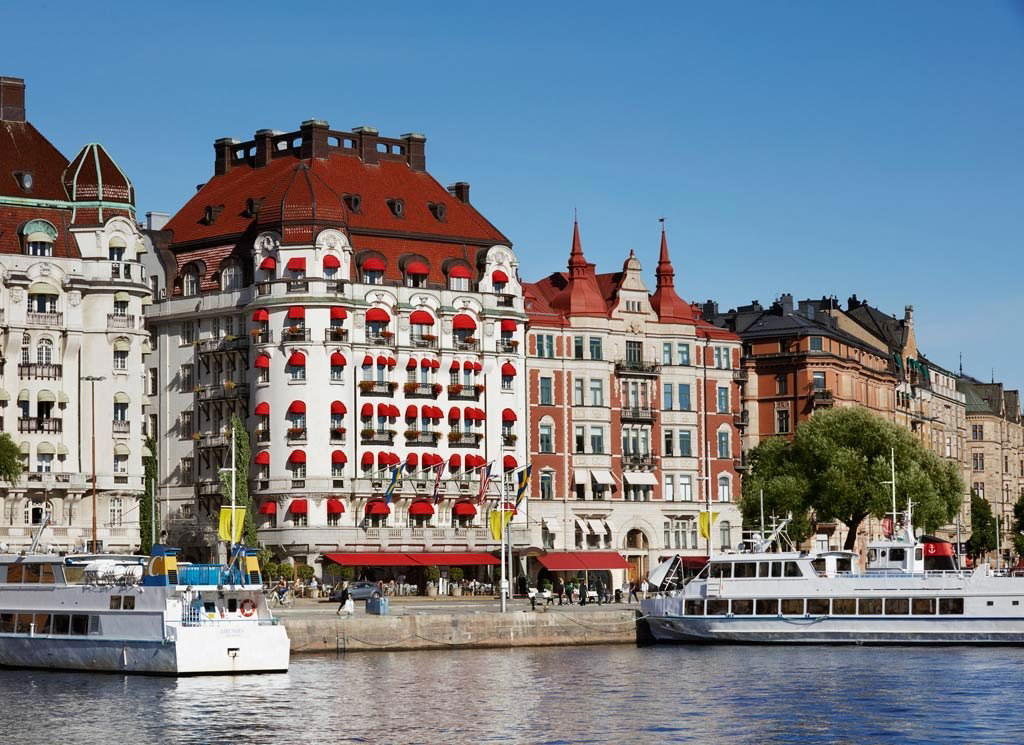
Nybrokajen sits on one of Stockholm's most storied waterfronts, where the Nybroviken inlet frames a stretch of city that has long drawn artists, musicians, and the Swedish establishment in equal measure. The address places it in immediate proximity to the Royal Dramatic Theatre and the concert halls of Blasieholmen, giving it a cultural density that few Stockholm dining addresses can match.

Pearl is the En Primeur Club membership app — saves, bookings, and concierge access live there. Same editors, same standards.
- Address
- Stockholm, Sweden
- Directions
- Get directions
Where the Water Meets the Old City
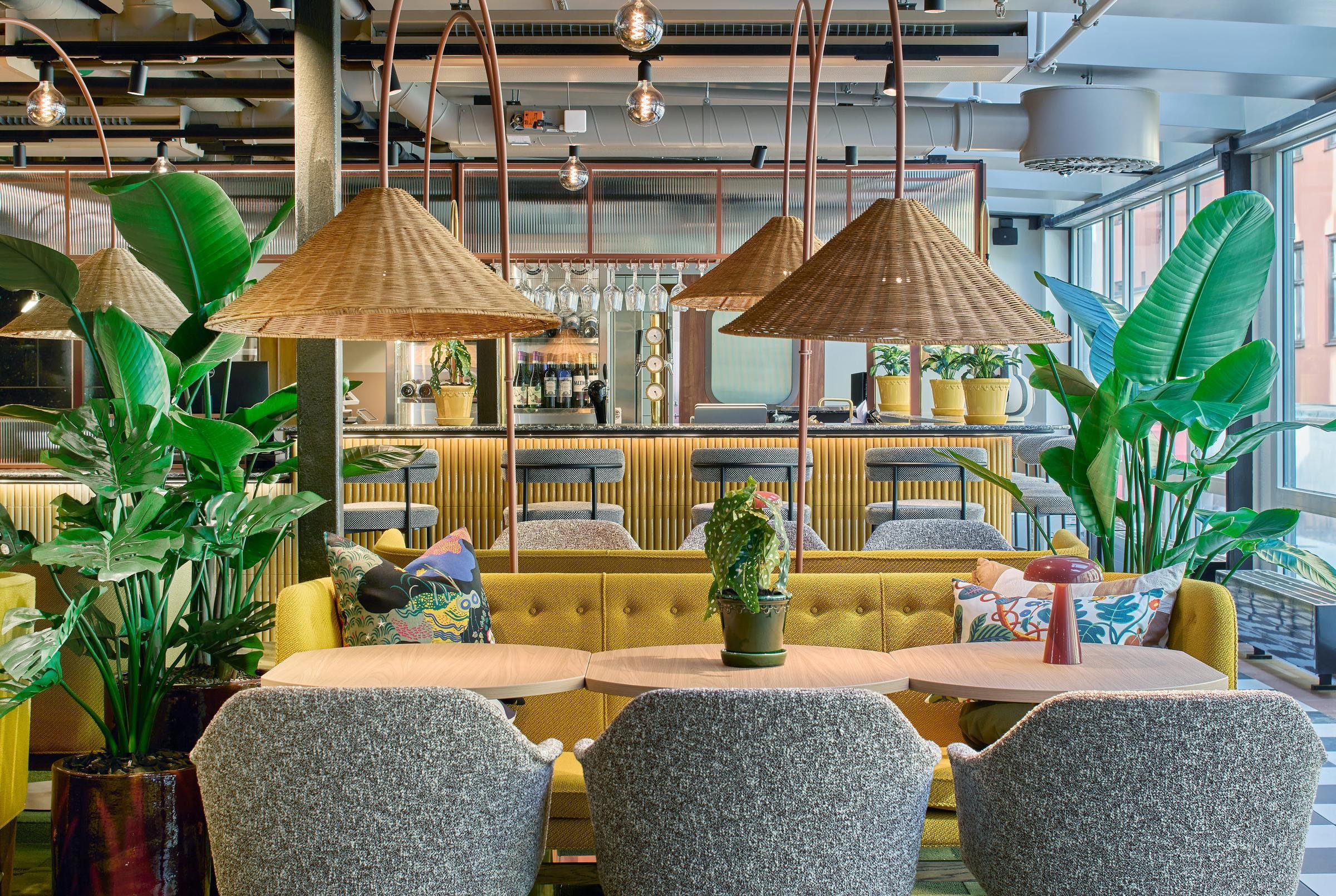
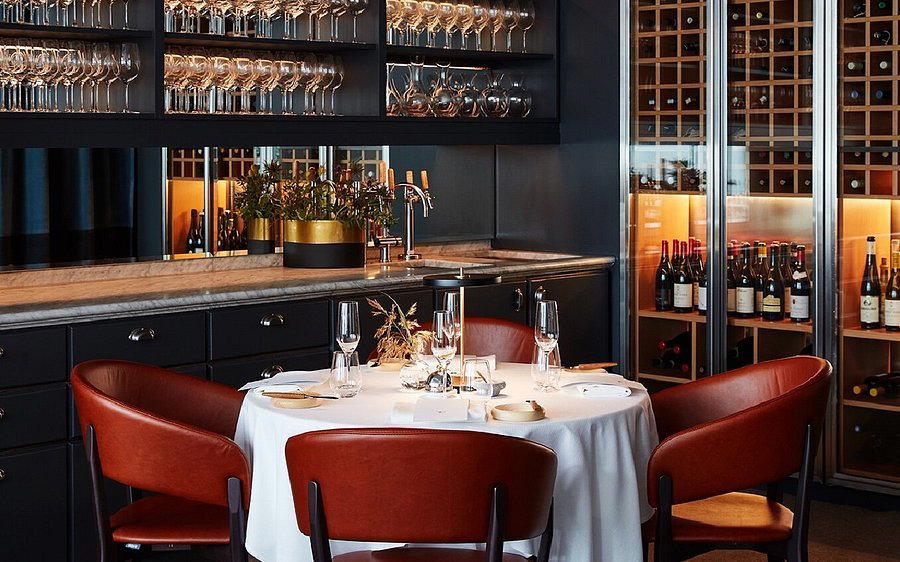
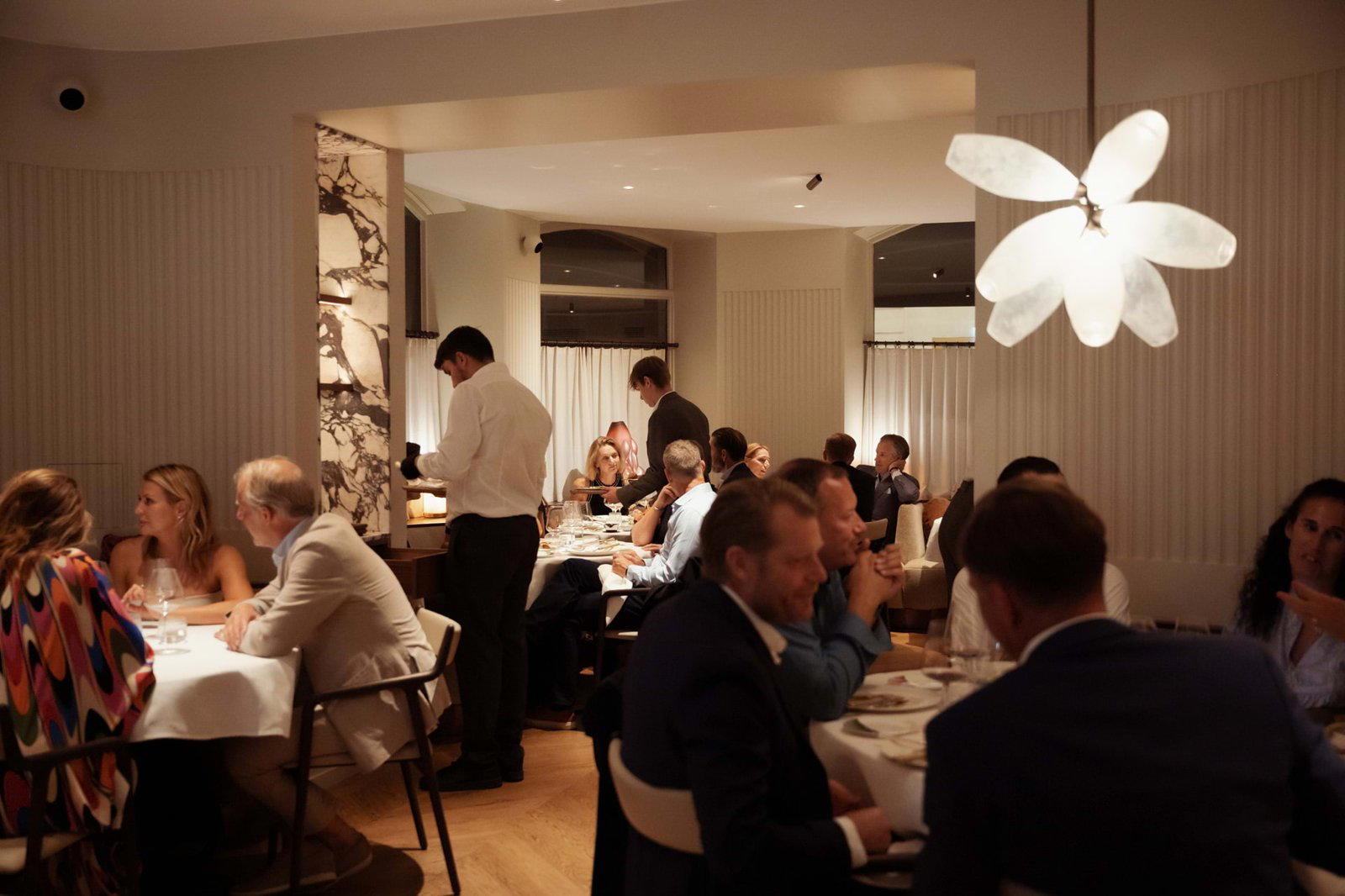
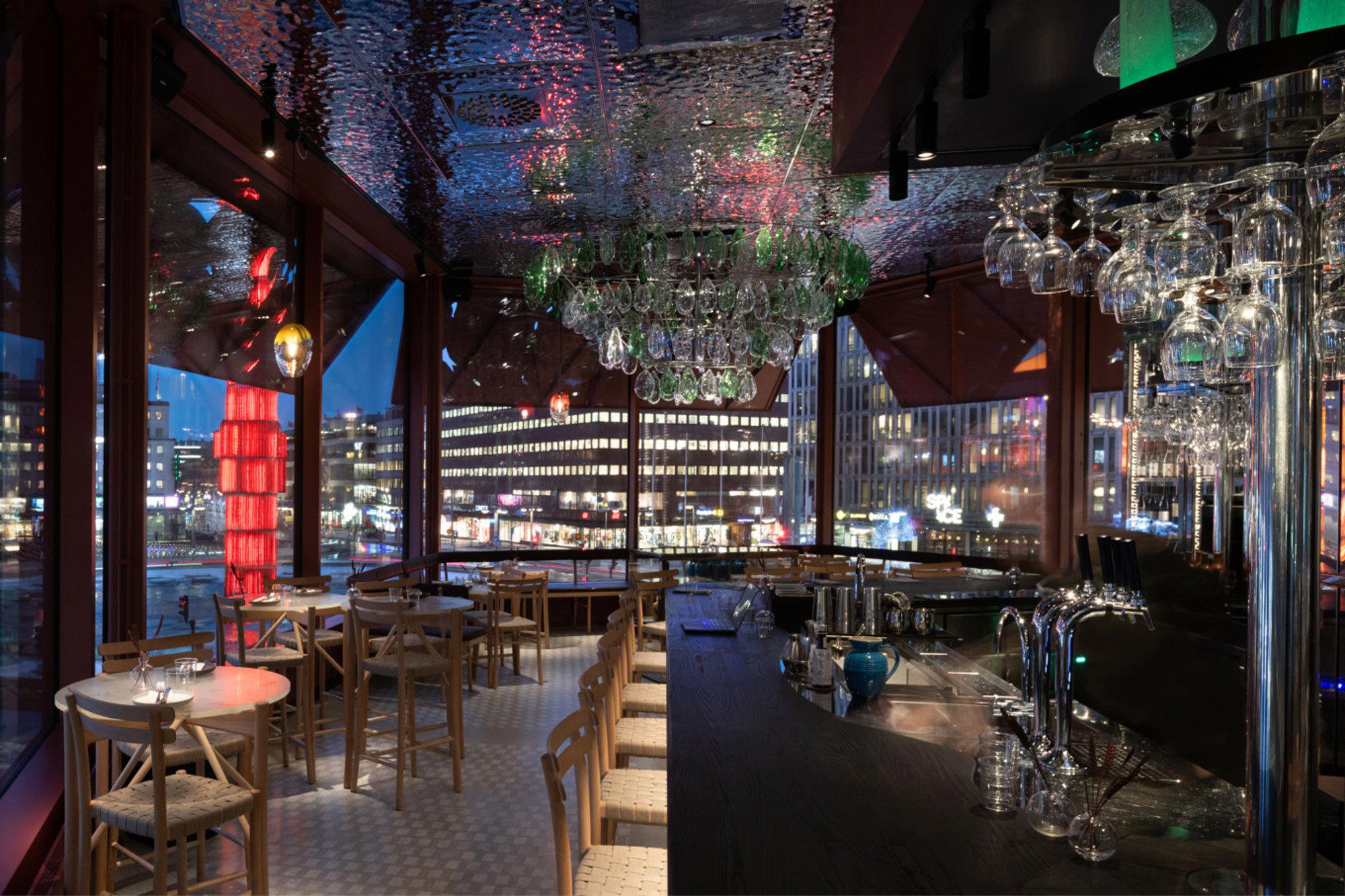
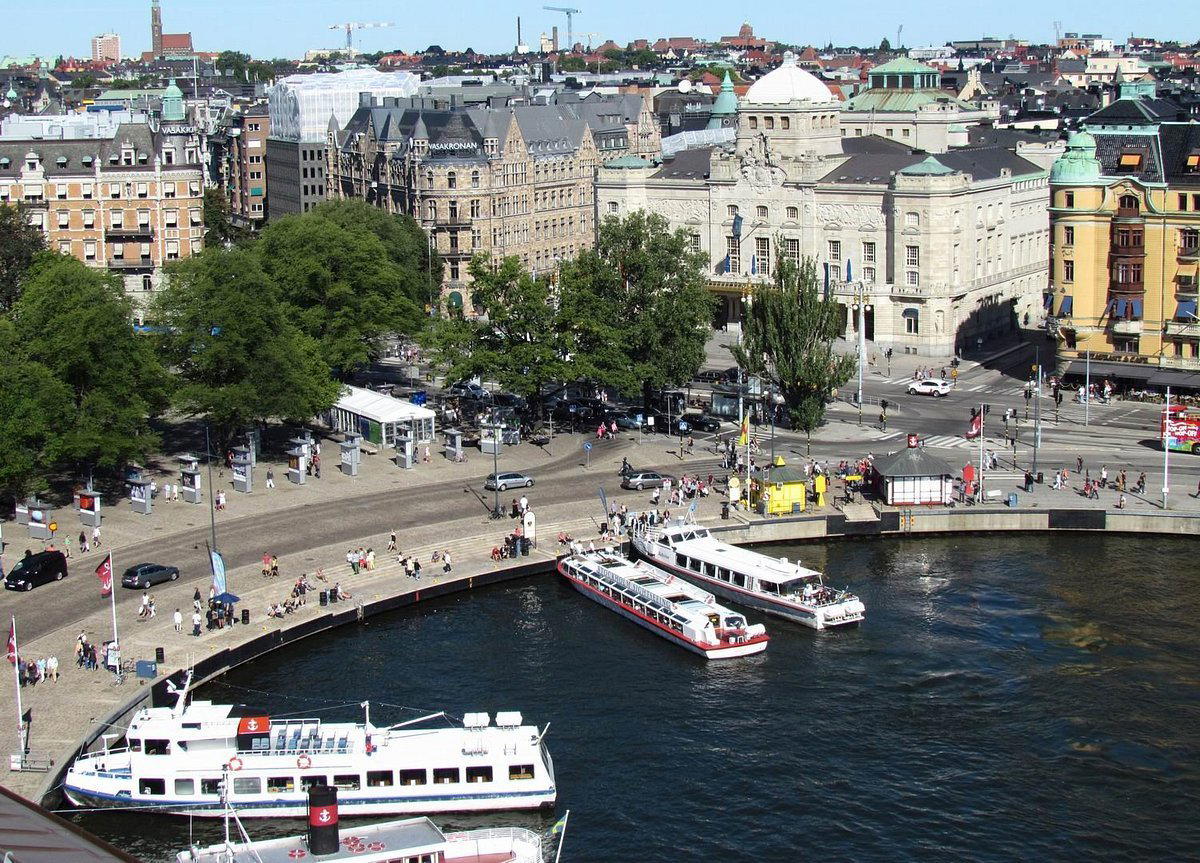
Stockholm's waterfront has always done something particular to the quality of light. At Nybrokajen, the Nybroviken inlet runs close enough that the reflections off the water shift through the windows at different hours, and the promenade outside carries a distinctly unhurried character even during the capital's busiest seasons. This is not the tourist-facing waterfront of Gamla Stan, nor the design-hotel corridor of Östermalm's interior streets. Nybrokajen occupies a stretch that Stockholmers have always claimed for themselves: the Royal Dramatic Theatre is a short walk in one direction, the concert halls of Blasieholmen in the other. The cultural density of the address is not incidental to the dining experience here — it shapes the room's rhythm, its clientele, and the expectations guests bring through the door.
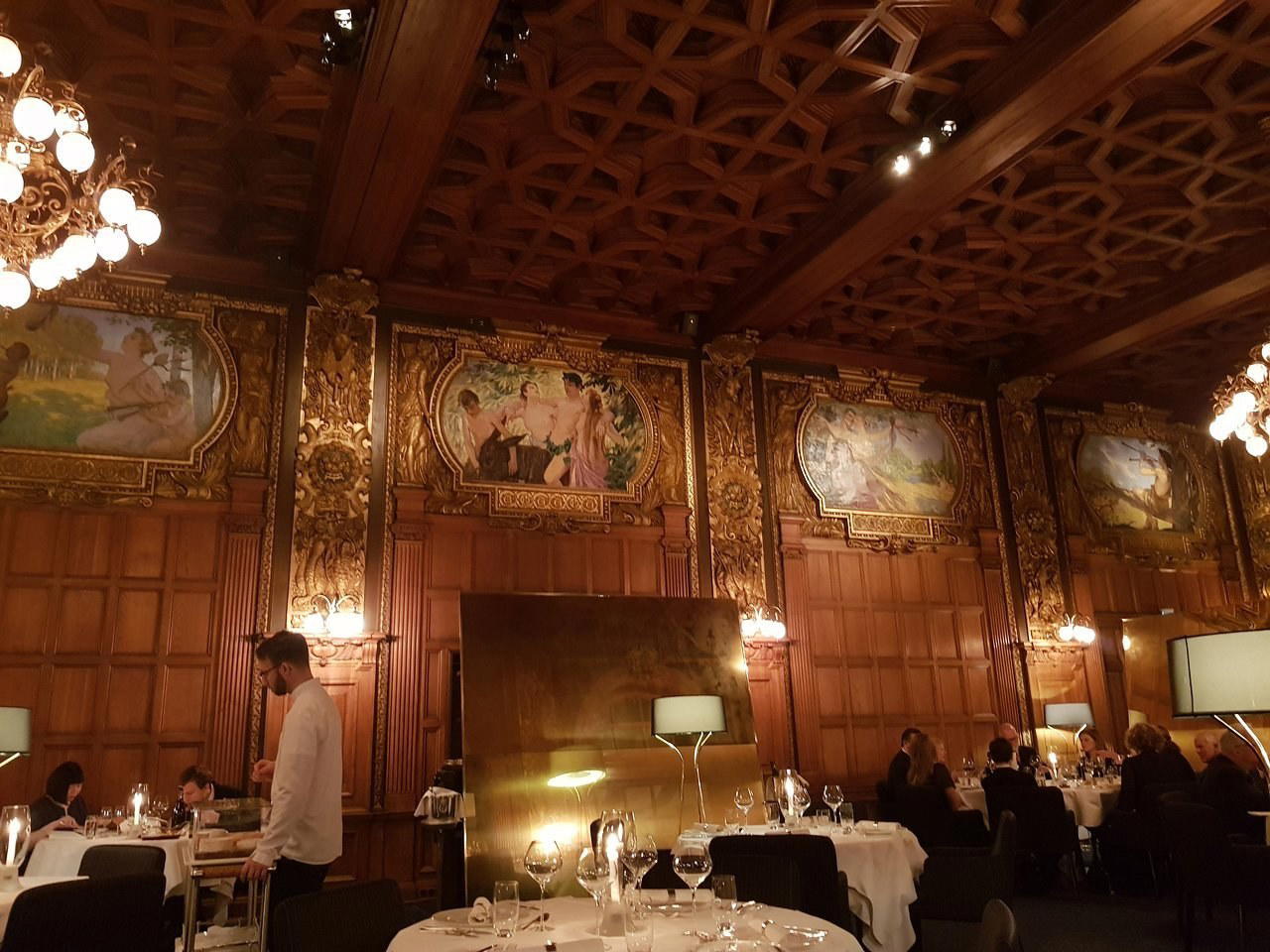
That positioning matters when reading Nybrokajen against Stockholm's broader dining map. The city has spent the better part of two decades building a fine-dining identity that now extends well beyond Frantzén and into a mid-tier of serious, neighbourhood-anchored restaurants that draw on New Nordic technique without performing it. Nybrokajen's waterfront address places it in a specific subset of that scene: establishments where the room itself carries authority, where the water view or the period architecture does work that no interior designer could replicate from scratch.
Stockholm's Waterfront Dining Tradition
Scandinavian cities have historically organised their premium dining around waterfront access in a way that central European capitals have not. In Stockholm, the relationship between water and table goes back to the grand hotel dining rooms of the late nineteenth century, when the city's establishment ate with the harbour in view as a matter of course. That tradition has evolved rather than disappeared. Operakällaren, a few hundred metres along the quay, represents one strand of that inheritance: formally Swedish, richly historical, oriented toward the grand occasion. Nybrokajen occupies a different register — closer to the working waterfront, less ceremonial in its atmosphere, but no less grounded in the idea that a serious meal and a serious address belong together.
This is worth stating because Stockholm's fine-dining tier has expanded in directions that sometimes obscure that older logic. AIRA and Aloë represent the city's appetite for progressive European technique delivered in stripped-back rooms where the food alone carries the weight. Adam / Albin has staked its position in the New Nordic canon with a disciplined tasting format that requires no waterfront romanticism to justify its price point. Nybrokajen is doing something different from all of them: it is arguing, implicitly, that place matters alongside plate.
The Neighbourhood as Context
The Nybroviken area rewards some attention before you arrive. The promenade along Nybrokajen is one of the city's better walks in the warmer months, when the archipelago boats depart from the nearby terminal and the water traffic gives the street a purposeful energy without the overcrowding that affects Strandvägen further along. In winter, the same stretch turns quieter and more internal, the kind of city character that suits a long dinner rather than a brief one.
That seasonal shift is relevant for planning. Stockholm's dining culture accelerates in late spring and summer, when outdoor seating becomes available across the waterfront and booking windows tighten across the serious end of the restaurant market. The period from June through August brings the city's international visitor peak, which affects pacing and availability at addresses that draw both local regulars and arriving guests. Nybrokajen's position near the theatre district also means that pre-performance dining in the September-to-May cultural season creates its own booking patterns, with earlier seatings filling faster on evenings when the Dramaten has a full house.
For comparison, Sweden's dining ambition extends well beyond the capital. Vollmers in Malmö and VYN in Simrishamn show what the south of the country is doing with similar seriousness; ÄNG in Tvååker and Knystaforsen in Rydöbruk demonstrate the strength of estate and rural-destination formats that have no parallel in the city. Within Stockholm itself, the waterfront address gives Nybrokajen a specific argument that interior-street restaurants cannot make, regardless of what arrives on the plate.
Stockholm's leading end is increasingly concentrated. The city punches above its population size in terms of Michelin representation, and the competitive pressure between serious addresses has pushed kitchens toward greater specificity rather than broader menus. At the upper tier, formats tend toward tasting menus with limited à la carte flexibility, a pattern visible at Adam / Albin and consistent with what comparable rooms in Copenhagen and Oslo have standardised over the past decade.
Waterfront addresses at this level in other cities have shown a tendency to lean on the view at the expense of kitchen ambition, a pattern that has hobbled notable rooms in both London and Sydney. The more instructive comparisons might be Le Bernardin in New York City, where a formal room and institutional reputation have sustained kitchen seriousness across decades, or Lazy Bear in San Francisco, where the format itself became the identity. The challenge for any Stockholm waterfront restaurant is holding both arguments simultaneously: that the address is worth something, and that the cooking earns its position independently.
Sweden's regional scene reinforces how competitive the overall environment has become. Signum in Mölnlycke, Hoze in Gothenburg, PM & Vänner in Växjö, Bistro Jarlen in Halmstad, Claesgatan 8 in Malmo, and Sydkustens at Pillehill in Skivarp all represent regional kitchens operating at a level that gives Stockholm no automatic authority. The capital's advantage is density and cultural infrastructure, not a monopoly on serious cooking.
Planning Your Visit
Nybrokajen's waterfront position on the Nybroviken inlet places it within easy walking distance of the central T-bana stations at Kungsträdgården and Östermalmstorg, making arrival direct from most parts of the city. The promenade itself is accessible year-round, though the experience of arriving on foot differs considerably between summer evenings and winter afternoons. Given the address's proximity to Stockholm's main cultural venues, evening bookings should be made with awareness of theatre and concert schedules; the neighbourhood fills and empties on those timetables. For the fullest picture of what Stockholm's dining scene offers at this address and beyond, our full Stockholm restaurants guide maps the city's serious rooms across price tiers and neighbourhoods.
Frequently asked questions
What's Nybrokajen's location?
Nybrokajen is located at Stockholm, Sweden, Stockholm.
How does Nybrokajen's location compare to other Stockholm waterfront restaurants?
Nybrokajen sits on the Nybroviken inlet in central Stockholm, placing it within the cluster of dining options that benefit from the city's characteristic water-and-old-city sightlines. Unlike venues further along the Djurgården shore, this address keeps you close to the Östermalm neighbourhood and the Kungsträdgården transit hub, which makes pre- and post-dinner movement around the city straightforward.
What do regulars order at Nybrokajen?
Is Nybrokajen reservation-only?
Waterfront venues in Stockholm's Nybroviken area tend to fill quickly during summer months and weekend evenings, so contacting the venue in advance is advisable.
What's the standout thing about Nybrokajen?
The address itself is the most concrete differentiator: Nybrokajen runs directly along the Nybroviken inlet, giving it one of the more immediate waterfront positions in central Stockholm. Few dining venues in the city sit this close to the water while remaining within easy walking distance of the Kungsträdgården T-bana.
Can Nybrokajen handle vegetarian requests?
Style and Standing
| Venue | Cuisine | Price | Awards | Notes |
|---|---|---|---|---|
| NybrokajenThis venue — the venue you are viewing | Gourmet Seafood | $50–100 | Not listed | Not listed |
| Operakällaren | Modern Scandinavian Fine Dining | $150–200 | 1 Michelin Star · World's 50 Best #27 | Swedish, Modern Cuisine |
| AIRA | Modern Nordic Seasonal Tasting Menu | $200–300 | 2 Michelin Stars · La Liste Top Restaurants | Modern European, Modern Cuisine |
| Adam / Albin | Modern Scandinavian Fine Dining | $100–150 | 1 Michelin Star · La Liste Top Restaurants | New Nordic |
| Ekstedt | Wood-Fire Nordic Fine Dining | $200–300 | 1 Michelin Star · La Liste Top Restaurants | Progressive Asador, Grills |
| Etoile | Creative International Fine Dining | $300–500 | 1 Michelin Star · Star Wine List | Contemporary French, Creative |