
Star Wine List
Our verdict
Spritmuseum sits where Stockholm's museum culture and serious wine programming converge, earning a White Star recognition from Star Wine List in early 2026. The address on Djurgården places it within reach of the city's cultural corridor, and its wine credentials make it a reference point for the Swedish capital's growing interest in list-driven dining. A considered stop for those working through Stockholm's broader food and drink scene.

Pearl is the En Primeur Club membership app — saves, bookings, and concierge access live there. Same editors, same standards.
- Address
- 48115 21, 115 21 Stockholm, Sweden
- Phone
- +46 8 121 313 00
- Hours
- Daily 11 AM–10 PM
- Website
- spritmuseum.se
- Directions
- Get directions
The menu
What to order
- 36-month aged ribeye
- Fish stew
- Lobster with vinegar-infused pomegranate seeds
- Oysters
- Pork cheeks
Where the Museum District Meets Serious Wine
Djurgården, the island that holds Stockholm's densest concentration of museums and green space, has long attracted day visitors rather than serious diners. That pattern has shifted as a handful of addresses on the island built programs capable of holding attention beyond the afternoon. Spritmuseum, attached to the museum dedicated to Swedish spirits and drinking culture, sits at the intersection of those two pulls: a cultural institution with a wine list serious enough to earn a White Star recognition from Star Wine List, published in January 2026.
The White Star designation places Spritmuseum inside a recognisable tier of Stockholm addresses where the wine program is considered a primary reason to visit, not an afterthought. In a city where the top end of the restaurant scene — venues like Frantzén, AIRA, and Operakällaren — competes partly on cellar depth and sommelier expertise, a museum-anchored venue earning list recognition signals something worth examining.
The Broader Context: Swedish Dining and Drinks Culture
Sweden's relationship with alcohol has historically been complicated by state regulation, a legacy that shaped both the retail infrastructure (Systembolaget, the state monopoly, still controls off-licence sales) and the culture around where and how wine gets served. Restaurant wine programs developed within that framework, and the venues that built serious lists did so deliberately, often investing in depth and curation as a competitive signal rather than a commercial calculation.
Stockholm's current fine-dining cohort reflects this. Aloë and Adam / Albin both carry New Nordic credentials alongside wine programs that contribute meaningfully to their positioning. Further afield in the Swedish south and west, venues like Vollmers in Malmö and VYN in Simrishamn have built reputations where the cellar is as discussed as the kitchen. Spritmuseum enters that conversation from a different angle: its institutional context foregrounds the cultural history of drinking rather than treating wine as mere accompaniment.
Local Ingredients, Global Technique: What the Setting Implies
The editorial angle most relevant to Spritmuseum is the intersection of indigenous product knowledge and imported technical frameworks. The museum itself documents Swedish spirits production, aquavit, brännvin, the traditions of Nordic distilling, which creates a curatorial context that most restaurant wine programs simply do not have. A venue operating within that framework has access to a pedagogical layer: the history of fermentation, distillation, and flavour development in the Nordic region becomes part of the dining environment rather than something confined to a back page of the wine list.
Across European dining, the most compelling food-and-drink programs tend to emerge when a kitchen's commitment to local produce aligns with a wine or spirits list that takes regional production seriously. In Sweden, that means engagement with the Nordic foraging tradition, the birch sap, cloudberry, lingonberry, and preserved fish that have driven the international profile of Scandinavian cooking, alongside an understanding of how those flavours interact with wine structures, whether from Alsace, the Jura, or the Mosel, all regions with natural affinities for acid-forward, cold-climate Nordic preparations. Venues like ÄNG in Tvååker and Knystaforsen in Rydöbruk have made that alignment central to their identity.
For international comparison, the pattern of an institution-anchored restaurant building a serious program is not unusual. Some of the most committed wine lists in Paris and New York exist within cultural venues precisely because the institutional mission licenses a more educational, less commercially driven approach to curation. Venues like Le Bernardin in New York City have shown that disciplined program focus can produce lasting critical recognition; the underlying principle, choose a lane and commit to it, applies regardless of scale or institutional context.
Stockholm's Wine Scene: Where This Fits
Stockholm's bar and wine programming has matured considerably over the past decade. The city's cocktail scene has moved from novelty formats toward technically grounded programs, and the wine culture has followed a parallel arc: more focus on natural and low-intervention producers, deeper engagement with Scandinavian and Eastern European regions previously absent from serious lists, and a growing number of venues where the drinks program is the editorial lead. For a full picture of where these threads come together across the city, our full Stockholm bars guide and our full Stockholm wineries guide map the current state of play.
Spritmuseum's Star Wine List recognition places it within a defined peer group in this environment. The White Star is awarded to venues where the list demonstrates depth, range, and intentional curation, not simply volume. In Stockholm, that credential carries weight because the market is competitive and the evaluators are familiar with the local constraints and opportunities.
Planning a Visit
Spritmuseum sits at Djurgårdsvägen 38 on Djurgården, accessible by tram from central Stockholm (line 7 from Norrmalmstorg) or by ferry from Slussen and Nybroplan during the warmer months. The island setting means the venue draws a mixed audience: museum visitors, locals seeking a more deliberate dining experience, and tourists moving through the cultural corridor that includes the Vasa Museum and Skansen. That mix shapes the atmosphere differently from the more contained fine-dining rooms of central Stockholm.
For broader orientation across Stockholm's restaurant scene, our full Stockholm restaurants guide covers the range from neighbourhood spots to destination dining; our full Stockholm hotels guide and our full Stockholm experiences guide are useful for building a complete itinerary around a visit to Djurgården.
For those moving through the wider Swedish dining scene, the regional picture extends south to Signum in Mölnlycke and PM & Vänner in Växjö, both of which contribute to a national conversation about what Swedish cooking looks like when it moves beyond the capital. Emeril's in New Orleans offers an instructive international parallel, another case of a venue where institutional presence and serious programming coexist, each reinforcing the other's credibility.
Frequently asked questions
What should I order at Spritmuseum?
What the White Star recognition from Star Wine List signals is that the drinks list, whether focused on wine, spirits, or both, is a primary reason to visit. Given the museum's focus on Swedish spirits culture, any spirits-led pairing options or aquavit-forward selections are worth exploring. For comparable approaches to food-and-drink integration in Stockholm, Aloë and Adam / Albin both demonstrate how Nordic kitchens currently approach that alignment.
What's the ideal way to book Spritmuseum?
Given the venue's dual identity as a museum restaurant and a serious wine destination in Stockholm, demand can shift with the museum's programming calendar and seasonal visitor patterns on Djurgården. Booking directly through the museum's own channels, and doing so in advance during peak summer months when ferry and tram traffic to the island is heaviest, is the practical approach. Stockholm's top-tier rooms, Frantzén and AIRA among them, require lead times of weeks or months; Spritmuseum's positioning suggests a different scale, but confirming availability before a visit remains advisable.
What's the defining dish or idea at Spritmuseum?
The defining idea is the alignment between institutional context and drinks program. Where many museum restaurants treat food service as operational necessity, Spritmuseum's White Star credential from Star Wine List suggests the drinks program is curated with the same seriousness as the museum's subject matter. That makes the experience one where the spirits and wine selection carry editorial weight, where what's in the glass is as considered as what's on the wall. For kitchens pursuing a comparable philosophy of Nordic ingredient seriousness, ÄNG in Tvååker and VYN in Simrishamn offer a useful regional frame of reference.
How It Stacks Up
Comparable venues nearby, for context on price, style, and recognition.
| Venue | Cuisine | Price | Awards | Notes |
|---|---|---|---|---|
| SpritmuseumThis venue — the venue you are viewing | Modern Nordic Seasonal | $50–100 | Star Wine List | Not listed |
| Wasahof | Classic Swedish Seafood Bistro | $50–100 | Star Wine List | Vasastan |
| Restaurang Slipen | Modern Nordic Seafood | $50–100 | Not listed | Djurgården |
| Gondolen | Modern Swedish Seafood | $50–100 | Star Wine List · Falstaff Restaurant - 95 Falstaff Points | Södermalm |
| Stockholm Fisk | Swedish Seafood | $50–100 | Not listed | Norrmalm |
| Luzette | French Brasserie with Swedish Rotisserie | $30–50 | Star Wine List · White Guide Sweden Restaurants - Fine Level | Norrmalm |
Recognition history
Dated appearances from independent guides and award organizations, with the underlying list record or original source where available.
Star Wine List
Star Wine List
Continue exploring
More in Stockholm
Restaurants in Stockholm
Browse all →
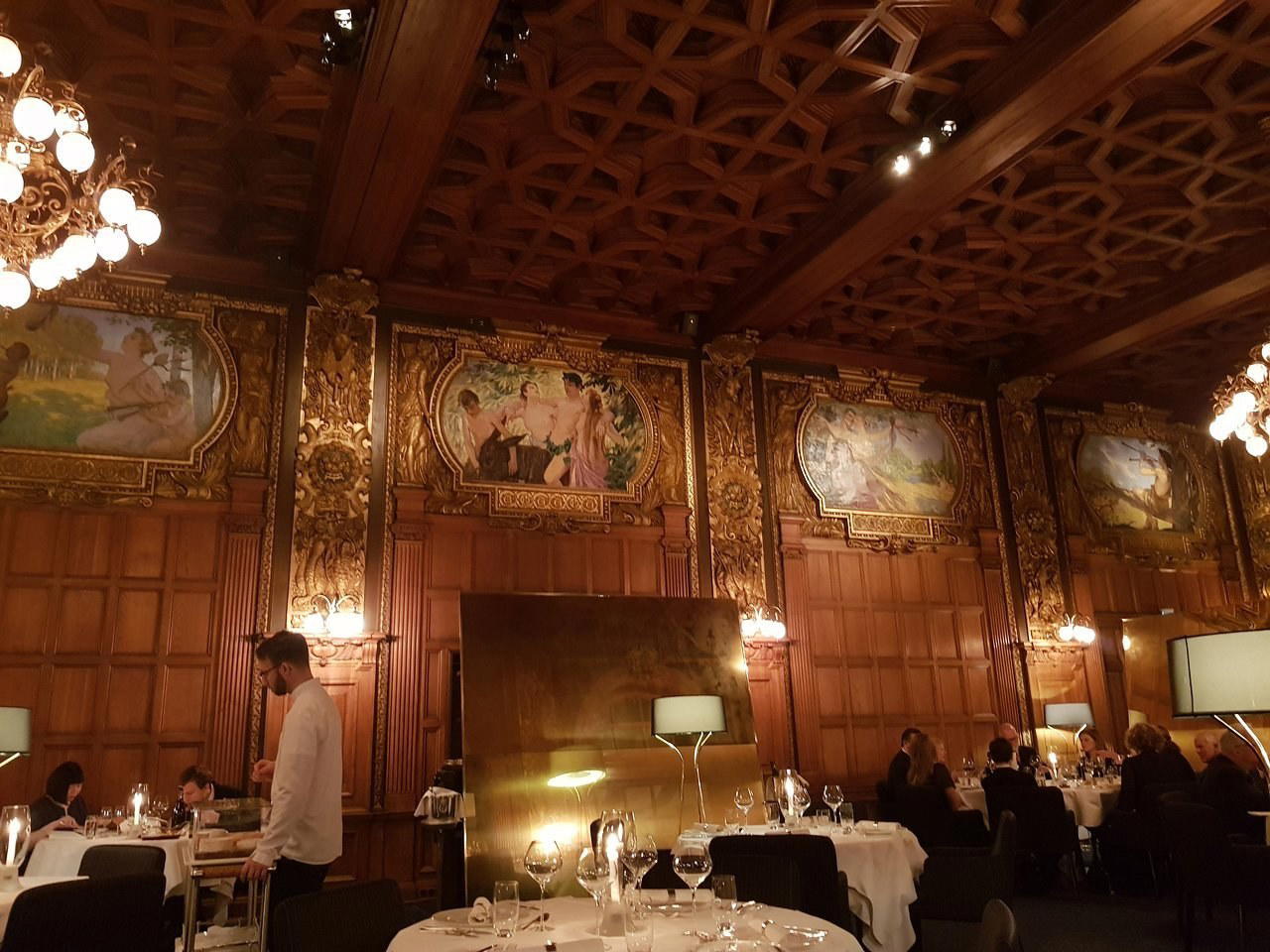
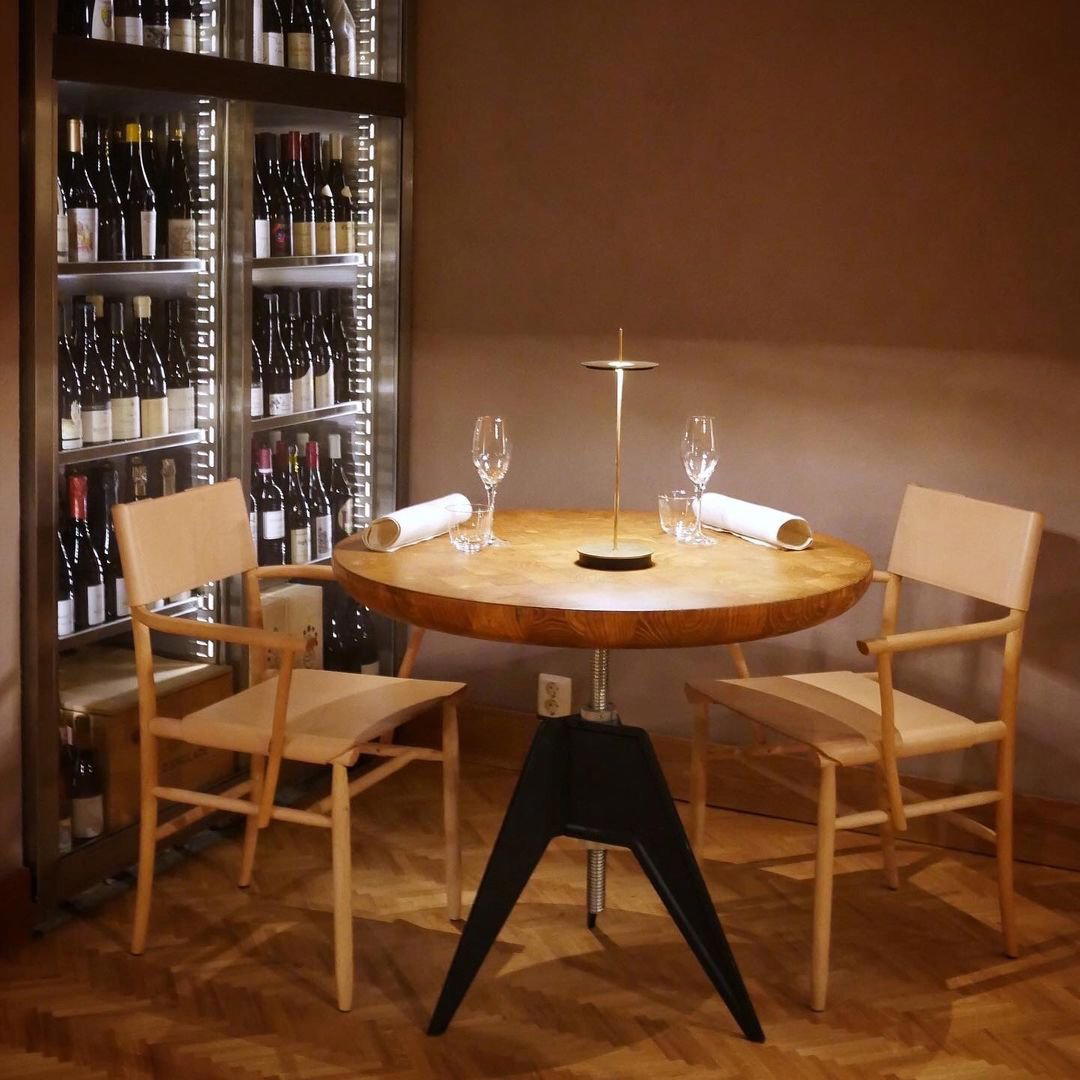
Bars in Stockholm
Browse all →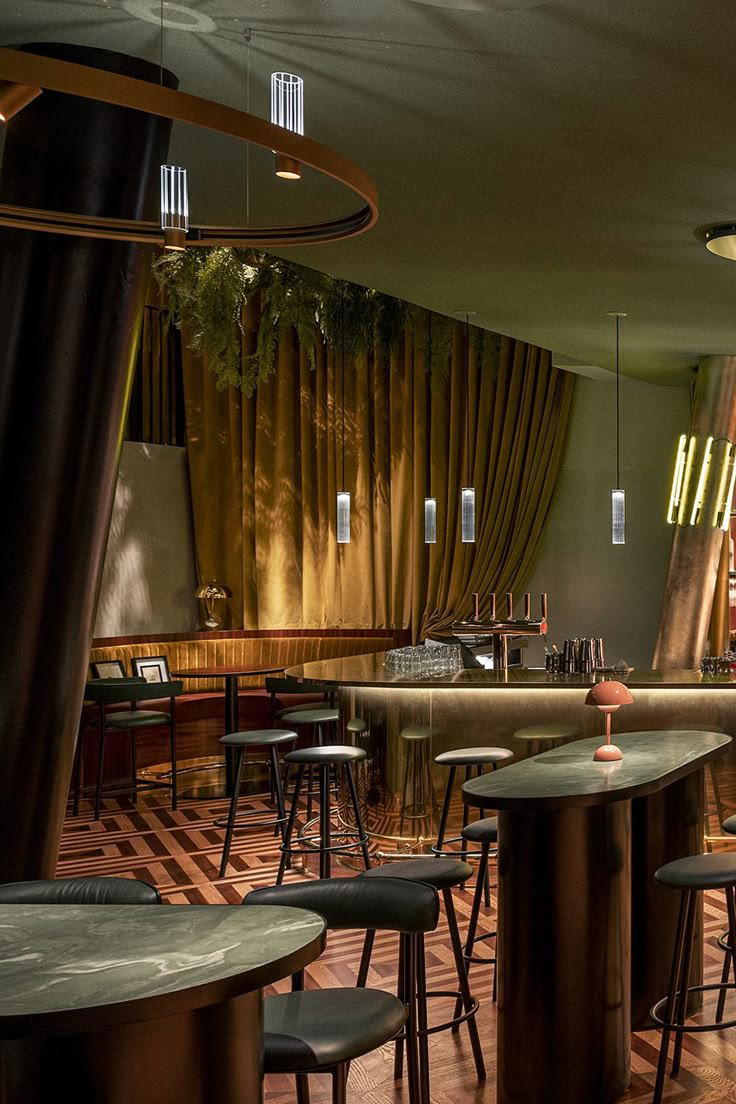
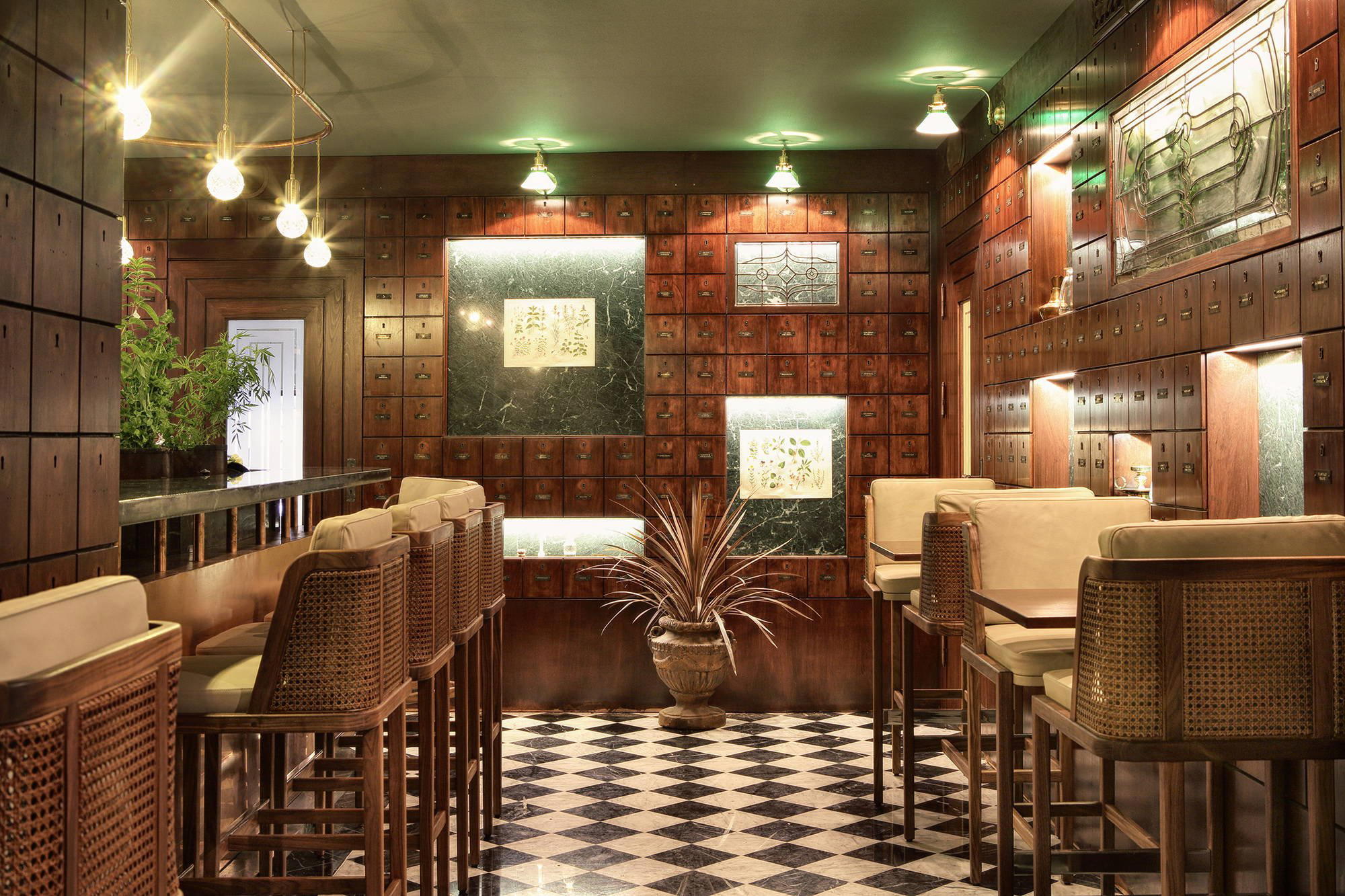
Details
- Scenic
- Elegant
- Rustic
- Sophisticated
- Date Night
- Business Dinner
- Group Dining
- Celebration
- Special Occasion
- Waterfront
- Historic Building
- Open Kitchen
- Private Dining
- Extensive Wine List
- Natural Wine
- Beer Program
- Sommelier Led
- Farm To Table
- Local Sourcing
- Organic
- Natural Wine
- Waterfront
- A La Carte
- Tasting Menu
- Natural Wine
- Craft Beer
- Spirits
- Champagne
- Vegetarian Friendly
- Gluten Free Options
- Allergy Accommodating
- Organic Focus
Current opening hours
- Monday
- 11 AM–10 PM
- Tuesday
- 11 AM–10 PM
- Wednesday
- 11 AM–10 PM
- Thursday
- 11 AM–10 PM
- Friday
- 11 AM–10 PM
- Saturday
- 11 AM–10 PM
- Sunday
- 11 AM–10 PM
Hours can change for holidays and private events. Last verified .
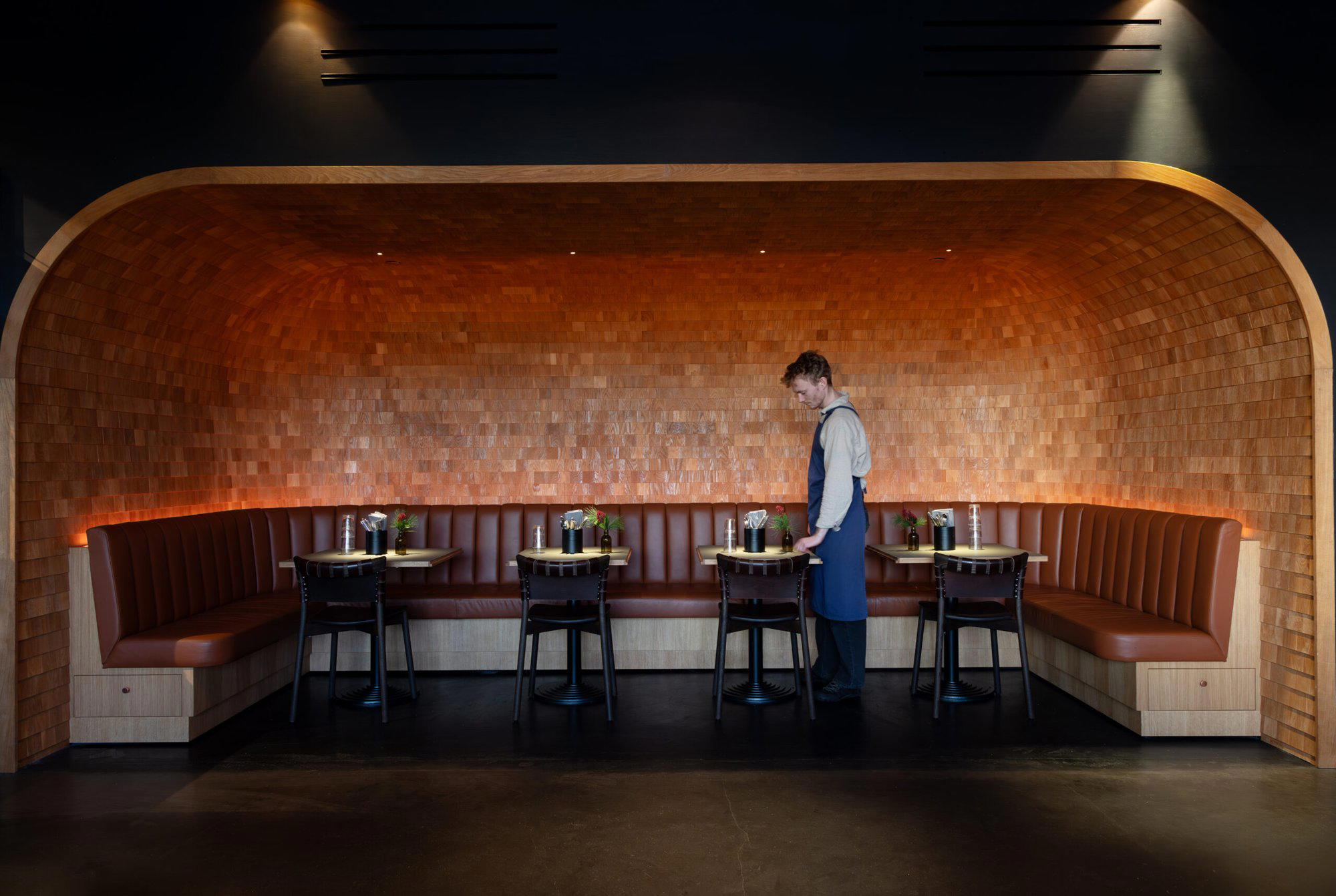
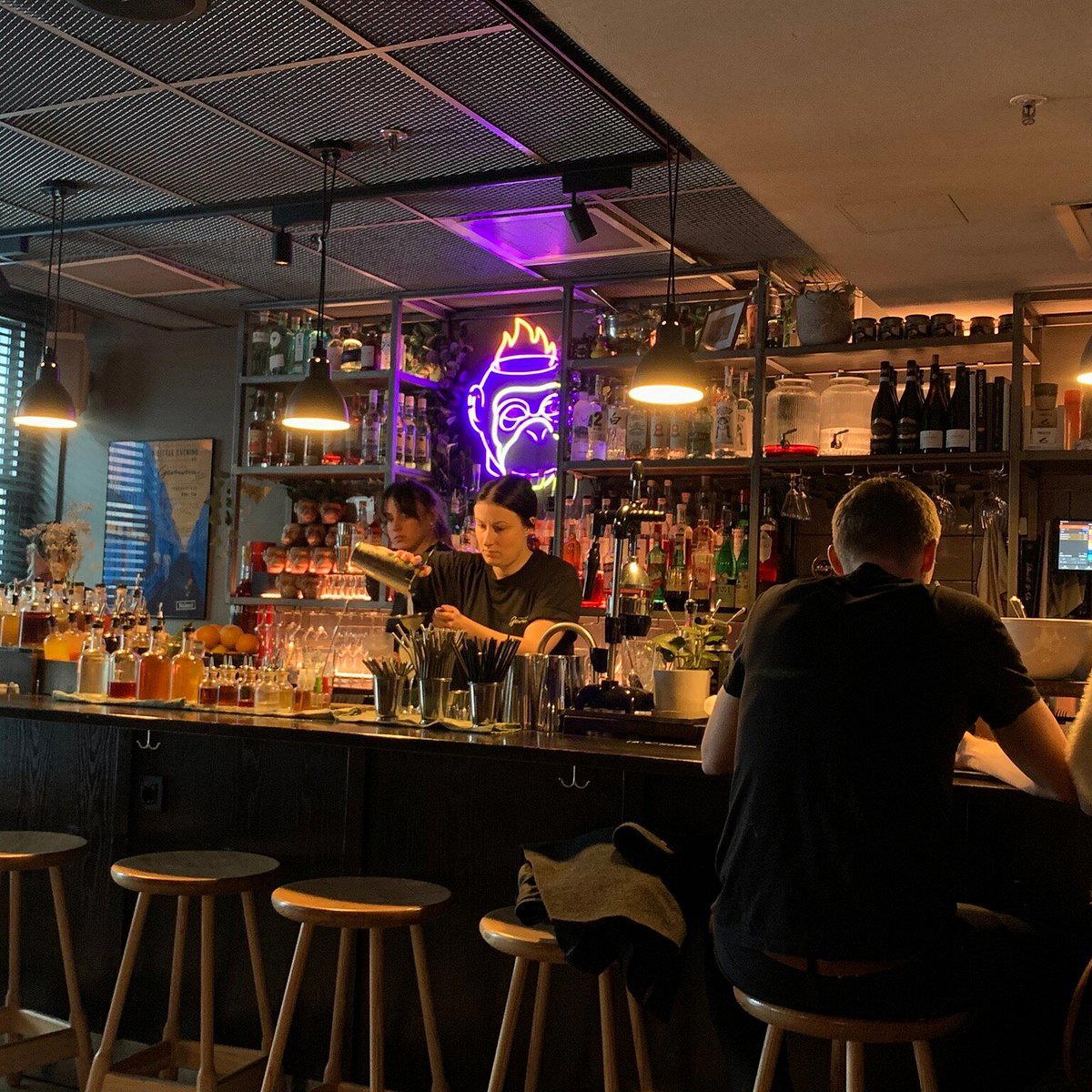
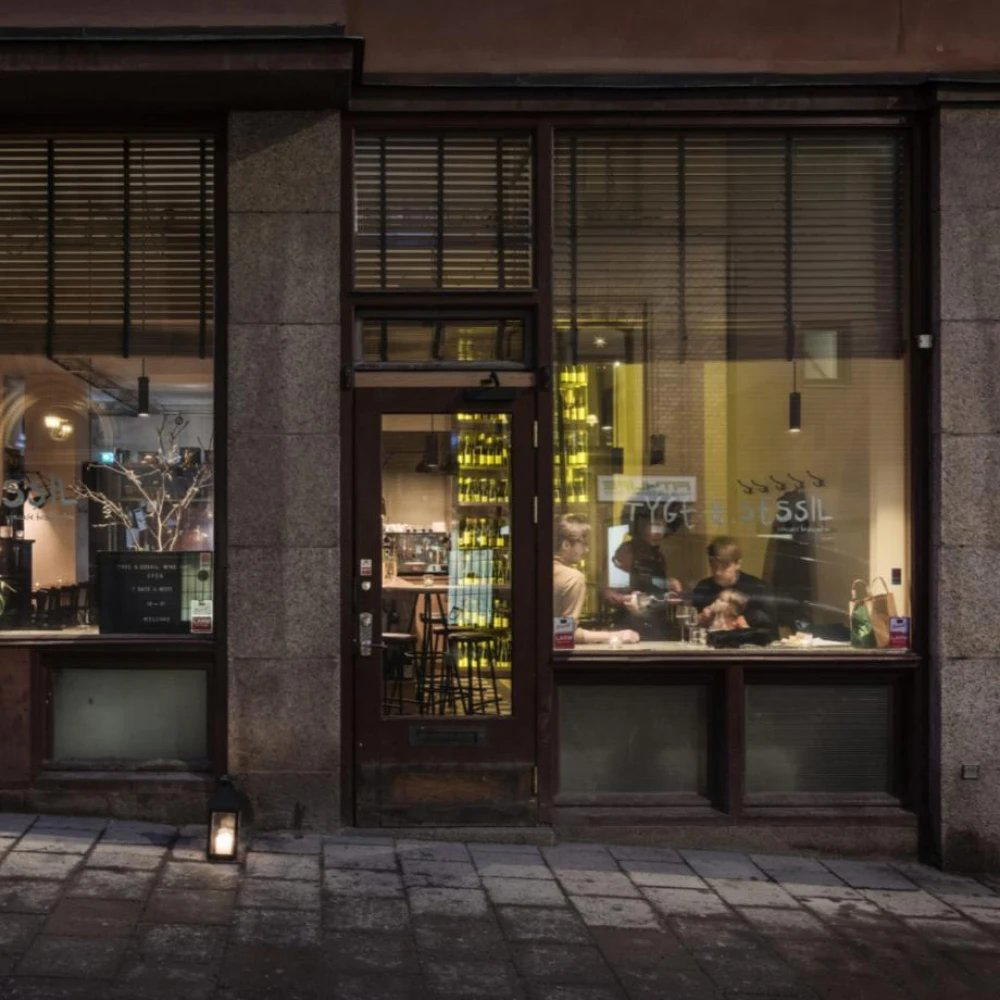
Scandinavian and rustic with large windows overlooking water, airy high-ceilinged spaces, and a sophisticated yet relaxed atmosphere that balances cultural institution with upscale dining.