Nova
In the Fribourg Alps village of Val-de-Charmey, Nova sits on Rue du Centre at the quieter end of Switzerland's premium dining map. The surrounding Gruyère region defines the terms of engagement here: dairy pastures, alpine herbs, and a cheese tradition that has shaped local cooking for centuries. For travellers moving between Switzerland's better-known restaurant cities, Charmey offers a counterpoint worth considering.
Pearl is the En Primeur Club membership app — saves, bookings, and concierge access live there. Same editors, same standards.
- Address
- Rue du Ctre 21, 1637 Val-de-Charmey, Switzerland
- Phone
- +41269275050
- Website
- etoile.ch
- Directions
- Get directions
 Saves & bookings on Pearl
Where the Fribourg Alps Set the Menu
Val-de-Charmey occupies a fold in the Fribourg Prealps that most international visitors pass over on their way to Gruyères or Montreaux. The village sits at roughly 890 metres, surrounded by pastureland that feeds one of Switzerland's most coherent regional food cultures. Cheese production in this corridor predates the modern restaurant industry by several centuries, and the farms that supply the valley's kitchens operate within a geography tight enough that sourcing chains are short almost by default. When a restaurant in Charmey puts alpine dairy on a plate, the distance from cow to kitchen is often measured in kilometres rather than cantons.
Nova, at Rue du Centre 21, occupies a position in this village that places it squarely within that local supply logic. The address is central without being commercial, the kind of location that in a Swiss mountain village means proximity to the community rather than to tourist traffic. That positioning matters for understanding what a restaurant here can reasonably be expected to offer: ingredients drawn from a tight regional radius, a dining pace calibrated to the mountain evening rather than an urban service rhythm, and an atmosphere that reflects the built character of the village rather than importing a style from elsewhere.
The Sourcing Argument for Alpine Dining
Switzerland's premium dining circuit is concentrated in its cities and larger resort towns. Properties like Schloss Schauenstein in Fürstenau and Memories in Bad Ragaz operate at the top of the national tier, with multi-Michelin recognition and sourcing programs that reach across cantons and sometimes across borders. The counterargument to that model is the village restaurant with a narrower radius: fewer suppliers, more predictable provenance, and a menu that shifts because the local farms shift, not because a creative director has decided to refresh the concept.
The Gruyère-Fribourg corridor represents one of the more coherent cases for that counterargument in Switzerland. The AOC designation covering Gruyère cheese is one of the country's most governed appellations, with milk-sourcing rules tied to specific highland pastures. Restaurants working within that system, even informally, are operating with ingredients whose character is defined by altitude, grass species, and seasonal grazing patterns that don't exist in the lowland supply chains serving urban kitchens. That specificity tends to produce food that is harder to replicate outside the region, which is a meaningful distinction in an era when menus in Zurich, Geneva, and Basel increasingly draw from the same European produce networks.
For context on what that level of recognition looks like elsewhere in Switzerland, Hotel de Ville Crissier in Crissier and Cheval Blanc by Peter Knogl in Basel represent the formalized endpoint of Swiss fine dining, where provenance is curated and documented at the level of individual producers. The Charmey model is less codified but no less dependent on the quality of what the surrounding land produces.
Atmosphere and Physical Setting
Arriving in Val-de-Charmey by road from Bulle takes roughly twenty minutes through a valley that narrows progressively as it gains elevation. The village centre is compact, with the kind of architectural consistency that comes from building in stone and timber across generations rather than decades. A restaurant at this address operates within a spatial and social context that differs substantially from an urban dining room: the clientele is partly local, partly weekend visitors from the canton capital Fribourg, and partly travellers who have sought out the valley specifically.
That mix tends to produce a dining room atmosphere that is less performative than what you find at, say, focus ATELIER in Vitznau or IGNIV Zürich by Andreas Caminada, where the room is partly theatrical and the service follows a scripted hospitality arc. In a village of this scale, the expectation is a more direct transaction: food that reflects where you are, service calibrated to the pace of the evening, and a room that doesn't require a concept to justify its existence. Whether Nova's interior delivers on those terms in detail is something the record here doesn't confirm, but the address and setting establish the frame.
Charmey in the Wider Swiss Dining Map
Visitors building a Swiss itinerary around serious restaurants tend to anchor in the cities. Colonnade in Lucerne, Einstein Gourmet in Sankt Gallen, and La Table du Lausanne Palace in Lausanne all sit within the recognizable infrastructure of a destination dining trip: hotel access, transport connections, booking systems, and the kind of media coverage that makes a reservation feel pre-validated. Charmey doesn't operate within that infrastructure. It requires a deliberate decision to leave the main circuit.
That detour makes most sense for travellers who are already moving through the Fribourg or Vaud Alps, perhaps combining a visit to Charmey with time at the thermal baths at Charmey-les-Bains or a day in the surrounding hills. For those itineraries, a local dinner is the logical close to the day rather than an additional logistical effort. The village's position also makes it a reasonable stop between Lausanne and Interlaken for travellers willing to take the mountain road rather than the motorway.
For comparison, the kind of regional specificity that makes a detour worthwhile in a Swiss mountain context is legible at properties like 7132 Silver in Vals and Magdalena in Schwyz, both of which have earned recognition partly on the basis of their embedded relationship with local produce and landscape. The Charmey dining scene, including Nova's neighbour 4 Saisons, operates in the same register, even without equivalent formal recognition.
Internationally, the logic of short-chain alpine sourcing that defines this kind of restaurant has parallels at recognized addresses like Le Bernardin in New York City and Atomix, where provenance is a structural commitment rather than a menu footnote. The difference is scale and formalization: Charmey's version of that commitment is embedded in geography rather than in a documented sourcing program, which makes it less legible to outside observers but no less real on the plate.
See our full Charmey restaurants guide for a broader view of dining options in the valley, including how Nova and 4 Saisons compare as the two main address options in the village centre. For travellers considering the wider French-speaking Swiss Alps circuit, Da Vittorio in St. Moritz, La Brezza in Ascona, and L'Atelier Robuchon in Geneva offer reference points at different price tiers and formats.
Planning a Visit
Val-de-Charmey is not served by rail; the practical access point is Bulle, connected by train to Lausanne and Fribourg, with bus or car from there. The village is small enough that finding Rue du Centre 21 requires minimal navigation. Given the limited number of restaurants in the village, booking ahead for a weekend dinner is advisable, particularly during the summer hiking season and the winter skiing period when the valley draws visitors from the wider region. Specific booking arrangements, hours, and pricing are best confirmed directly with the restaurant, as that data is not part of the current record.
How Nova Charmey compares with similar nearby venues.
| Venue | Cuisine | Price |
|---|---|---|
| 4 Saisons | Classic Cuisine | €€€€ |
| La Pinte des Mossettes | Creative | €€€€ |
| Les Montagnards - Brasserie | Regional Cuisine | €€€ |
Continue exploring
More in Charmey
Restaurants in Charmey
Browse all →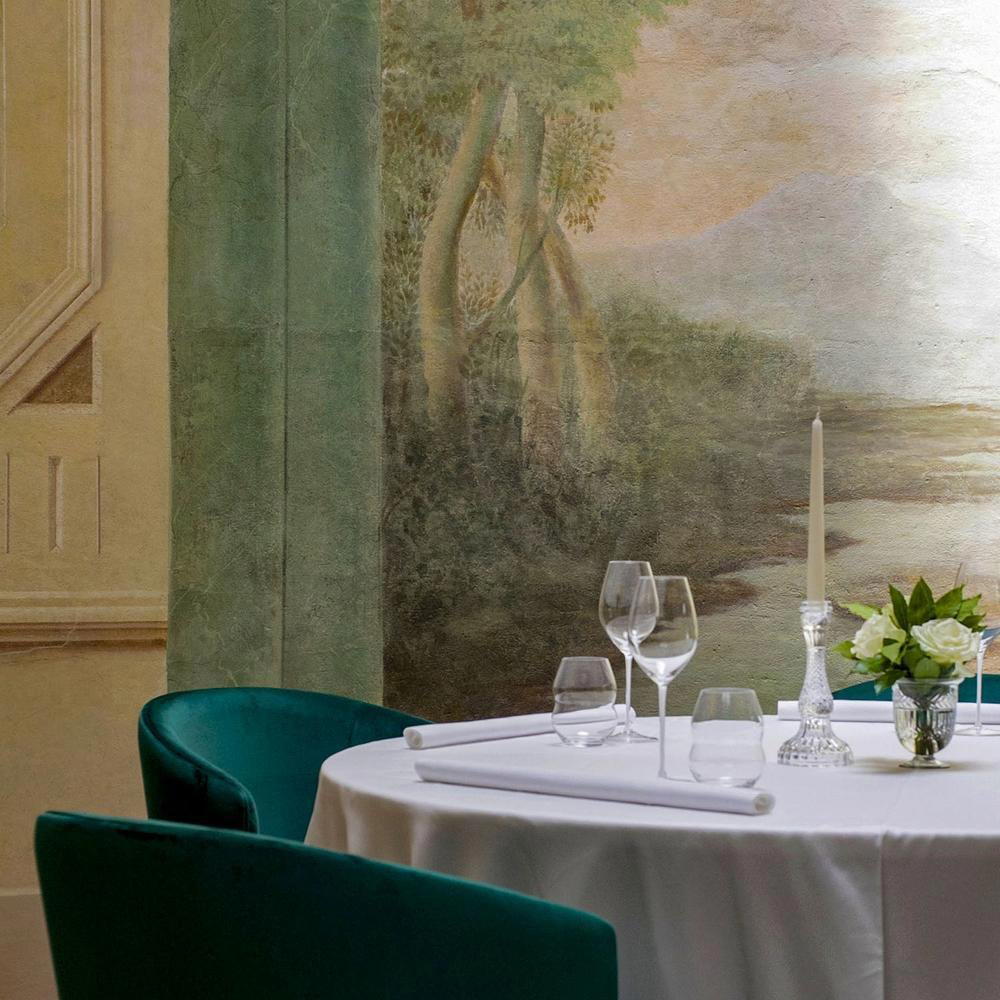
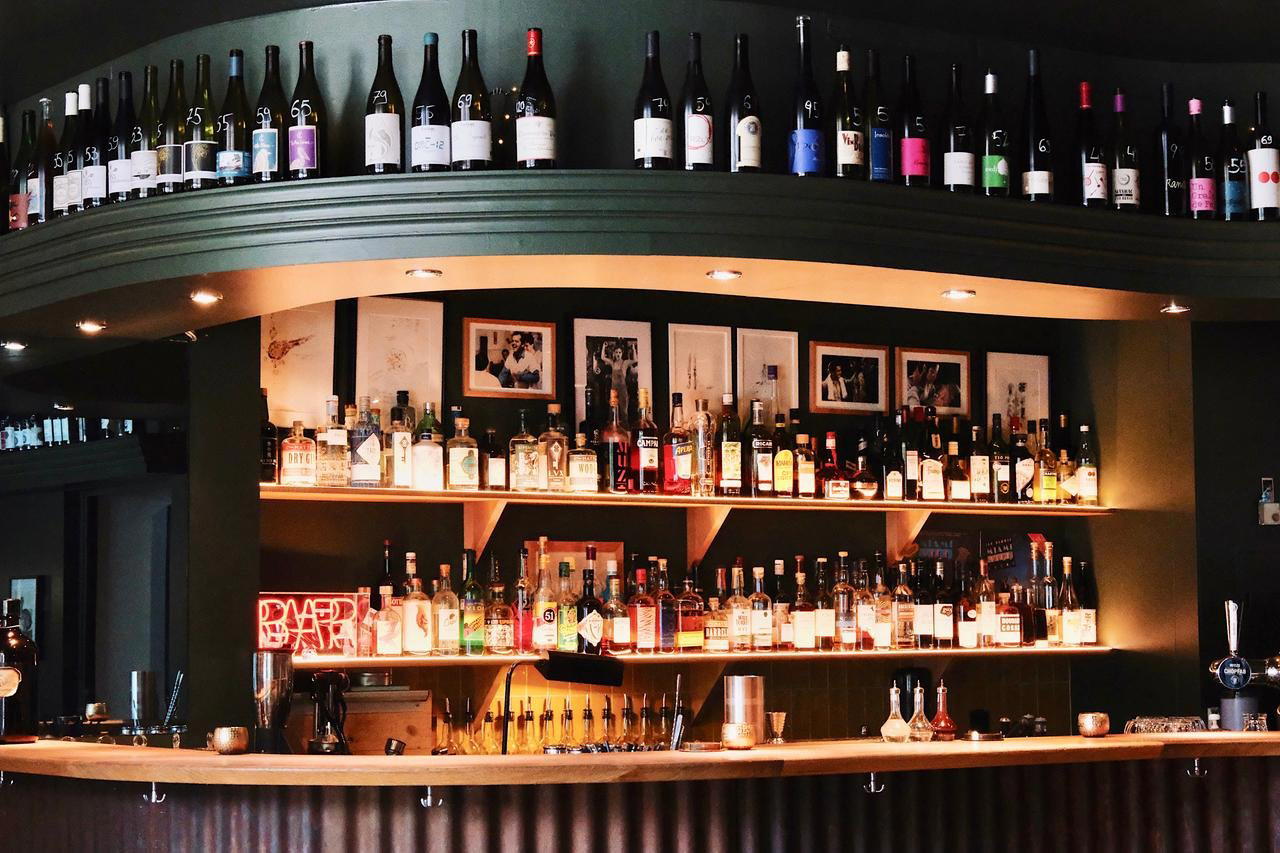
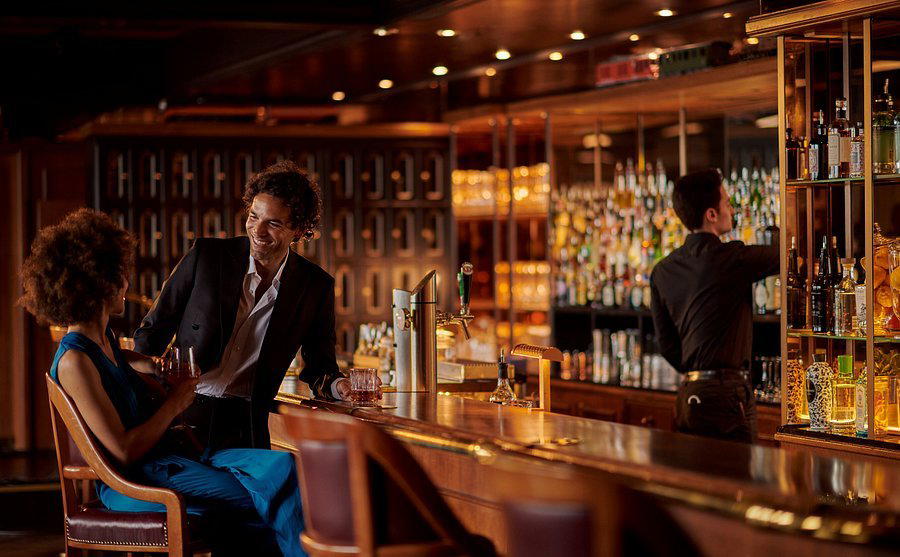
Bars in Charmey
Browse all →
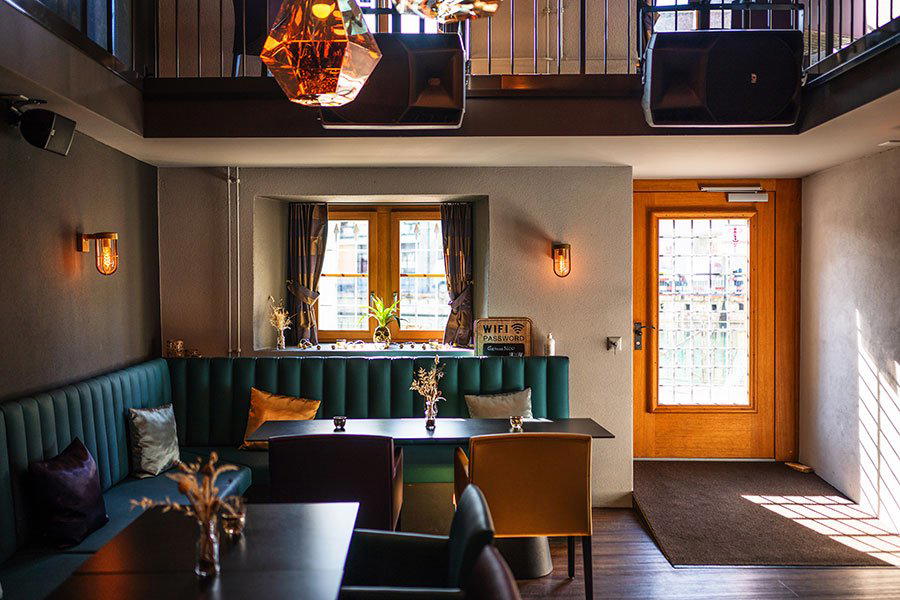
Hotels in Charmey
Browse all →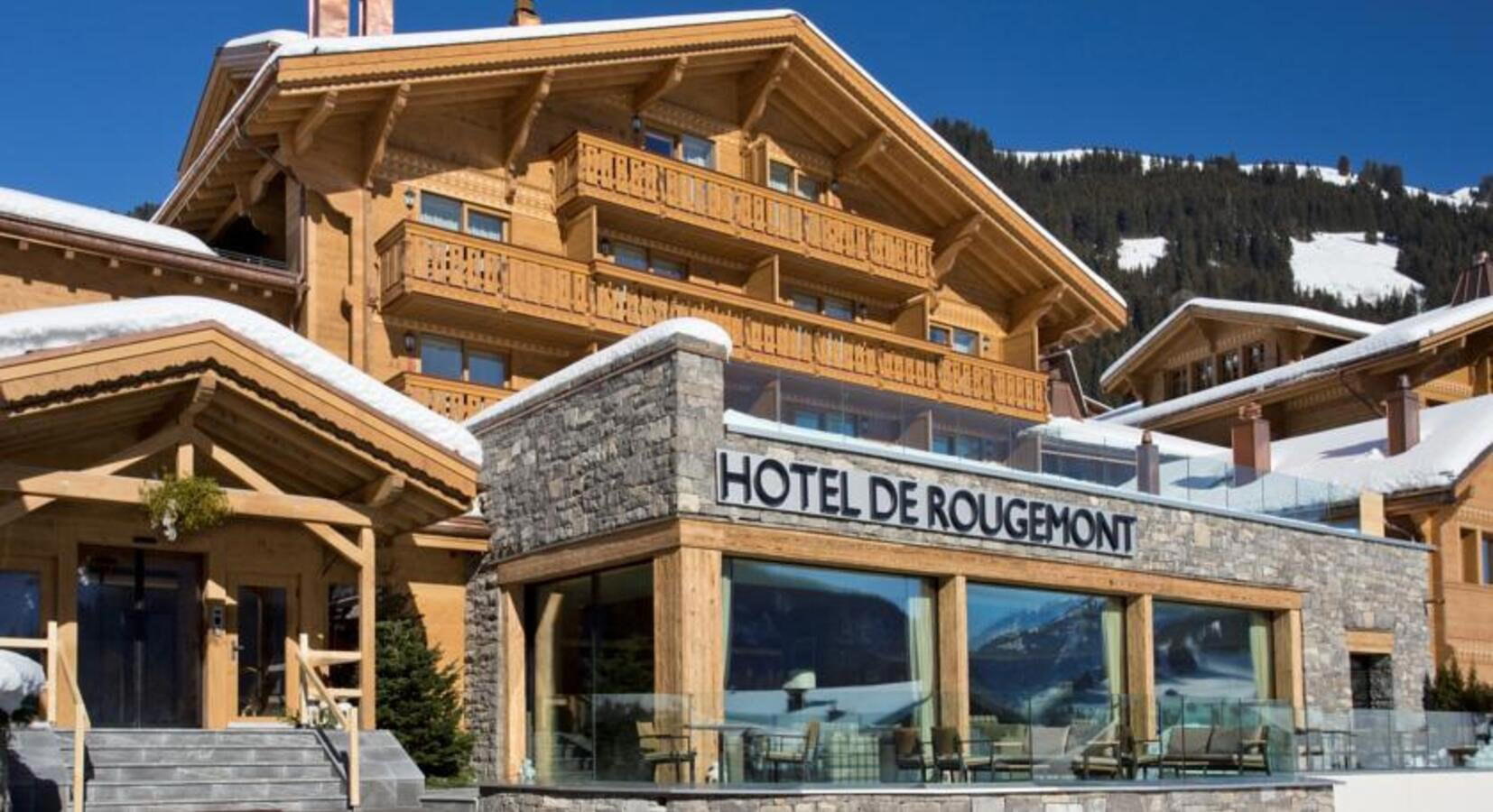
At a Glance
- Cozy
- Elegant
- Modern
- Date Night
- Special Occasion
- Hotel Restaurant
- Extensive Wine List
- Local Sourcing
Current opening hours
- Monday
- Closed
- Tuesday
- Closed
- Wednesday
- 6:30–11 PM
- Thursday
- 6:30–11 PM
- Friday
- 6:30–11 PM
- Saturday
- 11:30 AM–2 PM, 6:30–11 PM
- Sunday
- 6–9 PM
Hours can change for holidays and private events. Last verified .
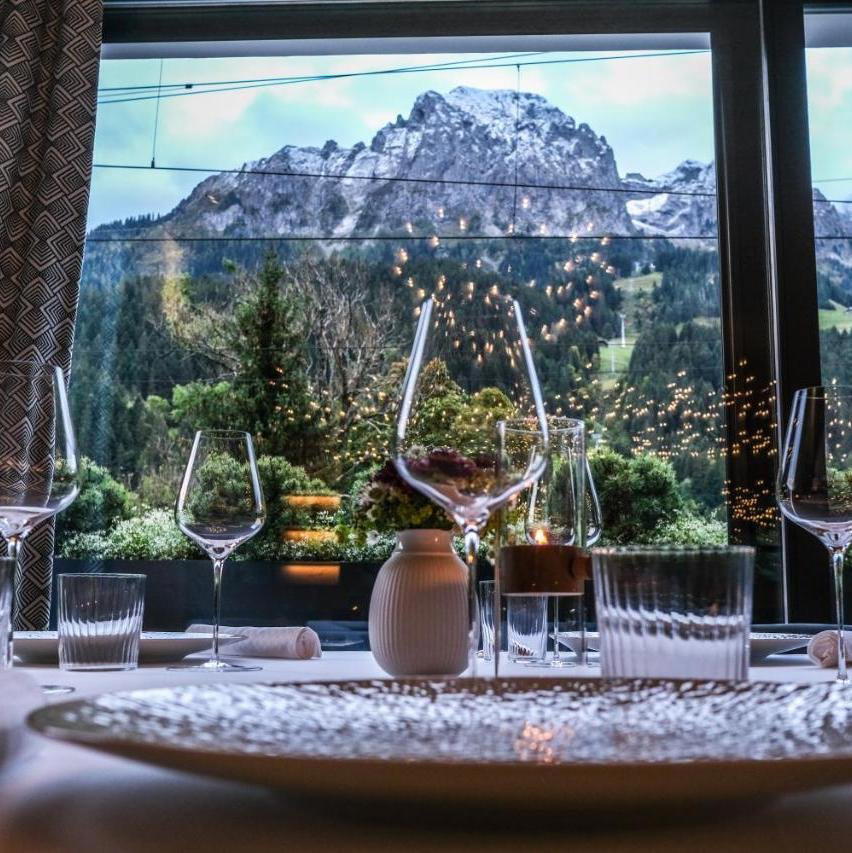
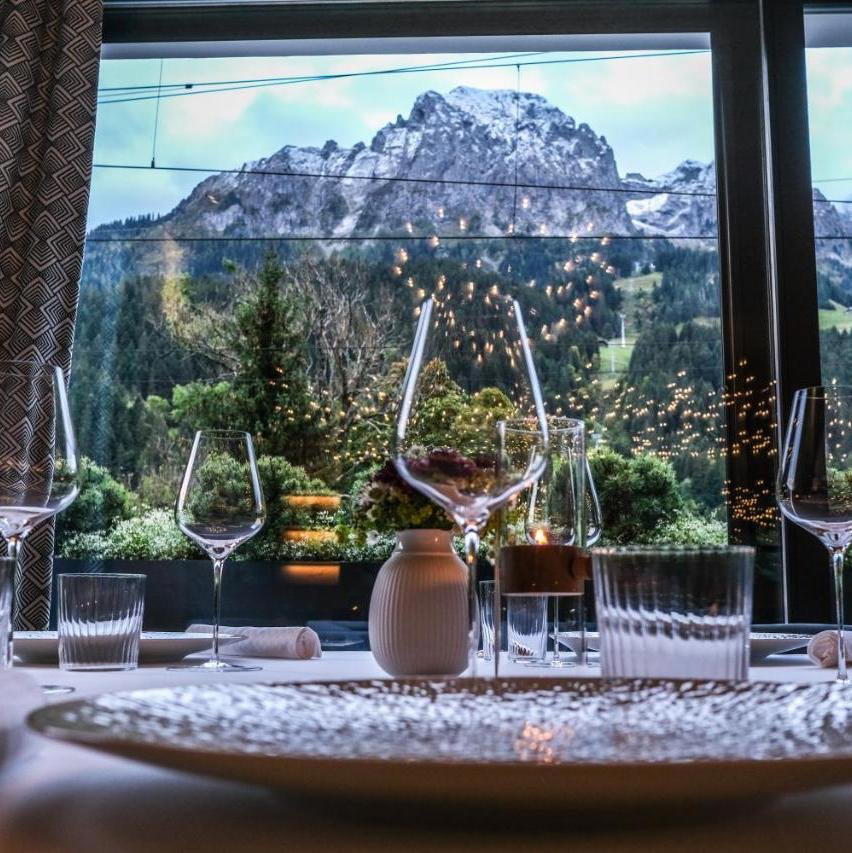
Stylish woodsy interior with light atmosphere, wooden paneling, and a cozy Swiss chalet feel that is elegant and welcoming.
Know Before You Go
- Getting there
- Rue du Ctre 21, 1637 Val-de-Charmey, Switzerland