Nostra Tavola
Nostra Tavola sits on East Mill Plain Boulevard in Vancouver, Washington, representing the kind of neighborhood Italian dining that has quietly reshaped suburban restaurant culture across the Pacific Northwest. With a name that translates to 'our table,' it signals a communal register that separates it from the white-tablecloth Italian tradition and positions it closer to the trattoria model — personal, repeatable, and rooted in the rhythms of the surrounding community.
Pearl is the En Primeur Club membership app — saves, bookings, and concierge access live there. Same editors, same standards.
- Address
- 8070 E Mill Plain Blvd, Vancouver, WA 98664
- Phone
- +13604339315
- Website
- nostratavola.com
- Directions
- Get directions
 Saves & bookings on Pearl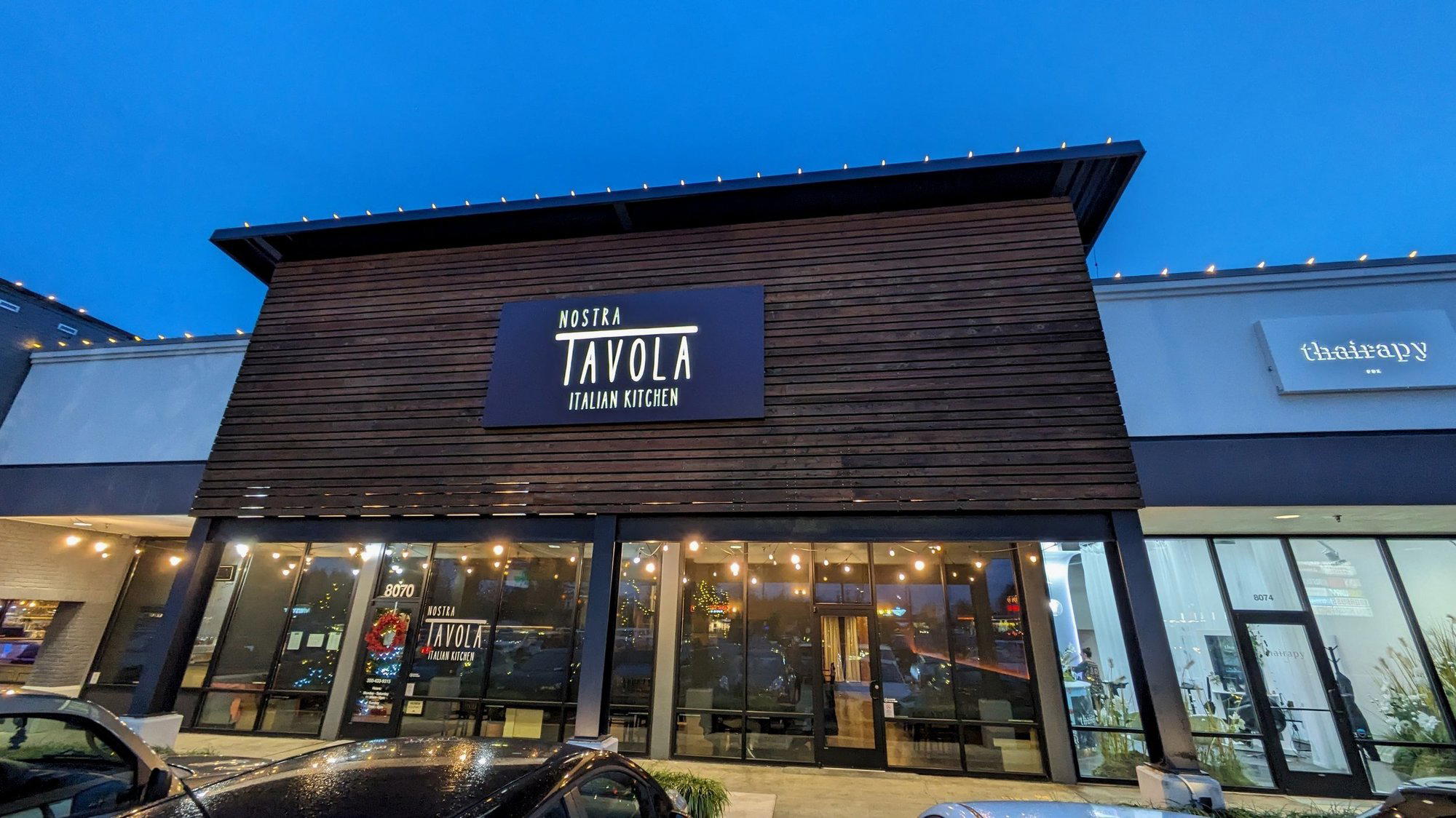
Suburban Italian, Reconsidered
Vancouver, Washington occupies an interesting position in Pacific Northwest dining. Separated from Portland by the Columbia River and from the more internationally scrutinized restaurant scene of Vancouver, British Columbia by several hundred miles, it operates as a mid-sized American city with its own dining culture — one that has grown considerably more sophisticated over the past decade as the region's population and disposable income have both risen. Within that context, Italian restaurants have played an outsized role, partly because the format travels well: it accommodates families, business dinners, and date nights with equal ease, and it carries enough culinary weight to satisfy diners who want something beyond chain dining without requiring the commitment of a tasting menu.
Nostra Tavola, at 8070 East Mill Plain Boulevard, sits within that evolution. The name itself is instructive — 'our table' in Italian, and it signals an approach to hospitality that is more communal than ceremonial, more neighborhood-oriented than destination-seeking. That positioning has become increasingly common in American cities of Vancouver's scale, where the most durable restaurants tend to be those that anchor themselves to a regular local clientele rather than chasing transient dining tourism.
The Trattoria Model and Its American Variants
Understanding where Nostra Tavola fits requires some broader context about how Italian dining has evolved in American suburban markets. Through the 1980s and 1990s, Italian-American restaurants often defaulted to one of two formats: the red-sauce family diner or the white-tablecloth fine dining room that served pasta as a vehicle for luxury ingredients. The 2000s introduced a third register, the osteria and trattoria model, borrowed from the Italian tradition of informal, wine-forward neighborhood dining, and this format has proven the most resilient in markets that aren't major metropolitan centers.
The trattoria register works in suburban America because it doesn't require the critical mass of foot traffic that a high-end tasting-menu format demands, and it doesn't rely on tourist volume the way that landmark fine dining institutions often do. Instead, it builds through repetition: regulars who come weekly for pasta and a carafe of wine, private parties that book the back room for birthdays, and a lunch trade that keeps the kitchen running efficiently across the full day. This is the commercial logic that underpins restaurants like Nostra Tavola, and it's a model that has proven considerably more stable than the high-concept pivot-and-reinvent cycle that has troubled many ambitious suburban openings.
For comparison, consider what happens when suburban markets attempt to replicate the ambition of places like Lazy Bear in San Francisco, Alinea in Chicago, or Blue Hill at Stone Barns in Tarrytown. Those formats depend on metropolitan critical infrastructure, food media, a deep pool of dining-out professionals, proximity to ingredient networks, that smaller cities rarely possess in the same density. The smarter play, in markets like Vancouver, Washington, is to build within the trattoria tradition rather than against it.
How the Format Has Shifted Over Time
The editorial angle that matters most when discussing a restaurant like Nostra Tavola is not its founding story but its trajectory within a changing local market. Vancouver, Washington has undergone meaningful demographic change over the past fifteen years, with population growth, an influx of Portland-adjacent professionals seeking lower housing costs, and a corresponding rise in dining expectations. Restaurants that opened in the early 2010s as direct casual Italian operations have faced a choice: evolve toward more ingredient-conscious, regionally sourced menus, or risk being outpaced by newcomers who arrive with that positioning already built in.
Across the Pacific Northwest, this evolution has taken several forms. Some Italian restaurants have deepened their wine programs, moving toward Italian regional varieties, Vermentino from Sardinia, Nerello Mascalese from Sicily, Timorasso from Piedmont, that signal seriousness without requiring a full sommelier infrastructure. Others have tightened their pasta production, moving from commercial dried pasta to in-house fresh, a change that is immediately legible to experienced diners even if it rarely appears in the marketing. A smaller cohort has narrowed its menu deliberately, trading breadth for depth in a way that reflects the modern trattoria approach rather than the old-school Italian-American abundance model.
These shifts mirror patterns visible in more scrutinized markets. At AnnaLena and Barbara in Vancouver, BC, for instance, contemporary formats have raised the baseline expectation for what a serious neighborhood restaurant should offer. Even in the Washington-state Vancouver market, diners increasingly arrive with reference points shaped by travel, food media, and the growing sophistication of Portland's restaurant culture directly across the river.
Placing Nostra Tavola in Its Competitive Set
East Mill Plain Boulevard is not a dining destination street in the way that Gastown or Chinatown function for Vancouver, BC, or the way that Southeast Portland's Division Street has become a legitimate food corridor. It is a commercial arterial road, and the restaurants that succeed on streets like this tend to do so through consistency and community ties rather than through critical acclaim or destination dining traffic. That is not a diminishment, it is a different kind of success, and arguably a harder one to sustain over time.
It does not compete with The French Laundry in Napa, Providence in Los Angeles, or Le Bernardin in New York City. Its competition is local, the Italian-American restaurants and contemporary casual spots that serve the same East Vancouver residential catchment and that are fighting for the same Tuesday-night regular and the same Friday-night table for four.
Within Vancouver, BC's more internationally recognized dining scene, the Italian category is contested at the higher end by restaurants with strong wine programs and chef pedigrees. Kissa Tanto and Masayoshi represent the kind of format discipline and critical recognition that define the upper tier of that market. iDen and QuanJuDe Beijing Duck House shows how a specific culinary tradition, executed with rigor, can carve a distinct position. Nostra Tavola operates in a different register, more accessible, more neighborhood-oriented, and that positioning has its own merits for a different kind of dining occasion. For anyone planning a broader trip through the region, our full Vancouver restaurants guide maps the scene across price points and formats.
Planning Your Visit
Nostra Tavola is located at 8070 East Mill Plain Boulevard in Vancouver, Washington, accessible by car from downtown Vancouver in under fifteen minutes, and from Portland's west side in roughly twenty to twenty-five minutes depending on bridge traffic. As with most neighborhood restaurants in this format, the practical advice is to call ahead or check current availability before arriving; Italian restaurants at the neighborhood end of the market often run at higher weekend occupancy than their casual positioning might suggest, and a Friday or Saturday walk-in can be slower to seat than expected. Midweek visits typically offer more flexibility and, in many kitchens of this type, a more focused service environment when covers are lower.
Continue exploring
More in Vancouver
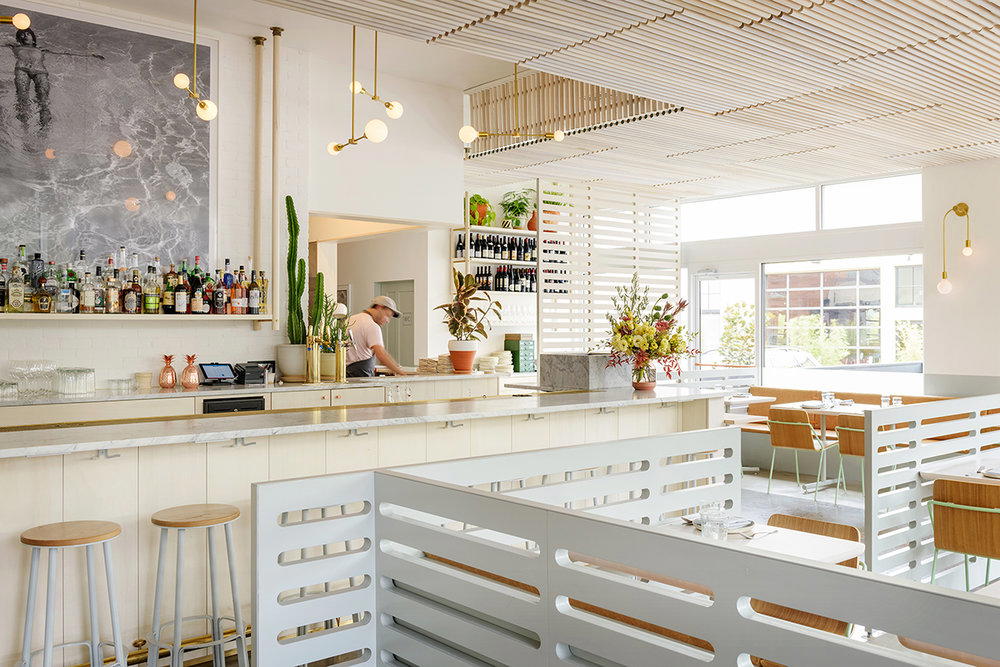
Restaurants in Vancouver
Browse all →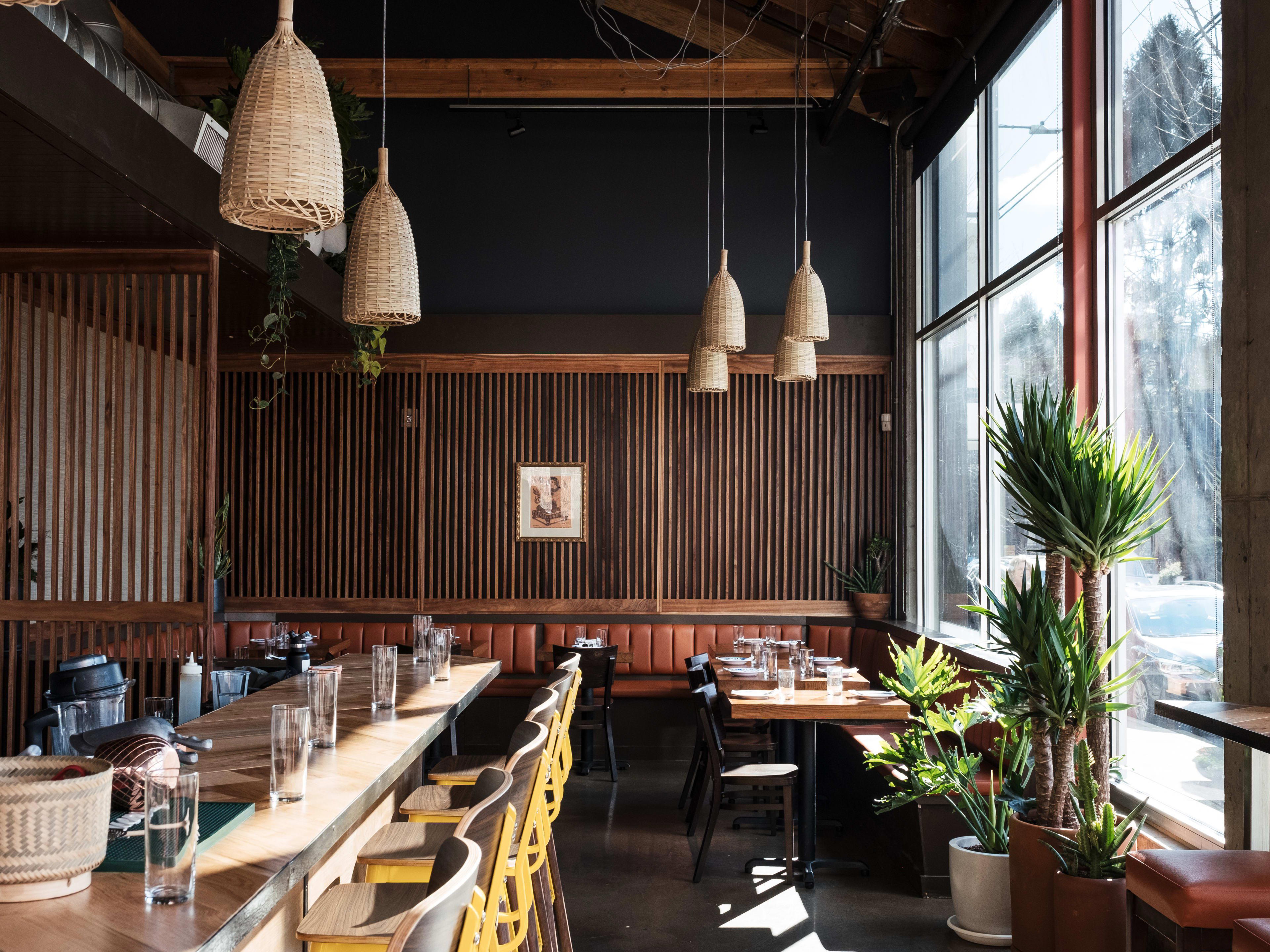
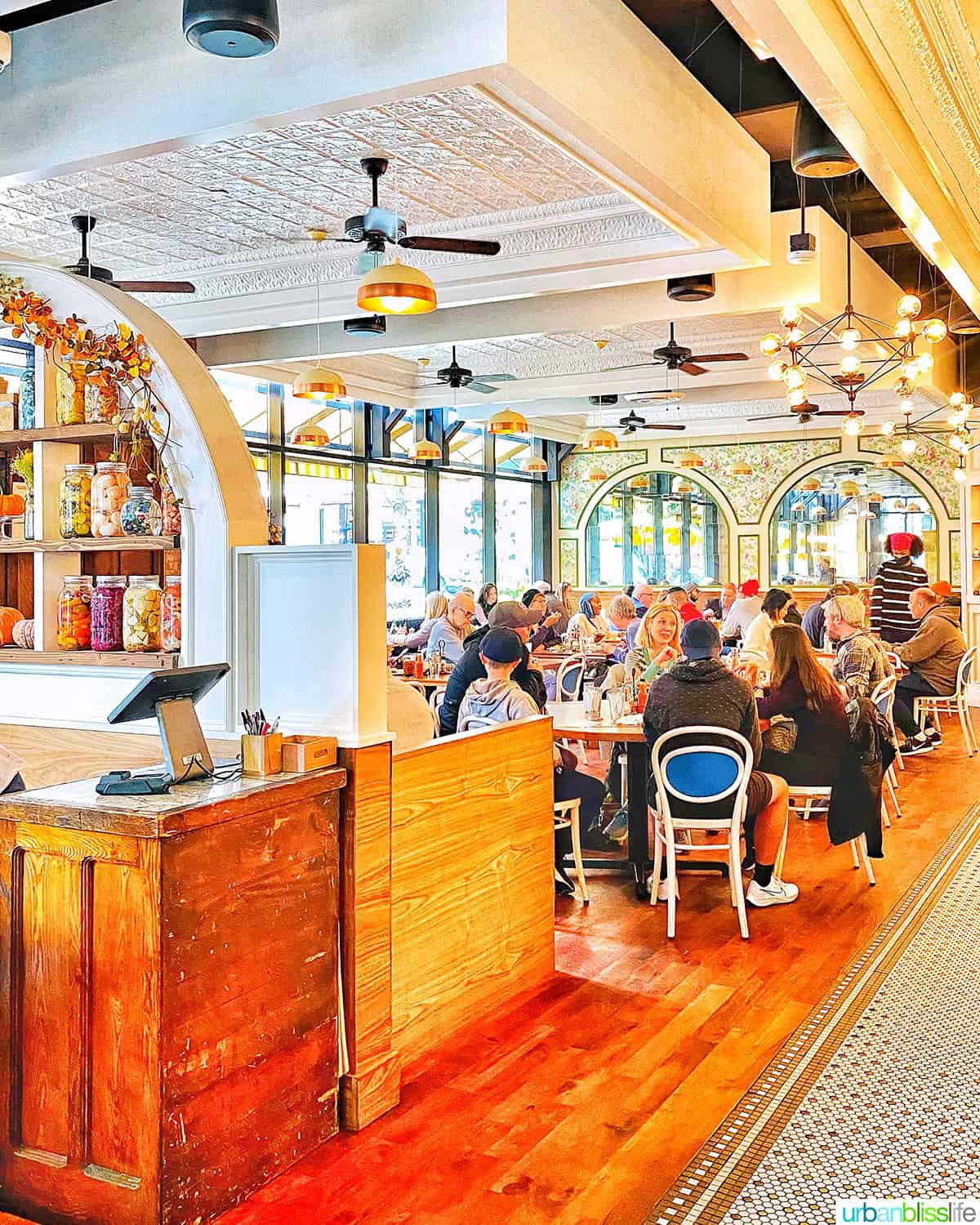
Bars in Vancouver
Browse all →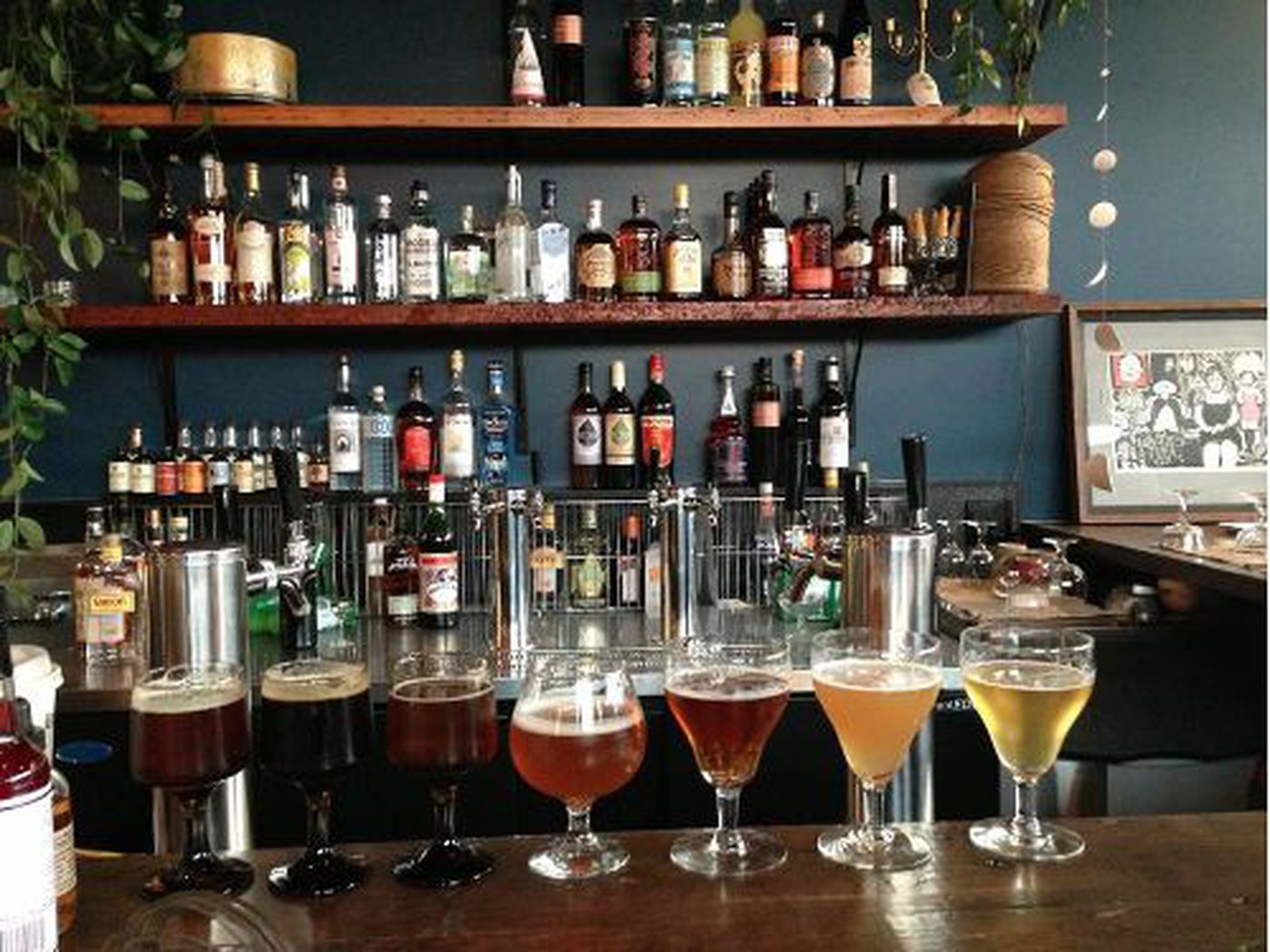
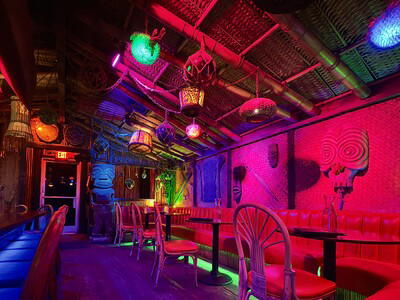
Hotels in Vancouver
Browse all →
At a Glance
- Romantic
- Modern
- Elegant
- Cozy
- Date Night
- Group Dining
- Family
- Casual Hangout
- Celebration
- Open Kitchen
- Standalone
- Extensive Wine List
- Craft Cocktails
Current opening hours
- Monday
- 11:30 AM–9 PM
- Tuesday
- 11:30 AM–9 PM
- Wednesday
- 11:30 AM–9 PM
- Thursday
- 11:30 AM–9 PM
- Friday
- 11:30 AM–9 PM
- Saturday
- 11:30 AM–9 PM
- Sunday
- 11:30 AM–8 PM
Hours can change for holidays and private events. Last verified .
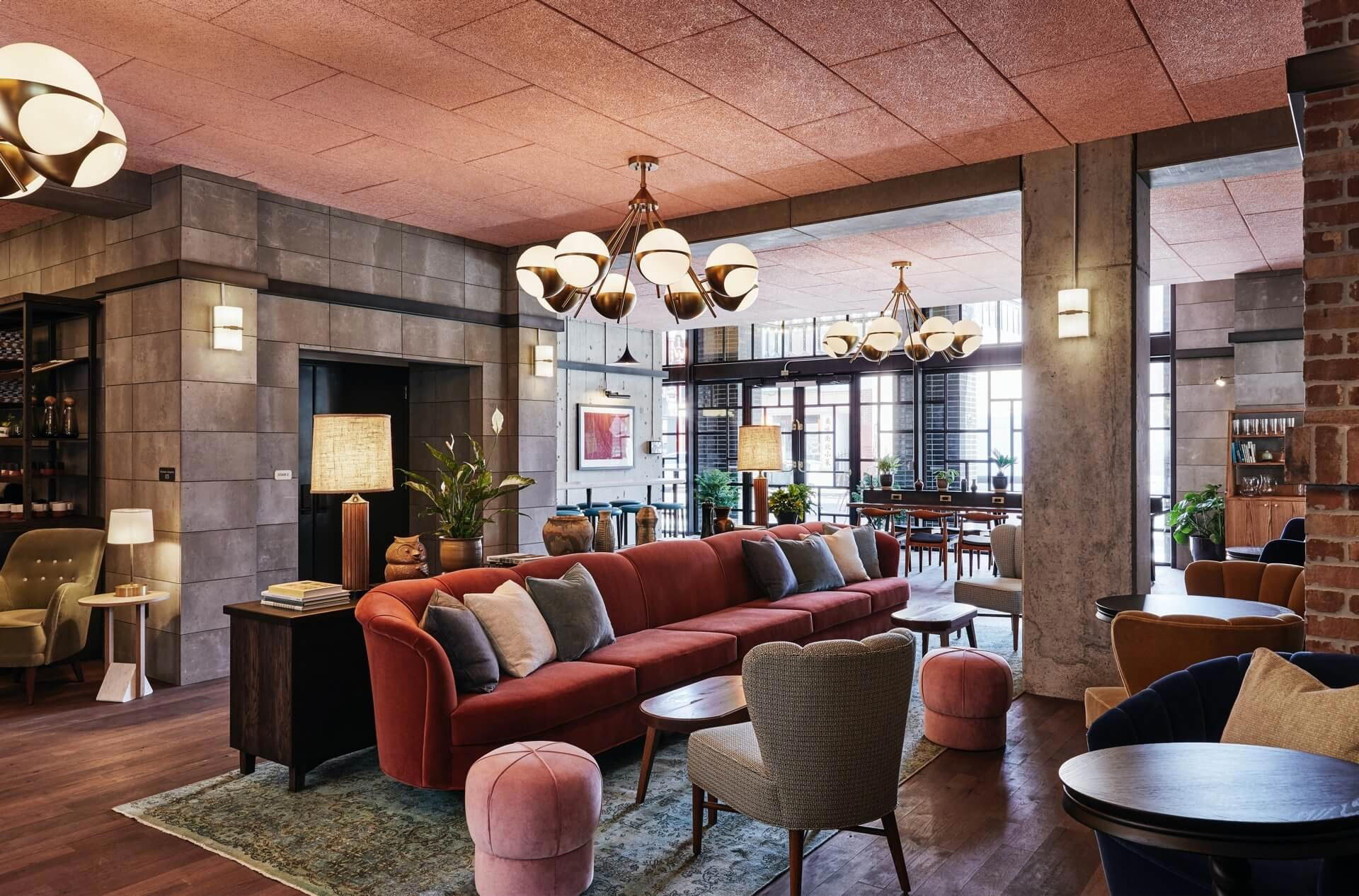
Darker, high-ceilinged room with modern trattoria vibes created through stained wood, painted walls, and contemporary touches; romantic yet welcoming atmosphere with good lighting for dining.
Know Before You Go
- Getting there
- 8070 E Mill Plain Blvd, Vancouver, WA 98664