Hapa Pizza

50 Top Pizza USA #46
Our verdict
Hapa Pizza brings Neapolitan technique into direct conversation with Asian flavor traditions, operating out of Beaverton, Oregon as a family-owned shop on SW Broadway Street. The kitchen applies traditional pizza craft from Naples to ingredients and profiles rooted in Asian cuisine, producing a fusion format that sits in a small but growing niche within the Pacific Northwest food scene.

Pearl is the En Primeur Club membership app — saves, bookings, and concierge access live there. Same editors, same standards.
- Address
- 12755 SW Broadway St, Beaverton, OR 97005
- Phone
- (503) 919-7558
- Hours
- Mon ClosedTue–Sun 11:30 AM–2 PM, 4–8 PM
- Website
- hapapizza.com
- Directions
- Get directions
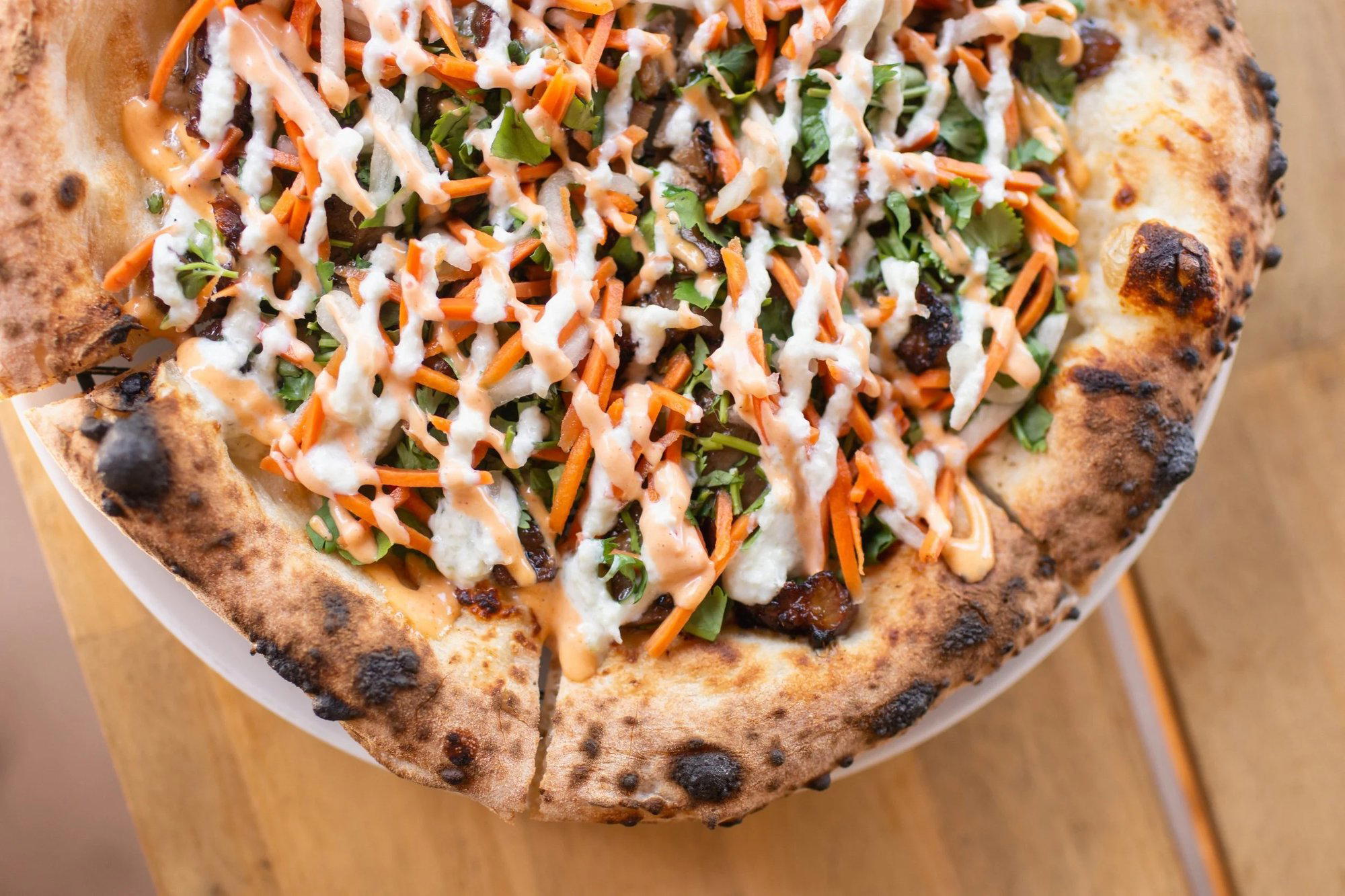
The menu
What to order
- Pho pizza
- Banh mi pizza
- Thai green curry pizza
Where Naples Meets the Pacific Rim
Beaverton's dining scene has always punched above its weight relative to its status as a Portland suburb, shaped in part by one of the most ethnically diverse populations in Oregon. That demographic reality has produced a restaurant corridor along SW Broadway that reflects the city's makeup more honestly than most American suburbs manage. It is in this context that Hapa Pizza operates, occupying a position that makes specific sense here and fewer places elsewhere. The word "hapa" carries Hawaiian and broader Pacific meaning, commonly used to describe mixed heritage, and that framing is the operational premise of the restaurant: Neapolitan pizza craft applied to Asian pantry ingredients, by a family that has made the cross-cultural logic personal rather than merely commercial.
Fusion cuisine as a category has a complicated track record. At the high end, kitchens like Atomix in New York City have shown what happens when two culinary traditions are treated with equal rigor, producing genuinely new cuisine rather than novelty. At the casual end, the fusion label has often been a cover for imprecision. Hapa Pizza's premise is more specific than the generic category implies: it is not vaguely "Asian-influenced" but applies identifiable Asian flavor profiles to a Neapolitan base that demands discipline in its own right. Neapolitan pizza, in its traditional form, is one of the more technically demanding styles in casual dining, requiring high-heat wood or gas firing, precise dough hydration, and restraint in topping. The tension between that restraint and the bolder, often more layered flavor logic of Asian cuisines is where the kitchen's work happens.
Ingredient Logic and Source Traditions
The editorial angle most useful for understanding a concept like Hapa Pizza is ingredient sourcing: where does the food come from, and how do two distinct sourcing traditions coexist on a single crust? Neapolitan pizza draws from a narrow, historically specified pantry: San Marzano tomatoes, fior di latte or buffalo mozzarella, tipo 00 flour, and a small selection of Italian charcuterie. Asian cuisines, by contrast, span an enormous range of fermented pastes, aromatics, pickles, cured proteins, and chili preparations. The task in a kitchen like this is not simply layering one on top of the other but finding where the flavor structures align.
That kind of cross-pantry translation has become a more visible practice across American restaurants over the past decade. Kitchens from Lazy Bear in San Francisco to Blue Hill at Stone Barns in Tarrytown have each, in different registers, pushed the question of where ingredients originate and why that origin shapes the dish. In a family-owned casual format, the sourcing question operates differently: the relevant question is which Asian flavor traditions the family draws from, how those ingredients are sourced in the Pacific Northwest context, and whether the Neapolitan base is treated with its own sourcing standards or simplified for accessibility. Oregon provides a useful backdrop here, with a food culture that has long prioritized local sourcing across price tiers, meaning that even casual restaurants in Beaverton operate inside an ingredient conversation that carries regional weight.
The Pacific Northwest Fusion Niche
Oregon's position on the Pacific Rim gives Asian-influenced cooking a geographic logic that it carries less naturally in other American regions. Portland and its suburbs have large Vietnamese, Korean, Japanese, and Chinese communities whose culinary presence shapes the sourcing environment, the customer palate, and the competitive set. In that context, a restaurant applying Asian flavor logic to Italian-origin food is not working in isolation but drawing from an ingredient ecosystem that is genuinely present in Beaverton. Korean gochujang, Japanese miso, Southeast Asian fish sauce, and similar fermented or umami-forward components are available at the specialty retail level throughout the metro area, reducing the sourcing gap that might compromise the concept elsewhere.
The comparison set for a concept like this is not the fine dining tier, where Le Bernardin in New York City or Alinea in Chicago operate with sourcing as a high-cost, high-documentation practice. It is instead the category of family-owned casual restaurants that bring genuine culinary knowledge to a format that other operators treat as commodity. That is a smaller and more interesting niche than it sounds. Across the country, the restaurants that hold that position, backed by real culinary tradition rather than trend-chasing, tend to develop loyal local followings that sustain them through market shifts that take down trendier concepts. For context on what premium casual formats look like at their most developed, Addison in San Diego and Providence in Los Angeles illustrate the ceiling of the Southern California version; Hapa Pizza operates at a different price point and scale, but the underlying logic of treating a cuisine concept with seriousness rather than shorthand is shared.
Beaverton as a Dining Address
Beaverton has historically been overlooked in Pacific Northwest food writing, which tends to concentrate on Portland's inner eastside or the Willamette Valley wine corridor. That oversight does not reflect the dining reality on the ground. The city's diversity and its suburban density support a restaurant culture that covers more ground than the Portland-centric narrative acknowledges. SW Broadway Street, where Hapa Pizza is located at 12755, sits within reach of the main commercial corridor and draws from the surrounding residential density that gives family-owned restaurants their most reliable customer base: people who return weekly rather than occasion visitors.
For visitors already planning a Beaverton trip, the restaurant sits within a food and drink context worth mapping in advance. Our full Beaverton restaurants guide covers the broader dining picture; our Beaverton bars guide addresses what to do before or after; our Beaverton hotels guide handles the accommodation question; and our Beaverton wineries guide and experiences guide round out the planning picture for anyone spending more than a meal in the city.
Planning Your Visit
Hapa Pizza operates as a family-owned casual restaurant, which places it in a category where weekday visits tend to be more relaxed than weekend evenings, when suburban dining traffic concentrates. The SW Broadway address is accessible by car from central Beaverton and from the broader Portland metro. Current hours, contact details, and any booking options are best confirmed directly, as family operations at this scale typically update those details through their own channels rather than third-party platforms.
Frequently asked questions
Can I bring kids to Hapa Pizza?
Hapa Pizza is a family-owned casual restaurant on SW Broadway in Beaverton, a suburb whose dining culture is oriented around families rather than late-night destination crowds. The format — pizza at an accessible price point in a neighborhood setting — is well suited to younger diners. Nothing in the restaurant's premise or positioning suggests otherwise.
What is the atmosphere like at Hapa Pizza?
The setting on SW Broadway reflects Beaverton's neighborhood dining character: casual, family-run, and without the performance-level production of a destination restaurant. Think counter-order or table-service pizza shop rather than a plated tasting environment. The draw is the food concept — Asian fusion Neapolitan pizza from a family operation — not the room itself.
Is Hapa Pizza Michelin-listed?
Hapa Pizza has received recognition including: Hapa Pizza is a family-owned restaurant that combines the flavors of Asian cuisine with traditional pizzacraft from Naples, Italy, creating unique Asian fusion Neapolitan pizzas..
What's the best thing to order at Hapa Pizza?
The restaurant's defining premise is the Asian fusion Neapolitan pizza, and that is where attention belongs. Hapa Pizza built its identity specifically around applying Neapolitan craft to Asian flavor traditions, so the pizzas are the throughline. Any other items on the menu should be understood as supporting that central concept.
Where is Hapa Pizza located?
Hapa Pizza is located at 12755 SW Broadway St, Beaverton, OR 97005, Beaverton.
How far ahead should I plan for Hapa Pizza?
As a family-owned casual pizza restaurant in a suburban Beaverton setting, same-day visits or walk-ins are the typical model. Weekend evenings at well-regarded neighborhood spots in the Portland metro area can fill quickly, so arriving early or calling ahead on busy nights is a reasonable precaution.
What has Hapa Pizza built its reputation on?
Hapa Pizza's reputation rests on a specific and deliberate premise: Neapolitan pizza technique fused with Asian culinary traditions, operated as a family-owned restaurant in Beaverton. That combination is genuinely uncommon in the suburban Portland dining market, where the two traditions are rarely brought together under one roof with this level of conceptual focus.
At-a-Glance Comparison
| Venue | Cuisine | Price | Awards | Notes |
|---|---|---|---|---|
| Hapa PizzaThis venue — the venue you are viewing | Asian Fusion Neapolitan Pizza | $20–30 | 50 Top Pizza USA #46 | Not listed |
| Le Bernardin | French Seafood Fine Dining | $300–500 | 3 Michelin Stars · World's 50 Best #13 | French, Seafood |
| Atomix | Modern Korean Tasting Menu | $300–500 | 2 Michelin Stars · World's 50 Best #7 | Modern Korean, Korean |
| Lazy Bear | Modern American Tasting Menu | Not listed | 2 Michelin Stars · World's 50 Best #25 | Progressive American, Contemporary |
| Alinea | Avant-Garde Molecular Gastronomy | $300–500 | 2 Michelin Stars · World's 50 Best #37 | Progressive American, Creative |
| Masa | Seasonal Hokkaido Tempura Omakase | $150–200 | Tabelog 100 #34 | Sushi, Japanese |
Recognition history
Dated appearances from independent guides and award organizations, with the underlying list record or original source where available.
50 Top Pizza USA #46
50 Top Pizza
Full recognition history (2 entries)
50 Top Pizza USA #47
50 Top Pizza
Continue exploring
More in Beaverton
Restaurants in Beaverton
Browse all →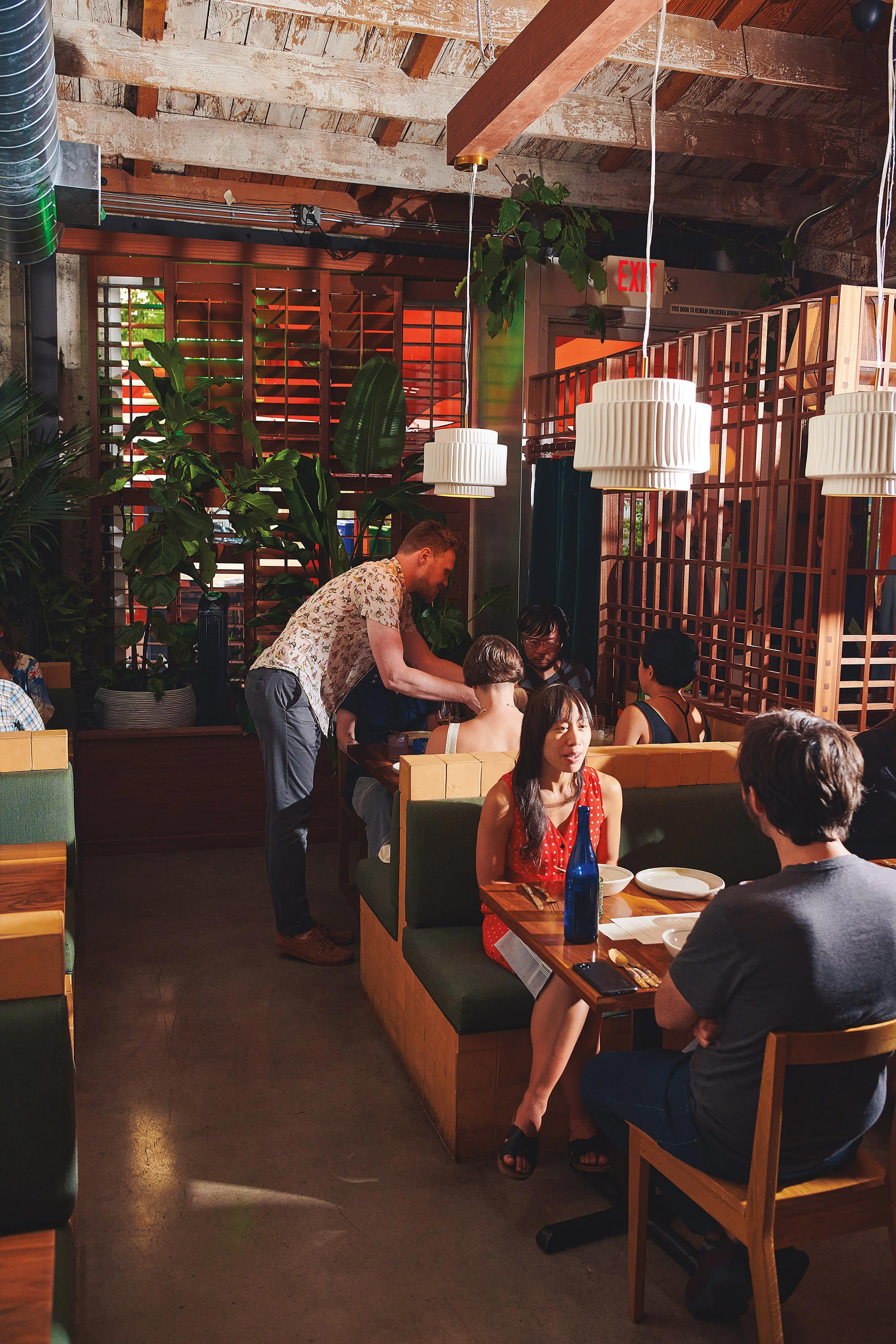
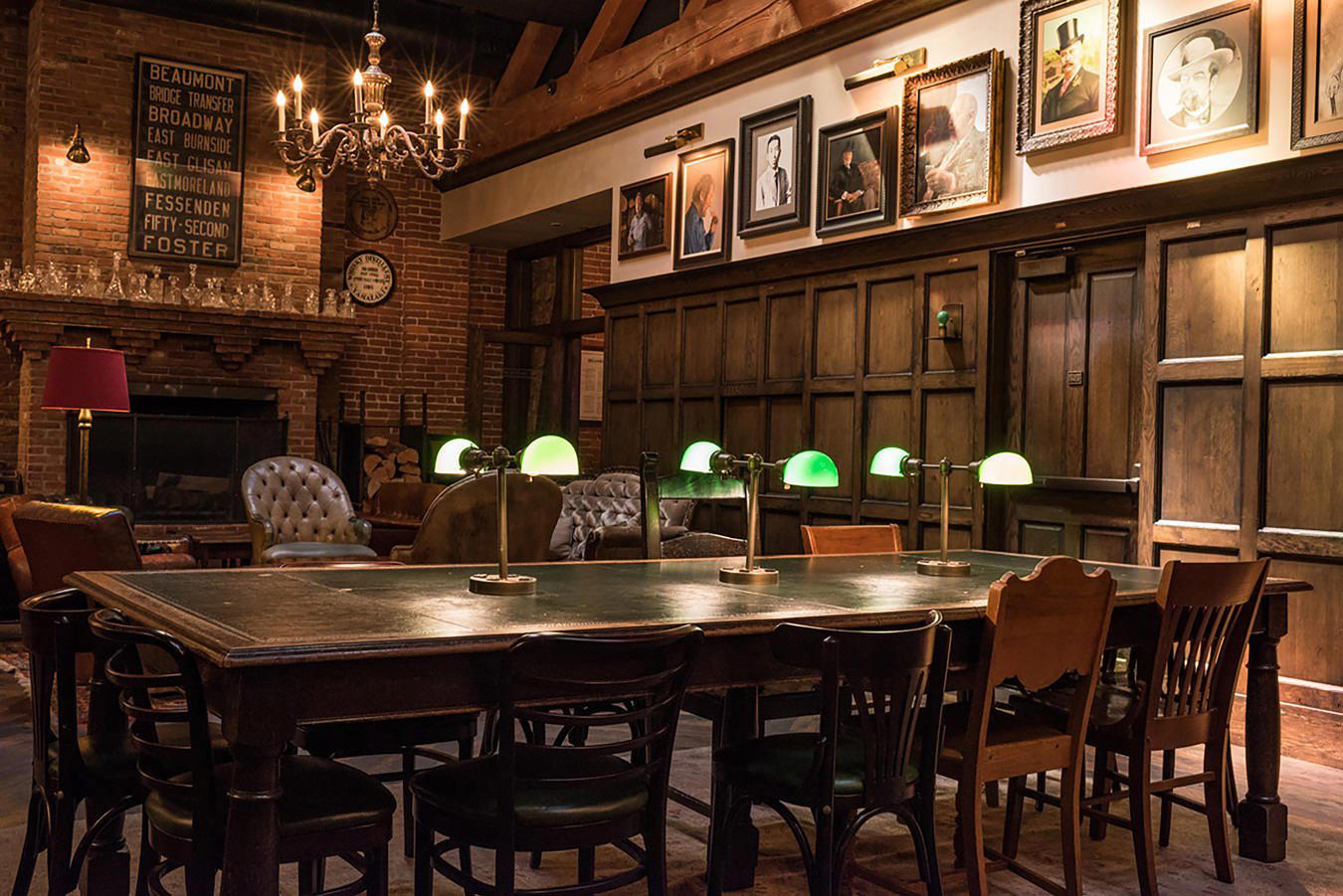
Bars in Beaverton
Browse all →
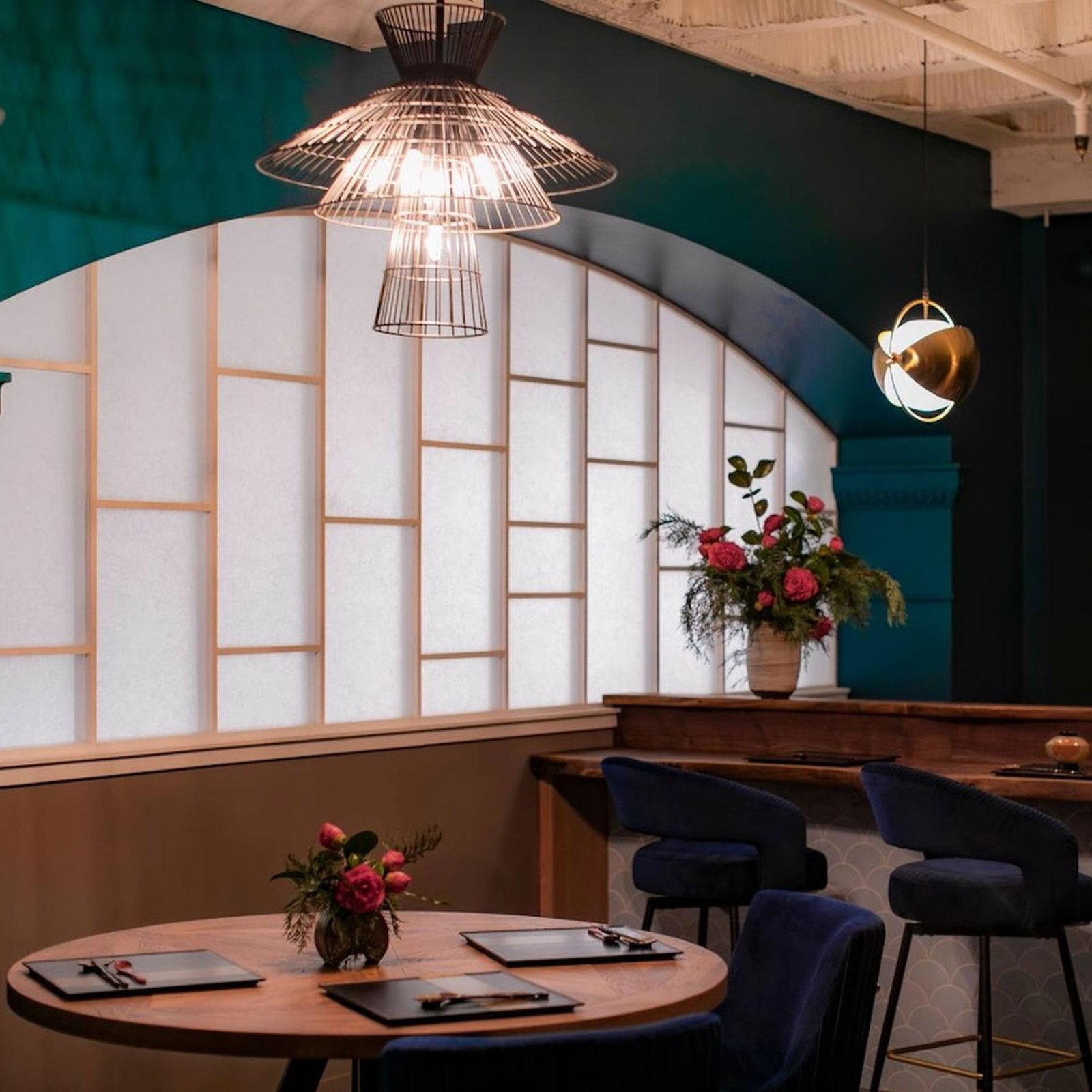
Hotels in Beaverton
Browse all →



Details
- Trendy
- Modern
- Cozy
- Casual Hangout
- Open Kitchen
- A La Carte
Current opening hours
- Monday
- Closed
- Tuesday
- 11:30 AM–2 PM, 4–8 PM
- Wednesday
- 11:30 AM–2 PM, 4–8 PM
- Thursday
- 11:30 AM–2 PM, 4–8 PM
- Friday
- 11:30 AM–2 PM, 4–8 PM
- Saturday
- 11:30 AM–2 PM, 4–8 PM
- Sunday
- 11:30 AM–2 PM, 4–8 PM
Hours can change for holidays and private events. Last verified .
Efficient, welcoming atmosphere with carefully selected service in a small, fast-moving operation.