Norma

Norma sits on Charlotte Street in Fitzrovia, where London's Italian restaurant tier has grown increasingly stratified. Holding a 2025 Michelin Plate, it operates across three formats, a seven-course tasting menu, à la carte, and a seasonally rotating weekly menu, with a wine list weighted toward Portuguese producers.
Pearl is the En Primeur Club membership app — saves, bookings, and concierge access live there. Same editors, same standards.
- Address
- 8 Charlotte St., London W1T 2LS, United Kingdom
- Phone
- +44 20 3995 6224
- Website
- normalondon.com
- Directions
- Get directions
 Saves & bookings on Pearl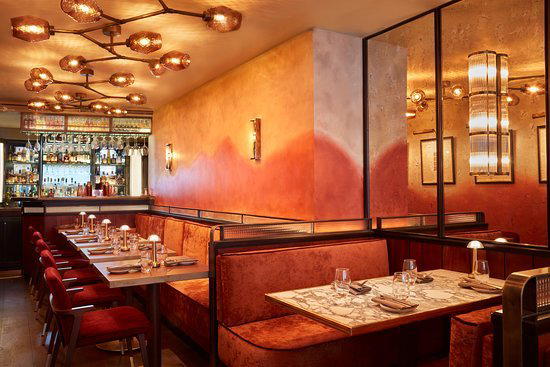
Charlotte Street and the Italian Dining Tier It Belongs To
Norma is a Modern Sicilian Italian restaurant in Fitzrovia, London, at 8 Charlotte St. with a £££ price tier and a Michelin Plate recognition in the 2025 guide. Fitzrovia's restaurant corridor along Charlotte Street has, over the past decade, moved well beyond its older identity as a media-lunch district. The street now holds a cross-section of London's mid-to-upper dining market, with Italian kitchens in particular occupying multiple price points and format philosophies. At the structured end of that spectrum, a Michelin Plate recognition, awarded by the 2025 guide, signals technical consistency without the full star apparatus. That is the tier Luca and Bancone also operate within, though each with a distinct format logic. Norma at 8 Charlotte Street sits in this bracket, running a three-track menu structure that positions it toward the considered-occasion end of the market rather than the casual drop-in segment.
London's Italian dining scene has fractured productively. The trattorias-with-ambition model, represented by venues like Artusi and Bocca di Lupo, competes with a newer wave of kitchens that apply tasting-menu discipline to Italian ingredients and technique. Norma belongs more to the latter tradition, with its seven-course tasting menu forming the structural anchor around which the à la carte and weekly formats orbit. The weekly menu, which changes each season, functions as the kitchen's most responsive channel, the format where ingredient availability and kitchen direction are most visible to a repeat visitor.
Planning a Booking: What the Format Requires
The editorial angle on Norma begins with a practical reality: the venue operates three distinct dining formats simultaneously, and understanding which one you are booking matters before you arrive. The seven-course tasting menu is one committed format, requiring both time and appetite calibration. The à la carte track offers more flexibility for guests who want selective engagement with the kitchen's output. The seasonally rotating weekly menu sits between the two, structured enough to feel purposeful, flexible enough to accommodate a shorter evening.
For a Michelin Plate restaurant in Fitzrovia, demand tends to track with the recognition.3 average reflects steady, consistent footfall rather than the spiky interest of a newly opened or recently starred venue. That score, across a meaningful sample size, suggests the kitchen delivers reliably, the distribution of reviews over time is more instructive than the number itself. Compared to the £££££ tier represented by The Fat Duck in Bray or L'Enclume in Cartmel, where bookings require planning windows of several months, the mid-tier London Italian market typically operates on shorter lead times, though weekend evenings and peak periods should still be planned two to four weeks ahead.
The price point, £££ on a five-point scale, places Norma in a range where the tasting menu format is justified by kitchen ambition rather than pure ceremony. This is not the £££££ register of CORE by Clare Smyth or Restaurant Gordon Ramsay; it is a more accessible tier where the experience is bought for cooking quality rather than production scale. That distinction matters when deciding which format to book.
The Menu Architecture and Portuguese Wine List
Tasting menu restaurants with an Italian backbone operate in an interesting conceptual tension. Italian culinary tradition is fundamentally ingredient-forward and seasonally pragmatic, which aligns well with a changing weekly format but can sit uneasily inside a fixed multi-course structure. Kitchens that manage this well, and Norma's Michelin Plate recognition suggests it does, tend to treat the tasting menu as a frame rather than a constraint, allowing seasonal adjustment within a consistent throughline.
The seven courses provide enough range to demonstrate range without tipping into the marathon formats favoured by the £££££ tier, venues like Moor Hall in Aughton or Le Manoir aux Quat' Saisons. Seven courses is a practical number: substantial enough for a full evening's commitment, manageable enough that the à la carte option can coexist without seeming like a compromise for shorter visits.
The wine list's tilt toward Portuguese producers is a deliberate editorial choice on the kitchen's part, and one that rewards attention. Portuguese wine has gained significant ground among London sommeliers over the past five years, Alentejo reds, Douro whites, and Vinho Verde beyond the mass-market export tier now feature across serious London lists. At an Italian restaurant, a Portuguese-weighted list signals that the kitchen is not simply following the path of least resistance. It creates pairing questions that a conventional Italian list avoids, and for a guest engaged with wine, that friction is interesting rather than inconvenient.
Italian restaurants abroad that engage seriously with wine, 8½ Otto e Mezzo Bombana in Hong Kong and cenci in Kyoto are useful reference points, tend to use their wine programs as a way of establishing the kitchen's range of reference. Norma's Portuguese selection functions similarly: it is a curatorial statement as much as a practical list.
Fitzrovia Context and the Neighbourhood's Restaurant Density
Charlotte Street's restaurant density makes it one of the more competitive micro-markets in central London. The proximity of several mid-tier operators means that a kitchen holding a Michelin Plate distinction occupies a visible position relative to its immediate neighbours. Archway represents a different format approach in the broader neighbourhood mix, illustrating how the W1 postcode sustains varied dining propositions within a concentrated geography.
For a visitor using the neighbourhood as a base, the surrounding density also means that pre- and post-dinner options are well within walking range.
Planning Reference: Format and Logistics at a Glance
| Venue | Cuisine | Price Tier | Format | Recognition |
|---|---|---|---|---|
| Norma | Italian | £££ | Tasting menu / à la carte / weekly | Michelin Plate 2025 |
| Luca | Italian | £££ | À la carte | Michelin recognition |
| Bocca di Lupo | Italian | £££ | À la carte / sharing | Established reputation |
| The Fat Duck | Modern British | £££££ | Set tasting menu | Michelin starred |
| Hand and Flowers, Marlow | Modern British | ££££ | À la carte | Michelin starred |
Credentials Lens
Comparable venues nearby, for context on price, style, and recognition.
| Venue | Cuisine | Price | Awards | Notes |
|---|---|---|---|---|
| NormaThis venue — the venue you are viewing | Modern Sicilian Italian | $$$ | Bib Gourmand | Not listed |
| Franco's | Classic Italian | $$$ | Michelin Plate | St. James's |
| Bocca di Lupo | Regional Italian Small Plates | $$$ | Michelin Plate | Soho |
| Petersham Nurseries Café | Seasonal Italian Trattoria | $$$ | Michelin Plate | Petersham |
| Padella | Handmade Italian Pasta | $$ | Bib Gourmand | Borough |
| Popolo | Modern Italian Small Plates | $$$ | Bib Gourmand | Shoreditch |
Recognition history
Dated appearances from independent guides and award organizations, with the underlying list record or original source where available.
Michelin Plate
Michelin
Michelin Bib Gourmand
Michelin
Michelin Plate
Michelin
Continue exploring
More in London
Restaurants in London
Browse all →
Bars in London
Browse all →
Hotels in London
Browse all →

At a Glance
- Cozy
- Elegant
- Intimate
- Sophisticated
- Date Night
- Group Dining
- Special Occasion
- Open Kitchen
- Terrace
- Extensive Wine List
Current opening hours
- Monday
- 10:30 AM–10:30 PM
- Tuesday
- 10:30 AM–10:30 PM
- Wednesday
- 10:30 AM–10:30 PM
- Thursday
- 10:30 AM–10:30 PM
- Friday
- 10:30 AM–10:30 PM
- Saturday
- 10:30 AM–10:30 PM
- Sunday
- Closed
Hours can change for holidays and private events. Last verified .
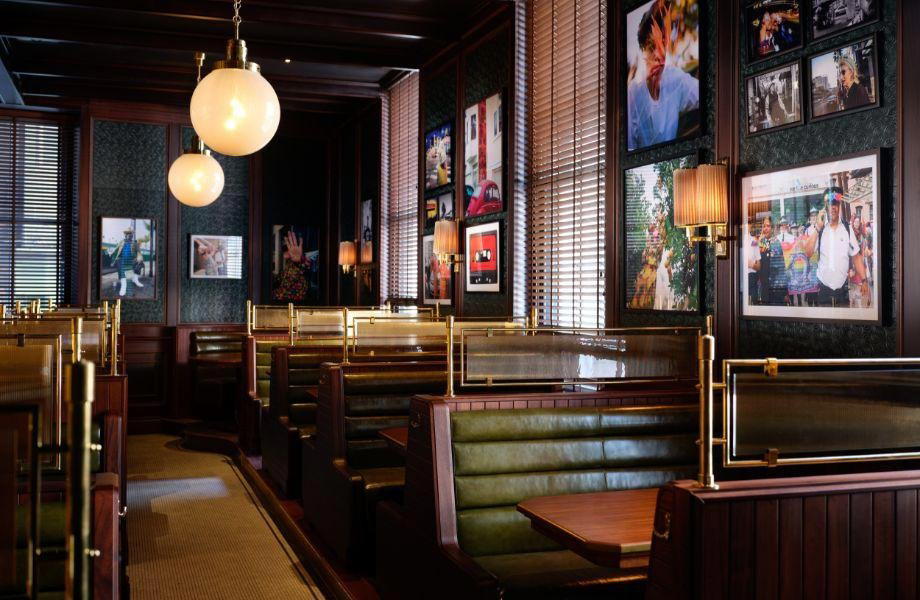
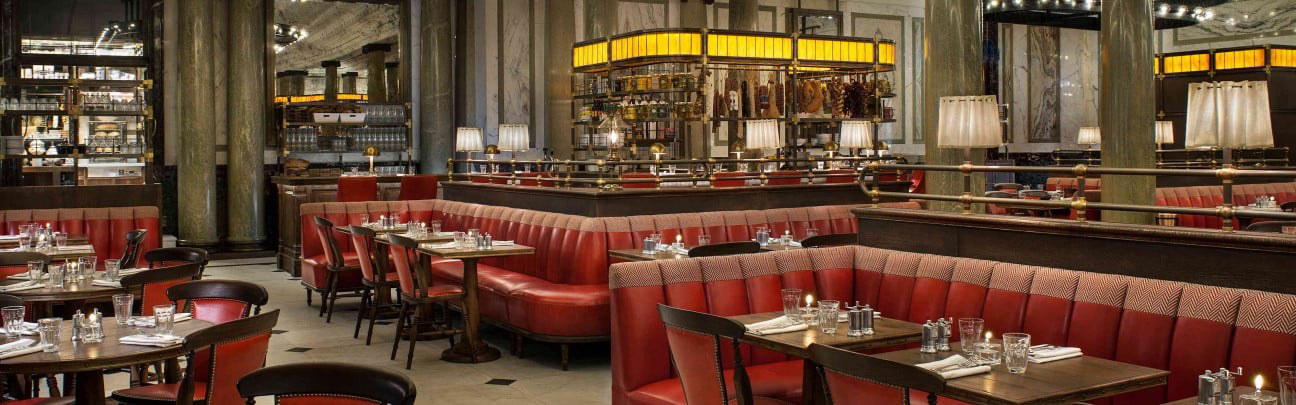
Low-level lighting, plush interiors reminiscent of a vintage train carriage, warm and cosy with lively chatty atmosphere and nice booths.