On Bornholm's northern tip, Nordlandet occupies a coastal address in Allinge-Sandvig where the Baltic sets the terms for what ends up on the plate. The restaurant draws on the island's dense network of small producers, smokehouses, and coastal foragers, placing it within a Danish fine-dining tradition that treats geography as the primary ingredient. For serious diners making the journey to Bornholm, it represents a reason to linger rather than simply pass through.
Pearl is the En Primeur Club membership app — saves, bookings, and concierge access live there. Same editors, same standards.
- Address
- Strandvejen 68, 3770 Allinge-Sandvig, Denmark
- Phone
- +4556480344
- Website
- hotelnordlandet.com
- Directions
- Get directions
 Saves & bookings on Pearl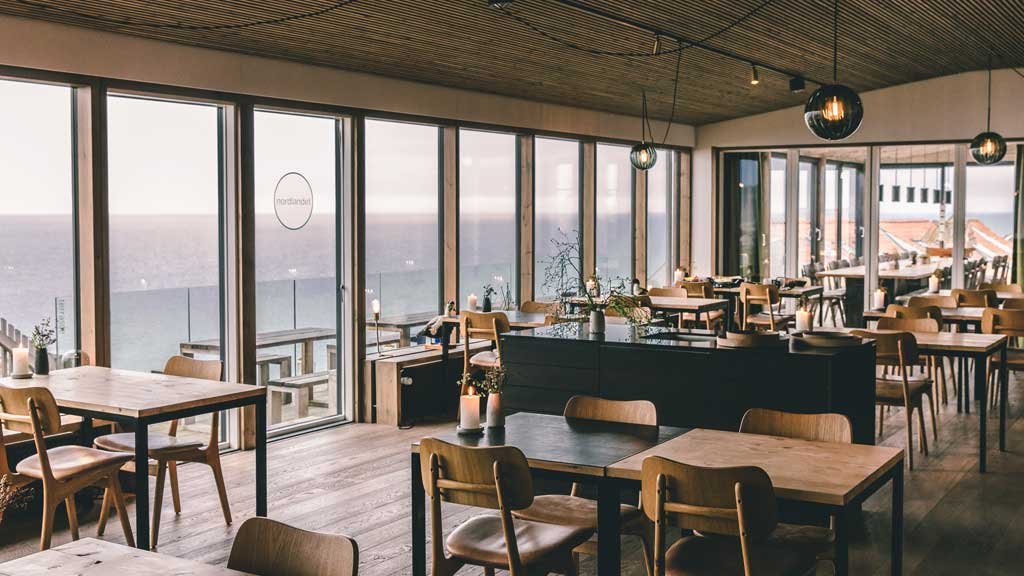
Where the Baltic Dictates the Menu
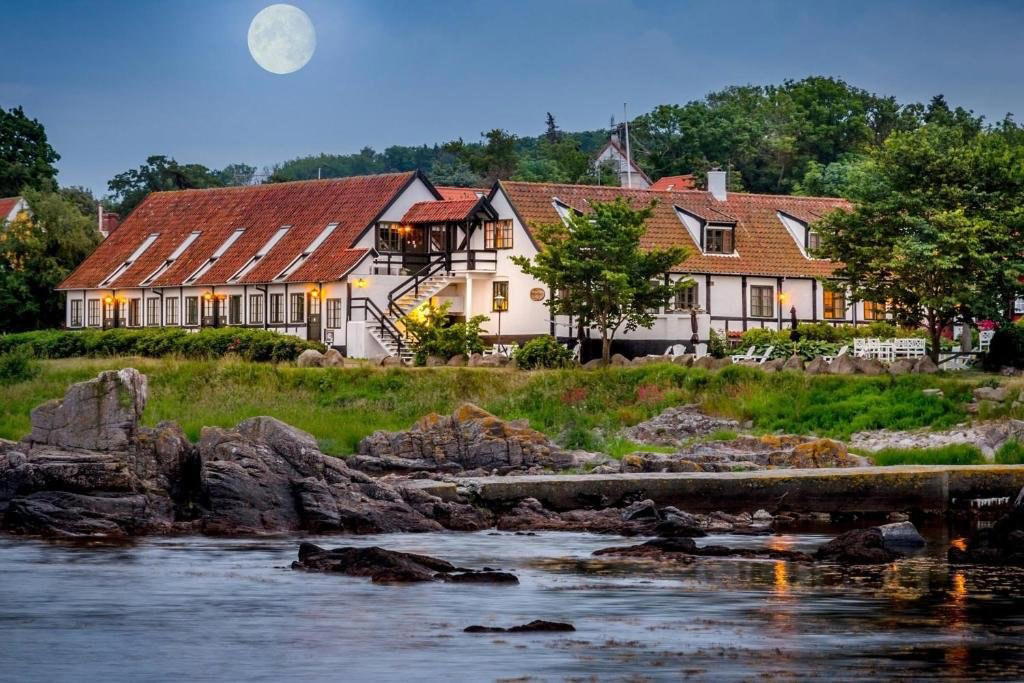
Bornholm sits further from the Danish mainland than most visitors expect, separated by a ferry crossing from Copenhagen or a short flight that deposits you on an island with its own microclimate, its own agricultural identity, and a culinary reputation that has grown steadily as New Nordic thinking spread outward from the capital. Allinge-Sandvig, on the island's northern coast, is quieter than the tourist-facing towns further south, and Strandvejen, the coastal road that runs along the shoreline, carries a particular quality of light in the late afternoon that makes the approach to any restaurant along its length feel like an event in itself. Nordlandet occupies an address here, at Strandvejen 68, where the water is close enough to register as context rather than backdrop.
The broader pattern in Danish destination dining has shifted over the past decade. Restaurants in provincial cities and island communities have built genuine cases for making the journey. Henne Kirkeby Kro in Henne and Dragsholm Slot Gourmet in Hørve both demonstrated that proximity to primary ingredients, rather than proximity to a capital's restaurant scene, could become the central argument for a kitchen's identity. Bornholm makes a version of that argument more forcefully than almost anywhere else in Denmark, because the island's produce ecosystem is unusually self-contained.
An Island That Grows Its Own Case
The ingredient sourcing logic at work on Bornholm is not simply a marketing posture. The island supports a concentration of small-scale producers, smoked herring operations that have been running for generations, farms producing lamb and pork with genuine breed and pasture specificity, and a coastal foraging environment where sea herbs and shoreline plants appear in kitchens within hours of harvest. The annual Bornholm food festival, one of Scandinavia's more serious regional food events, has helped codify this identity and draw chef attention from the mainland, but the underlying supply chain existed long before it became a talking point.
For a restaurant on the northern tip of the island, that supply chain is a structural advantage. The smokehouses of Hasle and Svaneke, both within easy reach, produce herring preparations that have no direct equivalent on the mainland, the Bornholm smoking tradition uses specific wood sources and cure times that reflect generations of local knowledge. Any kitchen operating seriously at this address would be making active choices about its relationship to that tradition, and those choices are visible in what it decides to source and how.
This places Nordlandet within a tier of Danish restaurants outside Copenhagen defined primarily by what they can access rather than by proximity to a metropolitan dining audience. Compare this with LYST in Vejle or Alimentum in Aalborg, both of which have built serious reputations on regional sourcing in non-capital settings. The difference with Bornholm is insularity, the island's producers cannot simply shift supply to a larger mainland customer, which tends to create more stable, longer-term relationships between kitchens and farms.
The Allinge Context
Allinge-Sandvig is a merged municipality on Bornholm's northern coast, smaller and less commercially developed than Rønne to the south. Its harbour handles some fishing traffic, and the rocky coastal character of the north is distinct from the softer beaches that bring summer visitors to other parts of the island. Dining here is not supplementary to a broader urban programme. The meal is the point of the visit, or it sits alongside the landscape as the primary reason to have made the journey at all.
That dynamic places specific demands on a restaurant. Without a walk-in city dining crowd, everything depends on the willingness of guests to travel deliberately, which in turn shapes what the kitchen can offer and at what pace. Denmark's most serious destination restaurants outside Copenhagen, Frederiksminde in Præstø, Villa Vest in Lønstrup, operate on this premise, where the guest has already committed before arriving and the kitchen can assume a level of engagement that city restaurants cannot always count on.
For context on where Bornholm's serious dining sits relative to the Danish fine-dining hierarchy, Geranium in Copenhagen and Jordnær in Gentofte represent the upper tier of nationally and internationally recognised Danish restaurants, while Frederikshøj in Aarhus anchors the serious regional city category. Island restaurants like Nordlandet operate in a distinct comparable set, smaller in scale, highly localised in sourcing, and dependent on a guest willing to factor in travel as part of the dining decision.
Getting to Allinge from Copenhagen requires either the overnight or morning ferry from Køge to Rønne (roughly five to six hours), followed by a drive north, or a direct flight to Bornholm Airport with onward transfer. Summer months bring the reliable ferry frequency and the fullest expression of the island's growing season.
Where Nordlandet Fits in the Wider Picture
For diners who follow Denmark's evolving provincial fine-dining circuit, Bornholm has earned a place on the itinerary independently of any single restaurant. The island's ingredient culture, its smoking traditions, its summer produce window, and its removal from the mainland's competitive restaurant noise make it a productive destination for the kind of eating that requires actual attention. Nordlandet's address on the northern coastal road puts it at the quieter, more deliberately chosen end of that experience.
Readers building a broader Danish itinerary might also consider MOTA in Nykøbing Sjælland, Parsley Salon in Hellerup, Domæne in Herning, ARO in Odense, Syttende in Sønderborg, or Pearl by Paul Proffitt in Kruså, all of which represent the provincial Danish fine-dining argument in different regional registers. For context on how Nordic sourcing principles translate to different settings internationally, Le Bernardin in New York City and Atomix in New York City offer instructive comparison points on how ingredient-first philosophies perform at the highest tier of restaurant culture.
At-a-Glance Comparison
Comparable venues nearby, for context on price, style, and recognition.
| Venue | Cuisine | Price | Notes |
|---|---|---|---|
| NordlandetThis venue — the venue you are viewing | Modern Nordic | $$$ | Not listed |
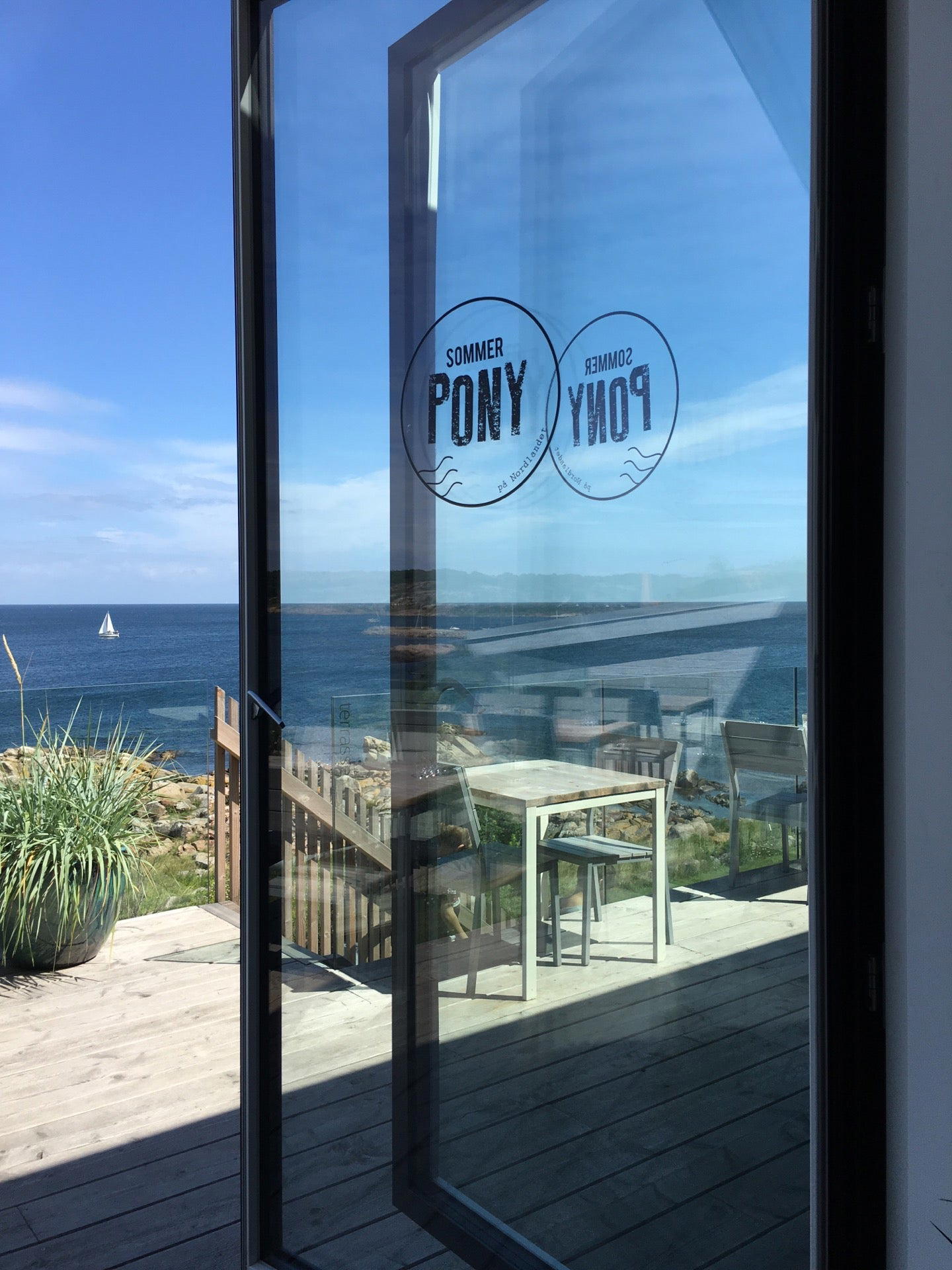
| SommerPONY | New Age Nordic | $$$ | Allinge |
| Aamanns Etablissement | Modern Danish Smørrebrød | $$$ | Indre By |
| Restaurant Store Børs | Seasonal Danish | $$$ | Roskilde Harbor |
| Aotori & Akaton | Japanese Yakitori & Tonkatsu | $$$ | Østerbro |
| Almanak i Operaen | Modern Danish Bistro | $$$ | Indre By |
At a Glance
- Scenic
- Modern
- Cozy
- Elegant
- Date Night
- Special Occasion
- Waterfront
- Terrace
- Hotel Restaurant
- Extensive Wine List
- Local Sourcing
- Waterfront
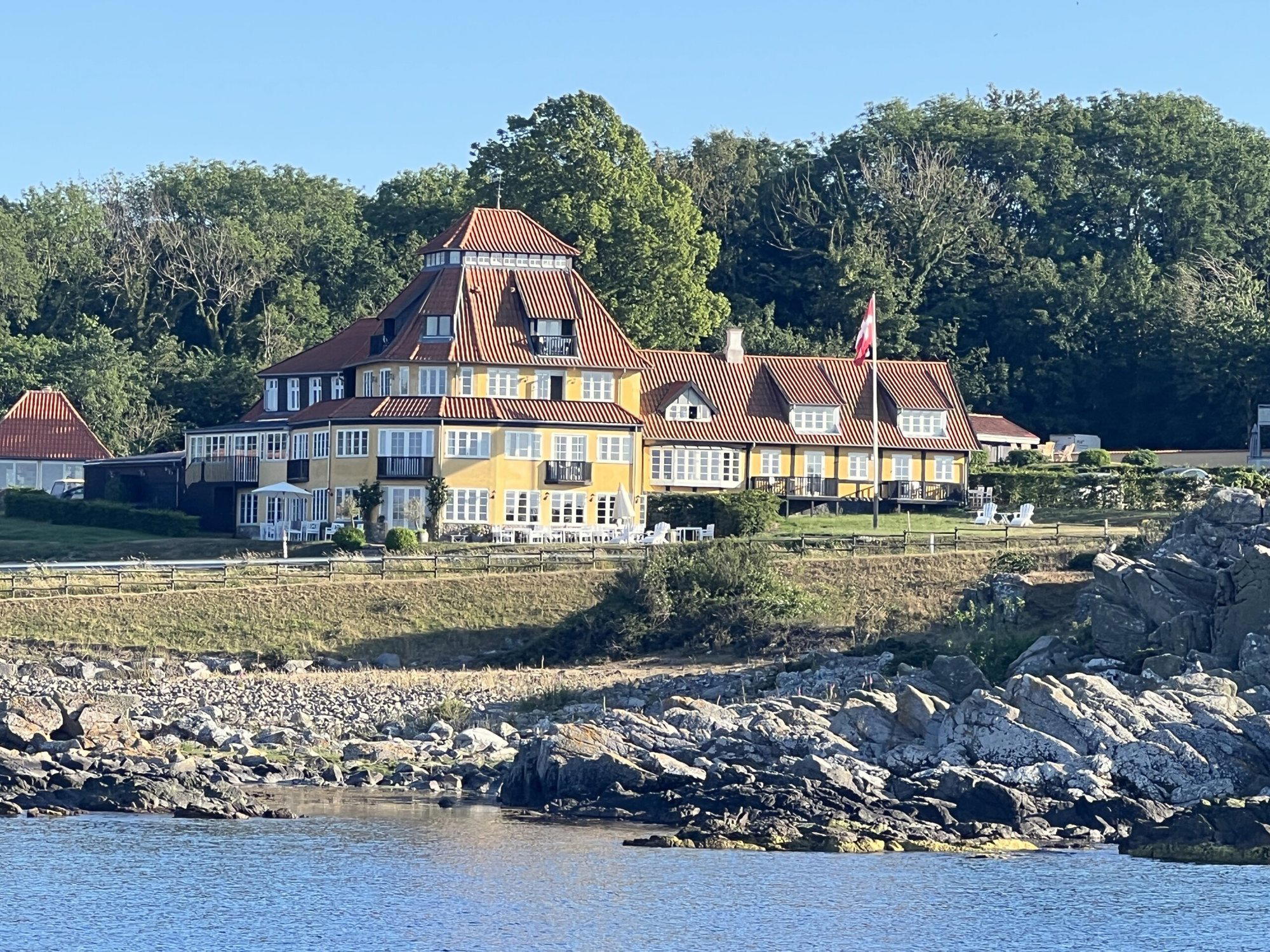
Clean Nordic elegance with contemporary furnishings, minimalist interiors, and panoramic sea views creating a serene seaside atmosphere.