

Michelin Plate · White Guide Denmark Restaurants - Masters Level
Our verdict
Det Røde Pakhus holds consecutive Michelin Plate recognition (2024 and 2025), making it the reference point for modern cuisine on Bornholm's western coast. Situated on Snellemark 30 in Rønne, the restaurant operates in a price bracket that sits well below Copenhagen's starred tier, positioning serious cooking within reach of the island's broader visitor economy.

Pearl is the En Primeur Club membership app — saves, bookings, and concierge access live there. Same editors, same standards.
- Address
- Snellemark 30, 3700 Rønne, Denmark
- Phone
- +45 64 63 50 26
- Hours
- Daily 12–2:30 PM, 6–8:30 PM
- Website
- xn--rdepakhus-l8a.dk
- Directions
- Get directions
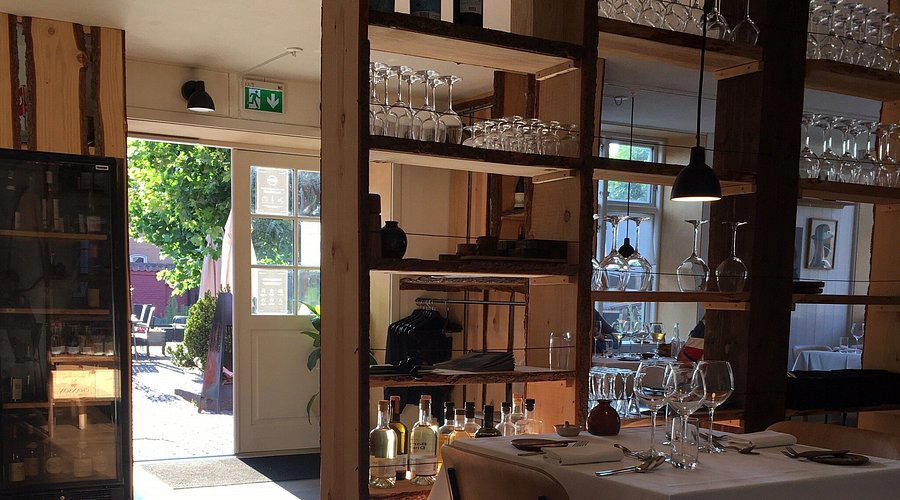
A Warehouse on the Western Shore
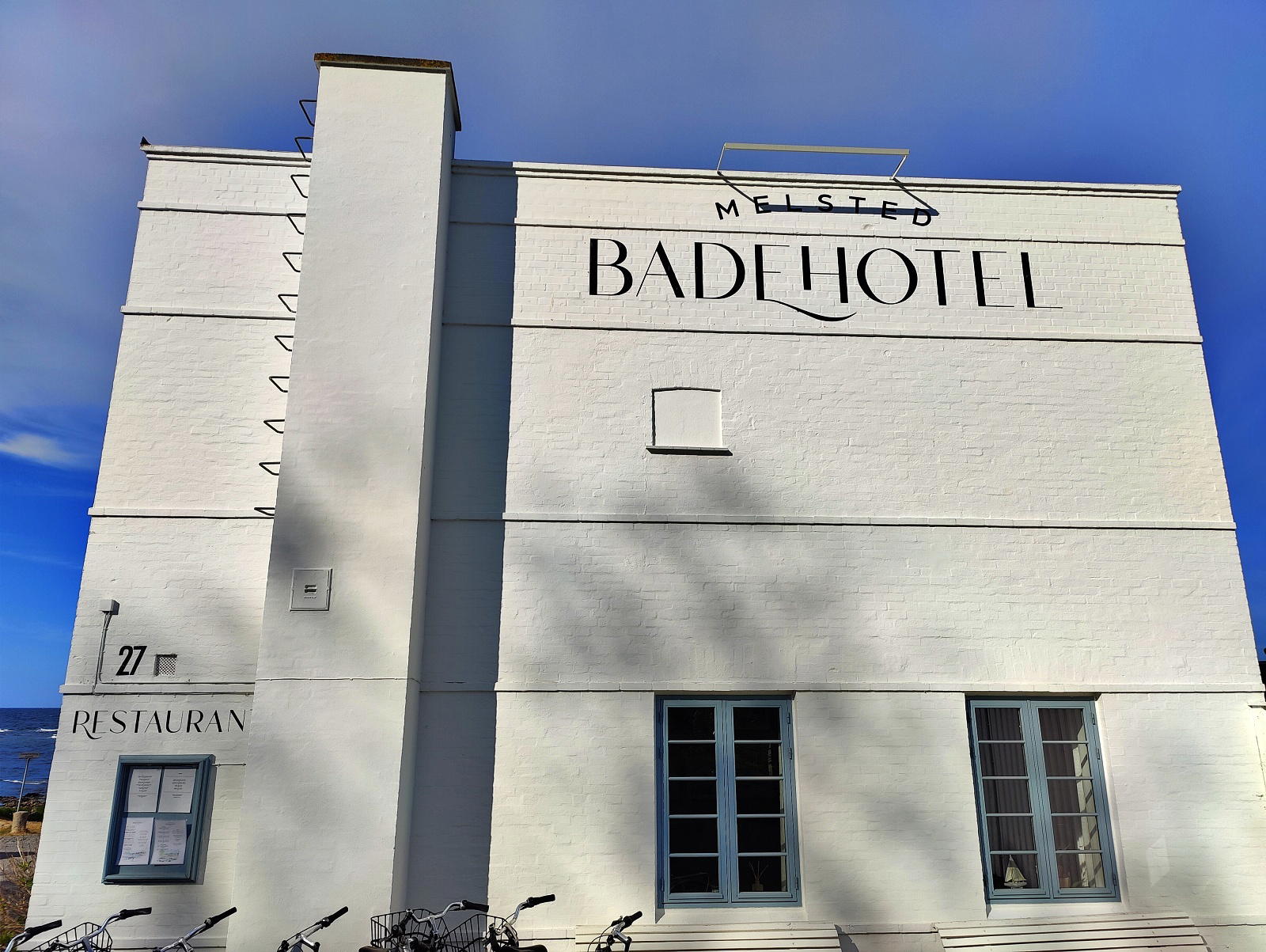
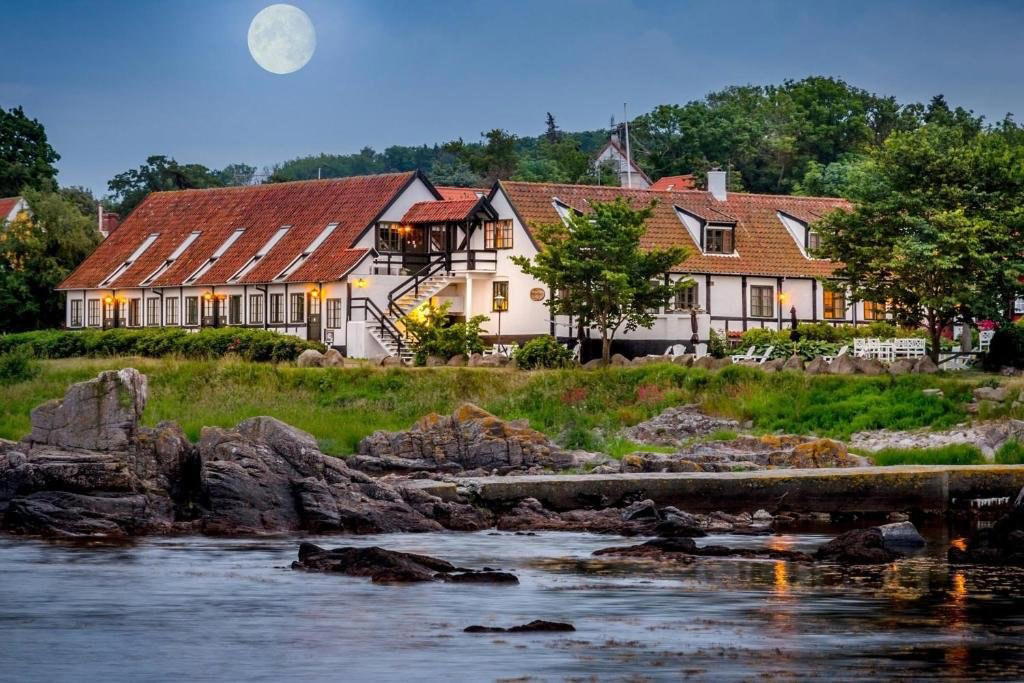
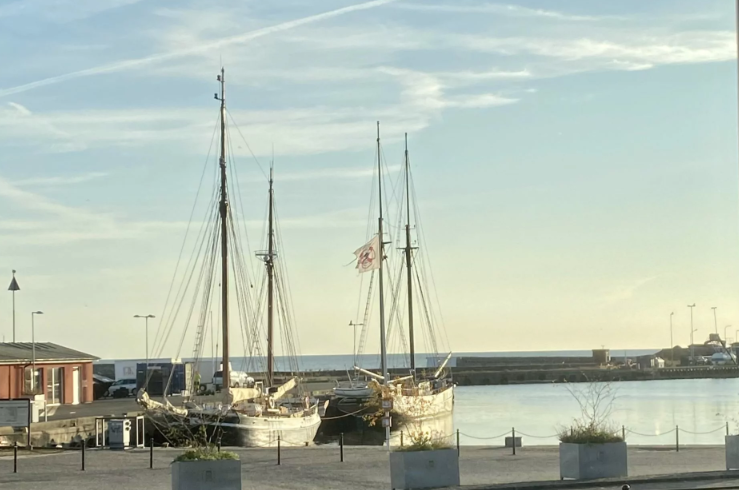
Rønne's harbour quarter carries the physical memory of the island's trading past: low warehouses in deep red brick, timber-framed facades worn smooth by Baltic wind, the smell of salt and diesel still present even when the fishing boats are out. Det Røde Pakhus occupies one of those warehouse spaces on Snellemark 30, and the setting does real editorial work before a dish arrives. In a country where serious cooking has migrated almost entirely to Copenhagen's inner districts, the fact that a consecutively Michelin Plate-recognised kitchen operates in this port town on a small island in the Baltic is itself a statement about where Danish food culture is travelling. Bornholm has long been treated as a summer destination with above-average produce — sunshine hours that outperform the mainland, rocky coastline that yields particular shellfish, farms that supply restaurants in the capital. Det Røde Pakhus puts that produce in front of the people arriving by ferry rather than shipping it north.
The Bornholm Ingredient Argument
Denmark's modern cuisine conversation has spent the past fifteen years being shaped by kitchens in Copenhagen: Geranium, Jordnær and their peers at the €€€€ tier have built a sourcing logic that reaches outward from the city, pulling ingredients from farms and coastlines across Denmark. Bornholm has been one of those supplier regions, a place whose name appears in tasting menu footnotes more often than on the sign above the door. What changes at a kitchen like Det Røde Pakhus is the directness of that supply chain. Produce from this island's farms and waters arrives with none of the transport lag that affects ingredients travelling to Copenhagen, and the kitchen operates inside the same seasonal rhythm as the landscape it draws from.
That directness matters more on Bornholm than on the mainland. The island's agricultural identity is specific: smoked herrings from Hasle's smokehouses have protected status; the lamb raised on the island's heath carries a flavour profile shaped by the particular grasses and scrub of the interior; the coastal waters around the island's cliffs supply shellfish that don't appear in mainland markets. A kitchen at the €€ price range, with Michelin recognition across two consecutive years, is making a case that serious attention to these ingredients doesn't require the tasting-menu price architecture of a Copenhagen four-star. For context on what that recognition tier means in Denmark's broader dining geography, consider that kitchens such as Alimentum in Aalborg, ARO in Odense, and Domæne in Herning operate in regional cities with genuine local food cultures. Det Røde Pakhus sits within that regional tier rather than the capital's starred bracket, and the price point reflects that positioning honestly.
Where Det Røde Pakhus Sits in the Danish Scene
The Michelin Plate, awarded in both 2024 and 2025, signals a kitchen producing food at a standard the guide considers worth noting, without conferring the star recognition that would push pricing and expectation into a different register. In Denmark, that category has real depth: Frederiksminde in Præstø, LYST in Vejle, and Dragsholm Slot Gourmet in Hørve each occupy positions within the broader regional dining tier where quality is documented and the experience scales to a general audience rather than exclusively to destination diners. Det Røde Pakhus sits within that cohort, distinguished by its island geography and the sourcing specificity that geography enables.
The comparison that sharpens the picture most clearly is Kadeau Bornholm in Åkirkeby, which operates on the same island at a higher price tier and with a different level of Michelin recognition. The two restaurants serve different visitor segments and sit at different points on the island's culinary map, but both draw on the same island-sourced ingredient base. The existence of both suggests that Bornholm is developing enough culinary infrastructure to support a tiered dining scene rather than a single destination restaurant. Henne Kirkeby Kro on Jutland's west coast offers a useful parallel: a kitchen in a remote Danish location, recognised by Michelin, building its identity around a particular coastal and agricultural terrain rather than proximity to urban supply chains.
For readers tracking how modern cuisine is developing outside Scandinavia's capital cities, the contrast with Frantzén in Stockholm or the international reach of FZN by Björn Frantzén in Dubai clarifies the scale difference. Det Røde Pakhus operates at the other end of that spectrum: locally embedded, geographically specific, and priced for an audience that includes the island's year-round population as much as its summer visitors.
Getting There and Planning Your Visit
Rønne is accessible by ferry from Ystad in Sweden (roughly 80 minutes) and from Copenhagen's Køge terminal, making it a realistic overnight or weekend destination from either country. The €€ price positioning makes Det Røde Pakhus viable as a regular dining option during a Bornholm stay rather than a single-occasion commitment, which distinguishes it from the island's higher-tier alternatives. If you are building a fuller picture of where to eat and stay during your visit, our full Rønne restaurants guide, our full Rønne hotels guide, and our full Rønne bars guide cover the broader options across the town. For those wanting to explore the island's drink culture more specifically, our Rønne wineries guide and our Rønne experiences guide add further context. For kitchens working at a comparable regional level elsewhere in Denmark, Frederikshøj in Aarhus represents the higher end of regional ambition. Det Røde Pakhus, by contrast, makes a case for what serious modern cuisine looks like when the goal is accessibility within a specific geography rather than destination status at any cost.
Frequently asked questions
Is Det Røde Pakhus a family-friendly restaurant?
The venue's mid-range price point (€€) and modern cuisine format suggest a sit-down dining experience rather than a casual family canteen.
What kind of setting is Det Røde Pakhus?
The restaurant occupies a warehouse building in Rønne's harbour quarter at Snellemark 30, placing it among the low red-brick structures that defined the town's trading history. The format is modern cuisine, suggesting a composed dining room rather than a casual harbourside café.
What distinctions does Det Røde Pakhus have?
Det Røde Pakhus has received recognition including: Michelin Plate (2025); Michelin Plate (2024).
What's the best thing to order at Det Røde Pakhus?
What the Michelin Plate recognition in both 2024 and 2025 does confirm is that the kitchen is producing modern cuisine at a consistently noted standard, making the tasting or chef's selection menu the logical route for a first visit.
How It Stacks Up
| Venue | Cuisine | Price | Awards |
|---|---|---|---|
| Det Røde PakhusThis venue — the venue you are viewing | Modern Nordic | $50–100 | Michelin Plate · White Guide Denmark Restaurants - Masters Level |
| Geranium | New Nordic, Creative | Not listed | Michelin 3 Star |
| Noma | Creative | Not listed | Michelin 3 Star |
| Alchemist | Progressive, Creative | Not listed | Michelin 2 Star |
| Koan | New Nordic, Kaiseki, Creative | Not listed | Michelin 2 Star |
| a|o|c | New Nordic, Mediterranean Small Plates, Creative | Not listed | Michelin 2 Star |
Recognition history
Dated appearances from independent guides and award organizations, with the underlying list record or original source where available.
Michelin Plate
Michelin
White Guide Denmark Restaurants - Masters Level
White Guide
Full recognition history (4 entries)
Michelin Plate
Michelin
Michelin Plate
Michelin
Continue exploring
More in Rønne
Restaurants in Rønne
Browse all →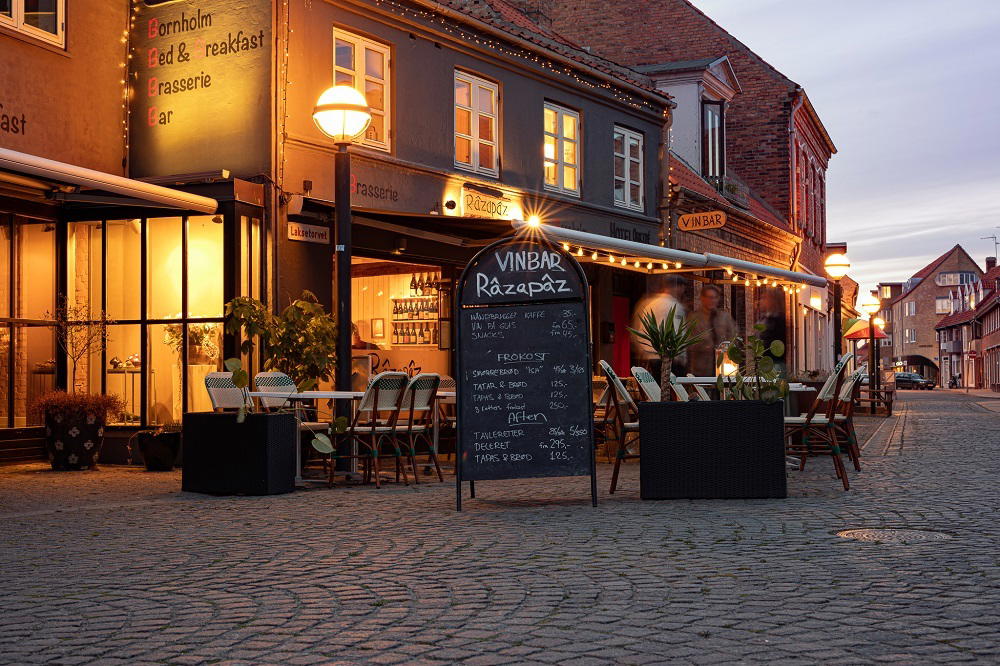
Det Røde Pakhus
The wine
- Wine program
- Curated wine list
- Extensive wine list
Details
- Cozy
- Modern
- Rustic
- Date Night
- Special Occasion
- Family
- Historic Building
- Extensive Wine List
- Local Sourcing
- Set Menu
- A La Carte
- Vegetarian Friendly
Current opening hours
- Monday
- 12–2:30 PM, 6–8:30 PM
- Tuesday
- 12–2:30 PM, 6–8:30 PM
- Wednesday
- 12–2:30 PM, 6–8:30 PM
- Thursday
- 12–2:30 PM, 6–8:30 PM
- Friday
- 12–2:30 PM, 6–8:30 PM
- Saturday
- 12–2:30 PM, 6–8:30 PM
- Sunday
- 12–2:30 PM, 6–8:30 PM
Hours can change for holidays and private events. Last verified .
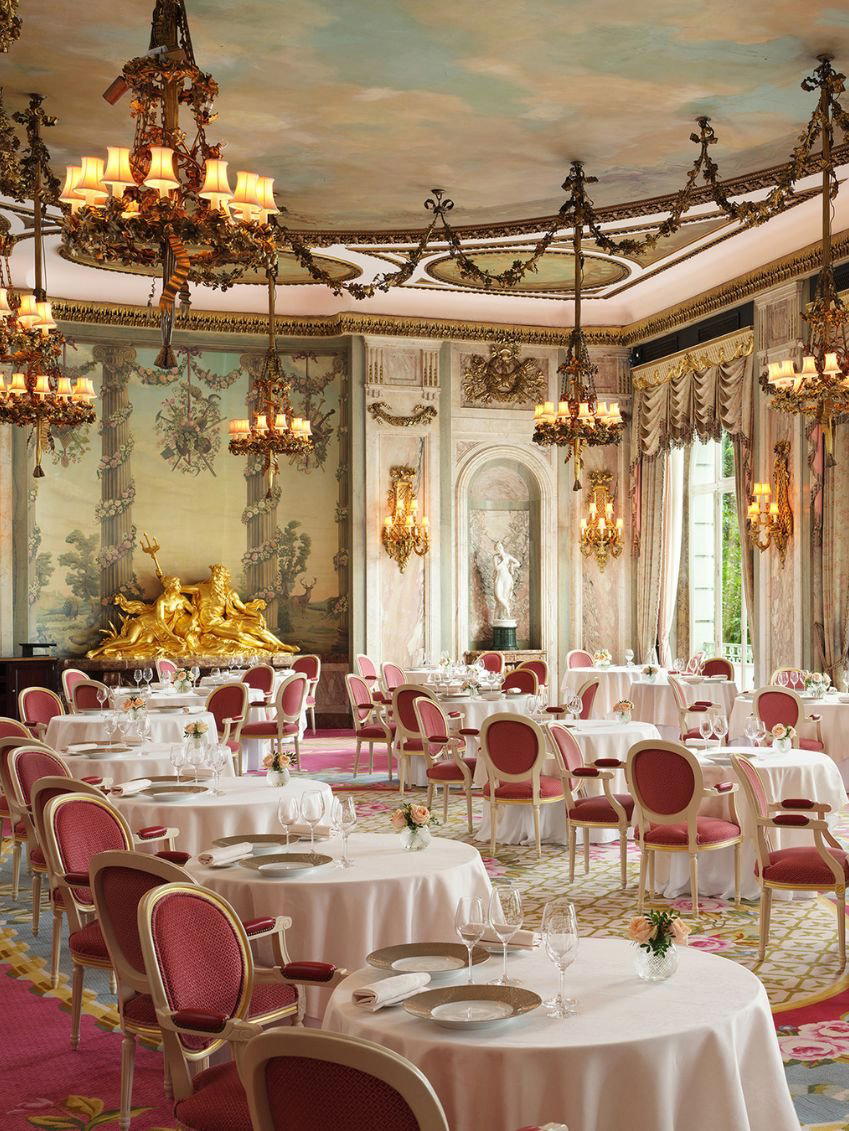
Warm, cozy atmosphere with modern wood furnishings and rustic decor creating an inviting space for relaxed dining.