
Michelin Plate
Our verdict
A two-time Michelin Plate holder on Avenue Adolphe Buyl, Nonbe Daigaku sits inside Ixelles' compact but serious Japanese dining scene. For Brussels diners tracking value across the city's mid-to-upper Japanese tier, this is a useful reference point.

Pearl is the En Primeur Club membership app, where members save venues, book tables and use the concierge.
The menu
What to order
- Miso-glazed aubergine
- Sashimi
- Vegetable tempura
Japanese discipline on a residential Ixelles avenue
Avenue Adolphe Buyl runs quietly through one of Ixelles' more residential stretches, the kind of street where a serious restaurant can operate without the foot traffic pressure that shapes menus in the central commune. The Michelin Plate is not a star, but it marks deliberate inclusion in the guide's quality sweep, and back-to-back appearances signal a kitchen holding its standard rather than drifting.
Within Ixelles' Japanese category, Nonbe Daigaku shares price tier with Kamo, which means the value comparison between the two is direct. At €€€, both restaurants are pricing into a bracket where the room, the sourcing, and the kitchen execution have to justify spend that sits clearly above the neighbourhood's casual dining baseline.
What the €€€ tier means in this context
Brussels' mid-to-upper restaurant tier covers a wide band. At one end, the city's starred houses, represented at the highest level by addresses like Zilte in Antwerp or Hof van Cleve, command price points and occasion formats that sit entirely apart. At the other end, Ixelles' dense café culture and neighbourhood bistros operate at €€ and below, where Car Bon represents Chinese dining at the € tier. Nonbe Daigaku prices between these poles, and the Michelin Plate recognition is the clearest signal that the kitchen is doing work that justifies the positioning.
The value case for a Michelin Plate address at €€€ in Ixelles is structurally stronger than the same price point at an unrecognised venue, because the recognition functions as external verification.
For context on what the broader Ixelles dining scene offers at adjacent price points: Humus x Hortense operates in the creative tier at €€€€, while Amen and Chou both hold the €€€ bracket in the farm-to-table category. Nonbe Daigaku's Japanese positioning within the same price tier offers a genuinely different proposition: tighter technique, a cuisine tradition with its own internal rigour, and a guest experience shaped by a culinary grammar distinct from the European kitchen.
Japanese cuisine in the Belgian context
Belgium's relationship with Japanese cooking has deepened over the past decade beyond sushi and ramen shortcuts. Brussels now supports a tier of Japanese restaurants, including kaiseki-adjacent formats and izakaya-influenced addresses, where the cooking is evaluated against Japanese reference points rather than Belgian ones. A Michelin Plate in this context is notable precisely because the Michelin Belgium guide is not generous with recognition for non-European formats: to appear at all requires demonstrating kitchen coherence by the guide's own standards, which lean classical.
For comparison against the Japanese dining tradition's highest expressions, Tokyo reference points are instructive: addresses like Myojaku and Azabu Kadowaki represent the standard against which serious Japanese cooking anywhere is ultimately measured. Nonbe Daigaku is not operating at that level, nor is it priced or positioned to suggest it is. What it does offer is a credible version of Japanese cooking in a European city, recognised by a major guide and sustained across multiple cycles.
How it fits the Ixelles dining neighbourhood
Ixelles rewards walking. The commune's restaurant density means that an address on Avenue Adolphe Buyl competes with dozens of alternatives within fifteen minutes on foot, and diners arriving without a reservation frequently default to whatever looks open. Nonbe Daigaku's Michelin recognition makes it a more deliberate choice: you are arriving because the kitchen's quality has been externally verified, not because the window display caught your eye.
The surrounding neighbourhood context is worth reading alongside the full Ixelles restaurants guide, which maps the commune's price tiers and cuisine spread more completely. For stays in the area, the Ixelles hotels guide covers options that place you within the walkable dining radius. The Ixelles bars guide and experiences guide round out the neighbourhood picture for longer stays. The Ixelles wineries guide covers the wine end of the neighbourhood for those extending the evening.
Outside Ixelles, Belgium's restaurant scene at the higher end is anchored by addresses like Bozar Restaurant in Brussels, Boury in Roeselare, Willem Hiele in Oudenburg, and Bartholomeus in Heist, all of which operate at or near the starred tier and set a national benchmark. Nonbe Daigaku is not competing in that category, but it does represent the credible mid-tier that any developed dining city requires: consistent, recognised, and priced to be visited more than once a year.
Planning a visit
Nonbe Daigaku is located at Av. Adolphe Buyl 31, 1050 Ixelles. At the €€€ price point with two Michelin Plate appearances, reservations are advisable rather than optional: addresses with this level of recognition at a residential neighbourhood scale typically run at high occupancy on evenings and weekends. The address is accessible by public transport from central Brussels, with the Ixelles commune well-served by tram and bus connections.
Frequently asked questions
Has Nonbe Daigaku won any awards?
Nonbe Daigaku has received recognition including: Michelin Plate (2025); Michelin Plate (2024).
What should I order at Nonbe Daigaku?
Nonbe Daigaku's menu is not publicly listed online, so dish-level recommendations require a direct approach, contact the restaurant or check on arrival. What the two consecutive Michelin Plate appearances (2024 and 2025) do confirm is that the kitchen is operating at a level where the full menu is worth trusting rather than selectively navigating. At the €€€ price point in Ixelles, a set course or chef-led sequence is the logical way to eat here.
How do I find Nonbe Daigaku?
Nonbe Daigaku is located at Av. Adolphe Buyl 31, 1050 Ixelles, Belgium, Ixelles.
Can I walk in to Nonbe Daigaku?
A restaurant holding two consecutive Michelin Plates on a residential Ixelles avenue draws a repeat local following, which means walk-in availability is unreliable, particularly on evenings and weekends. Reservations are the safer approach. The €€€ price tier also signals a format where the kitchen benefits from knowing covers in advance.
Category Peers
A short peer table to compare basics side-by-side.
| Venue | Cuisine | Price | Awards | Notes |
|---|---|---|---|---|
| Nonbe DaigakuThis venue (the venue you are viewing) | Authentic Japanese Sushi | $50–100 | Michelin Plate | Not listed |
| Kamo | Modern Japanese Fine Dining | $100–150 | 1 Michelin Star | Japanese |
| Humus x Hortense | Plant-Based Gastro-Botanical Fine Dining | $200–300 | 1 Michelin Star · We're Smart World Top 100 #10 | Creative |
| Amen | Modern European | $50–100 | Michelin Plate | Farm to table |
| Car Bon | Authentic Sichuan Chinese | $20–30 | Michelin Bib Gourmand | Chinese |
| L'épicerie Nomad | Global Fusion Small Plates | $20–30 | Michelin Plate | Mediterranean Cuisine |
Recognition history
Dated appearances from independent guides and award organizations, with the underlying list record or original source where available.
Michelin Plate
Michelin
Full recognition history (3 entries)
Michelin Plate
Michelin
Michelin Plate
Michelin
Continue exploring
More in Ixelles
Restaurants in Ixelles
All restaurants in Ixelles →
Bars in Ixelles
Browse all →
Hotels in Ixelles
All hotels in Ixelles →
Wineries in Ixelles
Browse all →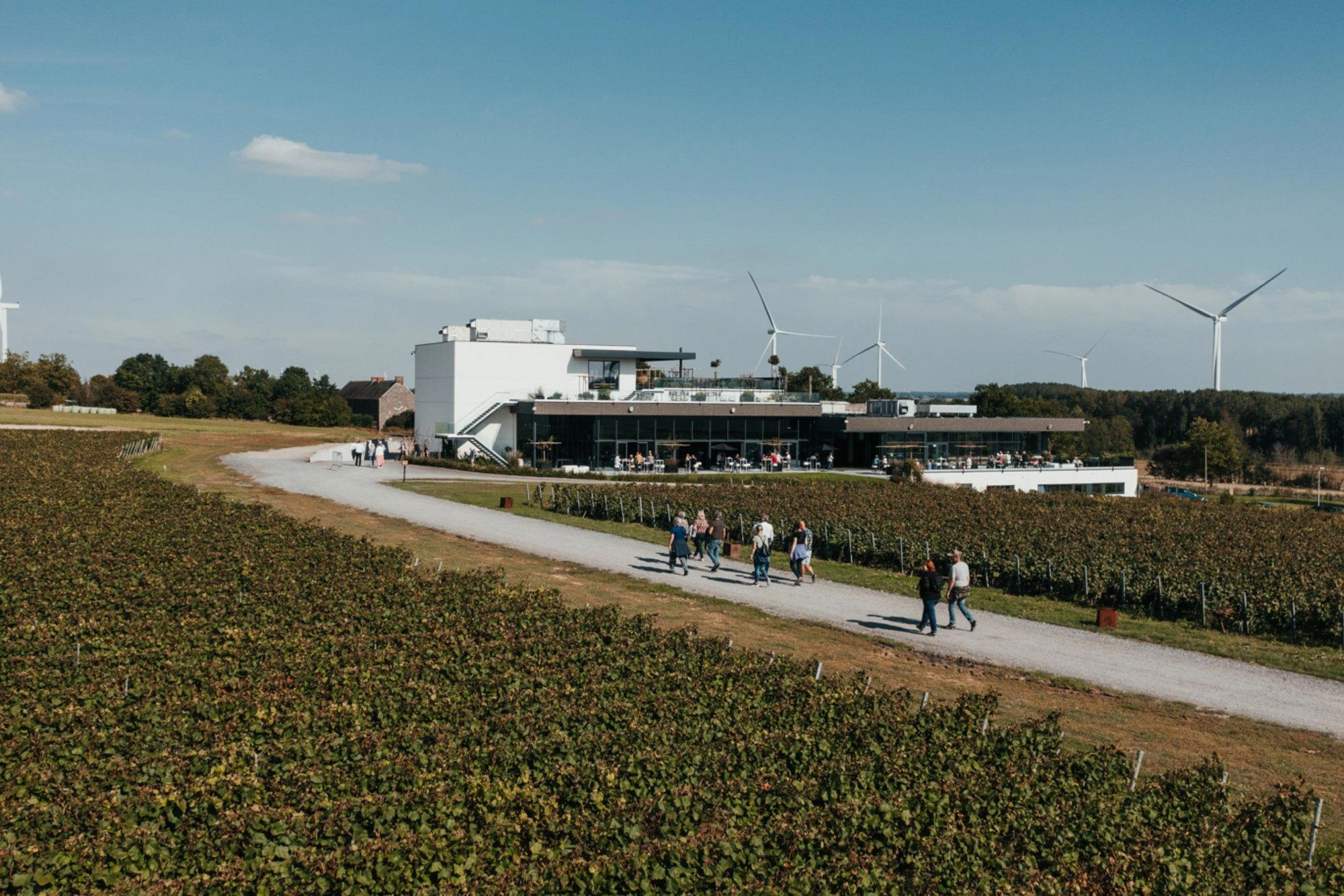
Details
- Intimate
- Cozy
- Minimalist
- Date Night
- Business Dinner
- Special Occasion
- Chefs Counter
- Sake Program
- A La Carte
- Tasting Menu
- Omakase
- Small Plates
- Sake
- Vegetarian Friendly
- Gluten Free Options
- Vegan Options
Current opening hours
- Monday
- Closed
- Tuesday
- 12–2 PM, 7–10 PM
- Wednesday
- 7–10 PM
- Thursday
- 12–2 PM, 7–10 PM
- Friday
- 12–2 PM, 7–10 PM
- Saturday
- 12–2 PM, 7–10 PM
- Sunday
- Closed
Hours can change for holidays and private events. Hours as of .
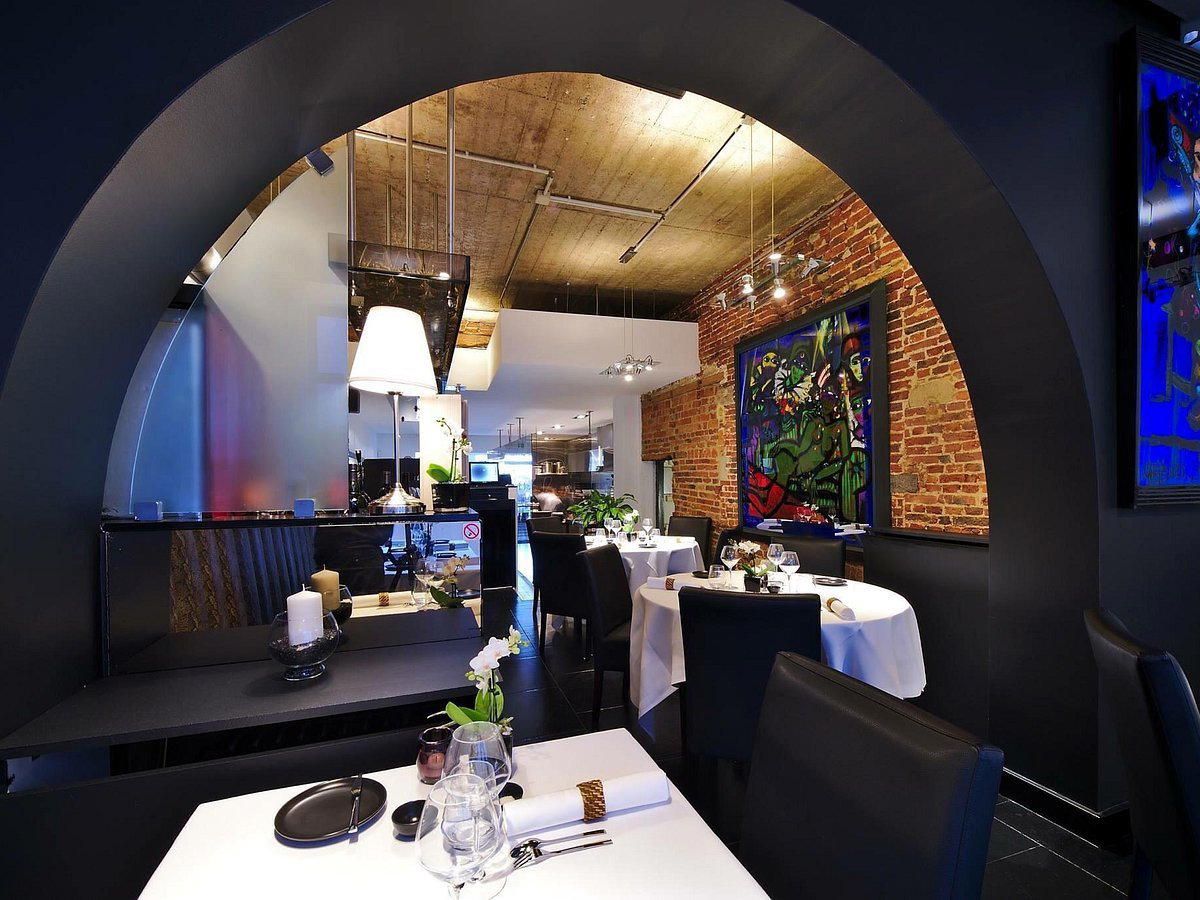
Simple, sober, and inviting with a no-nonsense atmosphere focused on the food, featuring a counter for watching the chef.