NOA
Our verdict
NOA sits in Đenovići, a quiet stretch of the Bay of Kotor coastline where Montenegro's Adriatic dining scene operates at a slower register than the busier resort towns to the south. The venue occupies a corner of Enovici where the water defines the room as much as the walls do. For the coastal dining pattern that defines this part of the country, it warrants attention.

Pearl is the En Primeur Club membership app — saves, bookings, and concierge access live there. Same editors, same standards.
- Address
- 85345 Đenovići
- Directions
- Get directions
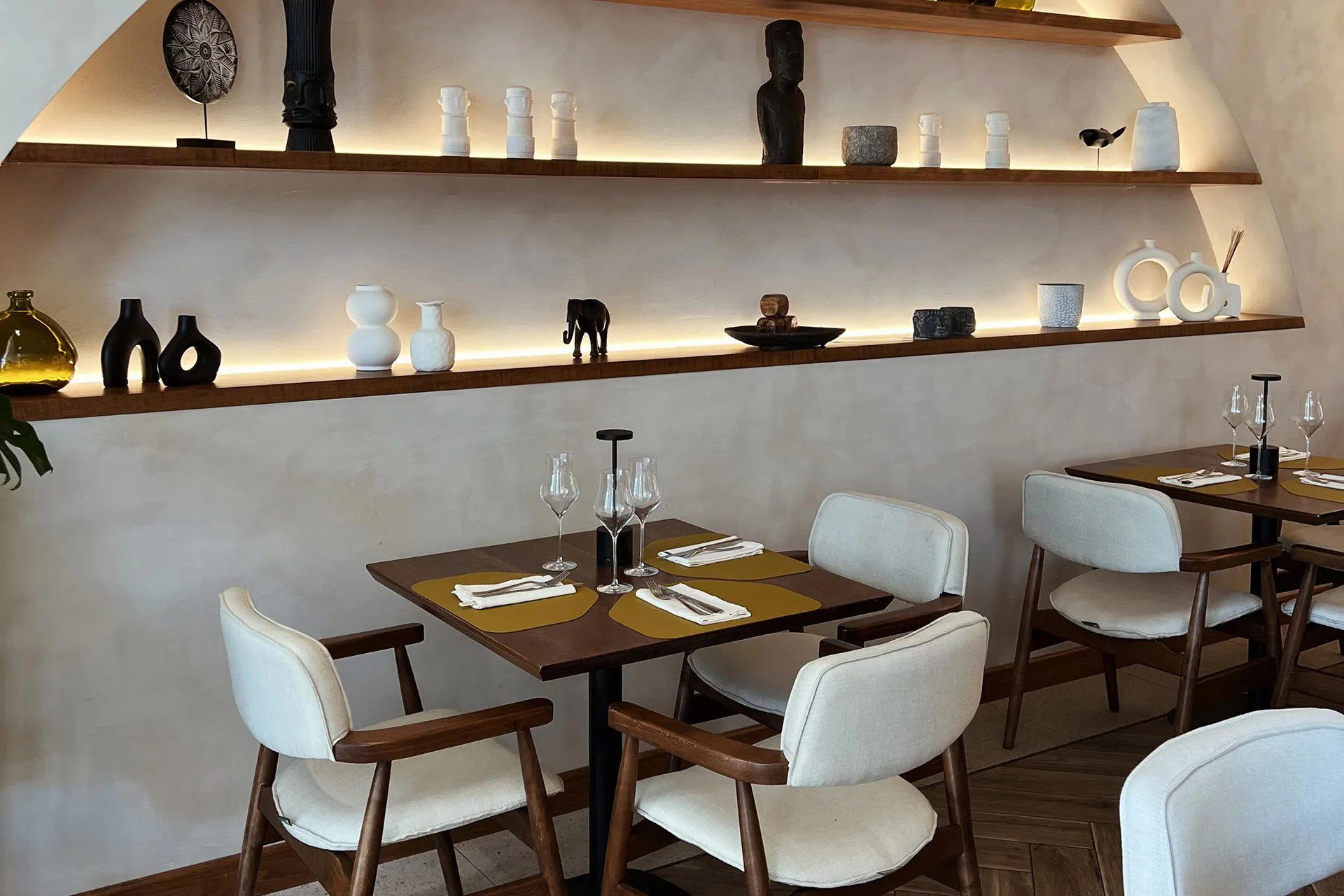
The menu
What to order
- Octopus confit with bay herbs
- Local lamb with Kotor views
Where the Bay Sets the Table
The Bay of Kotor does something to a meal that open Adriatic coastline cannot replicate. Enclosed on three sides by limestone karst, the bay holds a stillness that the resort-heavy stretches around Budva and Bečići lack — the water moves differently, the light arrives at different angles, and the towns along its edge, including Đenovići, carry a residential calm that shapes what dining here actually feels like. This is not a scene built around spectacle or tourist throughput. It is built around proximity to the water and the kind of cooking that fits that proximity.
NOA operates within that context. Located at 85345 Đenovići in Enovici, Montenegro, it sits in a part of the bay where the guest count in the room is more likely to include people who stay nearby than people passing through on a day trip.
The Adriatic Coastal Kitchen and What It Means Here
Montenegrin coastal cooking draws from a longer history than the country's recent tourism boom might suggest. The cuisine along the Bay of Kotor reflects centuries of Venetian influence layered over Slavic and Ottoman foundations — an overlap that shows up in the preference for simply prepared seafood, olive oil rather than heavy cream-based sauces, and a respect for the ingredient as the organizing principle of the plate. Grilled fish, shellfish from local waters, and cured meats from the inland villages are the structural elements of this tradition, not garnishes to a more complex concept.
What distinguishes the bay's dining culture from broader Adriatic cooking is the insularity of supply. The enclosed geography means that local fishermen work shorter runs, and the catch moves from water to kitchen with less intermediary handling than in larger port towns. That freshness is the point, and it sets a floor for what coastal restaurants here are measured against. Venues that source well and cook without overreach tend to perform better than those that import either ingredients or culinary ambition from elsewhere. This is a context in which restraint reads as confidence, not limitation.
For reference points operating at higher formality and with stronger award credentials, Bastion 1 in Kotor and Dalmatinska Konoba Cesarica in Kotor show how the regional tradition scales upward. The konoba format, informal, fish-forward, communal, is the baseline against which more polished venues are read in this part of the country. Further along the coast, Konoba Perast in Perast anchors the same tradition in one of the bay's most architecturally intact towns.
Đenovići as a Dining Location
Đenovići sits on the northern arc of the Bay of Kotor, past Herceg Novi and before the road narrows toward Tivat. It is not a destination town in the way that Perast or Kotor are, which means the dining options here operate without the pricing pressure that heritage tourism applies to those more visited addresses. Meals tend to cost less, the pace is slower, and the room is more likely to hold a local table or two alongside visiting guests.
That character positions Đenovići venues like NOA differently from the higher-profile options in the same region. The trade-off is direct: less ambient cachet, more authenticity of setting and supply. For travellers whose priority is the experience of eating along the bay rather than eating in a recognisable name, the northern arc tends to deliver more for the spend. La Veranda in Kumbor represents a nearby point of comparison on the western bay approach, sitting in the same low-key coastal register.
Across Montenegro more broadly, the dining scene has been developing a more self-conscious identity in recent years, with Podgorica anchoring the inland tier. Masala Art in Podgorica illustrates how the capital has started absorbing international culinary influence, a contrast to the bay's more tradition-bound approach. For those spending time on the coast before or after visiting the capital, our full Enovici restaurants guide maps the local options with more granularity.
How NOA Fits the Regional Pattern
That template rewards a specific kind of diner, one whose frame of reference includes the difference between fish sourced locally from a closed bay system and fish sourced from larger commercial operations, and who reads simplicity of preparation as a deliberate choice rather than a limitation of ambition.
For comparison, the distance between what NOA likely represents and what a venue like Alain Ducasse at Louis XV in Monte Carlo represents is not simply one of geography, it is a difference in culinary philosophy, price architecture, and what a guest is expected to bring to the table in terms of knowledge and expectation. The bay's dining tradition does not compete in that register and does not need to. Its authority comes from different sources: provenance, setting, and a cooking approach that has been refined over generations rather than invented by a single kitchen personality.
Duomo Crna Gora in Bečići represents the more resort-oriented end of Montenegrin coastal dining, useful context for understanding where the bay's quieter venues sit by contrast.
Planning a Visit
Đenovići is accessible by road from Herceg Novi, approximately a short drive northeast along the bay. The area does not have a dedicated transport hub, so a car or arranged transfer is the practical approach for most visitors staying in the wider bay region. Seasonal patterns in Montenegro concentrate visitor traffic between June and September; outside those months, the bay's northern stretch is considerably quieter, and restaurant availability increases accordingly. Given the absence of verified booking details for NOA, contacting the venue directly on arrival or through local accommodation concierge services is the most reliable approach. Dress expectations along this stretch of the bay lean casual, the coastal setting makes formality unnecessary, and the local dining culture does not impose it.
Frequently asked questions
Is NOA okay with children?
Đenovići is a residential bay village rather than a resort strip, which generally means a calmer dining environment than the busier Herceg Novi waterfront. The bay-side setting suggests an outdoor or terrace component common to coastal Montenegrin restaurants in this stretch of the northern arc.
Is NOA formal or casual?
NOA is located at 85345 Đenovići, a small settlement on the quieter northern arc of the Bay of Kotor, where the dining culture runs toward relaxed coastal rather than white-tablecloth formality. Dress codes at comparable bay-side venues in this part of Montenegro tend to be relaxed, reflecting the village character rather than the more curated tone of Tivat's Porto Montenegro. Confirmed dress policy details are not available for NOA specifically.
Is NOA a good option for dining along the Bay of Kotor without committing to Kotor town itself?
NOA's address in Đenovići places it on the northern arc of the Bay of Kotor, past Herceg Novi and well before the road reaches Kotor town — making it a practical stop for travellers based in the northern bay area. The village sits in a part of Montenegro that sees genuine tourism interest but retains a quieter character than the walled city's concentrated restaurant scene.
What do regulars order at NOA?
Coastal Montenegrin kitchens in the Bay of Kotor typically anchor their menus around locally caught fish, shellfish from the bay's enclosed waters, and preparations that draw on both Adriatic and Balkan traditions. What the kitchen at NOA prioritises within that framework is best confirmed with the venue directly.
Where do I go for NOA?
NOA is located at 85345 Đenovići, Enovici.
How hard is it to get a table at NOA?
Đenovići sits off the main tourist corridor between Herceg Novi and Tivat, which typically means less competition for tables than venues directly on the busier southern bay route. During peak Adriatic summer months — July and August — demand across all Bay of Kotor dining destinations increases noticeably, so advance contact is advisable.
Cost and Credentials
| Venue | Cuisine | Price | Awards |
|---|---|---|---|
| NOAThis venue — the venue you are viewing | World Kitchen | $50–100 | Not listed |
| La Veranda | Modern Montenegrin Steakhouse | Not listed | Star Wine List |
| Sabia | Modern Italian with Sardinian Influences | $50–100 | Star Wine List · Wine Spectator Award of Excellence |
| Kavkaz Restarant | Georgian & Caucasian | $20–30 | Not listed |
| Bastion 1 | Seafood and Mediterranean | $20–30 | Not listed |
Continue exploring
More in Enovici
Restaurants in Enovici
Browse all →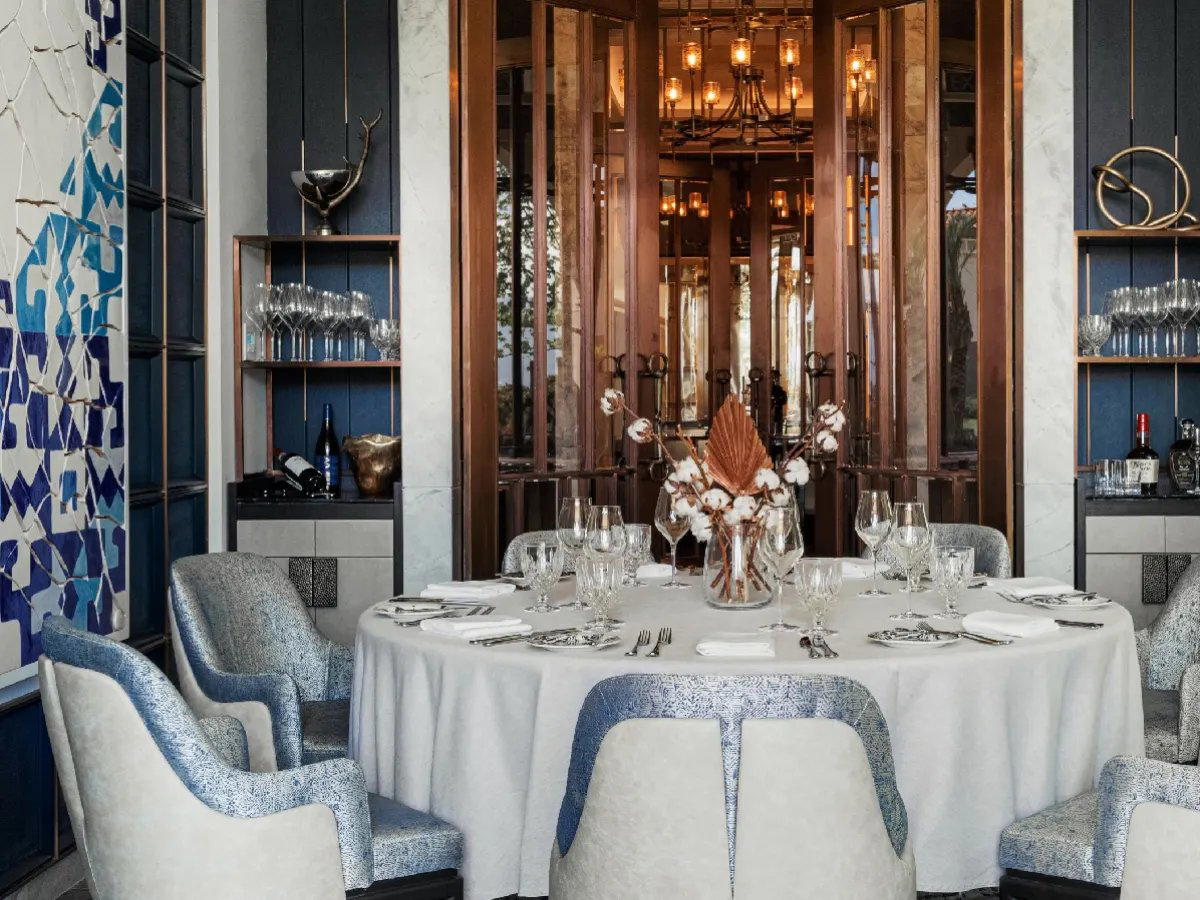
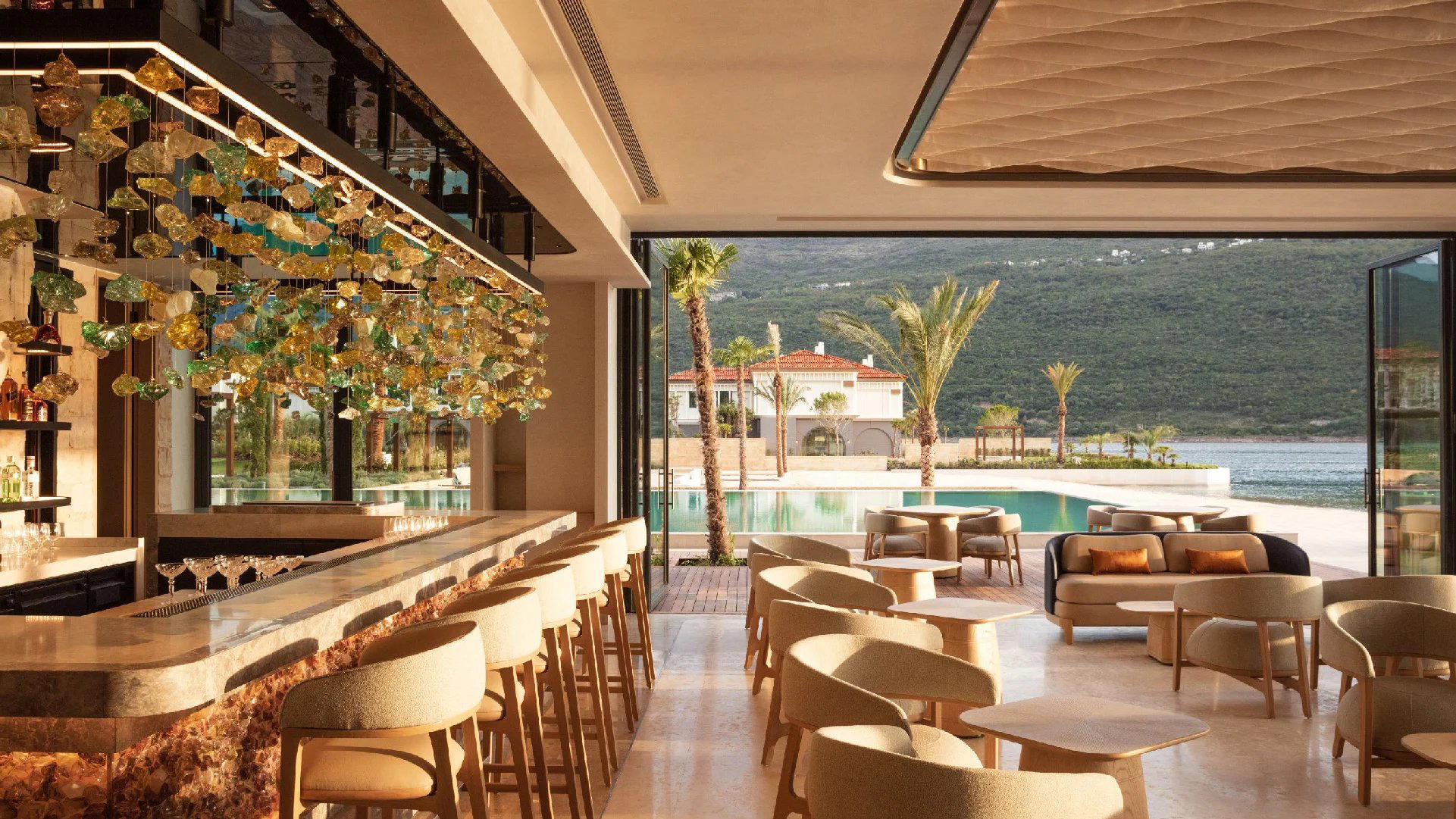
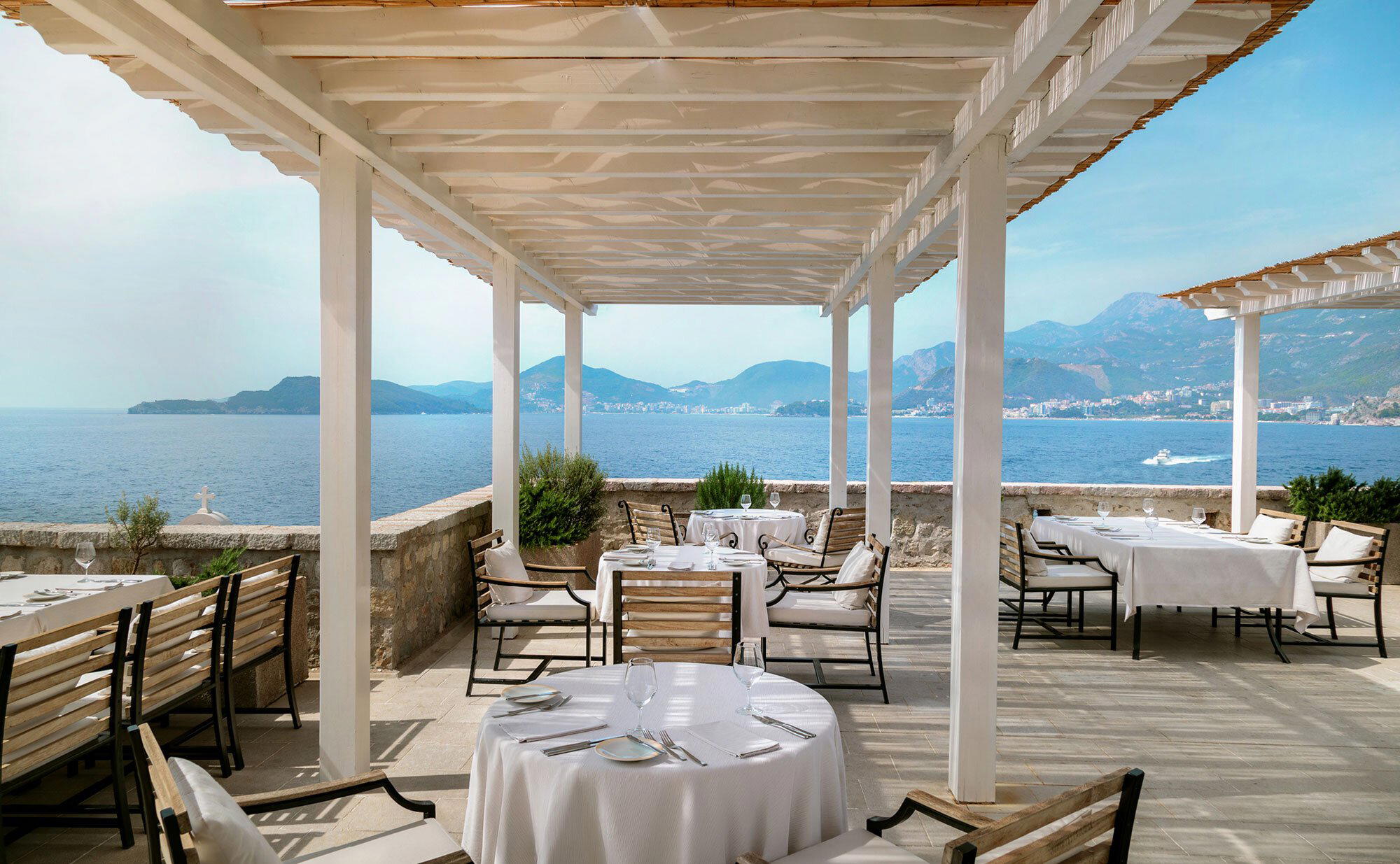
Bars in Enovici
Browse all →

Hotels in Enovici
Browse all →
Wineries in Enovici
Browse all →NOA
The wine
- Wine program
- Curated wine list
- Extensive wine list
- Craft cocktails
Details
- Scenic
- Romantic
- Elegant
- Date Night
- Special Occasion
- Celebration
- Terrace
- Panoramic View
- Extensive Wine List
- Craft Cocktails
- Local Sourcing
- Mountain
- Waterfront
- A La Carte
- Small Plates
- Local Wines
- Craft Cocktails
- Vegetarian Friendly
- Gluten Free Options
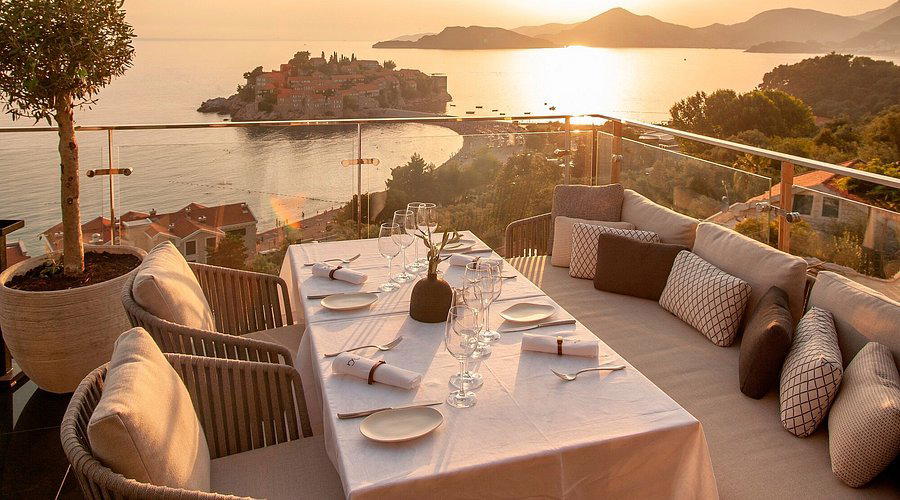
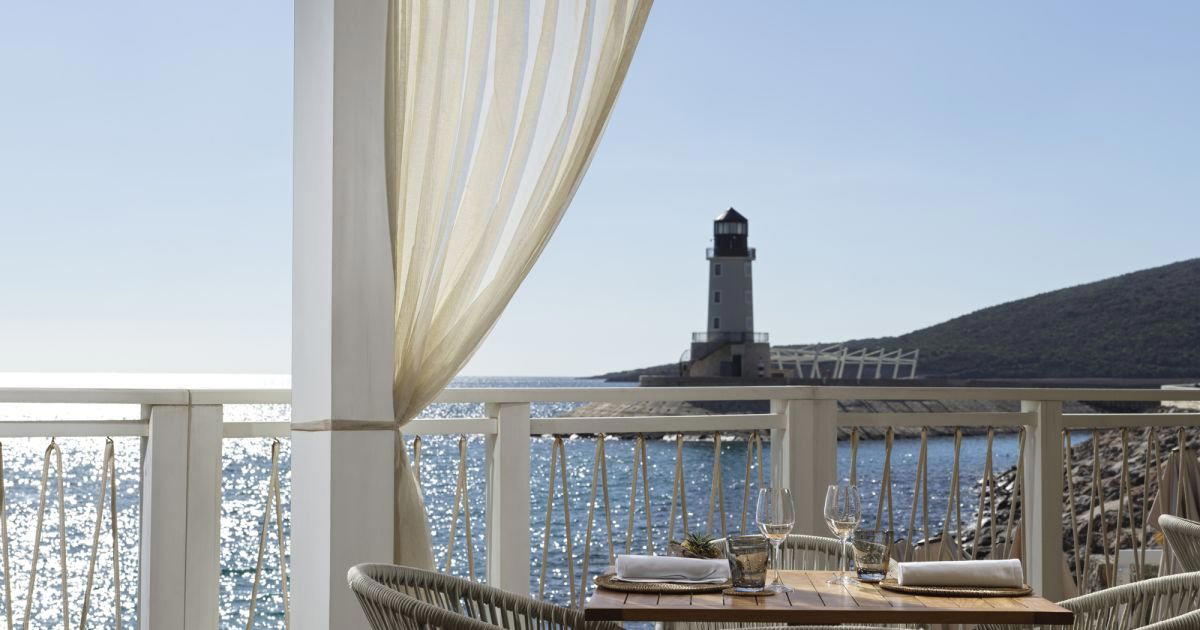
Romantic and serene with soft lighting, gentle sea breezes, and panoramic sunset vistas over the Adriatic.