Nikuniboshi Chuka Soba Suzuki Ramen Ten

Tabelog 100 #78
Our verdict
Nikuniboshi Chuka Soba Suzuki Ramen Ten belongs to Sagamihara’s serious ramen tier: small counter format, niboshi-driven broth, house-made noodles, and selection in Tabelog’s Ramen Kanagawa 100 for 2024 and 2025. The appeal is not luxury polish but ingredient discipline, especially the way dried sardine, bonito, mackerel, and clear tonkotsu place the bowl inside Kanagawa’s broader ramen culture.

Pearl is the En Primeur Club membership app, where members save venues, book tables and use the concierge.
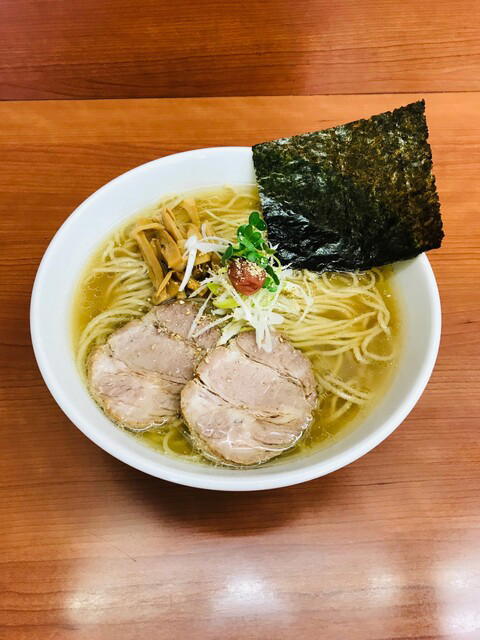
Approaching Sagamihara’s ramen counters, the city reads less like a destination dining district than a working commuter hub where the better bowls have to earn attention by craft rather than theatre. The format is compact, direct, and quick by design; the difference lies in the bowl itself, where broth character, noodle texture, and seasoning decide whether a shop becomes merely useful or worth crossing town for.
Nikuniboshi Chuka Soba Suzuki Ramen Ten sits in that second category. Its selection for Tabelog’s Ramen Kanagawa 100 in 2025 is a useful signal because Kanagawa ramen is not a soft field: established ramen traditions, suburban tsukemen specialists, and appetite-driven shops all compete for attention. In that context, a Sagamihara shop listed for ramen and tsukemen is not chasing restaurant theatre. It is working inside a precise Japanese ramen grammar where balance, texture, and repetition carry the argument.
Broth, noodles, and the Kanagawa ramen argument
Ramen built around a strong soup identity can go wrong fast. Push the savoury edge too hard and the bowl can lose balance; soften it too much and it loses its point. The useful way to read this shop is not as a broad “Japanese restaurant” but as a focused ramen counter whose reputation rests on how clearly the soup, tare, noodles, and toppings work together. That focus matters because the identity is not luxury or breadth; it is a disciplined bowl in an affordable Sagamihara setting.
The noodle side strengthens that position. Ramen shops may work with different noodle styles depending on the soup and the intended bite, and the success of the bowl often depends on that fit as much as on the broth itself. For a shop listed in the ramen and tsukemen category, the point is integration: noodles that make sense with the soup, a serving pace that protects texture, and a composition that feels deliberate rather than assembled by habit.
Sagamihara’s ramen scene gives that choice extra meaning. Iekei Ramen Kukkura represents another accessible ramen lane in the city, while Ramen Jiro Sagami oono ten points toward a different kind of appetite and bowl experience. This shop works in another register within the same city ramen map: a focused counter experience rather than a maximal evening out. For readers mapping the city by style, Our full Sagamihara restaurants guide is the natural companion, but the useful distinction is already visible here. Sagamihara’s better ramen addresses different cravings, not a single hierarchy.
A counter shop that rewards focus over ceremony
The room follows the logic of serious everyday ramen: efficient, bowl-led, and built around a short meal rather than lingering ceremony. That matters for expectation-setting. This is not the kind of restaurant where the meal expands into a long evening. It is closer to the Japanese ramen-counter ideal, where the guest’s job is to decide, eat while the noodles are at their intended texture, and move with the pace of the room.
The format is also why recognition is a cleaner trust signal than atmosphere claims. A Tabelog 3.73 score and Kanagawa 100 selection for 2025 point to meaningful local and regional attention rather than a luxury positioning exercise. In Japan’s ramen culture, where serious shops can be small and low-priced, recognition often attaches to consistency: soup that holds its line, noodles that suit the bowl, and a menu that does not need expensive cues to justify attention.
Audience is broader than a destination tasting-menu crowd. This is ramen and tsukemen at an everyday price point, so the appeal is practical as well as culinary: solo diners, pairs, and small parties can treat it as a focused meal rather than a formal booking. That does not turn it into a leisurely family restaurant; it means the ramen-counter format here should be approached as accessible, direct, and centred on the bowl.
Planning should follow the genre. In ramen, especially in compact local shops, the transaction is usually simple: arrive, order, eat, and leave without expecting a long restaurant-style arc. That rhythm can frustrate travelers looking for extended planning, but it is part of why the price-to-craft ratio remains so persuasive in Japan. The value proposition is concentrated in the bowl, not in tableware, wine service, or elaborate ceremony.
Where it fits in a Sagamihara itinerary
For a food-focused day in Sagamihara, this is the stop for ramen and tsukemen rather than a general Japanese dining catch-all. The contrast with other Sagamihara dining rooms helps define the city’s range: curry, Korean, Thai, iekei ramen, and appetite-led ramen can all sit on the same local map without serving the same craving. Nikuniboshi Chuka Soba Suzuki Ramen Ten belongs in that itinerary as the focused ramen choice, useful for readers tracing how different shops manage soup, seasoning, and noodle texture.
Travel planning around Sagamihara benefits from that same category thinking. Use Our full Sagamihara hotels guide for the overnight base, Our full Sagamihara bars guide for the after-dinner map, Our full Sagamihara wineries guide for regional drinking context, and Our full Sagamihara experiences guide when the trip needs more than meals. For broader Japan dining comparisons, it is better to think generically rather than by name: city ramen counters, curry specialists, casual drinking rooms, and regional noodle shops each create different expectations. Outside Japan, Japanese-inspired formats can read differently again when the focus shifts from regional specialization to diaspora interpretation.
The critical read is simple: Nikuniboshi Chuka Soba Suzuki Ramen Ten is for diners who care about bowl construction more than restaurant theatre. In a city where affordable ramen can cover several distinct approaches, its case rests on focused ramen and tsukemen craft, supported by a 2025 Tabelog Ramen Kanagawa 100 listing and a 3.73 score. That is enough reason to treat it as a serious Sagamihara ramen address, not merely a convenient bowl in the city.
Frequently asked questions
Is Nikuniboshi Chuka Soba Suzuki Ramen Ten suitable for children?
Nikuniboshi Chuka Soba Suzuki Ramen Ten is best approached as a focused ramen and tsukemen stop in Sagamihara. It is a workable choice for diners who are comfortable with a quick, bowl-centred meal rather than a long group dinner.
Is Nikuniboshi Chuka Soba Suzuki Ramen Ten better for a quiet night or a lively one?
It fits a quiet, focused meal rather than a lively night out. The appeal is ramen and tsukemen at an accessible price point in Sagamihara, with the experience centred on the bowl rather than on late-night atmosphere.
What does dinner at Nikuniboshi Chuka Soba Suzuki Ramen Ten typically cost?
Pricing at Nikuniboshi Chuka Soba Suzuki Ramen Ten is listed as - JPY 999 - JPY 999.
What's Nikuniboshi Chuka Soba Suzuki Ramen Ten's location?
Sagamihara.
What's the best way to book Nikuniboshi Chuka Soba Suzuki Ramen Ten?
Plan around a straightforward ramen visit in Sagamihara rather than an elaborate booking strategy. The practical approach is to check current operating details before going and keep the meal focused on ramen or tsukemen.
Side-by-Side Snapshot
Comparable venues by cuisine and price in the same metro.
| Venue | Cuisine | Price | Awards | Notes |
|---|---|---|---|---|
| Nikuniboshi Chuka Soba Suzuki Ramen TenThis venue (the venue you are viewing) | Japanese Ramen | $1–10 | Tabelog 100 #78 | Not listed |
| Curry no Mise Maboroshi | Japanese Curry House | $10–20 | Tabelog 100 #59 | Chuo, Sagamihara |
| Yakiniku Hasegawa | Traditional Yakiniku (Japanese BBQ) | $30–50 | Tabelog 100 #78 | Minami-ku, Sagamihara |
| Nakamura Menzaburo Shoten | Ramen shop | $10–20 | Tabelog 100 #83 | Chuo Ward, Sagamihara |
| Ganso Ichijoryu Ganko Sohonke Bunten | Classic Japanese Ramen Shop | $10–20 | Tabelog 100 #77 | Midori Ward, Sagamihara |
| Iekei Ramen Kukkura | Iekei (Yokohama-style) Ramen | $10–20 | Tabelog 100 #67 | Sagami Ono |
Recognition history
Dated appearances from independent guides and award organizations, with the underlying list record or original source where available.
Tabelog 100 #78 · No. 78
Tabelog · Tabelog 100 - Ramen - KANAGAWA - 2025
Continue exploring
More in Sagamihara
Restaurants in Sagamihara
All restaurants in Sagamihara →

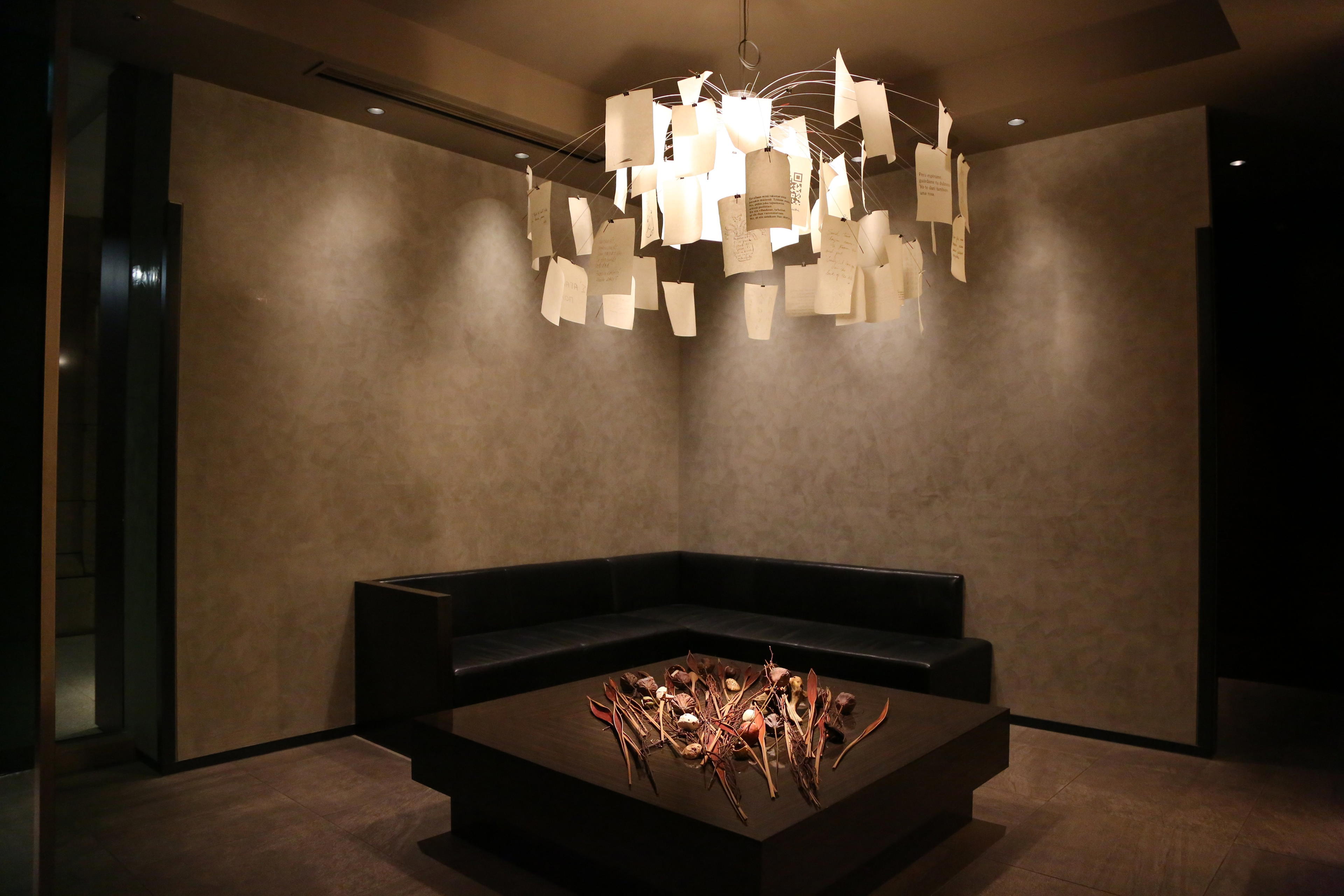

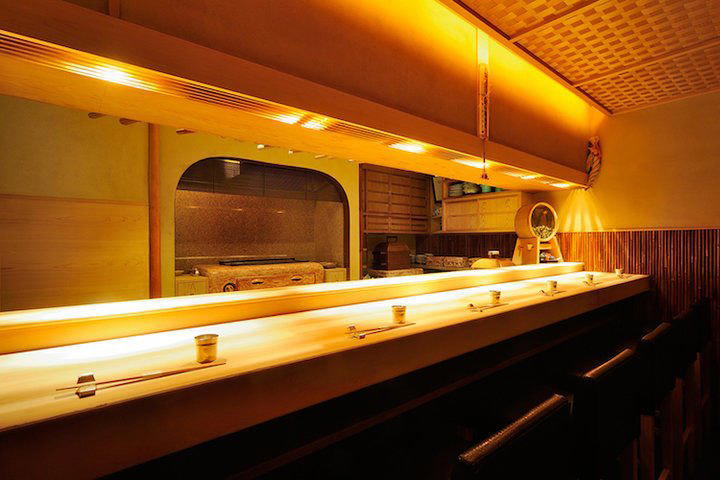
Bars in Sagamihara
Browse all →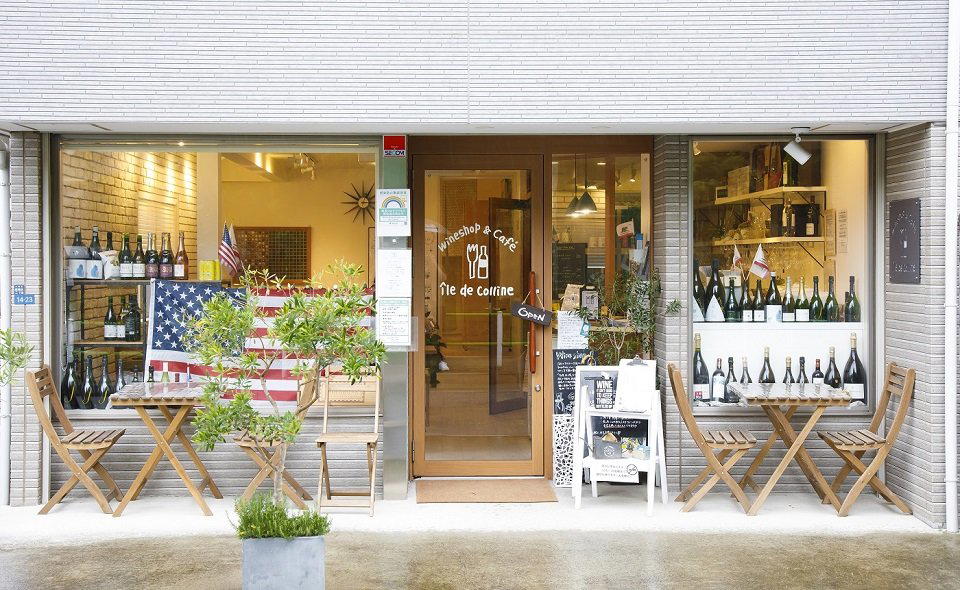



Hotels in Sagamihara
Browse all →



Wineries in Sagamihara
Browse all →
Details
- Classic
- Cozy
- Energetic
- Solo
- Family
- Casual Hangout
- Chefs Counter
- Standalone
- A La Carte
- Counter Dining
- Soft Drinks
Casual, compact ramen-shop atmosphere with counter seating and a focused, no-frills dining room.