
Michelin Bib Gourmand
Our verdict
ÔNGBÀ belongs to the Flagey side of Ixelles, where cosmopolitan eating habits meet compact neighbourhood rooms rather than formal dining rituals. The draw is less about ceremony than sourcing logic: how a small Brussels restaurant can make origin, seasonality, and cross-cultural appetite feel central without turning dinner into a lecture.

Pearl is the En Primeur Club membership app — saves, bookings, and concierge access live there. Same editors, same standards.
- Address
- Rue Lesbroussart 52, Ixelles, Bruxelles-Capitale, 1050, BEL
- Phone
- +32 2 268 71 83
- Website
- guide.michelin.com
- Directions
- Get directions
The menu
What to order
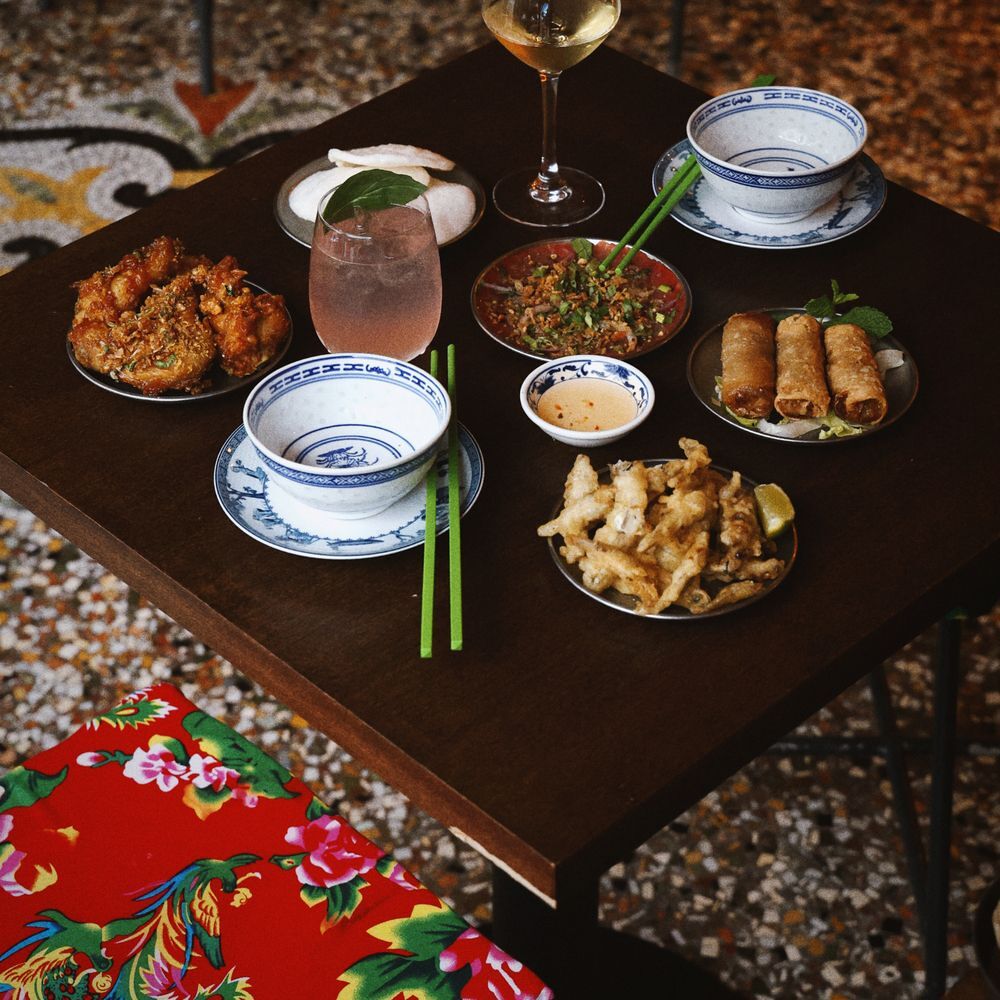
- House-made nems
- Beef and carrot casserole
- Beef rib pho
Ixelles is the kind of Brussels setting where dinner rarely feels detached from the street. The area mixes students, international residents, gallery traffic, and long-time Brussels regulars in the same blocks, and that civic overlap matters at the table. Restaurants here are judged less by spectacle than by whether they keep pace with a city audience that eats broadly, talks loudly, and moves between styles without treating them as novelty.
ÔNGBÀ fits that Ixelles rhythm. Its public recognition includes a Michelin Bib Gourmand, useful shorthand only if read critically: here, recognition does not mean a restaurant has to become formal or overexplained. It means speaking to diners who already expect comfort, informality, care, and ingredient focus within a short walk. Sourcing and restraint matter more than decorative cosmopolitanism.
Ixelles dining rewards ingredient clarity over theatre
Ixelles is one of Brussels’ sharper tests for casual restaurants because its audience is unusually mixed. Imported trend language burns out quickly; produce, grain, broth, fermentation, herbs, and texture earn repeat trade. That is the better lens for ÔNGBÀ: not a standalone curiosity, but part of an Ixelles dining culture where the ingredient trail matters as much as the room.
Nearby comparisons sharpen the point. Bap & Dak gives Ixelles one clear local reference point; other Ixelles dining rooms work from generosity, sourcing, and neighbourhood ease in different ways. The useful question is not which address sounds most fashionable, but which ingredient conversation suits the night: comfort and pace, shared-table informality, or a produce-led frame with a wider cultural accent.
Brussels differs from cities that split serious dining and neighbourhood eating into separate tax brackets. In Ixelles, a small restaurant can feel ambitious without tasting-menu choreography. That matters for guests who care where food comes from but do not want explanation to slow the evening. Strong local rooms let provenance show through composition, not speechmaking.
The Ixelles setting also has practical meaning for tempo. This is not hushed hotel-dining Brussels; it is an urban area of bars, apartments, cinemas, and street energy around dinner. That background suits restaurants able to hold a lively room while keeping the plate precise. ÔNGBÀ belongs to a neighbourhood where informality and seriousness are no longer opposites.
How ÔNGBÀ compares inside the Ixelles mix
Ixelles’ restaurant map is broad enough that cuisine-only comparison misses the point. Other local dining rooms sit in the same municipal conversation but answer different needs. Racines and Racines Bruxelles show another Ixelles pattern: clear identity, steady neighbourhood use, and a room that does not need excessive ceremony to feel considered. Against that backdrop, ÔNGBÀ reads as an Ixelles address for diners who want the city’s international appetite filtered through a tighter kitchen sensibility rather than a checklist of crowd-pleasers.
The sourcing angle gives the restaurant its strongest editorial footing. Brussels is a market city before it is a restaurant city: produce, seafood, bread, beer, dairy, and imported pantry goods move through overlapping communities. In international Ixelles, sourcing is not only about local farms; it means deciding which elements deserve locality, which require specificity, and which can adapt without flattening meaning. Better contemporary Brussels restaurants understand that distinction.
That is why category matters more than a single chef narrative here. Without relying on a public chef biography, the restaurant can be read through how Ixelles rewards kitchens that make origin legible. A dish needs no manifesto if vegetables taste seasonal, staples carry the right texture, and condiments or aromatics are chosen with intent. Ingredient sourcing becomes editing.
For travellers building a wider Belgium itinerary, ÔNGBÀ sits between neighbourhood dining and destination formalism. A Brussels night here has little in common with grander destination restaurants elsewhere in Belgium, and serves a different purpose from coastal or historic-town dining rooms built around another kind of trip. These are not rankings; they clarify use. Ixelles gives a visitor Brussels in its daily clothes, with enough culinary ambition to avoid feeling merely convenient.
Use it for an Ixelles night, then widen the map
The case for ÔNGBÀ is strongest when the evening is planned around Ixelles rather than a single table. The area rewards grazing, walking, and second stops, especially for travellers who prefer neighbourhood texture to monument-led dining. Pairing dinner with the area’s bar culture makes sense; for a broader scan, our full Ixelles bars guide is the better planning tool. Visitors staying locally can cross-check our full Ixelles hotels guide, while a deeper food itinerary starts with our full Ixelles restaurants guide.
The wider EP Club map helps because Ixelles is not sealed off. Other Brussels districts, Antwerp, Bruges, Liège, and the Belgian coast tell different stories about how tradition, comfort, and contemporary sourcing interact. Some addresses keep the Brussels region in view, while others shift the frame east or toward the coast. For readers comparing international casual formats, broader unnamed references show how ingredient-led informality travels across cities without meaning the same thing in each place.
For a fuller Ixelles trip, food is only part of the district’s appeal. Our full Ixelles experiences guide places the meal among galleries, neighbourhood walks, and cultural stops, while our full Ixelles wineries guide helps readers treating wine as part of the itinerary rather than an afterthought. The editorial verdict is simple: ÔNGBÀ is for diners who want Ixelles’ cosmopolitan side with a sharper ingredient lens, not formal ceremony or a sealed-off dining room.
Frequently asked questions
Is ÔNGBÀ okay with children?
ÔNGBÀ in Ixelles reads as a casual neighbourhood stop rather than a formal room. That can make it workable for children, especially for an early meal.
Is ÔNGBÀ better for a quiet night or a lively one?
It fits a lively night better than a quiet one. Ixelles has a cosmopolitan, street-level energy, which suits a dinner built around the neighbourhood rather than a hushed table.
What's ÔNGBÀ known for in terms of accolades?
ÔNGBÀ has received Michelin recognition as a Bib Gourmand.
Where is ÔNGBÀ in Ixelles?
Ixelles.
Comparison Snapshot
Comparable venues by cuisine and price in the same metro.
Recognition history
Dated appearances from independent guides and award organizations, with the underlying list record or original source where available.
Michelin Bib Gourmand
Michelin
Continue exploring
More in Ixelles
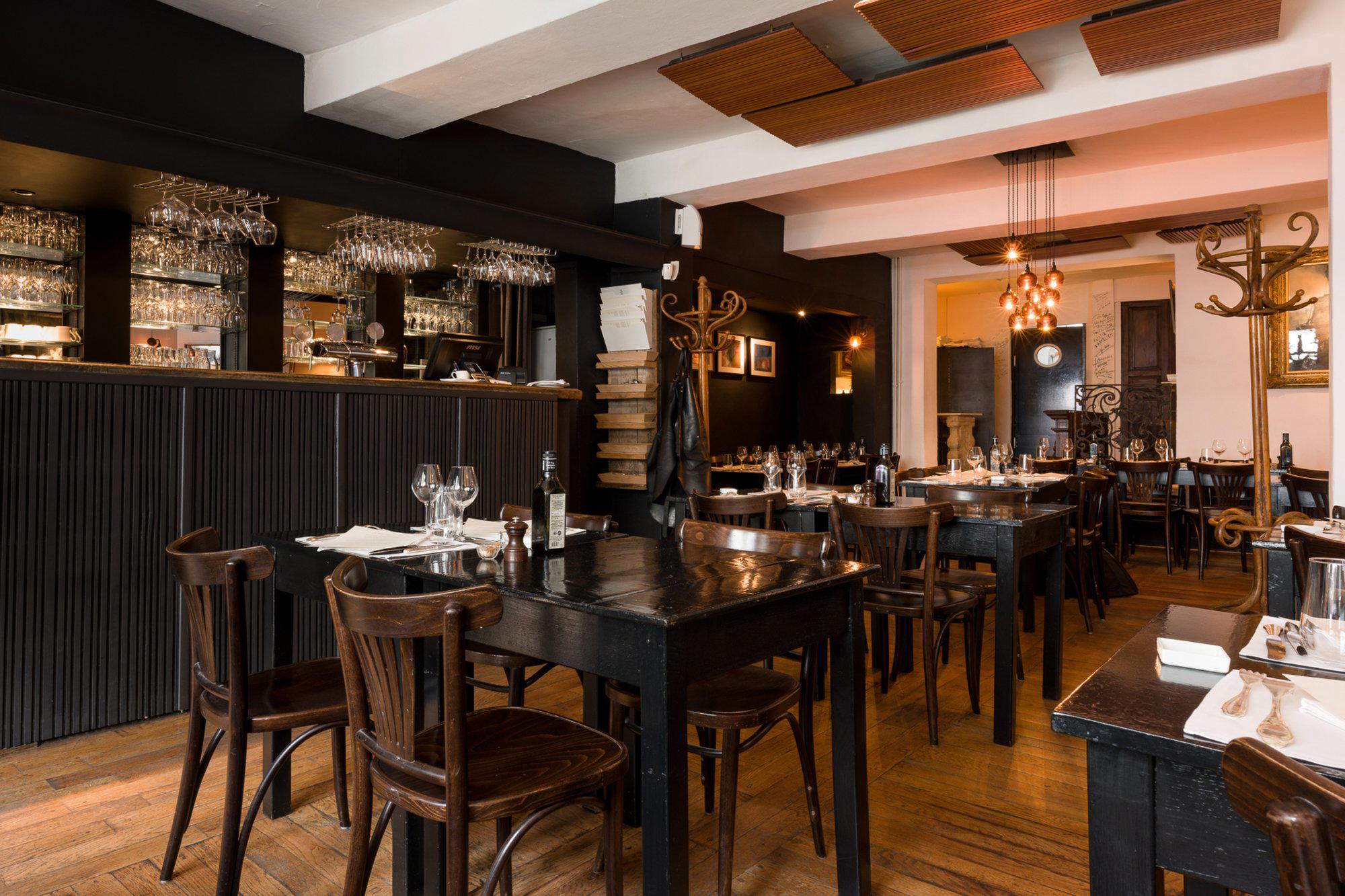
Restaurants in Ixelles
Browse all →
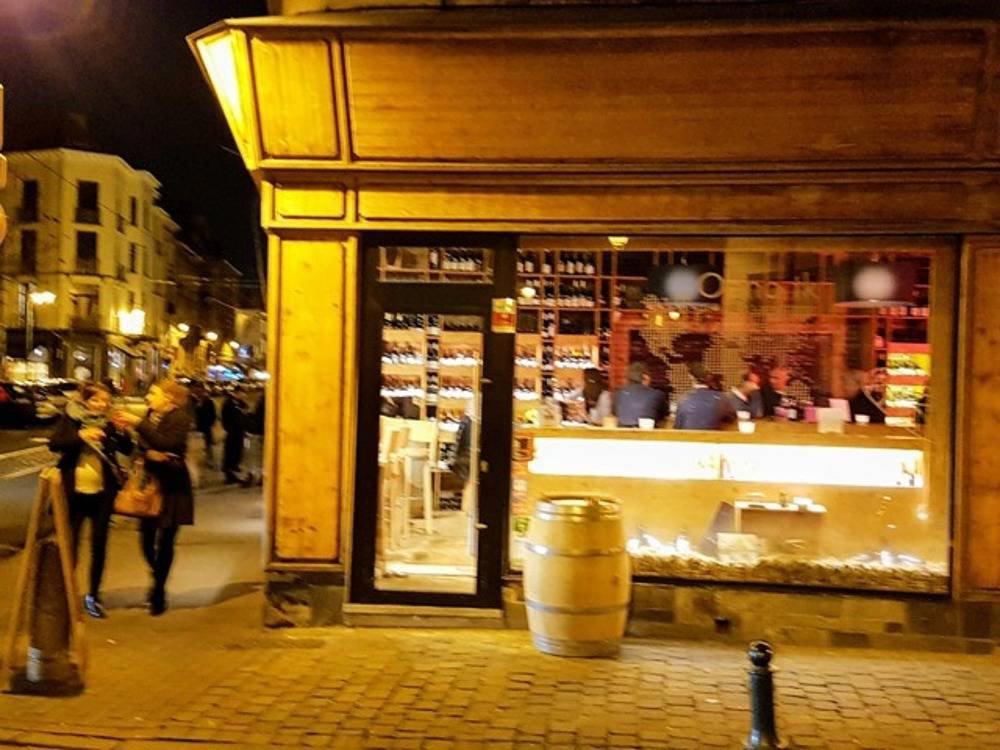
Bars in Ixelles
Browse all →
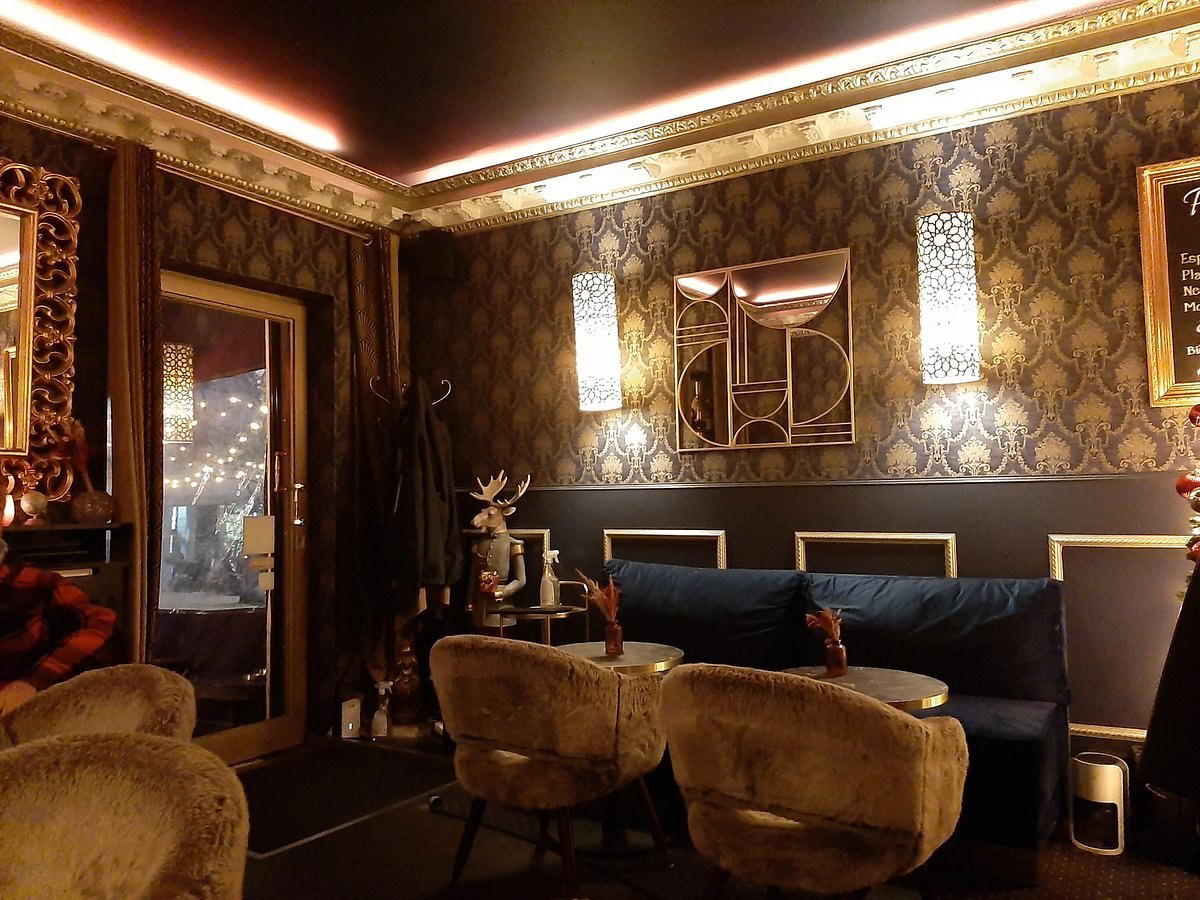
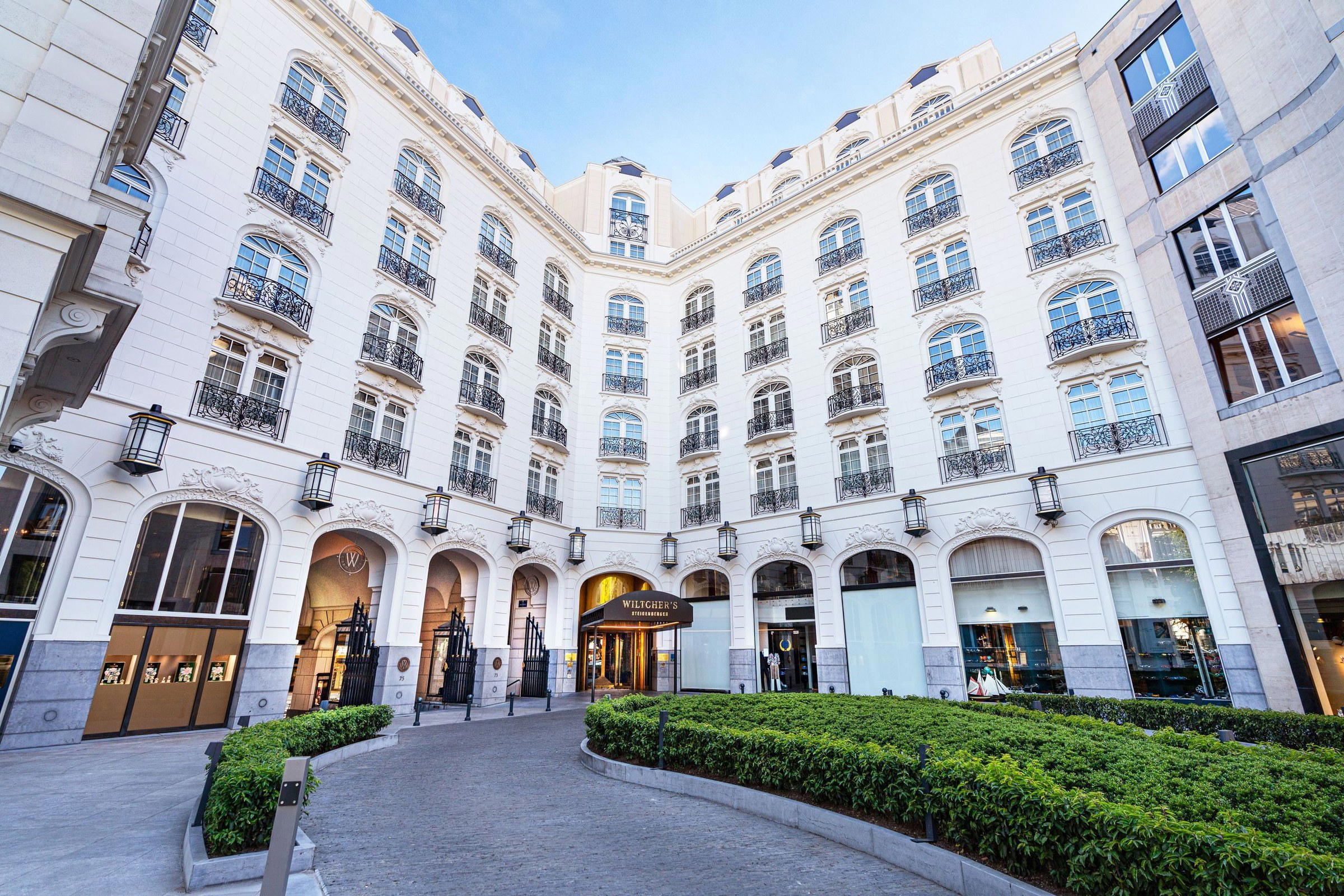
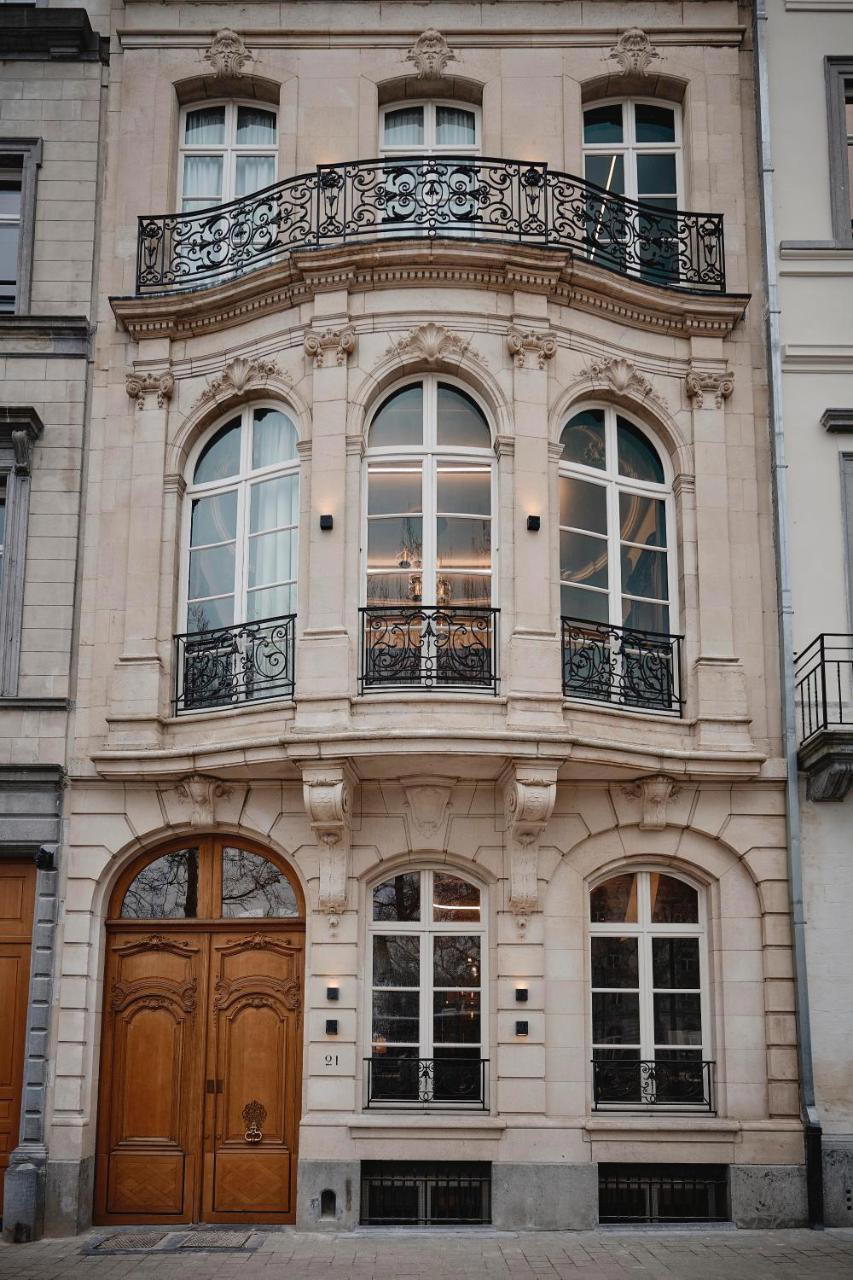
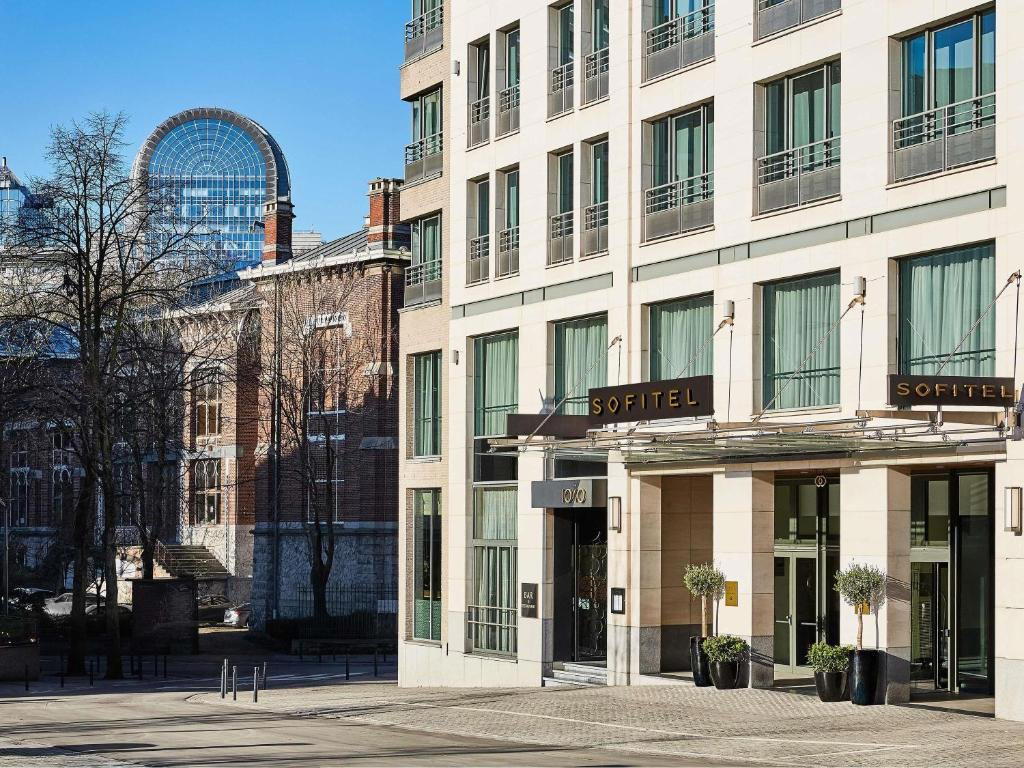
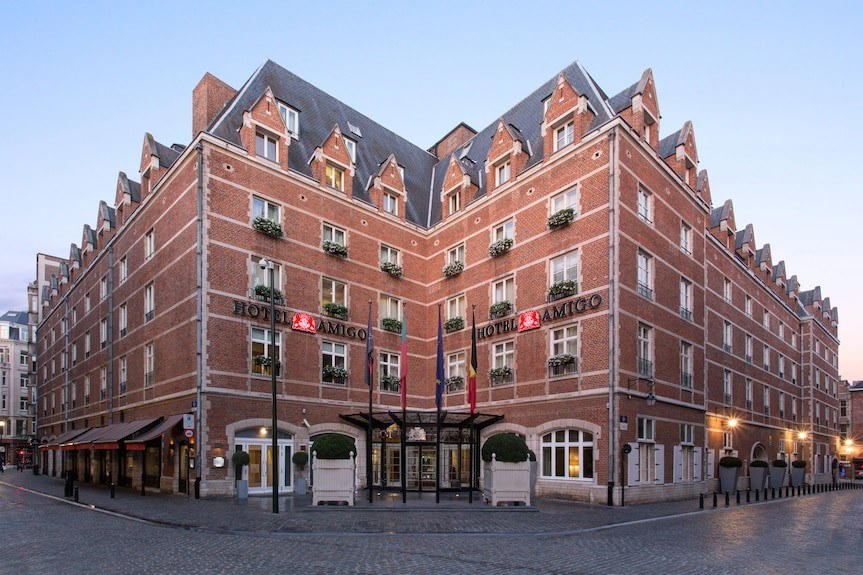
Hotels in Ixelles
Browse all →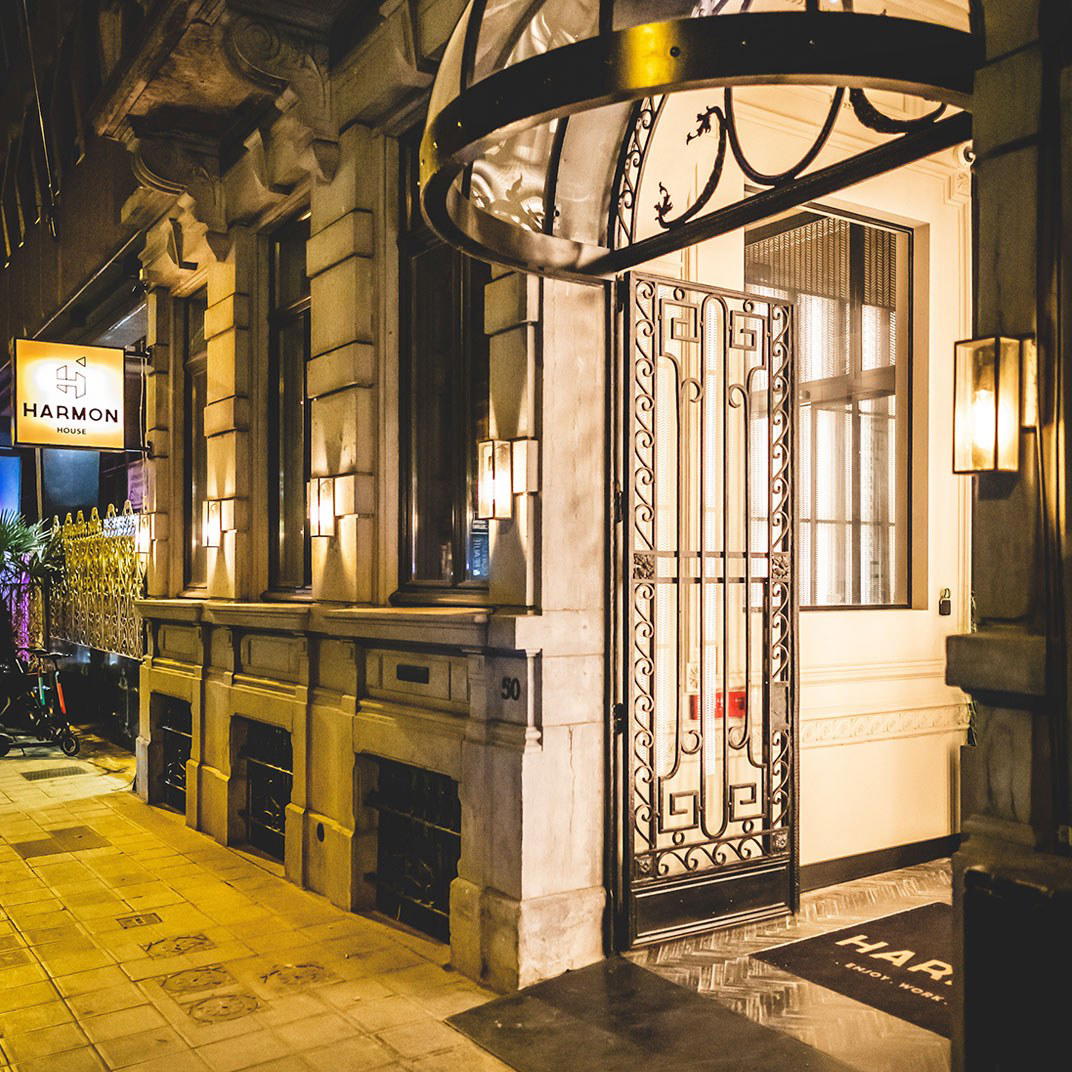
Wineries in Ixelles
Browse all →
Details
- Cozy
- Modern
- Sophisticated
- Casual Hangout
- Group Dining
- Date Night
- Standalone
- A La Carte
Warm, casual, and intimate, with a contemporary neighborhood feel centered on Vietnamese comfort food.