
Tabelog 100 #99
Our verdict
A seven-seat counter in Shimomaruko puts Tokyo ramen back into its compact, sequence-driven form: arrival, bowl, exit, with little room for theatre. Natsuya no Chuka Soba sits in the low-priced ramen bracket yet carries Tabelog 100 Ramen Tokyo recognition for 2024 and 2025, which places serious demand pressure on a format built for solo diners and fast turnover.

Pearl is the En Primeur Club membership app, where members save venues, book tables and use the concierge.
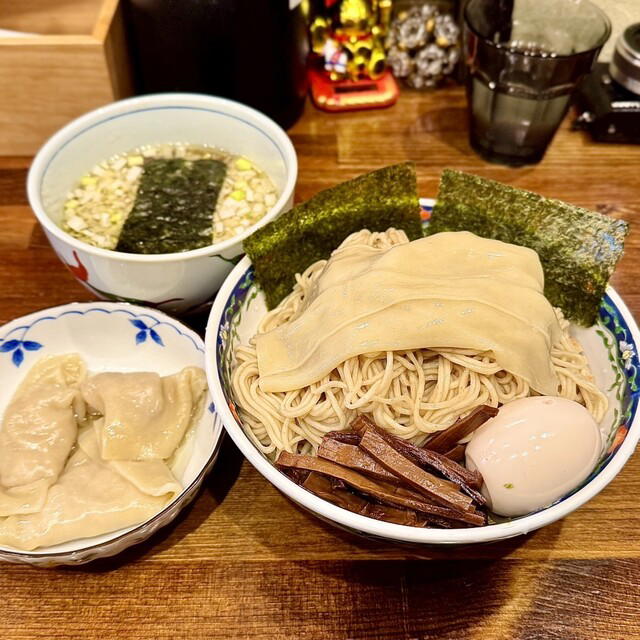
Tokyo is not only the ramen fantasy of neon and late-night queues. The approach here is quieter: a focused stop in the city, a straightforward ramen-shop rhythm, and a meal that has to work quickly. In this setting, ramen is less spectacle than sequence: a few decisions, a bowl, and disciplined timing.
That matters because Tokyo ramen has split into economies. Central districts trade on convenience, tourism, and long operating windows; smaller city restaurants compete on concentration. Natsuya no Chuka Soba belongs to that more focused camp. Its 2025 Tabelog Hyakumeiten recognition places it in a recognised citywide field, but the appeal is not trophy dining. It is how a modest ramen format can carry the pressure usually associated with far more expensive meals.
A ramen meal built as a short progression, not a long tasting menu
Ramen has its own tasting progression, even when the meal lasts less than half an hour. First comes the visual structure: the bowl arrives as a complete argument rather than a set of courses. Then broth, noodle texture, aroma, fat, seasoning, and finish register in quick succession. Tokyo’s serious ramen venues ask diners to pay attention at speed. There is no sommelier pacing, mid-meal reset, or dessert to soften the final impression.
That compressed arc explains why focused ramen shops carry such critical weight in Japan. A ramen venue has fewer places to hide inconsistency than a larger restaurant. Every order tends to face the same rhythm, and repetition reveals whether the kitchen can repeat its sequence without drift. The format is not a quaint detail; it is the operating system of the meal.
The price bracket sharpens the point. At JPY 1,000 to JPY 1,999, this is not luxury dining by Tokyo standards, yet 2025 Tabelog Hyakumeiten recognition places the shop in a competitive category where small execution differences matter. Comparison venues such as PondyBhavan Musashi nitta, THE LIVING, Jinenbo, and pizzeria fabbrica 1090 sit across broader casual-dining contexts. Ramen at this level can be both inexpensive and unforgiving.
The sequence also changes how to judge the meal. A long tasting menu can recover from a weaker course; a ramen bowl cannot. Broth balance, noodle condition, topping placement, and temperature converge at once. Tokyo ramen obsessives treat a single bowl with the seriousness other diners reserve for omakase. The form is short, but the margin is thin.
Why Tokyo changes the dining equation
Tokyo rewards diners who look beyond the easiest dining map. A focused ramen venue in the city is not necessarily chasing the same foot traffic as station-adjacent chains or department-store food halls. It depends on intention, local repeat trade, and diners willing to fold a focused stop into the day.
That geography is part of the appeal, but it should not be romanticised. Dining in Tokyo can be efficient, strict, and logistically demanding. The reward is access to formats that can feel harder to sustain at the same price level in the most obvious high-rent dining zones. The trade-off is planning: the more focused the restaurant, the less forgiving the meal becomes for casual timing.
This is where recognition matters as a trust signal rather than decoration. Tabelog’s ramen selections are influential because they sit inside a culture that treats user scoring, genre lists, and category depth seriously. A 2025 Tabelog Hyakumeiten listing does not turn a ramen venue into fine dining; it says the restaurant is being assessed against a dense citywide ramen field, not merely other casual lunch options.
For travellers building a wider Tokyo eating itinerary, the comparison is useful. A day can move from specialist ramen to yakitori, curry, sushi-adjacent counters, or casual cafés without pretending they share the same purpose. EP Club’s broader Tokyo restaurant coverage includes other Tokyo dining rooms across multiple casual categories. Together, they show how Tokyo’s casual dining categories operate with the seriousness often assigned only to expensive rooms.
How to place it inside a Tokyo itinerary
Natsuya no Chuka Soba is a focused stop, not an all-evening anchor. The distinction matters. The meal suits a day built around Tokyo, or a deliberate ramen detour for diners who care about the city’s specialist restaurants. It is less suited to a loose group meal, a long catch-up, or a traveller who wants a flexible, lingering plan.
The no-frills structure also makes it a clean contrast to other Japan dining formats. Different cities and formats ask different things from the diner: hot-pot meals, cafés, regional cooking, curry shops, and counter restaurants all operate on their own rhythms. Outside Japan, Japanese drinking and comfort-food formats travel differently again, but Natsuya no Chuka Soba is best understood in the specific context of Tokyo ramen.
The editorial verdict is simple: this is a precision ramen stop for diners who understand that Tokyo’s serious food culture is not limited to expensive tasting menus. The low price band and 2025 Tabelog Hyakumeiten recognition create a high-demand, focused-dining equation. For the broader city plan, use Our full Tokyo restaurants guide alongside Our full Tokyo hotels guide, Our full Tokyo bars guide, Our full Tokyo wineries guide, and Our full Tokyo experiences guide.
Cuisine Context
Comparable venues at a glance for context.
| Venue | Cuisine | Price | Awards | Notes |
|---|---|---|---|---|
| Natsuya no Chuka SobaThis venue (the venue you are viewing) | Japanese Ramen | $1–10 | Tabelog 100 #99 | Not listed |
| Mizuho | Traditional Japanese wagashi (mame daifuku specialty) | $1–10 | Tabelog 100 #84 | Shibuya |
| Sakurajosui Funakoshi | Modern shio ramen | $10–20 | Tabelog 100 #4 | Suginami |
| Japanese Spice Curry wacca | Japanese spice curry | $10–20 | Tabelog 100 #28 | Chūō |
| Sanuki Udon Kuranosuke | Sanuki udon noodle shop | $10–20 | Tabelog 100 #60 | Toshima |
| Curry Shop Fennel | Japanese curry shop | $10–20 | Tabelog 100 #97 | Suginami |
Recognition history
Dated appearances from independent guides and award organizations, with the underlying list record or original source where available.
Tabelog 100 #99 · No. 99
Tabelog · Tabelog 100 - Ramen - TOKYO - 2025
Continue exploring
More in Tokyo
Restaurants in Tokyo
All restaurants in Tokyo →

Bars in Tokyo
All bars in Tokyo →

Details
- Cozy
- Classic
- Solo
- Casual Hangout
- Standalone
- Counter Dining
- A La Carte
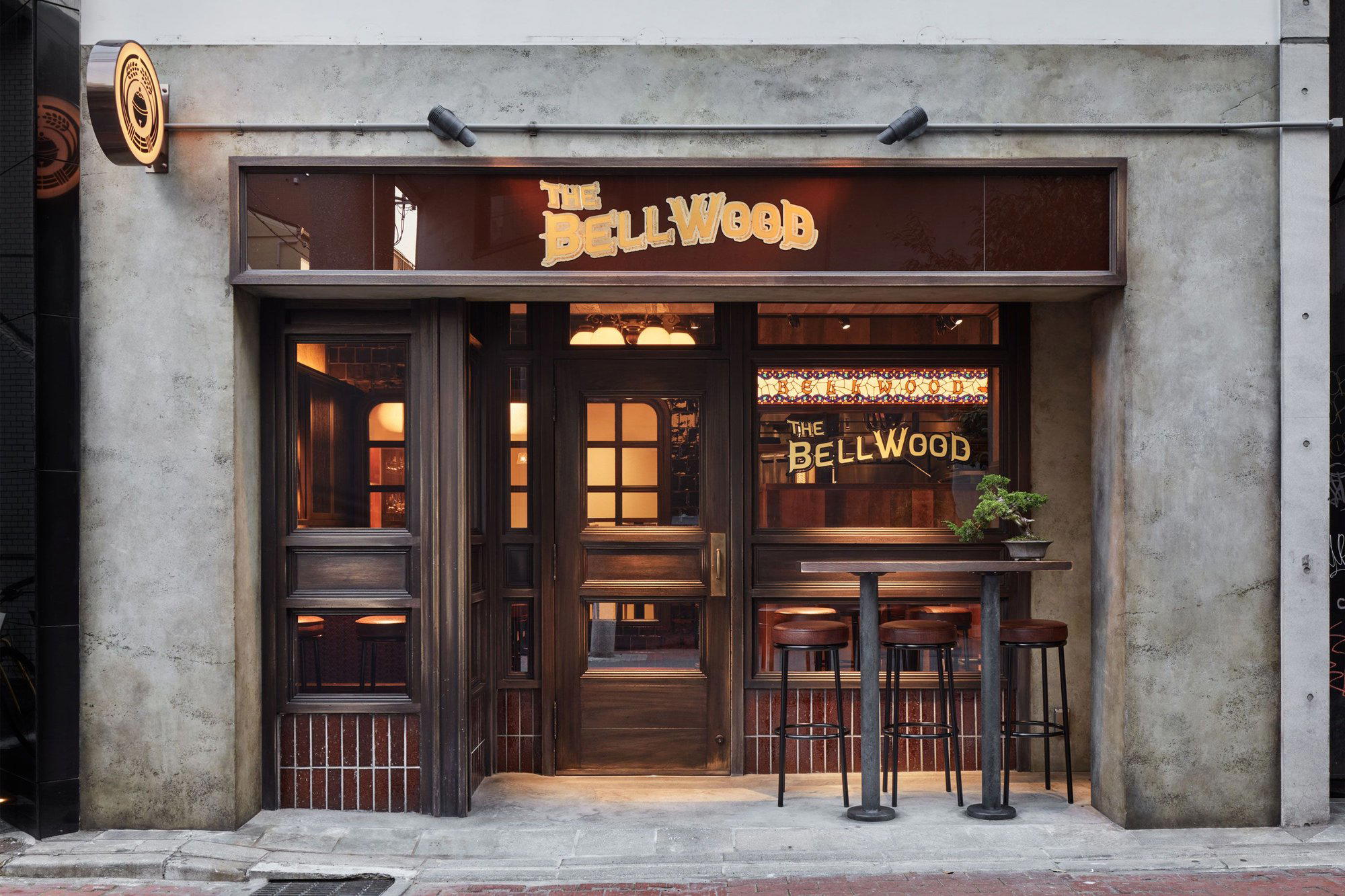
Quiet, residential, and unpretentious, with a focused counter-service ramen-shop feel rather than a dining-room atmosphere.