
Drukarnia Smaku Cristina sits on Zakopane's central plac Niepodległości and carries a 2025 La Liste score of 76.5 points, placing it among Poland's recognised Polish Fusion addresses.8 across nearly 1,900 reviews signals consistent execution over time. For the Tatra region, it represents a category of serious cooking rarely found this far from Kraków or Warsaw.
Pearl is the En Primeur Club membership app — saves, bookings, and concierge access live there. Same editors, same standards.
- Address
- plac Niepodległości 7, 34-500 Zakopane, Poland
- Phone
- +48 662 833 833
- Website
- drukarniasmakucristina.pl
- Directions
- Get directions
 Saves & bookings on Pearl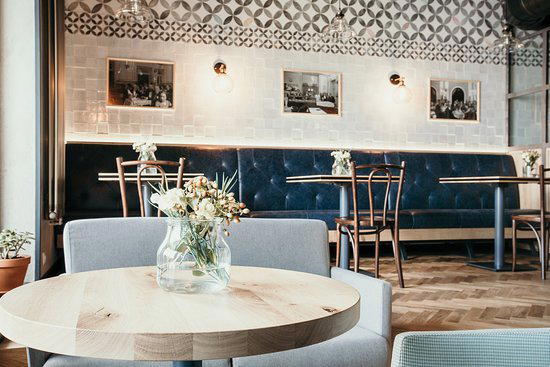
Mountain Town, Serious Table
Zakopane is better known for oscypek vendors and après-ski crowds than for restaurants that appear in international guides. Plac Niepodległości, the town's commercial centre, is a place of souvenir shops and góralska folk kitsch, which makes the presence of a Polish Fusion kitchen with a 2025 La Liste score of 76.5 points all the more worth registering. Drukarnia Smaku Cristina occupies that address, and the gap between expectation and reality is precisely what defines its position in the Tatra dining scene.
Across Poland's serious restaurant tier, the geography of recognition has been slow to reach the mountains. Bottiglieria 1881 in Kraków and Arco by Paco Pérez in Gdańsk represent the coastal and city anchors of Polish fine dining. Warsaw houses hub.praga, while Muga in Poznań, 1911 in Sopot, and Acquario in Wrocław anchor their respective cities. The Tatra foothills have historically been absent from that map. A La Liste placement at 76.5 points does not close that gap entirely, but it signals that at least one kitchen in Zakopane is being evaluated on national and international terms rather than regional ones alone.
What Polish Fusion Means in the Mountains
The Polish Fusion category has expanded considerably over the past decade, and its meaning varies by context. In cities like Warsaw or Kraków, it tends to signal a dialogue between classical Polish technique and European or Asian frameworks. In the Tatras, the raw material context shifts the conversation. The region sits at the junction of southern Polish and northern Slovak highland culture, and its larder reflects that position: smoked sheep's milk cheese, highland lamb, foraged mushrooms, wild herbs from above the treeline, and river fish from mountain streams. A fusion kitchen operating in this geography has access to ingredients that urban Polish restaurants source with effort and expense.
This is the editorial logic behind the La Liste placement. International guide systems increasingly reward restaurants that translate a specific landscape's produce into coherent, technically grounded cooking. The Tatra ingredient set is not interchangeable with anything available in a Warsaw wholesale market. When a kitchen commits to that sourcing logic, the resulting menu carries a provenance that fusion cooking in larger Polish cities often cannot replicate. Giewont in nearby Kościelisko operates in a similar highland context and holds a Michelin star, which suggests the broader Tatra restaurant scene has sufficient depth to support multiple serious kitchens across different formats.
Reading the Ratings
Maintaining 4.8 through that volume indicates that the kitchen delivers consistently across service conditions, seasons, and dining profiles. In the Tatra context, where tourist footfall is high and kitchen discipline is often sacrificed for throughput, that consistency is a real signal.
La Liste's 76.5-point score for 2025 positions Drukarnia Smaku Cristina within the broader tier of Polish restaurants the guide tracks. For comparison, La Liste operates on a 100-point scale aggregating reviews from global sources; scores in the mid-70s typically reflect restaurants with strong regional recognition and emerging national standing. That positioning places the restaurant in a comparable tier to addresses like Biały Królik in Gdynia and Quadrille in Gdynia, both of which operate in the Polish Fusion or modern Polish space and occupy similar rungs of national guide attention.
The Zakopane Restaurant Context
Zakopane's dining scene divides into three broad categories: traditional góralska restaurants serving grilled meats and potato dishes for tourist crowds; mid-range hotel restaurants with generic international menus; and a small, serious tier of kitchens attempting something more considered. That third category is thin but growing. Stary Niedźwiedź represents another address working in the modern cuisine space within the town itself. The presence of two restaurants worth tracking in a resort town of roughly 27,000 permanent residents reflects a shift in the expectations that visitors bring to the Tatras.
That shift is partly demographic. Zakopane draws a substantial Kraków and Warsaw weekend crowd, and urban Polish diners have grown accustomed to a restaurant culture that has improved sharply since 2015. A resort town that cannot offer at least one serious dinner option loses visitors who might otherwise extend their stay. Drukarnia Smaku Cristina's central location on plac Niepodległości places it directly in the path of those visitors, which creates both the opportunity and the pressure to perform at a standard most mountain-town restaurants never attempt.
Planning Your Visit
Drukarnia Smaku Cristina sits at plac Niepodległości 7, Zakopane's central square, making it accessible on foot from most accommodation within the town. Zakopane is a two-hour drive from Kraków, or roughly two and a half hours by bus from Kraków's main bus terminal, which runs frequent services. The town's peak seasons run December through February for skiing and July through August for hiking, and restaurant pressure during those windows is significant. Booking in advance is advisable during peak periods; specific reservation methods are best confirmed directly with the restaurant. For a broader picture of dining in the region, see our full Zakopane restaurants guide. Those planning a longer stay can also consult our Zakopane hotels guide, bars guide, wineries guide, and experiences guide for a complete picture of what the Tatra region offers beyond the slopes.
For those using Zakopane as part of a wider Polish itinerary, the restaurant sits naturally alongside other serious Polish addresses worth scheduling: Luneta & Lorneta Bistro Club in Ciekocinko and Nare Sushi in Skórzewo represent the geographic spread of Poland's emerging restaurant scene beyond its obvious urban centres. Even Le Bernardin in New York City serves as a useful benchmark for understanding what sustained international guide recognition looks like at its ceiling, against which the Polish scene's trajectory becomes legible.
Frequently Asked Questions
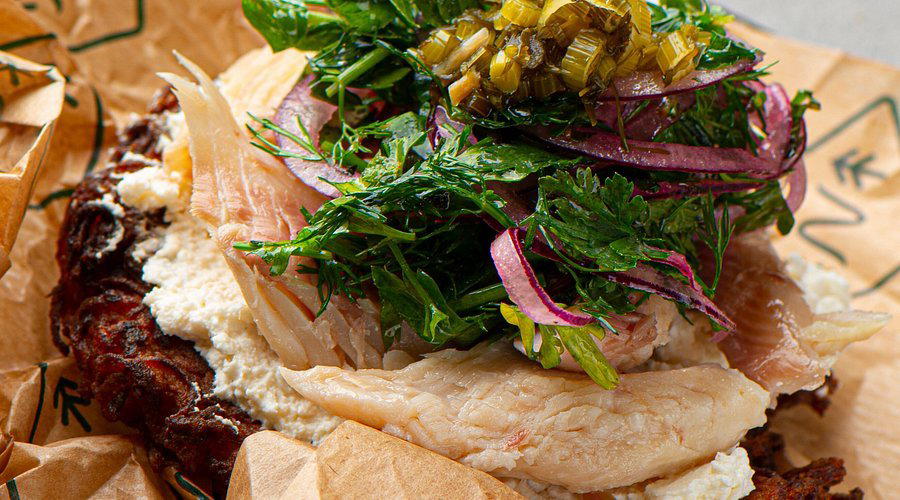
- What dish is Drukarnia Smaku Cristina famous for? No specific signature dishes are confirmed in published sources. The restaurant operates in the Polish Fusion category, which in the Tatra context typically draws on highland ingredients: smoked sheep's milk cheese, lamb, mountain mushrooms, and regional herbs.
- Is Drukarnia Smaku Cristina reservation-only? During Zakopane's peak ski and hiking seasons, advance booking is prudent for any restaurant in this tier.
- What is Drukarnia Smaku Cristina known for? The restaurant is recognised for Polish Fusion cooking in a location, central Zakopane, where serious culinary ambition is rare. Within the Tatra region, it occupies a position comparable to Giewont in Kościelisko as one of the area's more seriously regarded kitchens.
| Venue | Cuisine | Price | Awards |
|---|---|---|---|
| Drukarnia Smaku CristinaThis venue — the venue you are viewing | Polish Fusion | La Liste Top Restaurants (2025): 76.5pts | This venue |
| Giewont | Modern Cuisine | €€€ | Michelin 1 Star |
| Rozbrat 20 | Modern European, Modern Cuisine | €€€ | Michelin 1 Star |
| alewino | Modern Polish, Traditional Cuisine | €€ | Modern Polish, Traditional Cuisine, €€ |
| Bez Gwiazdek | Modern Polish, Modern Cuisine | €€€ | Modern Polish, Modern Cuisine, €€€ |
| Butchery & Wine | Bistro, Meats and Grills | €€ | Bistro, Meats and Grills, €€ |
Recognition history
Dated appearances from independent guides and award organizations, with the underlying list record or original source where available.
La Liste Top Restaurants
La Liste
Continue exploring
More in Zakopane
Restaurants in Zakopane
Browse all →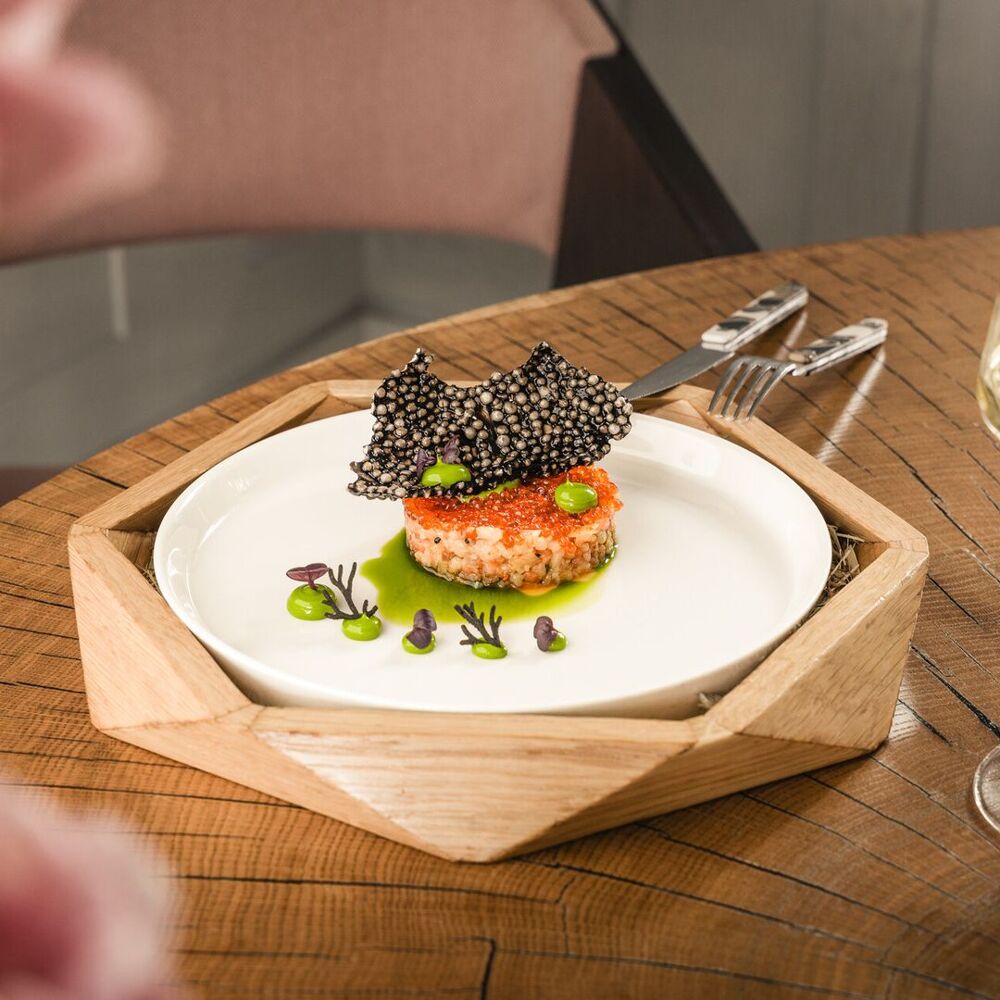
At a Glance
- Cozy
- Elegant
- Rustic
- Intimate
- Date Night
- Family
- Celebration
- Special Occasion
- Open Kitchen
- Historic Building
- Extensive Wine List
- Local Sourcing
Current opening hours
- Monday
- 8–10:30 a.m., 1–10 p.m.
- Tuesday
- 8–10:30 a.m., 1–10 p.m.
- Wednesday
- 8–10:30 a.m., 1–10 p.m.
- Thursday
- 8–10:30 a.m., 1–10 p.m.
- Friday
- 8–10:30 a.m., 1–10 p.m.
- Saturday
- 8–10:30 a.m., 1–10 p.m.
- Sunday
- 8–10:30 a.m., 1–10 p.m.
Hours can change for holidays and private events. Last verified .
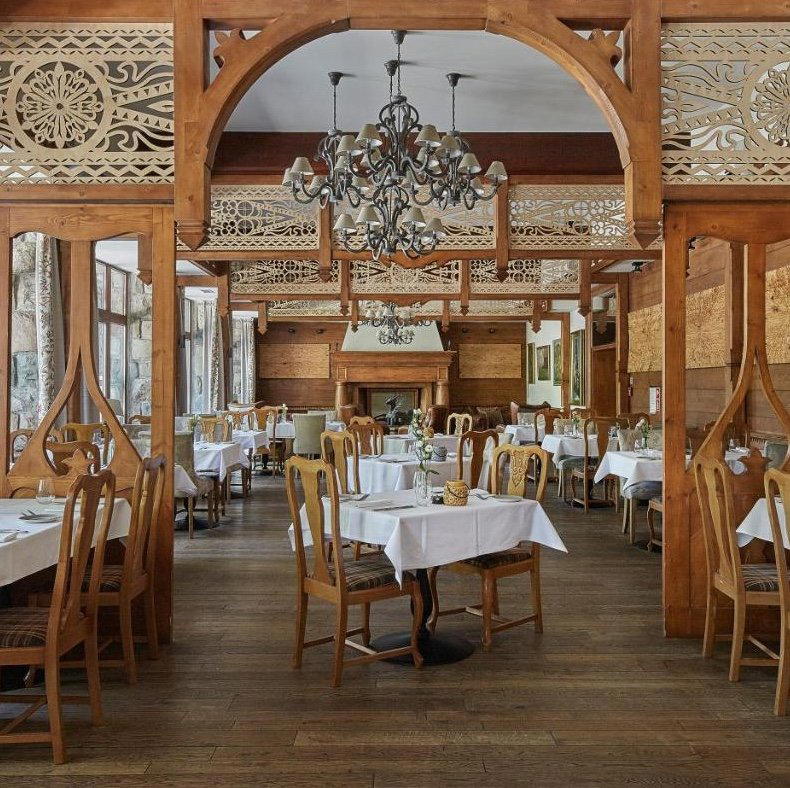
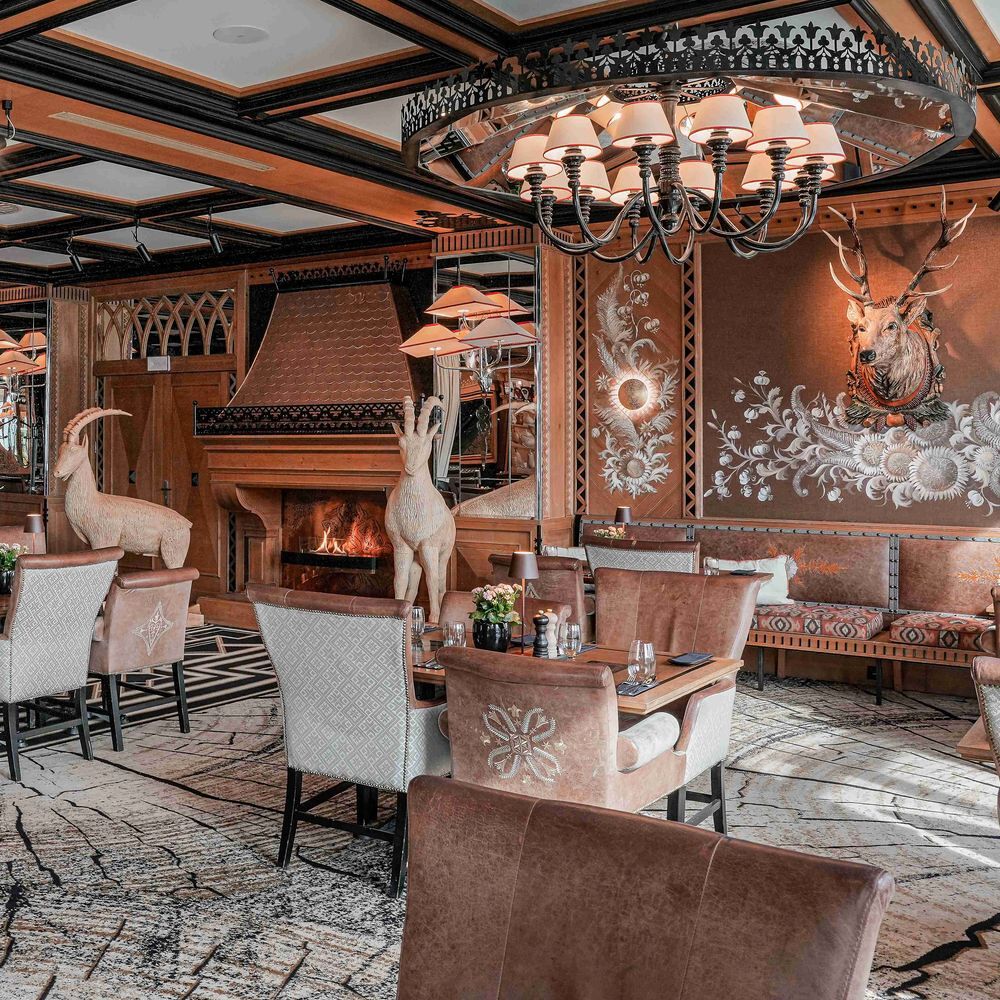
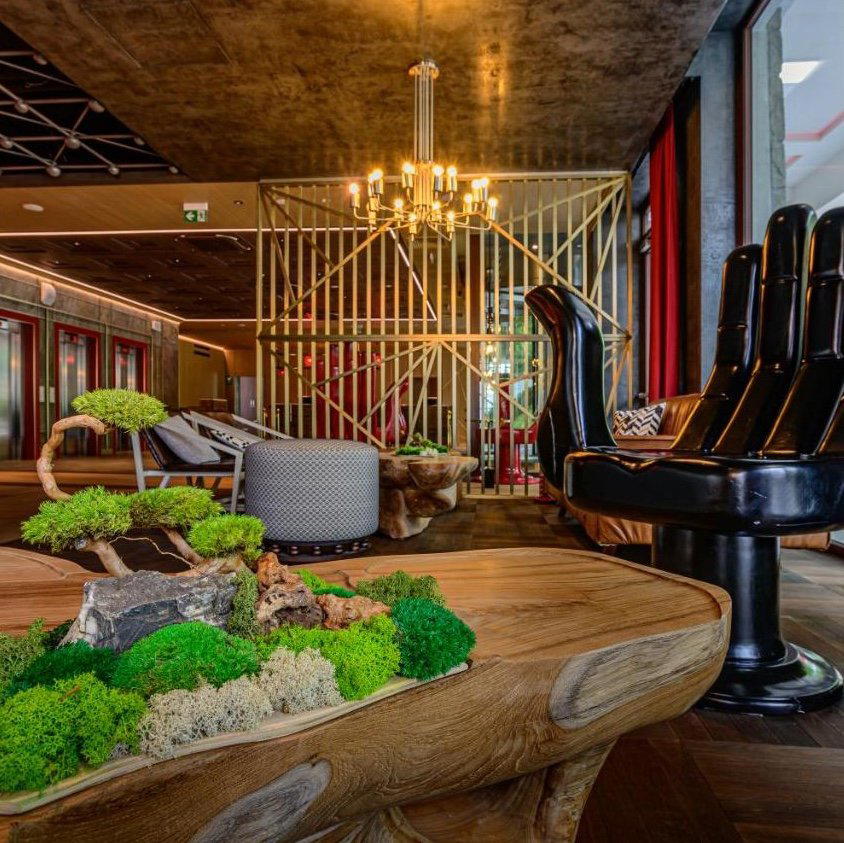
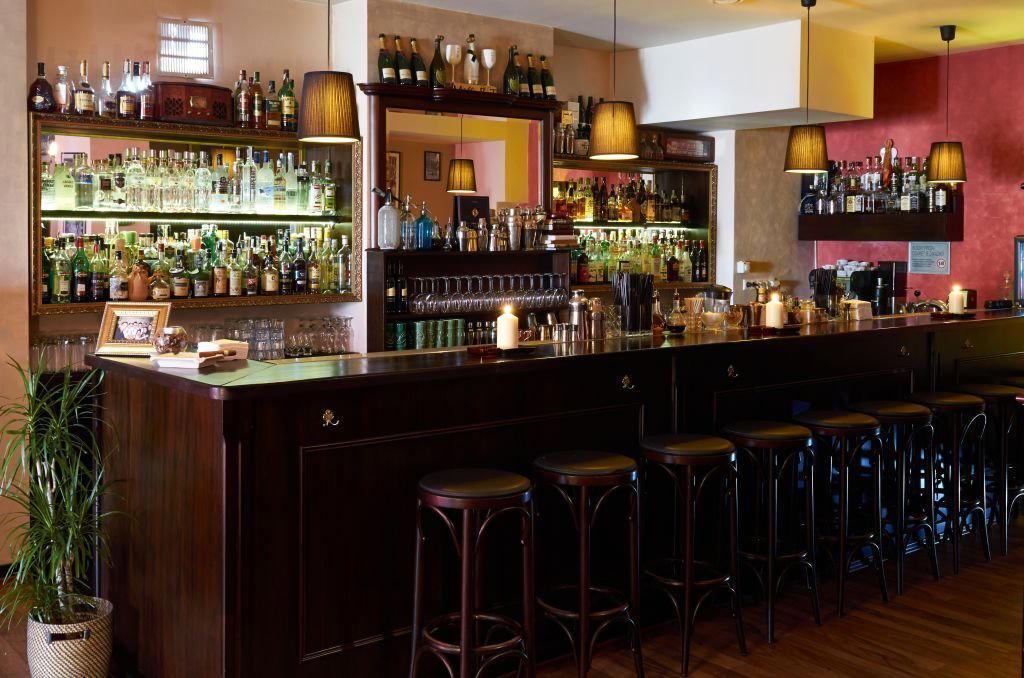
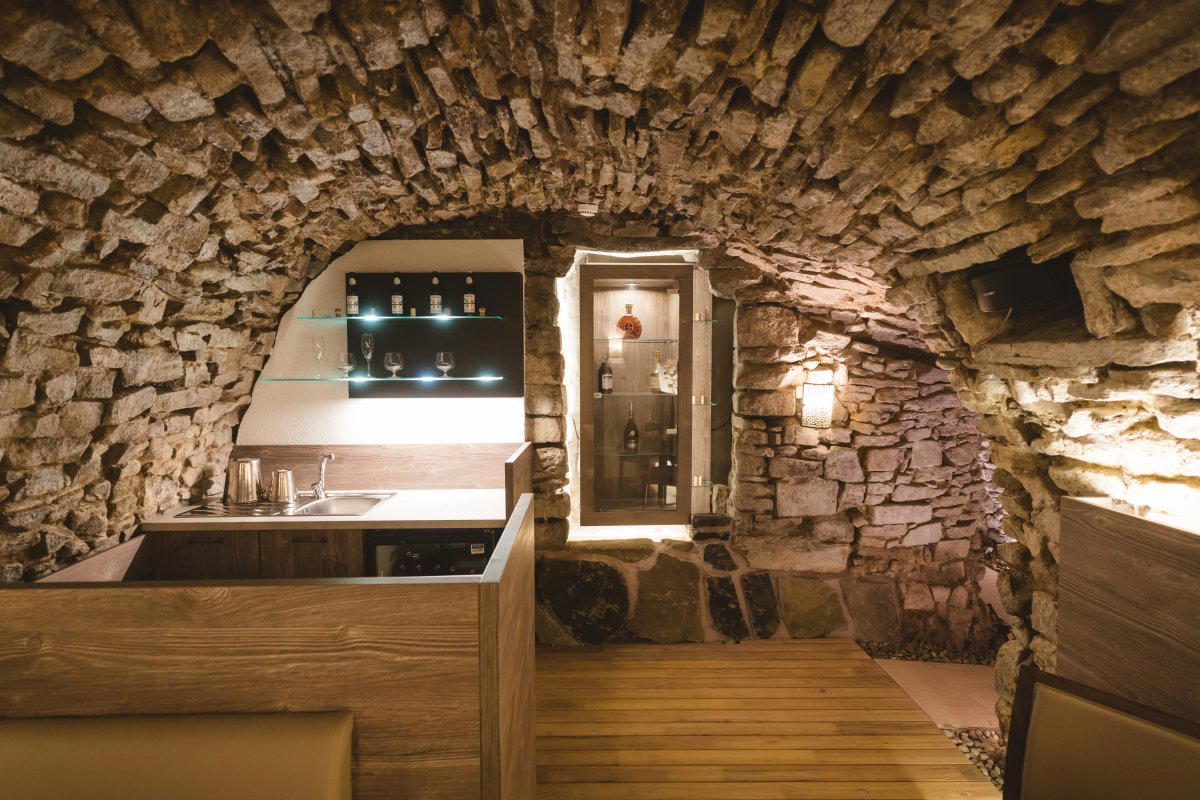
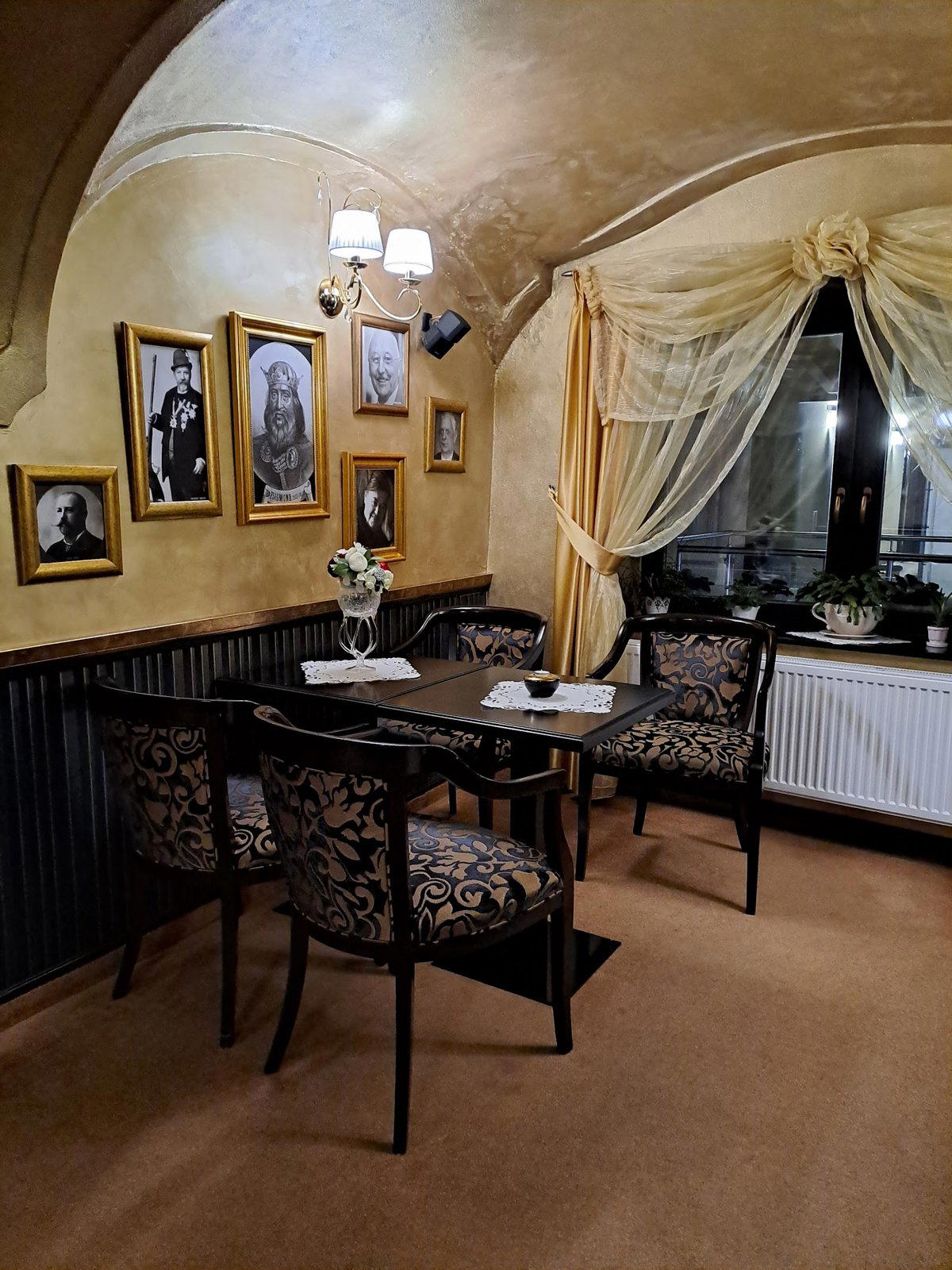
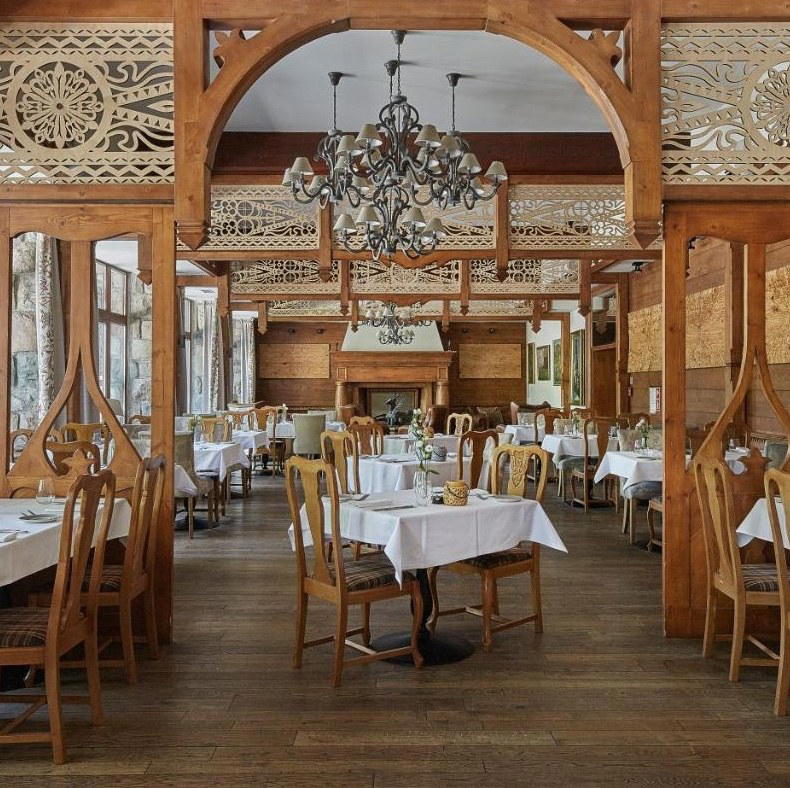
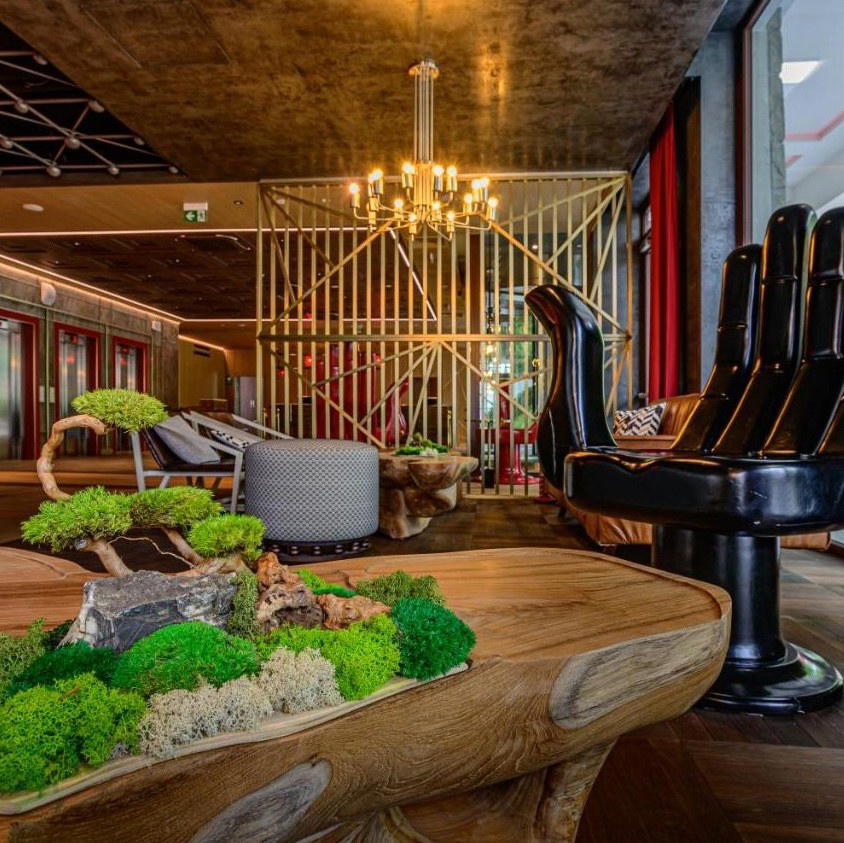
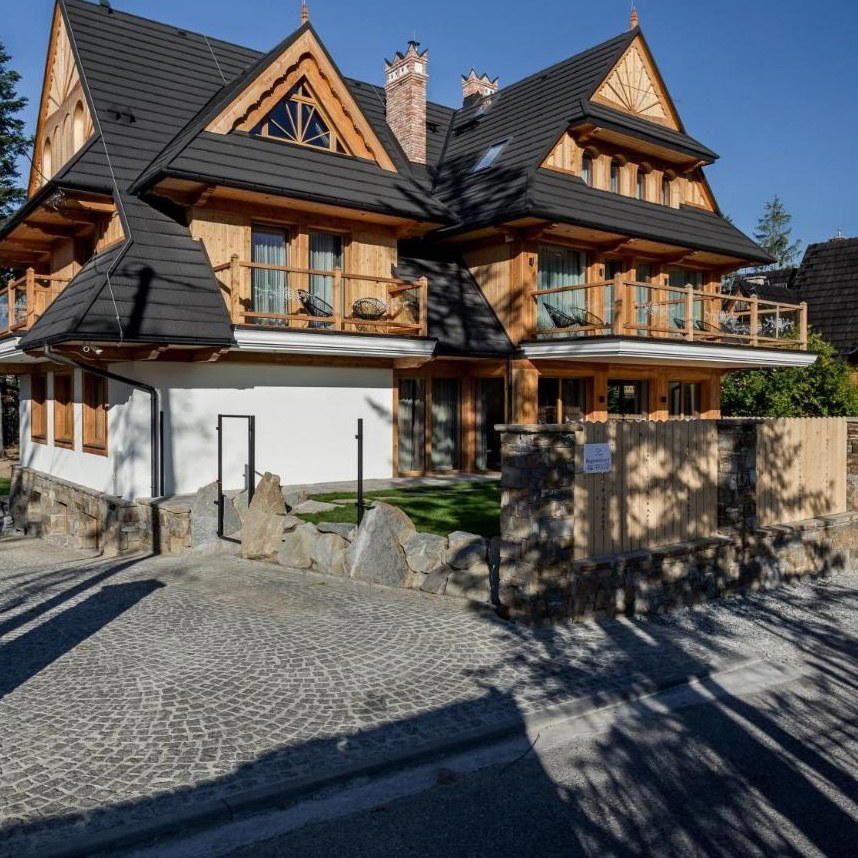
Warm and inviting with historical elements, soft lighting, cozy seating, and a distinctive atmosphere blending tradition and modern elegance.
Know Before You Go
- Getting there
- plac Niepodległości 7, 34-500 Zakopane, Poland