
Naniwa Menjiro is a compact ramen and tsukemen counter inside Kintetsu Osaka Namba Station, selected for Tabelog Ramen OSAKA “Tabelog 100” in 2023, 2024, and 2025. Its appeal sits in the Osaka station-dining category: 12 counter seats, no reservations, low-ticket pricing, and a format built for a focused bowl rather than a drawn-out meal.
Pearl is the En Primeur Club membership app — saves, bookings, and concierge access live there. Same editors, same standards.
- Address
- Japan, 〒542-0076 Osaka, Chuo Ward, Namba, 4 Chome−1−17 Time's Place Namba Shopping Mall, 近鉄大阪難波駅 改札内 Time's Place難波 ごちぶらナンバ
- Phone
- +81 6-6575-7536
- Website
- naniwamenjiro.com
 Saves & bookings on Pearl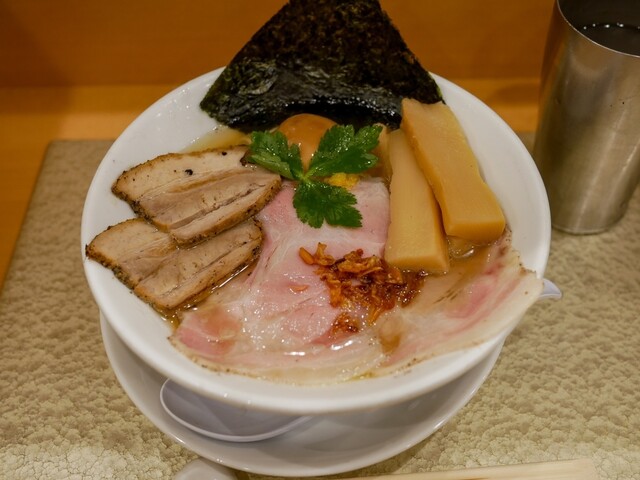
Inside the ticketed zone of Kintetsu Osaka Namba Station, the meal begins before the bowl arrives. This is Osaka ramen in its transit form: compact, counter-led, efficient, and embedded in the daily movement of Namba rather than staged as destination dining. The room is built around 12 counter seats, which gives the experience a clear rhythm: order, sit, eat with attention, move on. That cadence matters. In a city where dining can run from late-night kushikatsu to high-spend beef counters, a station ramen shop asks for a different kind of focus.
Naniwa Menjiro belongs to the ramen and tsukemen category, and its repeated selection for Tabelog Ramen OSAKA “Tabelog 100” in 2023, 2024, and 2025 gives it a useful credential in a crowded field. The recognition is not a luxury signal in the way Michelin stars work for tasting-menu restaurants; it is a local category marker, especially relevant for readers trying to sort serious ramen from the blur of station food. The price band keeps the decision low-risk, while the format keeps expectations disciplined: this is counter dining, not a long reservation-led evening.
A station counter with a meal arc, not a tasting menu
The assigned frame here is progression, but ramen compresses progression into a single bowl rather than spreading it across courses. Osaka’s ramen culture often rewards that compression. The first decision is usually between soup ramen and tsukemen, the latter separating noodles and dipping broth into a more deliberate sequence. Then comes pace: the bowl is not meant to sit. Counter ramen works because heat, texture, and timing are part of the format, even when the shop does not present itself with formal ceremony.
That is where a 12-seat counter changes the meal. Small counters reduce the gap between kitchen and diner, and the experience becomes less about décor than turnover, timing, and concentration. In higher-priced Osaka restaurants such as Sumiya or Nikushou Nakata Honten, the meal stretches around courses, grilling, wine or sake, and a longer spend. At Daikoku or hadoromanchikka, the budget band sits closer to everyday dining. This counter falls into the lower-ticket, high-frequency end of the city’s food culture, but the Tabelog 100 selections place it above anonymous convenience eating.
The distinction is useful for visitors planning Namba. A ramen counter inside a major station is not competing with a full okonomiyaki meal at Ajinoya Honten or a composed Italian dinner at a canto (Italian). It competes for the moment between train lines, shopping, hotel check-in, and the decision not to waste a meal on something generic. Osaka rewards that kind of tactical eating. The city’s stronger casual addresses often work because they understand a narrow brief and execute it without expanding into theatre.
Why Namba's transit dining deserves attention
Namba is not a quiet food district. It is a transport node, shopping corridor, nightlife gateway, and eating zone compressed into a few blocks. That density produces a split personality: some addresses exist for volume, others survive because repeat local traffic does not forgive weak execution. Station dining in Japan can be serious in a way many travellers underestimate. The infrastructure around major rail hubs supports specialised counters, bakeries, takeaway specialists, and quick-service restaurants that would be treated as stand-alone destinations in less competitive cities.
For a wider Osaka read, compare this with the city’s broader casual map: steamed pork buns at 551 Horai (551蓬莱), bakery-led stops such as 52CHO-ME BAKERY, coffee breaks at .cafe, and Neapolitan-style pizza at 99 Pizza Napoletana Gourmet. The common thread is not cuisine; it is the city’s appetite for focused formats that make sense within a day’s movement.
The no-reservations model also changes the reader decision. There is no table to secure weeks ahead, no dress code to plan around, and no tasting-menu duration to protect. The constraint is access: the shop is inside Kintetsu Osaka Namba Station’s ticketed area. Diners without a commuter pass need to handle station entry before eating, and the venue notes an admission-ticket arrangement with a discount coupon. That detail is not glamorous, but it is the kind of logistical fact that separates a smooth stop from a confused search through Namba’s underground passages.
How to place it in an Osaka itinerary
This is a practical lunch or early-evening stop when the day is already moving through Namba. It also suits travellers using Osaka Namba Station as a transfer point rather than those building a slow night around one room. The daily hours run across lunch and dinner, with last order listed before closing, and the regular monthly closure is the third Tuesday. Payment is cash-oriented: credit cards, electronic money, and QR code payments are not accepted. The space is non-smoking, counter-seated, wheelchair accessible, and children are welcome, which makes it more flexible than many compact ramen counters.
The stronger editorial reason to go is category clarity. Ramen in Osaka can be treated as a quick fix, but the better counters operate with the precision of a specialist craft, even when the bill remains modest. Naniwa Menjiro’s Tabelog 100 run across three consecutive years suggests consistency within that category. For a traveller, that matters more than florid claims about atmosphere. It is a concise, station-bound version of Osaka’s eating culture: price-sensitive, format-driven, and serious about the bowl.
Use it as one point in a larger Osaka plan rather than the whole plan. For broader city coverage, see Our full Osaka restaurants guide, plus Our full Osaka hotels guide, Our full Osaka bars guide, Our full Osaka wineries guide, and Our full Osaka experiences guide. Readers building a wider Japan food route can also compare formats beyond Osaka, from -Grilled beef Sukiyaki- KAMAKURA TANUKIAN 鎌倉 たぬき庵 in Kamakura and. 鮪と炭火焼き うお炭 秋葉原店 in Tokyo to.know in Kumamoto, (Shoku) Vietnam in Kawasaki, [Curry Senmon Ten] Maruyama Kyoju. in Sapporo, and [ki:] in Kyoto. For Japanese dining references abroad, Jōdo Saké Bar in Los Angeles and Onigiri Time in Pasadena show how narrow formats travel outside Japan.
Price Lens
Comparable venues at the same tier for side-by-side context.
| Venue | Cuisine | Price |
|---|---|---|
| Naniwa MenjiroThis venue — the venue you are viewing | Not listed | $ |
| yobareya | Nishi, Japanese Curry | $ |
| Ghar | Nishi, Japanese curry house | $ |
| Ebishi | Chūō, Soba noodle shop | $ |
| Curry Shop MASARA | Kita, Japanese European-style curry shop | $ |
| Udonya Kisuke | Kita, Osaka-style udon and tempura | $ |
Recognition history
Dated appearances from independent guides and award organizations, with the underlying list record or original source where available.
Tabelog 100 #99 · No. 99
Tabelog · Tabelog 100 - Ramen - OSAKA - 2025
Continue exploring
More in Osaka
Restaurants in Osaka
Browse all →




Bars in Osaka
Browse all →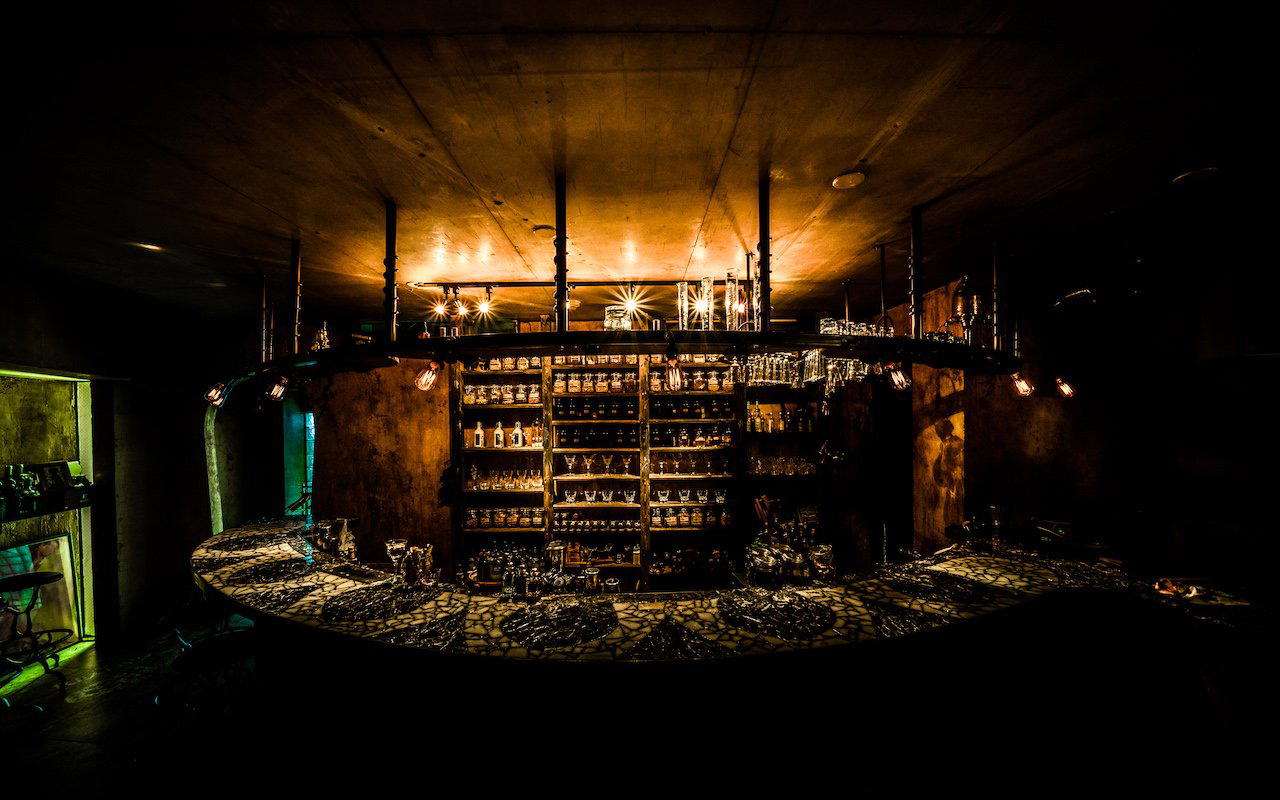

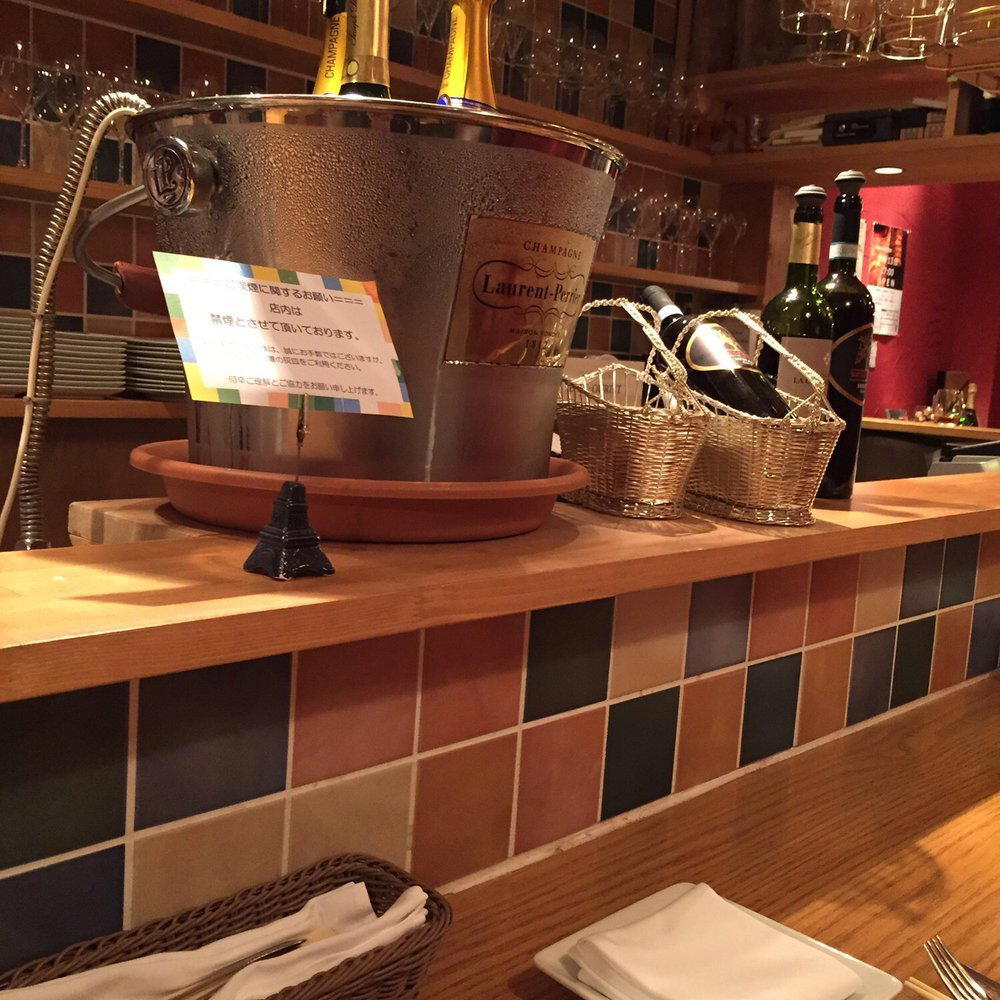
Hotels in Osaka
Browse all →
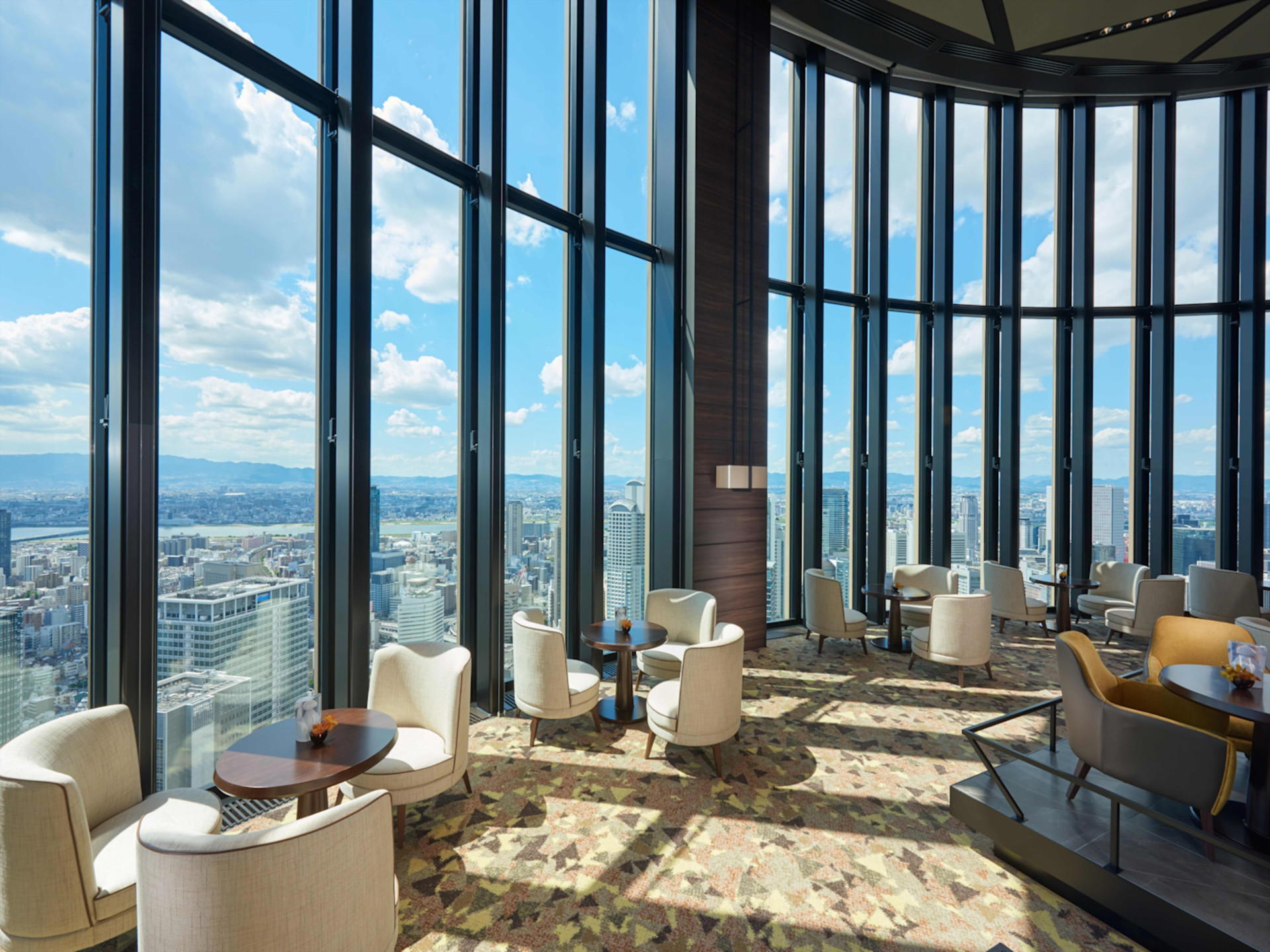



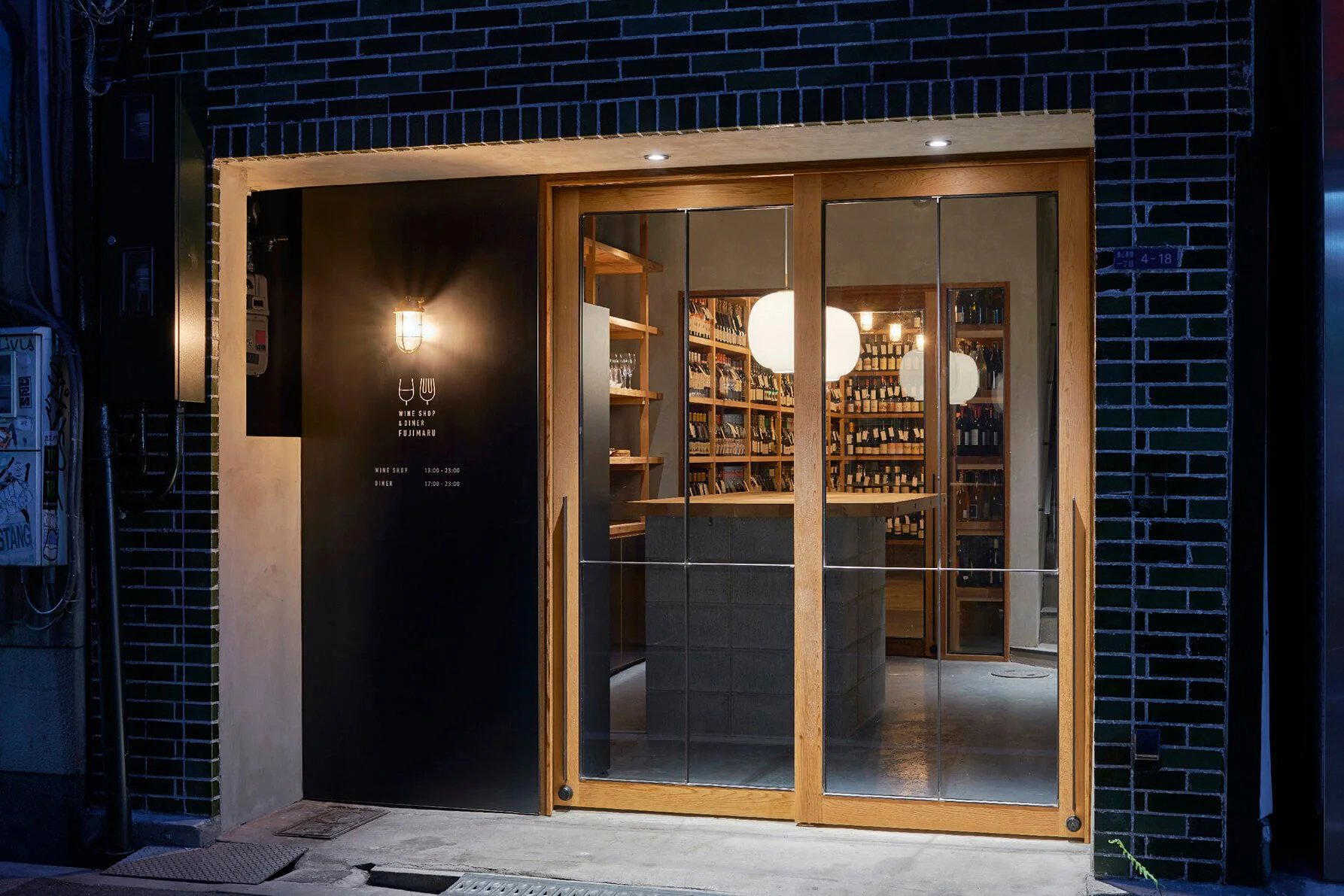
Wineries in Osaka
Browse all →
At a Glance
- Lively
- Cozy
- Modern
- Solo
- Casual Hangout
- After Work
- Family
- Chefs Counter
- Standalone
Current opening hours
- Monday
- 11 AM–10 PM
- Tuesday
- 11 AM–10 PM
- Wednesday
- 11 AM–10 PM
- Thursday
- 11 AM–10 PM
- Friday
- 11 AM–10 PM
- Saturday
- 11 AM–10 PM
- Sunday
- 11 AM–10 PM
Hours can change for holidays and private events. Last verified .
Bright, efficient station-counter setting with a relaxed, cozy feel; guests sit at a small bar watching bowls assembled in a calm but busy environment typical of popular metro ramen shops.