Nampetch

Michelin Bib Gourmand
Our verdict
Set in a traditional Thai house roughly 20 minutes outside Surat Thani's town centre, Nampetch operates on a rhythm shaped by the morning market: pastes pounded fresh, produce sourced locally, and every dish cooked to order. The kitchen leans toward lon over chilli paste and handles tamarind with precision. It is the kind of place where attentive, unhurried service makes the wait between courses feel intentional rather than slow.

Pearl is the En Primeur Club membership app — saves, bookings, and concierge access live there. Same editors, same standards.
- Address
- Hua Toei, Phunphin District, Surat Thani 84130, Thailand
- Website
- facebook.com
- Directions
- Get directions
A Traditional House, a Morning Market, and the Logic of Slow Cooking
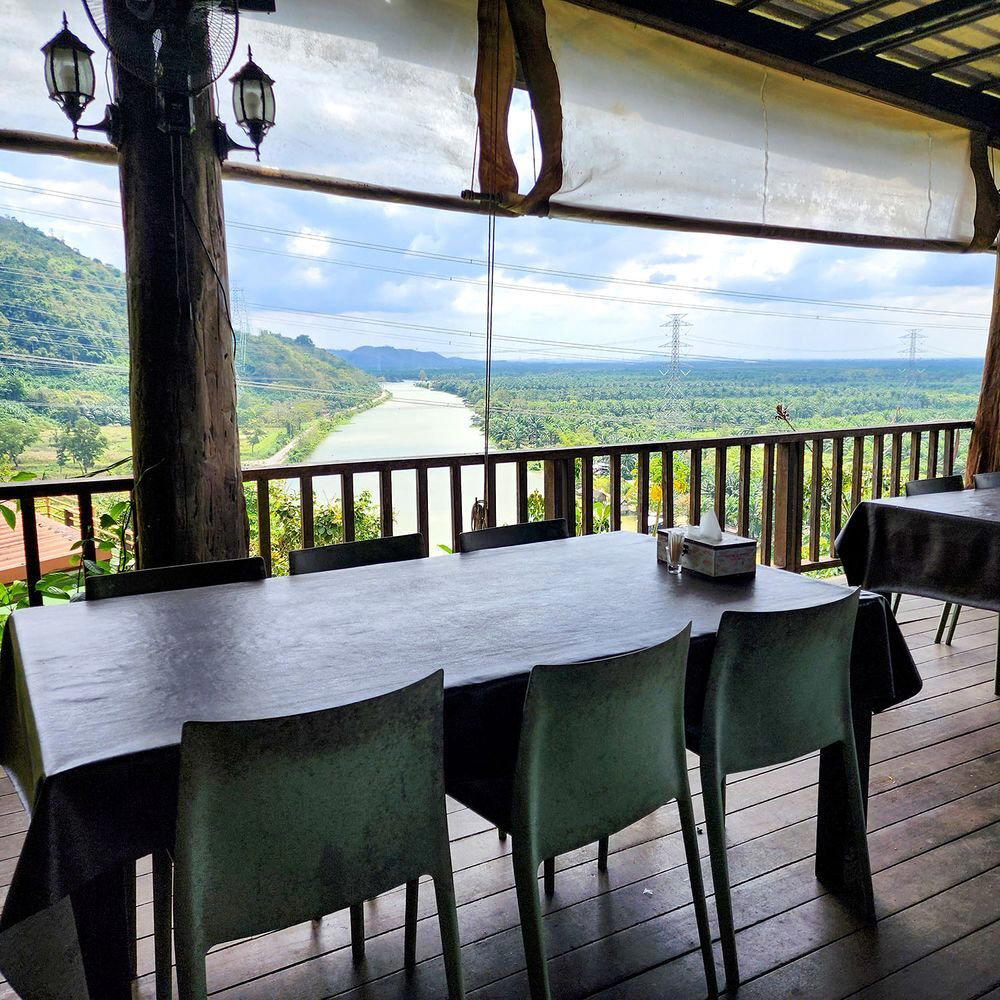
Southern Thailand's most compelling cooking rarely announces itself from a prominent address. In Surat Thani's Phunphin District, roughly 20 minutes from the town centre, the neighbourhood of Hua Toei hosts a style of home-kitchen dining that operates well outside the orbit of the provincial restaurant circuit. The setting here is a traditional Thai house, and the pace of service follows the logic of ingredients rather than a timed cover system. That is not a compromise — it is the operating principle.
Nampetch belongs to a category of Thai dining that has become harder to find even as it has attracted greater critical attention: single-operator kitchens where the chef-owner controls sourcing, prep, and execution without a brigade to distribute the workload. The model produces food that is deeply consistent in flavour but structurally slow. Second orders take time because nothing is pre-made. That constraint is also the guarantee of quality.
The Kitchen's Daily Rhythm
The morning market sets the menu. The chef-owner shops each day, selecting local produce that determines what appears on the table rather than the other way around. This approach — ingredient-first, menu-second, is a discipline practised by some of Thailand's most respected kitchens. Sorn in Bangkok has brought formal recognition to Southern Thai cooking through a similar sourcing philosophy, while AKKEE in Pak Kret demonstrates how a small, focused team can build a serious reputation around produce-led discipline. At Nampetch, the same logic operates without the fine-dining framing: local market, fresh pastes pounded by hand, and every dish cooked à la minute.
The paste work is worth understanding in context. In Southern Thai cooking, chilli pastes and curry bases are foundational, they carry the heat, the ferment, and the funk that define the region's flavour identity. Pounding them fresh rather than using pre-prepared bases is labour-intensive and time-sensitive, and it produces a textural and aromatic result that commercial pastes cannot replicate. At Nampetch, this is standard practice, not a point of difference marketed to visitors.
Lon, Tamarind, and the Southern Flavour Register
Kitchen at Nampetch shows a consistent preference for lon over chilli paste, a meaningful editorial choice within Southern Thai cooking. Lon is a coconut-milk-based dipping sauce, milder and more aromatic than the region's fiercer relishes, associated with a more refined domestic tradition. The preference for lon signals a kitchen interested in balance and subtlety alongside the region's characteristic heat.
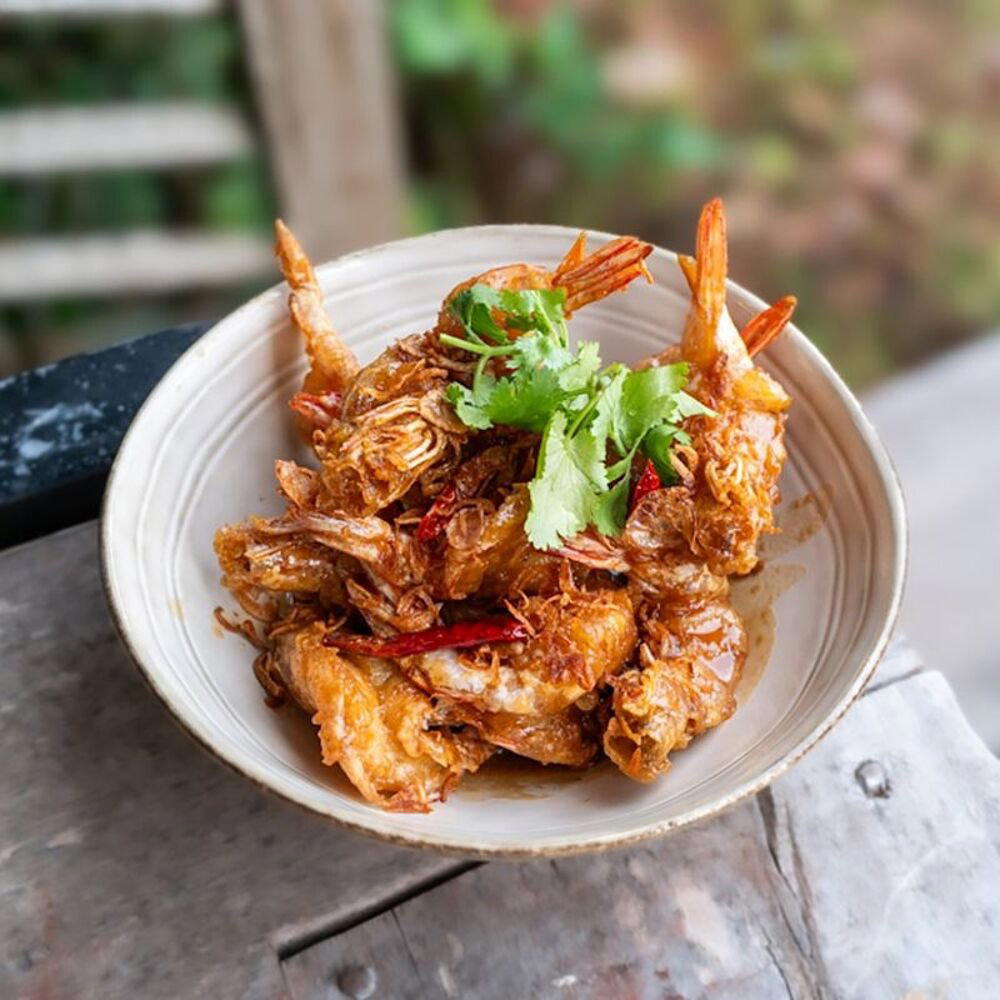
Kung phat sauce makham, a stir-fried prawn preparation with tamarind, illustrates the same sensibility. Tamarind is one of Southern Thailand's most versatile souring agents, capable of carrying both sweetness and acidity without either dominating. The balance achieved here between sweet and sour is precise rather than sharp: a Southern Thai flavour register that rewards attention rather than demanding it.
Venues across the region approach tamarind differently. Places like The Spa in Lamai Beach operate in a different register, while PRU in Phuket approaches local ingredients through a fine-dining lens that serves a different kind of traveller. Nampetch occupies a less visible tier: a working kitchen making technically careful food for a local audience, without the tourism infrastructure of the resort coast.
Service as Editorial Voice
The editorial angle here is not only about the food. The front-of-house at Nampetch operates in a mode that shapes the entire dining experience: cordial, present, and genuinely hospitable in a way that makes the space feel domestic rather than transactional. The description of service that makes guests feel like they are at a friend's place is not a cliché in this context, it reflects a specific Thai hosting tradition in which the host-guest relationship carries real cultural weight.
In small single-operator kitchens, the chef, the host, and often the sourcing function are unified in one or two people. There is no sommelier tier, no dedicated floor manager, and no separation between the kitchen's values and the front-of-house expression of them. What you receive at the table at Nampetch is a direct extension of what happened at the market that morning and at the mortar and pestle before service. The coherence between those stages is what gives this kind of dining its particular quality, and why venues like Aeeen in Chiang Mai have attracted serious critical notice for a similar model operating in the North.
Where Nampetch Sits in Surat Thani's Eating Scene
Surat Thani's restaurant scene is dominated by Thai-Chinese cooking at the ฿ and ฿฿ price tier, Heng Khao Moo Daeng represents the accessible end of that tradition, while Keo Pla covers the small eats category with a similarly low price point. International options, represented by places like Day & Night, serve a different audience. Nampetch sits outside all of those categories: it is neither the streetside efficiency of the Thai-Chinese joints nor the broader menu range of an international spot.
For visitors transiting through Surat Thani on the way to Koh Samui or Koh Tao, the instinct is to eat quickly near the ferry terminals. Nampetch requires the opposite commitment: the 20-minute journey to Phunphin District, the acceptance of à la minute timing, and an appetite for the kind of cooking that does not adapt its pace to external pressure. Explore Khao Kriab Pak Mor Talat Na San Jao or Khao Phra Ram Long Song Lao Ohw if a faster-format meal fits your schedule better. But if the itinerary allows for the detour, the cooking at Nampetch offers a Southern Thai register that the provincial town centre does not replicate.
For the full picture of where to eat, drink, and stay in the province, see our full Surat Thani restaurants guide, our full Surat Thani hotels guide, our full Surat Thani bars guide, our full Surat Thani wineries guide, and our full Surat Thani experiences guide.
Planning Your Visit
Nampetch is located in Hua Toei, Phunphin District, around 20 minutes from Surat Thani town by road, which aligns with the Phunphin railway station area rather than the town-centre ferry hub. Arriving early in a service is advisable given the à la minute cooking format: the kitchen is producing each dish to order from fresh-pounded pastes, and capacity is finite.
Frequently asked questions
Is Nampetch a family-friendly restaurant?
The traditional Thai house setting and cordial service create an atmosphere closer to a friend's home than a formal dining room, which tends to work well across age groups. The relaxed pace is genuine rather than performative, though dishes are cooked à la minute, so visits with young children who need quick turnaround may require patience between courses.
What kind of setting is Nampetch?
Nampetch operates from a traditional Thai house in Hua Toei, Phunphin District, around 20 minutes from Surat Thani town by road. The setting is low-key and residential rather than commercial, which is part of what defines the experience: no signage-heavy shopfront, just a house where serious cooking happens.
Does Nampetch have a Michelin star or similar recognition?
Nampetch has received recognition including: At this relaxed spot in a traditional Thai house 20 minutes from town, the cordial service makes you feel like you are at a friend's place. The chef-owner shops each morning, picking mostly local produce; pastes are pounded fresh, and every….
What do people recommend at Nampetch?
The kung phat sauce makham draws consistent attention — a tamarind-scented preparation that balances sweet and sour without tipping either way. The kitchen's preference for lon over chilli paste is also noted by those familiar with Southern Thai cooking, as it reflects a deliberate stylistic position rather than a concession to mild palates.
What's the address for Nampetch?
Nampetch is located at Hua Toei, Phunphin District, Surat Thani 84130, Thailand, Surat Thani.
Should I book Nampetch in advance?
Booking ahead is advisable given that the menu is determined by what the chef-owner selects at the morning market each day, meaning capacity and dishes are both finite. The Phunphin location also puts it slightly off the path of casual walk-in traffic, so arriving without a plan risks a closed door.
What's the defining dish or idea at Nampetch?
The organising principle is daily-market cooking: the chef-owner shops each morning, pastes are pounded fresh, and every dish is cooked to order. The kitchen's consistent lean toward lon — a coconut-based dipping sauce more common in Southern Thailand than the chilli pastes that dominate elsewhere — gives Nampetch a specific regional identity rather than a generic Thai menu.
Where It Fits
Comparable venues nearby, for context on price, style, and recognition.
| Venue | Cuisine | Price | Awards | Notes |
|---|---|---|---|---|
| NampetchThis venue — the venue you are viewing | Southern Thai | $10–20 | Michelin Bib Gourmand | Not listed |
| Lian Tai | Thai Street Food - Deep-Fried Doughnuts | $1–10 | Michelin Bib Gourmand | Talat |
| Keo Pla | Thai Fish Noodle Shop | $1–10 | Michelin Bib Gourmand | Talat, Mueang Surat Thani |
| Sum Gradang Nga | Authentic Southern Thai | $10–20 | Michelin Bib Gourmand | Mueang Surat Thani |
| Phunisa | Southern Thai | $10–20 | Michelin Bib Gourmand | Phunphin |
| Heng Khao Moo Daeng | Thai-Chinese Street Food | $1–10 | Michelin Plate | Talat |
Recognition history
Dated appearances from independent guides and award organizations, with the underlying list record or original source where available.
Michelin Bib Gourmand
Michelin
Continue exploring
More in Surat Thani
Details
- Cozy
- Rustic
- Intimate
- Casual Hangout
- Standalone
- Local Sourcing
- A La Carte
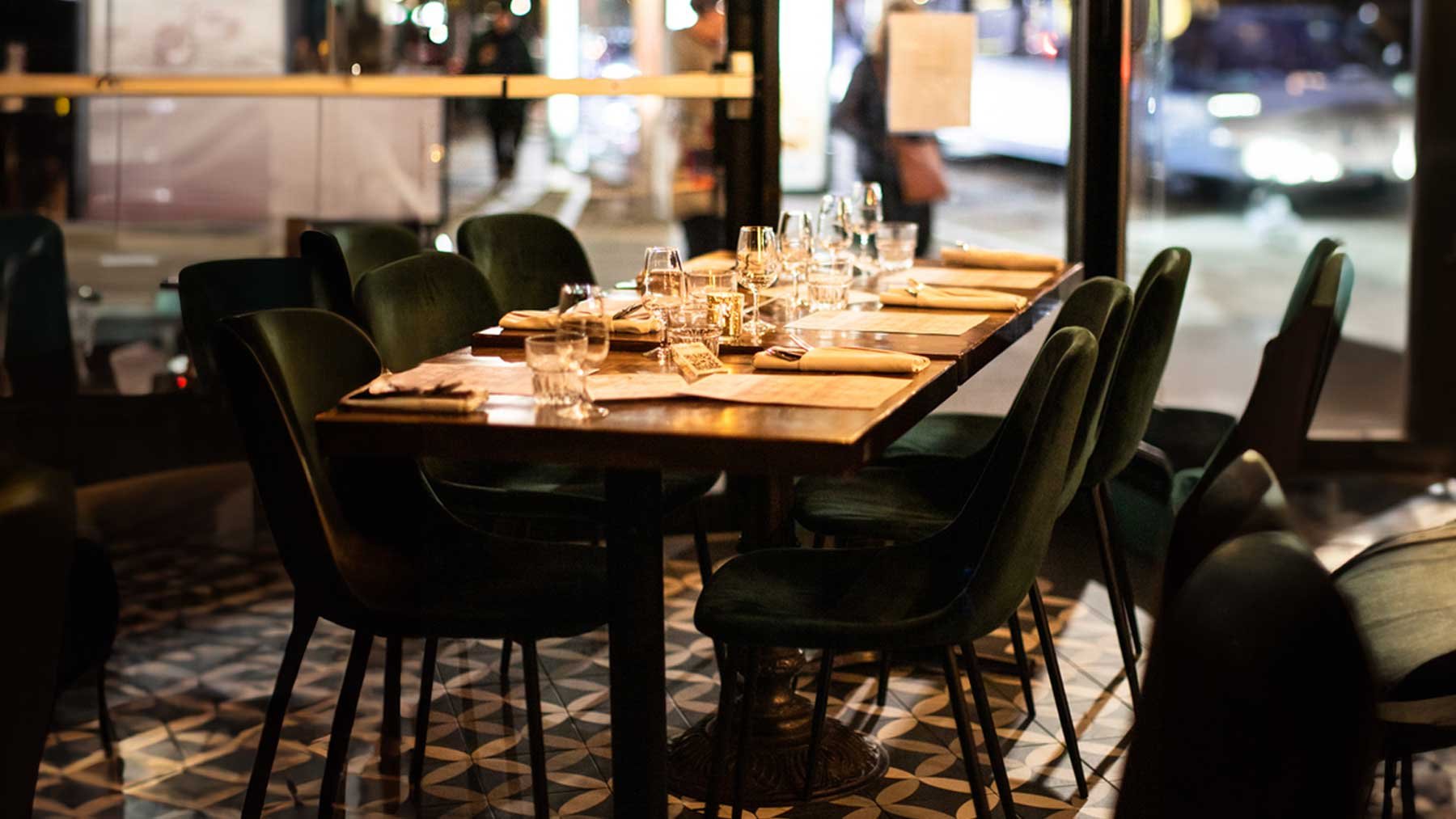
Relaxed traditional Thai house with cordial, home-like service and shaded veranda.