Seed

Michelin Plate
Our verdict
Seed sits on the Cheras corridor in Kuala Lumpur's Taman Billion district, earning consecutive Michelin Plates in 2024 and 2025 for a European tasting menu built around Japanese produce and technique. The wave-shaped open counter is the room's centrepiece, framing kitchen theatre for every seat. A sibling to Singapore's Whitegrass, it represents the quieter, produce-forward edge of KL's fine-dining scene.

Pearl is the En Primeur Club membership app, where members save venues, book tables and use the concierge.
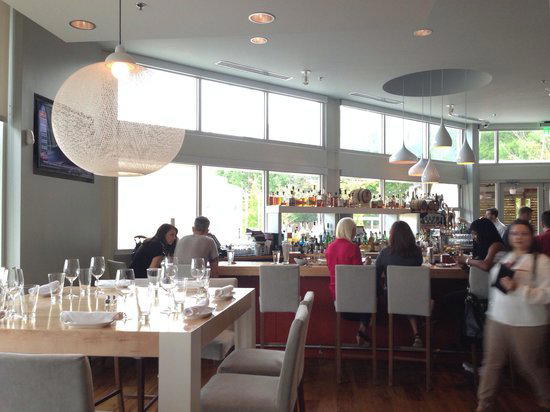
The menu
What to order
- Fried local snapper with anchovy and black olive crumbs
- Chilled Hokkaido sweet corn potage
- Octopus with salted lemon and smoked capsicum
- A4 Miyazaki wagyu
- Amadai with asari and sauce aosa
- Edamame panna cotta
A Counter Format That Has Found Its Groove
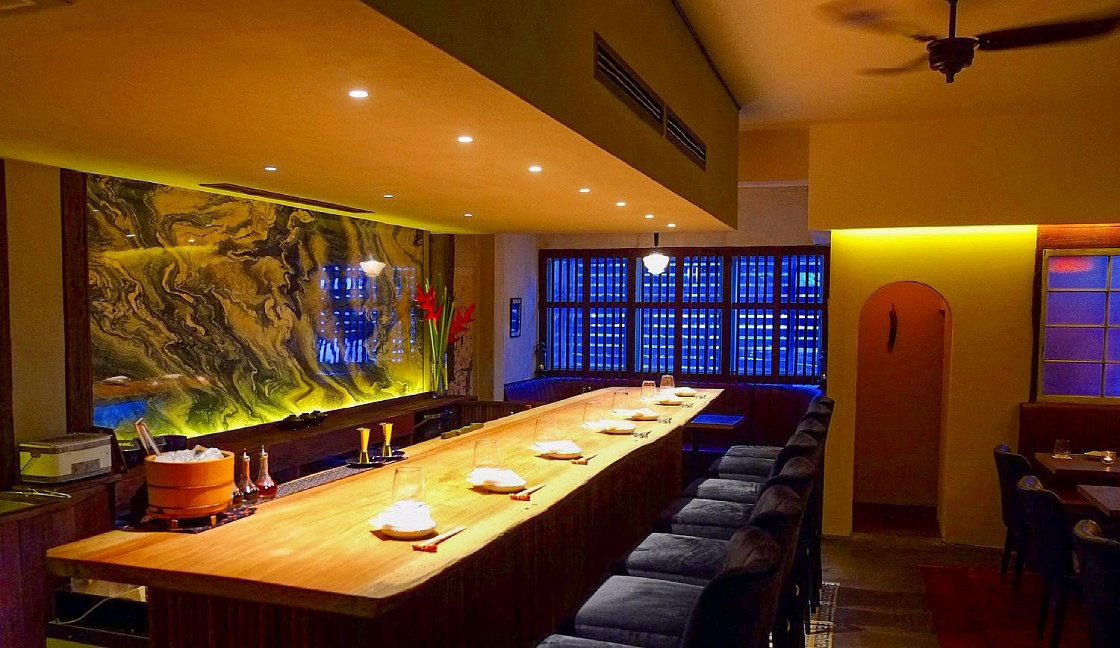
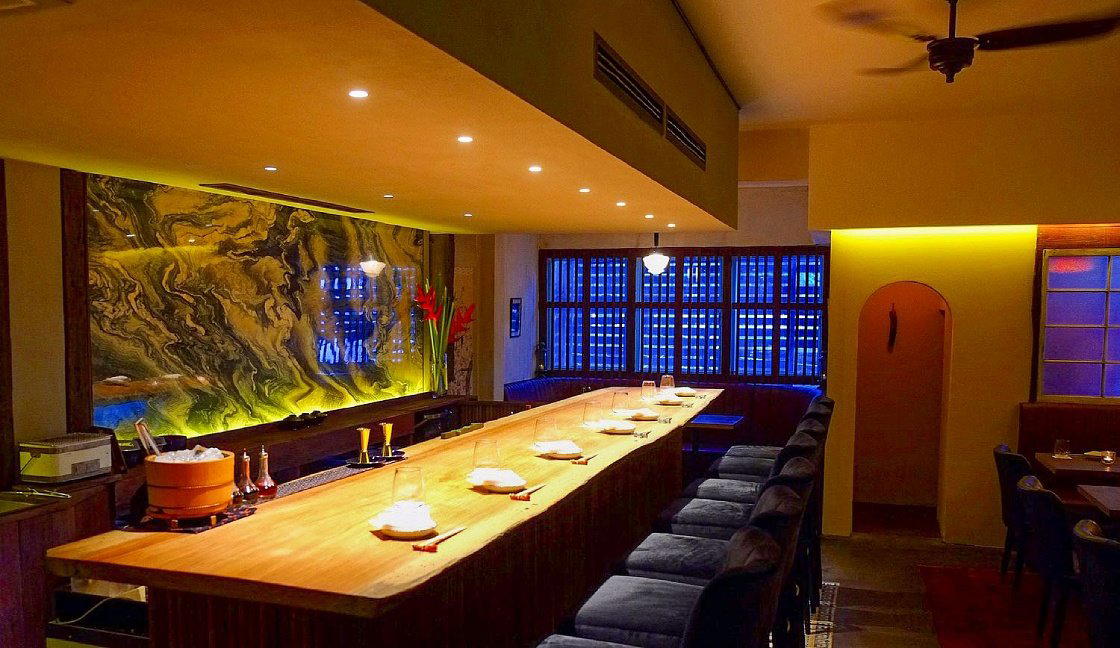
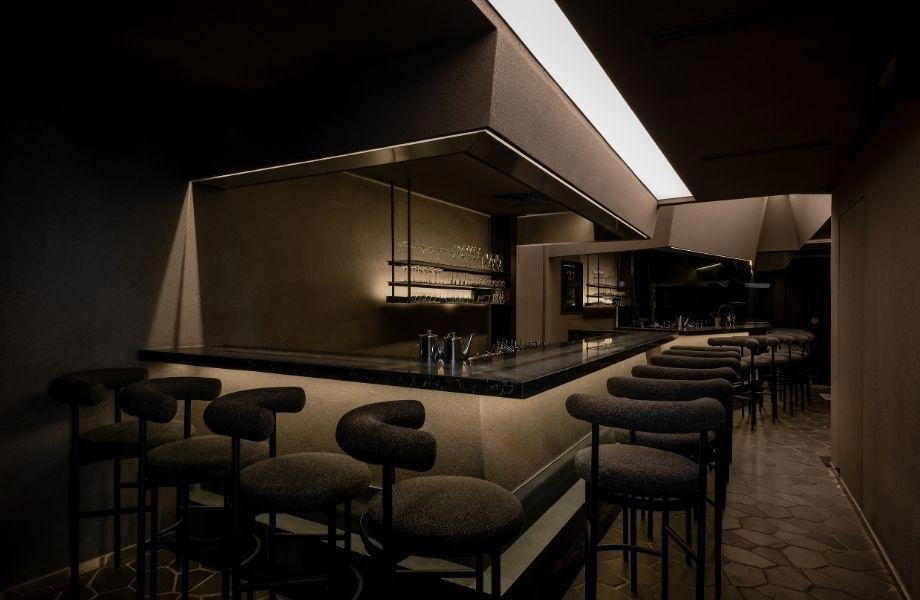
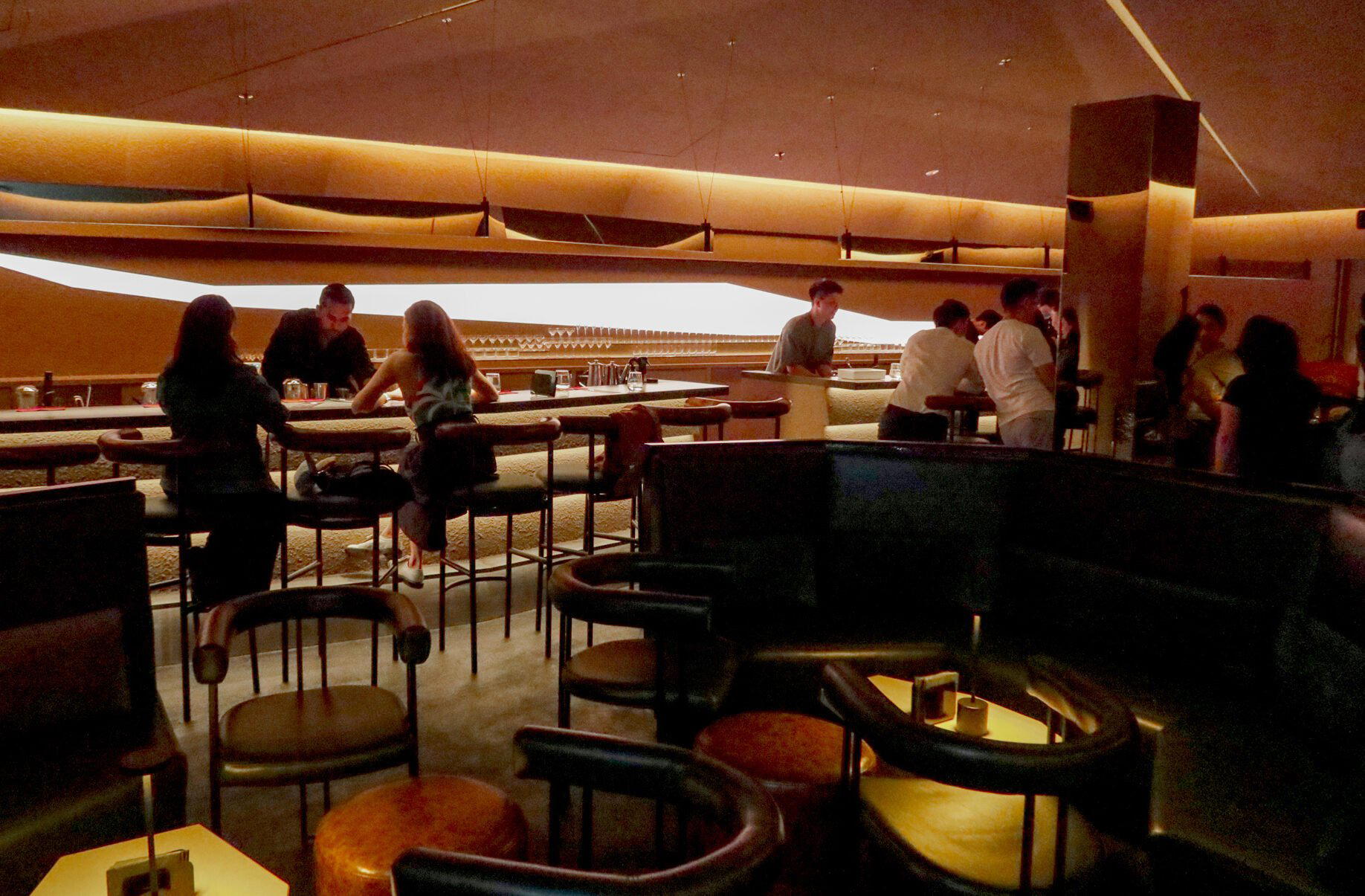
The counter-seating format arrived in Kuala Lumpur's fine-dining circuit largely as a transplant from Tokyo's omakase tradition, and restaurants that adopted it have since sorted themselves into two camps: those that use the layout primarily as theatre, and those that use it as a working discipline, where proximity to the kitchen creates a different kind of accountability. Seed, on the Cheras corridor in Taman Billion, belongs to the second camp. The room uses earthy colours and cool neutrals with the restraint of a space confident in its menu, and the wave-shaped counter places every seat at a direct sightline to an open kitchen, not as a performance decision, but as a structural one that ties diner and cook to the same service rhythm.
The approach echoes what Seed's sibling restaurant, Whitegrass in Singapore, established in that city's tasting-menu tier: a Japanese chef working a European format with Japanese produce and seasoning logic at its core. In both cities, the model sits at an interesting distance from local convention. KL's established fine-dining circuit has increasingly polarised between French-derived contemporary formats, places like Molina or Hide, and restaurants anchored in Malaysian or regional identity, such as Dewakan (Malaysian) or Nadodi. Seed's position as a Japanese-led European table running imported Japanese produce places it in a narrower, quieter niche that the Michelin inspectors have now recognised twice consecutively.
The Menu Logic: European Structure, Japanese Ingredient Discipline
European tasting-menu format provides the architecture, coursed progression, protein-and-vegetable pairing, composed plating, but the ingredient sourcing and seasoning decisions follow a Japanese-market logic. This is a meaningful distinction. Japanese producers operate under quality constraints and seasonal rhythms that differ from European or Southeast Asian supply chains, and a kitchen that sources from those markets must build its calendar and its flavour assumptions around different raw material. The result, at least in concept, is a European menu that reads with more restraint and precision than you typically find in KL's $$$$ tier.
Seafood dishes are where this crossover produces the most direct results, according to Michelin's own notes on the restaurant. Creative treatments applied with light seasoning, a combination that requires confidence in the raw ingredient quality rather than technique as compensation. The focaccia that bookends or accompanies courses has drawn specific attention: crusty and airy, served with whipped butter, it has the kind of supporting-act coherence that a well-run European kitchen develops over time. This is not a restaurant still finding its identity; the 2025 Michelin Plate confirmation, following the 2024 recognition, suggests a kitchen that has settled into a consistent register.
Among innovative-format tasting menus in the Asia-Pacific region, this Japanese-produce-meets-European-structure model has developed a small but distinct cohort. In Seoul, restaurants like alla prima and Soigné work adjacent territory. In Tokyo, MAZ approaches the model from a different cultural axis. In Singapore, Meta and Thevar represent different takes on the cross-cultural format. What they share is a preference for ingredient discipline over spectacle, and Seed's placement in that peer conversation reflects a deliberate positioning choice that has remained consistent through the restaurant's development.
Evolution and Positioning in KL's Tasting-Menu Scene
The Cheras address is worth noting in the context of how KL's premium dining geography has evolved. The city's fine-dining concentration has historically clustered around KLCC, Bangsar, and the hotel corridor, and a $$$$ tasting-menu restaurant choosing a suburban address in Taman Billion represents a different commercial calculation. It suggests an operator more interested in building a committed audience than in capturing passing footfall from hotel guests or business travellers.
That consistency of reception matters when reading the two consecutive Michelin Plates against KL's broader award landscape. The Plate recognition sits below the star tier occupied by some of the city's longer-standing fine-dining addresses, but it functions as an inspector signal that the kitchen is cooking at a level that warrants attention. Two consecutive years of that signal suggests a kitchen that has sustained rather than peaked, a different story from restaurants that earn a first citation and then restructure around it. Ling Long represents the kind of peer comparison that situates Seed accurately within the KL innovative-cuisine tier: both operate at the $$$$ price point with a commitment to composed, technique-led cooking, but with different cultural references and kitchen lineages underpinning the menu.
For readers interested in the wider Malaysian fine-dining context beyond Kuala Lumpur, comparisons extend to venues like Auntie Gaik Lean's Old School Eatery in George Town and The Planters at The Danna in Langkawi, which approach Malaysian culinary identity from very different angles, or Bee See Heong in Seberang Perai for the kind of hawker-register cooking that anchors the country's food culture at the other end of the formality scale.
Planning a Visit
Seed is located at Lot 16032, Jalan Cheras, Taman Billion, in the Batu 5 area of KL, a drive or rideshare destination rather than a walk-in neighbourhood option. Booking in advance is advisable given the counter format, which almost certainly operates with limited seat capacity.
For a broader view of where Seed sits within the city's eating and drinking options, our full Kuala Lumpur restaurants guide maps the complete range of the city's fine-dining tier. Readers building a longer KL itinerary can also consult our full Kuala Lumpur hotels guide, full Kuala Lumpur bars guide, full Kuala Lumpur wineries guide, and full Kuala Lumpur experiences guide.
Frequently asked questions
What dish is Seed famous for?
Cuisine and Credentials
A quick peer reference to anchor this venue in its category.
| Venue | Cuisine | Price | Awards | Notes |
|---|---|---|---|---|
| SeedThis venue (the venue you are viewing) | Modern French-Japanese Fusion | $50–100 | Michelin Plate | Not listed |
| Dewakan | Modern Malaysian Fine Dining | $150–200 | 2 Michelin Stars · World's 50 Best #62 | Malaysian |
| Beta | Modern Malaysian Fine Dining | $100–150 | 1 Michelin Star · La Liste Top Restaurants | Malaysian |
| Molina | Avant-Garde European Fine Dining | $150–200 | 1 Michelin Star | Innovative |
| DC. by Darren Chin | French Contemporary Fine Dining | Not listed | 1 Michelin Star · La Liste Top Restaurants | French Contemporary |
| Ah Hei Bak Kut Teh | Traditional Herbal Bak Kut Teh | $10–20 | Michelin Bib Gourmand | Malaysian |
Recognition history
Dated appearances from independent guides and award organizations, with the underlying list record or original source where available.
Michelin Plate
Michelin
Full recognition history (3 entries)
Michelin Plate
Michelin
Michelin Plate
Michelin
Continue exploring
More in Kuala Lumpur
Restaurants in Kuala Lumpur
All restaurants in Kuala Lumpur →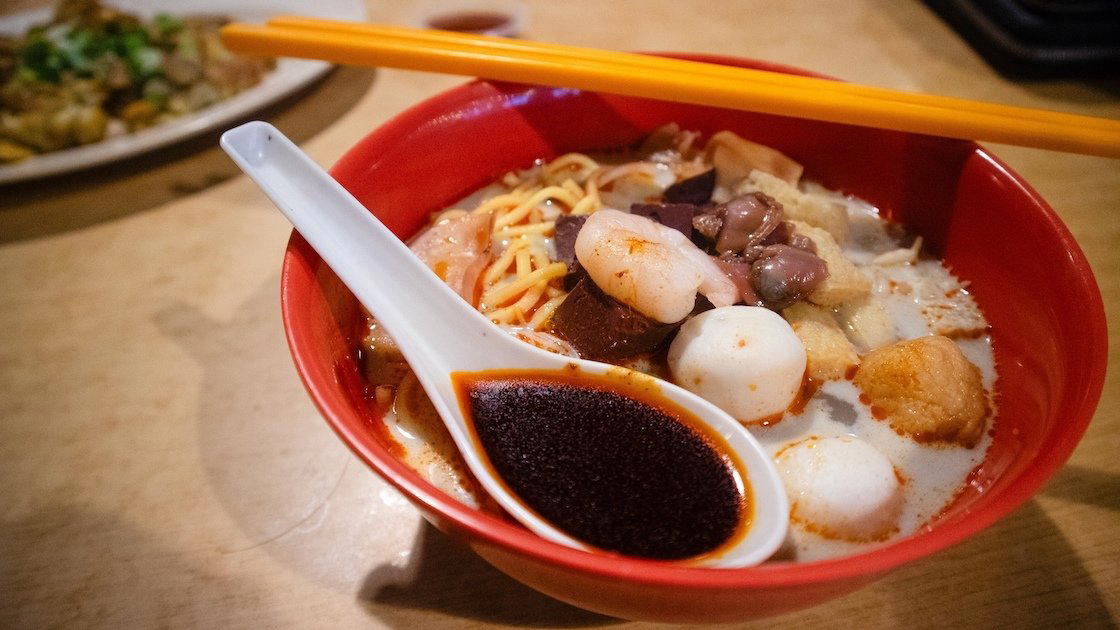
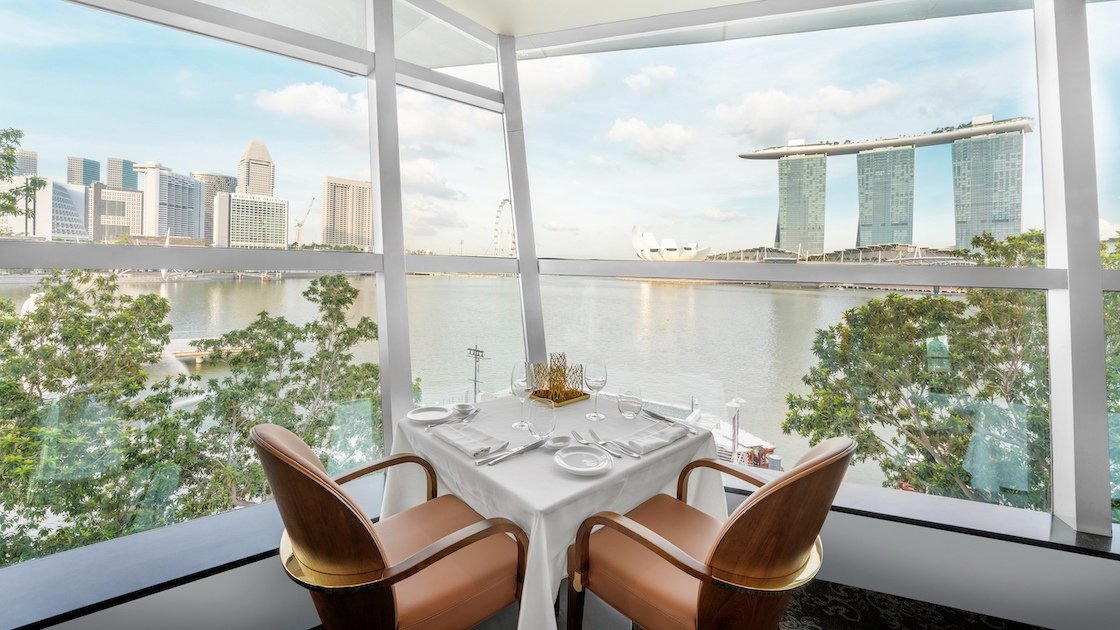
Bars in Kuala Lumpur
All bars in Kuala Lumpur →

Details
- Elegant
- Intimate
- Modern
- Sophisticated
- Date Night
- Special Occasion
- Celebration
- Business Dinner
- Open Kitchen
- Chefs Counter
- Design Destination
- Local Sourcing
- Tasting Menu
- Prix Fixe
- Counter Dining
- Wine
Warm and welcoming with earthy tones and cool neutrals; bright interiors with light background music create a relaxed yet refined atmosphere; curved counter design evokes natural elements like layering hills and streams, with cloud-like metal chains overhead creating an imaginary open-air dining experience.