Adega São Nicolau sits on one of Porto's oldest streets in the Ribeira district, a short walk from the Douro waterfront. The address places it inside especially historically dense quarter among the city, where traditional adega-style dining has persisted through decades of tourist pressure. For visitors tracing Porto's food culture through its oldest neighbourhoods, the location carries its own argument.
Pearl is the En Primeur Club membership app — saves, bookings, and concierge access live there. Same editors, same standards.
- Address
- R. de São Nicolau 1, 4050-561 Porto, Portugal
- Phone
- +351222008232
- Website
- facebook.com
- Directions
- Get directions
 Saves & bookings on Pearl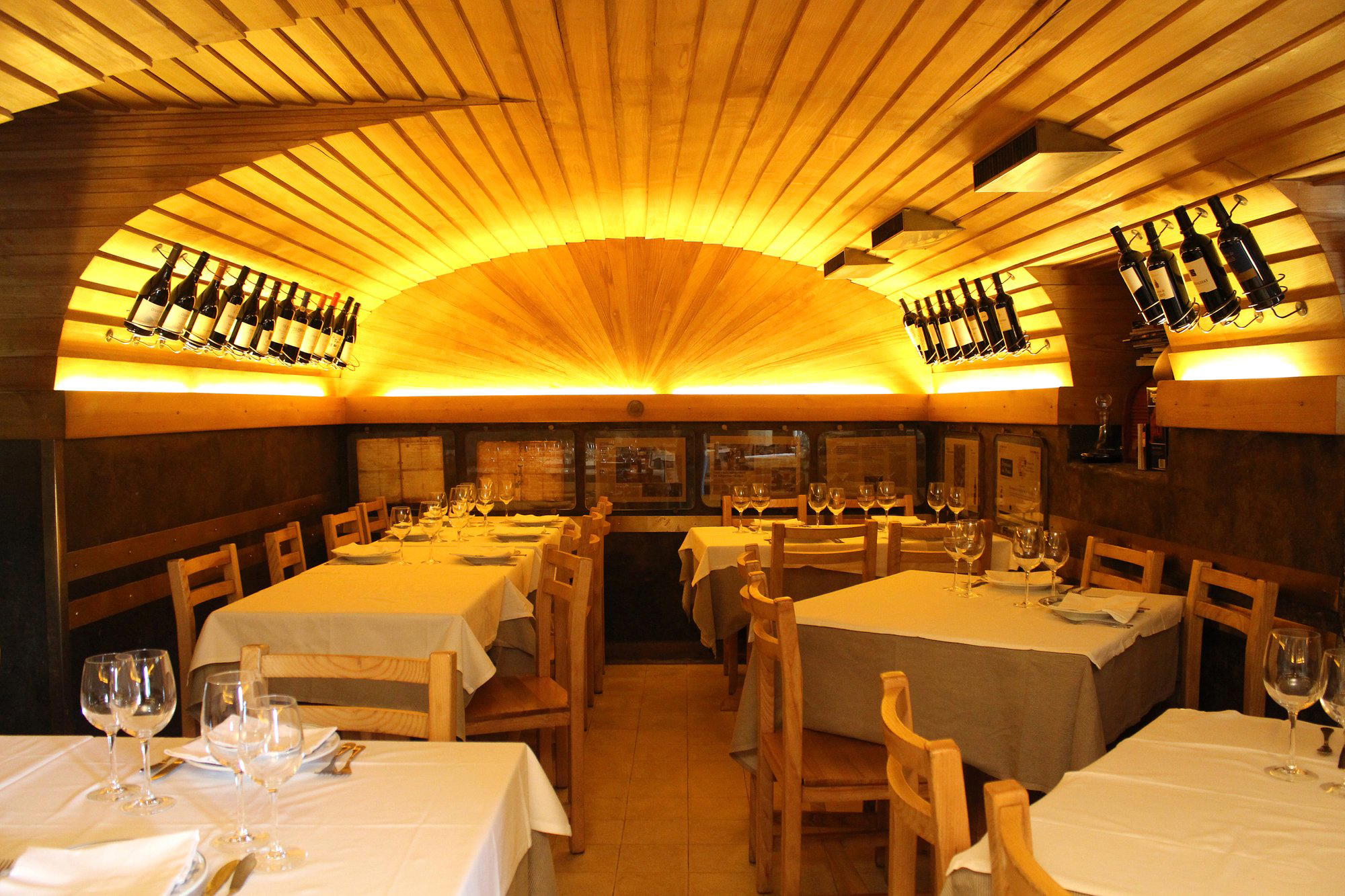
Ribeira and the Tradition of the Adega
Porto's Ribeira quarter operates on a different register from the city's newer dining districts. Where Boavista and Foz attract progressive kitchens, Euskalduna Studio and Vila Foz both work in that western corridor, Ribeira keeps its identity rooted in the older commercial and maritime history of the city. The streets running down toward the Douro were once lined with wine cellars, fishing suppliers, and the kind of eating houses that existed to feed dock workers and river traders. Some of that fabric has been stripped away by souvenir shops and short-let apartments, but pockets of it survive in the form of the traditional adega: a format that prizes quantity, familiarity, and a direct relationship with Portuguese wine culture over innovation or spectacle.
Adega São Nicolau sits at Rua de São Nicolau 1, at the base of the Ribeira grid, a short walk from the Douro embankment. The address is significant not just as geography but as a signal. Rua de São Nicolau is one of the older commercial streets in this part of the city, and the corner position gives the building a presence that most narrow-frontage Ribeira restaurants cannot claim. Arriving from the riverfront, the approach moves through a neighbourhood where the architecture carries the compressed weight of several centuries: azulejo-tiled facades, steep stairways cutting between buildings, and the particular quality of light that comes off the river in the afternoon and catches the upper storeys of the older buildings.
The Adega Format and What It Means for the Meal
Understanding what to expect from a meal at Adega São Nicolau requires understanding what the adega format historically represents in Portuguese food culture. Unlike the tasting-menu restaurants that define Porto's upper tier, venues like Antiqvvm, Blind, or Le Monument, the adega operates on a fundamentally different logic. The meal is not sequenced as a composed narrative of courses; it is assembled from the kitchen's available supply on any given day, framed by the rhythms of Portuguese home cooking and the produce available through local suppliers.
This is a tradition that prizes the bacalhau preparation above almost everything else. Bacalhau, the salt-dried cod that has been central to Portuguese cooking for centuries, appears in dozens of regional variations across the country, and Porto's adega kitchens tend to have their own established versions: roasted with olive oil and garlic, baked with cream and potato, or prepared à Gomes de Sá in the style that originated in this city. The supporting cast typically runs through grilled meats, fresh fish bought from the morning market, and the kind of starchy, generous sides, rice cooked in the pan drippings, roasted potatoes finished in olive oil, that are not designed to be elegant but are designed to be correct.
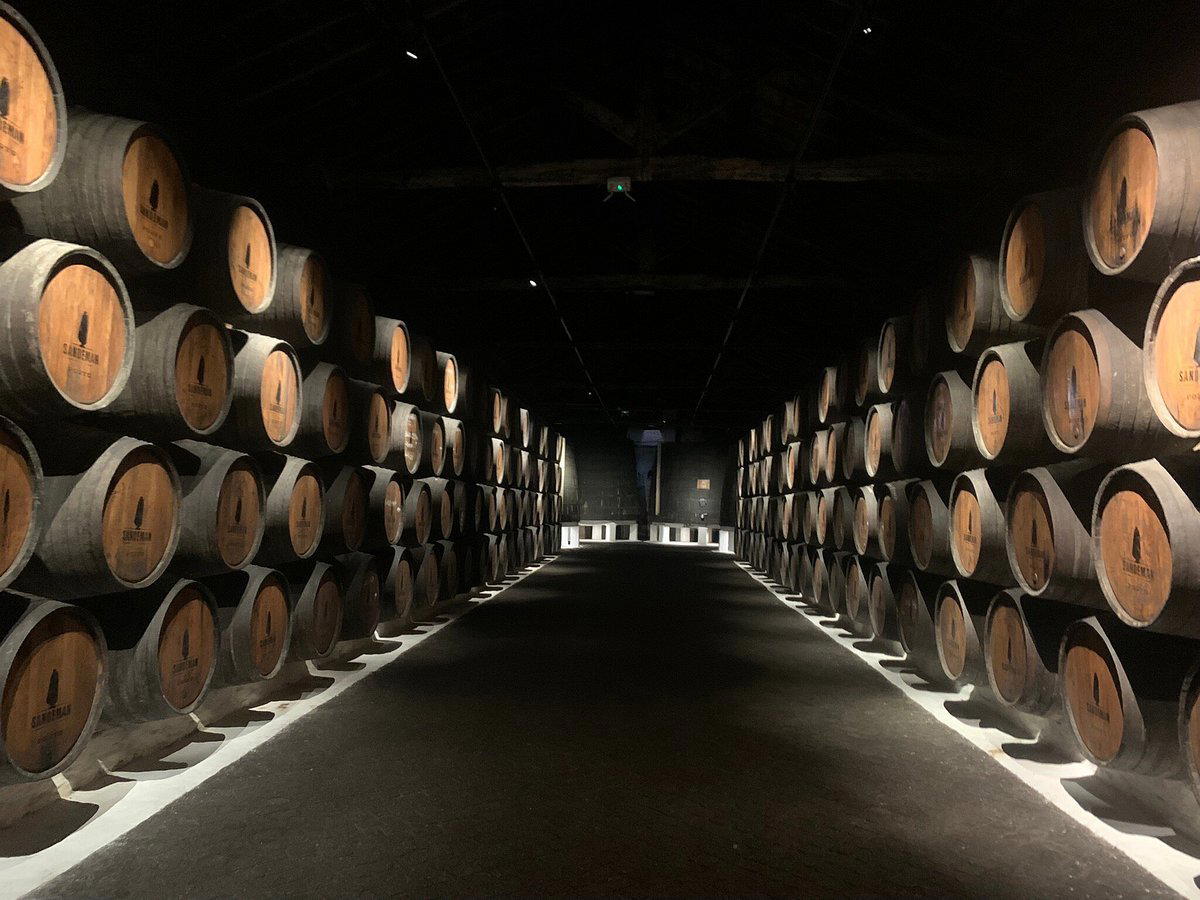
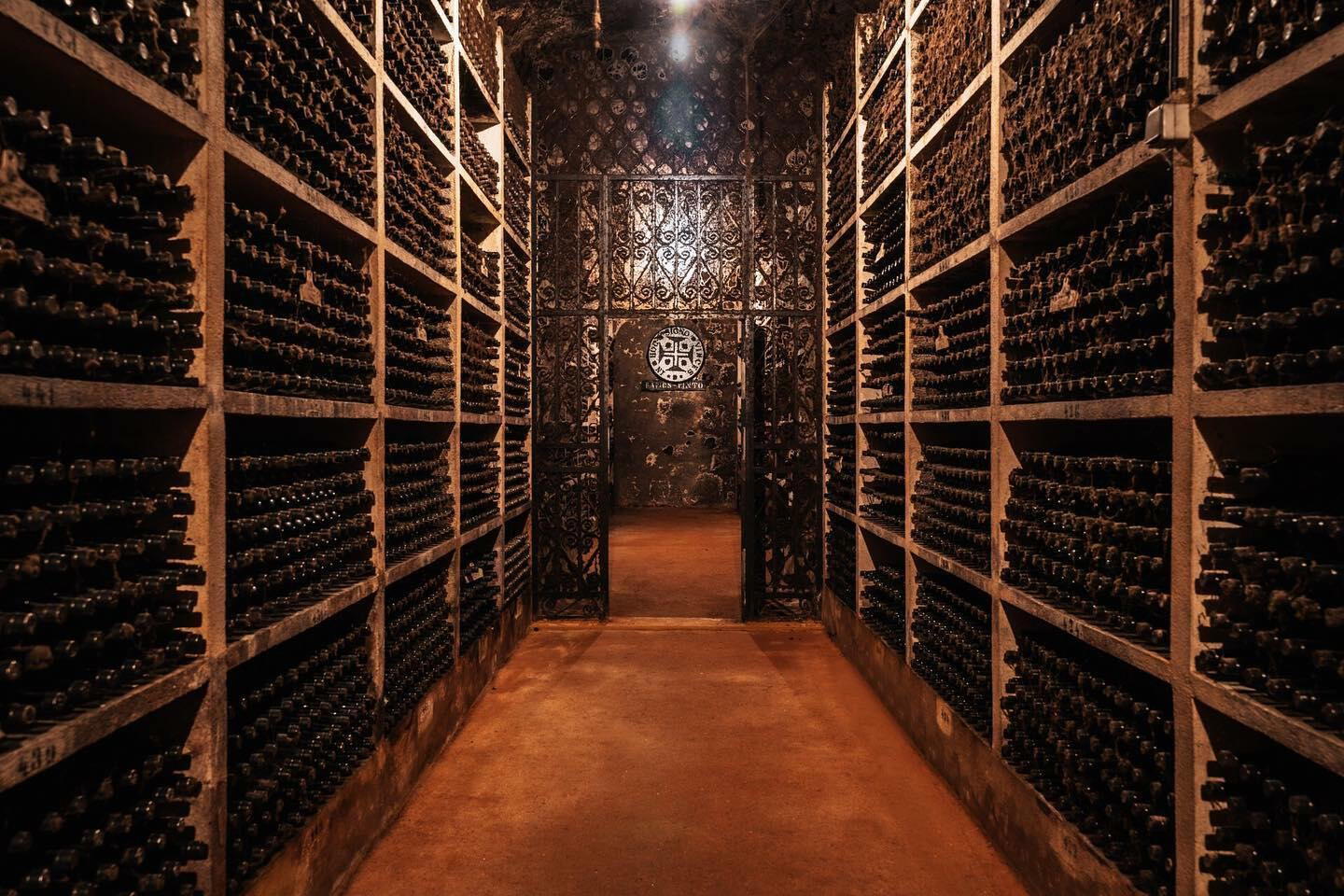
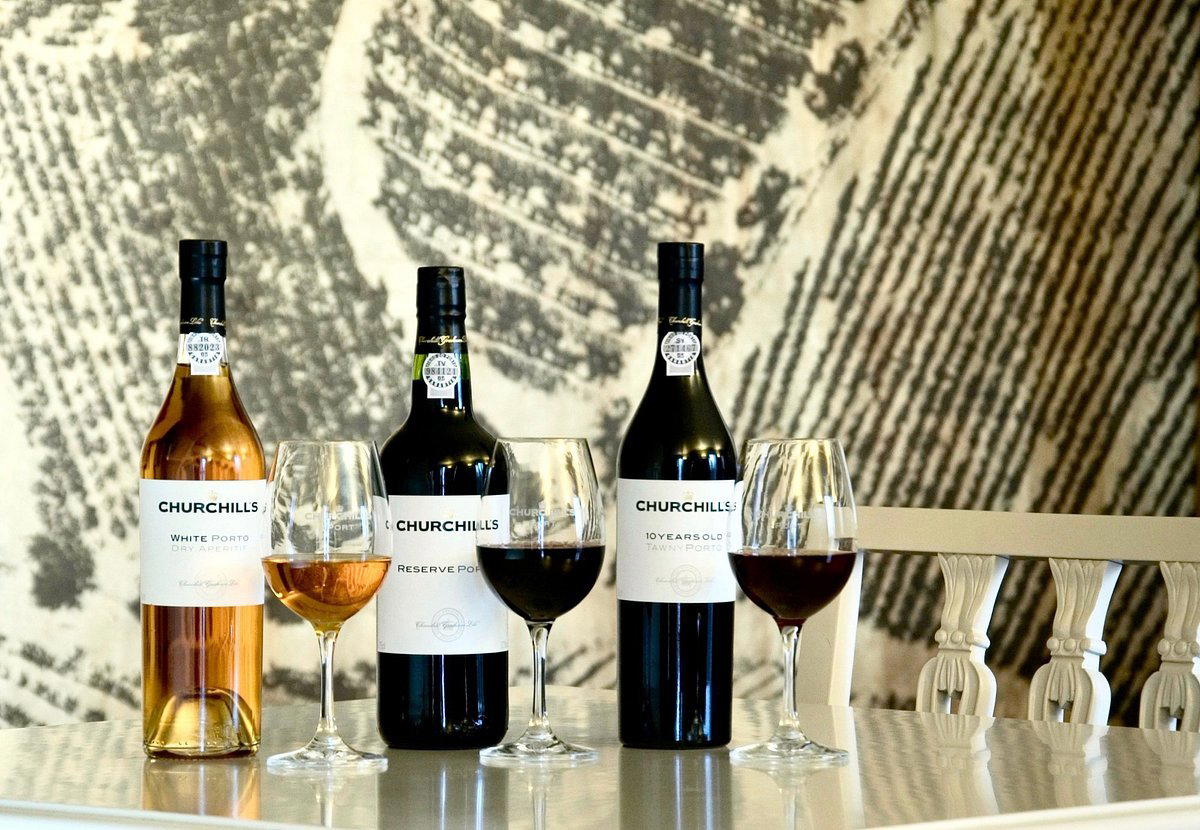
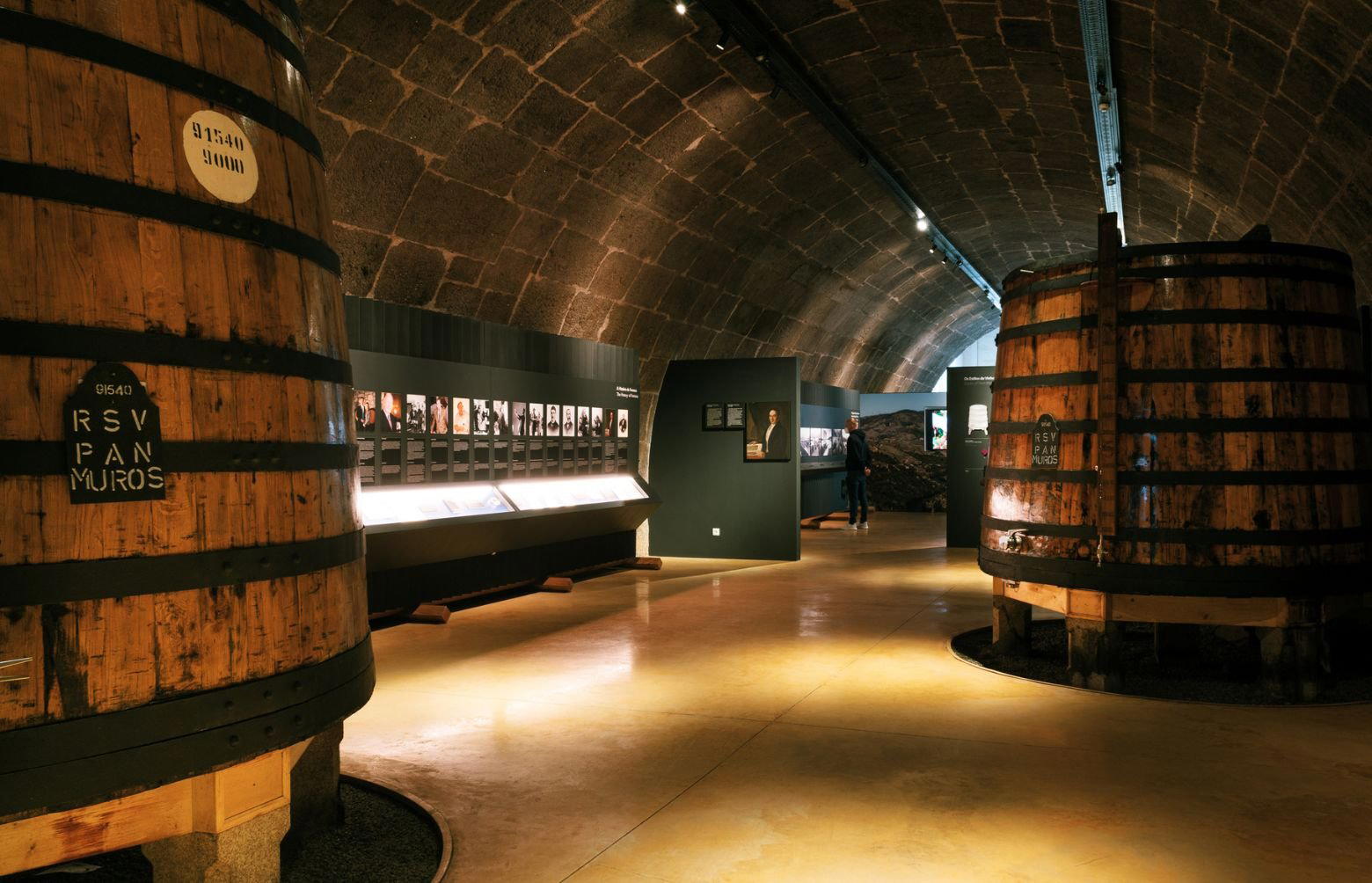
Wine, in the adega tradition, is not an afterthought. The name itself signals a relationship with wine storage and service that predates the modern restaurant format. Porto sits at the downstream end of the Douro Valley wine corridor, and the leading adega dining rooms have always operated as informal showcases for Douro reds and whites. Across the river in Vila Nova de Gaia, the great Port wine lodges have shaped the region's relationship with wine for three centuries, as any visit to The Yeatman makes clear in a more formal register. The adega version of that relationship is less curated and more direct: a short list of regional bottles, priced to accompany food rather than to be studied.
Porto's Dining Tiers and Where Traditional Kitchens Sit
Porto's restaurant scene has split more sharply over the past decade than at any previous point. At the progressive end, kitchens like Euskalduna Studio have earned international recognition for technique-driven work that repositions Portuguese ingredients within a contemporary fine-dining frame. That model places Porto in the same conversation as Lisbon's starred tier, venues such as Belcanto in Lisbon, or the coastal benchmark set by Casa de Chá da Boa Nova just north of the city at Leça da Palmeira.
The traditional adega occupies a different tier entirely: lower price point, higher table turnover, no tasting menu, no kitchen narrative. That position is not a failure to compete with the starred category; it is a different proposition addressed to a different intention. Travellers who want to eat in the way that Ribeira residents ate before Porto became a European city-break fixture tend to seek out exactly these kitchens. Compared to Portugal's Algarve fine-dining circuit, Vila Joya in Albufeira, Ocean in Porches, Gusto by Heinz Beck in Almancil, the Ribeira adega sits at the opposite end of the formality spectrum, and is better for it in its own context.
The Ribeira quarter's adega restaurants attract a mix of local regulars, Portuguese visitors from elsewhere in the country, and international travellers who have done enough research to look past the waterfront tourist traps. That mix is part of what keeps the format honest. A dining room without local custom tends to drift toward what tourists expect rather than what the kitchen knows how to do well. In Ribeira, the proximity of residential Porto above the commercial streets means that genuinely local custom still circulates through the leading addresses.
Planning a Visit
Rua de São Nicolau is within easy walking distance of both the Ribeira riverfront and the São Bento railway station, making it accessible from most central accommodation without the need for a taxi. Ribeira's narrow streets are not suited to vehicle access, and arriving on foot through the old quarter is the practical approach in any case. Lunchtime typically draws the strongest local custom at adega-format restaurants in this neighbourhood; evenings shift the balance toward visitors.
Traditional adega kitchens in Ribeira do not typically operate reservation systems comparable to tasting-menu restaurants, but peak tourist season, June through September, compresses table availability across all Ribeira dining rooms. Arriving early or being willing to eat at the edges of the standard meal window (before 13:00 at lunch, after 21:00 at dinner) improves the chance of a table without a significant wait. Adega São Nicolau is open Monday from 12:00 to 10:30 PM, Tuesday and Wednesday from 12:30 to 10:30 PM, Thursday from 12:00 to 10:30 PM, Friday from 12:30 to 10:30 PM, and Saturday from 12:30 to 10:30 PM. It is closed on Sunday.
For those whose Porto itinerary extends to progressive or creative kitchens, the contrast between an adega lunch in Ribeira and a tasting-menu dinner at venues like Blind or Antiqvvm captures something true about how the city's food culture has layered over time. Both ends of that spectrum are worth sitting inside during any serious visit to Porto. The same argument applies when comparing Porto's traditional kitchens against starred addresses elsewhere in Portugal: Il Gallo d'Oro in Funchal, Fortaleza do Guincho in Cascais, or Ó Balcão in Santarém each represent a different inflection of Portuguese dining identity. The adega is one inflection among many, but it may be the one most directly connected to what Porto ate before the city started being written about.
Recognition Snapshot
Comparable venues nearby, for context on price, style, and recognition.
| Venue | Cuisine | Price | Notes |
|---|---|---|---|
| Adega São NicolauThis venue — the venue you are viewing | Authentic Portuguese | $$ | Not listed |
| ODE Porto Wine House | Traditional Portuguese Fine Dining | $$$ | S Nicolau |
| Semea by Euskalduna | Modern Portuguese Wood-Fired Sharing Plates | $$$ | Massarelos |
| Zenith | Modern Brunch & Cocktails Cafe | $$ | Vitória |
| Antunes | Traditional Portuguese | $$ | Santo Ildefonso |
| Restaurante Cantina 32 | Mediterranean Portuguese Petiscos | $$ | Sé |
Continue exploring
More in Porto
Restaurants in Porto
Browse all →
Bars in Porto
Browse all →
Hotels in Porto
Browse all →
At a Glance
- Cozy
- Intimate
- Date Night
- Casual Hangout
- Terrace
- Historic Building
- Street Scene
Current opening hours
- Monday
- 12–10:30 PM
- Tuesday
- 12:30–10:30 PM
- Wednesday
- 12:30–10:30 PM
- Thursday
- 12–10:30 PM
- Friday
- 12–10:30 PM
- Saturday
- 12:30–10:30 PM
- Sunday
- Closed
Hours can change for holidays and private events. Last verified .
Cozy with warm, dramatically lit dining room featuring curved wood ceiling and charming terrace.