India's Castle
Our verdict
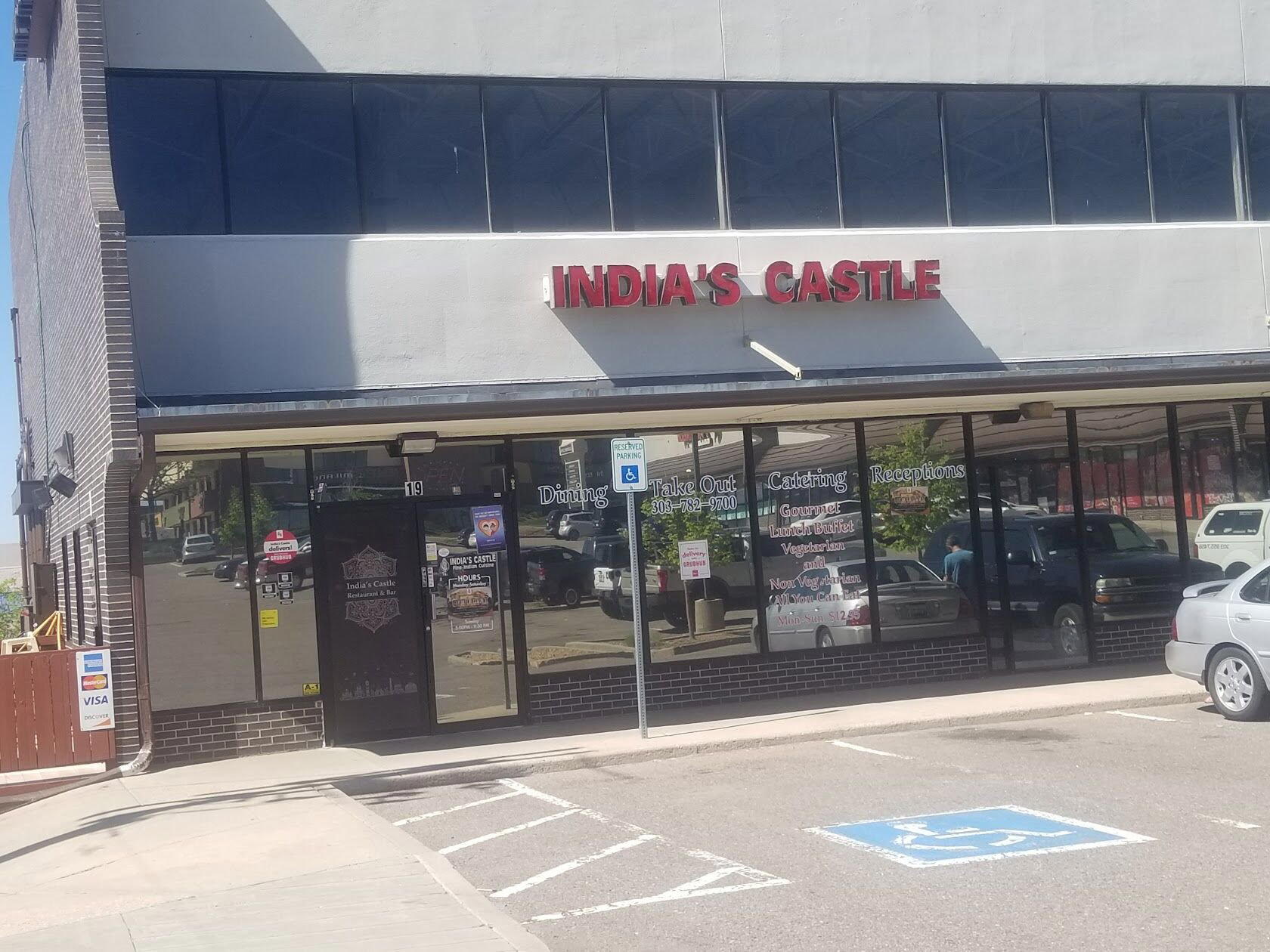
India's Castle serves Authentic Indian dishes in Greenwood Village, with an open kitchen, casual dress, and a conversational room suited to lunch or dinner.

Pearl is the En Primeur Club membership app — saves, bookings, and concierge access live there. Same editors, same standards.
- Address
- 9555 E Arapahoe Rd #19, Greenwood Village, CO 80112
- Phone
- (303) 782-9700
- Hours
- Mon–Thu 11 AM–9 PMFri–Sat 11 AM–10 PMSun 11 AM–9 PM
- Website
- indiascastle.com
- Directions
- Get directions
- Booking
- Book on the venue's website
The menu
What to order
- Baigan bhartha
- Bhindi masala
- Chicken tikka masala
Indian Dining in Denver's Southern Suburbs
The southern stretch of the Denver metro has developed a dining corridor along Arapahoe Road where strip-mall addresses routinely house kitchens that outperform their surroundings. Indian restaurants operating in this corridor occupy a specific position in Colorado's broader subcontinental dining scene: they serve a genuinely mixed clientele of South Asian diaspora households and curious suburbanites, and the better ones calibrate their sourcing and spice work accordingly. India's Castle, at 9555 East Arapahoe Road in Greenwood Village, sits inside this pattern. The address, a retail suite in a low-rise commercial complex, signals nothing about what the kitchen is doing, which is typical of the category across the metro.
The Ingredient Question in American Indian Cooking
The central tension in Indian cooking outside India is sourcing. Aromatics, dried spices, lentils, and specialty dairy products like paneer and ghee are either imported, sourced from domestic Indian grocery suppliers, or produced in-house, and the choice between those options shapes everything about what arrives at the table. House-made paneer holds moisture differently from commercial blocks and takes the char from a tandoor at a different rate. Whole spices ground to order behave differently from pre-ground blends that have oxidised in transit. These are not marginal distinctions. They determine whether a dal makhani develops the deep, slow-cooked body that the dish requires or whether it tastes like a concentrate thinned with cream.
Broader Indian restaurant market in the United States has stratified along these lines. At one end, fast-casual formats prioritise consistency and throughput, using standardised commercial inputs. At the other, a smaller tier of full-service restaurants, particularly in cities with established South Asian communities, sources more carefully and cooks to order from less processed starting points. Denver's Indian dining scene sits somewhere in the middle of this national picture, with pockets of stronger sourcing discipline concentrated in areas with higher South Asian residential density, including the Arapahoe Road corridor.
Where Greenwood Village Fits
Greenwood Village is not Denver's most densely reviewed dining district, but Arapahoe Road functions as a practical dining artery for residents of the Tech Center corridor and the surrounding suburbs. The restaurant mix reflects that: Italian anchors like Chianti Ristorante, Na Favola, and Oliver's Italian sit alongside Enso Sushi & Grill and the more casual CV Tap House & Kitchen. Indian representation in this mix is limited, which means India's Castle operates with relatively little direct local competition, a different dynamic from the Denver proper market where multiple Indian restaurants compete for the same diner pool. See the full Greenwood Village restaurants guide for a complete picture of the corridor.
That limited competition cuts both ways. It gives a kitchen room to define expectations in its category without constant comparison pressure. It also means there is less external signal pushing ingredient and technique standards upward. The leading suburban Indian restaurants in American metro areas tend to improve when a second or third comparable option opens nearby; until that happens, the discipline has to come from within the kitchen.
Tandoor Work and What It Requires
The tandoor is the most capital-intensive single element in a traditional North Indian kitchen and the one most sensitive to sourcing decisions. Clay-oven cooking at temperatures that can reach 480 degrees Celsius demands that proteins be marinated in live-culture yogurt rather than commercial stabilised product, that the marinade penetrates through to the bone, and that the cook pulls the skewer at the right moment before the crust hardens past the point of moisture retention. The quality of the yogurt, the freshness of the ginger-garlic paste, and the specific blend of dried spice in the tikka marinade are all variable inputs that the leading tandoor kitchens control at the source rather than buying standardised. These are the standards that high-end Indian cooking in the United States has been moving toward, particularly in cities like New York and Chicago where operators have watched what formats like Atomix and Alinea have demonstrated about the value of ingredient provenance as a differentiator.
The Broader Reference Frame
Placing India's Castle against American fine dining touchstones is a useful exercise in understanding what the category can aspire to. Restaurants like Blue Hill at Stone Barns in Tarrytown, Single Thread Farm in Healdsburg, and The French Laundry in Napa have built their identity almost entirely on sourcing discipline, the argument being that the kitchen's most important decisions happen before cooking begins. That philosophy has migrated into serious ethnic-category dining in American cities: you can see versions of it at Providence in Los Angeles, Le Bernardin in New York, and Addison in San Diego, where sourcing provenance is stated as policy rather than implied. Indian restaurants in suburban American markets are further from that norm, but the directional pressure exists and the better operators feel it. Emeril's in New Orleans, Lazy Bear in San Francisco, The Inn at Little Washington, and 8 1/2 Otto e Mezzo Bombana in Hong Kong each represent a version of that sourcing-first identity in their respective categories. The point is not that India's Castle operates at that tier, but that the metric by which serious diners evaluate any restaurant increasingly includes the ingredient question.
Planning a Visit
India's Castle is located at 9555 East Arapahoe Road, Suite 19, in the Greenwood Village retail corridor, accessible by car from the I-25/Arapahoe interchange and a short drive from the Denver Tech Center. The Arapahoe Road corridor has adequate surface parking. Diners with dietary restrictions standard to Indian restaurant contexts, including vegetarian and halal requests, should confirm the kitchen's current accommodation policy when booking.
Frequently asked questions
How do I find India's Castle?
India's Castle is located at 9555 E Arapahoe Rd #19, Greenwood Village, CO 80112, Greenwood Village.
Is India's Castle a good option for vegetarian diners in Greenwood Village?
Indian cuisine as a culinary tradition offers one of the broadest vegetarian menus of any category, built around lentil preparations, paneer, and vegetable curries that function as full centerpieces rather than side dishes. For vegetarian diners in Greenwood Village — where plant-forward options at suburban restaurants can be narrow — a North Indian kitchen like India's Castle at 9555 E Arapahoe Rd represents a structurally stronger choice than most alternatives in the immediate corridor. Confirming current menu scope directly with the restaurant is recommended before visiting.
What do people recommend at India's Castle?
Our venue records don't include confirmed dish-level data for India's Castle at 9555 E Arapahoe Rd, so pinning specific plates would be speculation. North Indian kitchens of this type typically draw repeat visitors for tandoor preparations and lentil dishes, which are the categories most sensitive to kitchen consistency. Asking staff about daily specials at the counter is the most reliable approach on arrival.
How far ahead should I plan for India's Castle?
Indian dining options along the Arapahoe Road corridor in Greenwood Village are limited relative to central Denver, which tends to concentrate demand on the restaurants that do exist here. Walk-in availability on weeknights is generally more predictable in suburban Colorado corridors of this type.
How It Stacks Up
Comparable venues nearby, for context on price, style, and recognition.
| Venue | Cuisine | Price | Notes |
|---|---|---|---|
| India's CastleThis venue — the venue you are viewing | Authentic Indian | $20–30 | Not listed |
| CV Tap House & Kitchen | American Gastropub | $20–30 | Centennial |
| Ya Ya's Euro Bistro | Euro-Mediterranean Bistro | $30–50 | Greenwood Village |
| Enso Sushi & Grill | Japanese Sushi & Grill | Not listed | DTC |
| Na Favola | Authentic Italian Trattoria & Pizzeria | Not listed | Greenwood Village |
| Oliver's Italian | Modern Italian Pinsa and Pasta | $30–50 | Greenwood Village |
Continue exploring
More in Greenwood Village
Restaurants in Greenwood Village
Browse all →
Bars in Greenwood Village
Browse all →
Hotels in Greenwood Village
Browse all →
Wineries in Greenwood Village
Browse all →
Details
- Casual
- Cozy
- Family
- Group Dining
- Casual Hangout
- Open Kitchen
- A La Carte
- Vegetarian Friendly
- Vegan Options
Current opening hours
- Monday
- 11 AM–9 PM
- Tuesday
- 11 AM–9 PM
- Wednesday
- 11 AM–9 PM
- Thursday
- 11 AM–9 PM
- Friday
- 11 AM–10 PM
- Saturday
- 11 AM–10 PM
- Sunday
- 11 AM–9 PM
Hours can change for holidays and private events. Last verified .
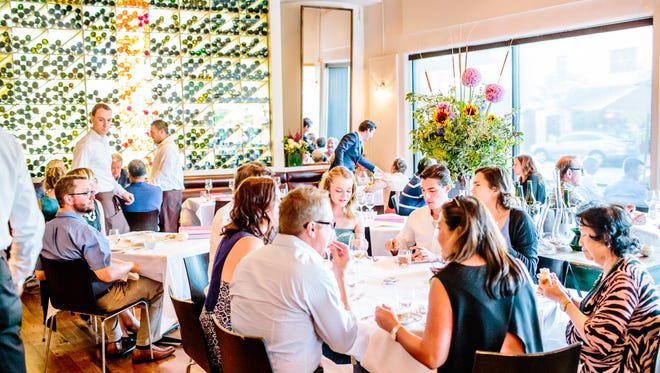
Casual and spotlessly clean suburban dining room with friendly table service.