Chianti Ristorante

Wine Spectator Award of Excellence
Our verdict
Chianti Ristorante on South Yosemite Street sits inside Greenwood Village's maturing Italian dining corridor, where the suburban Denver market has quietly developed a more serious relationship with regional Italian cooking. The room draws a regular neighborhood crowd alongside corporate diners from the surrounding Tech Center, making it one of the more consistent Italian addresses in the south metro area.

Pearl is the En Primeur Club membership app — saves, bookings, and concierge access live there. Same editors, same standards.
- Address
- 5121 S Yosemite St, Greenwood Village, CO 80111
- Phone
- (303) 796-0611
- Hours
- Mon–Thu 4:30–9 PMFri–Sat 4–9:45 PMSun Closed
- Website
- chianti-ristorante.com
- Directions
- Get directions
- Booking
- Book on OpenTable
The menu
What to order
- Lasagna Bolognese
- Farfalle al Pollo
- Gnocchi
Italian in the South Suburbs: What the Greenwood Village Scene Demands
South of Denver's urban core, Greenwood Village occupies a particular position in Colorado's dining geography: it is suburban in form but increasingly serious in expectation. The Denver Tech Center's corporate density has produced a dining public that moves between expense-account meals and neighborhood regulars, and the Italian category here reflects that duality. Restaurants like Oliver's Italian and Na Favola have staked out positions at different points on the formality spectrum, and Chianti Ristorante on South Yosemite Street occupies a recognizable middle tier: Italian-American in its broadest orientation, with enough kitchen ambition to hold the attention of a crowd that also has access to the full Denver metro dining scene.
The address itself — a strip-adjacent location on a commercial corridor — is characteristic of how suburban Italian dining has evolved in Colorado. Unlike the destination-driven model that defines places such as Single Thread Farm in Healdsburg or Blue Hill at Stone Barns in Tarrytown, where sourcing is a publicly documented competitive differentiator, the suburban Italian model in markets like Greenwood Village succeeds or fails on consistency, value legibility, and whether the kitchen can sustain quality over multiple visits across a range of menu categories.
The Sourcing Question in Suburban Italian Cooking
Regional Italian cooking, even in its American suburban translation, carries implicit sourcing logic: pasta should behave like pasta, proteins should arrive at proper temperature, and the pantry staples, olive oil, tomato, aged cheese, should carry enough quality to be the primary flavor rather than a background note. In Colorado's south metro, that sourcing baseline has risen over the past decade. Producers along the Front Range, combined with improved distribution networks connecting Colorado kitchens to both domestic and imported specialty ingredients, have made it harder to excuse a flat-tasting marinara or a pasta that reads as overcooked and under-seasoned.
The comparison set for a restaurant in Chianti Ristorante's position is not Le Bernardin in New York City or The French Laundry in Napa. It is the neighborhood Italian that a Tech Center diner returns to on a Tuesday, the place where a working lunch or a low-key anniversary dinner lands without requiring the advance planning of a reservation at Atomix in New York City or Smyth in Chicago. At that level, sourcing matters in a specific way: not as a marketing narrative, but as the explanation for why the food tastes better than the alternative down the street.
Within Greenwood Village's broader dining mix, which also includes Enso Sushi and Grill, India's Castle, and the more casual CV Tap House and Kitchen, Chianti Ristorante positions itself as a sit-down Italian address where the room functions as a genuine dining environment rather than a quick-service alternative.
Reading the Room: Atmosphere and Format
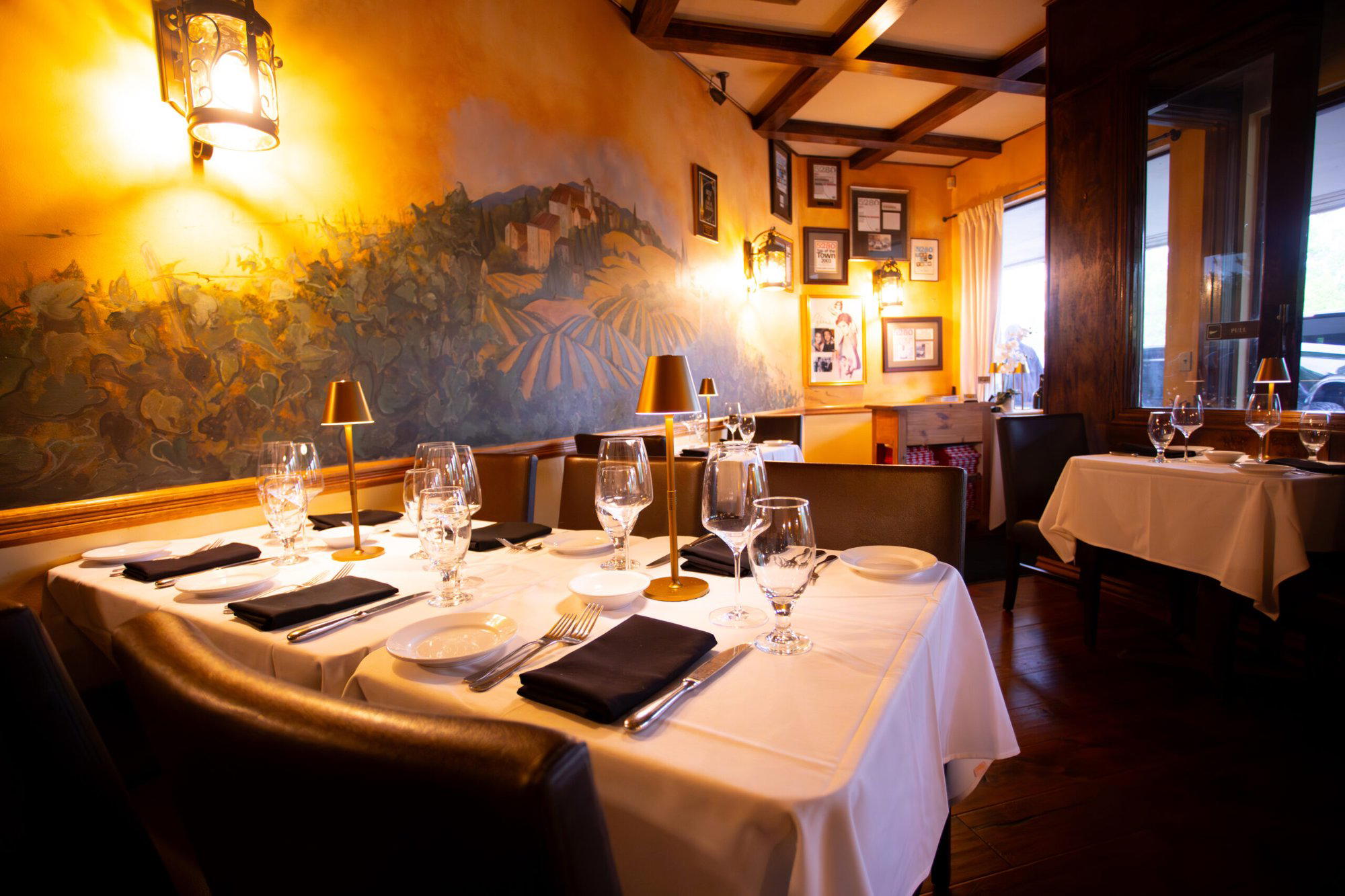
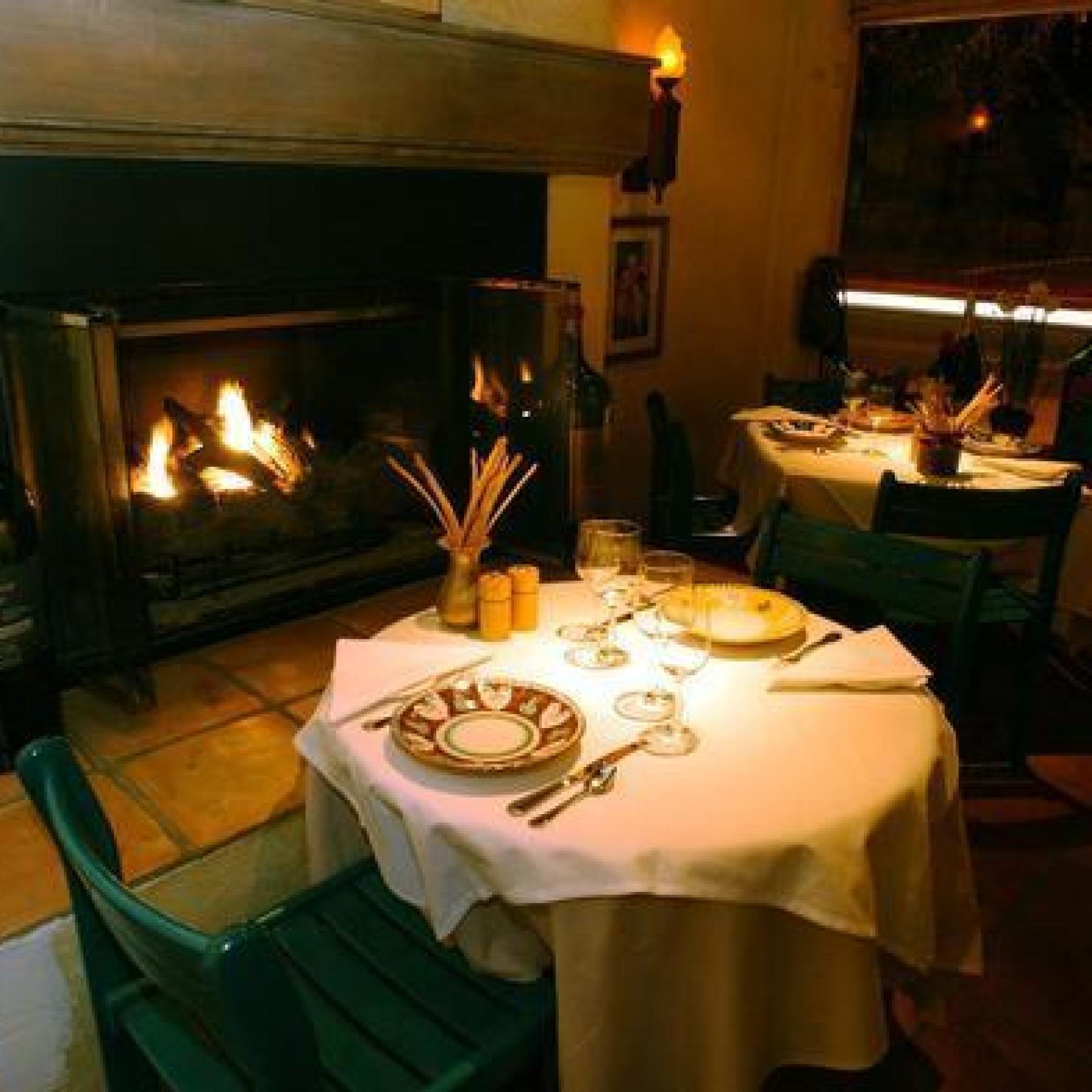
The physical environment at a suburban Italian restaurant carries weight that is easy to underestimate. The category's American iteration has accumulated decades of visual language: warm lighting, tablecloths or their approximation, a wine list that organizes itself predictably by region, and service that is meant to feel practiced without being stiff. When that environment is executed well, it produces something that urban dining sometimes loses in the pursuit of novelty: a room where the food is the point, the acoustics allow conversation, and the pacing is set by the table rather than the kitchen's throughput targets.
Chianti Ristorante's location at 5121 S Yosemite Street places it within easy reach of the Tech Center office clusters, which shapes the weekday lunch and early dinner rhythms in ways that differ from the weekend neighborhood-diner pattern. That dual audience, corporate midday and residential evening, is a pressure test for any kitchen, because it demands range rather than the focused repetition that allows a more specialized format to tighten its execution. The comparison to destination-format restaurants like Lazy Bear in San Francisco or Addison in San Diego is instructive precisely because those formats opt out of that range: they control the experience at the cost of spontaneity. Chianti Ristorante's format accepts the opposite trade.
Italian Dining in Colorado: The Broader Pattern
Colorado's Italian restaurant category has tracked national trends in some respects and diverged in others. The move toward regional Italian specificity, the Emilia-Romagna pasta counter, the Sicilian-inflected seafood program, has reached Denver proper but penetrated the south suburbs more gradually. The dominant model in markets like Greenwood Village remains the full-menu Italian-American house: pasta, proteins, a reasonable antipasto selection, and a wine list that leans on recognizable Italian appellations without deep regional granularity.
That is not a criticism. It reflects what the market demands and what a neighborhood dining room can sustain. The Italian restaurants that have tried to bring the specificity of a place like Atelier Moessmer Norbert Niederkofler in Brunico to suburban American contexts have generally found that the audience narrows faster than the margin allows. The more durable model, and the one that has produced Greenwood Village's most consistent Italian addresses, is one that anchors quality in ingredients and execution rather than in conceptual narrowness. For a broader view of the Greenwood Village dining scene and how Italian restaurants fit within it, see our full Greenwood Village restaurants guide.
Against that backdrop, the relevant editorial question for any Italian restaurant in this market is whether the kitchen is holding the sourcing line, whether the fundamentals are being executed at a level that justifies the visit over an alternative. Comparable operations like Emeril's in New Orleans and Providence in Los Angeles have demonstrated in their respective categories that ingredient sourcing and consistent execution, rather than concept novelty, are what produce longevity. The same logic applies, at a different scale, to a neighborhood Italian in Greenwood Village and to The Inn at Little Washington in its own suburban-adjacent context.
Planning Your Visit
Chianti Ristorante is located at 5121 S Yosemite Street in Greenwood Village, accessible from the Denver Tech Center and surrounding neighborhoods. Given the dual corporate-and-neighborhood audience, weekday lunch periods and early weeknight slots tend to be the most in-demand windows; arriving without a reservation during those periods, particularly for parties of more than two, carries risk.
Frequently asked questions
What's Chianti Ristorante's location?
Chianti Ristorante is located at 5121 S Yosemite St, Greenwood Village, CO 80111, Greenwood Village.
Is Chianti Ristorante suitable for a group dinner near the Denver Tech Center?
Located at 5121 S Yosemite St in Greenwood Village, Chianti Ristorante sits within direct reach of the Denver Tech Center, making it a practical option for groups coming from that corridor. Italian formats — with shared starters and flexible pacing — tend to accommodate varied group sizes better than tasting-menu formats, though confirming capacity and any group policies directly with the restaurant is advisable before booking.
What's the best thing to order at Chianti Ristorante?
In established Italian-American restaurants in the Greenwood Village corridor, pasta and protein-forward mains tend to anchor the menu — ask your server what the kitchen has been running longest, which usually signals what they execute with the most consistency.
How hard is it to get a table at Chianti Ristorante?
Greenwood Village's Italian segment draws a steady mix of Denver Tech Center professionals and local residents, and neighborhood restaurants at this address on S Yosemite St tend to fill mid-week as well as on weekends. Calling ahead for a reservation is the practical move, particularly if you're planning around a business dinner or a larger group.
In Context: Similar Options
Comparable venues nearby, for context on price, style, and recognition.
| Venue | Cuisine | Price | Awards | Notes |
|---|---|---|---|---|
| Chianti RistoranteThis venue — the venue you are viewing | Tuscan Italian | $50–100 | Wine Spectator Award of Excellence | Not listed |
| India's Castle | Authentic Indian | $20–30 | Not listed | Greenwood Village |
| Ya Ya's Euro Bistro | Euro-Mediterranean Bistro | $30–50 | Not listed | Greenwood Village |
| Na Favola | Authentic Italian Trattoria & Pizzeria | Not listed | Not listed | Greenwood Village |
| Enso Sushi & Grill | Japanese Sushi & Grill | Not listed | Not listed | DTC |
| Oliver's Italian | Modern Italian Pinsa and Pasta | $30–50 | Not listed | Greenwood Village |
Recognition history
Dated appearances from independent guides and award organizations, with the underlying list record or original source where available.
Wine Spectator Award of Excellence
Wine Spectator
Continue exploring
More in Greenwood Village
Restaurants in Greenwood Village
Browse all →
Bars in Greenwood Village
Browse all →
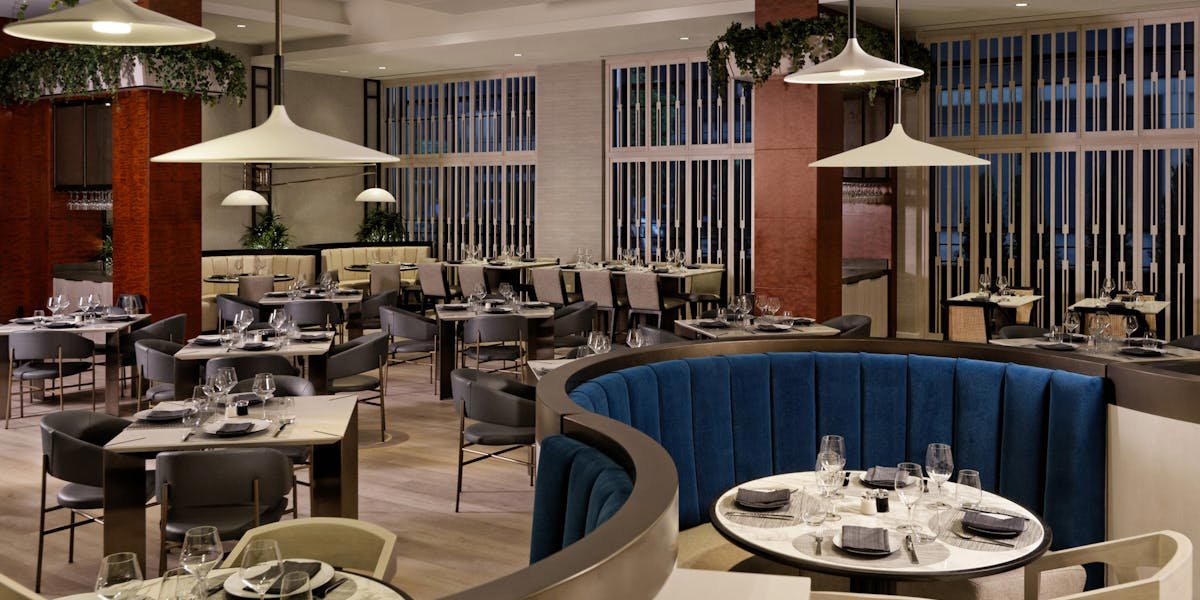
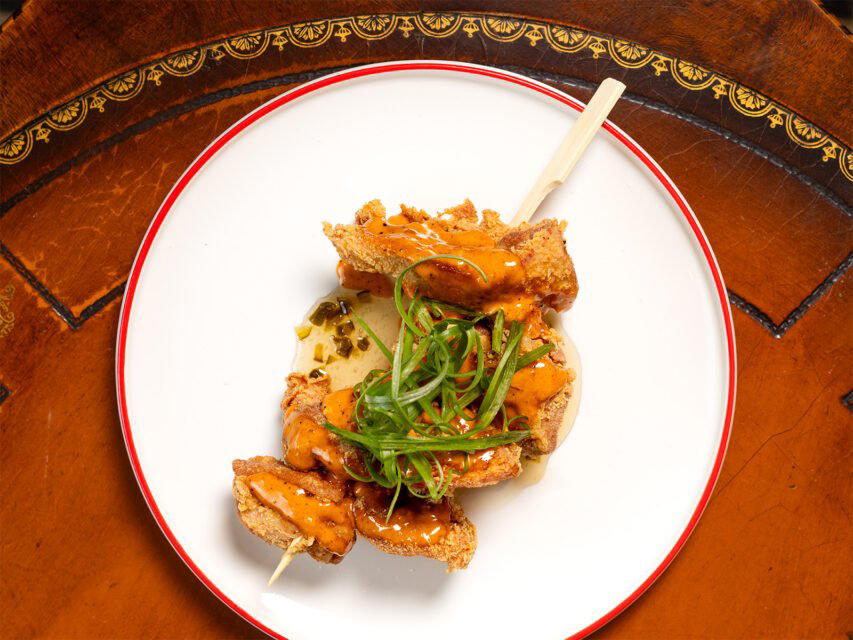
Hotels in Greenwood Village
Browse all →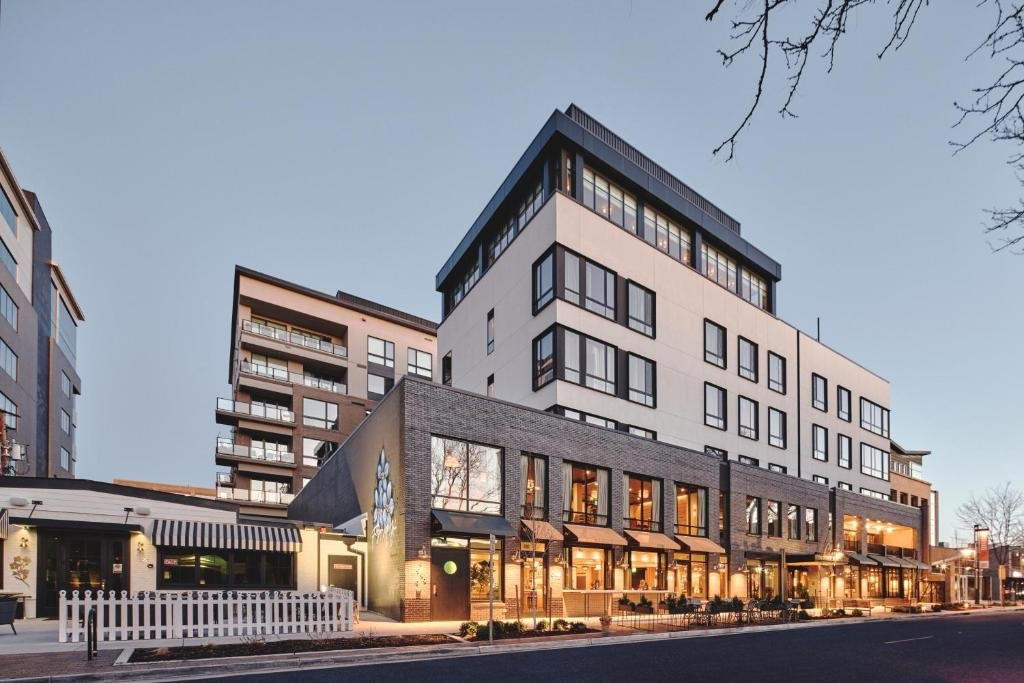
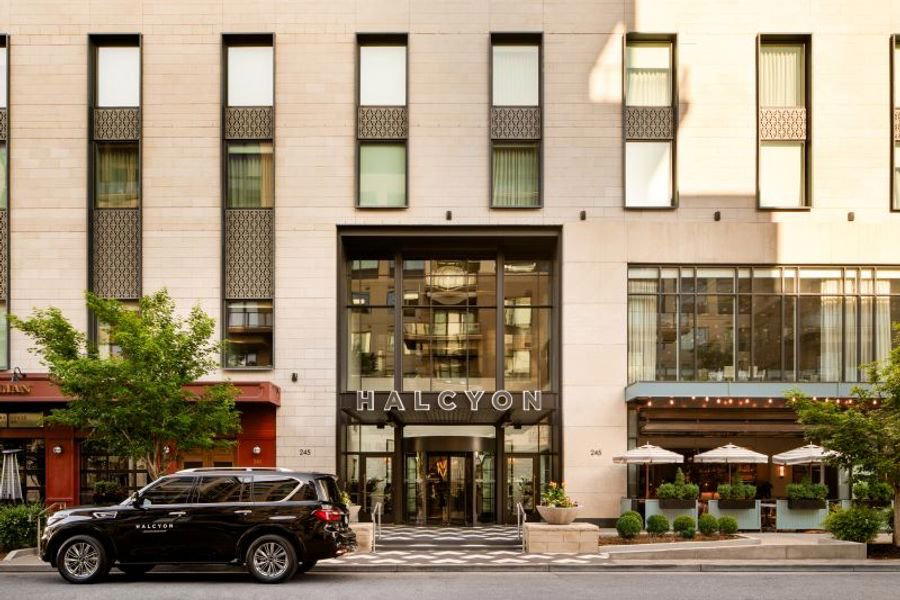
Wineries in Greenwood Village
Browse all →
Chianti Ristorante
The wine
Chianti Ristorante holds the Wine Spectator Award of Excellence, which Wine Spectator gives to lists of usually 90 or more selections.
- Wine program
- Exceptional wine program
- Wine Spectator
- Wine Spectator Award of Excellence
- Extensive wine list
Details
- Cozy
- Elegant
- Intimate
- Sophisticated
- Date Night
- Special Occasion
- Wine Cellar
- Extensive Wine List
- A La Carte
- Wine
Current opening hours
- Monday
- 4:30–9 PM
- Tuesday
- 4:30–9 PM
- Wednesday
- 4:30–9 PM
- Thursday
- 4:30–9 PM
- Friday
- 4–9:45 PM
- Saturday
- 4–9:45 PM
- Sunday
- Closed
Hours can change for holidays and private events. Last verified .
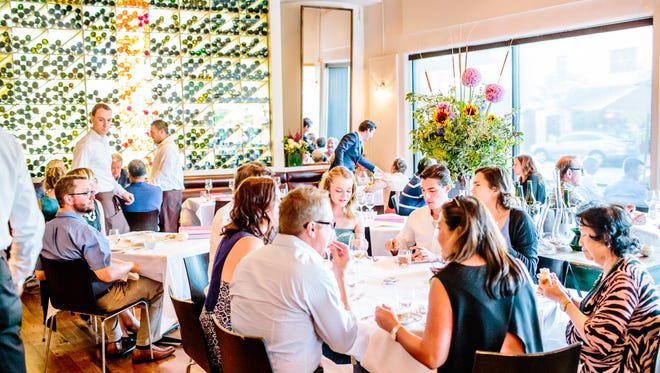
Cozy white-tablecloth setting with sophisticated ambiance focused on food and wine pairings.