
Near Imamiyaebisu and Daikokucho, Mutekko Oosaka ten belongs to Osaka’s practical ramen culture rather than its polished dining tier. The draw is a low-price, counter-led format with Tabelog 100 Ramen Osaka recognition in 2025 and a long selection history stretching back through the former West list.
Pearl is the En Primeur Club membership app — saves, bookings, and concierge access live there. Same editors, same standards.
- Address
- 1 Chome-5-21 Ebisuhonmachi, Naniwa Ward, Osaka, 556-0013, Japan
- Phone
- +81 6-6645-0522
- Website
- muteppou.com
 Saves & bookings on Pearl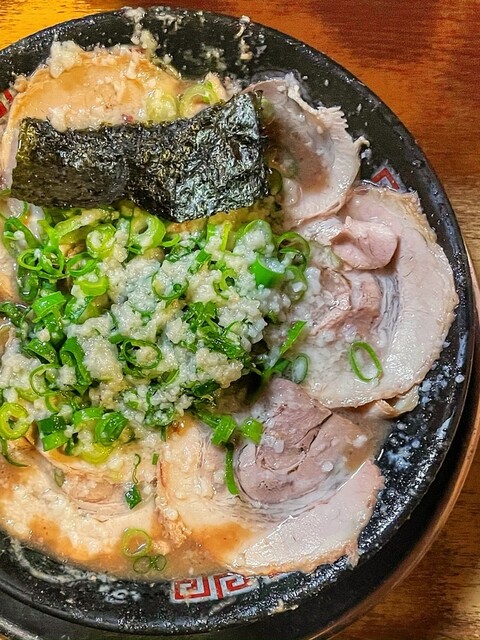
The approach to Ebisuhonmachi is not Osaka at its postcard setting. It is Naniwa Ward in working-city mode: station exits, narrow streets, quick meals, and the kind of ramen shop rhythm that rewards timing more than ceremony. In that context, Mutekko Oosaka ten reads correctly. The room is built around counter seating and fast turnover, with tables adding a little flexibility rather than changing the nature of the meal.
Osaka ramen does not operate with the same tourist shorthand as Dotonbori takoyaki or Shinsekai kushikatsu, yet its serious shops form a demanding local circuit. Recognition matters because the category is crowded and price-sensitive. Selection for Tabelog 100 Ramen Osaka 2025 places Mutekko Oosaka ten inside that local conversation, and its earlier appearances on the Ramen West list from 2019 through 2022, followed by Osaka selections from 2023 to 2025, suggest consistency rather than a single-year spike.
Naniwa Ward ramen, stripped of theatre
The neighbourhood matters here. Ebisuhonmachi sits close to Imamiyaebisu and Daikokucho, a part of Osaka where dining tends to be functional before it is decorative. That does not mean casual equals careless. In Japanese ramen culture, the low ticket price can disguise how competitive the category is: broth style, noodle handling, speed, and queue discipline all become part of the value equation. A shop in this bracket has little room to hide behind ambience.
Mutekko Oosaka ten’s pricing keeps it in the everyday ramen economy, not the chef-counter tasting-menu economy. That distinction is useful for travellers building an Osaka itinerary. A ramen stop here sits closer to an efficient neighbourhood meal than a long-form restaurant booking, closer in spirit to the city’s practical eating habits than to destination dining choreography. The 23-seat layout, split between counter and table seating, reinforces that format.
Among the supplied Osaka comparison set, Tezukuri Udon Tenkomori occupies an even lower everyday-noodle bracket, while Yuai Tei overlaps the same JPY 1,000 to JPY 1,999 range. Grill Bon moves into a higher casual-dining spend, and Stand Tsumamigui pushes further at dinner. That price spread helps position this ramen shop clearly: the appeal is not rarity pricing, it is recognised local cooking at a restrained spend.
What the recognition actually signals
Tabelog’s Hyakumeiten lists are not luxury awards; they are useful because they map sustained enthusiasm inside specific Japanese food categories. For ramen, that is a meaningful filter. The city has countless bowls, many of them competent, but repeated selection narrows the field to shops with enough local support and category strength to survive annual comparison. The restaurant’s 2025 Osaka selection, with previous selections across the West and Osaka ramen lists, is the clearest trust signal attached to the place.
The absence of a named chef in public-facing details also says something about the genre. Ramen shops often build reputation less through personality-driven biography than through repeatable output, turnover, and a house style that regulars can identify quickly. The editorial case here rests on category performance, not on a founder narrative. For a visitor, that is preferable: the decision is whether this part of Osaka and this recognised ramen format suit the day’s itinerary.
There is also a practical cultural point. Ramen in Japan remains a short, focused meal. Lingering is rarely the logic of the format, especially at counters with limited seats. Families are not excluded here, with children welcome and children’s chairs and tableware listed, but the setting is still a compact noodle shop rather than a spread-out family restaurant. That combination is common in Osaka: casual, accessible, and tighter in space than international visitors sometimes expect.
How it fits into an Osaka eating day
The strongest use case is a Naniwa Ward meal built around movement: before or after time near Imamiyaebisu, Daikokucho, Shin-Imamiya, or the southern edge of Namba. It suits travellers who want one serious ramen stop without turning lunch or dinner into a reservation project. Since reservations are unavailable, the calculus is simple: arrive with flexibility, avoid treating the meal as a fixed appointment, and expect the room to operate at ramen pace.
Payment details also keep the experience grounded in local habit. Credit cards, electronic money, and QR code payments are not accepted, so cash is part of the planning. Parking is not provided, and the venue specifically discourages street parking; this is a rail-and-walk proposition rather than a drive-up meal. Those constraints are not quirks, they are part of how small urban ramen shops function in Osaka.
For a wider city edit, place this stop alongside other Osaka addresses rather than treating it as a standalone pilgrimage. EP Club’s Our full Osaka restaurants guide gives the broader dining map, while Our full Osaka hotels guide, Our full Osaka bars guide, Our full Osaka wineries guide, and Our full Osaka experiences guide help build the rest of the trip. Nearby and citywide eating references include.cafe, 52CHO-ME BAKERY, 551 Horai (551蓬莱), 99 Pizza Napoletana Gourmet, and a canto (Italian). For contrast beyond Osaka, the Japan and overseas index runs from -Grilled beef Sukiyaki- KAMAKURA TANUKIAN 鎌倉 たぬき庵 in Kamakura. 鮪と炭火焼き うお炭 秋葉原店 in Tokyo.know in Kumamoto, (Shoku) Vietnam in Kawasaki, [Curry Senmon Ten] Maruyama Kyoju. in Sapporo, [ki:] in Kyoto, Jōdo Saké Bar in Los Angeles, and Onigiri Time in Pasadena.
The verdict is concise: this is a neighbourhood ramen address with credible category recognition, a low spend, and a format that suits travellers comfortable with small-shop Osaka. It is not the place for a leisurely tasting-menu evening. It is the kind of stop that makes sense when the city’s everyday food culture is the point.
Awards and Standing
Comparable venues at a glance for context.
| Venue | Cuisine | Price | Notes |
|---|---|---|---|
| Mutekko Oosaka tenThis venue — the venue you are viewing | Rich Tonkotsu Ramen | $ | Not listed |
| Men no Youji | Japanese Ramen | $ | Chūō |
| Kashiya | Japanese Tonkotsu Ramen | $ | Nishinari |
| Kama Hiro | Japanese Udon | $ | Higashisumiyoshi |
| Tachinomiya Shiraishi | Japanese Tachinomi Stand‑Up Bar | $ | Kita |
| Sanuki Teuchi Udon Zenigata | Sanuki hand‑made udon and curry udon | $ | Toyonaka (Hattori Tenjin) |
Recognition history
Dated appearances from independent guides and award organizations, with the underlying list record or original source where available.
Tabelog 100 #57 · No. 57
Tabelog · Tabelog 100 - Ramen - OSAKA - 2025
Continue exploring
More in Osaka
Restaurants in Osaka
Browse all →




Bars in Osaka
Browse all →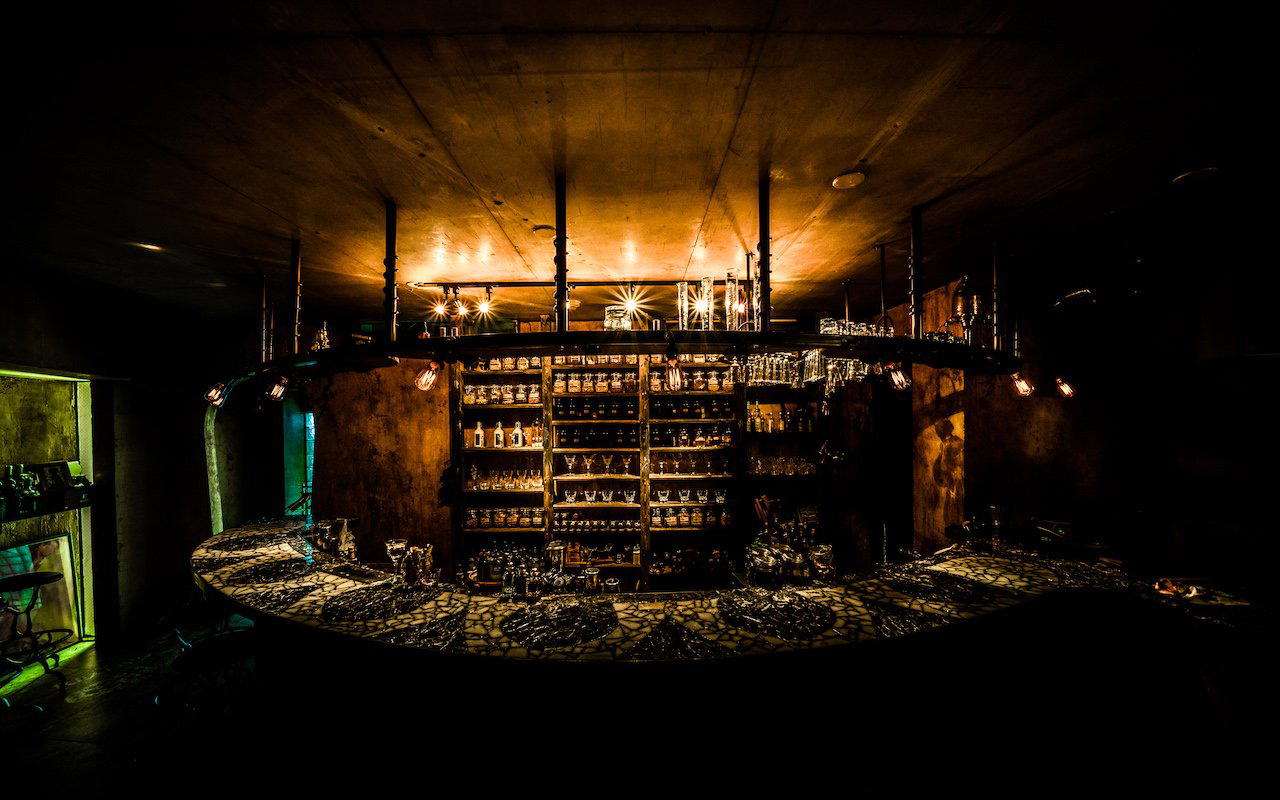
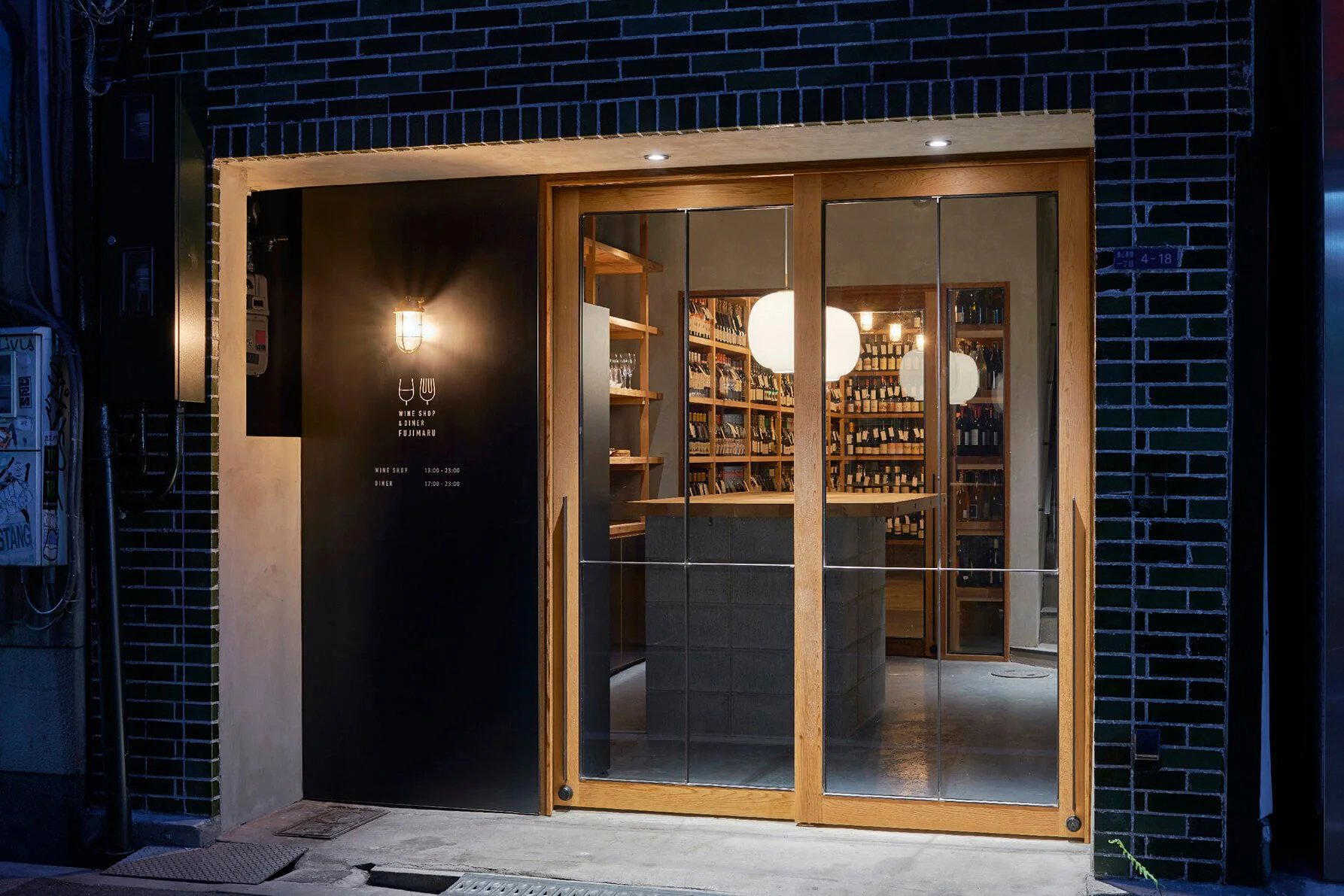


Hotels in Osaka
Browse all →



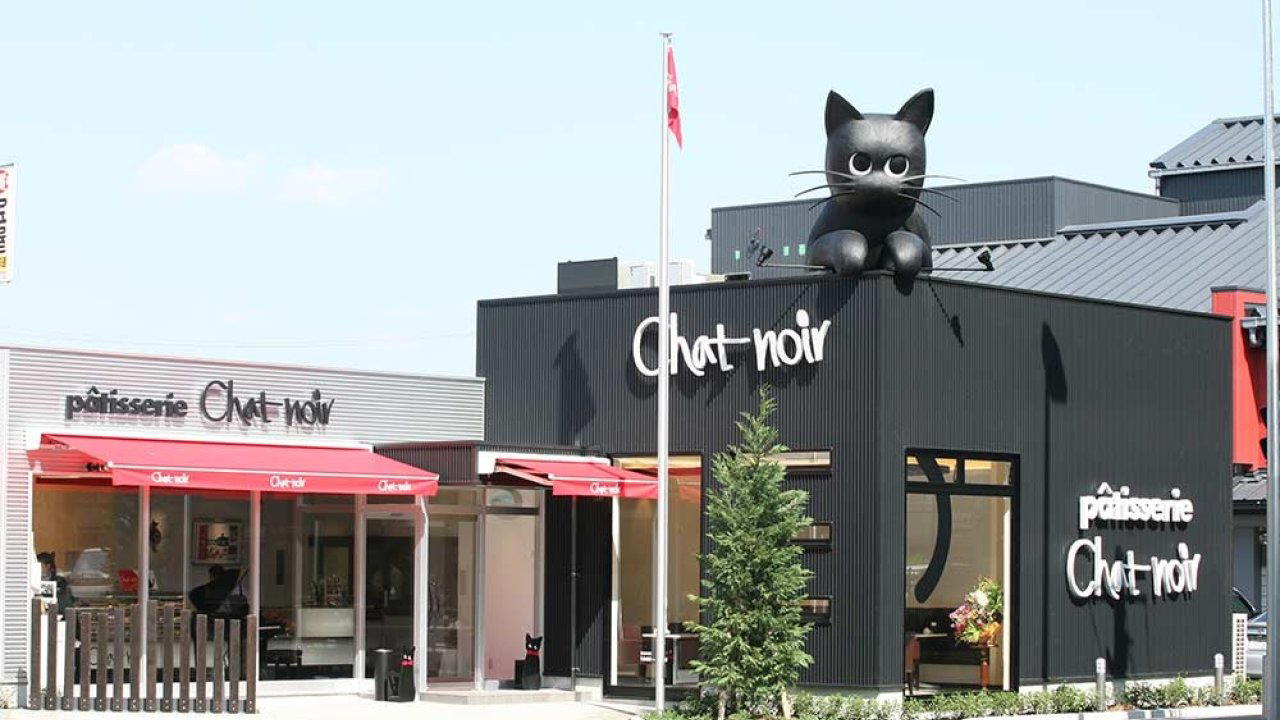
Wineries in Osaka
Browse all →
At a Glance
- Lively
- Cozy
- Classic
- Solo
- Casual Hangout
- After Work
- Late Night
- Family
- Standalone
Current opening hours
- Monday
- Closed
- Tuesday
- 11 AM–3 PM, 5:30–10:30 PM
- Wednesday
- 11 AM–3 PM, 5:30–10:30 PM
- Thursday
- 11 AM–3 PM, 5:30–10:30 PM
- Friday
- 11 AM–3 PM, 5:30–10:30 PM
- Saturday
- 11 AM–3 PM, 5:30–10:30 PM
- Sunday
- 11 AM–3 PM, 5:30–10:30 PM
Hours can change for holidays and private events. Last verified .
Small, ramen-focused shop with counter seating and a few tables, usually busy with a steady line, bright and functional rather than decorative, creating an energetic but cozy atmosphere typical of classic Japanese ramen-ya.